
I took two budget hook packs to my local lake to see how they stood up to fishing. The first landed several carp. A hook from the second opened while I was playing a smaller fish. Here’s what made me put that pack away and what I’d look at before tying another rig.
What happened with each pack
I bought about 180 hooks across two packs, including small barbless hooks in assorted sizes. The cost was about £10 at the time. I didn’t record model codes or measure their breaking strength. What I could check was how the hooks looked out of the packet and whether they kept their shape during fishing.
I landed several carp on the first pack, including one around 18lb, and the hooks kept their shape. During a fight on the second pack, a hook opened up despite the fish being smaller. Back on the bank, I found unevenly formed hooks among the ones still in the pack. That is enough to stop using the batch; a smaller venue or fish does not solve it.
What the price per hook left out
One listing offered 120 barbless hooks in sizes 8 to 18 for about £5 at the time. That looks quite different from buying ten hooks in the exact pattern you use. Put the sizes you would genuinely fish in one pile and set the rest aside before deciding what the assortment saves. Curiously, the pack with fewer hooks for the money was the one that opened during the fight.
Both batches had looked promising straight out of the packet. I used a straightforward knotless-knot rig, so nothing especially elaborate hid the hook shape. After the smaller carp was landed, comparing the opened hook with the unused ones revealed a wider problem in the second batch. A point can look sharp while the bend or eye is poorly formed. They deserve separate checks.
Inspect hooks before tying
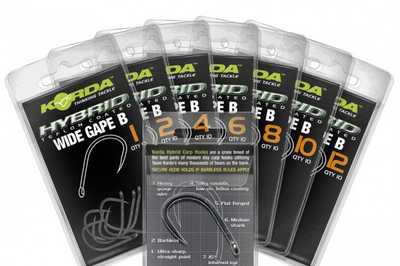
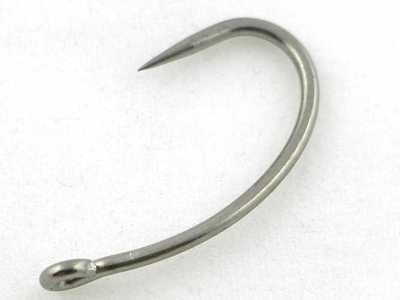
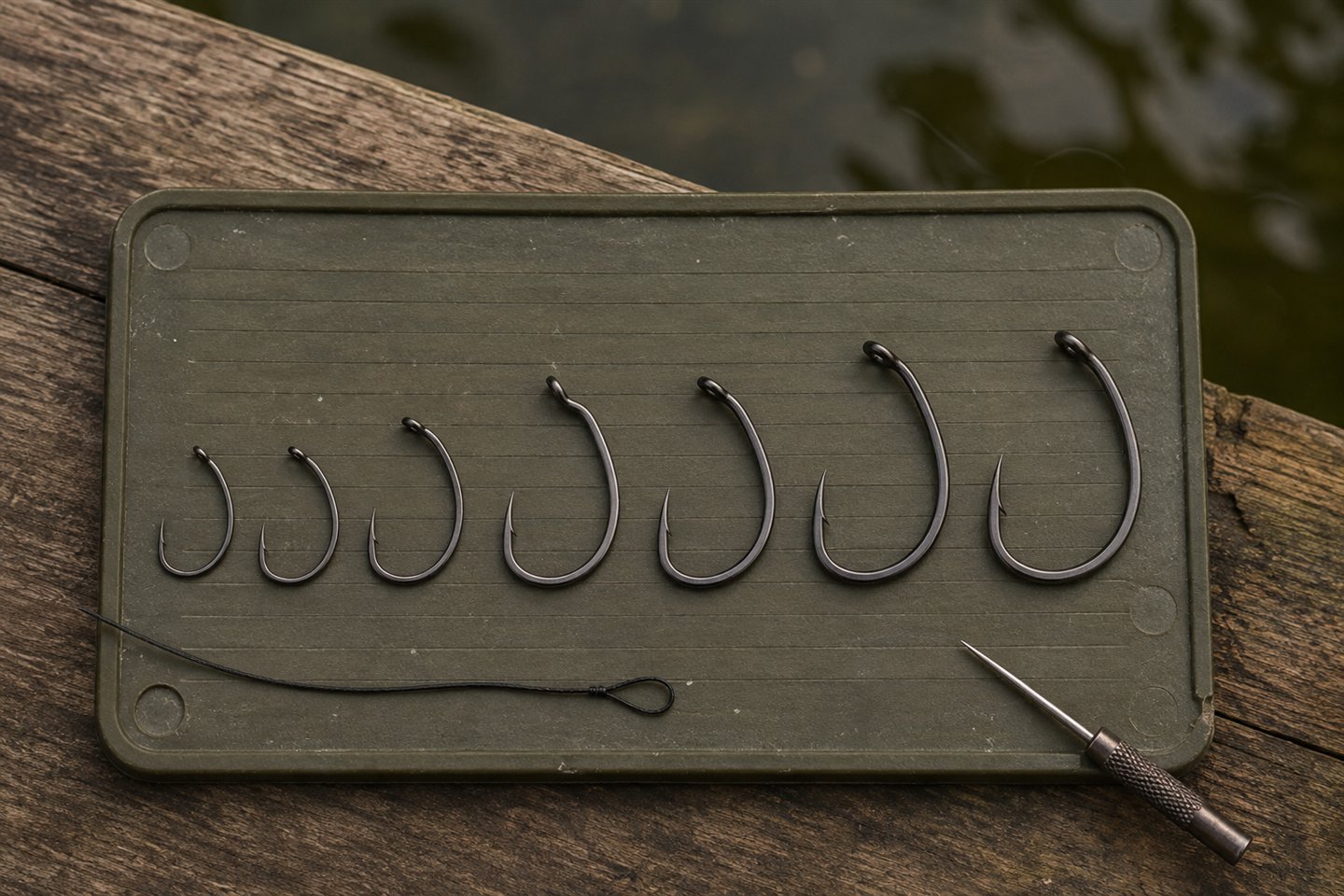
Look at the barb or barbless finish, point, wire and eye in good light. Put a new hook beside an unused one of the same pattern if you think a bend has changed. Reject rough or open eyes, bent points, damaged coatings and changes in shape. Pull-test the finished knot with safe tools and the point shielded; that checks the tie, not how the hook will behave on every fish. If you’re comparing patterns, a Korda Wide Gape X hook (paid link) is one example with a wide gape. Check the size and barb option against your fishery’s rules.
What to do if a hook opens up
Stop using the suspect batch, check your drag and line path and choose a sound pattern and wire for the rig and venue. Look for a supplier you can trace if there is a problem. The price and brand on a packet are no substitute for those checks. See the hook size and pattern guide if you’re unsure what suits the bait and rig.
Keep the packet if something fails. Put the suspect hooks in a closed container, photograph the damaged one beside an unused hook and tell the supplier which batch or listing it came from. For your next rig, take a fresh hook of known pattern, wire and condition. There is no useful reason to see how many more hooks will open before taking that step.