
In winter, a small bait in the right swim will give you more to work with than a bucket of bait in the wrong one. Start with a lake you can walk easily, watch a few different areas, and have a plan for what would make you move. Carp still feed in cold water, but you might get only a short spell when they are active.
Pick a lake worth your limited daylight
If you can spare one Saturday morning, would you rather spend it looking round an enormous pit or learning one bay on a smaller lake that still produces winter bites? Ring the bailiff and ask which water on the complex has actually produced a carp in the last fortnight. Ask roughly when the takes came. A midday capture on a reachable bank is much more use to your plans than last summer’s lake record.
Where do carp sit in winter?
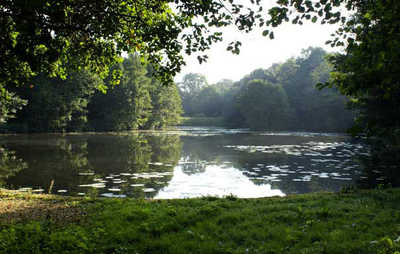
Start with recent signs and information about the water. Ask the bailiff which areas have shown fish lately, then look for yourself. Watch sheltered water, open-water holding areas and the ends of deeper shelves. The deepest swim can be a good place to look; it is rarely the only place worth looking.
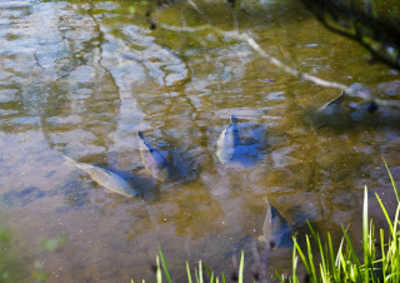
A fish rolling once gives you an area to watch. Repeated shows in roughly the same place give you more reason to fish there. A big patch of bubbles on its own could have another cause. If the lake is unfamiliar and you have only a few hours, a sheltered, accessible water with a reasonable stock is a good place to learn.

Take a look from the same bank at two different times if you can. A shallow bay might get a little afternoon sun while a sheltered corner offers more settled water. Give both a look. A carp showing twice in the same corner is a better reason to unpack there than a rule about winter fish always sitting deep or shallow.
Plan a short winter session
Take one rod if that makes it easier to move. Start in a safe swim with a good reason for being there. Pick a clear or lightly silty spot you can reach quietly and repeat if you need to. Keep an eye on a second area while you fish.
If you see carp repeatedly in another accessible swim, moving can make more sense than changing colour three times. If you have no new evidence and the last cast landed well, save the recast. Take enough warm kit for the whole session, and have the mat and net ready. Give yourself time to pack up before an icy bank or path becomes difficult to see.
How much bait should you start with?
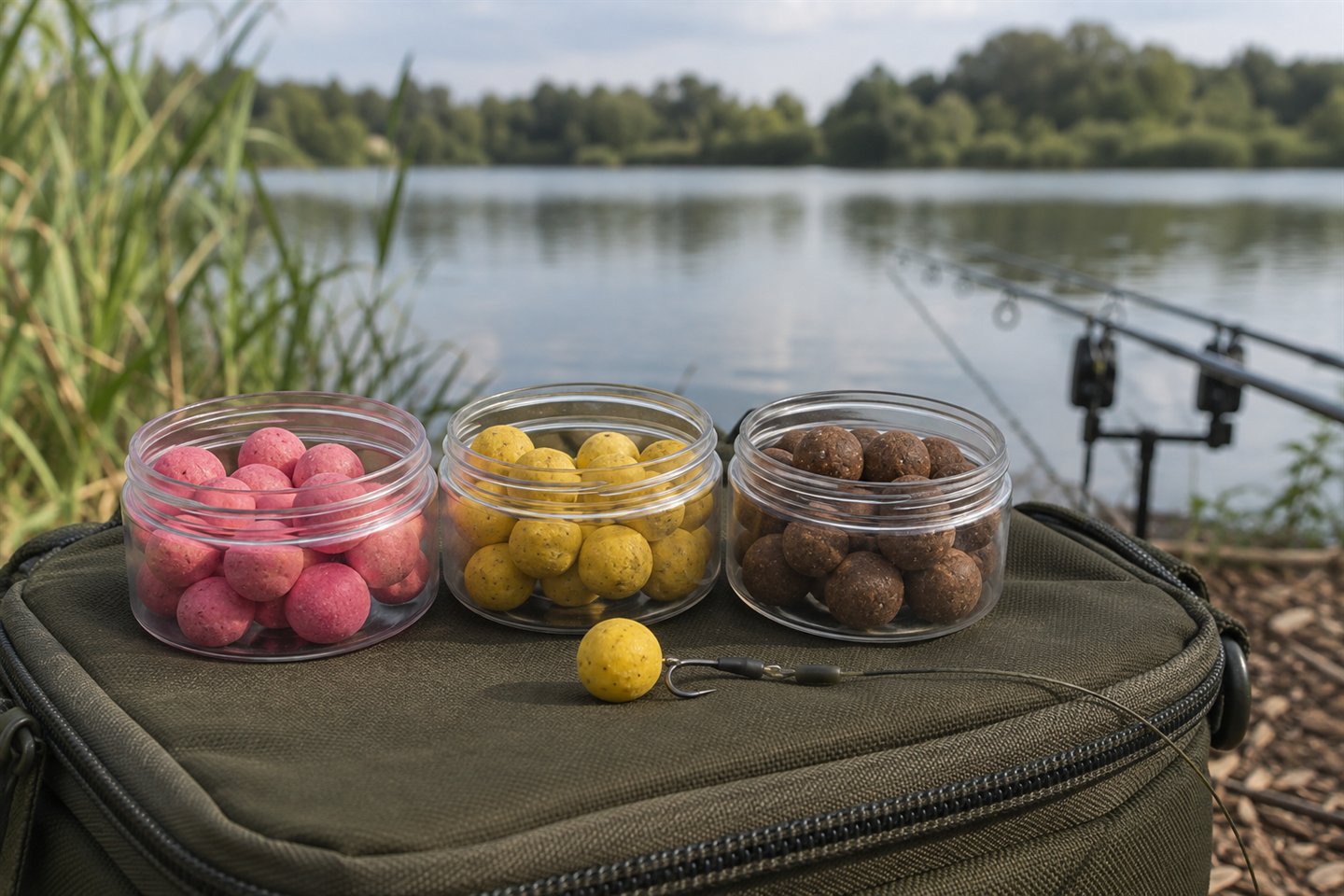
Try a single hookbait or a tiny parcel of feed where permitted. A few loose baits will do for a first look. Keep the rest to hand. After a bite, a recast with the same modest amount tells you more than jumping straight to a big top-up. See the winter carp bait guide for choices you can carry in a small pouch.
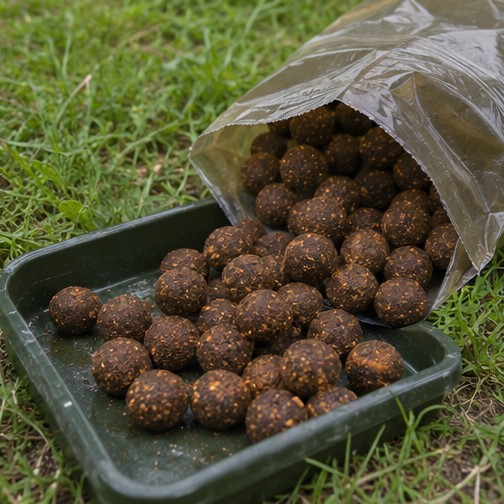
A small parcel for one bite
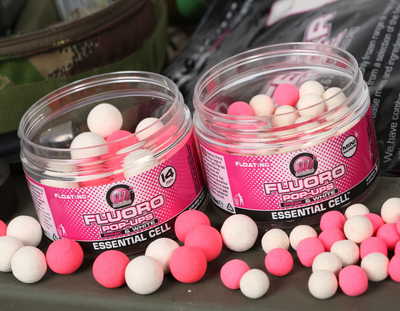
One winter approach I’ve enjoyed fishing is a white or pink pop-up with a small solid PVA bag. For example, Korda Solidz medium PVA bags (paid link) hold a small pinch of dry feed around the rig. If that is a presentation you already know, try a compact parcel of dry feed on a checked spot and balance the hookbait with the hook you will use. Test a spare piece of bag in cold lake water before you cast. A bag helps deliver a mouthful of food beside the rig, but a layer of dead leaves can still cover the hook.
Permitted maggots are another option. Try a small amount where you can check for nuisance fish, and bring them home again if the venue bars live bait. There is little to learn from repeatedly winding in an empty maggot clip and blaming the colour.
Try a different depth if you have a reason
If you have repeated signs well above the bottom, a permitted zig rig can help you check a second depth. Sound out the depth safely and record the setting. If you fish two rods legally and can attend both, keep one presentation on the bottom while you change depth on the other. A blank tells you little if you change the swim, bait and depth together. If you want to try a small foam hookbait, check the buoyancy of Korda black zig foam (paid link) with your chosen hook in the margin.
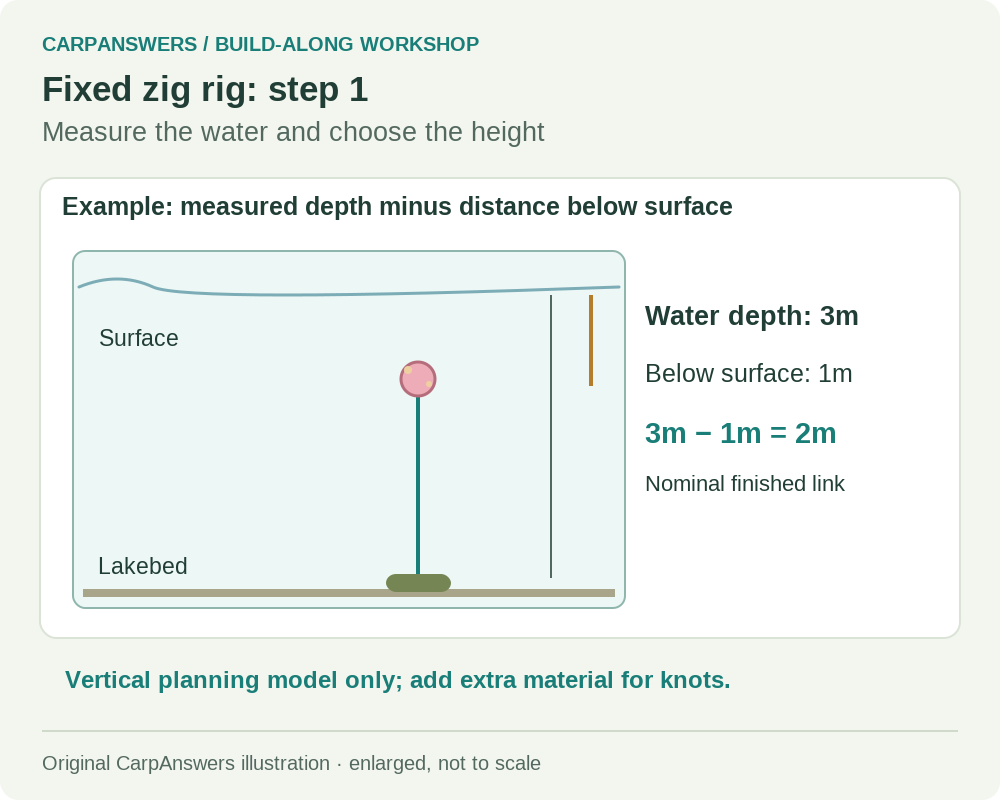
Is dawn or dusk worth fishing?
Both are worth watching, but use what you know about the lake and the time you can fish safely. A few milder afternoons might be useful; cold nights, wind and conditions at the venue can change the picture. Keep notes of actual takes and repeated shows with the time and swim. This makes it easier to choose your next four hours.
Work backwards from the spell you want to fish. For a dusk session, arrive with enough daylight to find a safe landing edge and walk the route out; pack the torch where you can reach it. If there was a show just as you reeled in, put the time in your diary. Next trip you can be in place for it instead of spending the same hour putting the kit together.