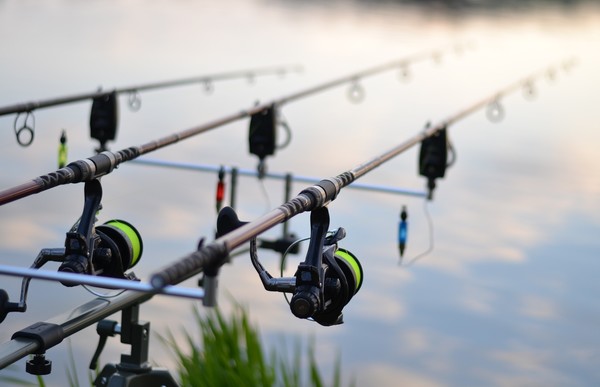
For a closer look at the parts and the Korda component list, see the illustrated fixed and adjustable zig guide in our beginner overview. Check which version you're tying before changing its materials or connections.
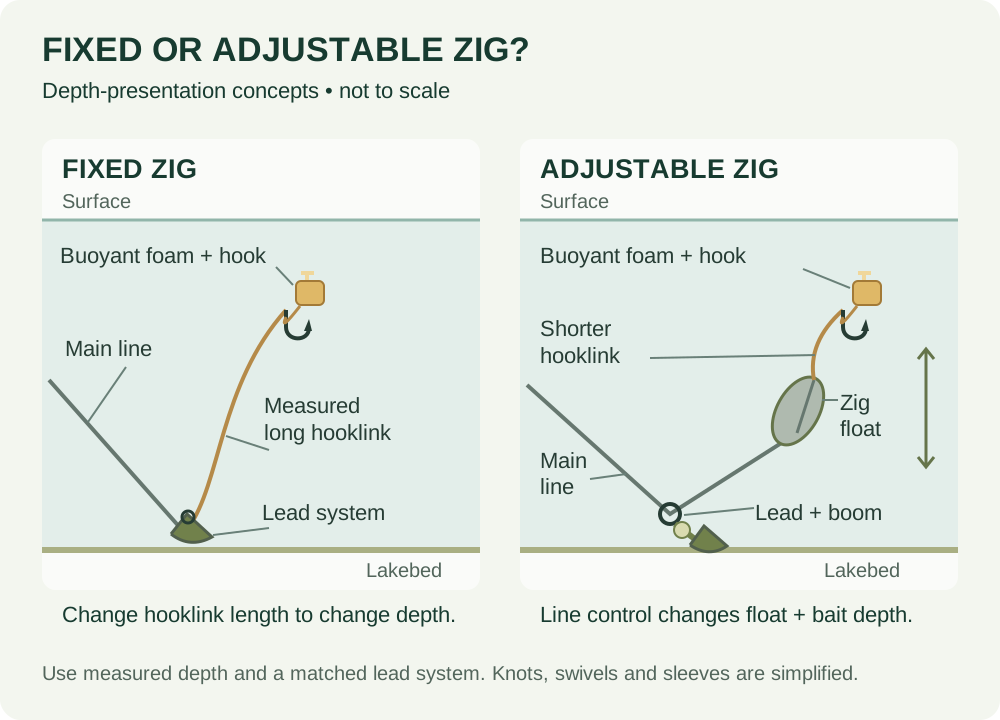
Carp aren't always feeding on the bottom. Zig rig fishing lets you put a buoyant hookbait higher in the water, using a fixed hooklink or an adjustable float system. We'll look at both, then work through choosing and adjusting the depth.
Use a fixed zig when the water is shallow enough to cast and land fish safely with the required hooklink. Choose an adjustable zig for deep water or when you need to search several layers efficiently. In both cases, know the depth, use genuinely buoyant bait, prevent tangles and move the hookbait methodically until sightings or a take reveal the occupied layer.
A zig is active fishing rather than a rig to cast and forget. Conditions, light and natural-food movement can change the depth carp use during a session. This guide explains the two systems, the depth calculations and a safe testing routine without assuming that one colour or starting depth works on every lake.
What is a zig rig?
A zig rig normally combines a buoyant hookbait, relatively unobtrusive hooklink and suitable hook on a lead system at the bottom. The hookbait rises above the lead until the hooklink reaches its full length. By changing that length or moving an adjustable float, you place the bait in a chosen part of the water column.
The bait is not suspended by a float on the surface. It remains below water, often without loose feed around it, intercepting carp that are not feeding on the lakebed. The method can work through the year whenever the fish occupy mid-water, although spring hatches and warm, bright periods commonly persuade anglers to try it.
Fish showing without bottom-rod action, repeated liners above a spot, visible carp cruising at a consistent depth or activity following insects can all support a zig approach. None gives the exact depth automatically. Observation narrows the search; controlled adjustments finish it.
Zig rig fishing: how do you choose the starting depth?
Measure the water where the rig will fish rather than relying on the venue's maximum depth. A marker float, careful leading or reliable contour information can establish the distance from lakebed to surface. Our guide to using a marker float explains how to measure in repeatable increments.
Allow for weed, silt and the lead sinking into soft sediment. If a depth reading is taken from the top of weed while the lead later penetrates it, the hookbait may sit higher than expected. Make a practical estimate and treat the first setting as a test, not a measurement with laboratory precision.
Write down depth, hooklink length and target distance below the surface. Anglers often remember that a zig was “about six feet” without recording whether that meant six feet above the bottom or below the top. Clear notes let a successful layer be repeated on the other rods.
How to calculate the depth of a fixed zig rig
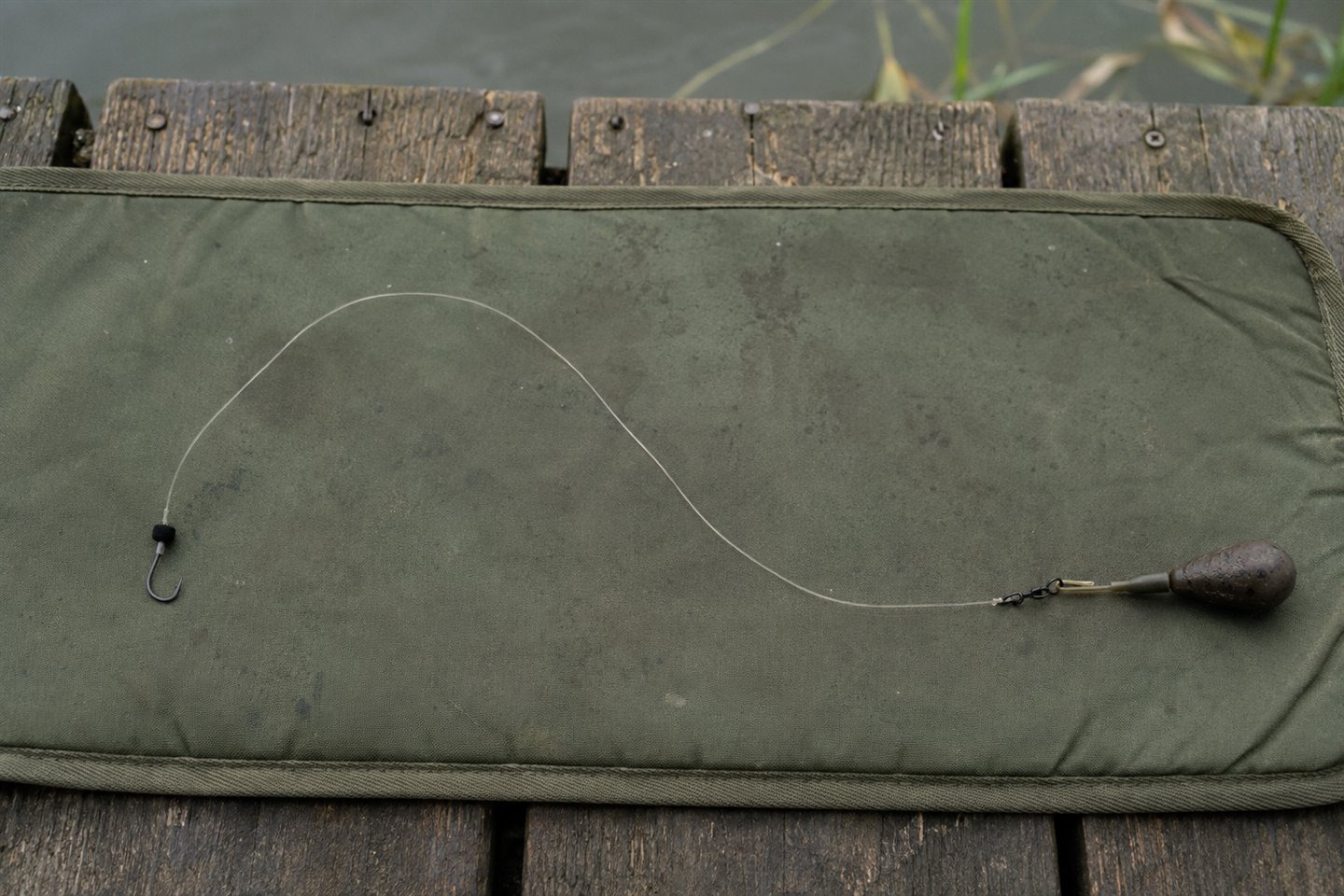
A fixed zig connects its long hooklink directly to a conventional lead arrangement. If the water is 10 feet deep and the hooklink is 7 feet, the buoyant hookbait should sit approximately 7 feet above the lead, or 3 feet below the surface, before allowing for silt, weed and line curvature.
The simplicity is useful. Once the lake depth and hooklink length are known, the bait's intended height is easy to calculate. There's no submerged float to adjust and fewer moving components. A carefully tied fixed zig also provides direct indication from hooklink to lead.
When to choose a fixed zig
Fixed zigs are most manageable on shallow to moderately deep water where the hooklink can be cast smoothly and a carp can be netted without dangerous improvisation. A four-, six- or eight-foot hooklink is very different to handle from one longer than the rod, particularly when fishing alone.
They also suit a methodical spread across several rods. In 9 feet of water, for example, different hooklink lengths can sample lower, middle and upper layers at the same time. Exact choices should respond to sightings and venue rules rather than blindly dividing every lake into thirds.
Limitations of a fixed zig
Every depth change normally requires a retrieve, a different hooklink and another cast. Long hooklinks can tangle, catch vegetation behind the angler and make accurate casting more difficult. The lead or clip may reach the rod tip while the carp is still several feet from the net.
Landing gets progressively harder as the hooklink becomes longer. Plan the netting position before casting, keep the bank behind clear and ask a competent companion to help when necessary. Don't hand-line a carp, walk blindly backwards or lift a rod beyond a safe angle to gain the final feet.
How an adjustable zig rig works
An adjustable zig places a purpose-made buoyant float on the main-line side of the lead and attaches a shorter zig hooklink above the float. After casting and feeling the lead down, line is released so the float rises. The float position can then be drawn down from the surface to set the hookbait at a chosen depth.
Because the hooklink may be only a few feet long, the setup is easier to cast and land than a very long fixed zig in deep water. Depth can be changed without retrieving the complete rig. This makes it possible to search the upper, middle and lower layers with less repeated disturbance.
When to use an adjustable zig rig for carp?
Use it when depth makes a fixed hooklink difficult, when carp keep changing level or when a quick search of the water column is valuable. It is particularly useful on deep, clear pits, but the extra float and running arrangement demand a complete understanding of the system.
An adjustable zig is not automatically tangle-free. The hooklink can catch around the float or leader during the cast, and floating debris can affect the running line. Use only components designed to work together and follow the maker's setup, casting and PVA guidance.
The adjustable-zig depth calculation
Measure the short hooklink first. After the cast, let the float reach the surface under control. Tightening initially draws the float down by the hooklink length until the buoyant hookbait is at the surface. From that reference, each additional measured foot drawn in places the hookbait roughly another foot below the surface.
For example, with a 4-foot hooklink and a target 3 feet below the surface, the total controlled draw-down from a surfaced float is approximately 7 feet: four feet to bring the bait to the surface reference, then three more to reach the target. Follow the specific kit instructions because float designs and line paths vary.
Use marked rod sections, distance sticks or known reel turns to measure the line rather than guessing. Keep light tension so the float remains controlled, and verify that it genuinely reached the surface before counting. At range, binoculars may help, but don't rely on a float you can't identify safely among birds or other anglers' tackle.
Fixed vs adjustable zig rigs
A fixed zig wins on simplicity and a clear relationship between hooklink length and height above the lead. It is quick to understand and can be excellent in shallower water. Its disadvantages are long hooklinks, recasting for every change and difficult netting once the connection reaches the top ring.
An adjustable zig wins on depth range and efficient changes. A short hooklink is easier to cast and manage, while the float can explore many levels without a new rig. The trade-off is a more complex lead and float system whose running path, buoyancy and safety features must be checked carefully.
Don't choose solely from water depth. A shallow weedy lake may make an adjustable float awkward, while an open deep area strongly favours it. Venue rules, other lines, floating weed, casting room and confidence with the system should all influence the decision.
Choose hooklink material for strength and buoyancy
Zig hooklink is commonly a purpose-made clear or low-visibility monofilament. It needs enough stiffness to resist tangles, a diameter appropriate for the carp and snags, and predictable knots. Fluorocarbon generally sinks and is therefore not the natural default for holding a buoyant bait up on a long zig.
Don't scale down simply because the hooklink is visible in open water. A very fine line that cannot land carp safely is a false advantage. Follow fishery minimums and consider abrasion, weed, expected fish size and how long the hooklink will be. Inspect every section for kinks or whitening after storage and each capture.
Long hooklinks should be stored around a large-diameter rig board or purpose-made zig box rather than folded tightly. Straighten only as the material manufacturer allows. A kink can weaken mono, change how it casts and make the bait sit away from the intended line.
Hooks, hookbaits and buoyancy
Choose a strong, sharp hook in a size that the fishery permits and that leaves the point and gape clear beside the hookbait. Zig hooks are often compact because the bait is small, but the complete tackle still needs to handle the carp. Inspect the eye for a rough join that could damage light monofilament.
High-buoyancy foam is common because small pieces can lift the hook and hooklink reliably. Purpose-made zig hookbaits and sufficiently buoyant pop-ups can also work. Test the actual bait in water for longer than a moment; absorbent bait may lose lift and slowly pull the rig below its intended height.
Black, yellow, red and combinations are popular, but colour is a variable rather than a rule. Contrast changes with depth, cloud, water colour and background. If fish are visible but refuse one bait, alter one element at a time so the result teaches you something.
A short hair tied with a neat knotless knot can mount foam or another buoyant bait, provided it cannot slide over and mask the hook. The basic sequence is explained in our hair-rig guide. Some zig components mount foam on the shank; use them only as designed and keep the hook point unobstructed.
How to cast a fixed zig without tangling
Lay the hooklink out straight on clean, wet grass or a mat behind you, clear of people, hooks, roots and vegetation. Where the fishery permits, dissolving foam around the hook or a purpose-made temporary attachment can keep the hookbait close to the lead during flight. Confirm how it releases before using it.
Use a smooth overhead cast within comfortable range rather than a violent compression. Watch the long hooklink behind you and stop if somebody enters the casting area. Feather the lead before impact so the hooklink straightens beyond it, then feel the lead down without dragging the bait underneath.
After the cast, look for the foam or other release indicator where appropriate and remain alert for a rig that landed oddly. If there is doubt, retrieve and inspect it. A zig fishing in a tangle can sit at the wrong depth with the hook point trapped.
How to cast and set an adjustable zig
Assemble the complete float and lead arrangement from matching components, following its instructions. Before casting, test in the margin that the float rises freely, the hookbait lifts the hooklink and the main line can run without catching a knot, bead or damaged sleeve.
Use the recommended temporary PVA or foam method to control the hookbait beside the float during flight. Cast smoothly and feel the lead down. Only then release line in measured amounts, keeping enough control to prevent coils and watching for the float to reach the surface.
When the surface reference is confirmed, draw the float and bait down using the measured calculation. Keep a note of line released and recovered. If the float fails to rise, don't assume it is at the top; weed, debris or a tangle may be holding it below.
How to find feeding depth when zig fishing
Begin with observation. A carp rolling flat may be closer to the surface than a fish crashing vertically, but shows are not depth gauges. Look for cruising backs, shadows, insect activity and repeated line movement. Use those clues to choose an initial band.
With several rods, place baits at meaningfully different depths rather than six inches apart throughout the entire lake. One can sample the upper third, another the middle and another a lower layer, subject to rules and safe line separation. With one rod, move through the same bands in planned intervals.
If a sighting, liner or bite occurs, refine around that level. Changes of six inches to a foot can matter once the correct band has been found. Put another rod close to the successful depth while retaining one alternative, because carp can move as sunlight, wind and temperature change.
Record depth below the surface, not just hooklink length. On a fixed zig, convert using the measured lake depth. On an adjustable rig, note the draw-down from the surface reference. This prevents a successful six-foot hooklink from being copied incorrectly into a lake of different depth.
Use weather and light without relying on myths
Bright sun can make upper water warmer and encourage insect activity, while cloud, wind and rain change light and mixing. Carp may rise, descend or move laterally in response. Air pressure alone doesn't tell you where every carp will sit; the water and visible behaviour are better evidence.
Check how recent weather has affected the lake rather than treating today's icon as the whole story. The best weather for carp fishing guide explains wind, temperature and pressure in context. Use the forecast to plan observations, then let the fish set the depth.
Bite indication and playing carp on zigs
Use secure rests, a suitable clutch and indicators that show both tightening and slackening. Zig takes can be decisive, but some begin with a few bleeps or a pulling rod tip because the fish is moving around a long hooklink. Stay close to the rods and investigate sustained movement calmly.
A long hooklink gives a carp room to move before the lead transmits every change. Keep controlled contact and let the rod and clutch absorb runs. Don't strike violently at a tight line. With an adjustable zig, follow the product procedure during the fight so the float returns towards the lead without jamming.
Plan netting for the hooklink length. With a fixed zig, the lead connection may stop at the tip ring while the fish remains beyond the net. A companion can net it, or safe space behind the swim may allow measured movement while keeping the rod at a sensible angle. Never wrap the hooklink around your hand.
The lead system must be safe if the main line breaks. Long fixed zigs are often paired with a correctly adjusted lead clip where lead release is appropriate, while adjustable kits use their own designed running arrangement. Our safe carp lead-system guide explains the failure paths and compatibility checks.
Common zig rig mistakes
Casting one depth for a full day despite changing signs is the defining mistake. If fish are present but the rod is inactive, adjust methodically. That doesn't mean recasting every few minutes without thought; choose an interval, observe and keep a record.
Inaccurate depth is another. Guessing water depth, ignoring weed or confusing feet above the bottom with feet below the surface can place the bait far from the intended layer. Measure and write the calculation down.
Poor buoyancy can make a well-measured rig sink. Test the hookbait with the actual hook and hooklink, including after soaking. Replace damaged foam or a pop-up that no longer lifts everything positively.
Using line and hooks that are too light for the situation sacrifices fish safety for invisibility. Match strength to the venue and avoid snaggy water that cannot be fished responsibly. Finally, never ignore a questionable cast. Retrieve a suspected tangle and restore confidence.
Frequently asked questions
How far below the surface should a zig rig be?
There's no universal depth. Start from sightings or sample broad layers, then change in measured increments. Once a bite or repeated indication identifies a band, refine around it and record the distance below the surface.
What is the difference between a fixed and adjustable zig?
A fixed zig uses the hooklink length to set height above the lead and must normally be recast to change it. An adjustable zig uses a submerged float and shorter hooklink, allowing the bait to move up or down without tying a different long rig.
Can I use a pop-up on a zig rig?
Yes, if it remains buoyant enough to lift the hook and full hooklink for the required period. Test it in water. Small high-density pop-ups may not lift a long or relatively heavy setup as expected.
Are zig rigs only for spring?
No. They are associated with spring because carp and natural food often use the warming layers, but zigs can work whenever carp occupy mid-water. Observation and depth adjustment matter more than the month.
Final thoughts
Zig rig fishing becomes much clearer when depth is treated as a measured variable. Establish the water depth, choose fixed or adjustable tackle that can be cast and landed safely, test buoyancy and work through the layers with a written plan.
When you get a bite, note the depth and put the rig back accurately. Keep watching, though, because the fish may move up or down again. Concentrate on a sound setup, a tangle-free cast and sensible depth changes. You don't need to keep changing foam colours before you've worked out where the carp are.