
When a carp session goes quiet, use what you can see and feel to choose the next move. A showing fish, a masked hook and a bobbin that keeps lifting in the wind are three different clues. Work through the checks below in order and change the part you can learn something from.
1. Look away from the rods
Give nearby water a proper look before touching the kit. One splash is worth watching. Fish showing repeatedly across from an open swim are a reason to consider moving if you can fish it safely.
2. Check the level the fish are using
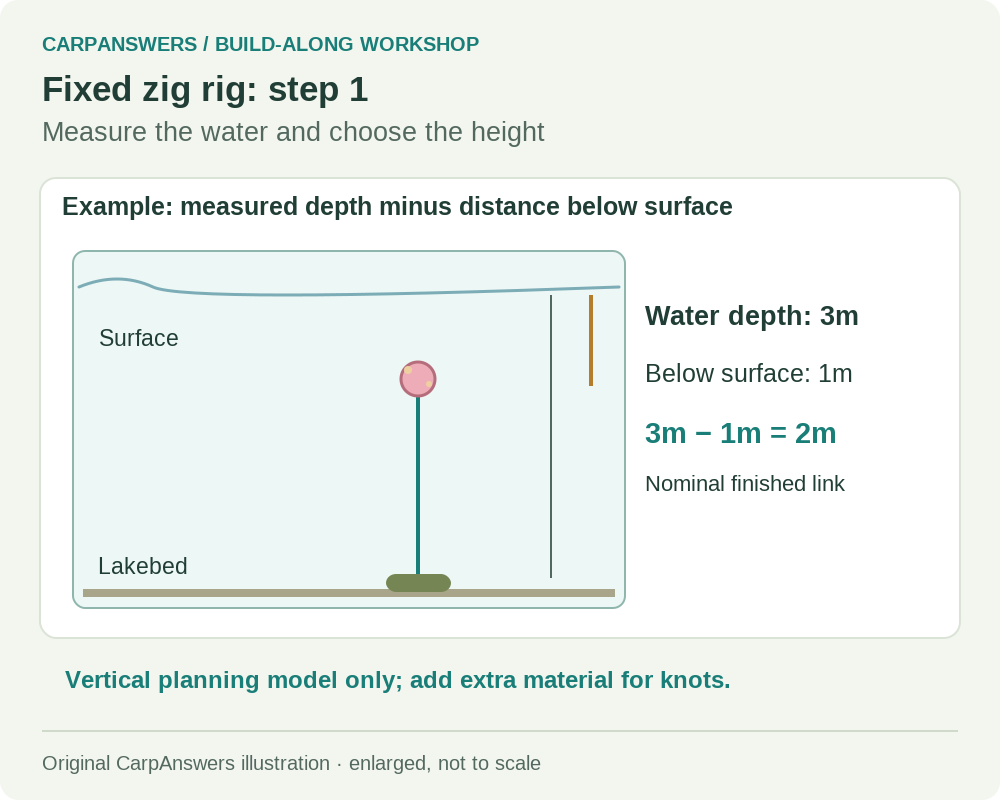
If the fish are passing high in the water, a better bottom bait may still be well below them. Watch for feeding on top. Consider a permitted zig if they’re moving a little deeper and you can fish it safely.
3. Find out what the hook is bringing back
Weed on the point or a wrapped hair is useful evidence. Compare the cast with a short water test and look for a cleaner spot or the cause of a repeated tangle. A clean retrieve cannot prove the rig sat perfectly all session, but a masked hook gives you something to fix.
As you reel in, look at the hooklink before you straighten it. A hair wound around the shank or a loop caught against the lead is a reason to investigate the cast. Compare your usual length with a shorter version of the same rig only if it still suits the bottom. Lay both out beside each other and check each with the bait mounted. A three-inch hooklink and a six-inch one do different jobs on different beds; a change in length cannot clean weed off the hook.
4. Put the rig back where you meant it to go
Choose a far-bank marker and record your range. If a cast misses a clear spot near weed, bring it back. If it lands cleanly in a safe place, give it time. See the casting accuracy lesson if you keep missing the same side.
5. Leave some bait in the bucket
Wait until you have signs, a take or another clear reason to add feed. If fish are showing on the fringe of a patch, try one bait on a safe route they are already using. Avoid adding bait simply because it has been an hour.
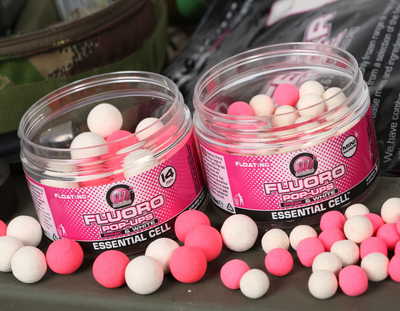
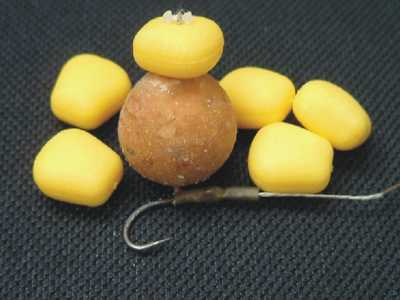
Sometimes you only need a different mouthful. Try a half boilie among chopped freebies or, where allowed, tip the same bait with a grain of imitation corn. Check its buoyancy at the edge. If you want to try a dip instead, treat a few baits in their own tub, then leave the rest of the bag alone. A colour or smell you notice in the pot tells you very little about what the carp are doing.

6. Check the indication
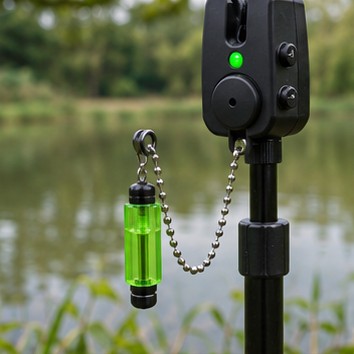
See how the alarm and bobbin respond to line going both ways while the hook and lead are safely out. Wind can move the line; a falling bobbin may also indicate a fish travelling towards you. Check promptly when you get sustained or unexplained movement. Read the bite alarm setup guide if you are unsure how your setup responds. A bobbin such as the Korda Stow bobbin (paid link) gives you a visual check on line moving back towards the rod.
7. Finish with one deliberate change
Try a different depth, a better spot or one fresh hookbait. Keep the rest of the setup the same where it makes sense. Write down what you changed and what happened. If today stays quiet, you will still have a useful starting point for the next trip.
Give your next visit a head start by writing down the time of the show as well as the time of the bite. Imagine you keep packing up at five and spot the first rolling fish as you wheel the barrow back. If the fishery allows it, try arriving and leaving later next time. You have changed the hours you are on the fish without buying a different rod, reel or bag of bait.