Winter Carp Fishing: How to Find Carp on a Lifeless Lake
Find winter carp on short sessions. Read the lake, try one small feed, and work out when to move or fish off the bottom as the water cools.
Read guide
Advice from the bank
Practical carp and coarse fishing guides for anglers of every ability.
Explore by subject
Start with a curated route through the carp and coarse fishing guides, or search every article below.
Find winter carp on short sessions. Read the lake, try one small feed, and work out when to move or fish off the bottom as the water cools.
Read guide
Find a clear spot in a weedy lake, choose a rig that suits it, and work out how you will land a carp before you make the first cast.
Read guide
See how to choose between surface baits, zigs and margins in summer, and when warm water or a thunderstorm means it’s time to stop.
Read guide
Decide whether to change boilie size, hookbait colour or loose feed. Learn a simple water test so your next bait change has a purpose.
Read guide
Plan what to fish with on a French carp trip. Ask about range, bait and fish care before packing, then make a sensible plan for your first evening.
Read guide
Choose a realistic target water, make sense of catch reports, and refine your location and feeding without relying on a magic big-carp rig.
Read guideChoose your first carp rod, reel and rig, learn what the bite alarm is telling you, and follow a carp from the first cast to a safe return. There’s a kit list for a day on the bank and advice on what to add when you start staying overnight.
Read guide
Try coarse fishing with a simple float rod. Choose a friendly stillwater, plumb the depth, feed a few maggots and learn what a bite looks like.
Read guide
Compare Mainline Cell, Essential Cell and The Link. Check what the name tells you, then choose the right freezer bait, shelf-life bait or hookbait.
Read guideNot getting bites? Work through seven quick checks for carp location, depth, hookbait, rigs, baiting and indication before changing everything.
Read guide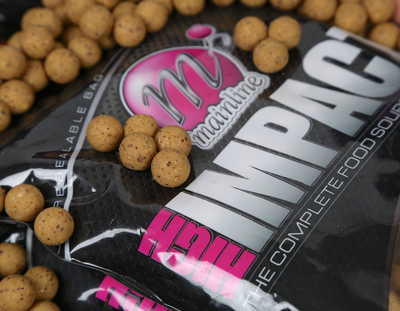
Three budget boilie batches gave very different results at the baiting needle. See what held up, what crumbled and how to check a pack yourself.
Read guide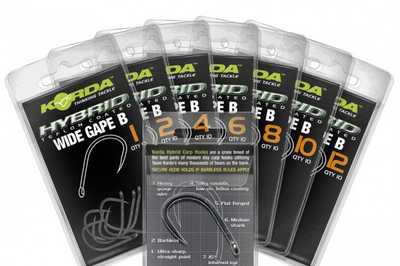
One budget hook batch opened up during fishing. Learn what the original test can tell you and how to check a new pack before tying a rig.
Read guide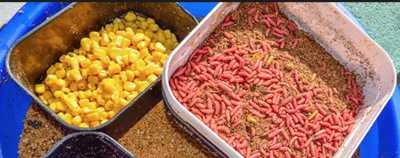
Choose a coarse fishing bait for roach, perch, tench or carp. Learn how to mount maggots, corn, bread and other staples without covering the point.
Read guide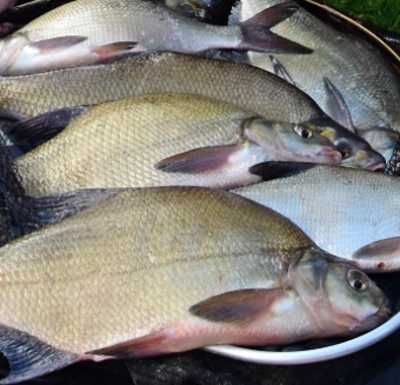
Learn which fish count as silverfish, how to start a light float or pole setup, and when to change depth, feeding and bait on mixed waters.
Read guideCheck if you need a fishing rod licence, which type covers carp and coarse fish, and where to buy it. Includes junior licences and separate permissions.
Read guide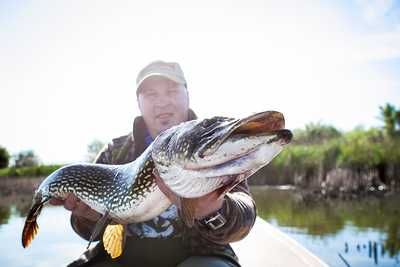
Learn to start pike fishing with a mentor, a suitable wire trace, clear bite indication and the kit to land, unhook and return a pike safely.
Read guide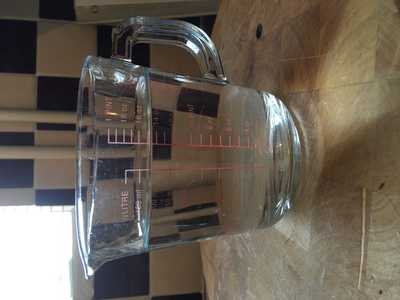
See the original pineapple glug method in photographs. Learn what to measure, how to coat a boilie and why to keep this water-based mix away from PVA.
Read guide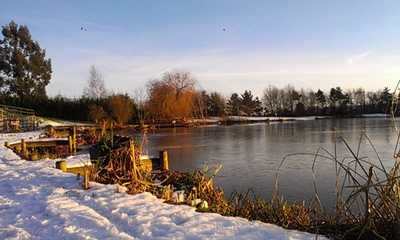
Find likely winter pike swims, pick a permitted deadbait and test bite indication. Learn when to move and how to respond without waiting for a second run.
Read guide
Pass the time between bites with 25 short fishing jokes, groan-worthy fish puns and bankside one-liners from the CarpAnswers reader collection.
Read guide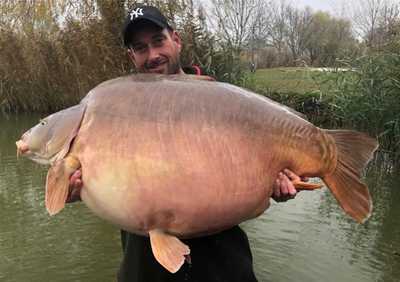
Revisit the November 2018 Euro Aqua catch reported for Michel Schoenmakers, including the published weight and what the archive can verify.
Read guide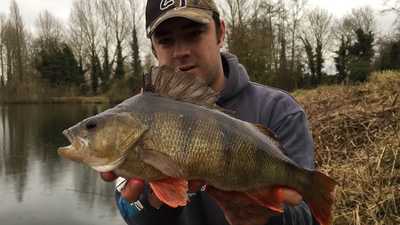
Set up a perch dropshot with the hook above the weight. Learn how to stay in touch with the lure and change depth or angle when bites stop.
Read guide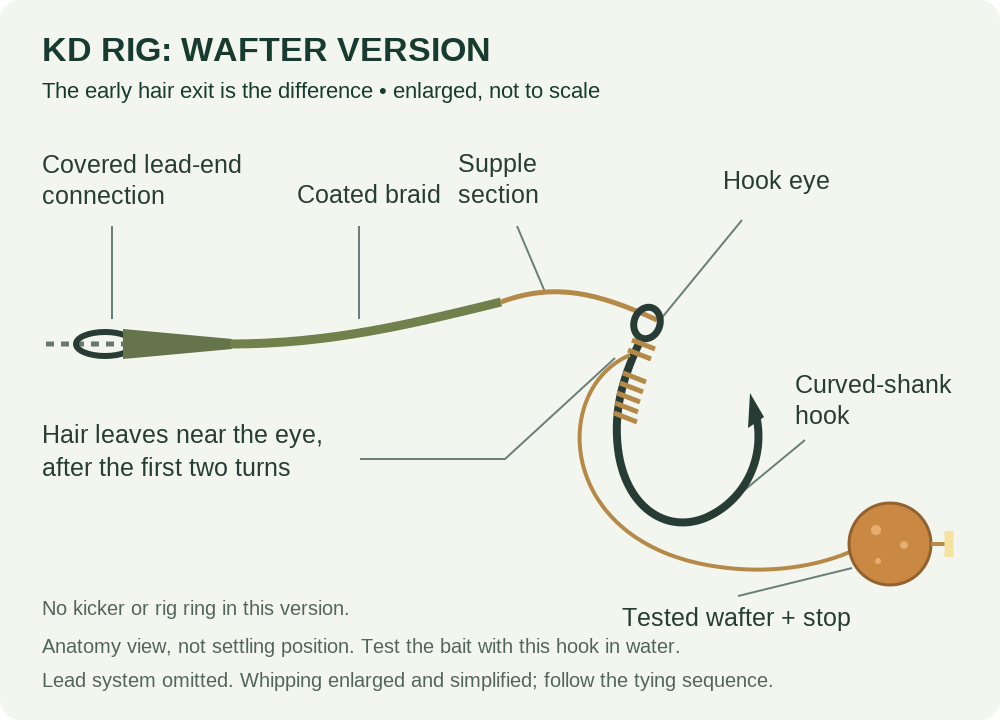
Tie a KD rig from the illustrated steps. Learn where the hair exits, how to balance a wafter, and what changes if you fit a pop-up.
Read guideChoose between winter pop-ups, corn, maggots and bread. Match the bait to the rig and depth, and check that a small PVA parcel opens in the cold.
Read guide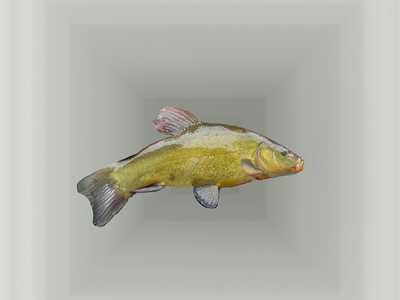
Find tench near weed and lilies, choose between float and feeder, and make sense of bubbles and feeding signs without filling the swim with bait.
Read guide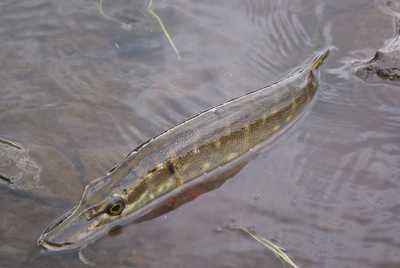
Find river pike near slacks, current seams and cover. Learn to choose a safe fishing and landing spot, control a deadbait and read a take in the flow.
Read guide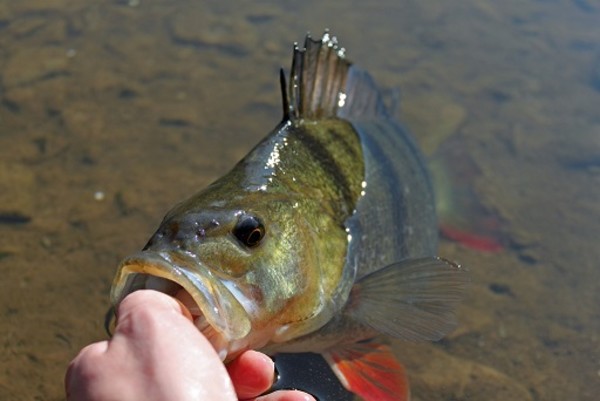
Look for perch by features and prey fish, then choose a float bait or small lure. Includes bite, depth and safe handling checks for UK venues.
Read guideRead warming shallows, cold nights and changes in depth, then choose a spring carp spot, bait and safe presentation. Know when spawning means stop.
Read guide
From blank sessions to muddy kit and unexpected costs, here are ten things new anglers can expect, with a few easy ways to enjoy the first trips.
Read guide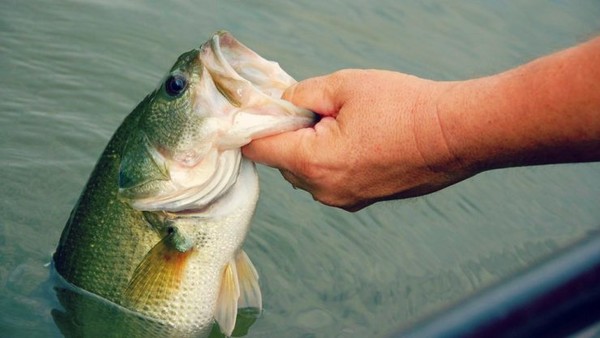
Fish for North American largemouth bass with a small lure selection. Learn where to cast, how to change a retrieve and which local rules to check.
Read guide
Tie a simple hair rig with an illustrated walkthrough, match a hookbait to the lakebed, and compare 15 carp rigs as you build your skills.
Read guide
Find UK carp bait makers and particle suppliers. Compare what to check on boilies, hookbaits and delivery, and confirm the range with each maker.
Read guide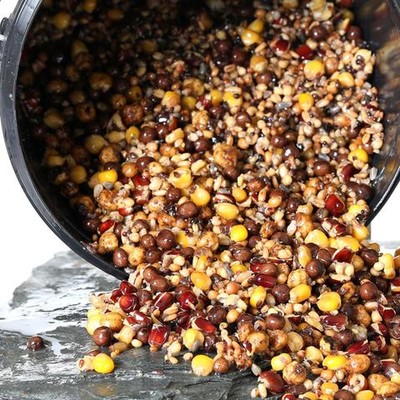
Mix a small batch of prepared hemp, chopped boilies and drained corn for carp. Learn what to add, how to check preparation and when to top up.
Read guide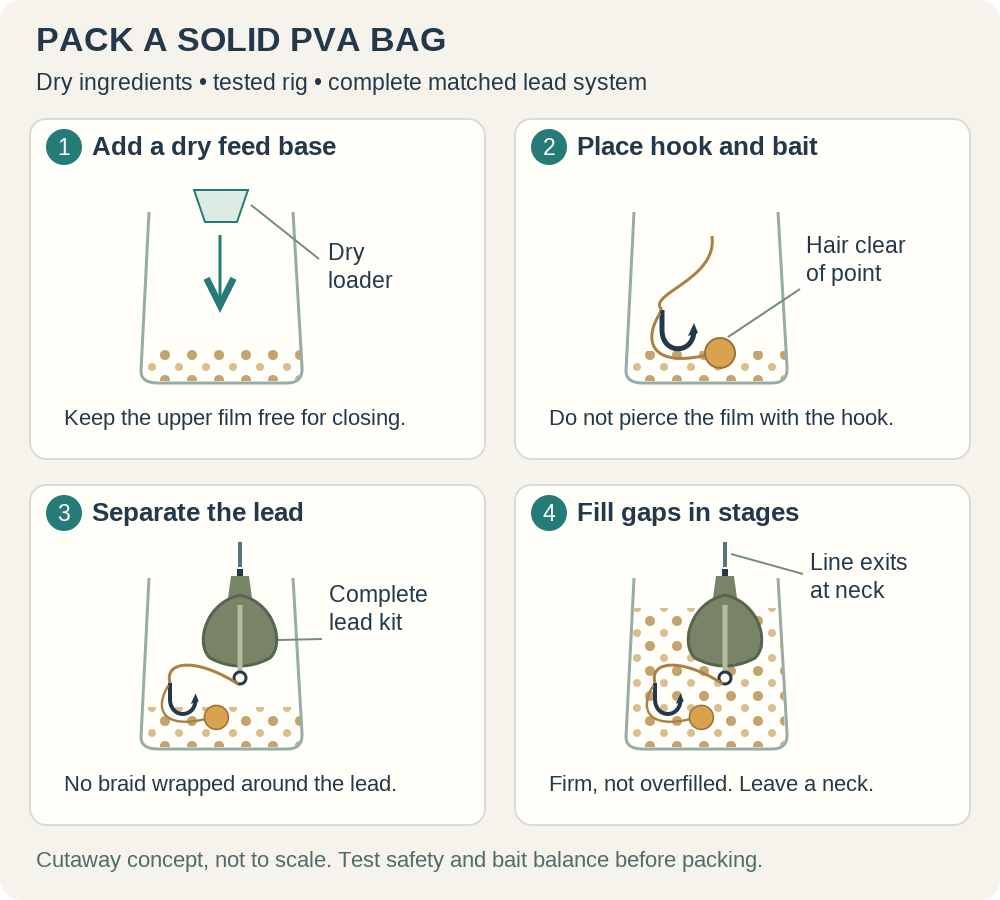
Pack and finish a solid PVA bag with illustrated steps. Match the inline setup, keep the mix dry and test the finished bag in lake water.
Read guide
Pre-bait a carp spot with permission and a small measured feed. Learn what signs justify a top-up and how to fish the spot when you return.
Read guide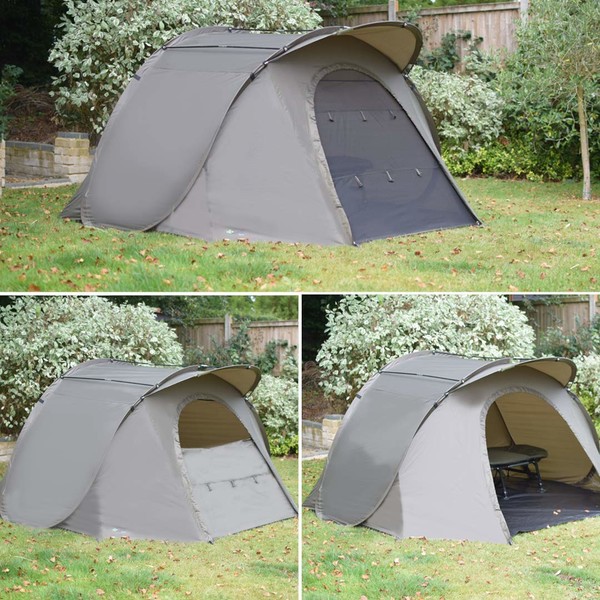
Compare a budget open brolly, a one-person bivvy and a roomier shelter. Check usable space, weather protection and everything you must carry.
Read guide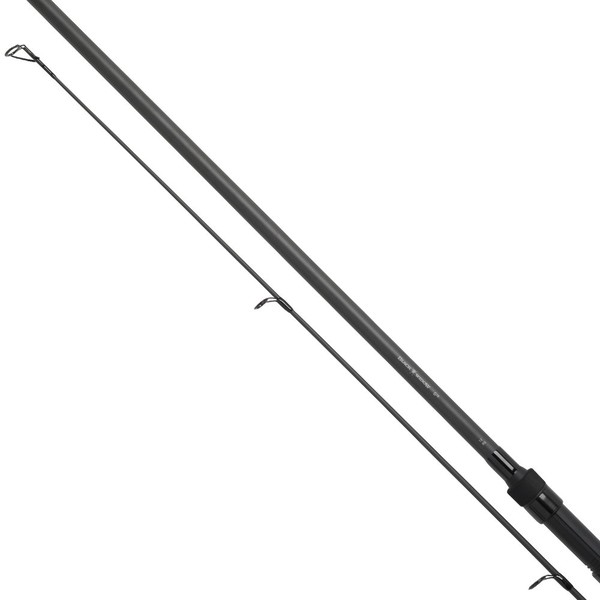
Find a carp rod for close swims, everyday casts or heavier work. Compare Daiwa and Fox examples, and know what to check with your own reel fitted.
Read guide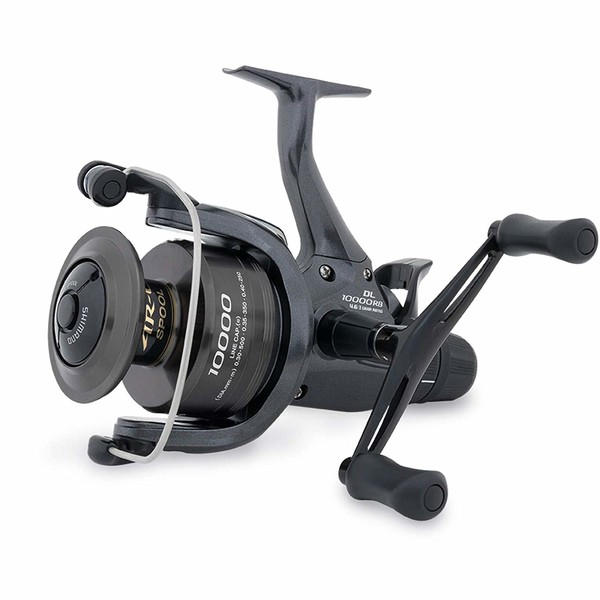
Compare two free-spool carp reels by usable capacity, balance and drag. Learn what to try in the shop, and when your current reel is enough.
Read guideCompare three affordable large-spool reel options by line capacity, retrieve and balance. See who needs a big pit and who can keep their current reel.
Read guide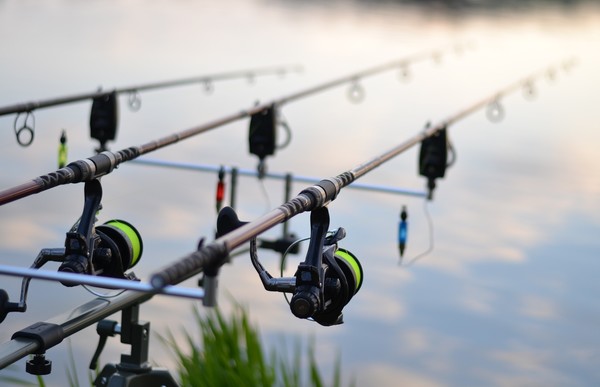
Compare carp mainlines by diameter, abrasion, stretch and line lay. See where mono, fluorocarbon or braid may fit, and what to check on the spool.
Read guide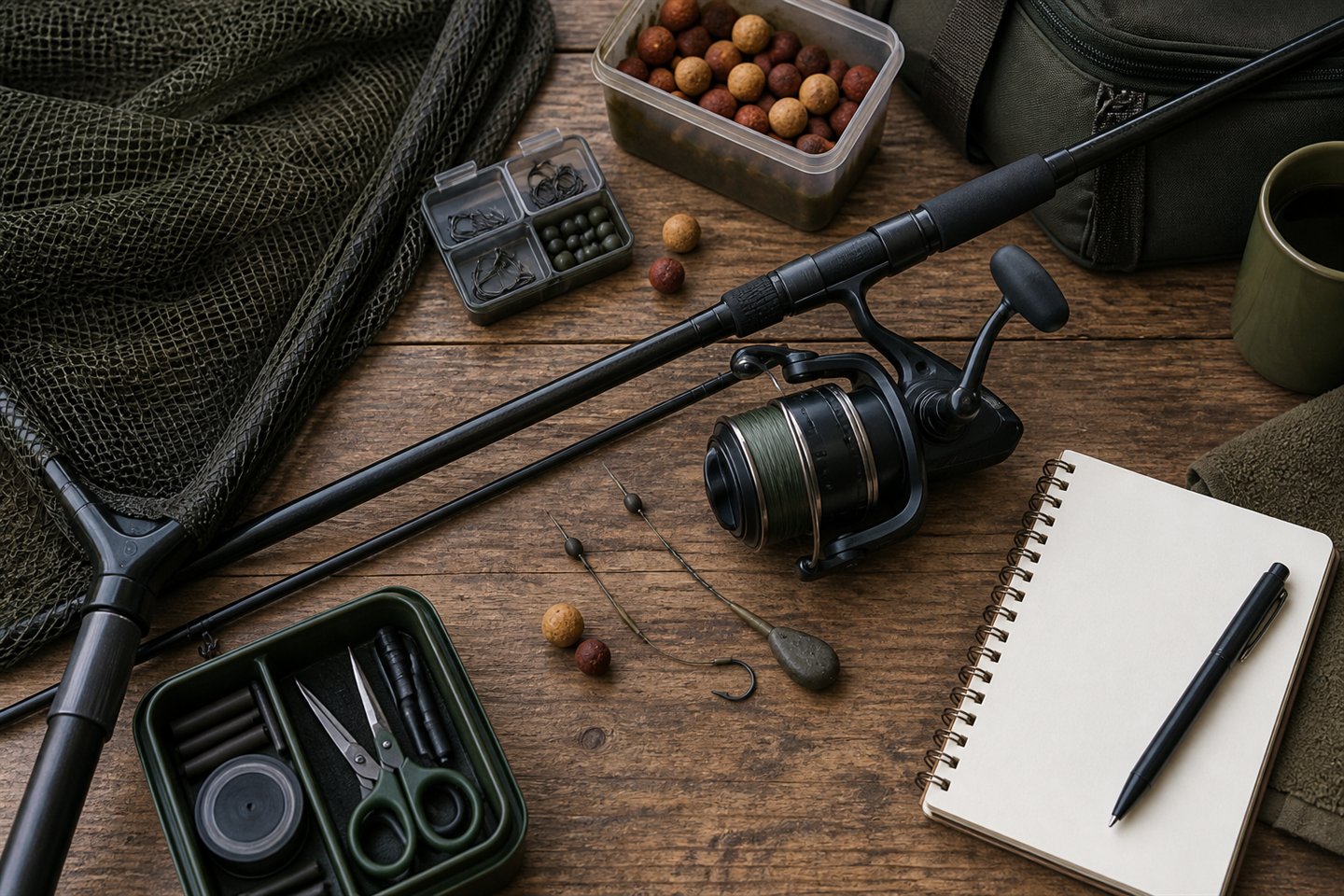
Find a useful carp fishing gift for a birthday or Christmas. Compare 16 ideas for day anglers and night anglers, with easy choices when you don’t know their kit.
Read guide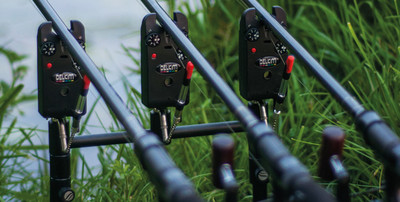
Compare single carp bite alarms and wireless sets. Check whether you need a receiver, which batteries are included and how to test a drop-back bite.
Read guide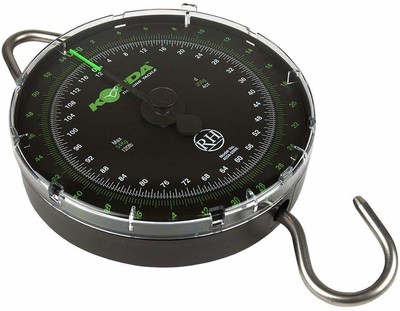
Compare dial and digital carp scales by capacity and readability. Follow a quick wet-sling zero check and see how to weigh a fish safely over the mat.
Read guide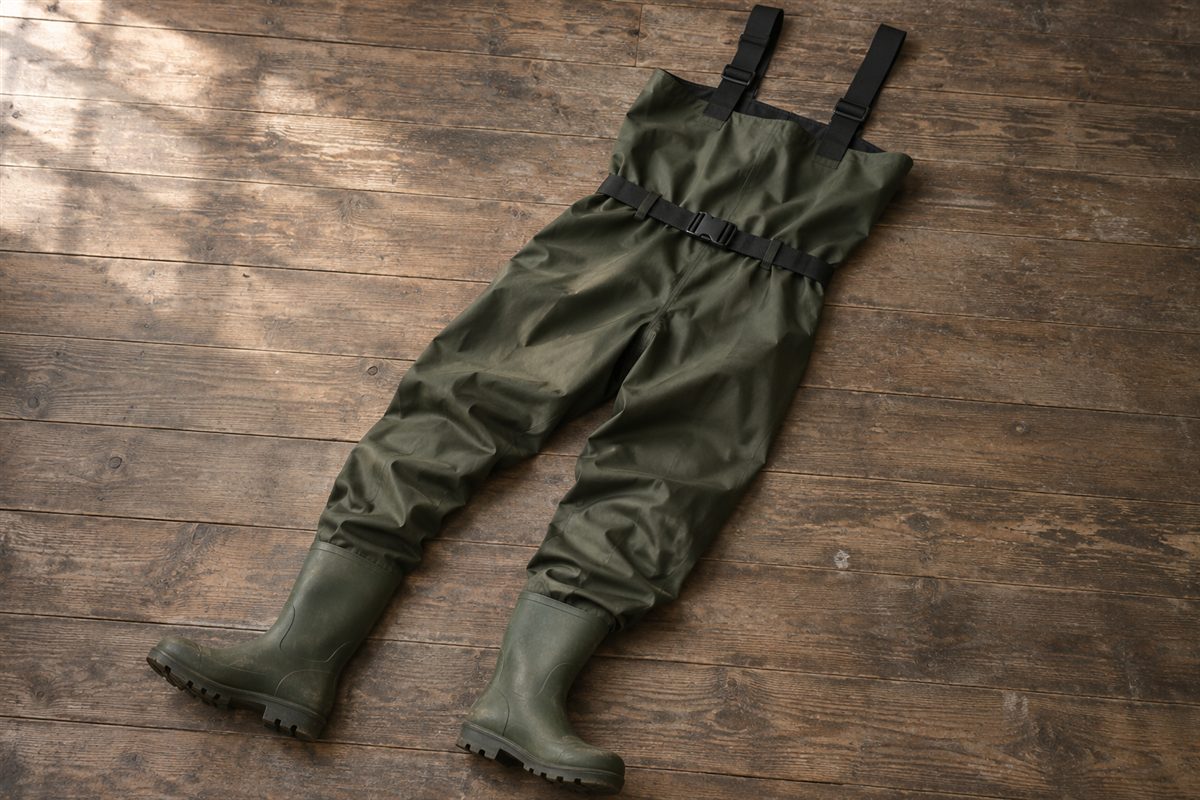
Compare two carp chest waders and learn how to check boots, body fit and movement. Includes when to stay on the bank and leave the waders packed.
Read guide
Learn what the Baitrunner switch does, compare the ST-RB with older Shimano families and check model codes, capacity and used condition before buying.
Read guideUse 40 practical carp fishing checks for swim choice, rigs, feeding, casting, indication and fish care. Pick the few that fit your next trip.
Read guide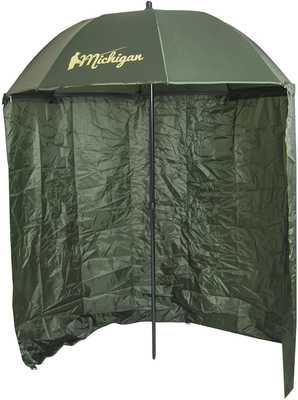
Choose a fishing umbrella by usable shelter, sides, anchoring and packed weight. Compare compact and wider options before your next day trip.
Read guide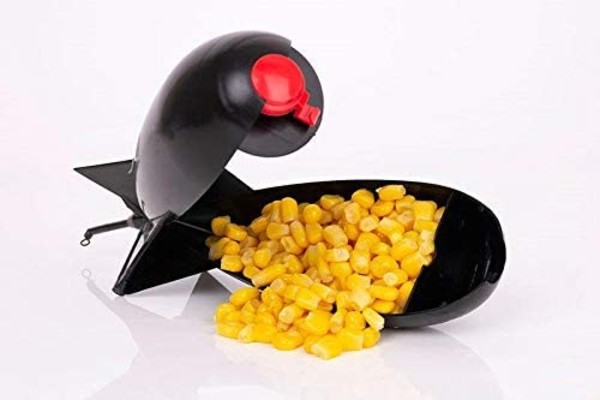
See when a combined spod and marker rod makes sense. Compare loaded casting weight, packed length and a setup that can feel the lakebed clearly.
Read guide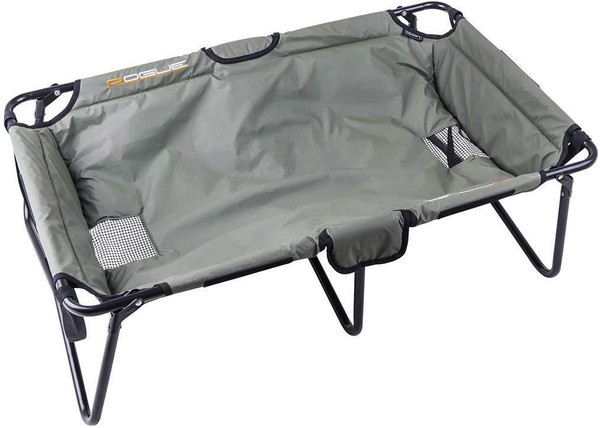
Choose a carp cradle or mat by usable size, padding, stability and venue rules. Compare four examples and practise where you’ll handle the fish.
Read guide
Take better carp catch photos with the phone or camera you have. Practise focus, framing and the timer, then keep the shot low and the return quick.
Read guide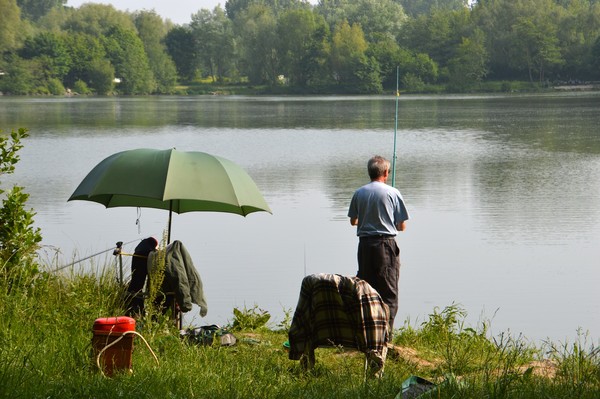
Pack the easy-to-forget carp fishing essentials, from spare batteries and a charged phone to fish care, dry layers and proof of permission.
Read guide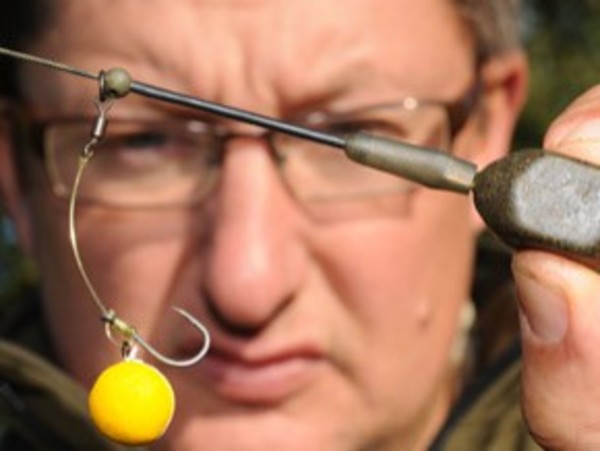
Learn where a chod rig fits, how to balance the short pop-up section and how to check the upper bead and hooklink release after a line break.
Read guide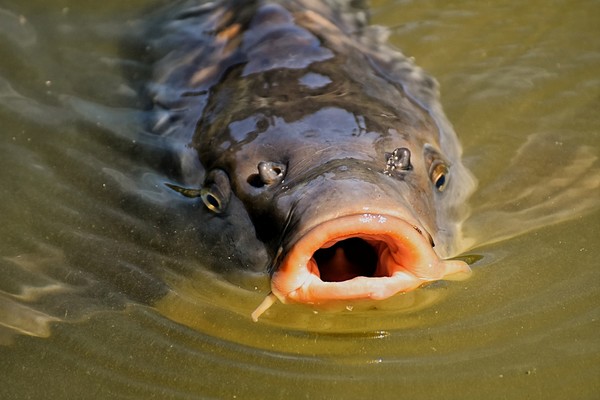
Learn when to freeline and when to use a controller, how to get carp taking loose floaters, and how to watch the bait, line and birds.
Read guide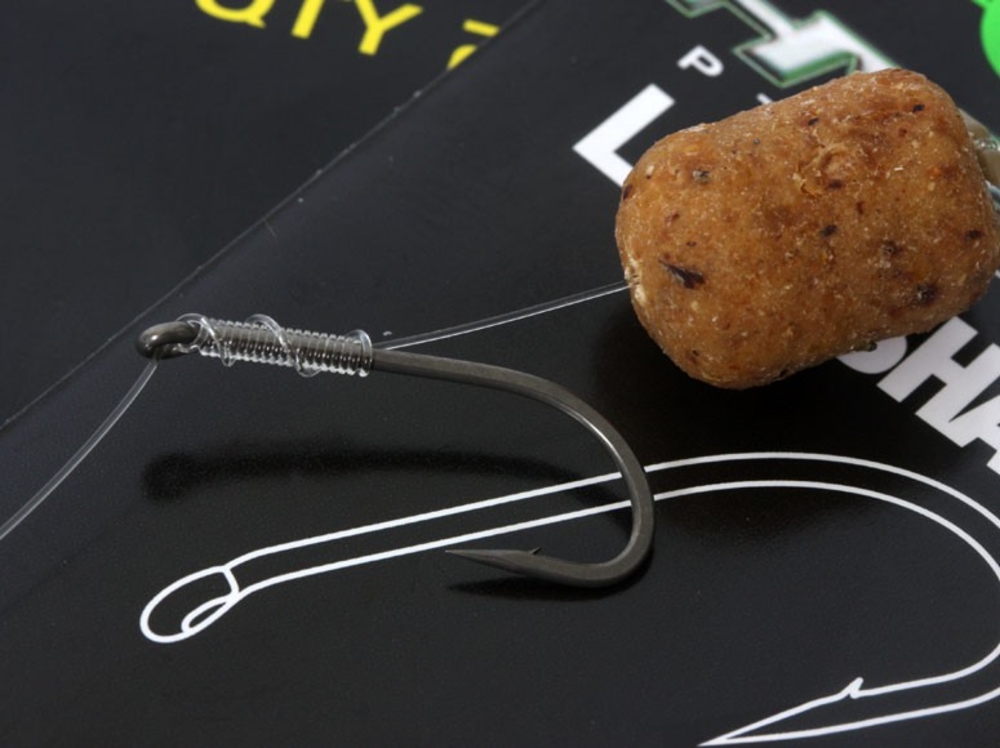
Choose a carp rig for gravel, silt, light weed or open water. Compare 12 presentations by hookbait, clearance and when to try a simpler rig.
Read guideCompare eight spod reels by retrieve speed, weight and line clips. See where a faster reel earns its keep and when one setup can do both jobs.
Read guide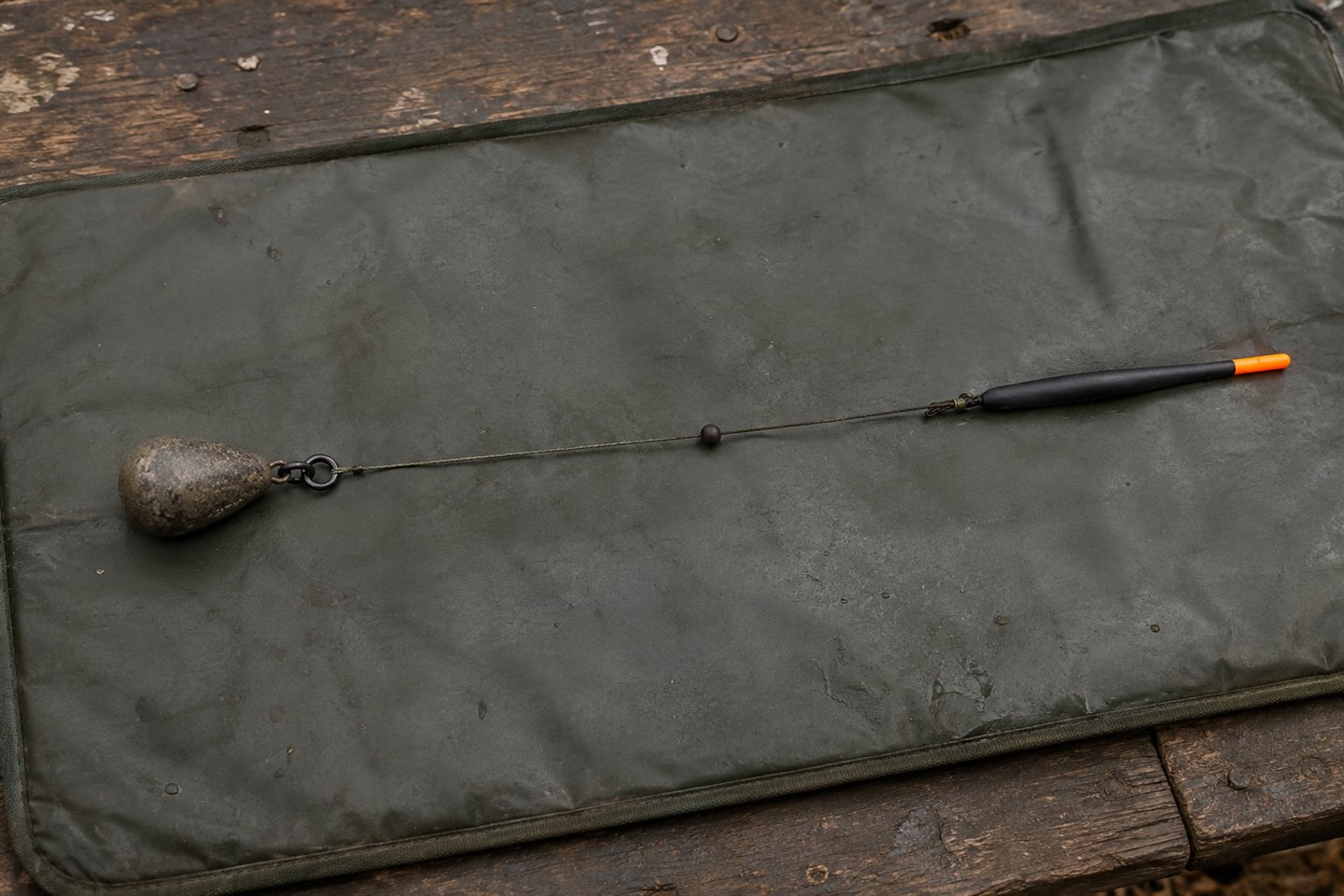
Set up a running marker float, measure depth accurately and learn what a lead can tell you about gravel, silt and weed. Then save the spot in wraps.
Read guidePut your bait where the rigs land. Learn to transfer wraps, cushion the clip and check swing-back before sending a series of loaded Spombs.
Read guideA mild wind, a cold night or heavy rain can change where to look for carp. Use recent weather, water temperature and signs of fish to plan a session.
Read guide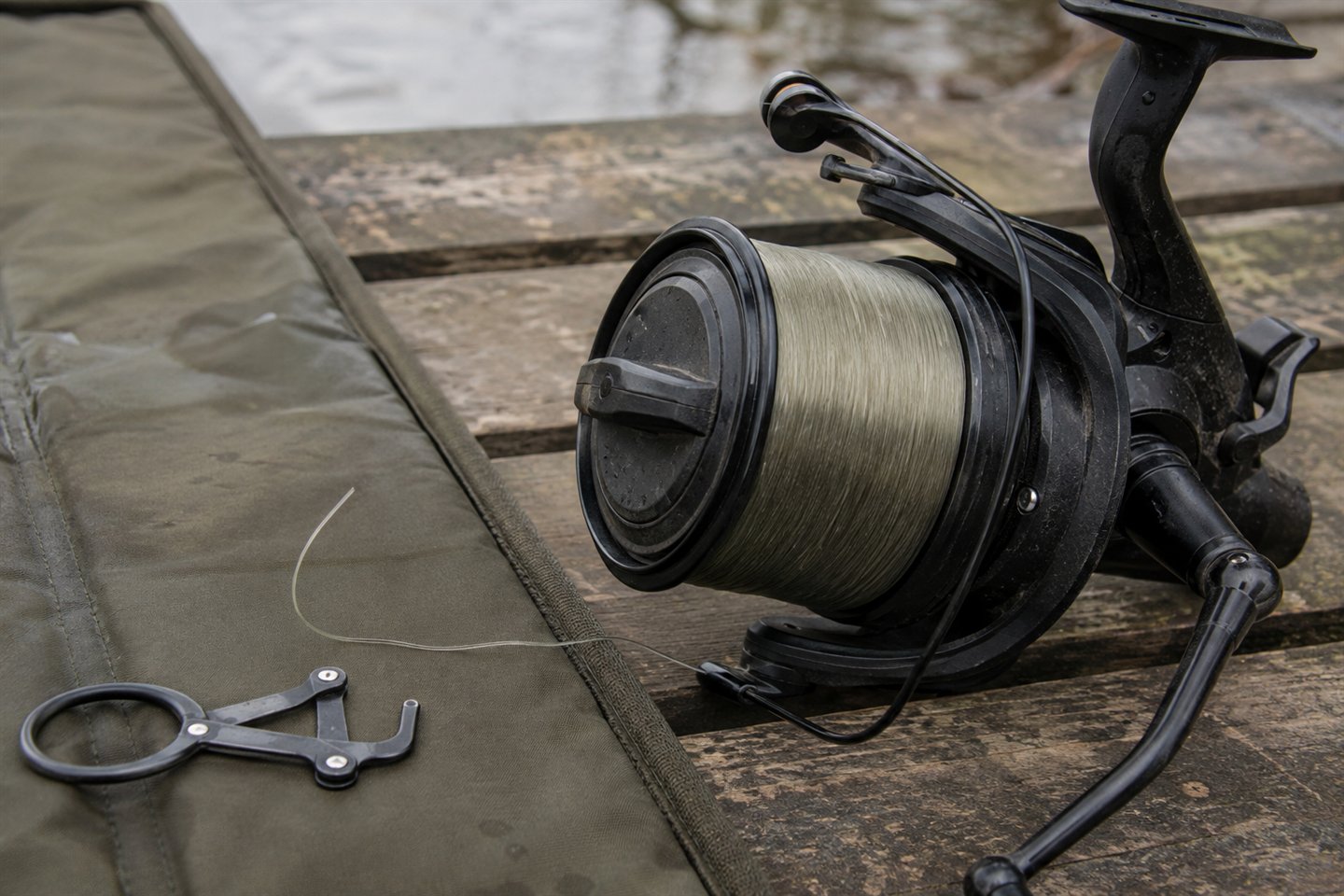
Choose a carp main line by fishery rules, actual diameter and the route to the net. See where 12lb, 15lb and 20lb labels can give the wrong steer.
Read guideLoad a fixed-spool carp reel step by step. Check for twist after the first few turns, get the fill level right and measure backing with a spare spool.
Read guide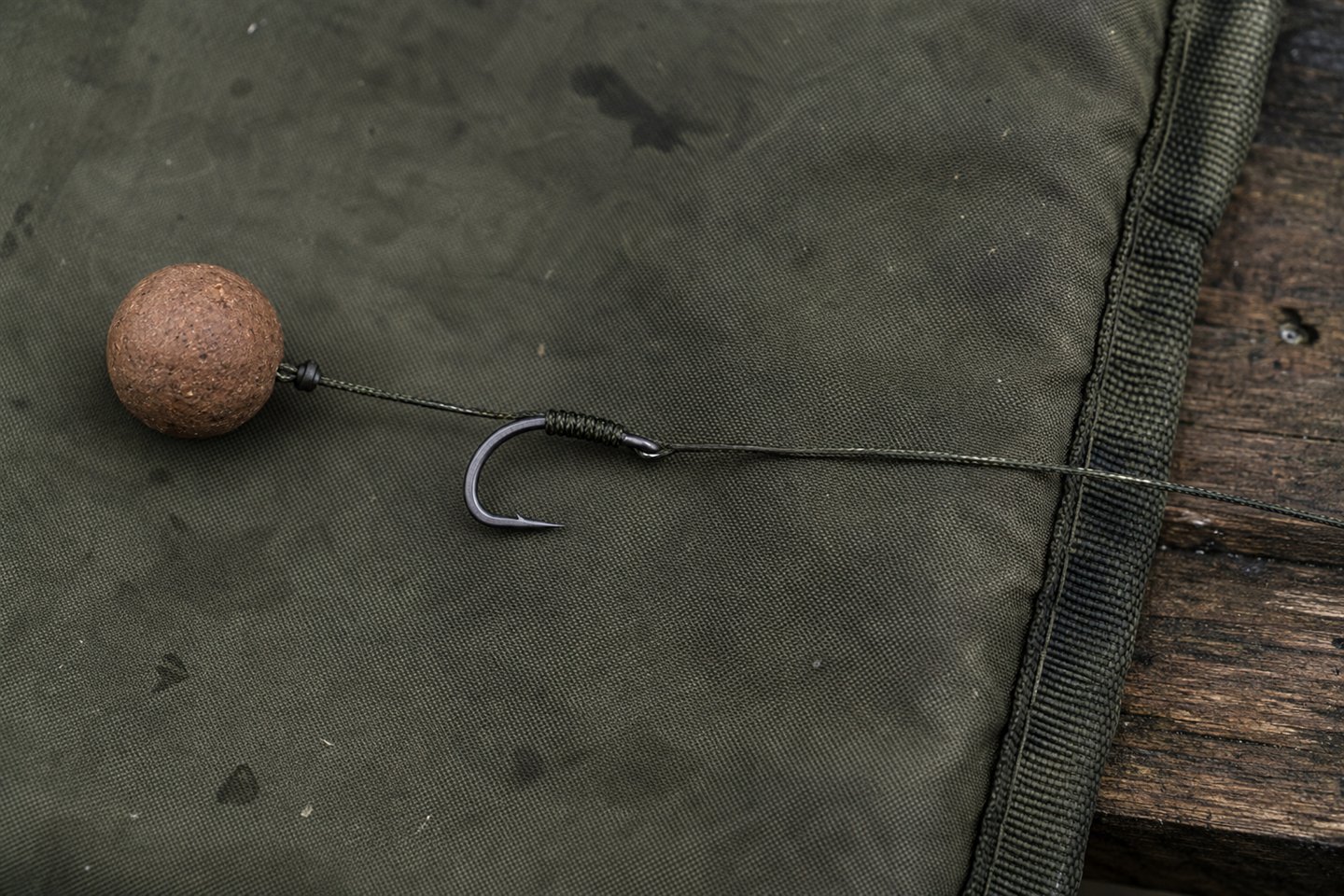
Tie a coated-braid hair rig with a knotless knot, set the gap using your actual bait and check that the rig settles safely before you cast.
Read guide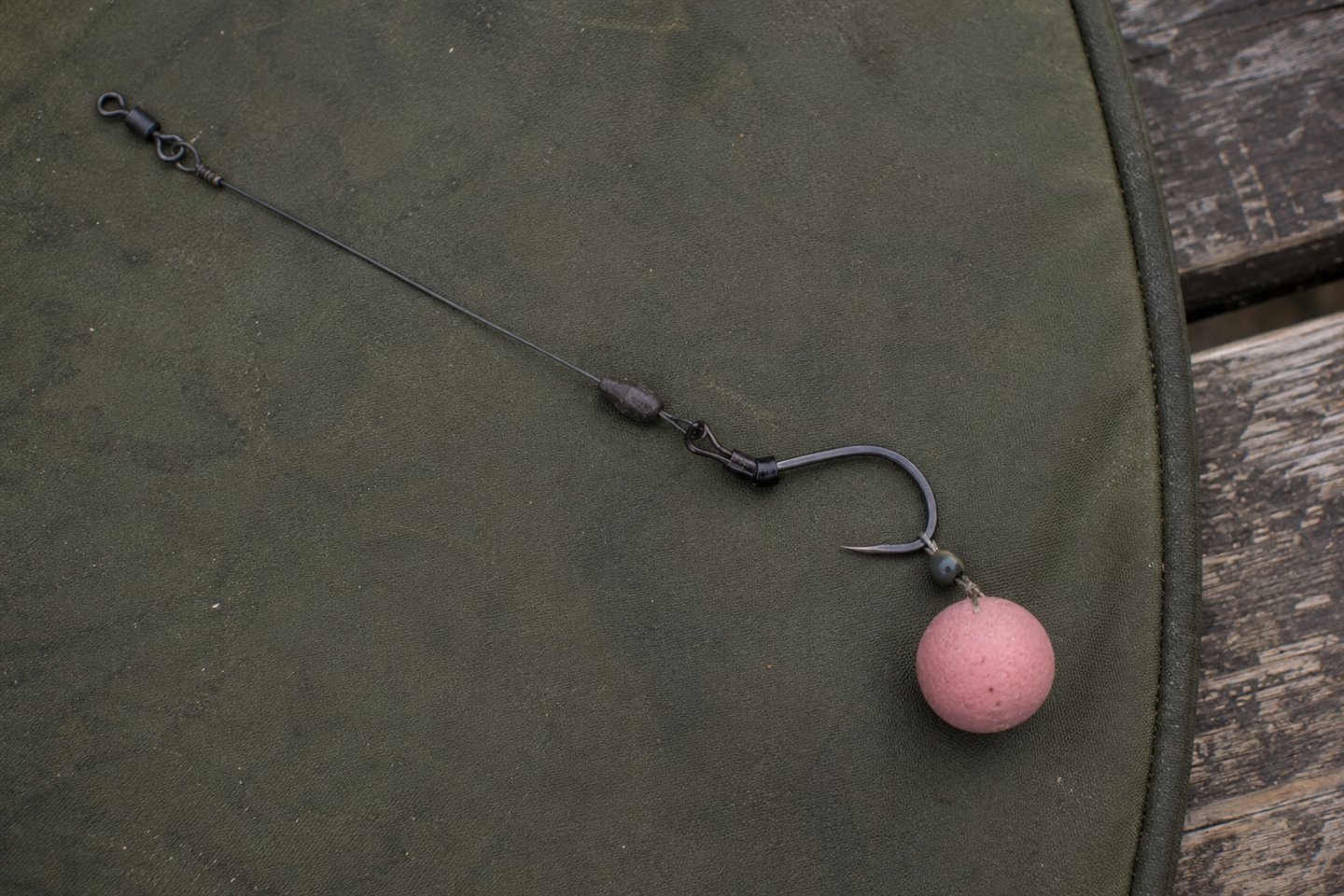
Follow the Ronnie rig in order, from the spinner swivel and boom to the hook bead. See how to balance a low pop-up and check the hook can rotate.
Read guide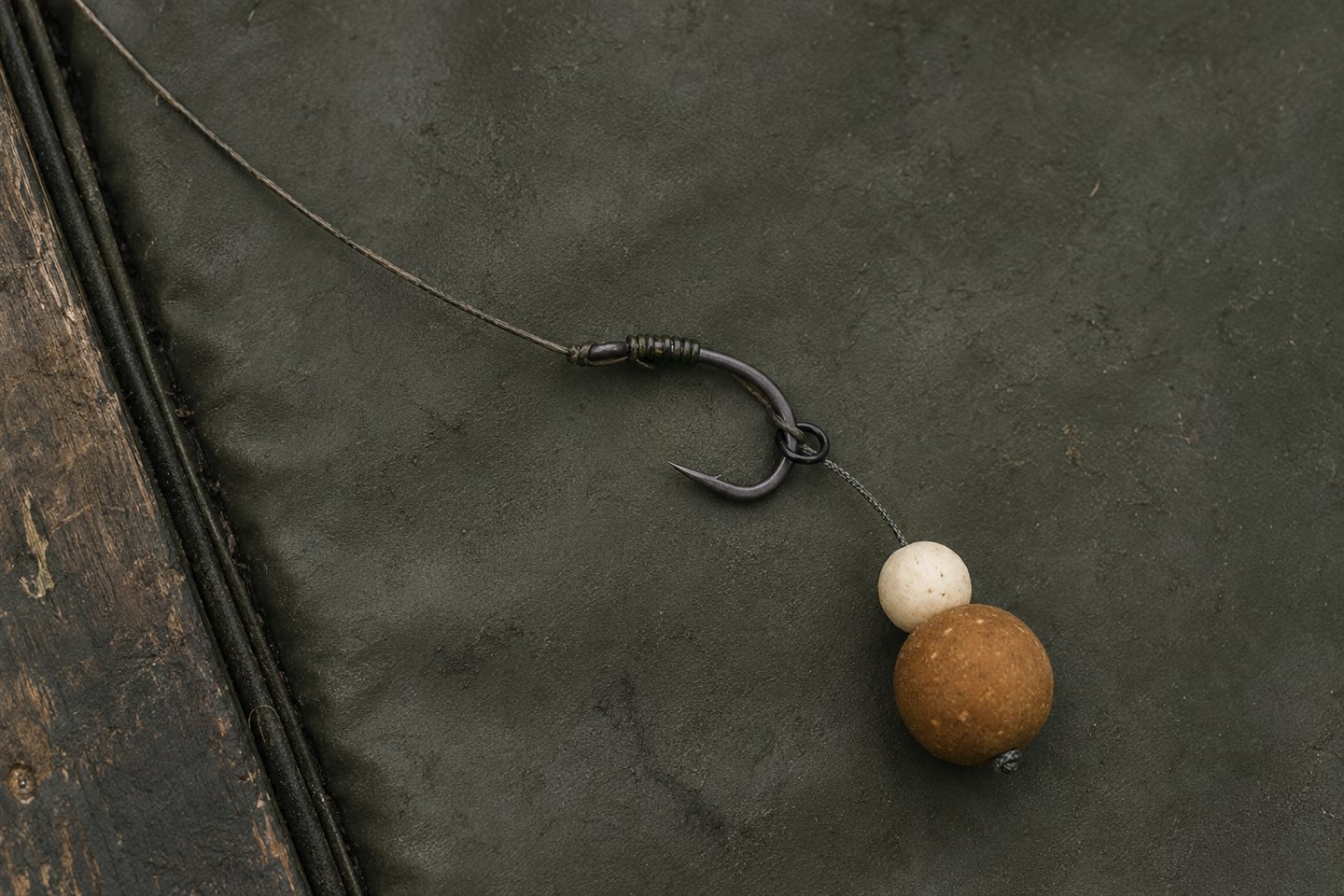
Tie a coated-braid blowback rig step by step. Fit the ring to the hook, set hair length with the actual bait and check it can slide and settle.
Read guideLearn what carp rod test curve measures, how rod action changes the feel, and how to choose power for your venue, casting load and range.
Read guideCompare carp reel sizes using actual spool capacity, reel weight and rod balance. See when a compact reel makes more sense than a big pit.
Read guideDecide how much carp bait to start with, when to top up and when to leave the spot alone. Use the session length and signs of feeding as your guide.
Read guidePlan your first carp session from home to the bank. Check permits and kit, choose an easy swim and know what to do when the alarm goes.
Read guide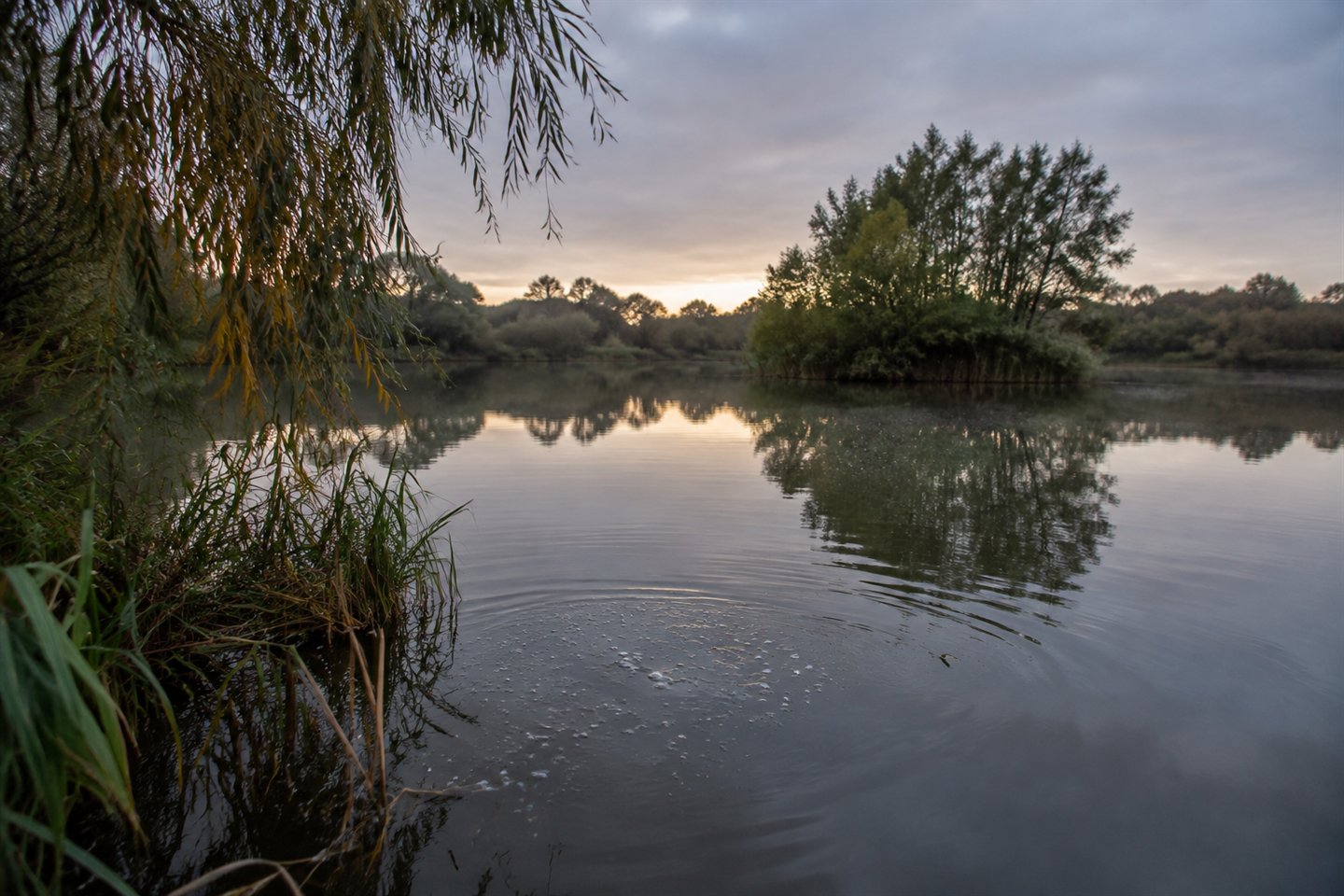
Learn to read shows, moving bubbles, clouded water, wind and depth. Use them together to pick a swim instead of starting from the usual peg.
Read guide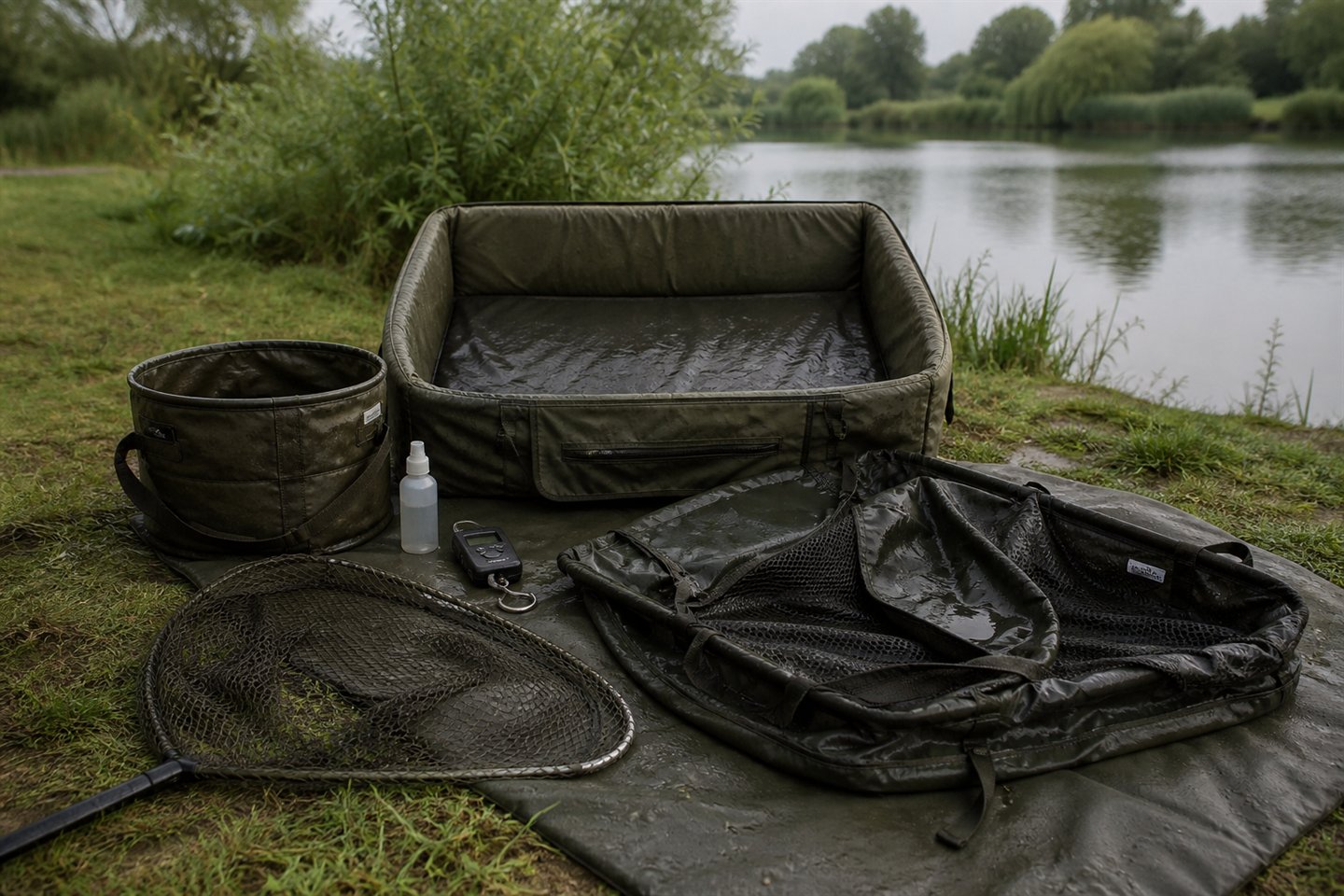
Set out a wet mat and sling, transfer the carp while supporting its body, remove the hook safely and return the fish when it can swim away.
Read guide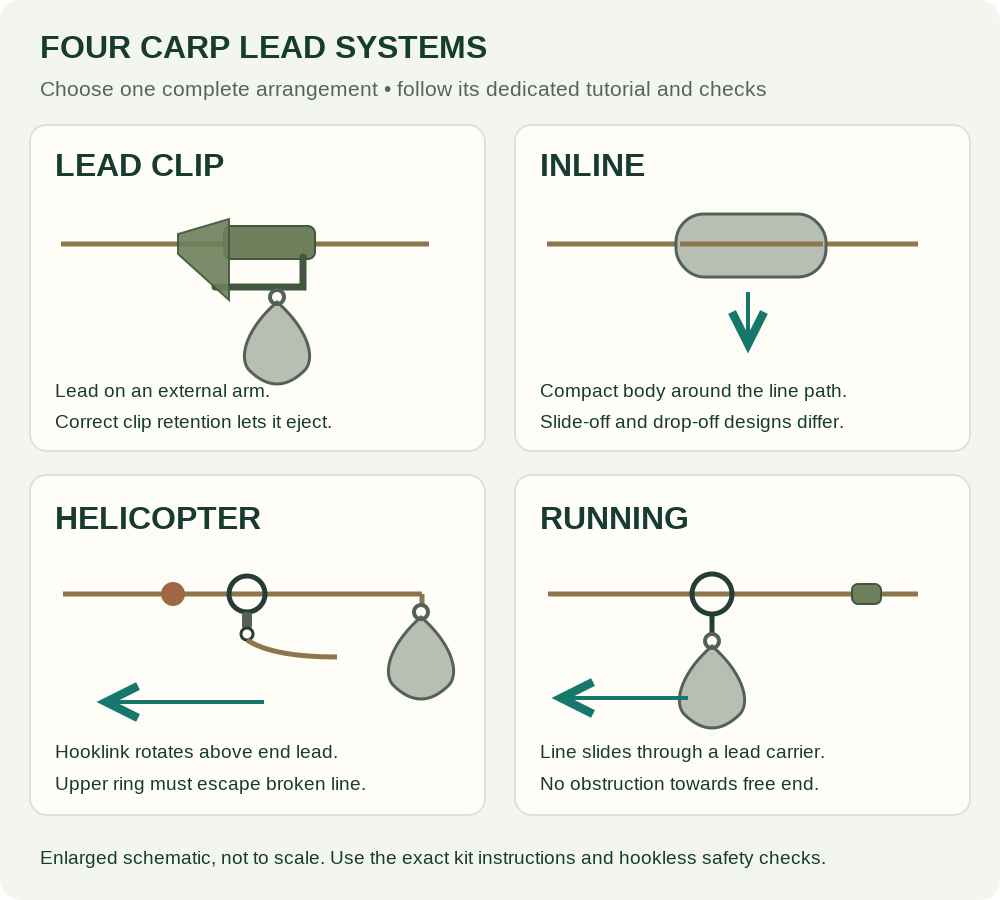
Compare lead clips, inline leads, helicopters and running rigs. See what must release or slide if the line breaks, and test the complete setup.
Read guide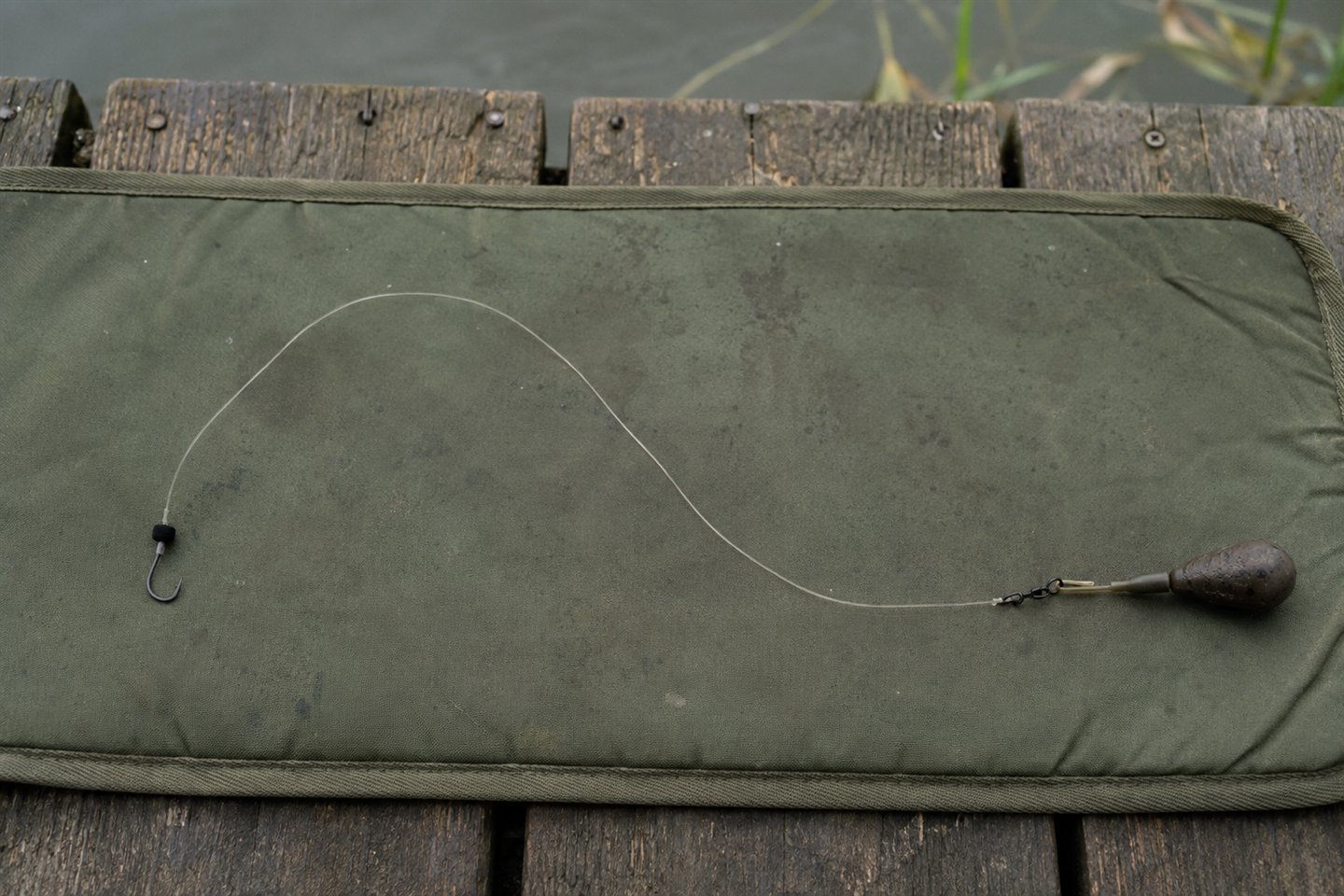
Compare fixed and adjustable zig rigs, calculate where the bait will sit and adjust it safely when carp are showing up in the water.
Read guide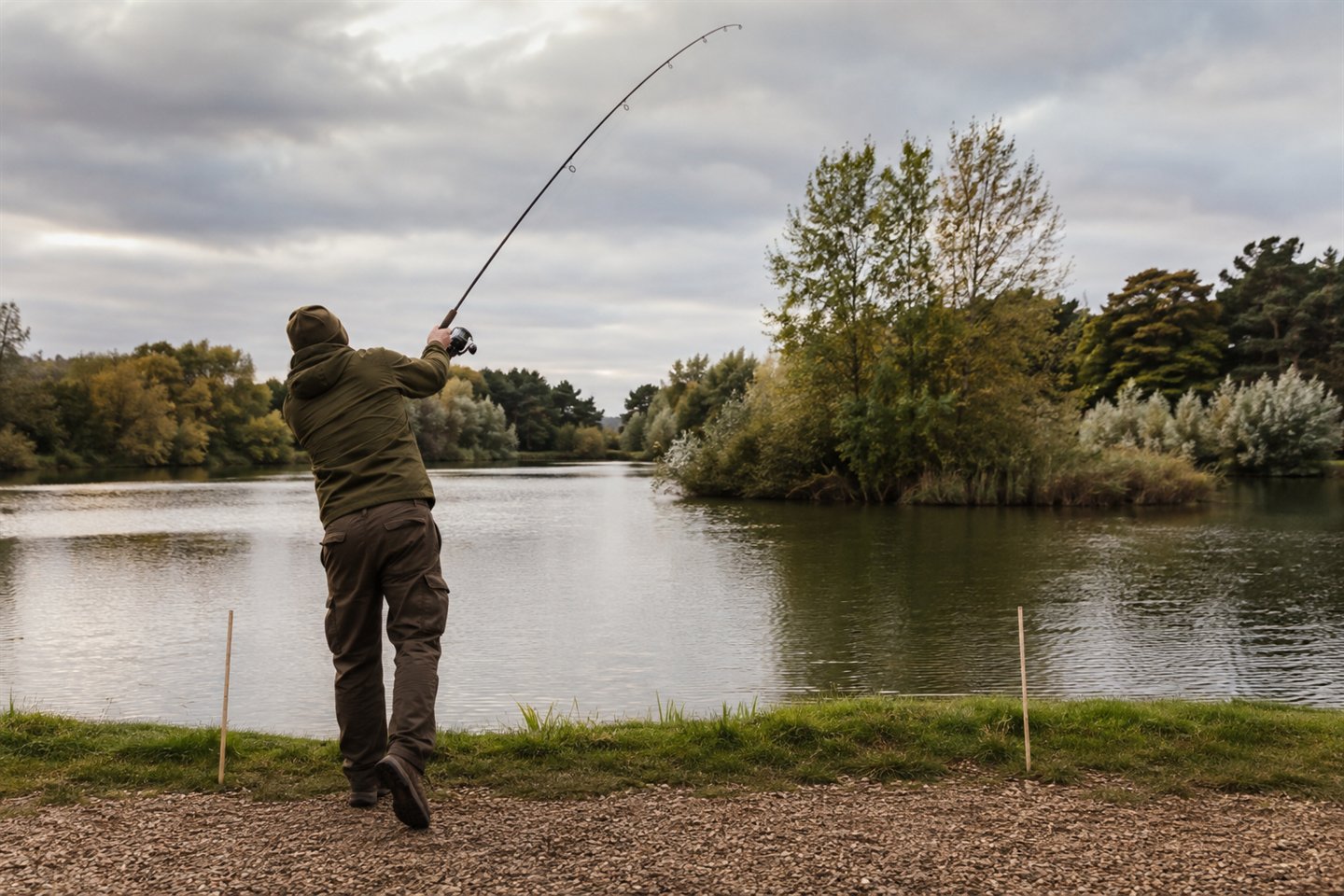
Practise an overhead carp cast, control the line before it hits the clip and learn why your casts land wide or short. Start with a hookless lead.
Read guide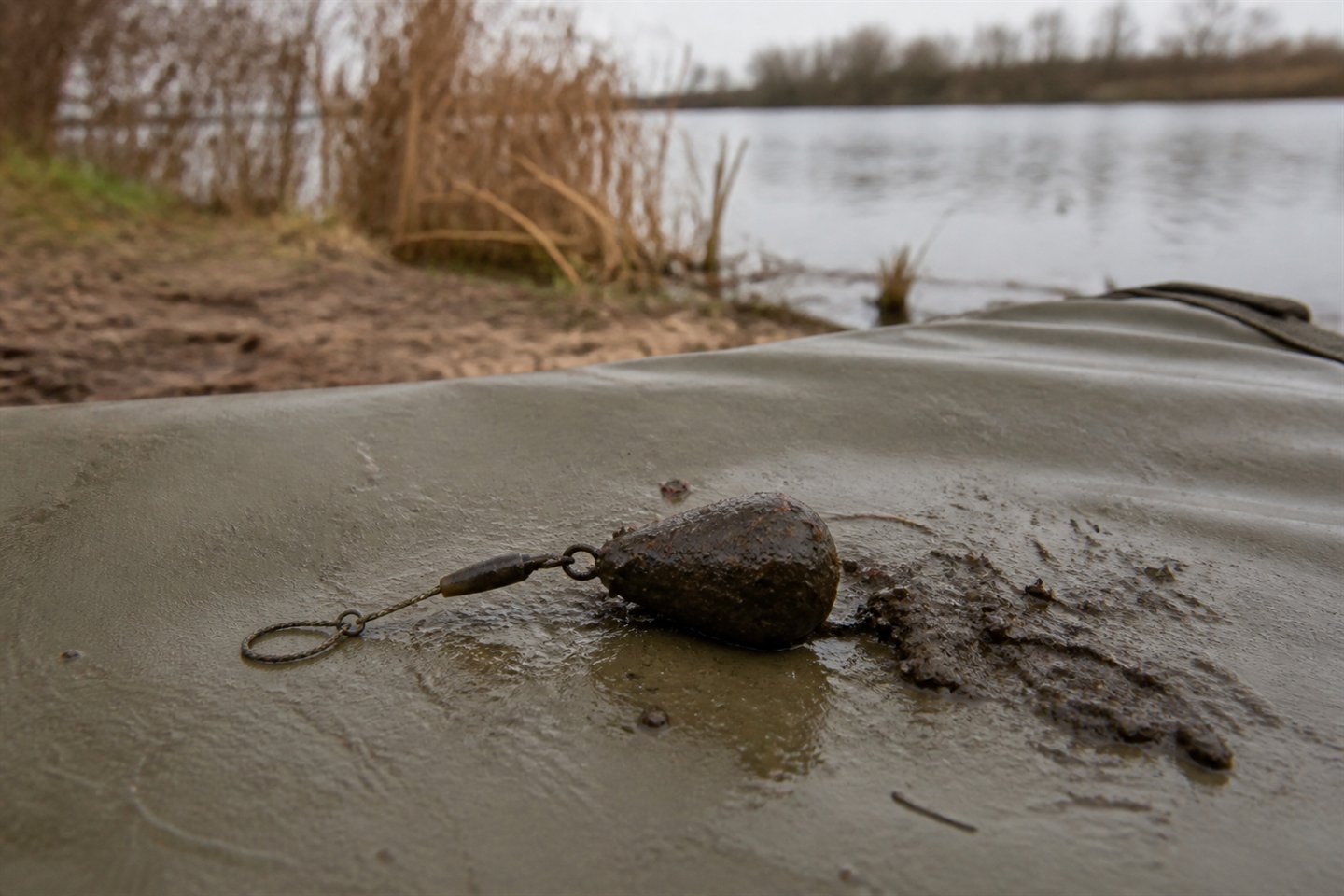
Find silt worth fishing, check what the lead brings back and adjust lead choice, hooklink length and hookbait so the rig settles properly.
Read guide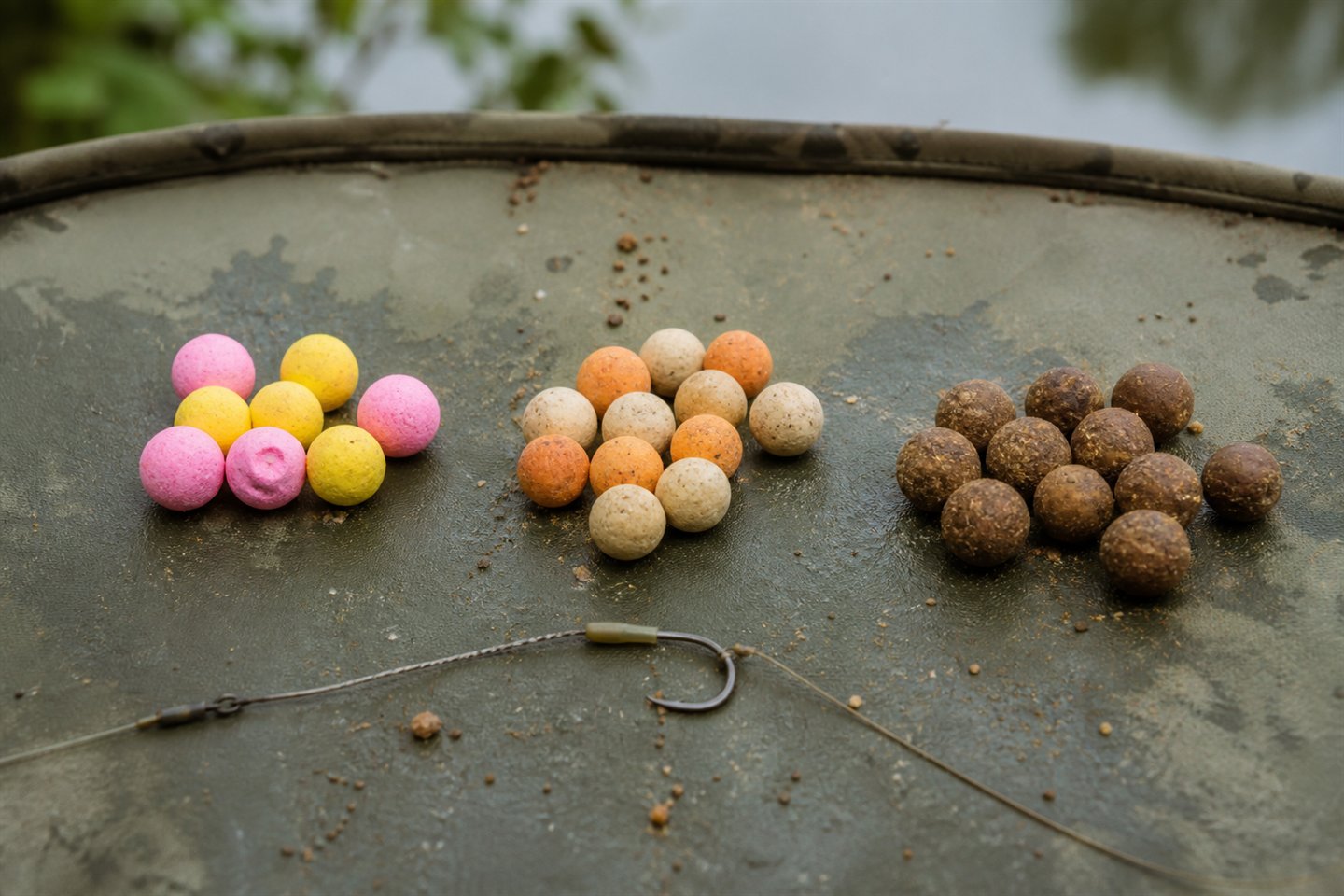
See how pop-ups, wafters and bottom baits behave on a finished rig. Test hook weight and buoyancy in water, then choose for your spot.
Read guide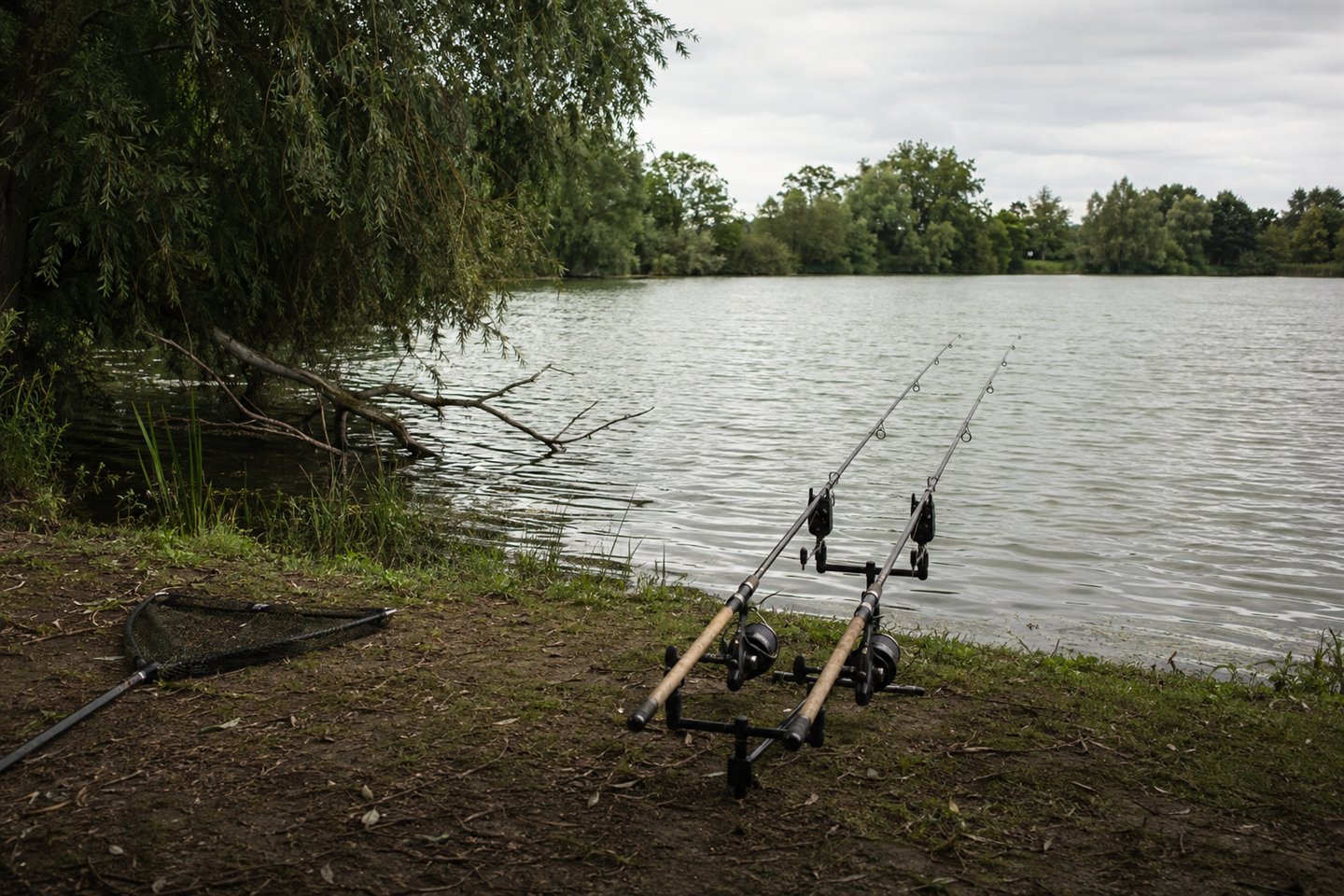
Assess the line path, reaction time and landing route before fishing near snags. See what changes once a fish is clear and when to leave the swim.
Read guide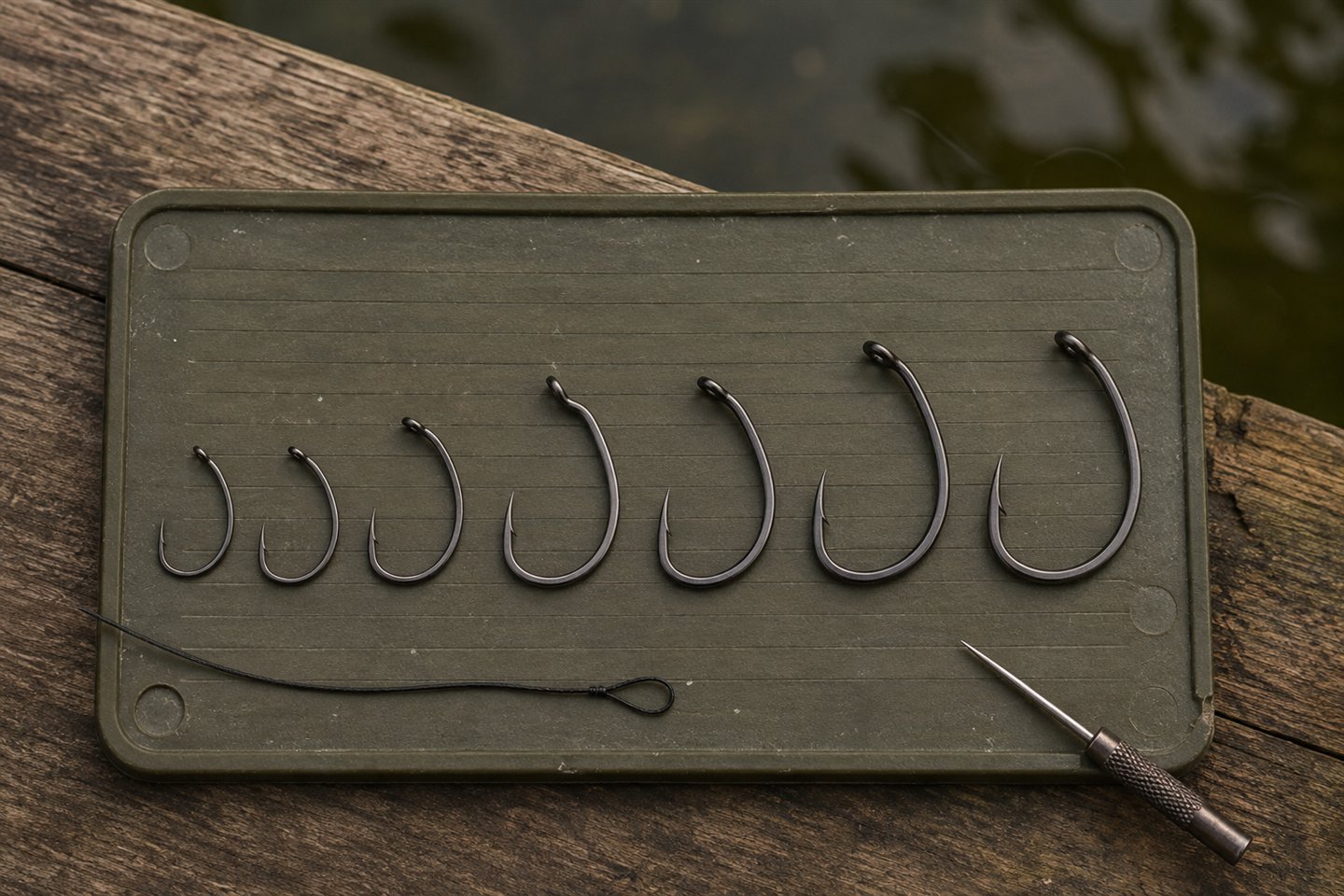
Learn what hook size, gape, wire and pattern change. Compare hooks against your actual bait and check the finished rig before fishing.
Read guide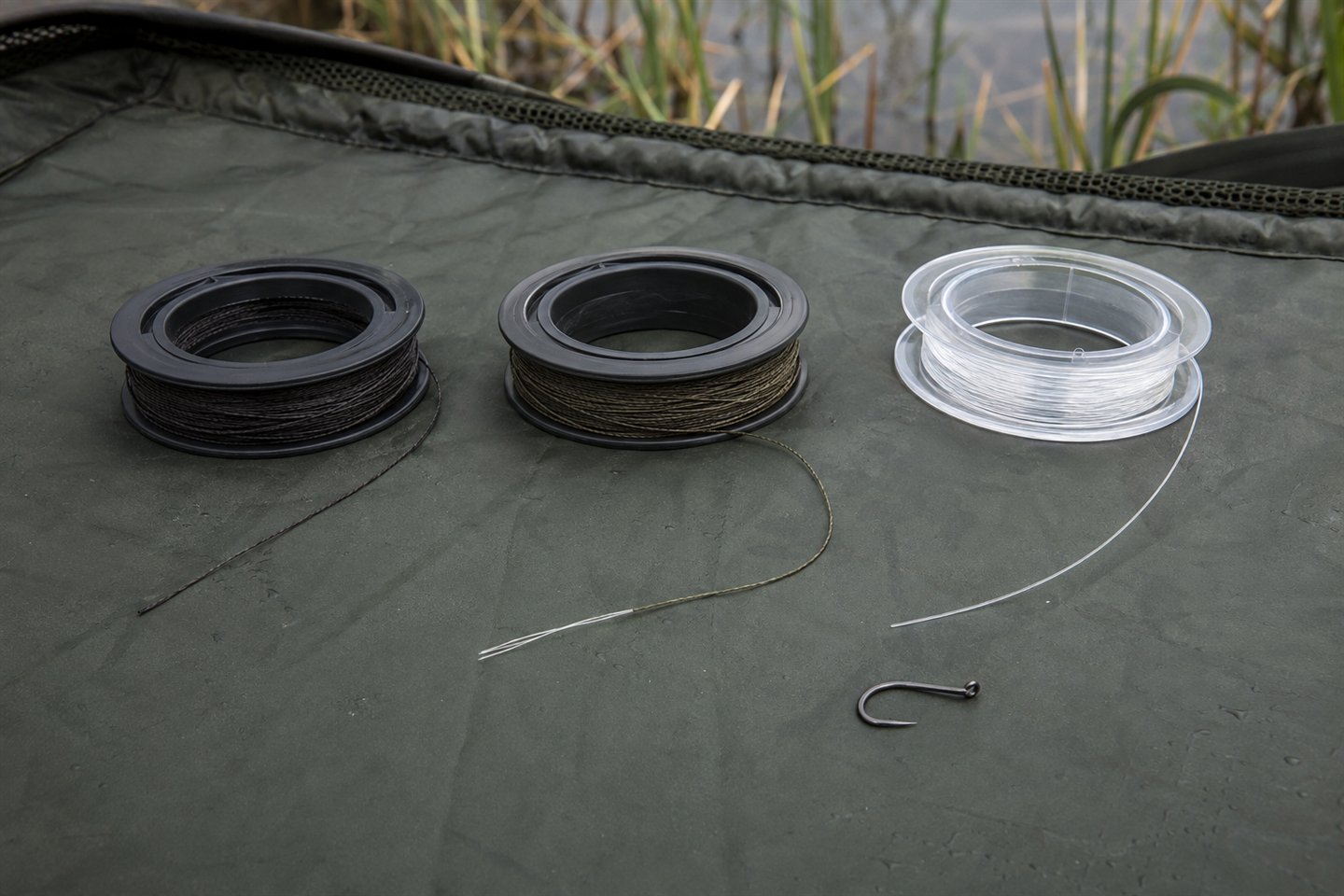
Compare supple braid, coated braid, fluorocarbon and stiff mono. See how the material affects settling, tangles and the knots or crimps you can use.
Read guide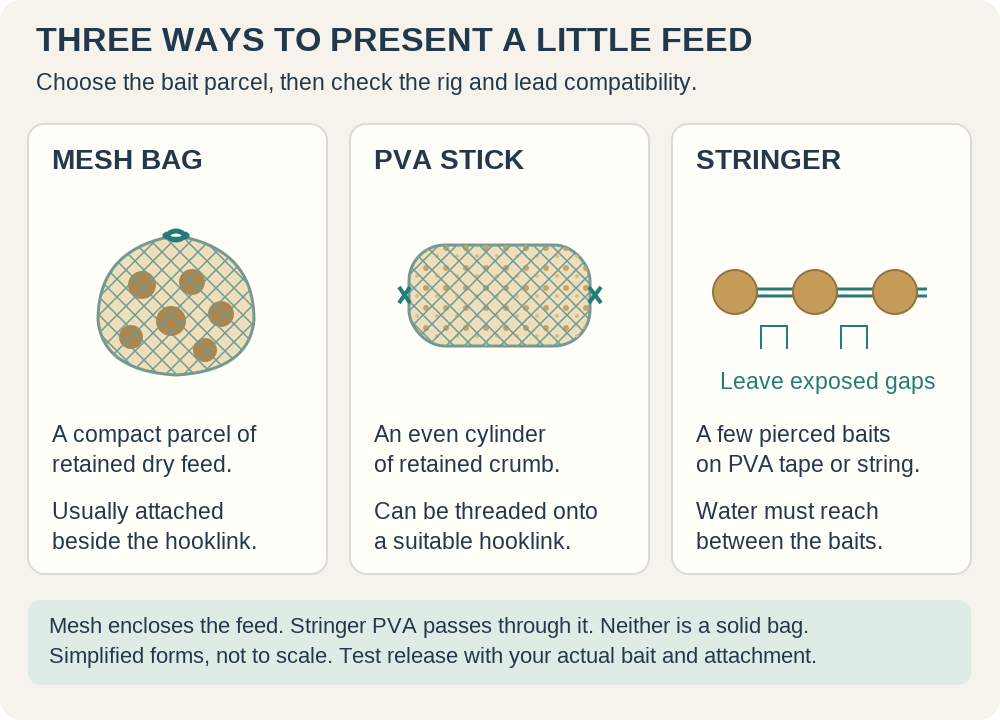
Make a compact PVA mesh bag, a threaded stick or a short stringer. Learn to attach each one, test it in lake water and keep the hook point free.
Read guide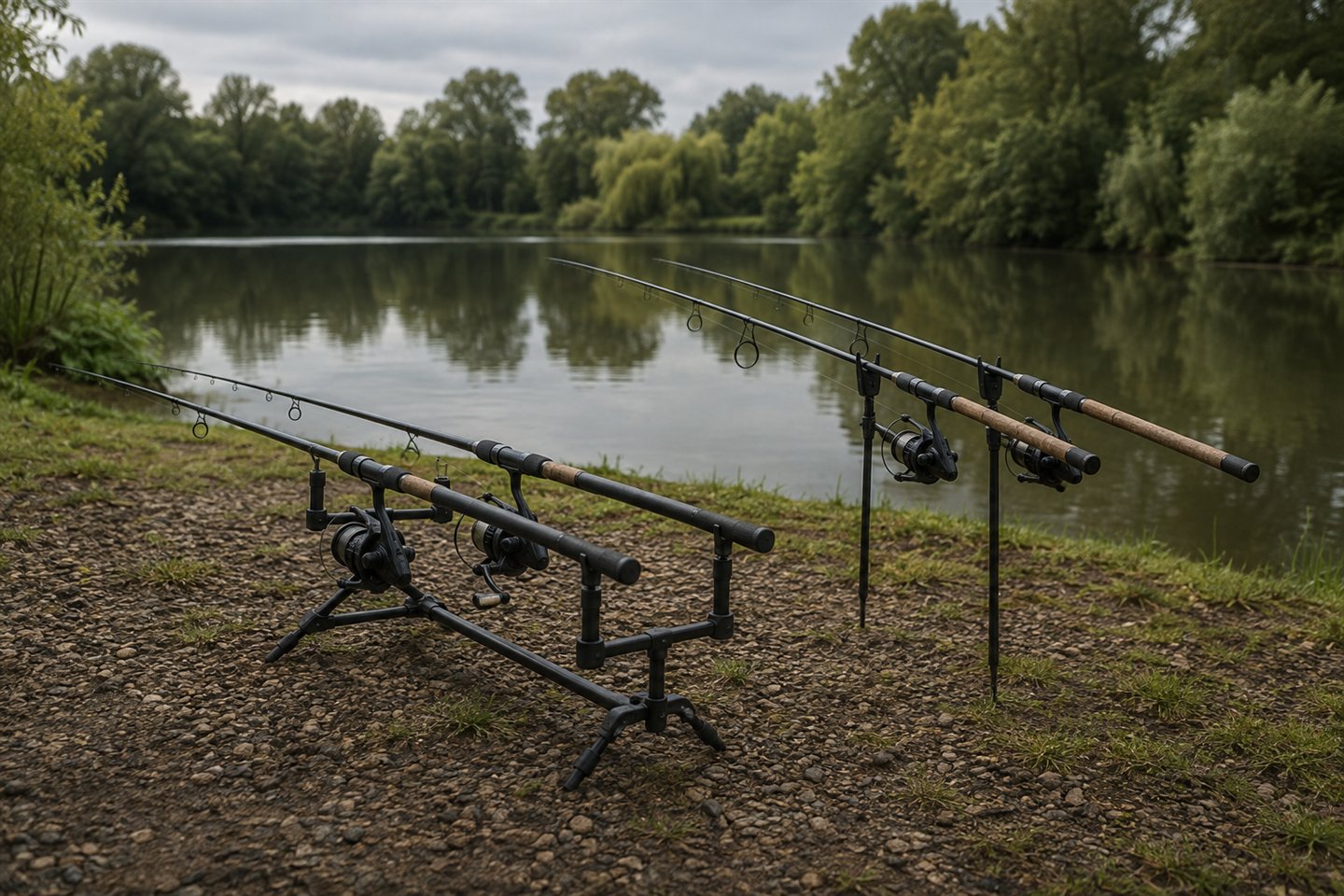
Choose between single sticks, goalposts and a pod by ground, rod direction and stability. Test whether the rod stays put and lifts cleanly on a take.
Read guide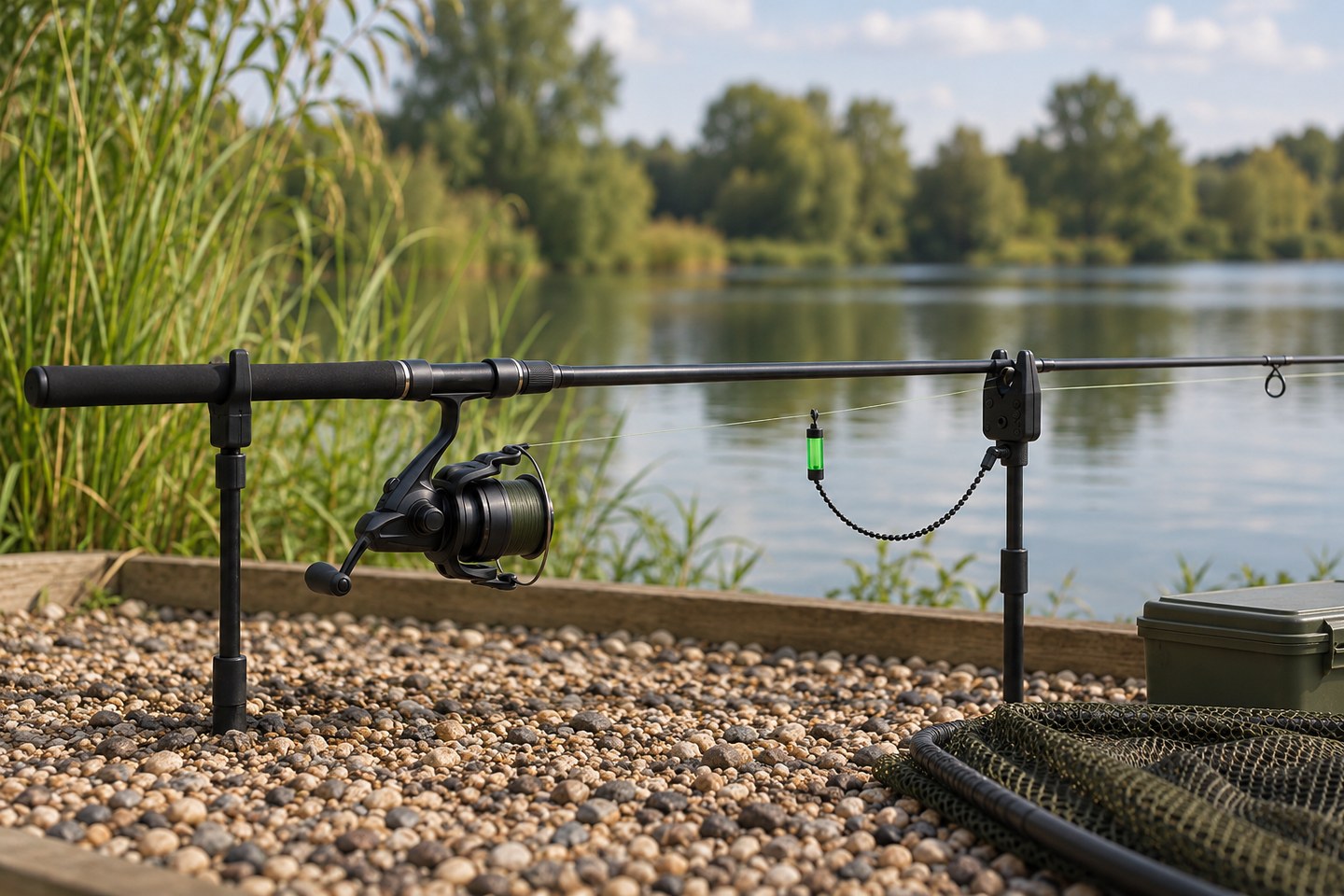
Set up a carp bite alarm and bobbin, choose line tension, then test a run and a drop-back before you trust the setup on the bank.
Read guide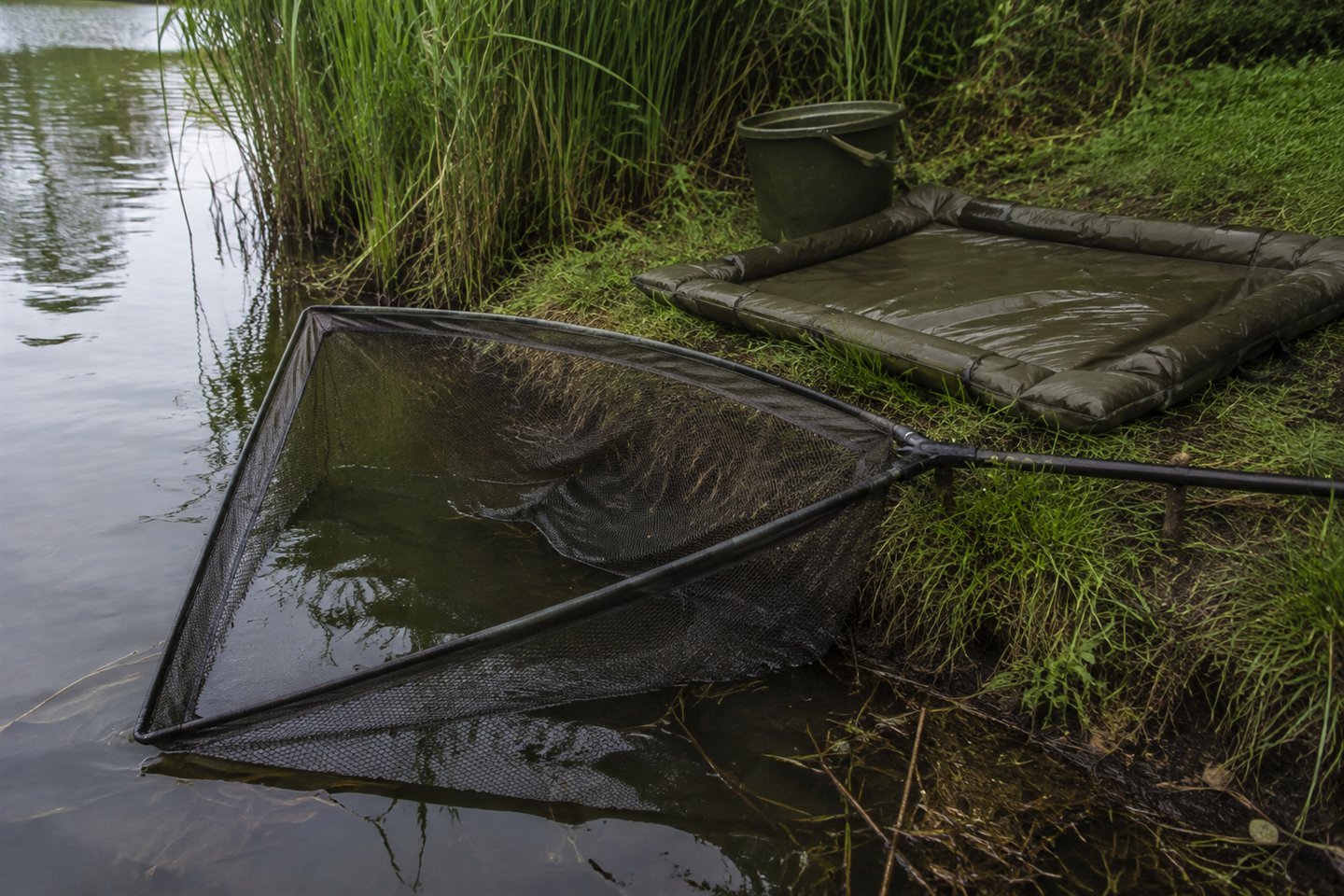
Work out whether a 42-inch carp net suits your fishery. Compare arm size, mesh and handle reach, then check you can transfer a fish safely.
Read guide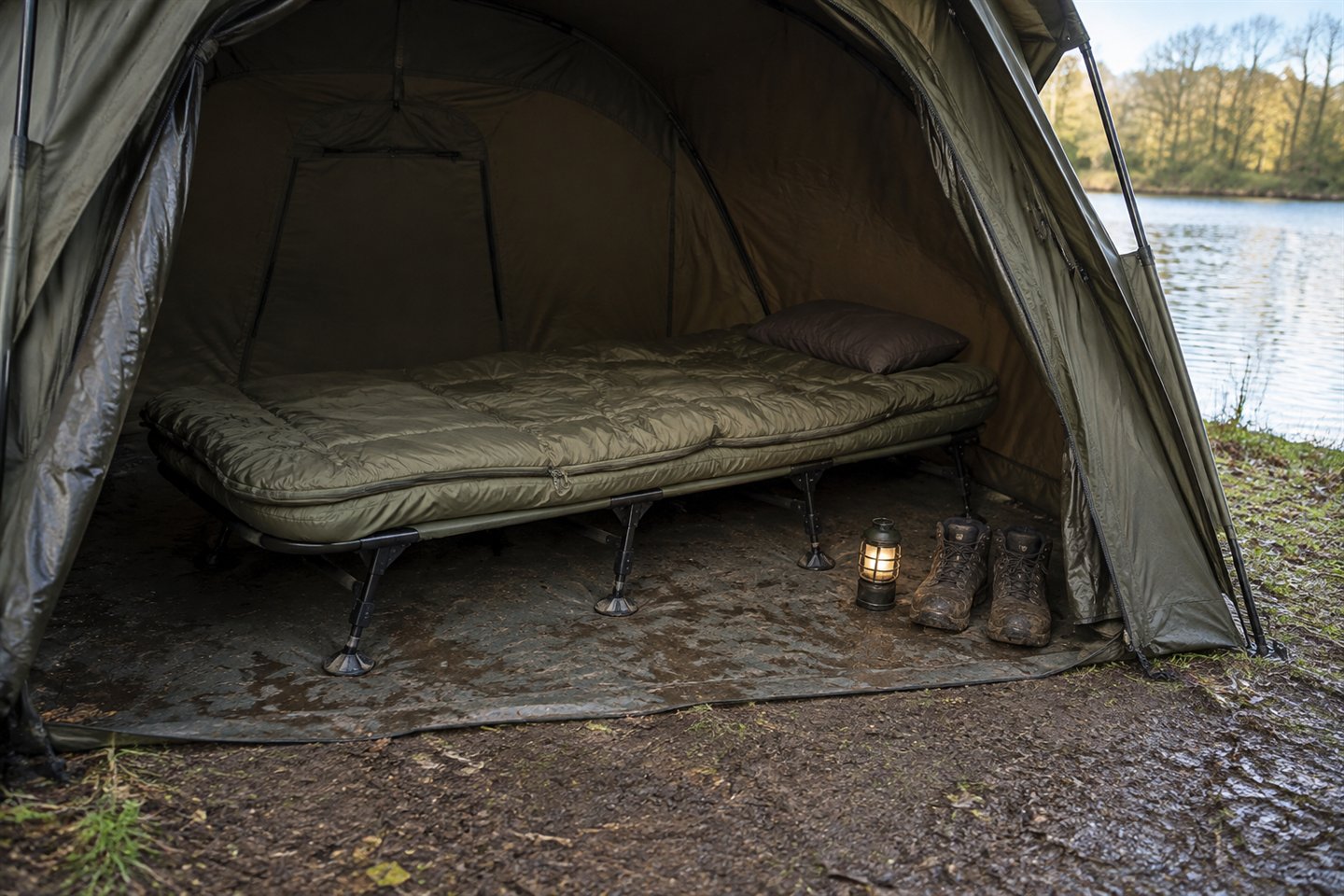
Measure the bedchair inside your bivvy, compare a separate bag with an integrated sleep system and check packed weight before spending.
Read guide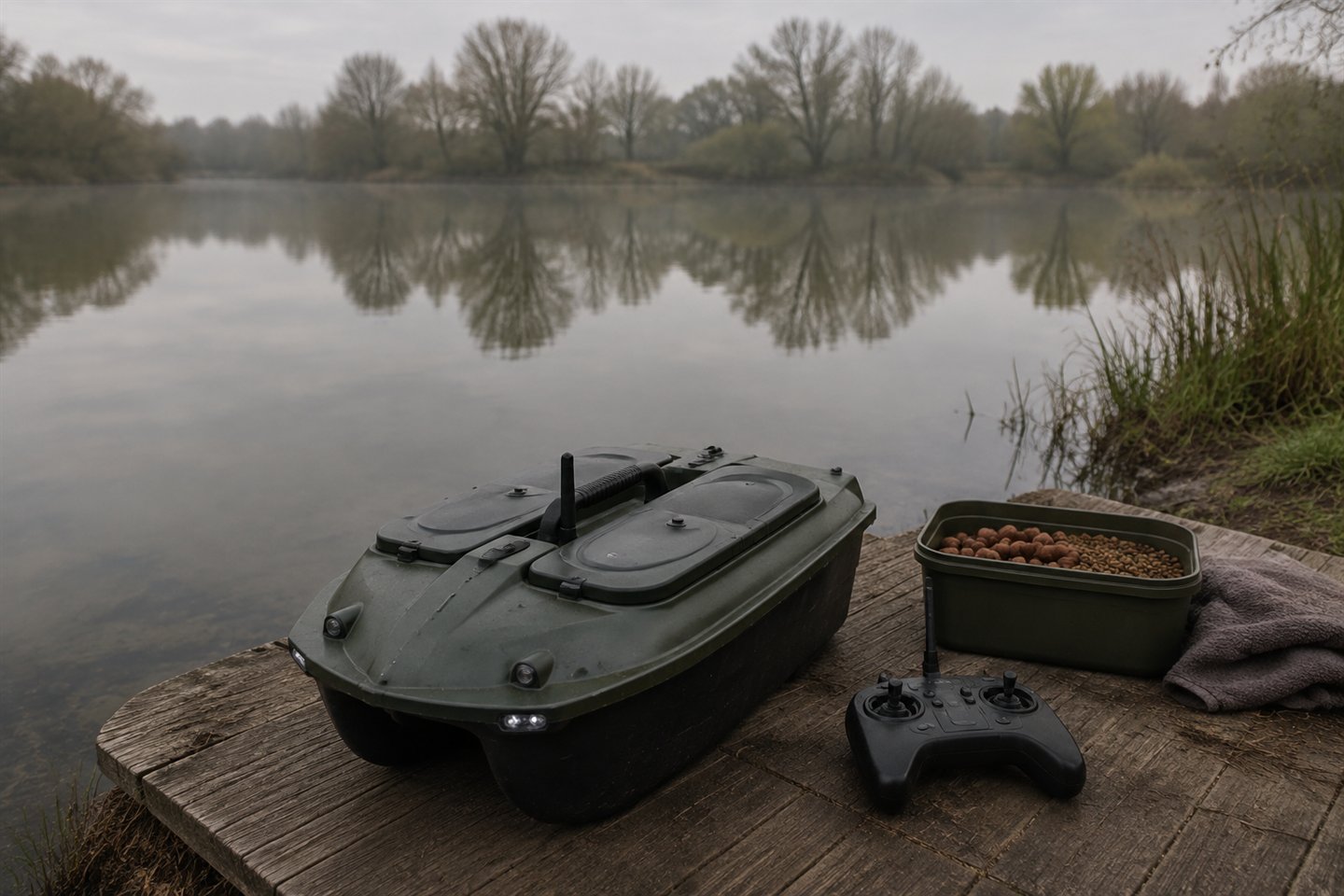
Compare basic, GPS and sonar bait boats. Check fishery rules, practical return range, battery support and whether you can safely fish the spots.
Read guide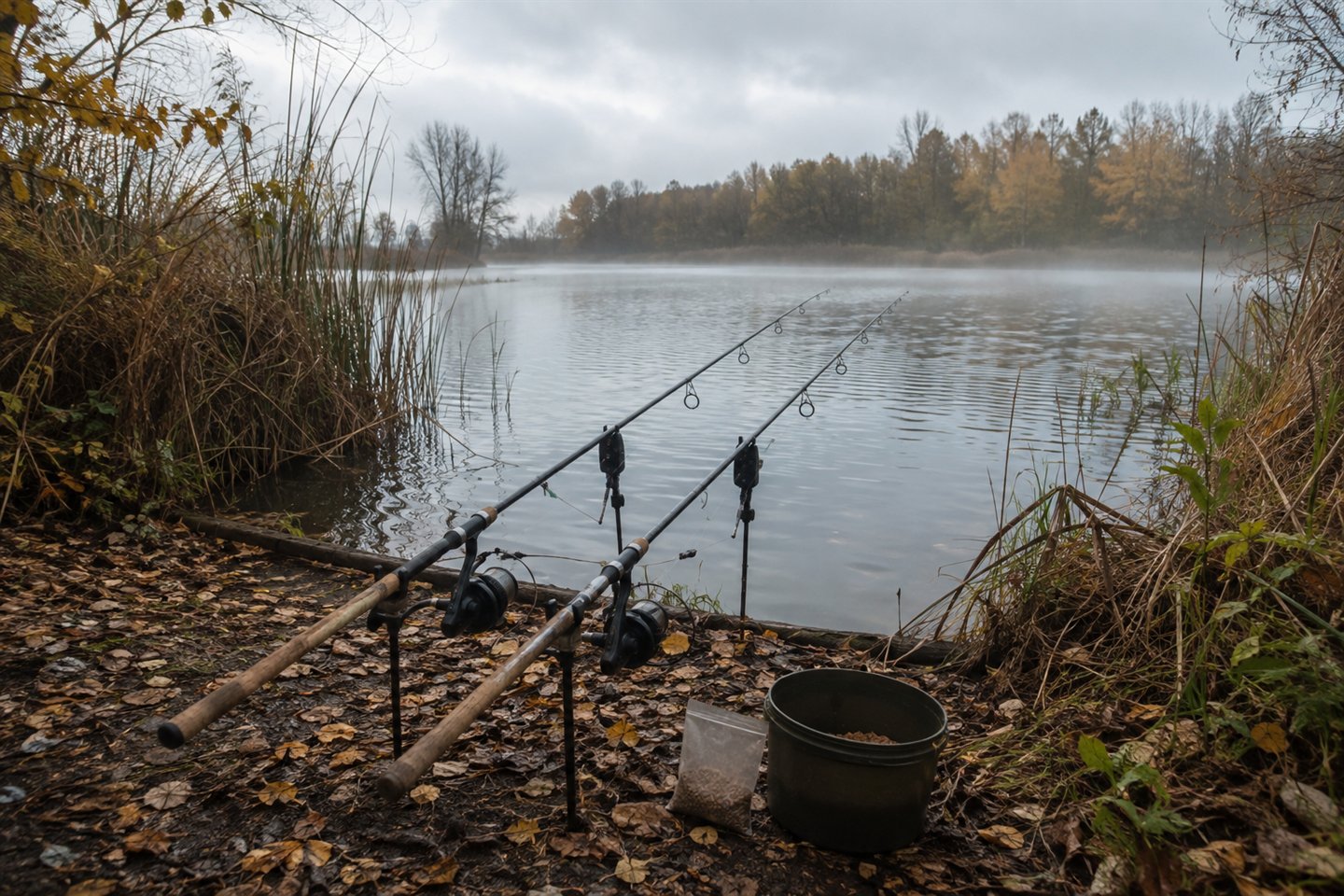
Find carp as lake weed dies back and nights cool. Use the recent trend to choose a spot, set an opening feed and judge when to move.
Read guide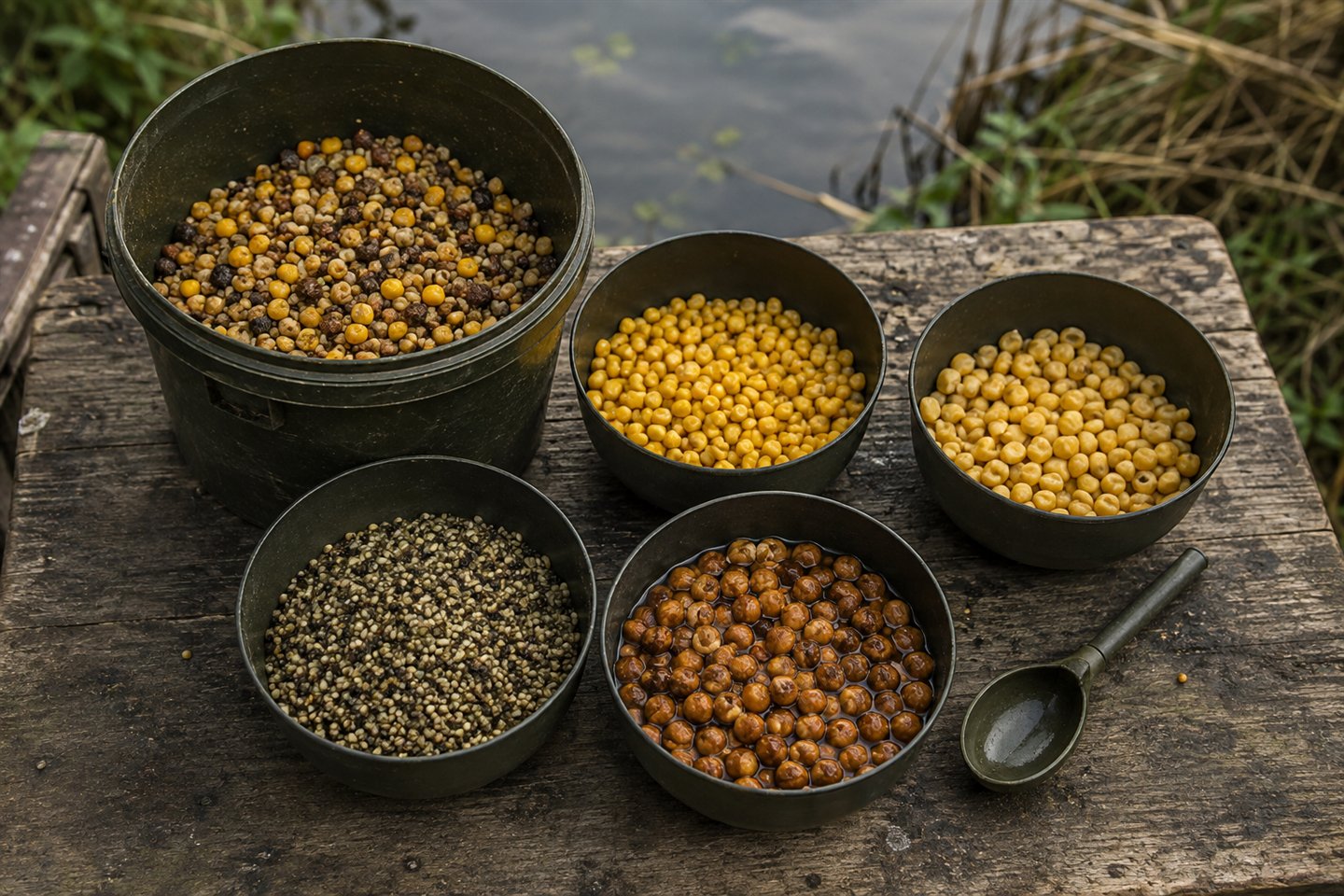
Check which particle baits your fishery allows and how to prepare the exact product. Compare hemp, maize, sweetcorn and tiger nuts before feeding.
Read guide
You can fit everything for a first float-fishing trip in a small bag.
Read guide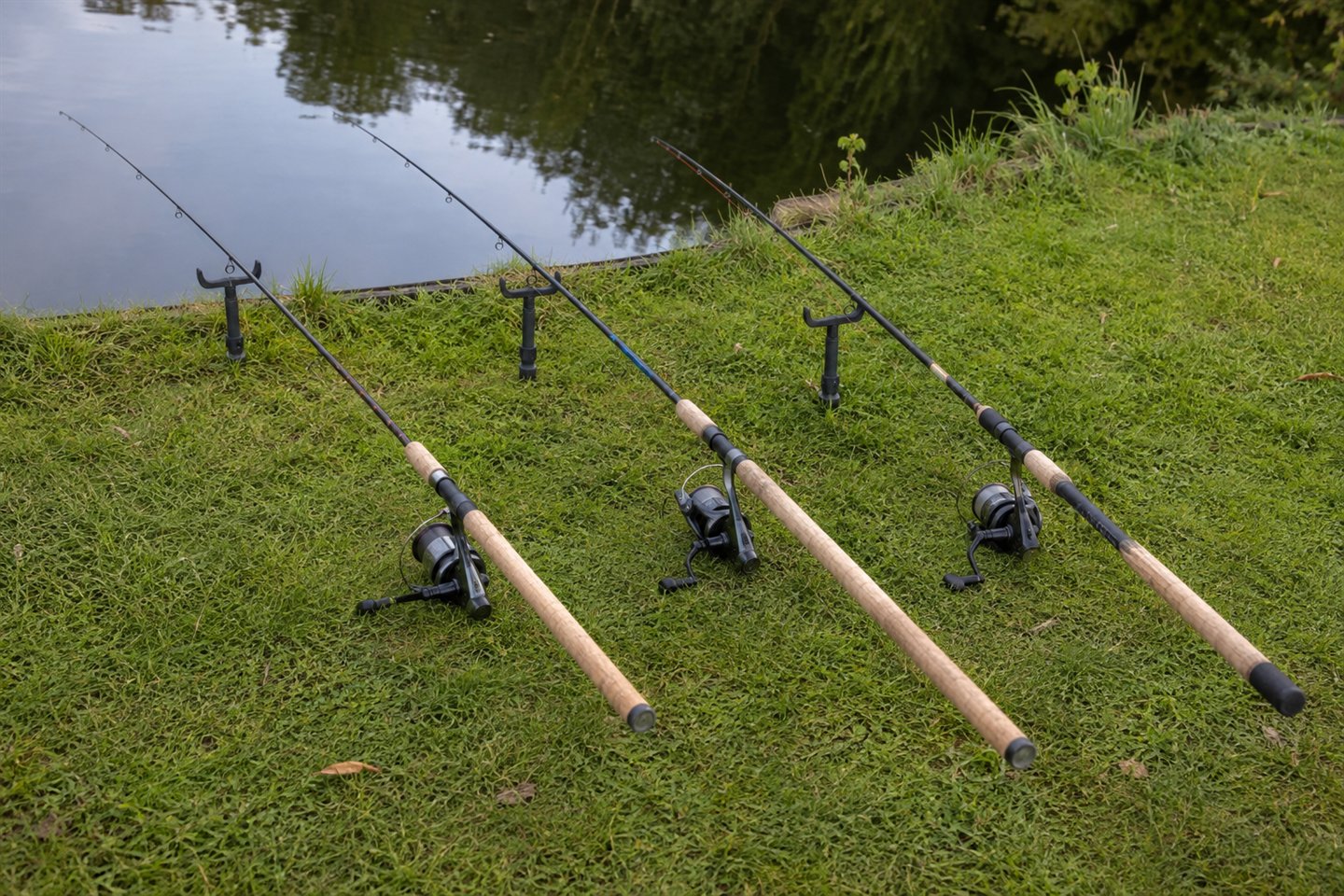
A float rod for the canal and a feeder rod for an open lake can feel worlds apart.
Read guide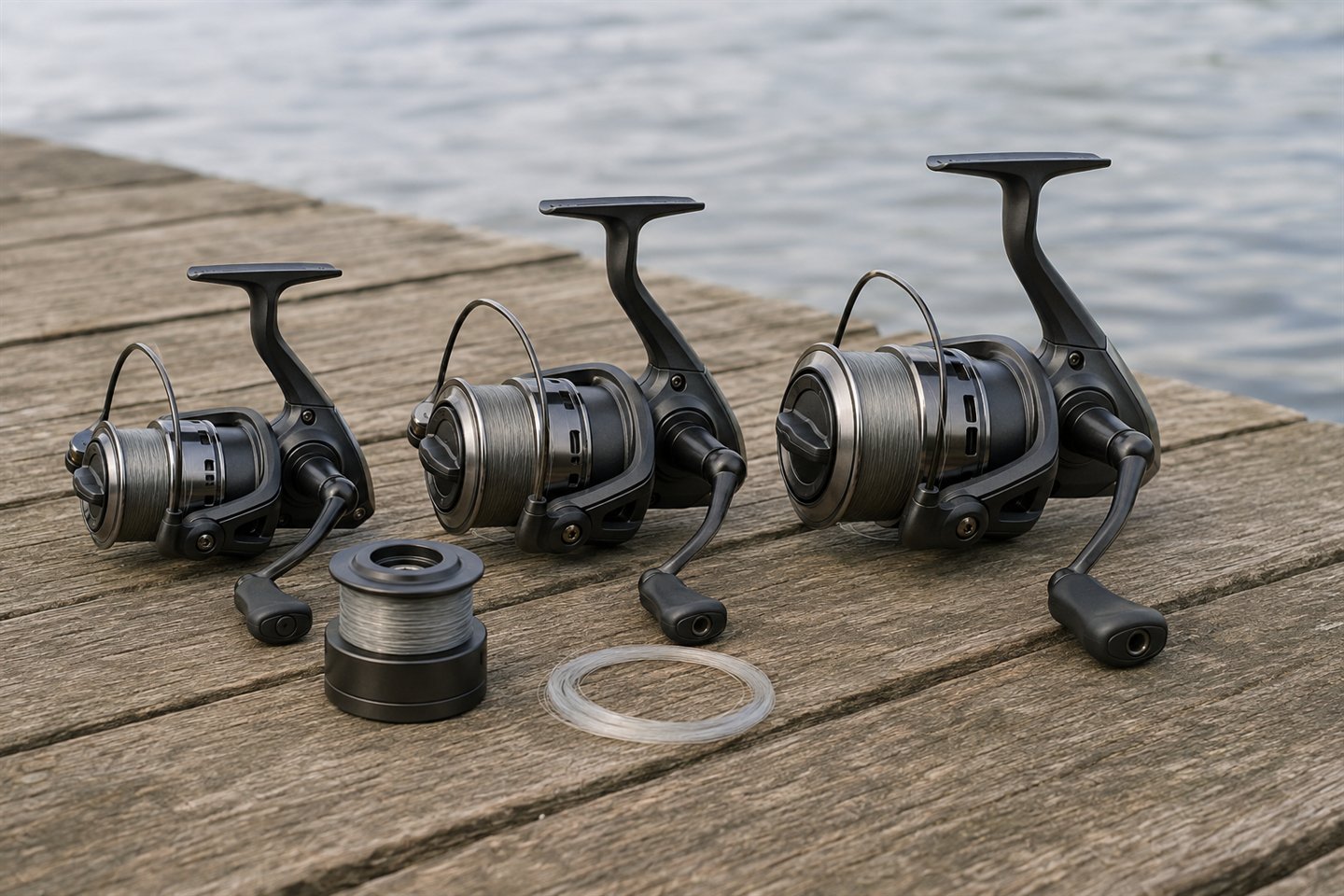
Two reels labelled 3000 can feel quite different on the same rod.
Read guide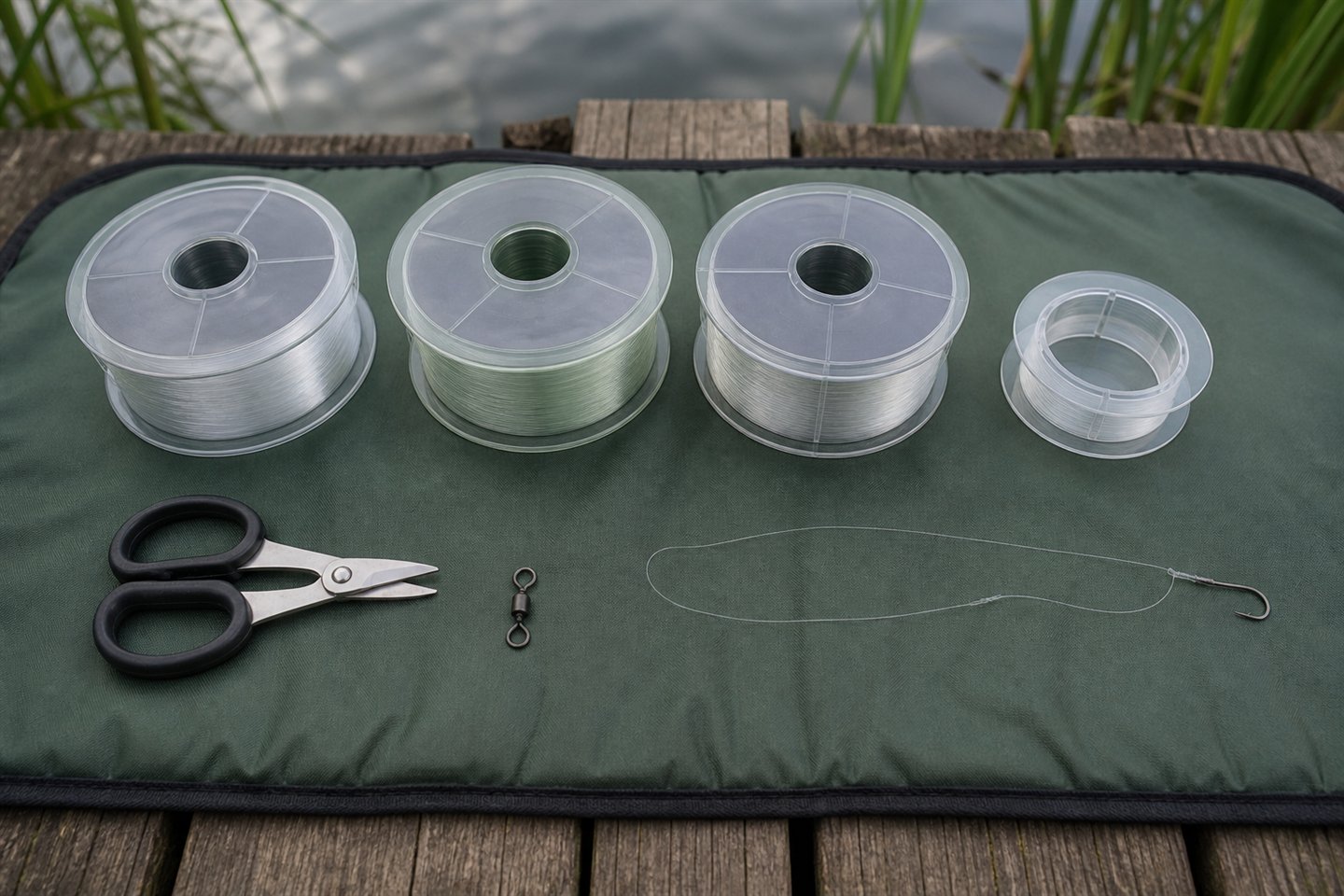
Look at both numbers on a spool of line: the diameter and the breaking strain.
Read guide
Try the bait on the hook before judging the label.
Read guide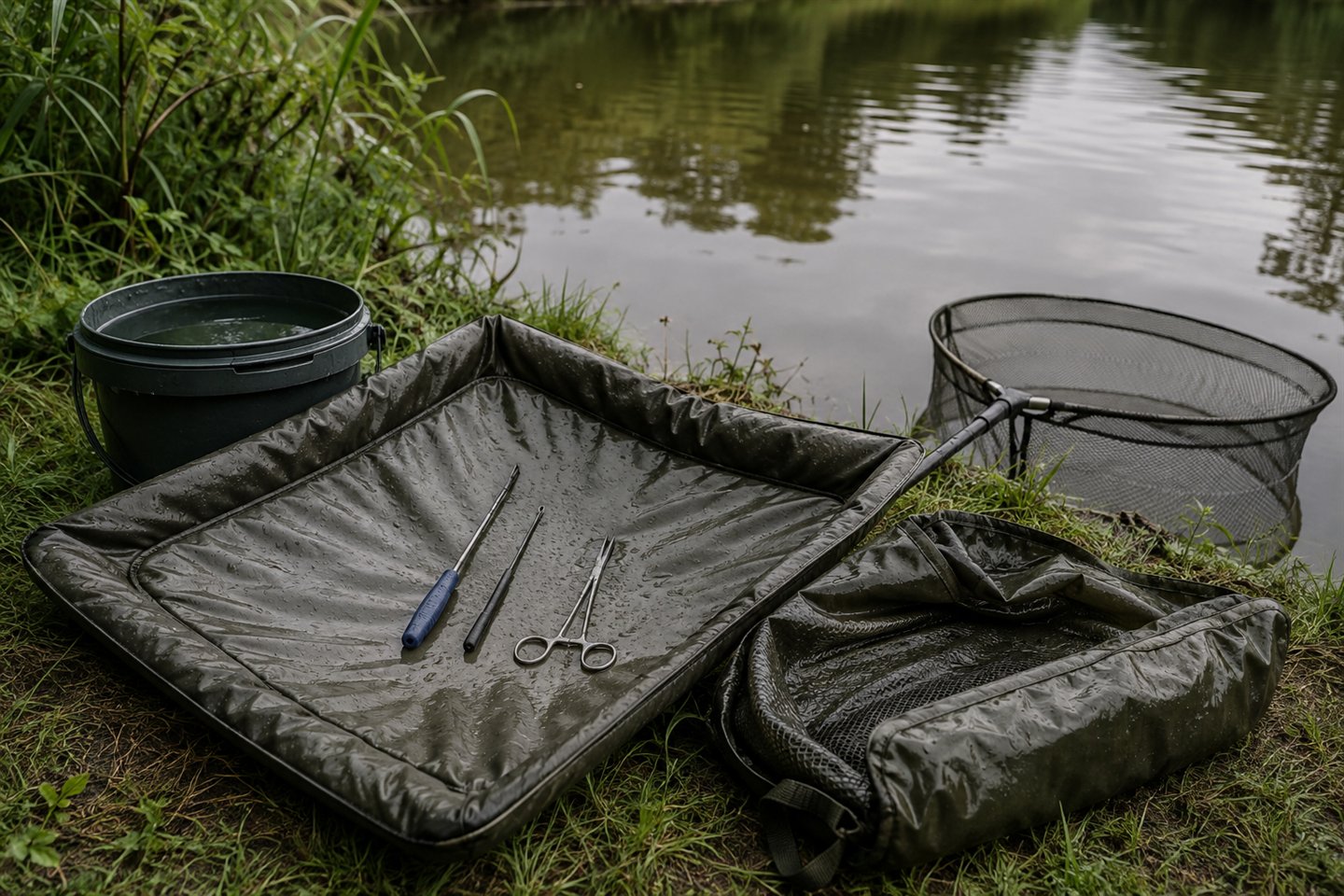
Set your net and disgorger beside you before you put a bait in the water.
Read guide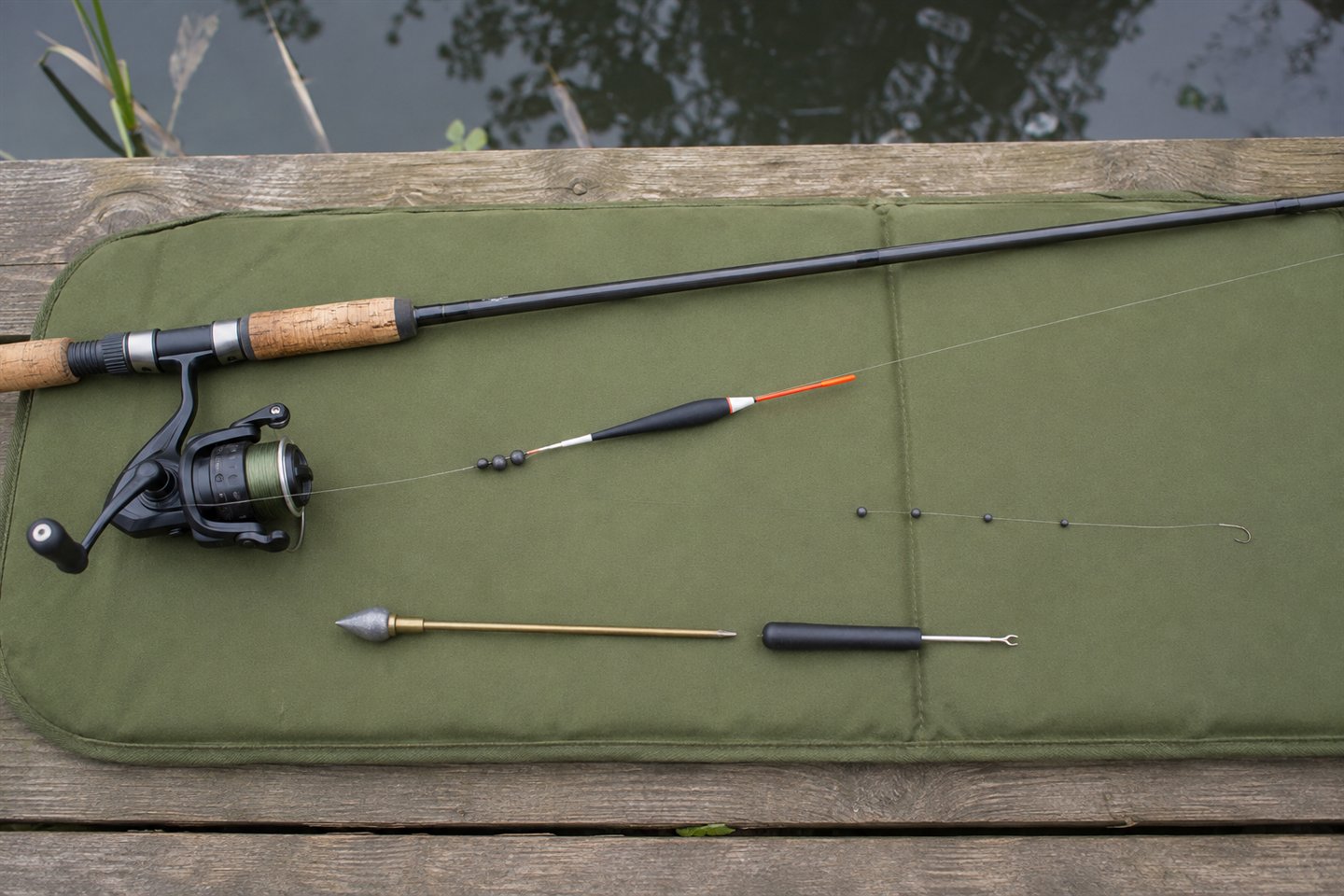
Build your first float outfit in the same order each time.
Read guide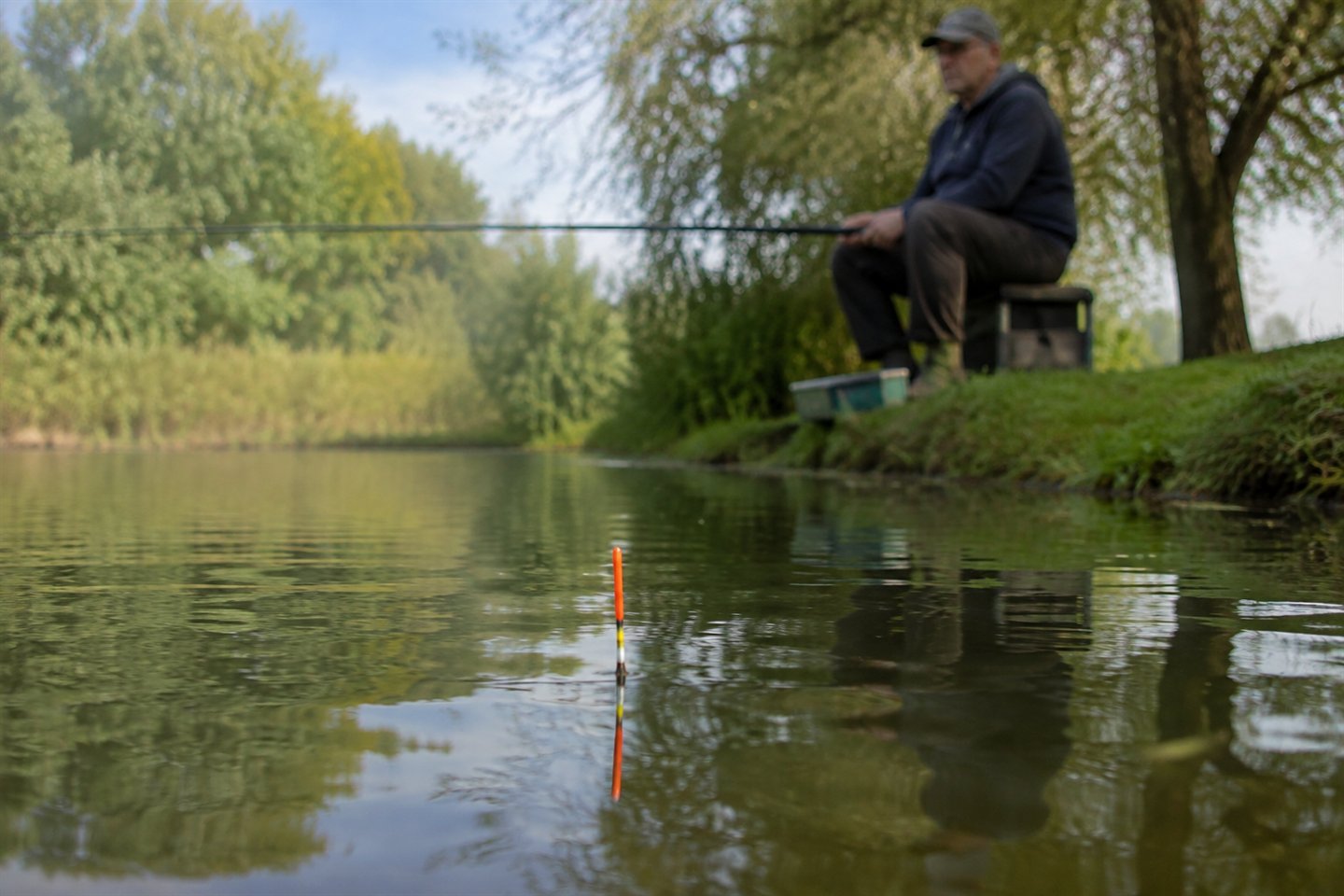
The fun of a waggler is seeing what the bait is doing as you change things.
Read guide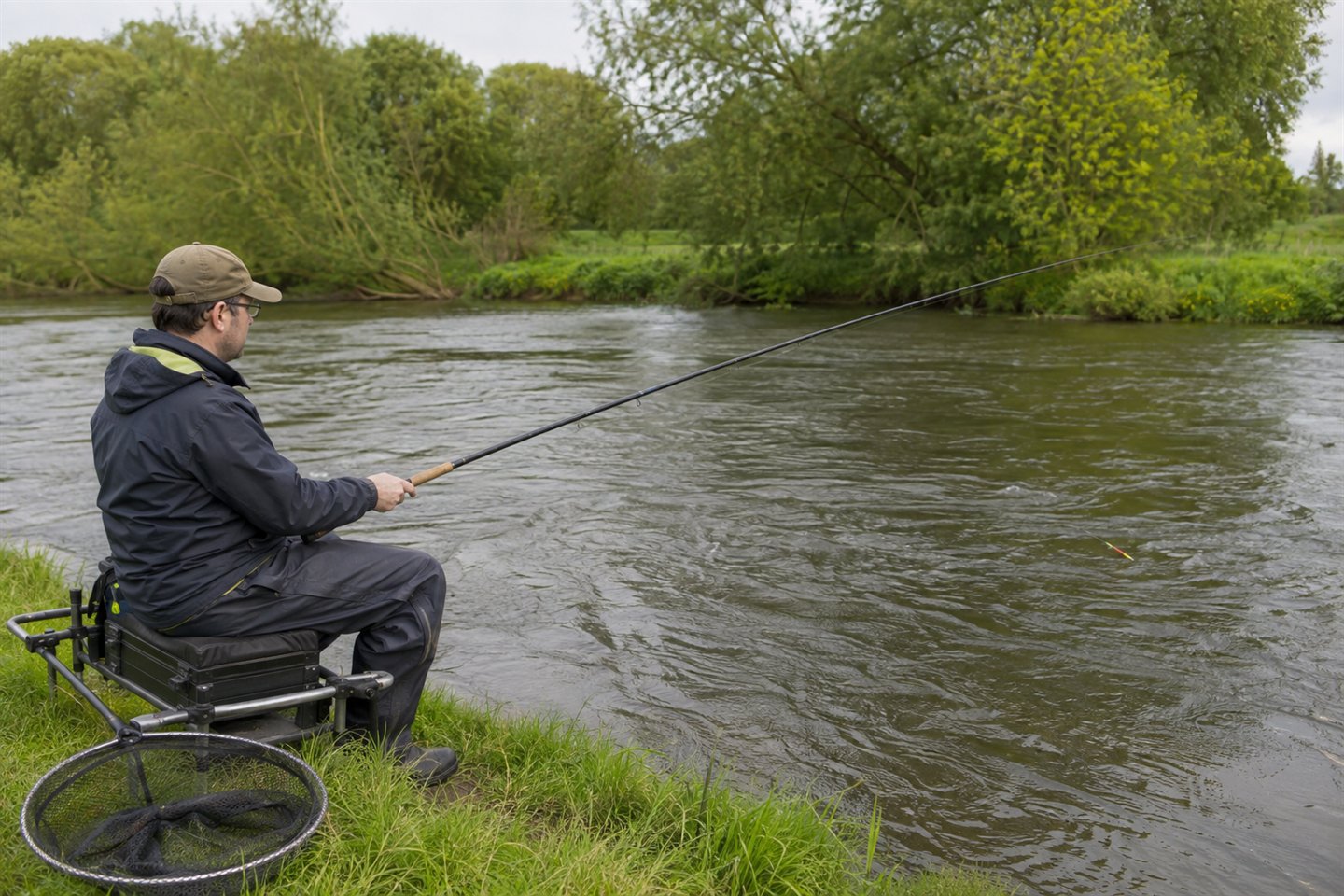
A stick float lets you follow a bait down a river.
Read guide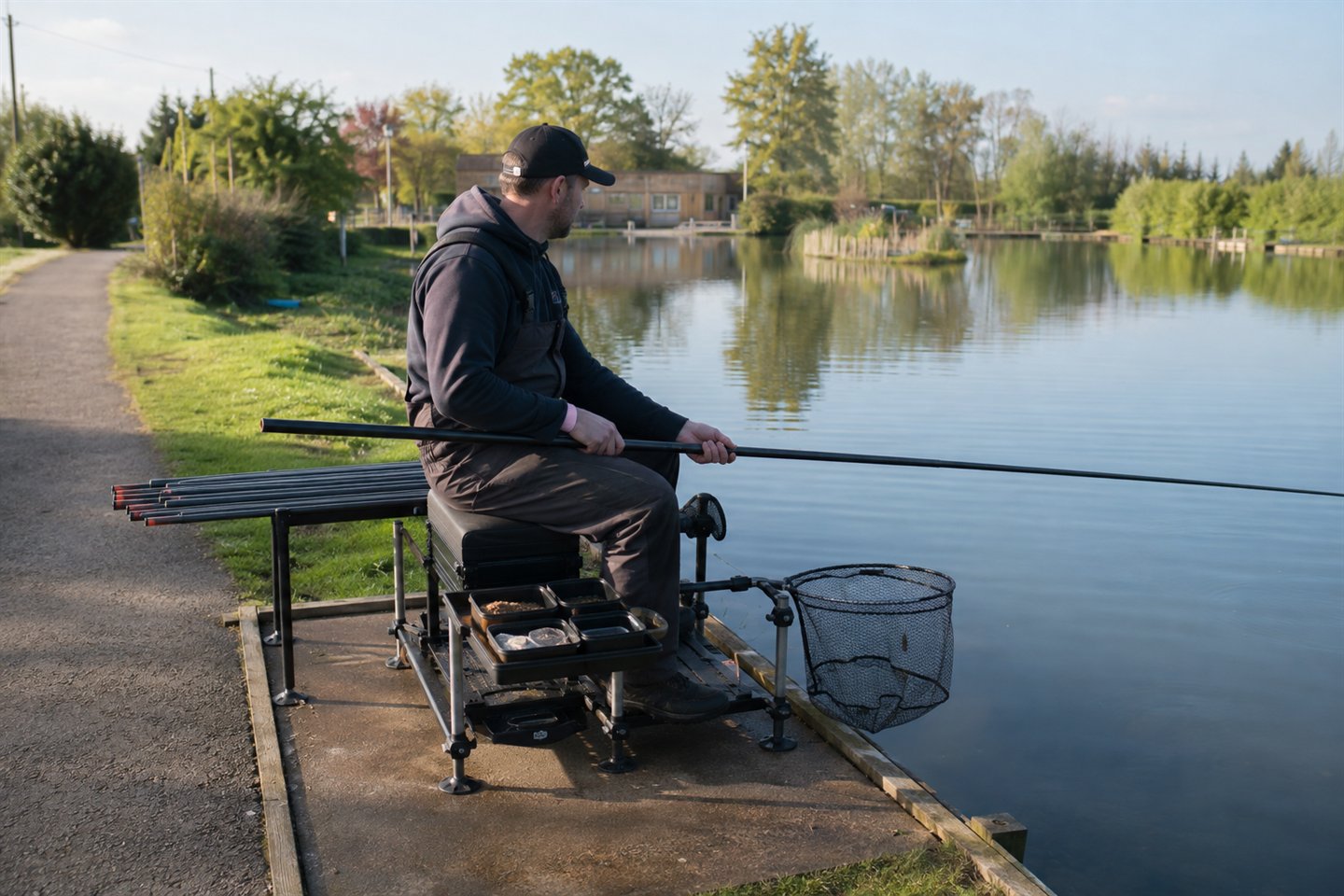
A short pole lets you lower the bait onto the spot where you fed.
Read guide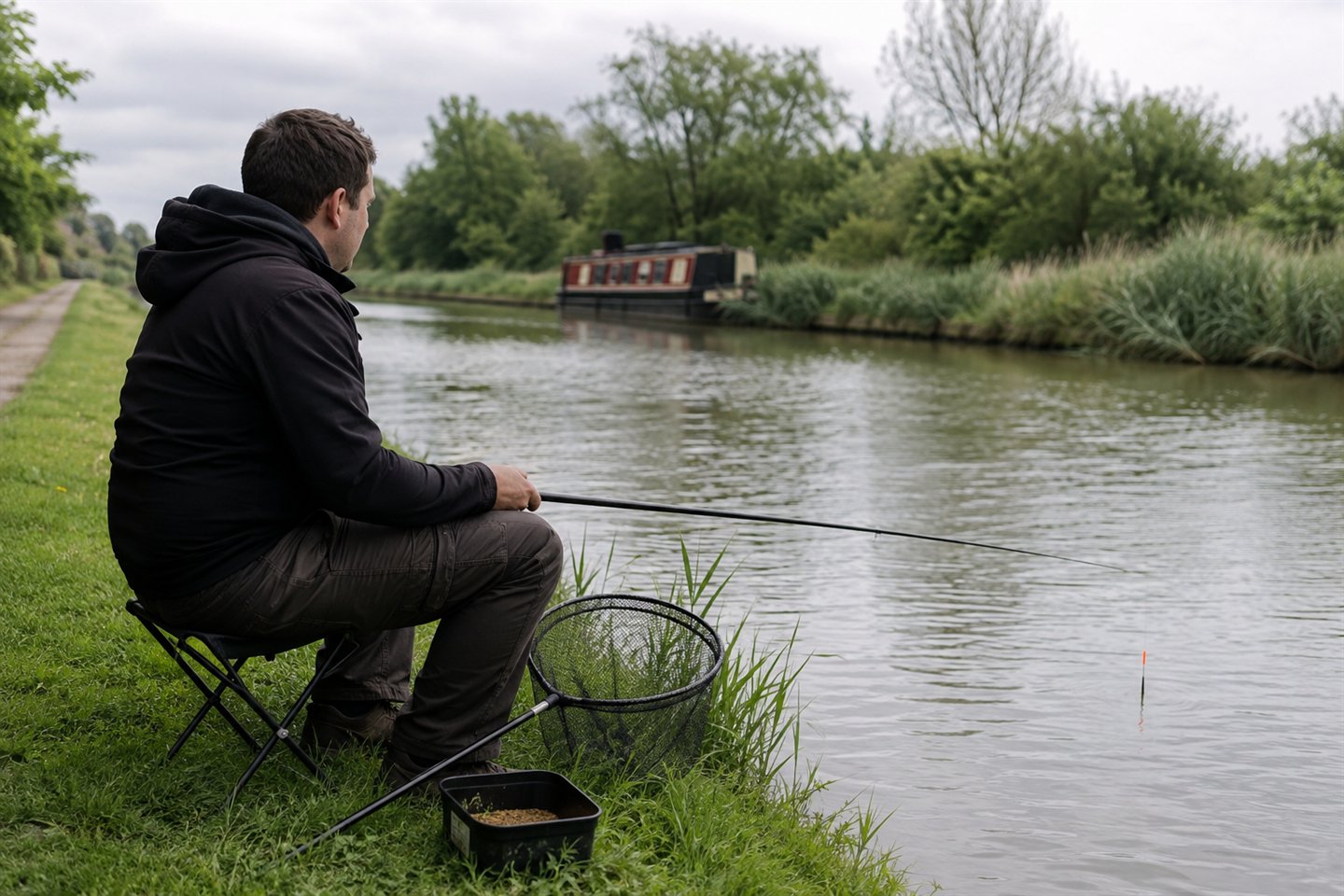
A short whip is a good way to learn how a float and a few maggots work together.
Read guide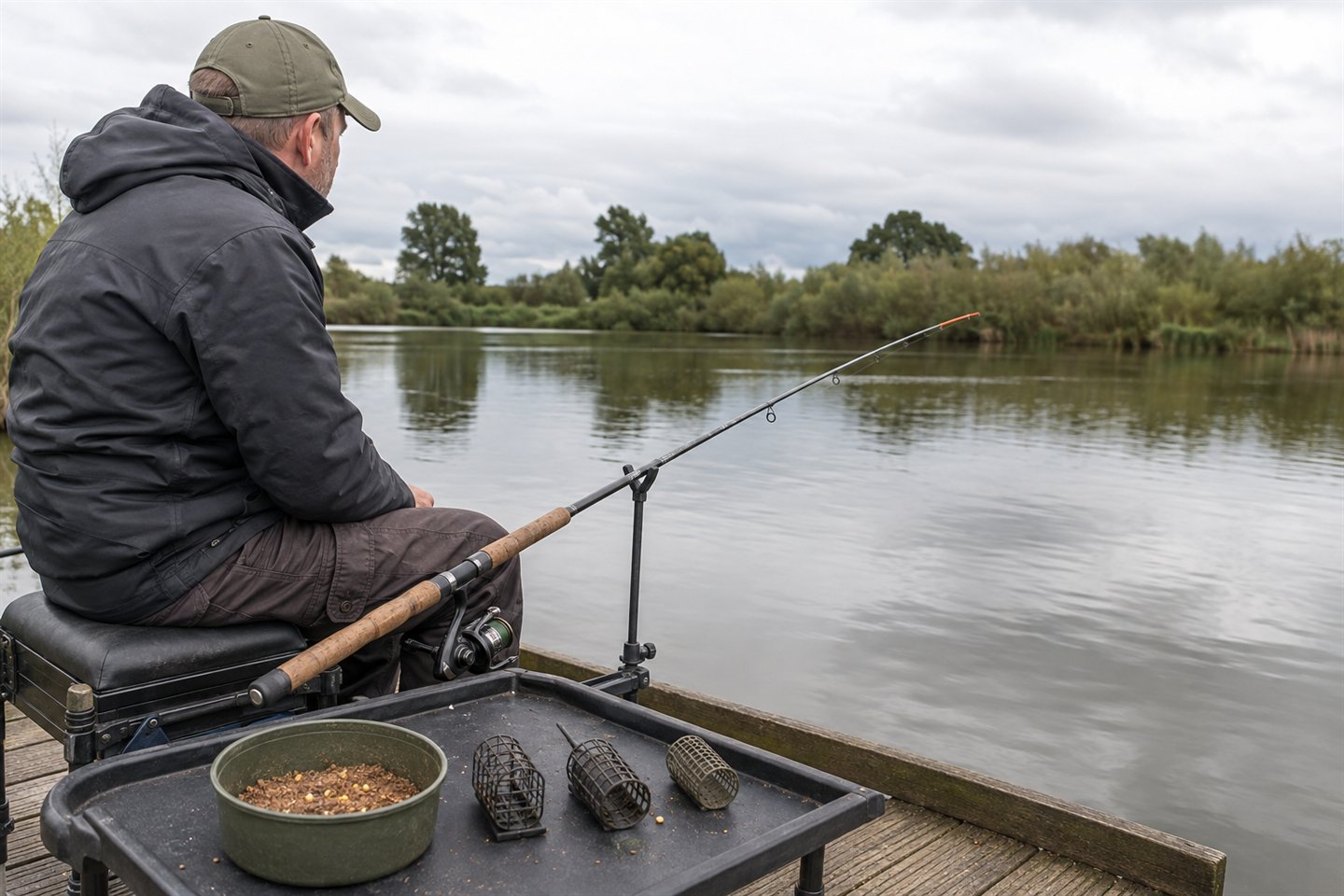
Pick a spot you can reach with a smooth cast and start with a small cage feeder.
Read guide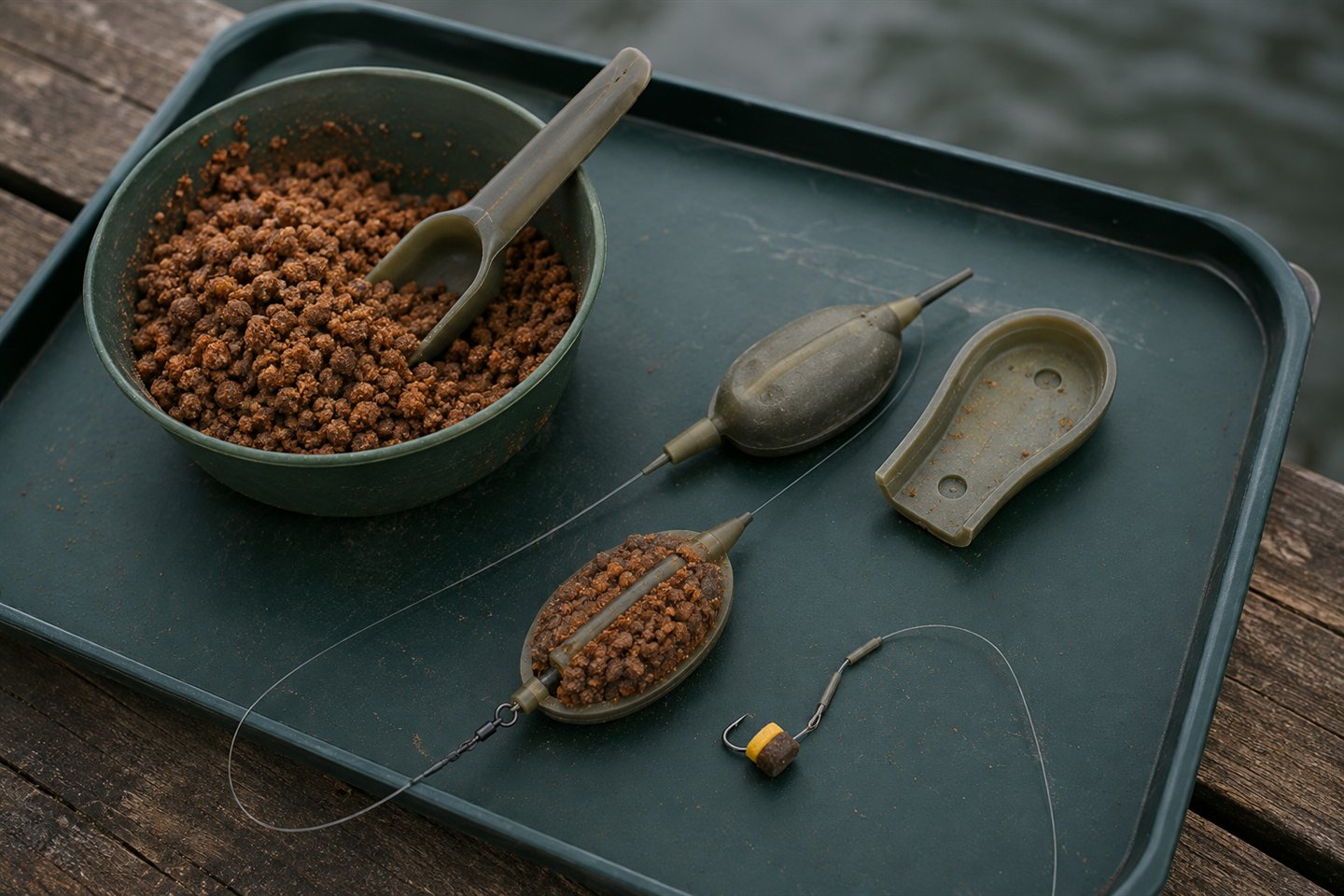
A Method feeder delivers a small parcel of food with the hookbait close by.
Read guide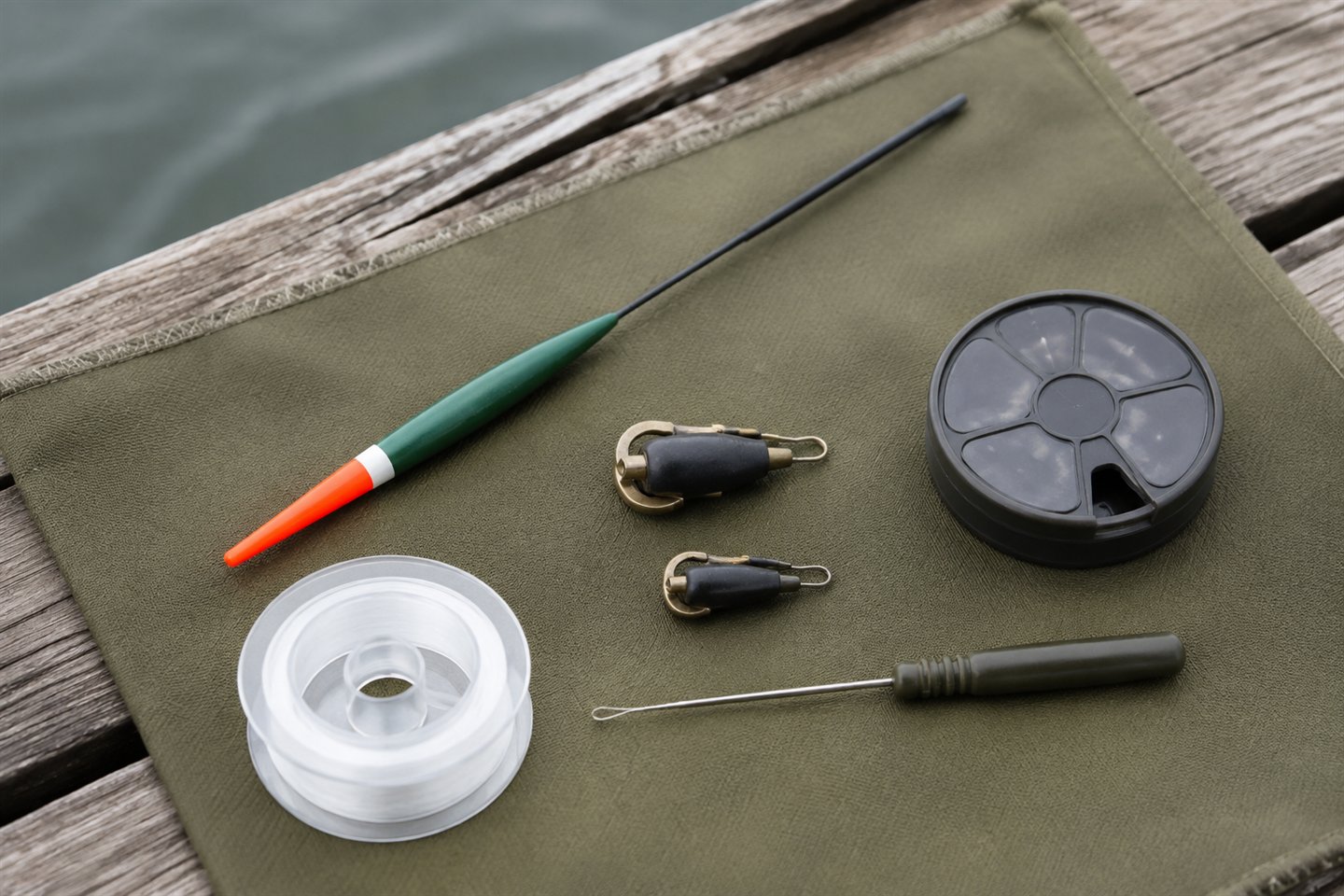
Your float is easier to read when you know exactly where the hookbait is.
Read guide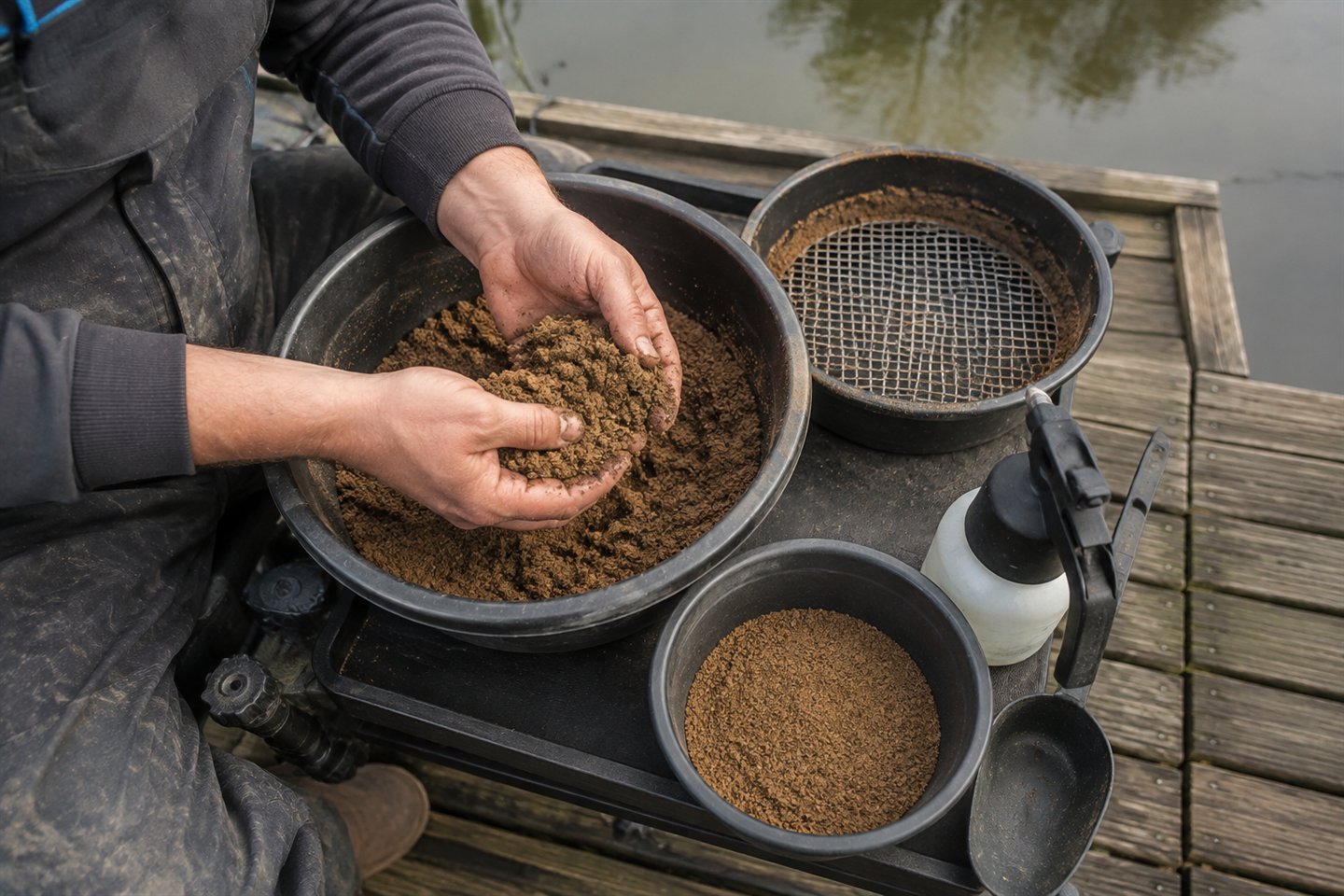
Mix a little groundbait before you need it.
Read guide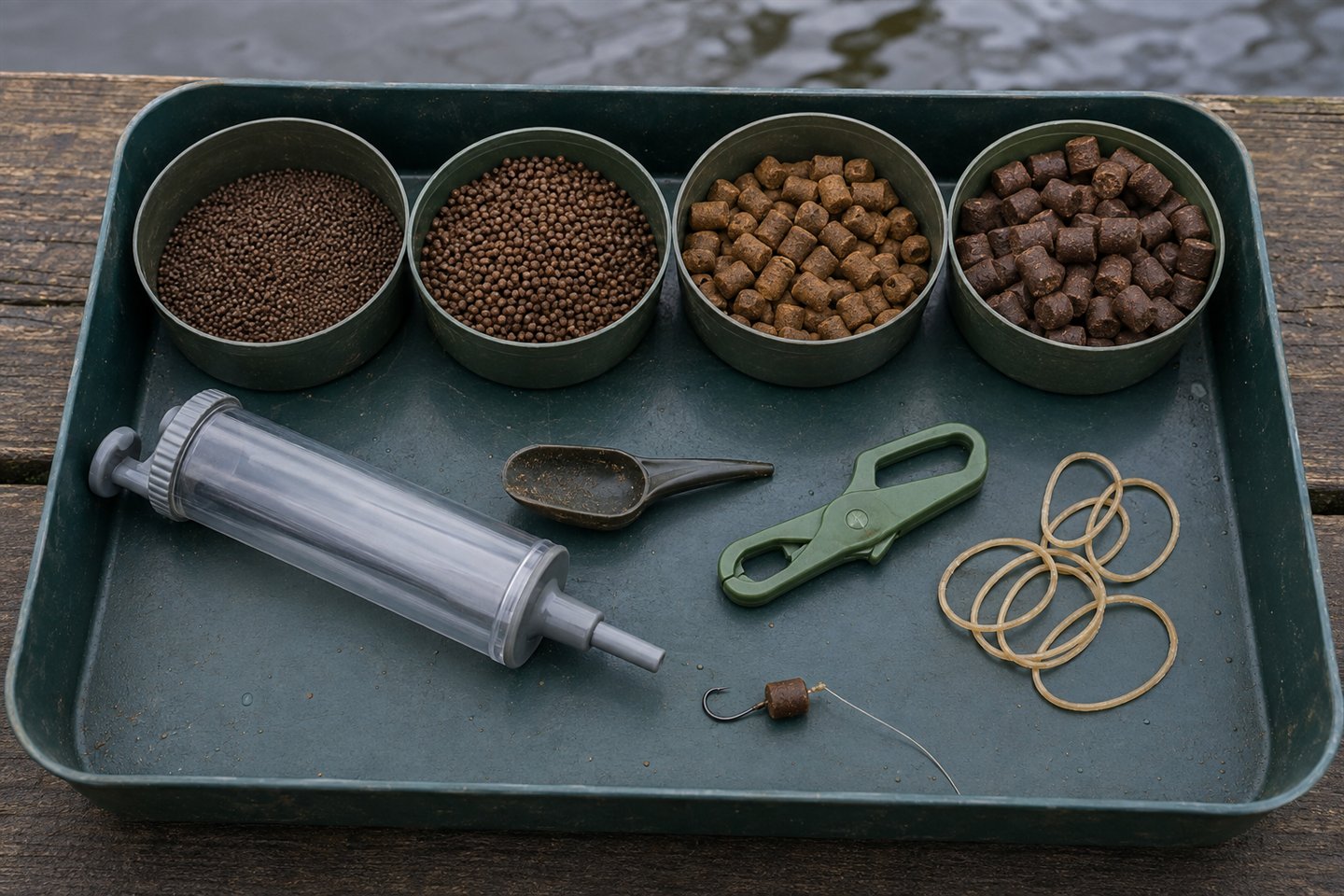
A hard feed pellet, a soft expander and a handful of micros do different jobs.
Read guide
Phone the fishery before you pack.
Read guide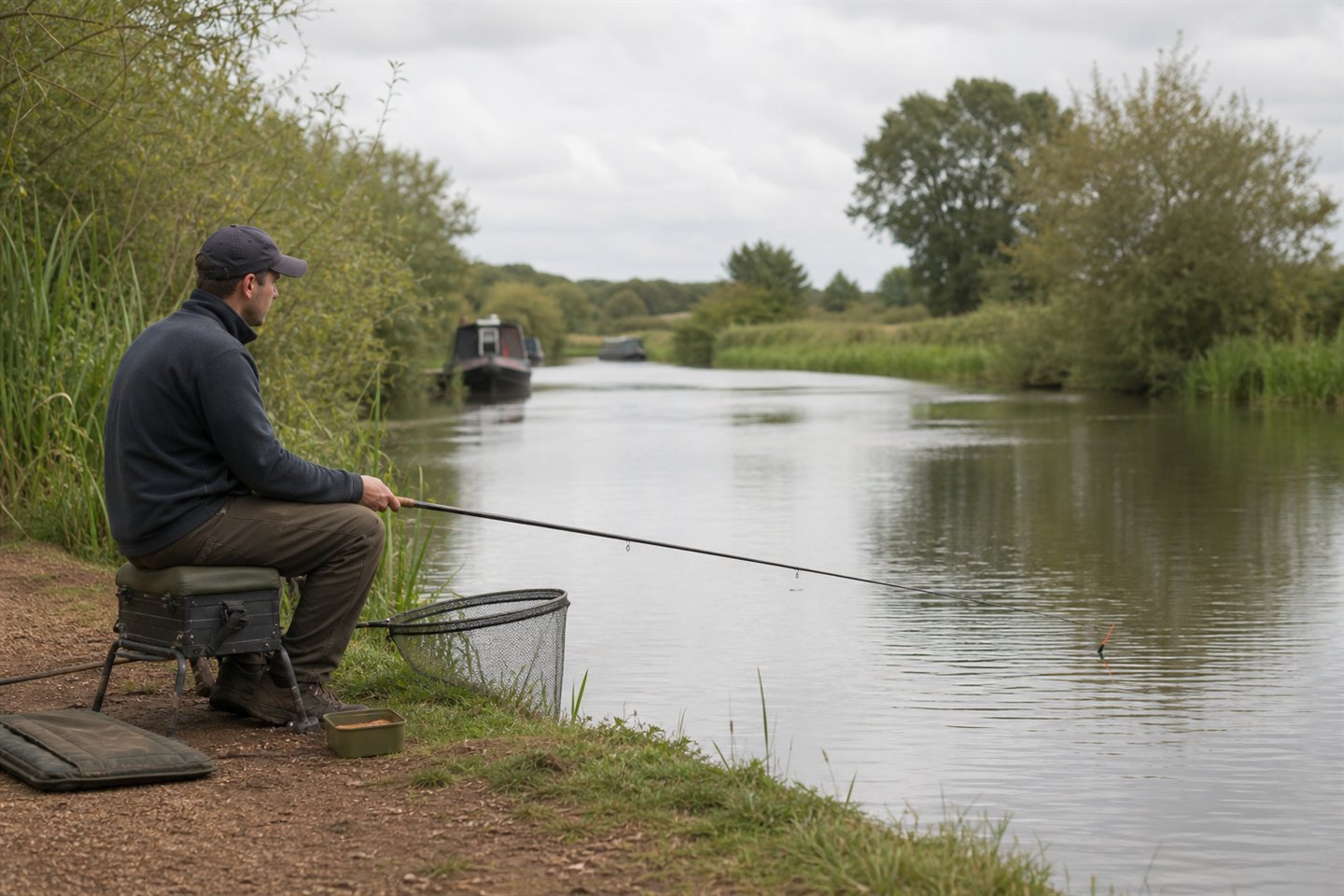
You can start canal fishing just off the towpath shelf.
Read guide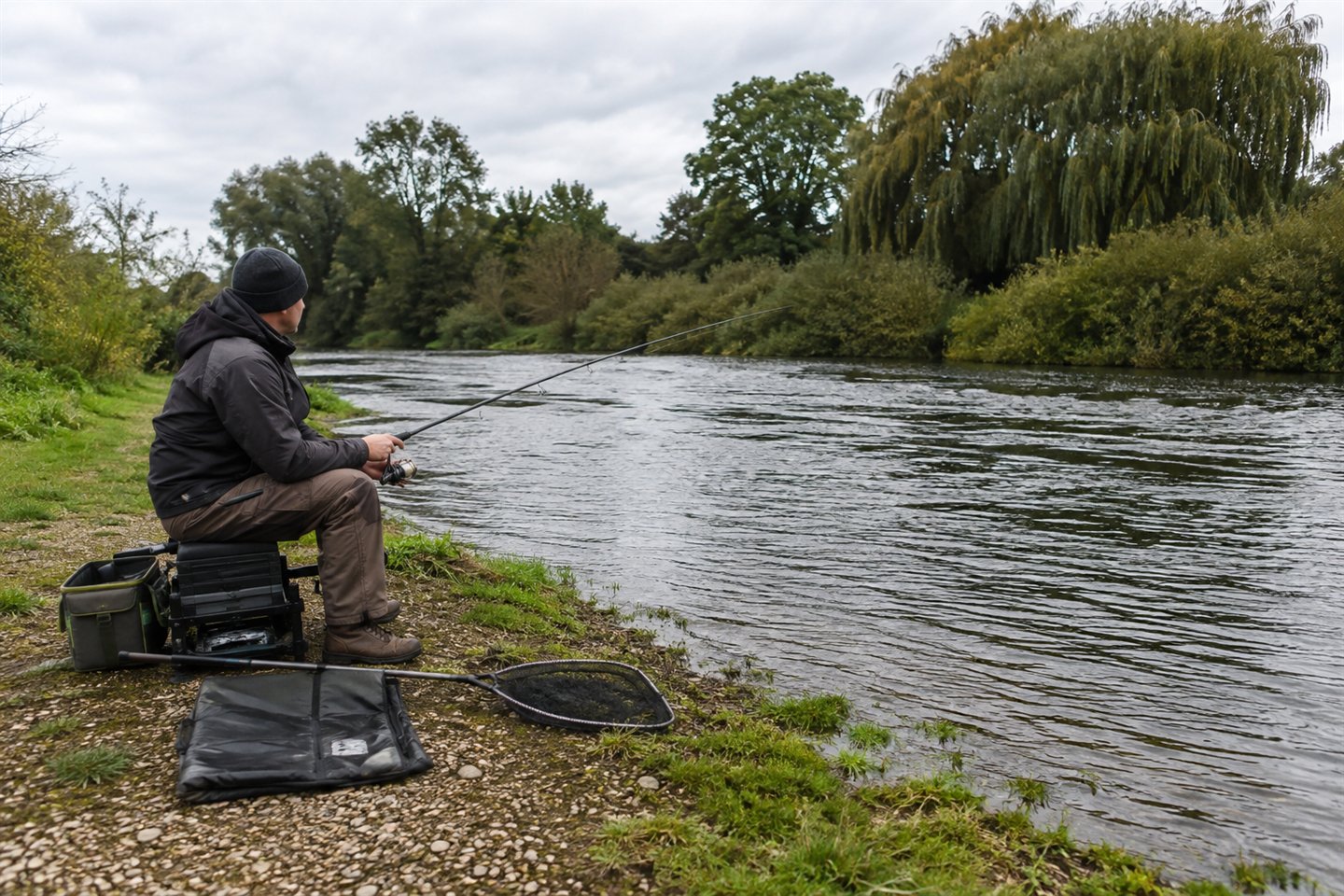
On your first river trip look for a firm bank, space to net a fish and a stretch of flow you can follow comfortably.
Read guide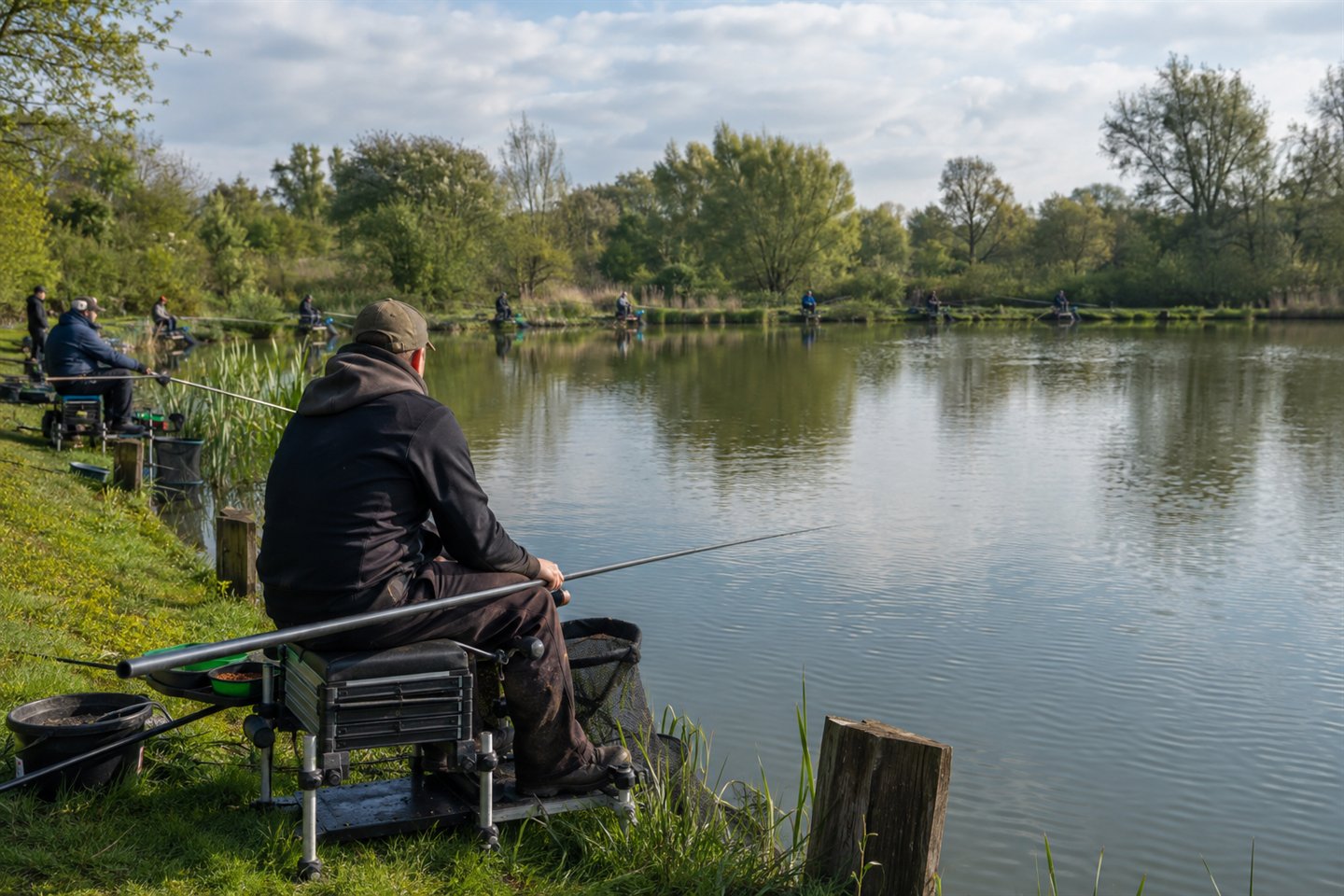
Your first match will feel much easier if you've already fished the venue and know when you're allowed to plumb, feed and start.
Read guide
Set a float close to the bottom and feed a few samples to the same spot.
Read guide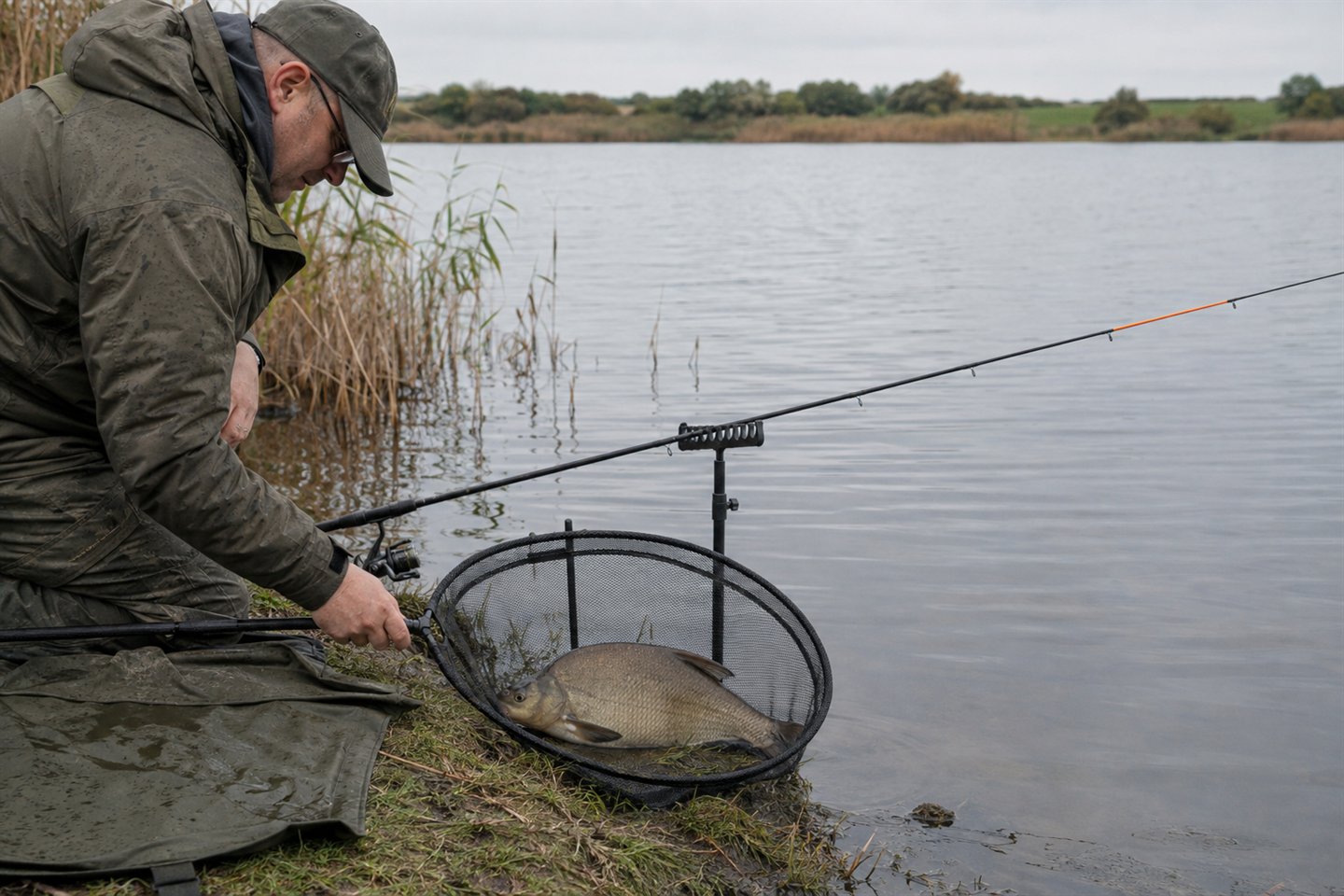
Bream often feed in groups, so give them one place to find the bait and give yourself a cast you can repeat.
Read guide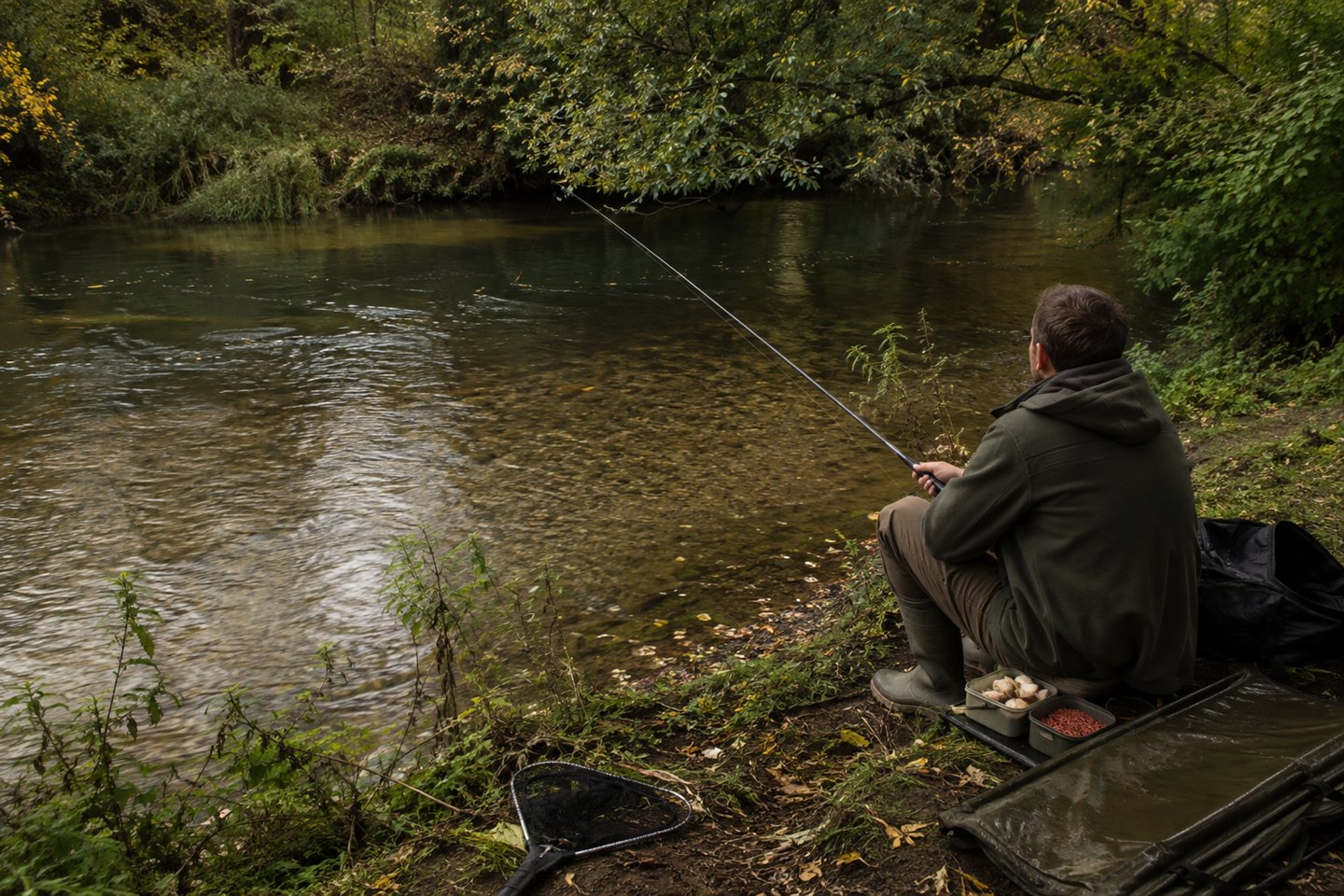
Give a likely-looking chub swim a quiet look before setting the rod up.
Read guide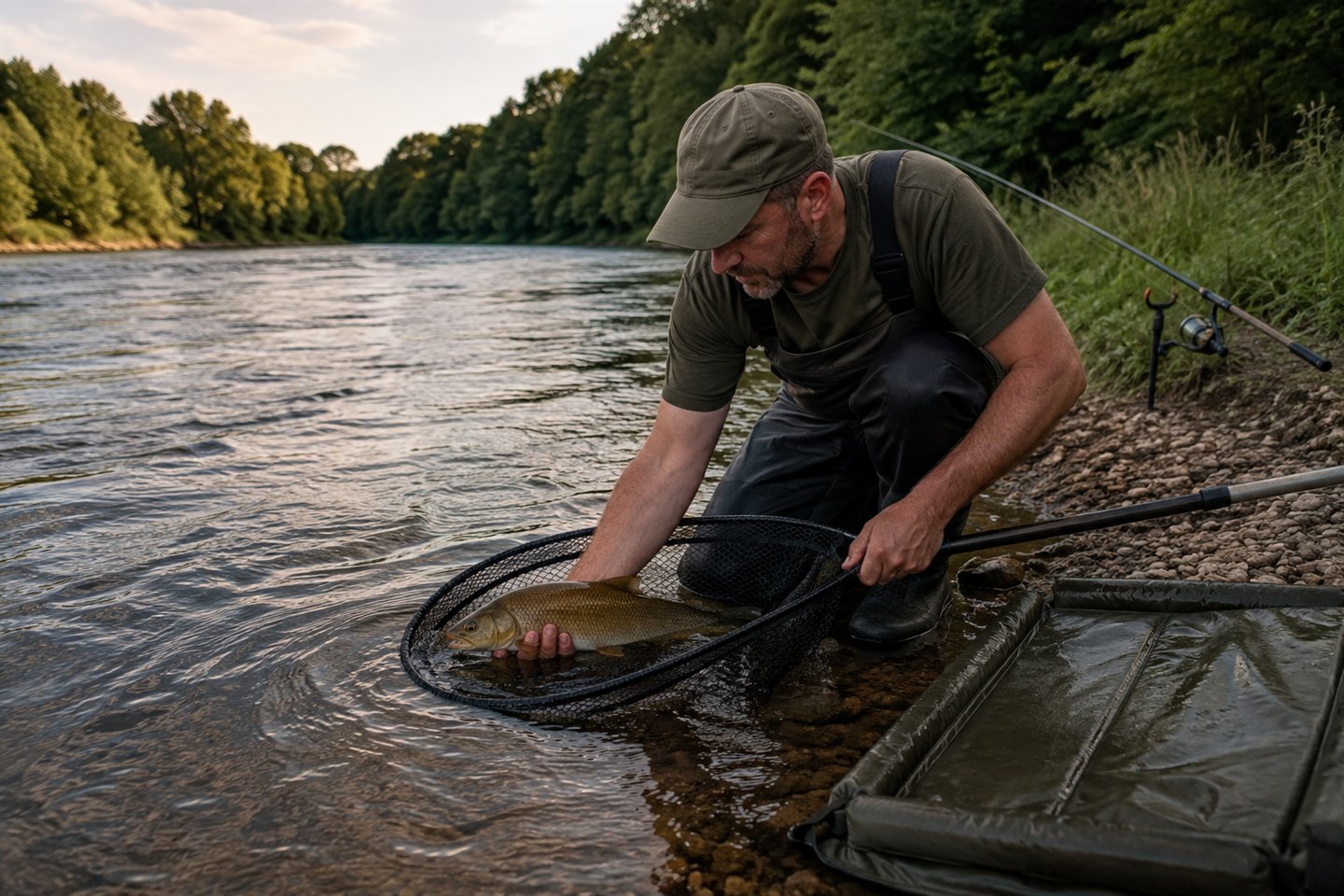
A first barbel swim needs enough space to land a powerful fish and a place where it can recover in gentle, moving water.
Read guide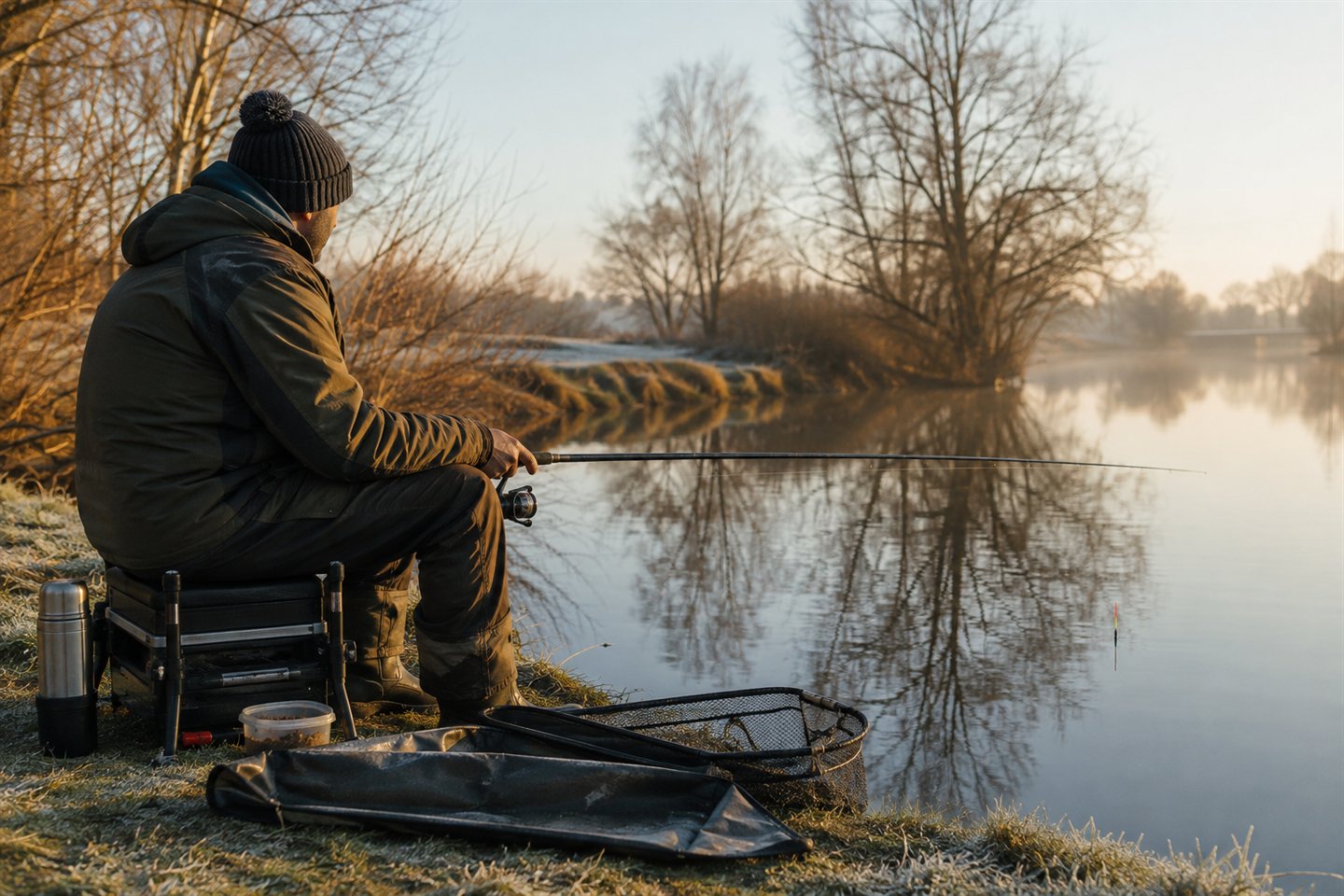
A short winter session is a good time to fish one bait carefully.
Read guide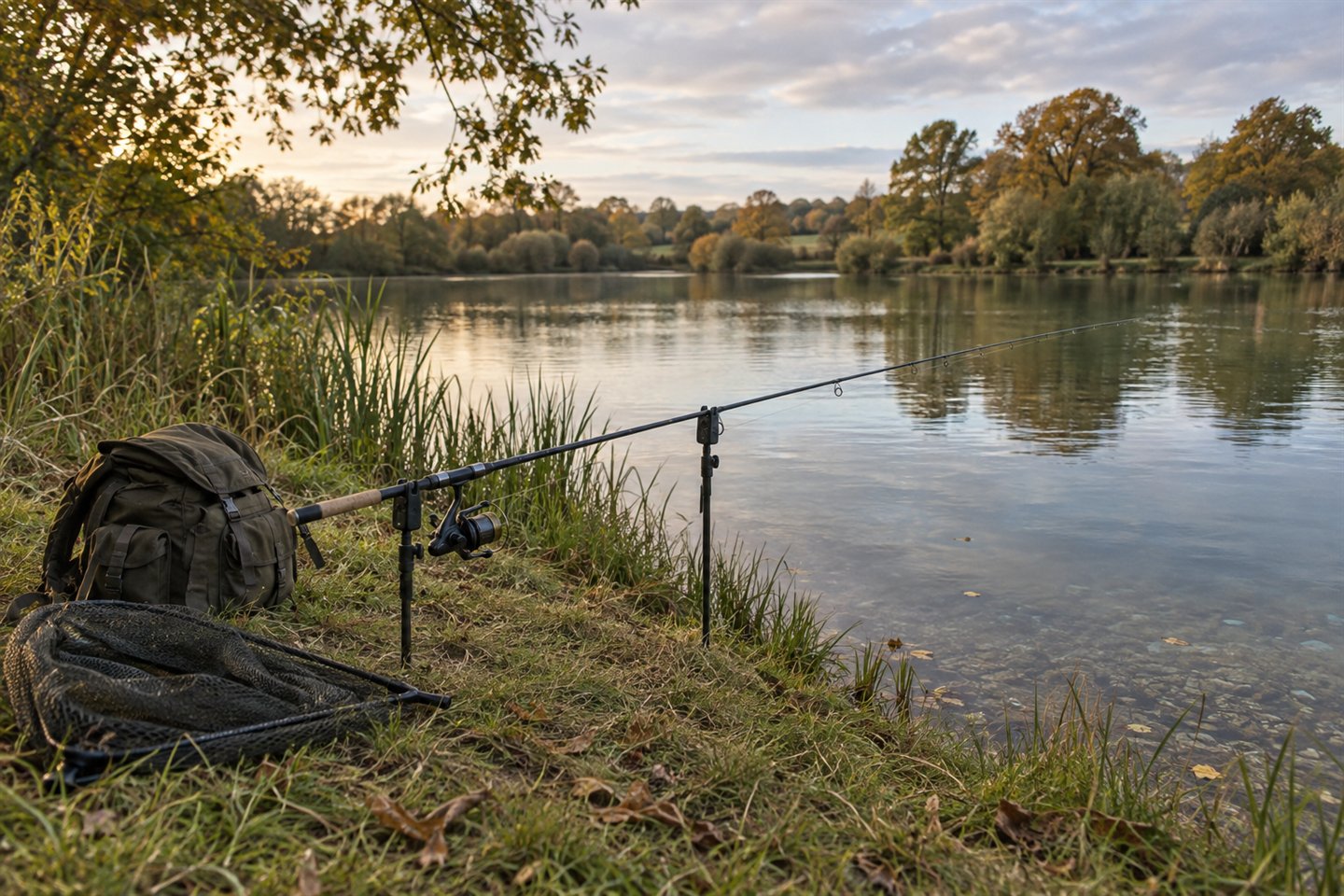
Got two hours for carp? Choose a handy venue, spend time looking and put one good cast in first. See when to move, rebait and pack up.
Read guide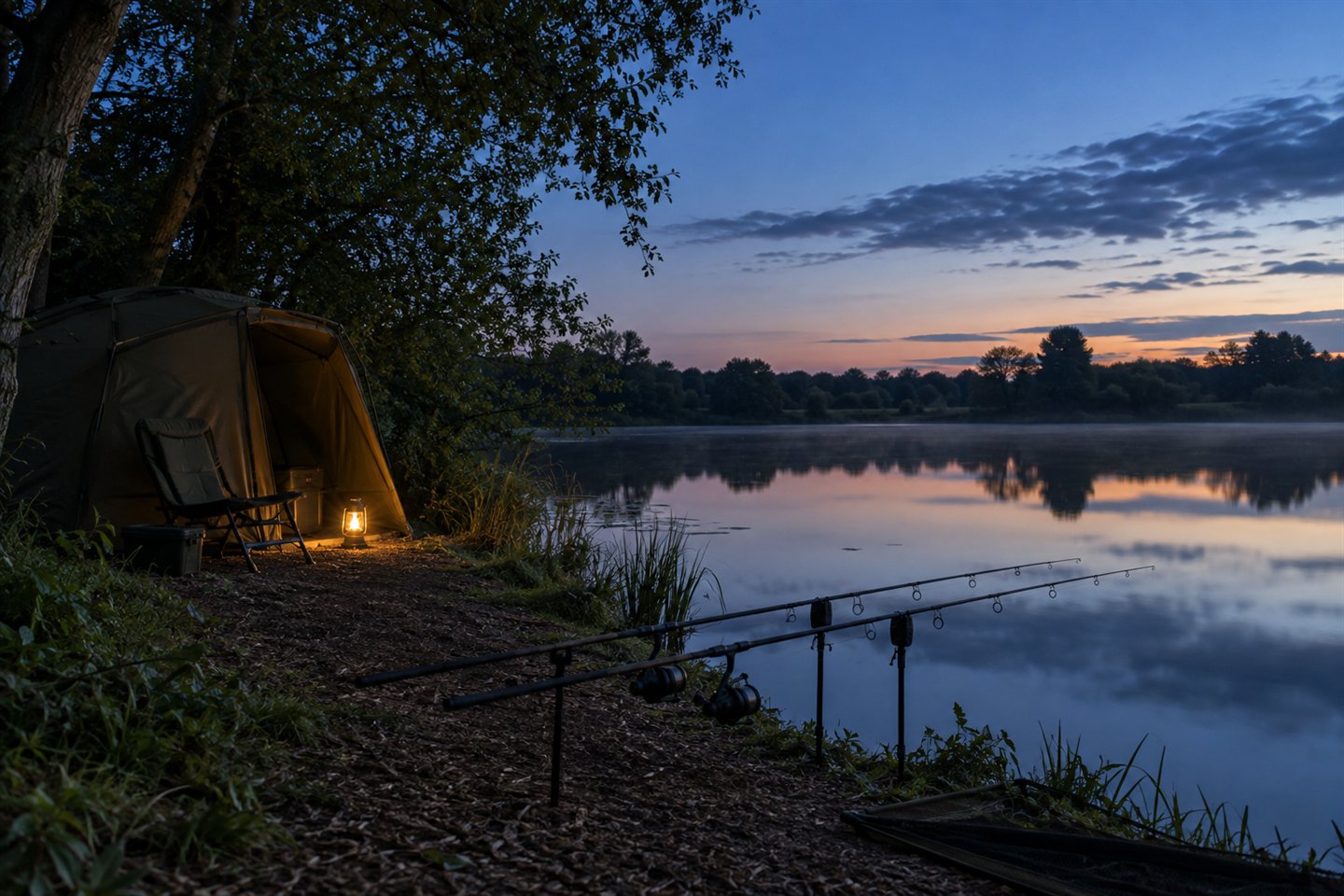
Plan a first carp overnighter with a daylight arrival, a clear route to your rods and a prepared landing area. Know what to do if the alarm goes.
Read guide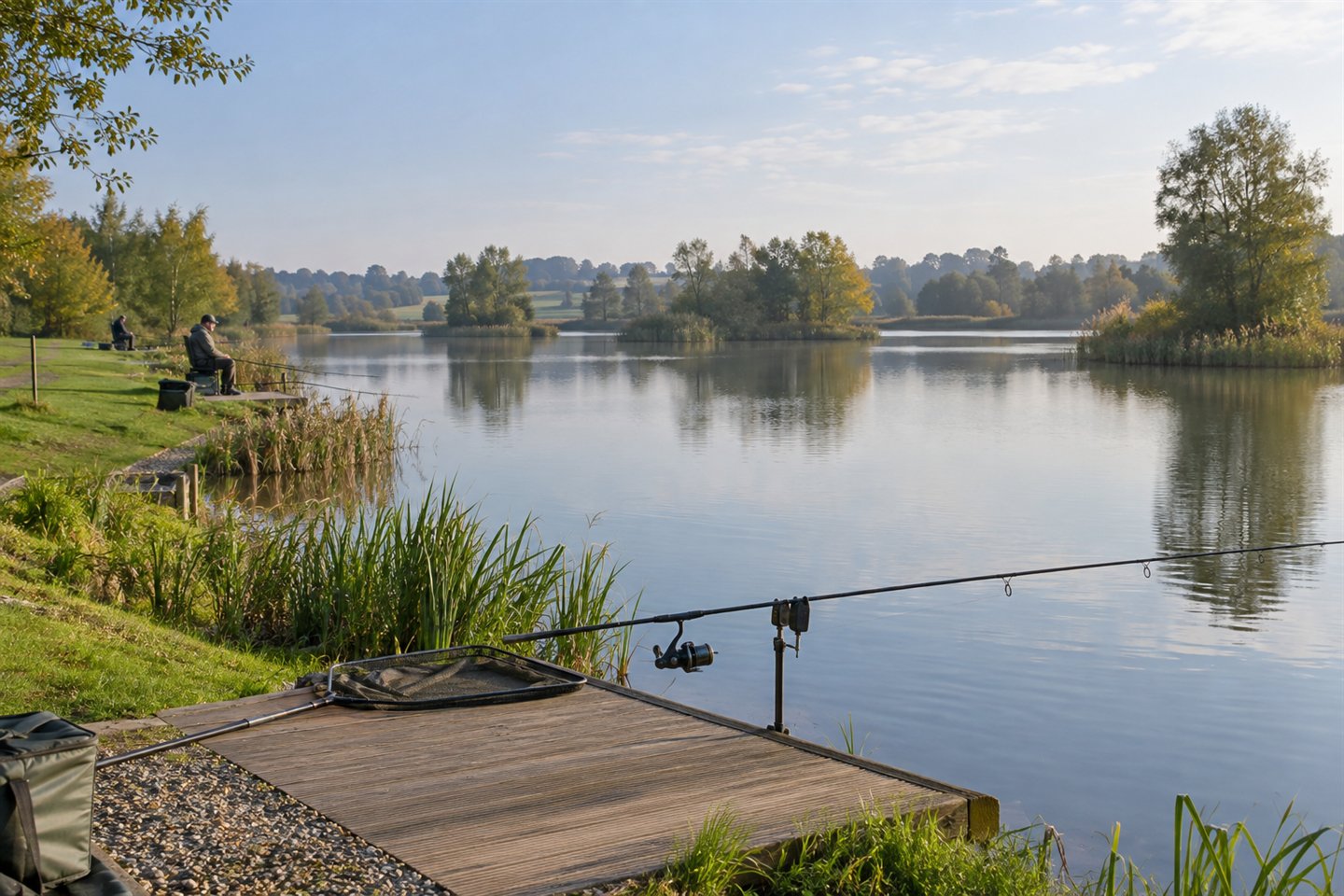
Pick the right lake before booking. Find carp from the swims that are open, make a quiet first cast and feed to what the fish are doing.
Read guide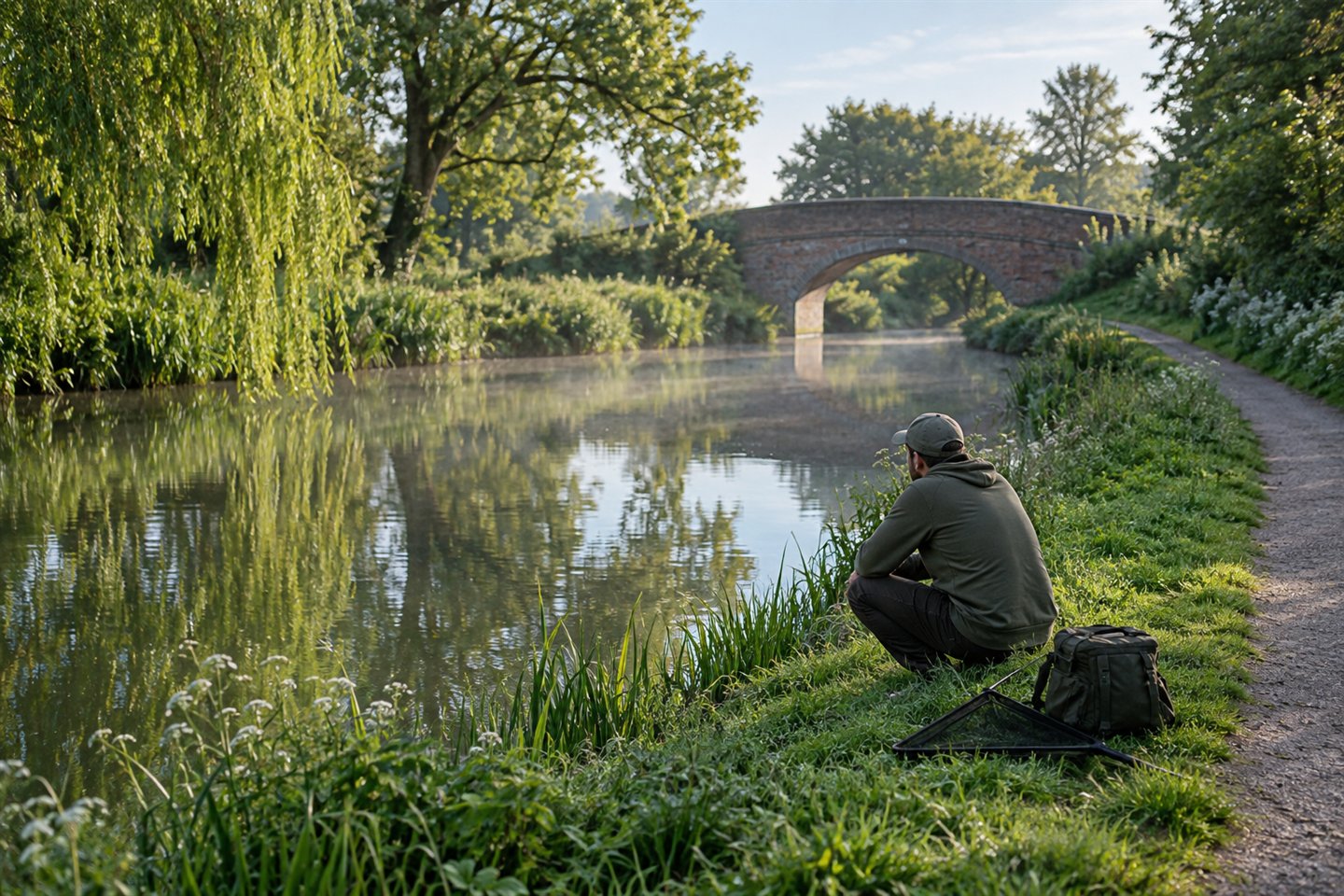
Check who controls your canal stretch, read shelves and pinch points, and choose a carp spot that keeps line and kit clear of boats and towpath users.
Read guide
Check the close season and fishing rights, then find safe access, a manageable seam and enough lead to hold your bait without overloading the rod.
Read guide
Stalk carp with a light kit, find a clear route to the net and try a quiet placement. Learn when a fish is feeding and when to leave it alone.
Read guide
Break a big gravel pit into manageable areas, look for carp before choosing a swim and check which side of the bar gives you a clean line route.
Read guide
Compare slack, semi-slack and tight lines for carp. Check the underwater route and see what each choice changes for bobbin travel and bite indication.
Read guide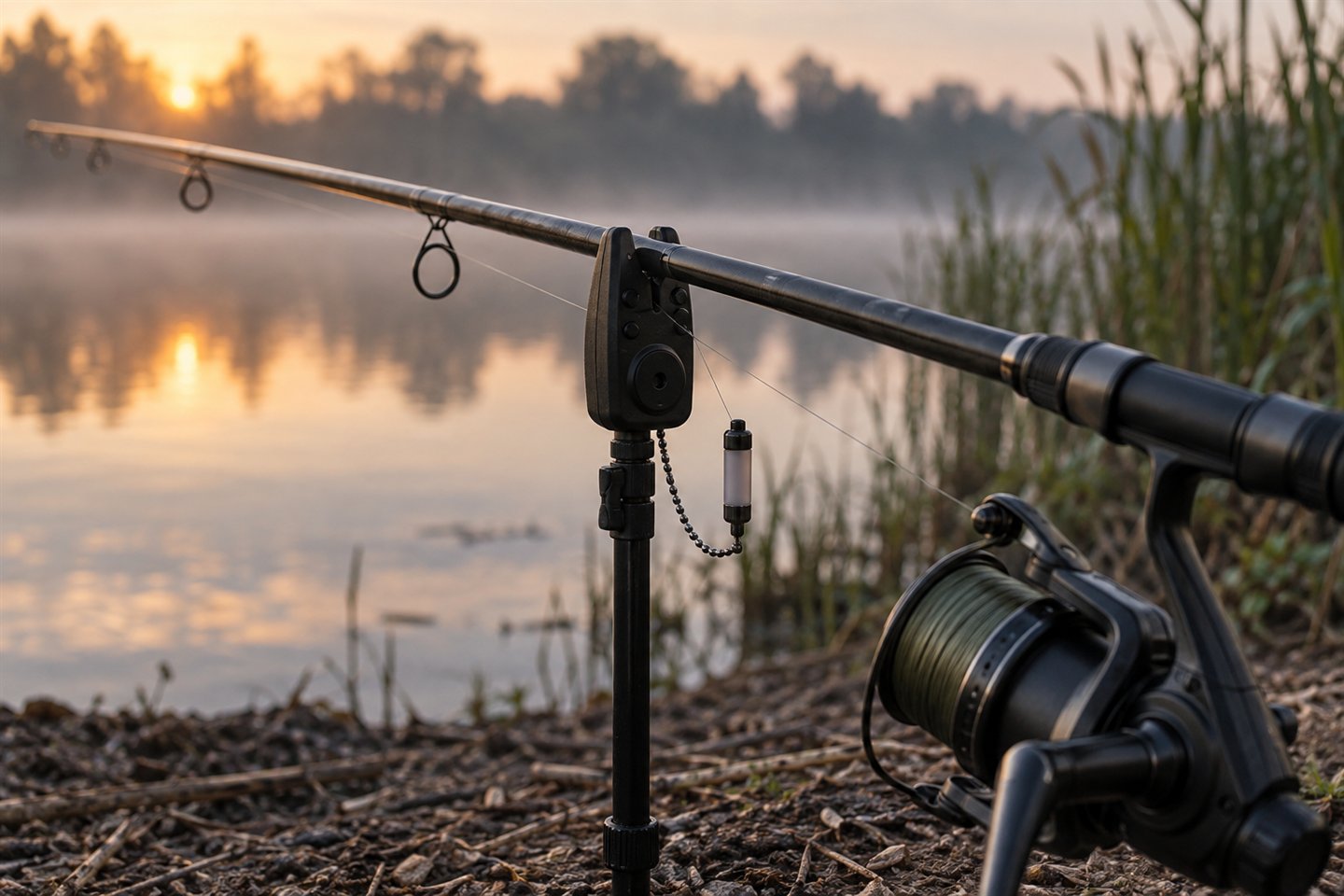
See how liners, runs and drop-backs can look on a carp alarm. Learn which movements need prompt attention and how to check a doubtful rig afterwards.
Read guide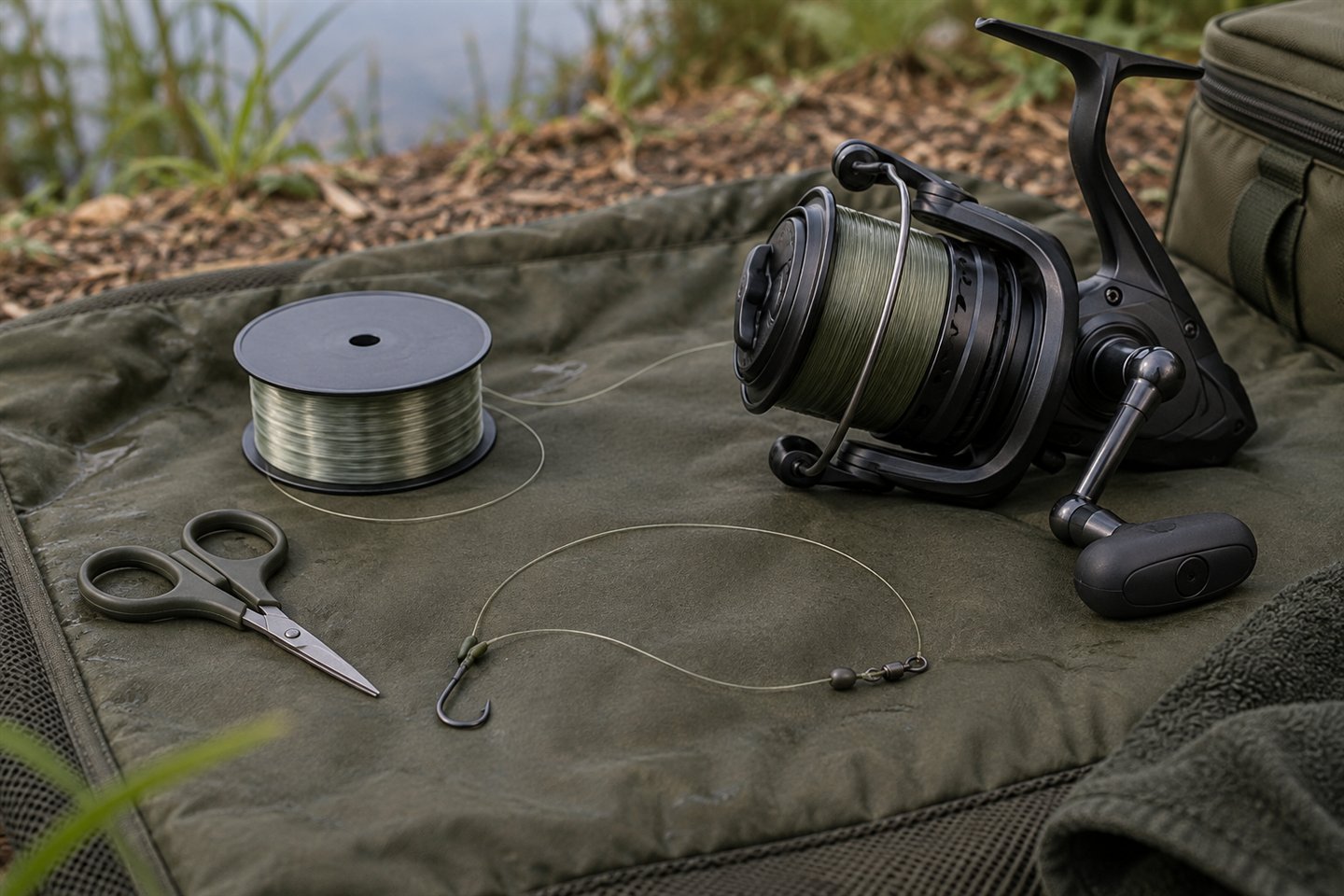
What came back after losing the fish? Inspect the hook, knot and line, then check drag and rod angle before changing the whole rig.
Read guide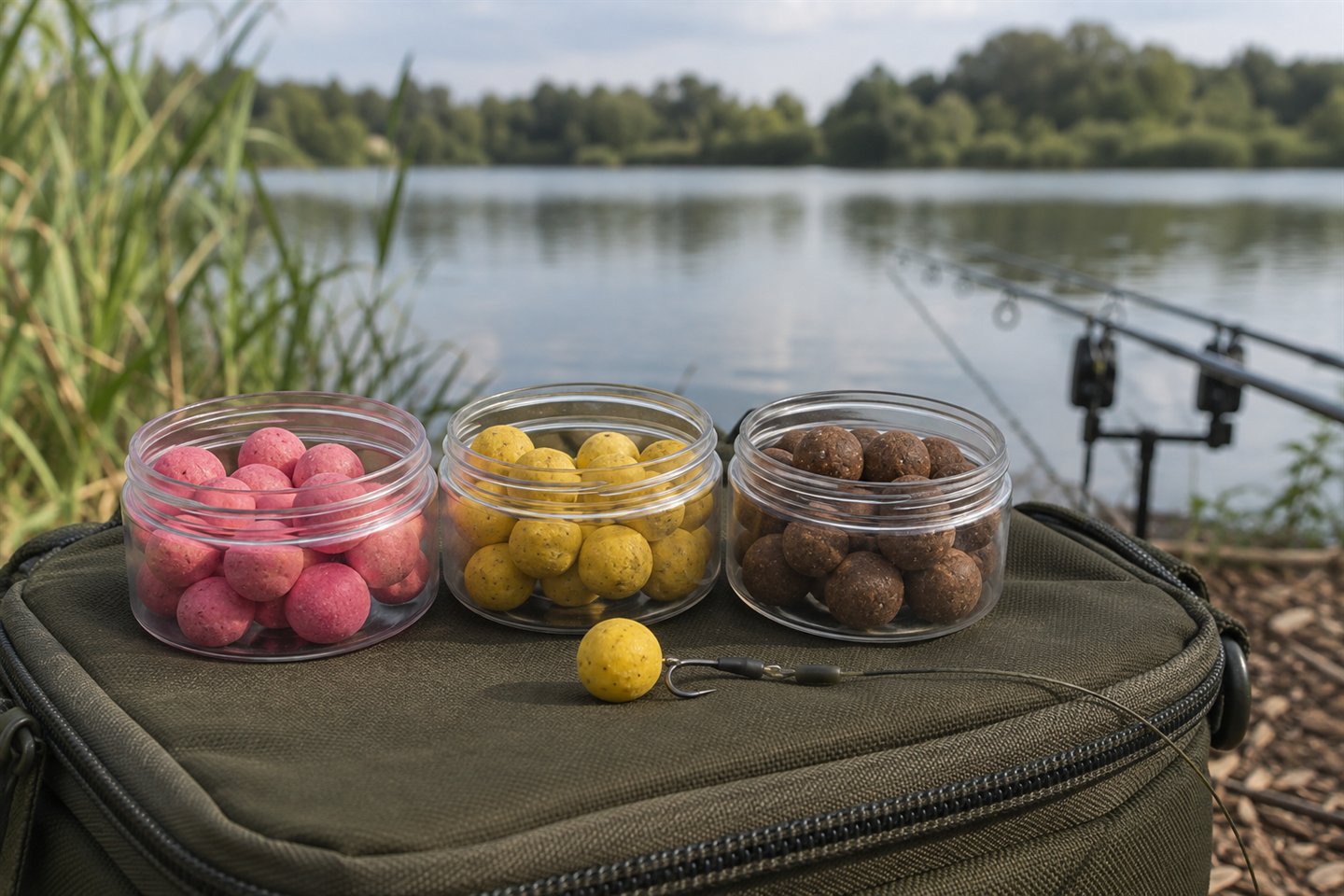
Fish a single boilie, wafter or pop-up without loose feed. Pick a safe place carp already visit and learn when to stay put or add a few freebies.
Read guide
Bright, settled weather can shift where carp spend their time. Use shade, observed depth and recent conditions to choose a rig and a safe swim.
Read guide
Choose a French carp lake you can fish confidently. Compare casting range, swim bookings, fish care, facilities and the help available before you pay.
Read guide
Compare French public water with a booked carp lake: fishing cards, night zones, shelter rules, swim access and what the whole trip will cost.
Read guide
Build a per-angler budget for a French carp trip. Price the crossing, fuel, tolls, lake, bait and food, and see how to split shared costs.
Read guide
Compare French carp fishing through the seasons. See what to ask the lake about spawning, summer heat, autumn access and winter facilities.
Read guide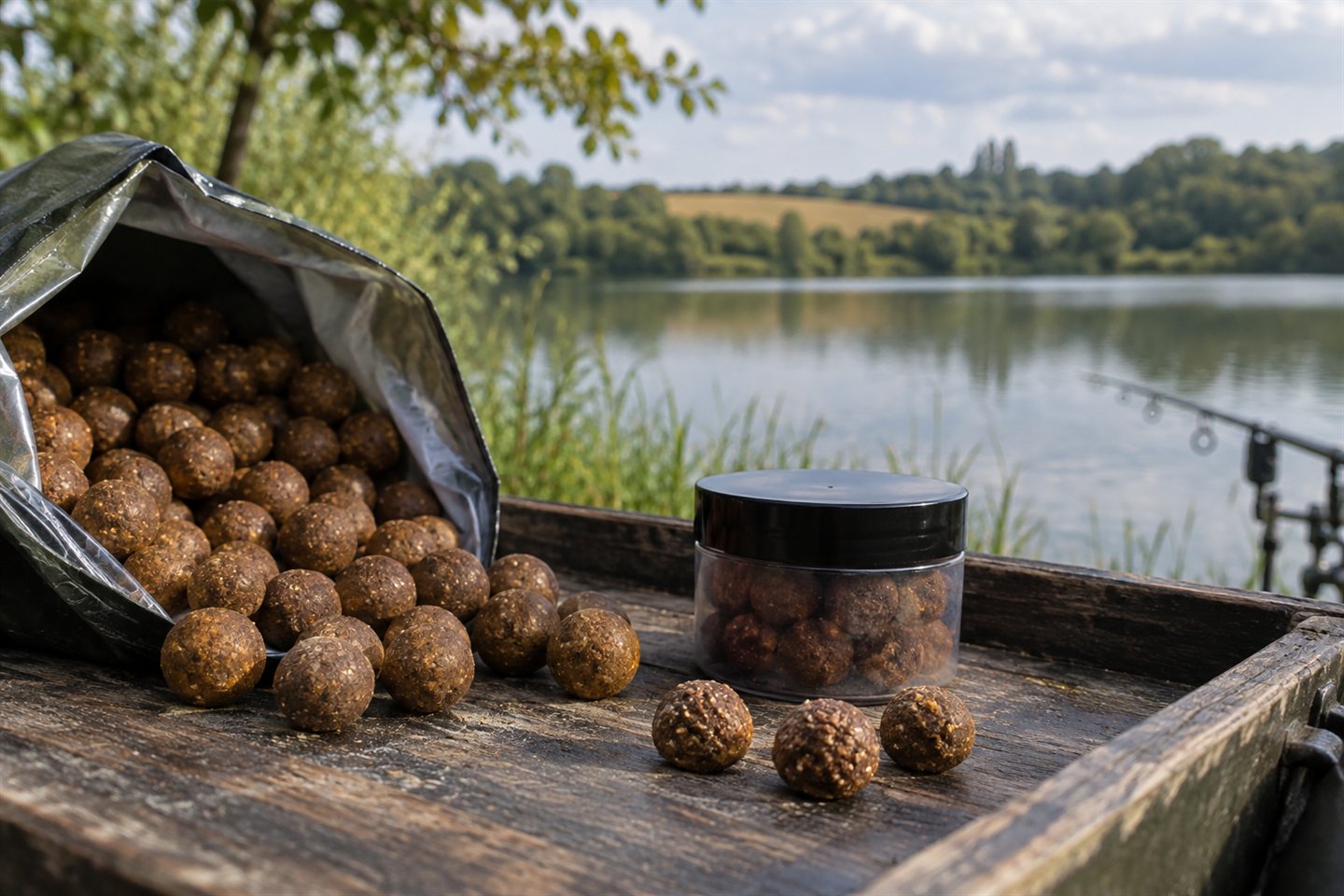
Find out why French carp hookbaits come back chewed or empty. Try harder baits or permitted mesh, then check the hair, hook point and balance.
Read guide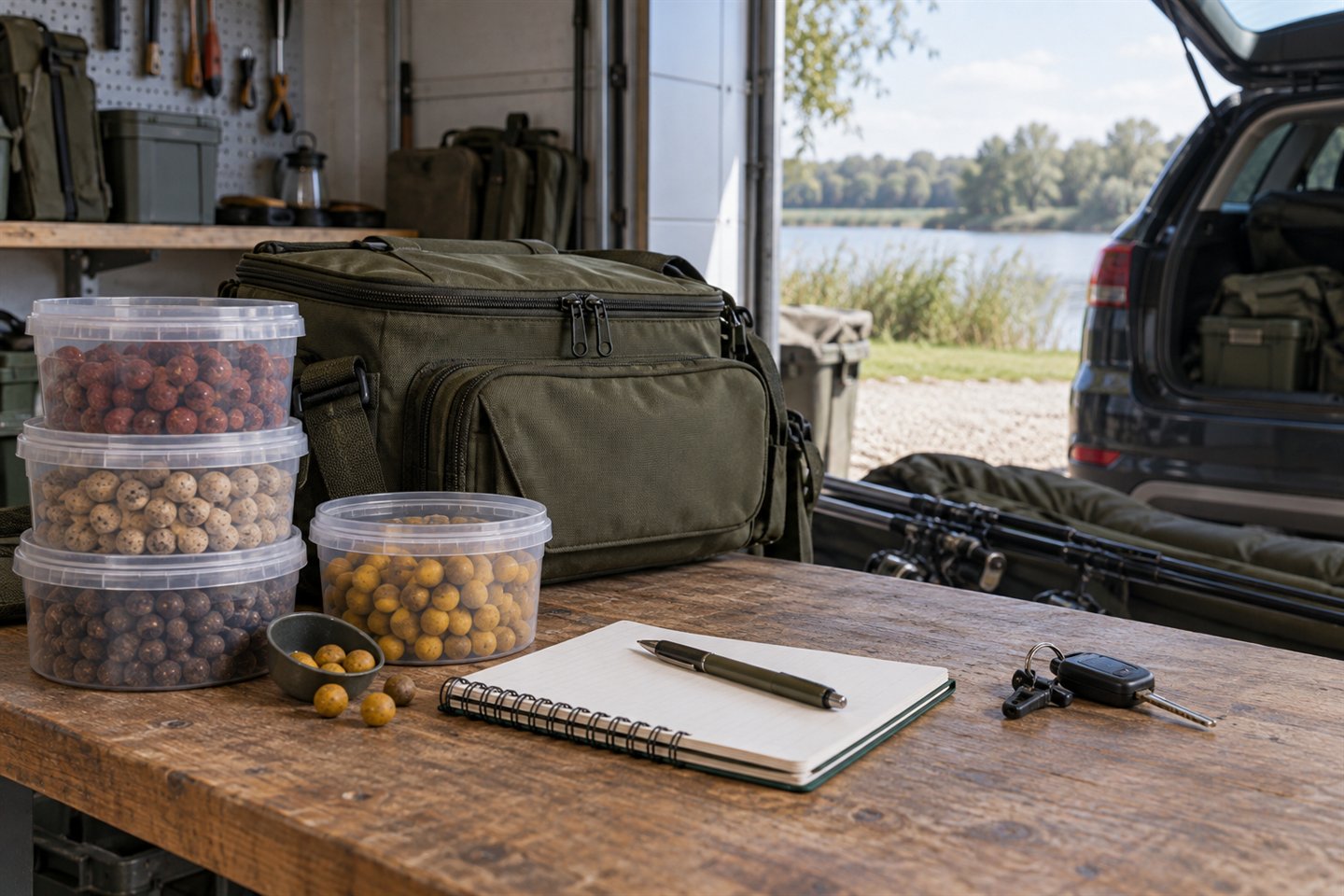
Check how your exact boilies, pellets, particles or live bait will be treated at the EU border. If you can’t confirm the rules, arrange bait locally.
Read guide
Plan a first Dutch carp trip around a fishable stretch, clear public-bank access, daytime options, VISpas permissions and a backup close to your base.
Read guide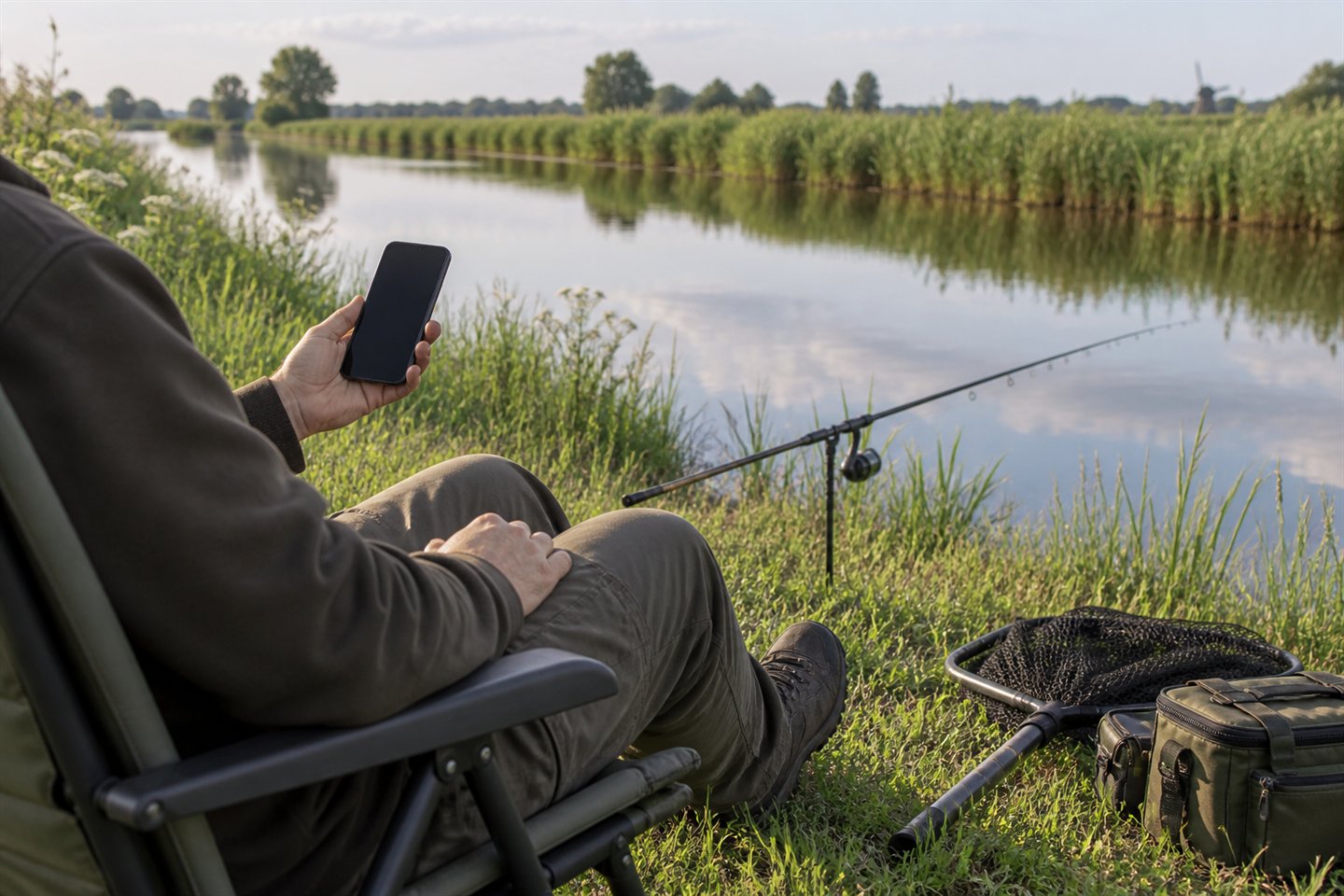
Use VISplanner to check your exact Dutch water, bank and permit. See how night fishing, a third rod and a shelter can have separate conditions.
Read guide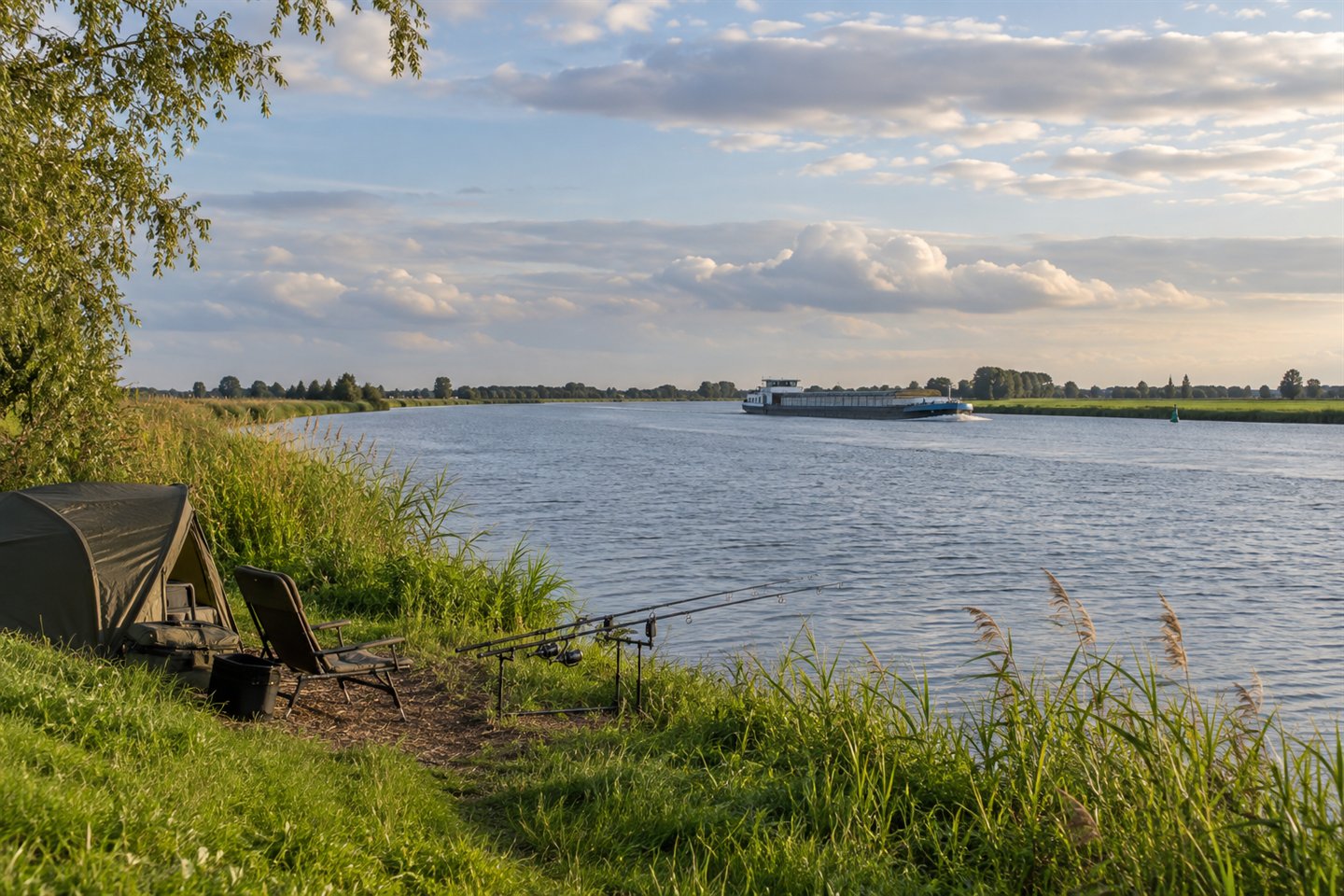
Read Dutch canal margins, junctions and shelves, then judge the bank, boat traffic and landing route before you pick a spot and introduce bait.
Read guide
Plan a German carp trip by checking state visitor rules, water tickets and catch handling. Know what to ask before paying for a venue or crossing.
Read guide
Find out what to check before carp fishing in Brandenburg: the levy, Angelkarte, visitor exception, bank access and rules for your exact rig.
Read guide
Plan a Belgian carp weekend with the right regional permit, bank access and night rules. Compare Flanders, Wallonia and a booked fishery.
Read guide
Compare first carp trips to France, the Netherlands, Belgium and Germany by travel time, permissions, bank access and the support you want.
Read guide
Think about when you can really get to the lake.
Read guideThe rod and reel are only part of the bill.
Read guide
A used rod can be excellent value if it suits your fishing and the joints and rings are sound.
Read guide
Look up the rules for the exact lake, even if you've fished elsewhere on the same complex.
Read guide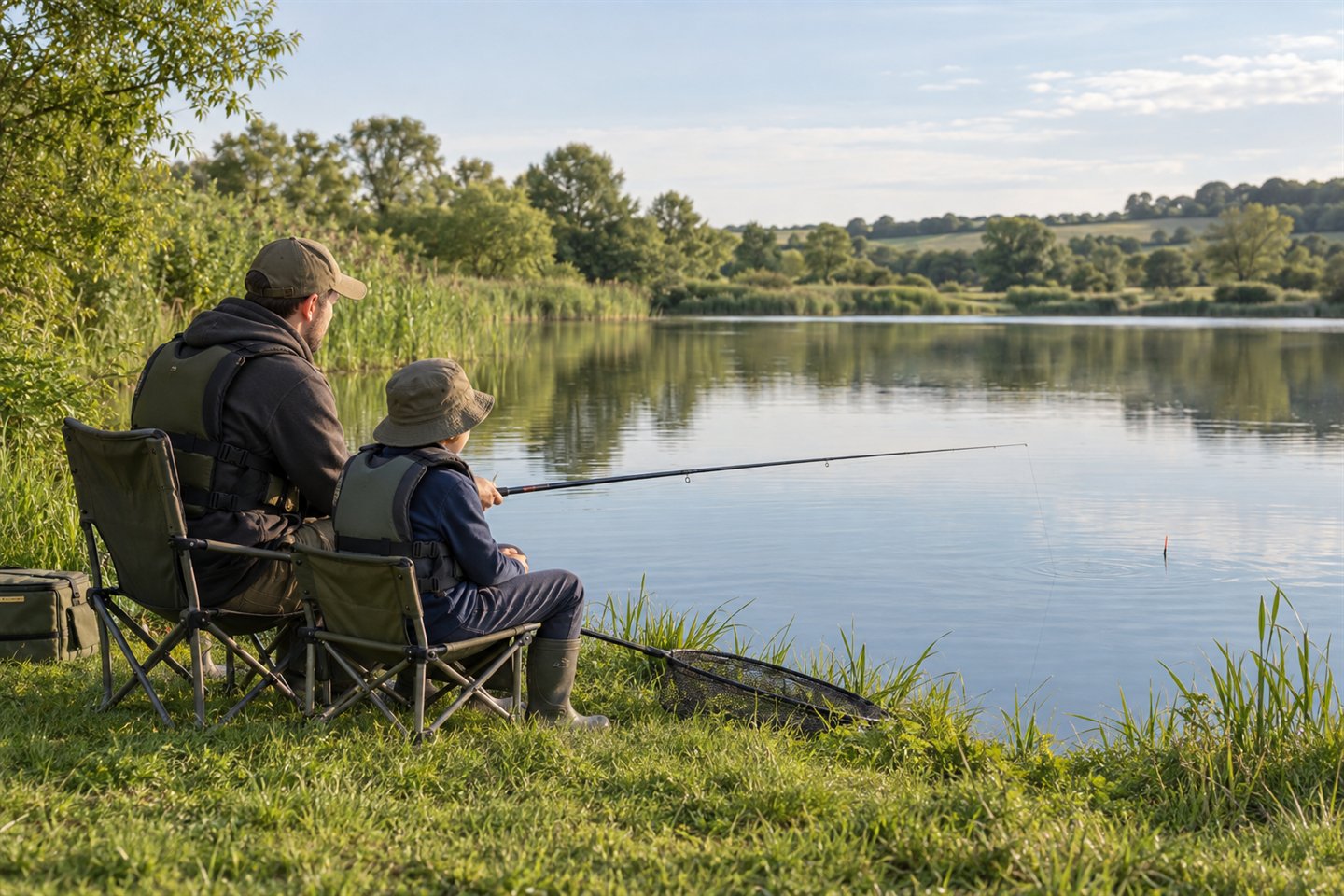
Let the child choose something they want to try, such as watching a float or helping you find a clear spot.
Read guide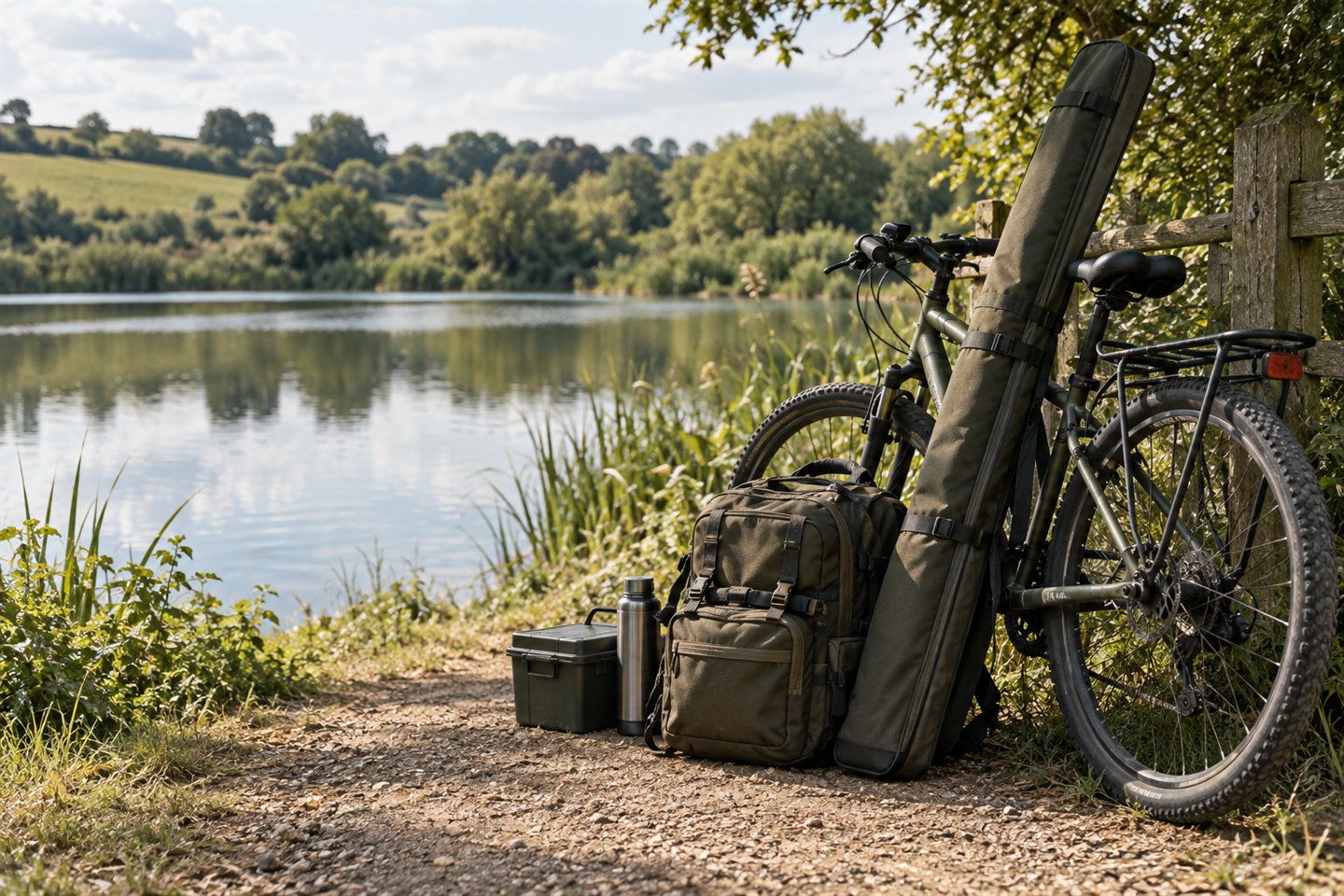
Plan the walk from your stop to the fishery gate before booking.
Read guide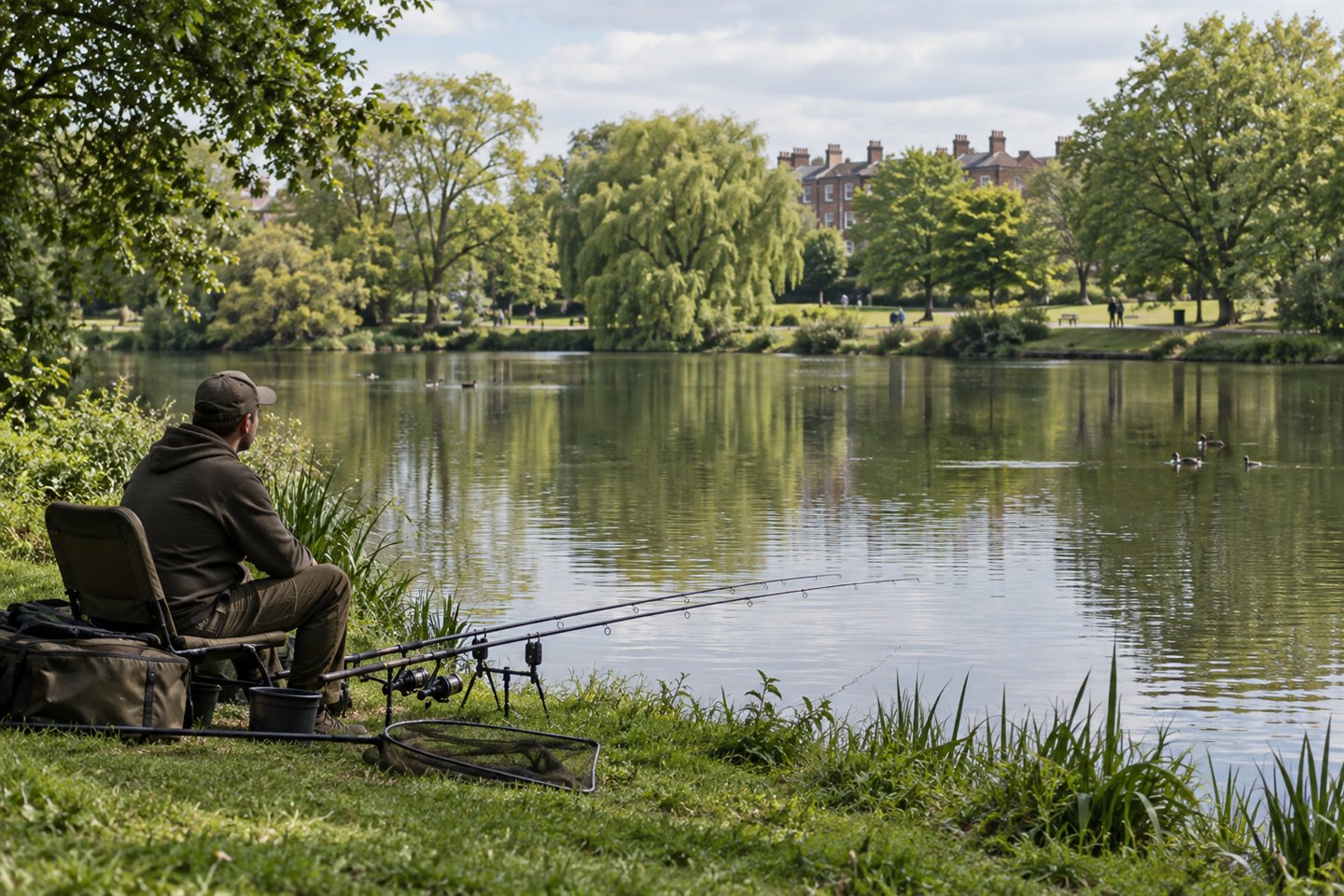
Find out who actually controls the fishing before trying your local park lake.
Read guide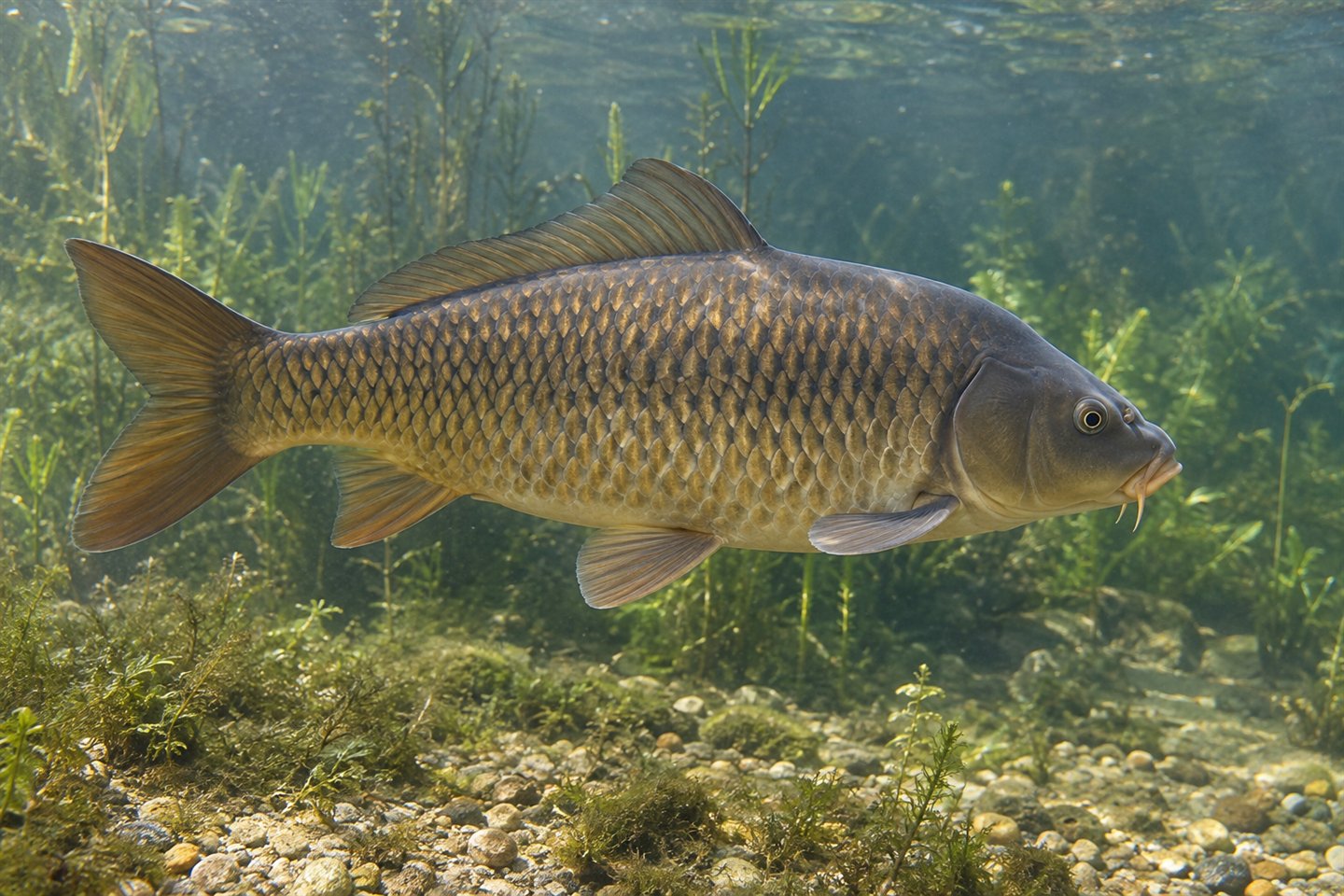
A common usually has a regular covering of overlapping scales.
Read guide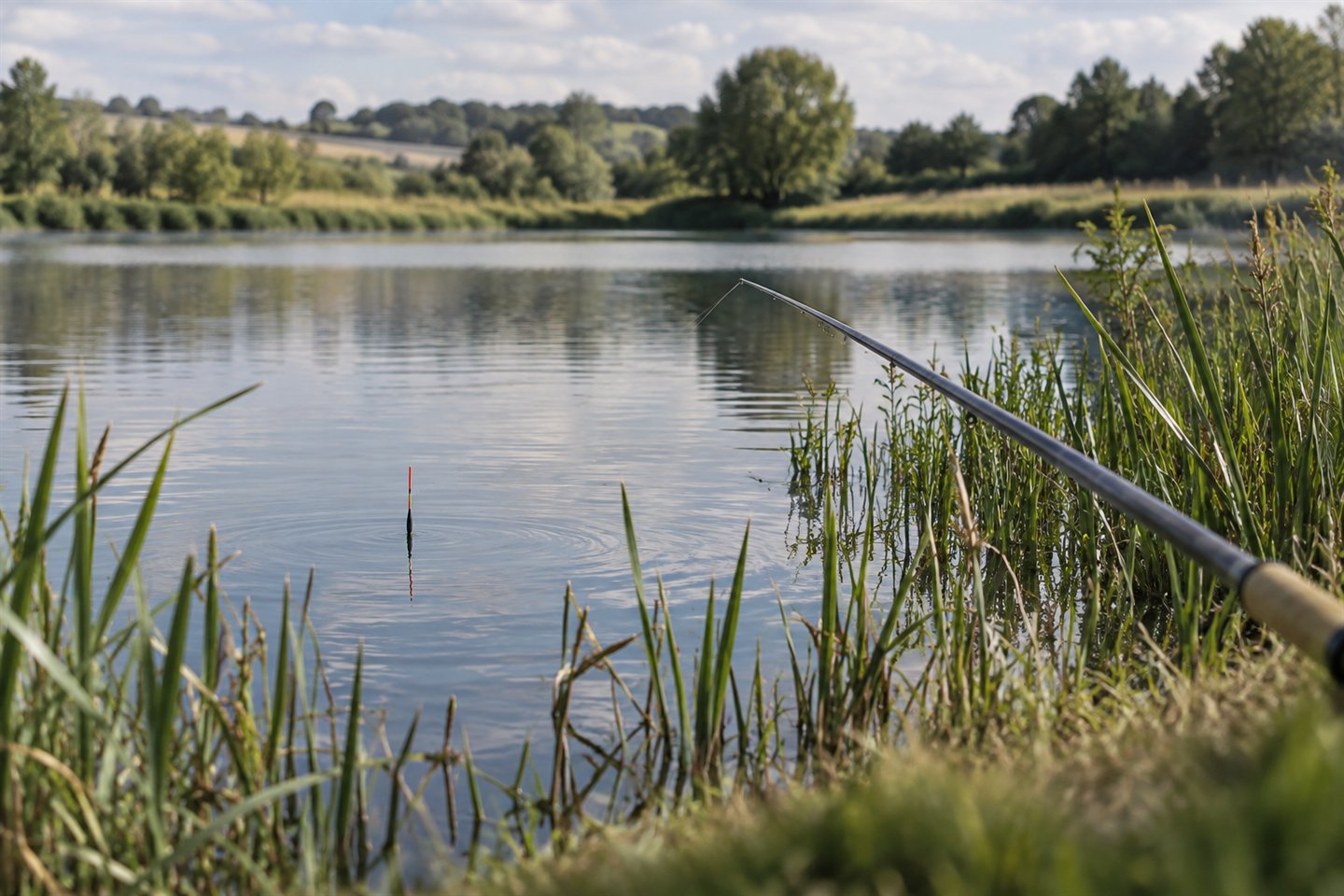
A float is a useful way to fish for carp close in.
Read guide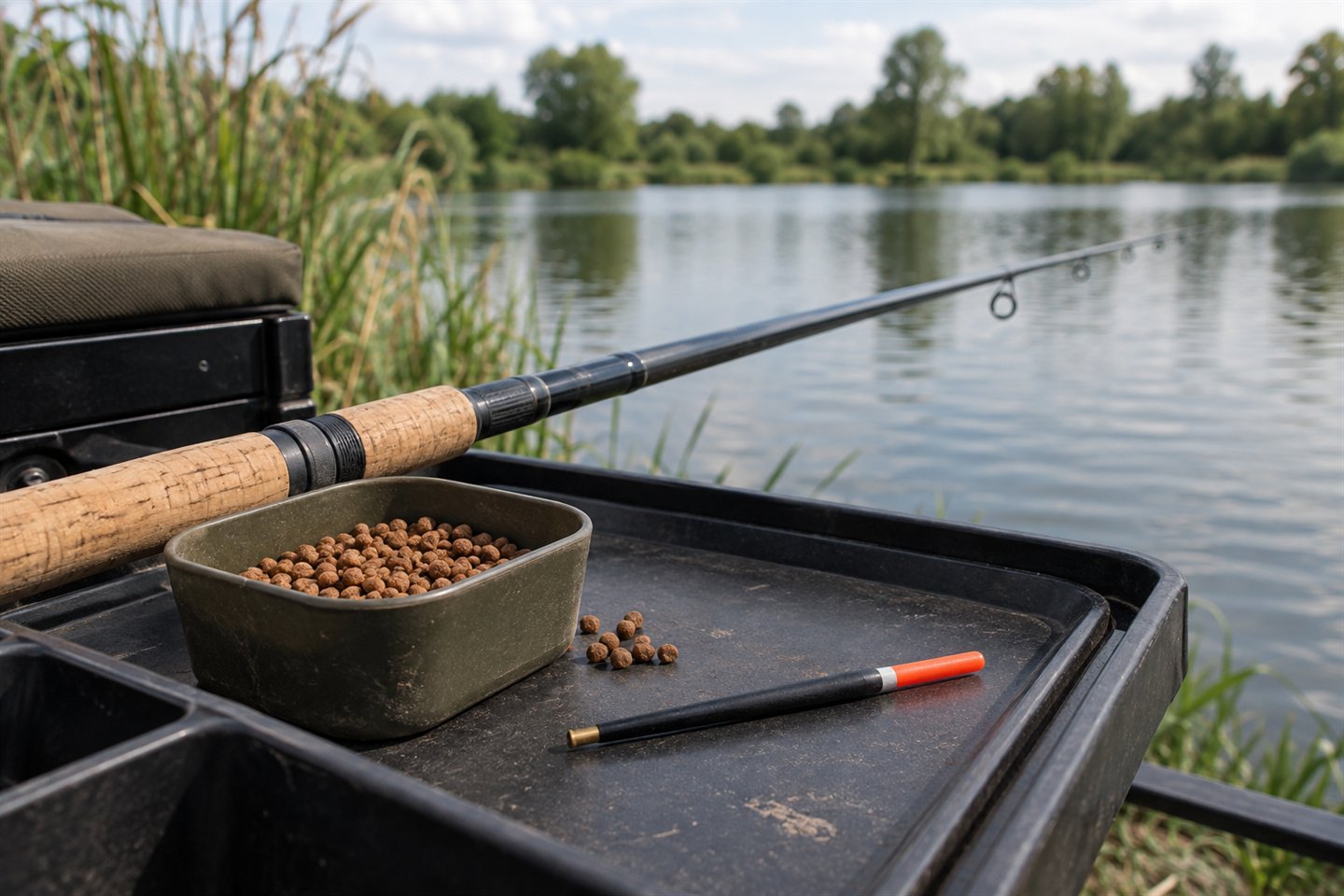
The pellet waggler works best when you can put the hookbait among the falling pellets.
Read guide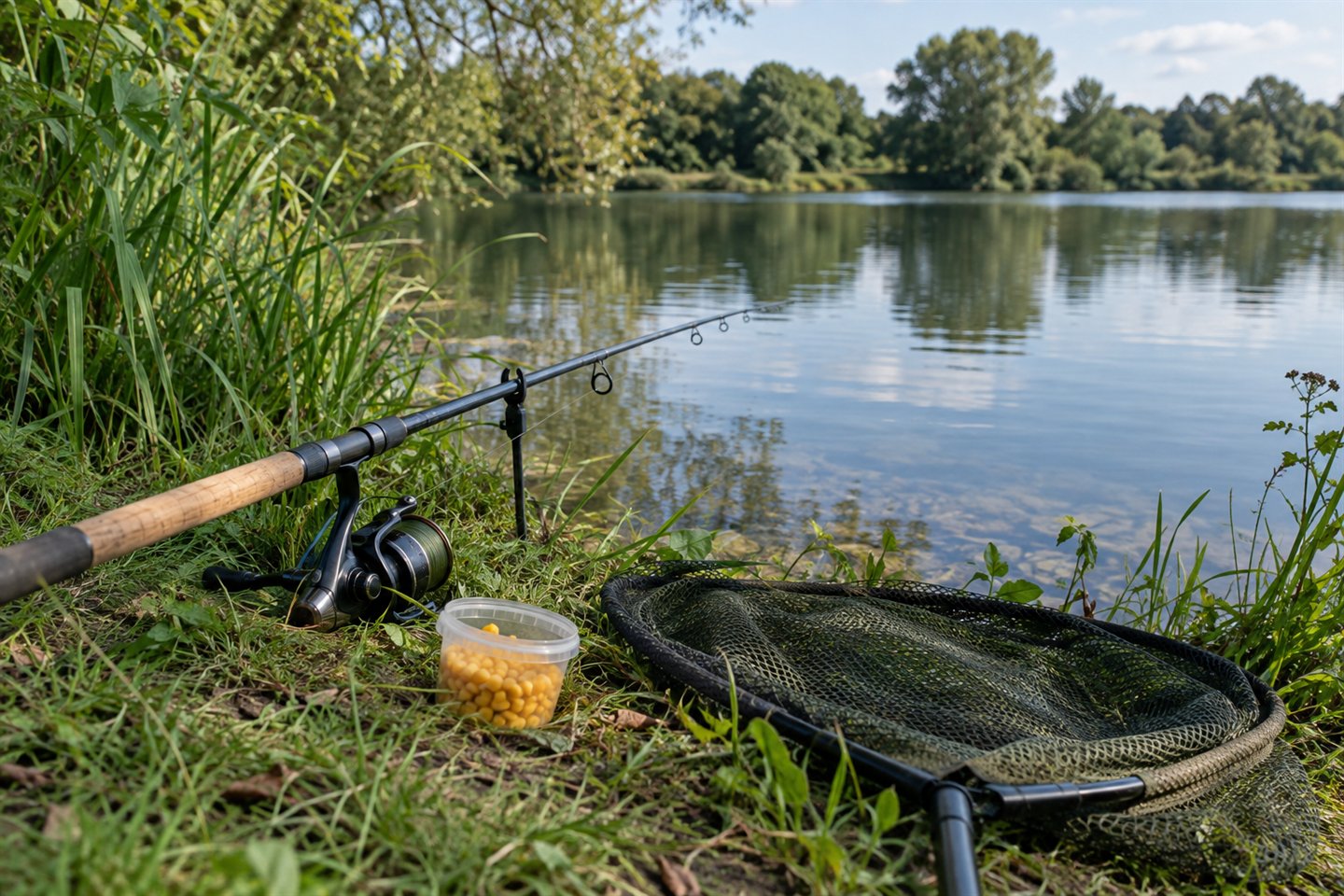
Freelining means fishing a hookbait without a weight or float.
Read guide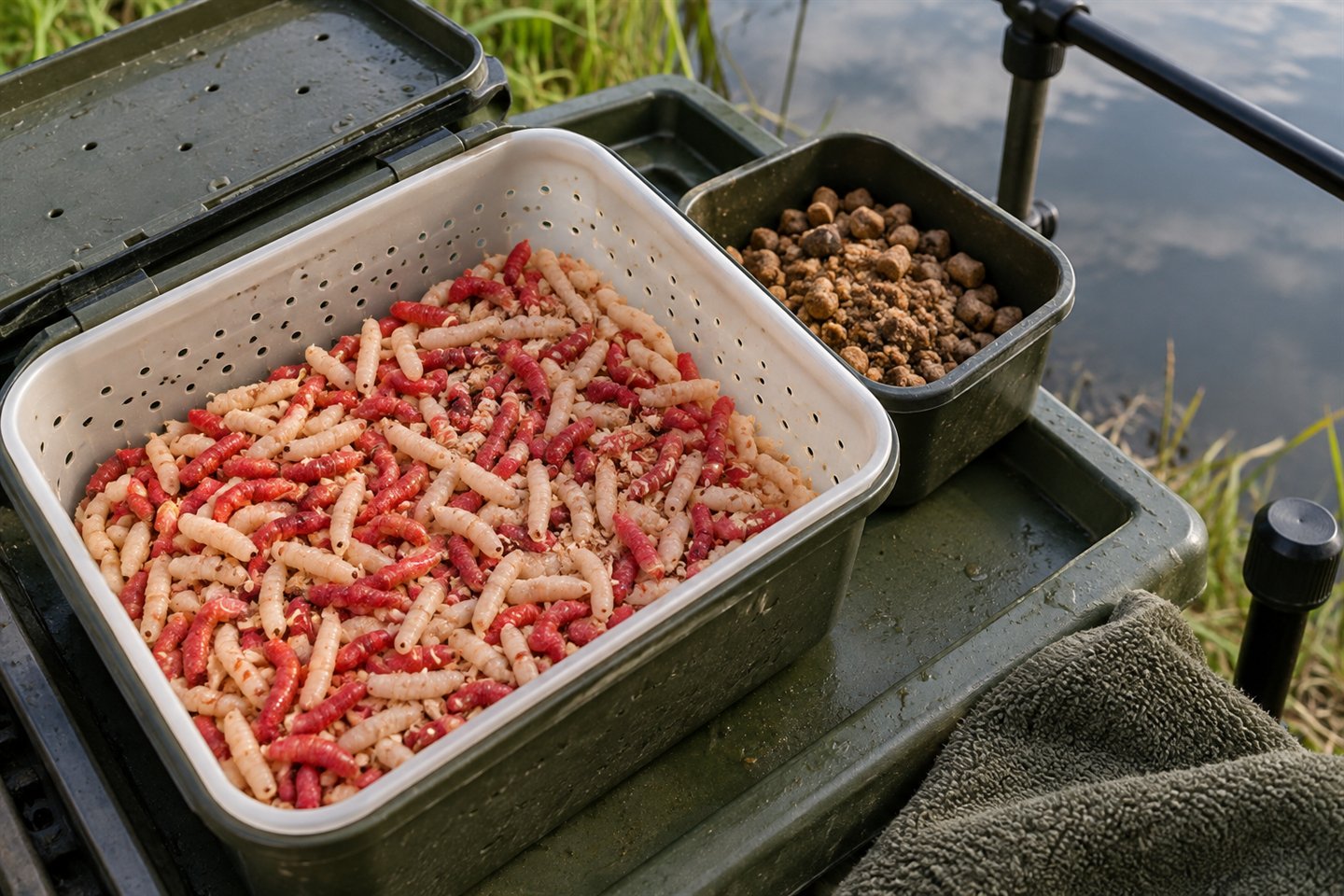
Maggots can be a useful small bait for carp, but they also draw plenty of smaller fish.
Read guide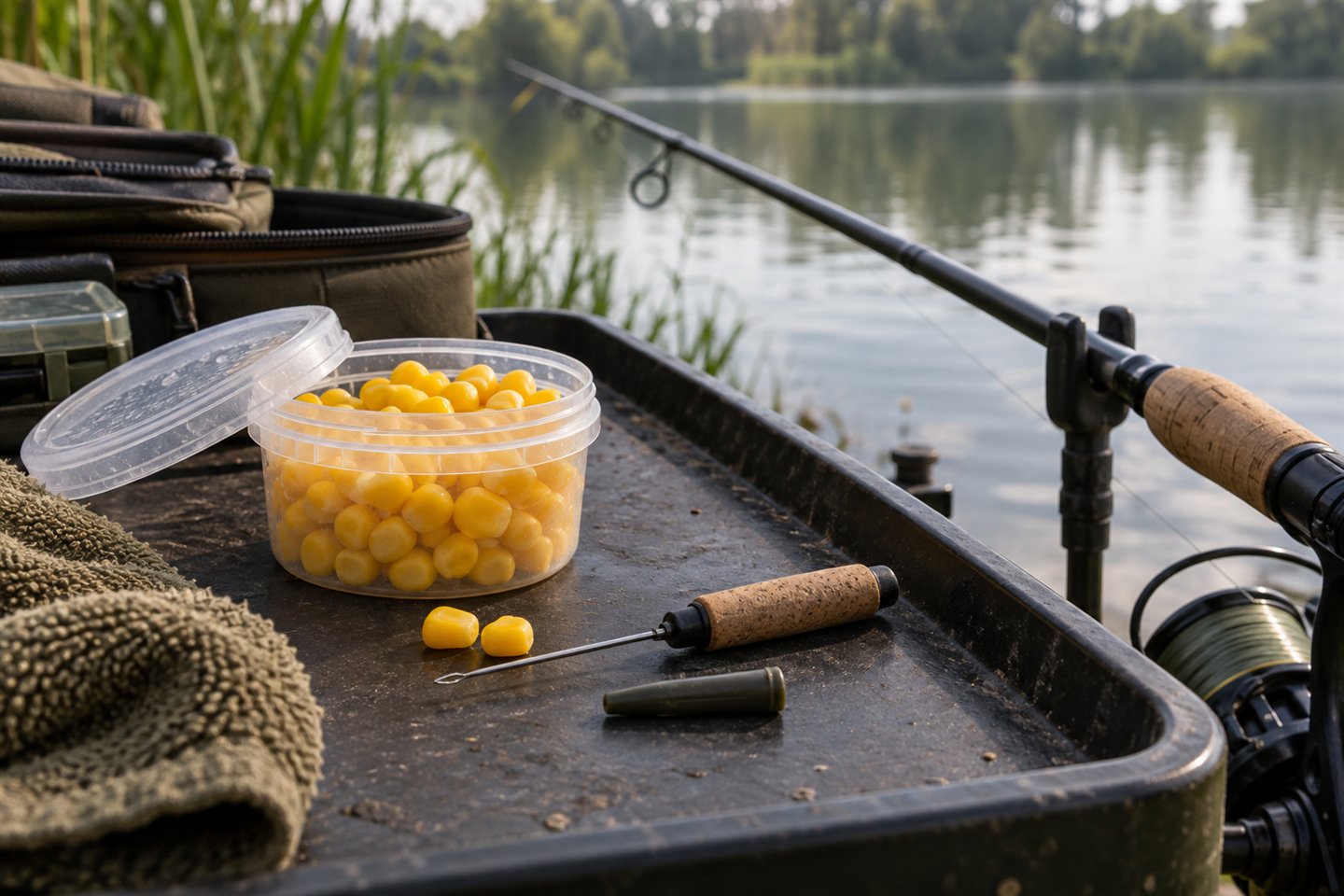
A firm grain of sweetcorn is easy to fish close in.
Read guide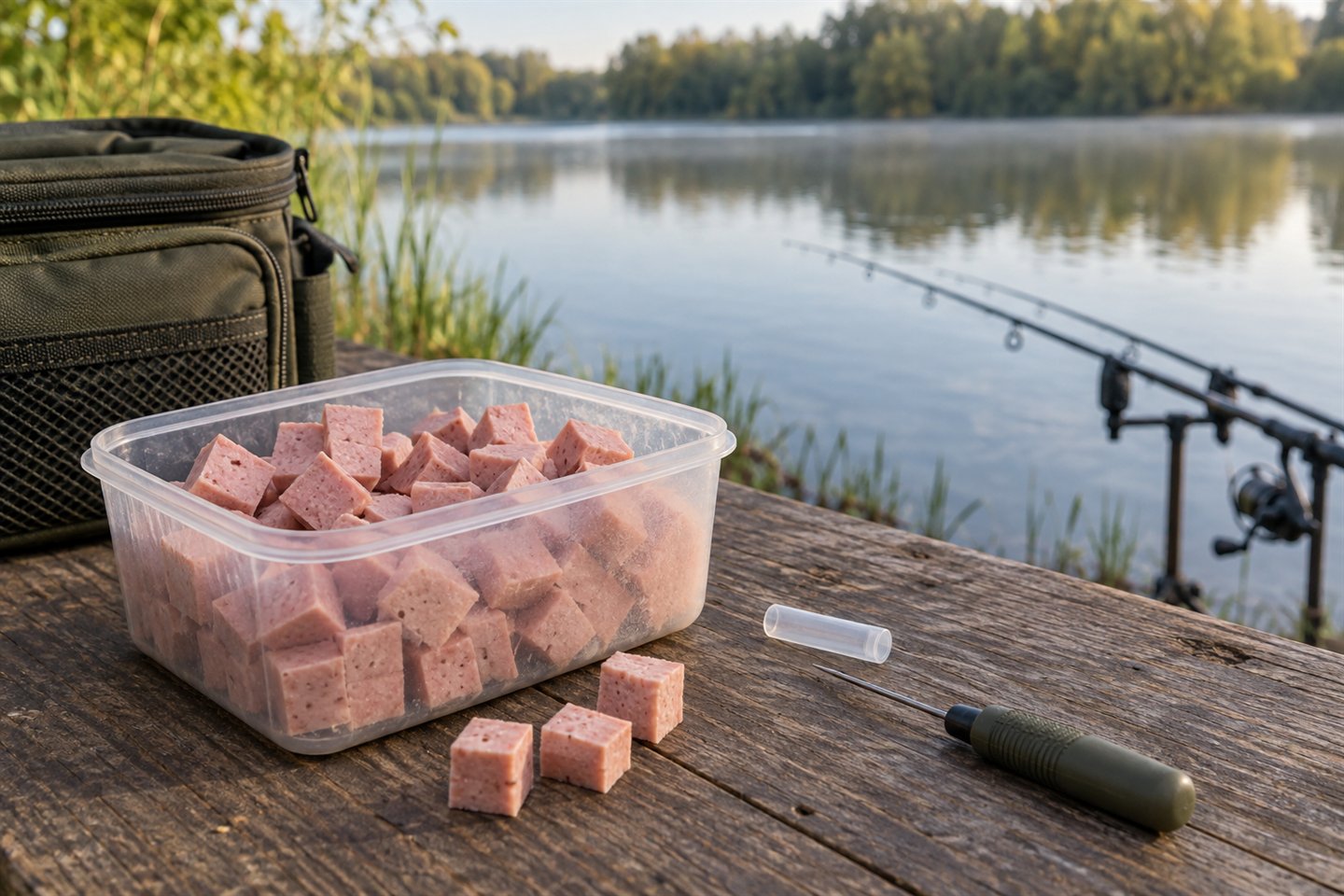
Soft meat is easy to fish until it comes off halfway through the cast.
Read guide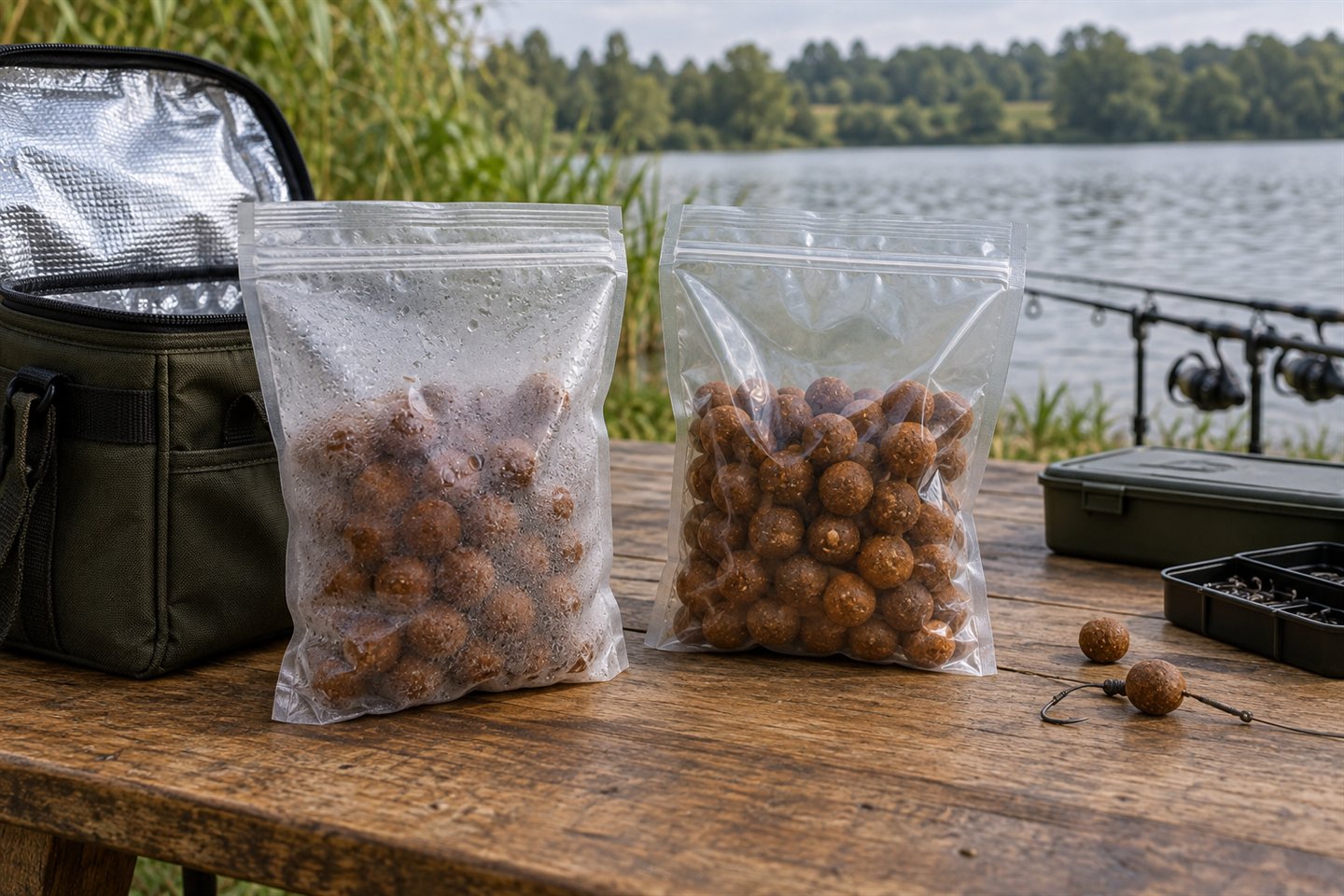
Both kinds of boilie can catch carp.
Read guide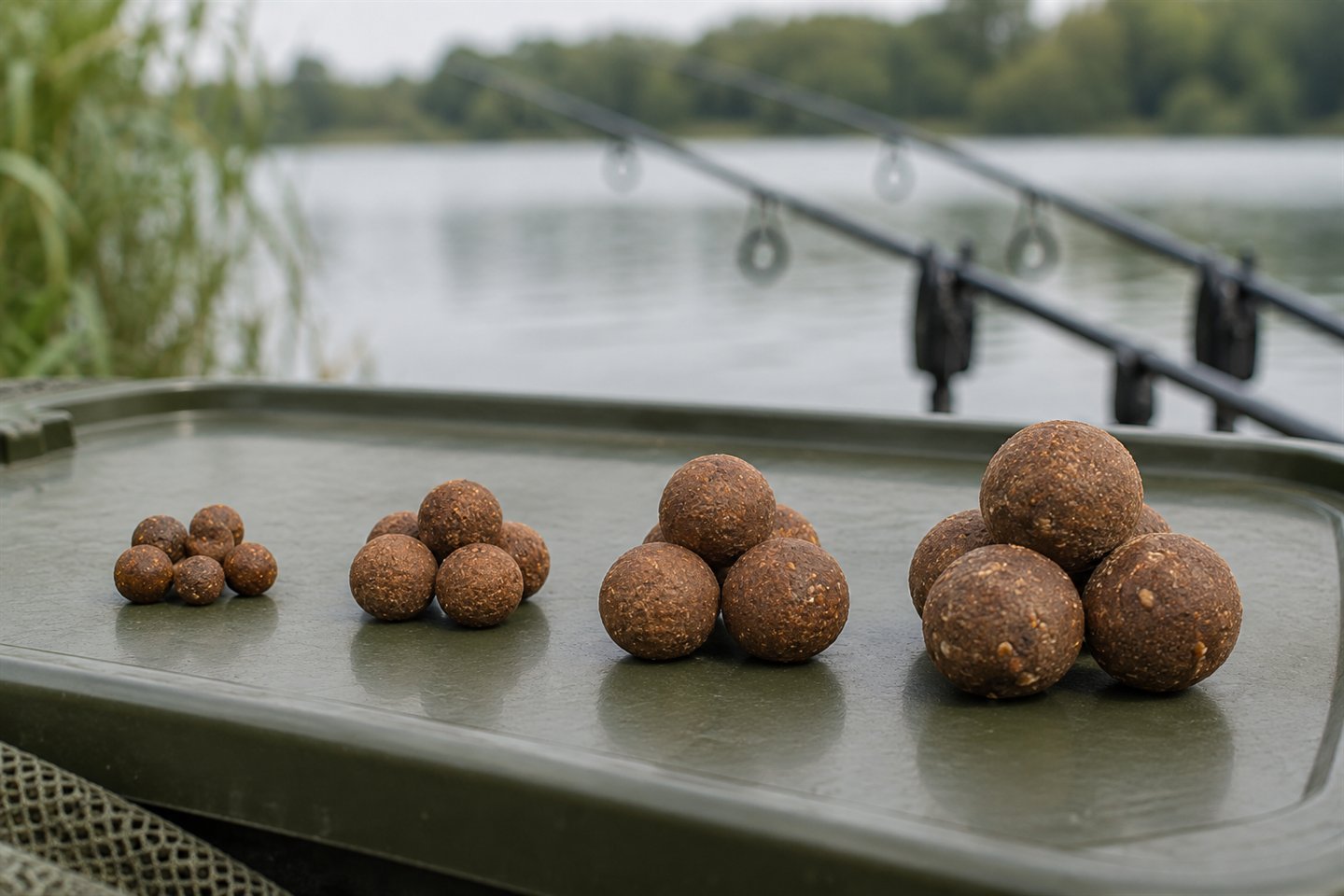
Choose a size you can mount and cast with the rig you know.
Read guide
A tangle tells you which parts came together, once you find it.
Read guide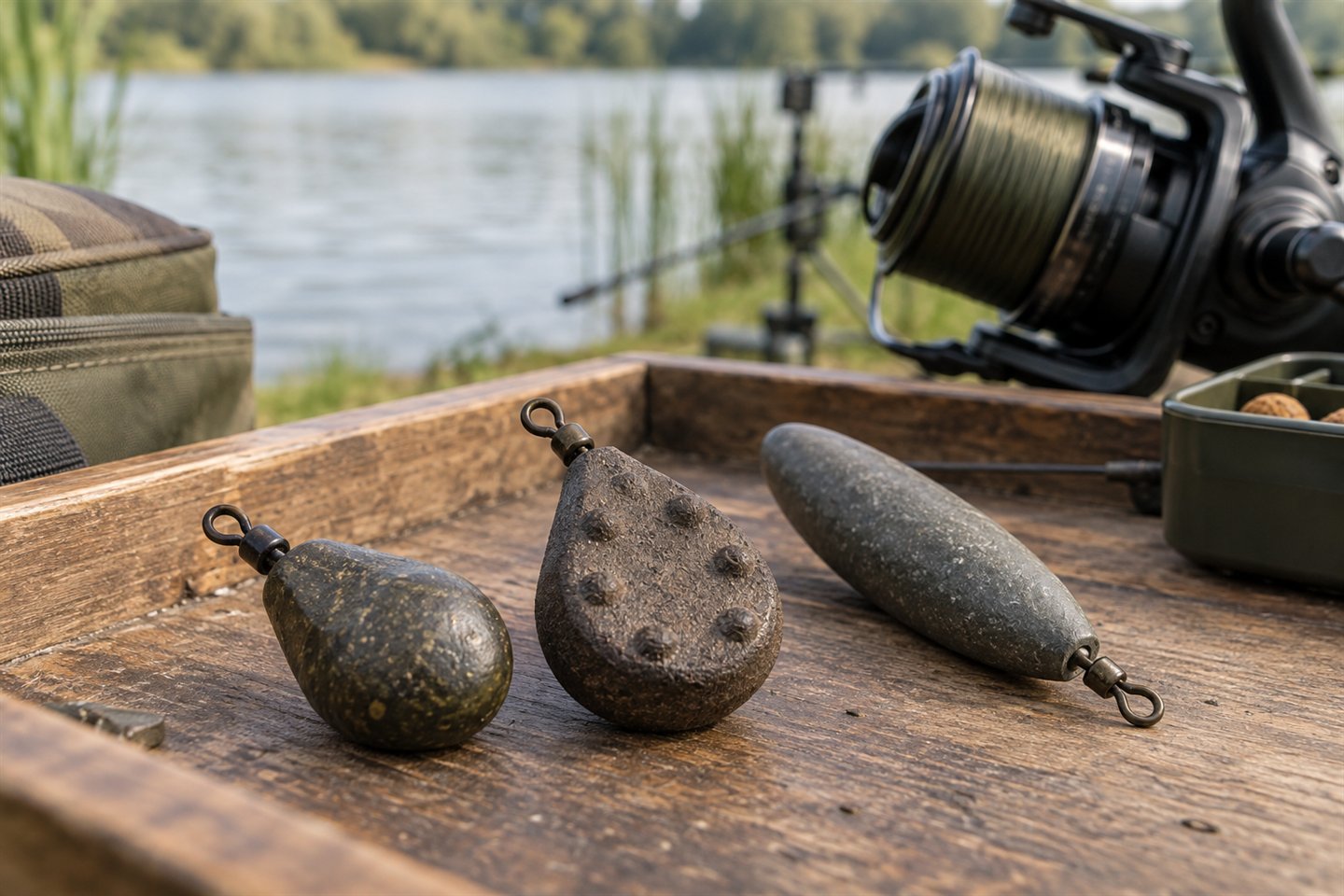
The weight printed on a carp lead is only one part of the cast.
Read guide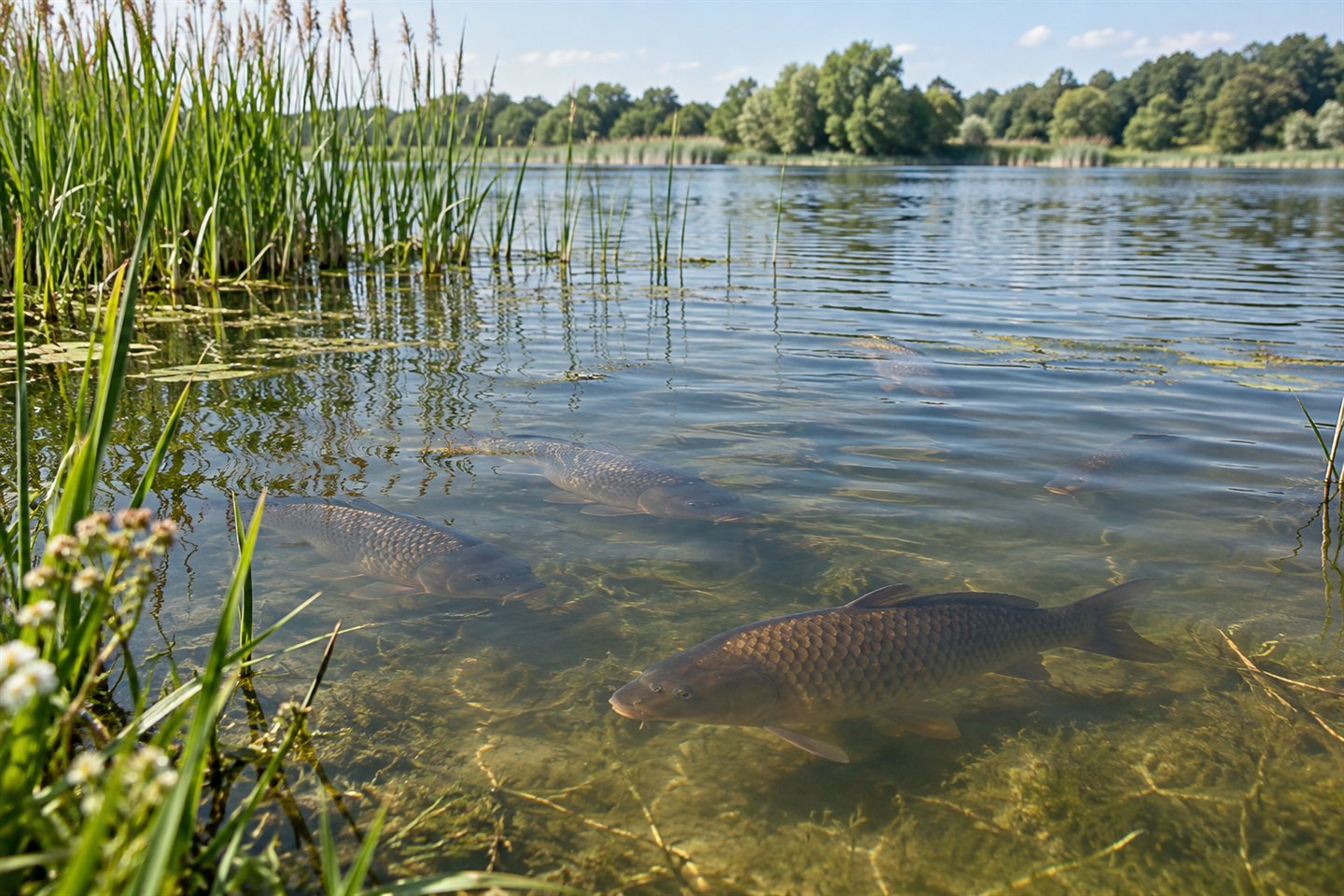
Carp often spawn in the warmer part of late spring or early summer in the UK, and timing can vary between waters and groups of fish.
Read guide
Compare Newland Hall, members-only Birds Green and Crow Green. Find an appropriate Essex lake and check tickets, payment, access and tackle.
Read guide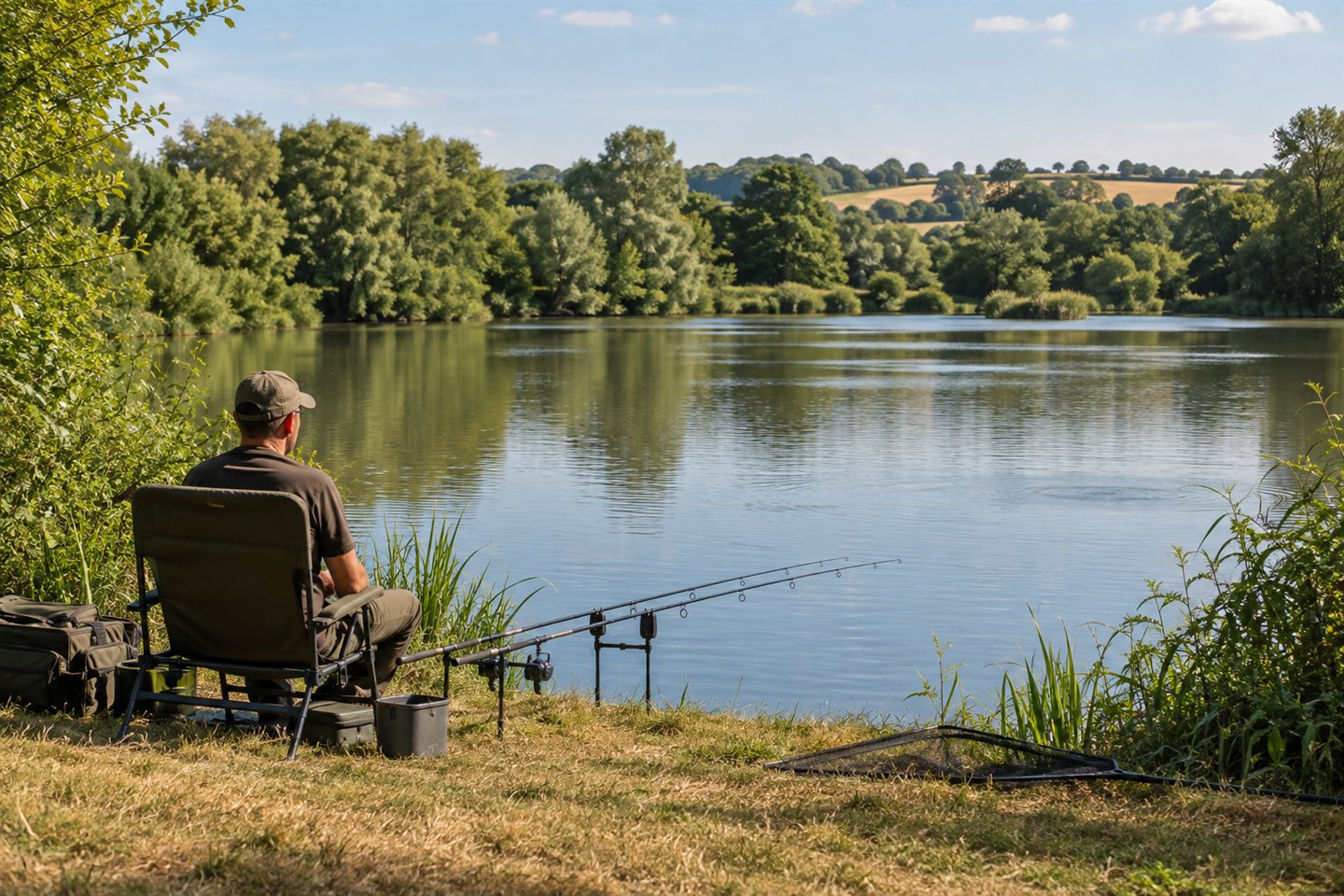
Compare Monk Lakes, Orchard Place Farm and Hawkhurst Quarry by fishing style, booking, bank access and the tackle required for the lake you choose.
Read guide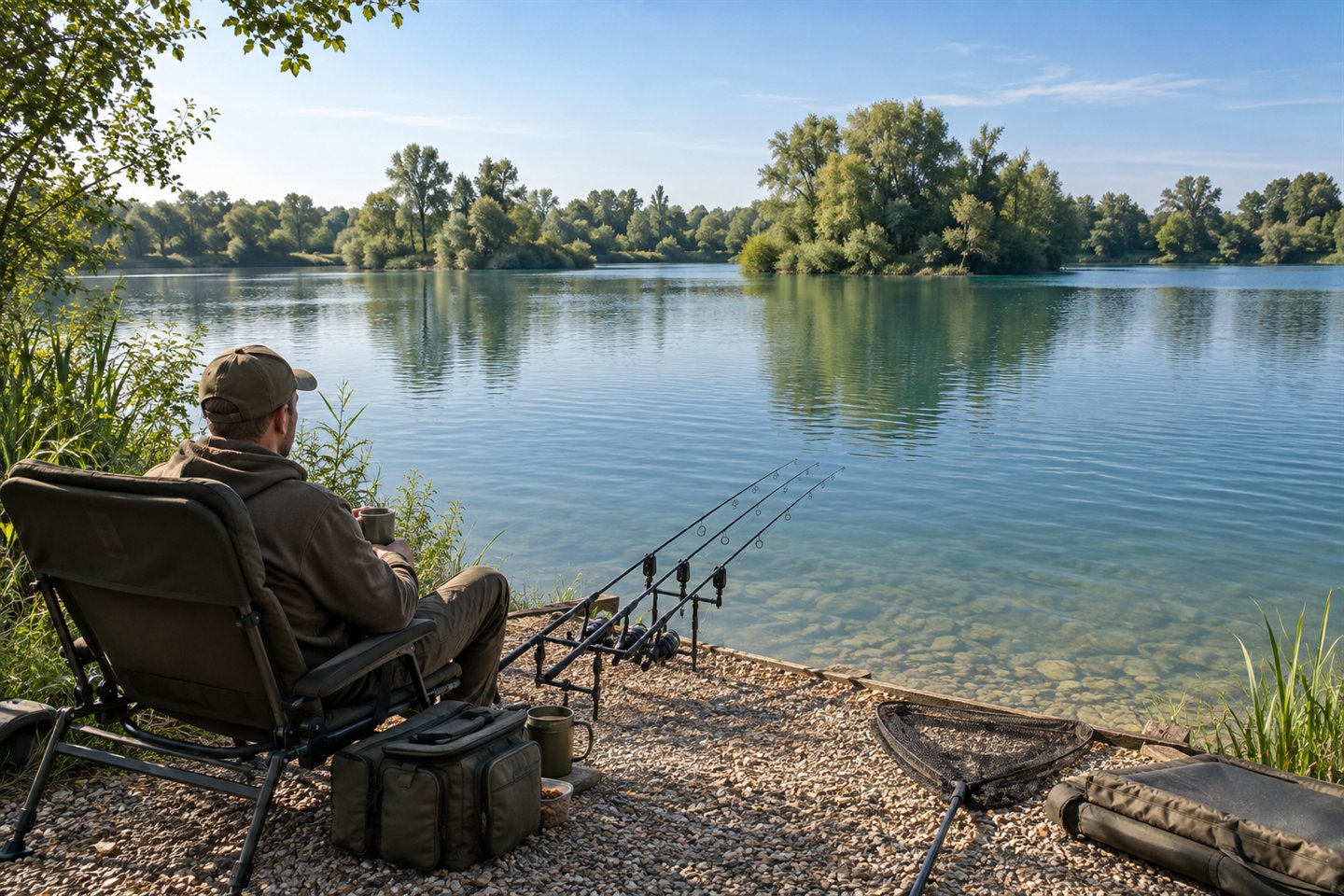
Compare Linear’s gravel pits, Orchid’s booked waters and Clattercote Reservoir by access, fishing range, landing space and how you want to spend the day.
Read guide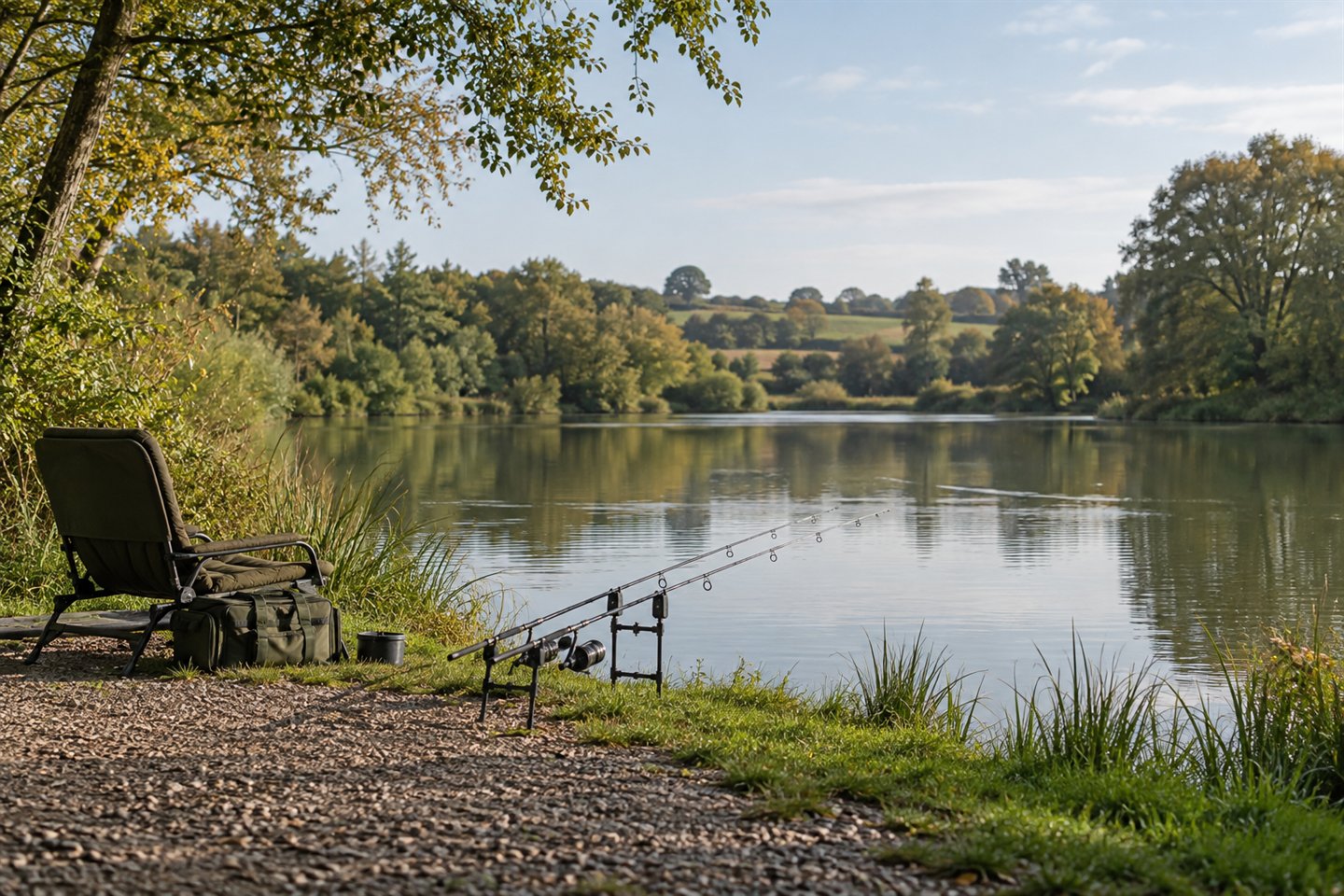
Compare Makins, Barston and Stanwick before a Midlands carp trip. Check lake access, bait rules, match bookings and when you need a reservation.
Read guide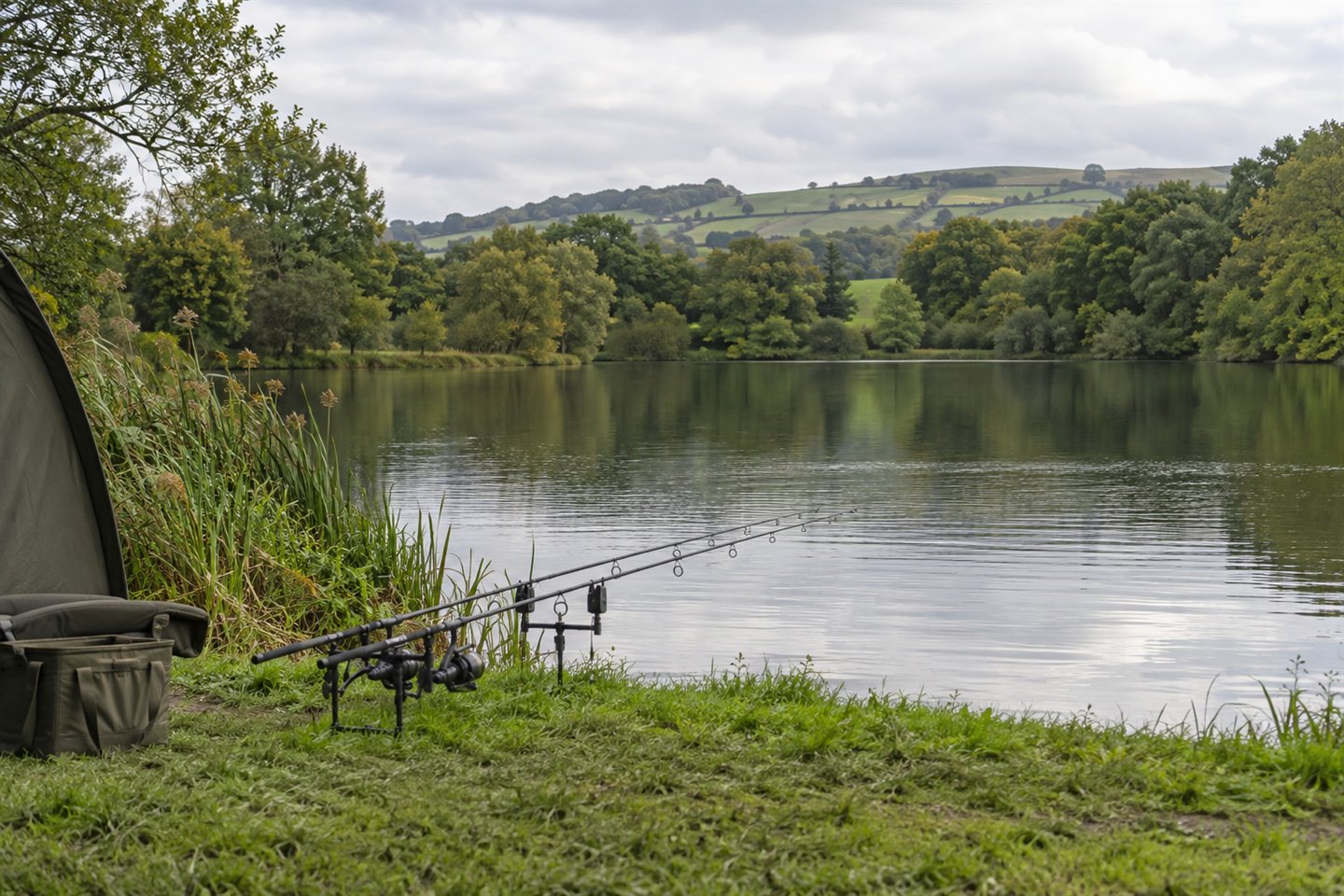
Compare Raker Lakes near York, The Oaks at Sessay and Aston Park near Sheffield for specimen carp, pleasure fishing and a first coached session.
Read guide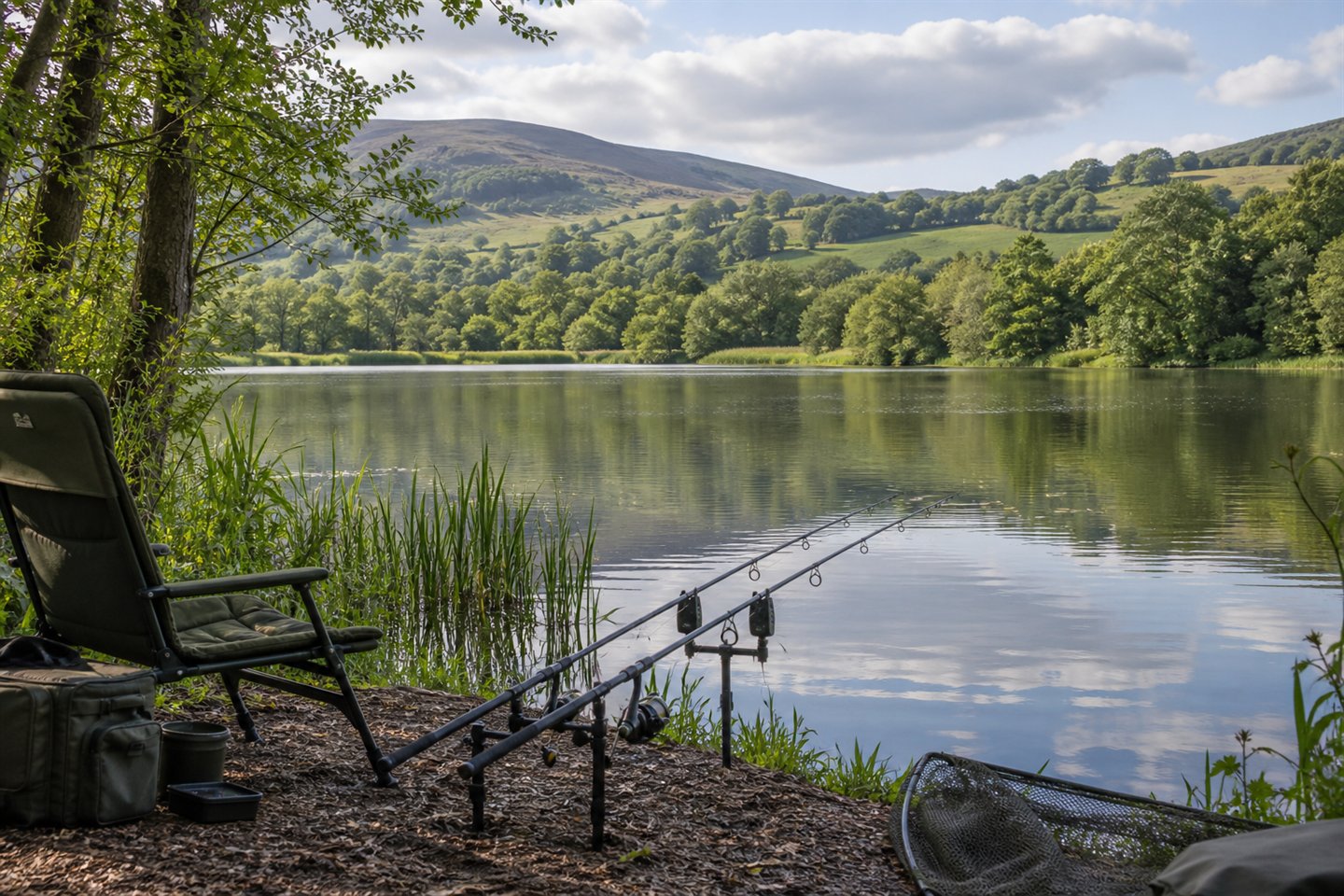
Compare White Springs, Cefn Mably and Nine Oaks for a Welsh carp trip. Check which lake you can fish, whether your stay includes fishing and who can join.
Read guide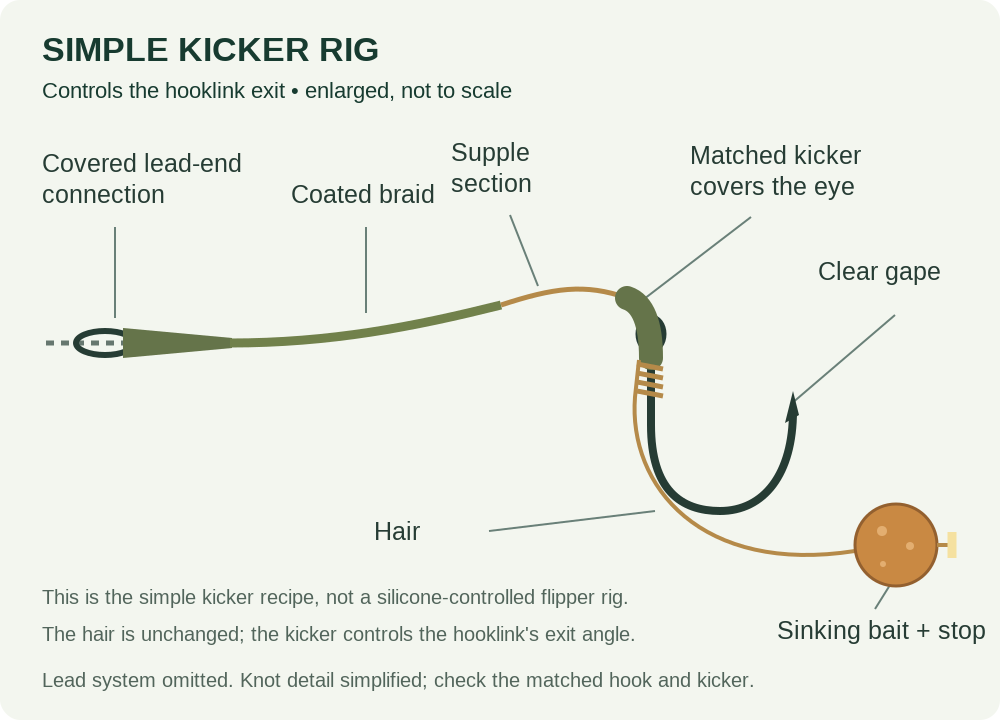
Tie a line-aligner rig for a bottom bait. Check the kicker fit, hair clearance and the flipper variation before you try it on a clear spot.
Read guide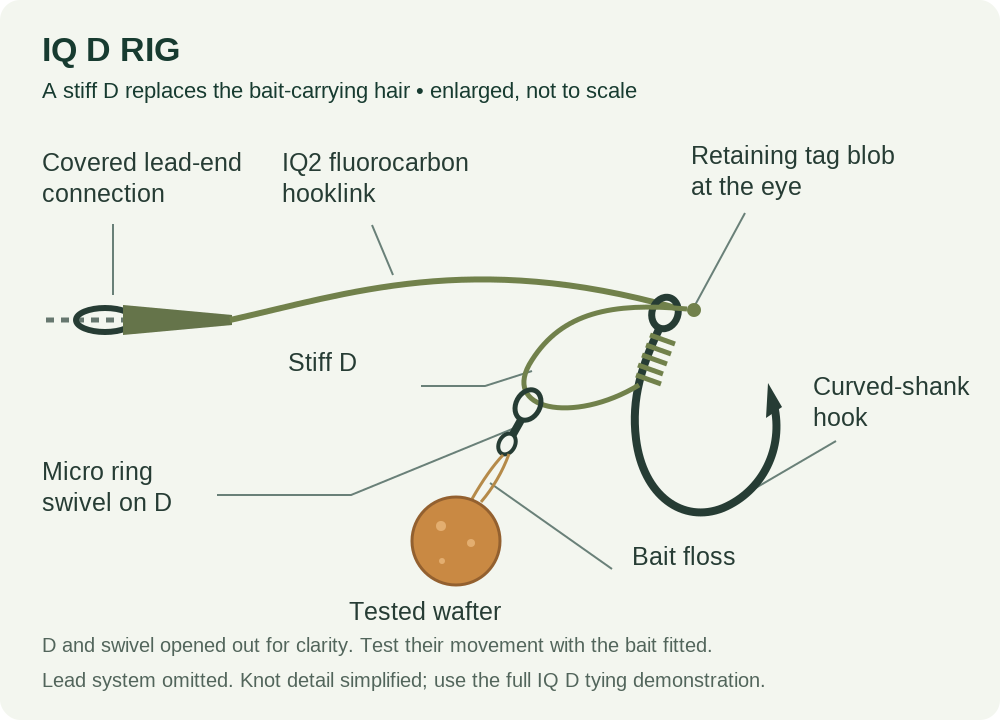
Tie a compact IQ D rig in fluorocarbon. See how to keep the bait swivel moving, get the hook to settle and spot an eye or D that doesn’t fit.
Read guide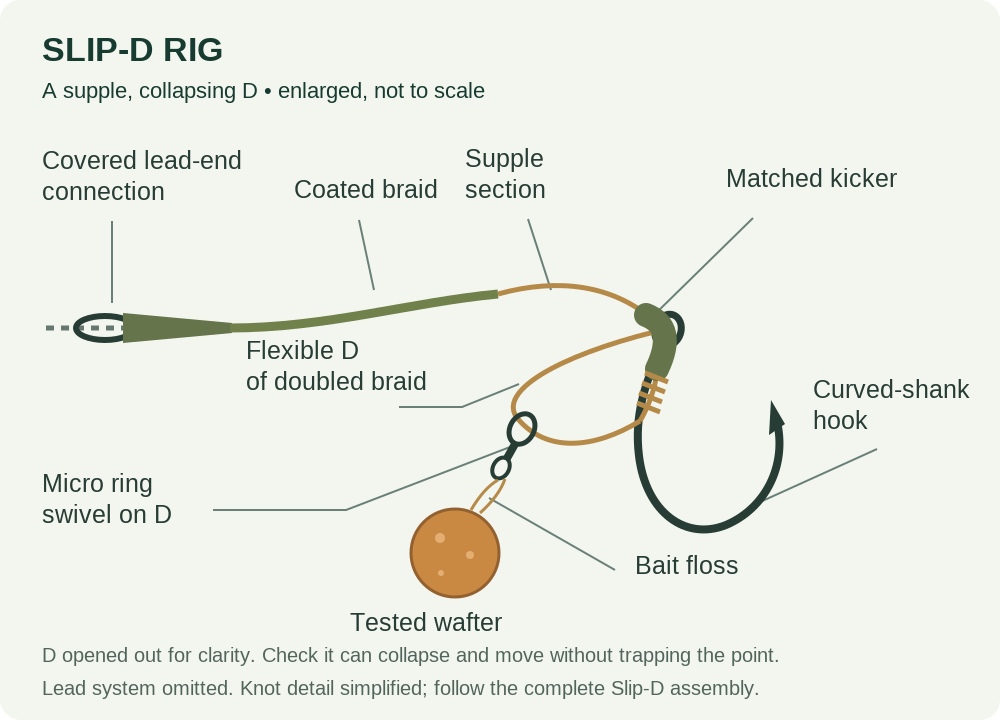
Build a Slip-D with supple braid, choose a loop your bait swivel can move on and test the finished wafter rig before the first cast.
Read guide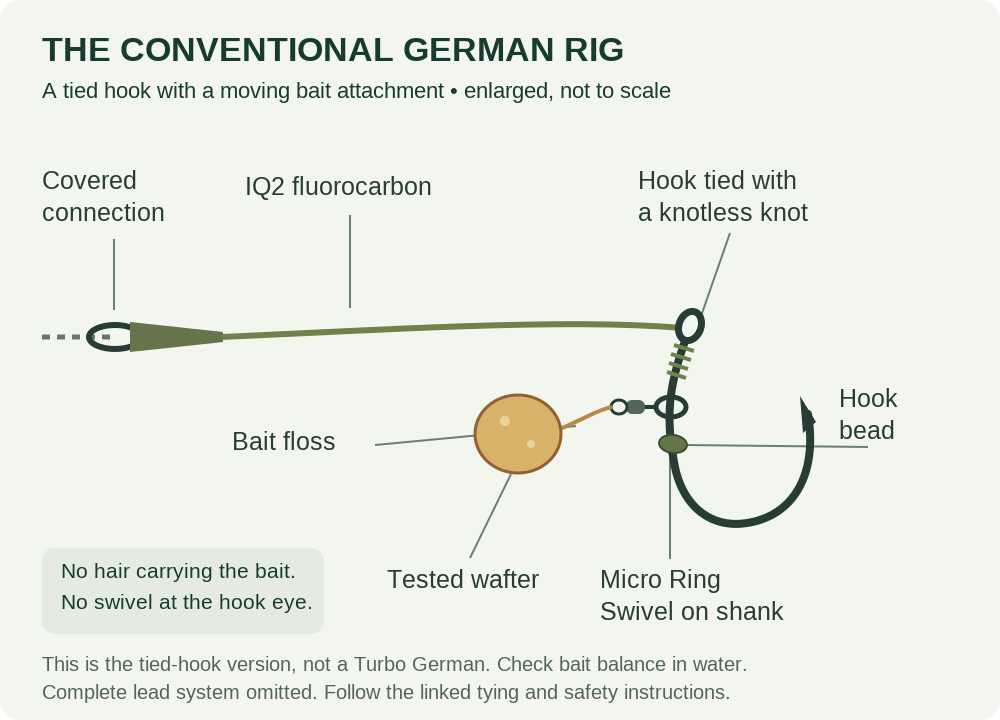
Set up a conventional German rig with a hook bead and bait swivel. Balance your wafter and see how it differs from a Turbo German.
Read guide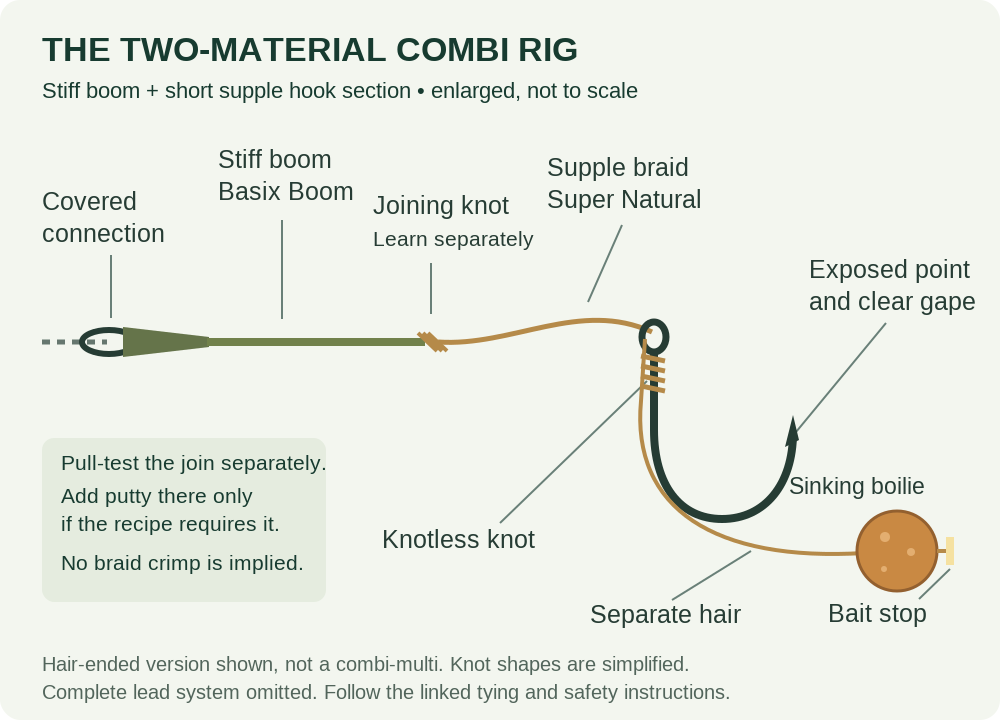
Build a hair-ended combi rig with a stiff boom and supple section. Learn what to inspect at the join, what to test and when to start again.
Read guide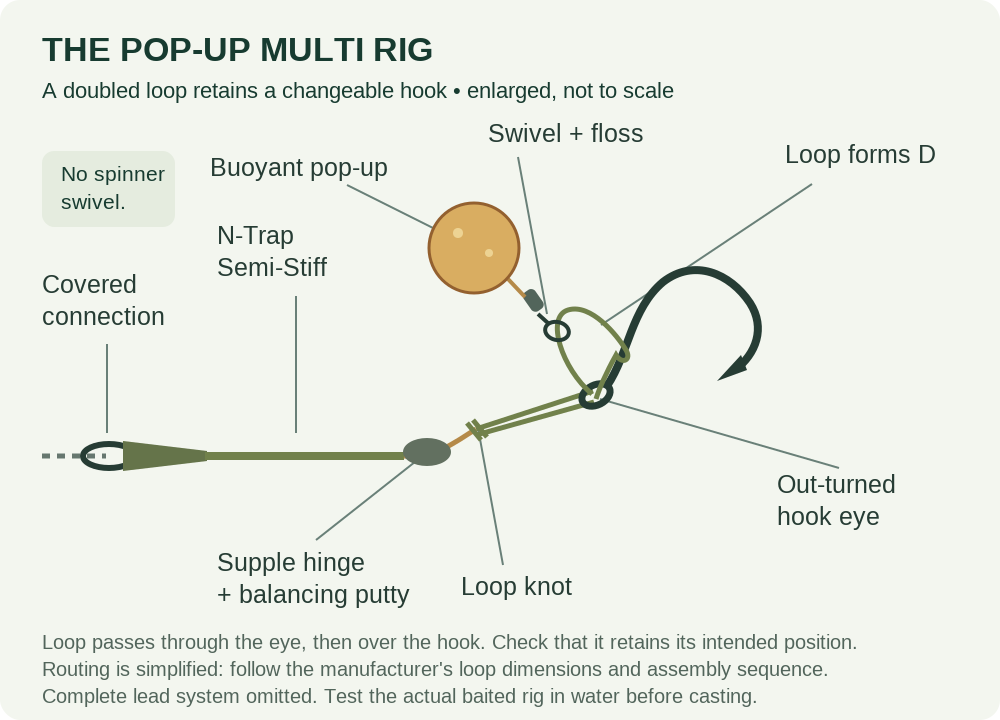
Tie a pop-up multi rig, check how the loop holds the hook and learn when you can swap a blunted hook without replacing the whole hooklink.
Read guide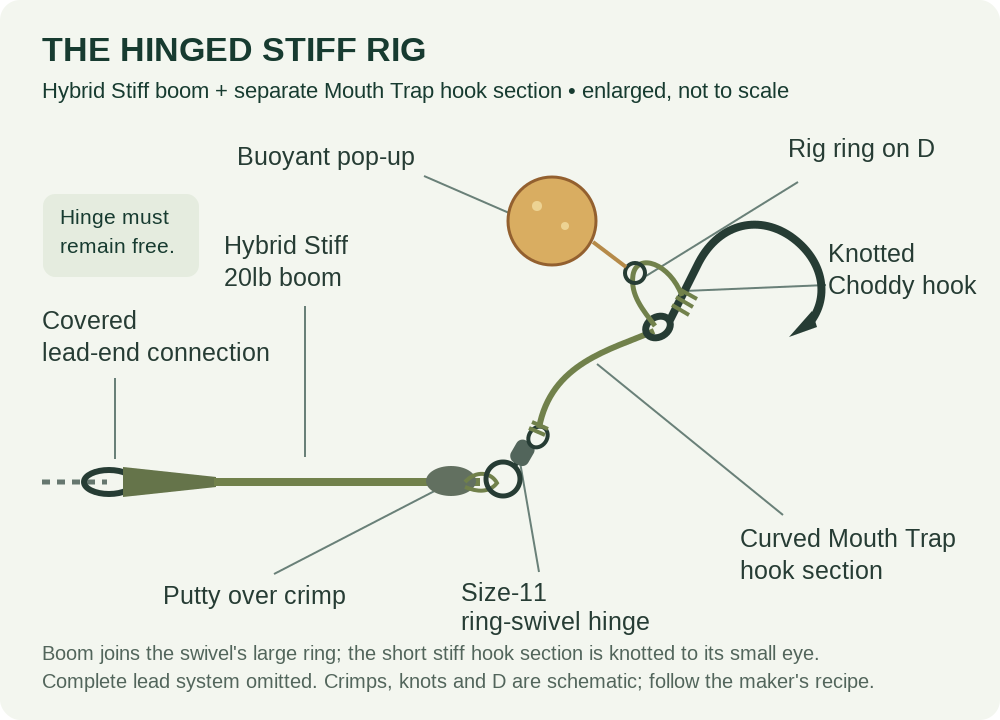
Tie a hinged stiff rig with a separate boom and pop-up section. Check hinge movement, crimp fit and how much bait buoyancy you need.
Read guide
Assemble a matched lead clip, fit the tail rubber as directed and test that the lead can leave the clip in the intended order before you cast.
Read guide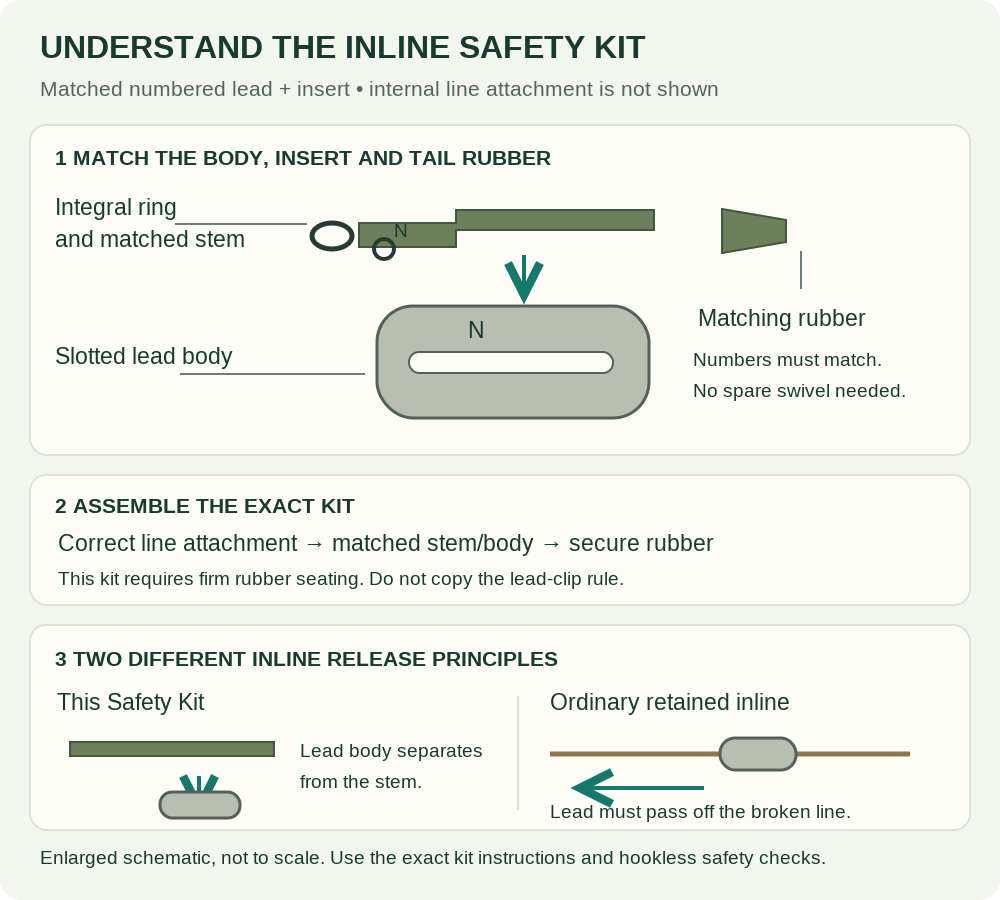
Fit a matched inline lead and insert for a solid bag. Follow the kit’s tail-rubber instructions and check exactly what separates under load.
Read guide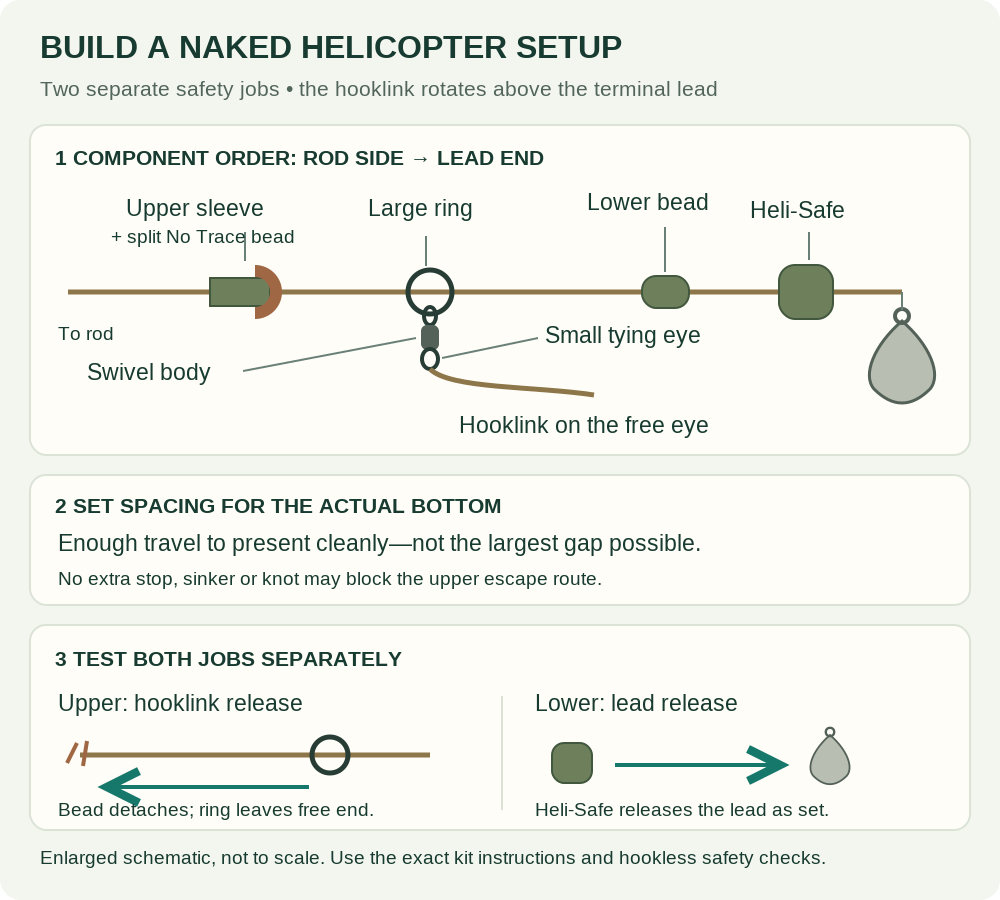
Build a naked helicopter rig, place the upper bead and test that the hooklink can get past it and off broken line. Check lead release separately.
Read guide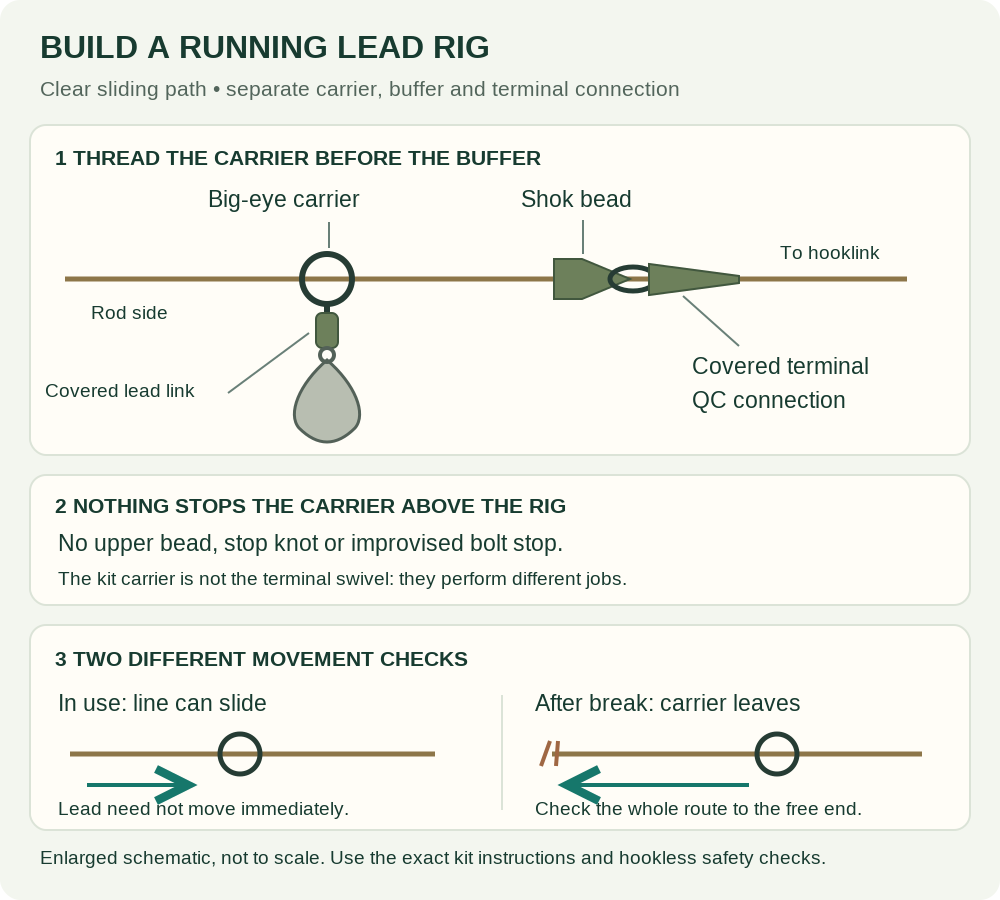
Set up a running lead for carp. Check normal movement and what can escape a broken line, then tune bite indication without dragging the lead.
Read guide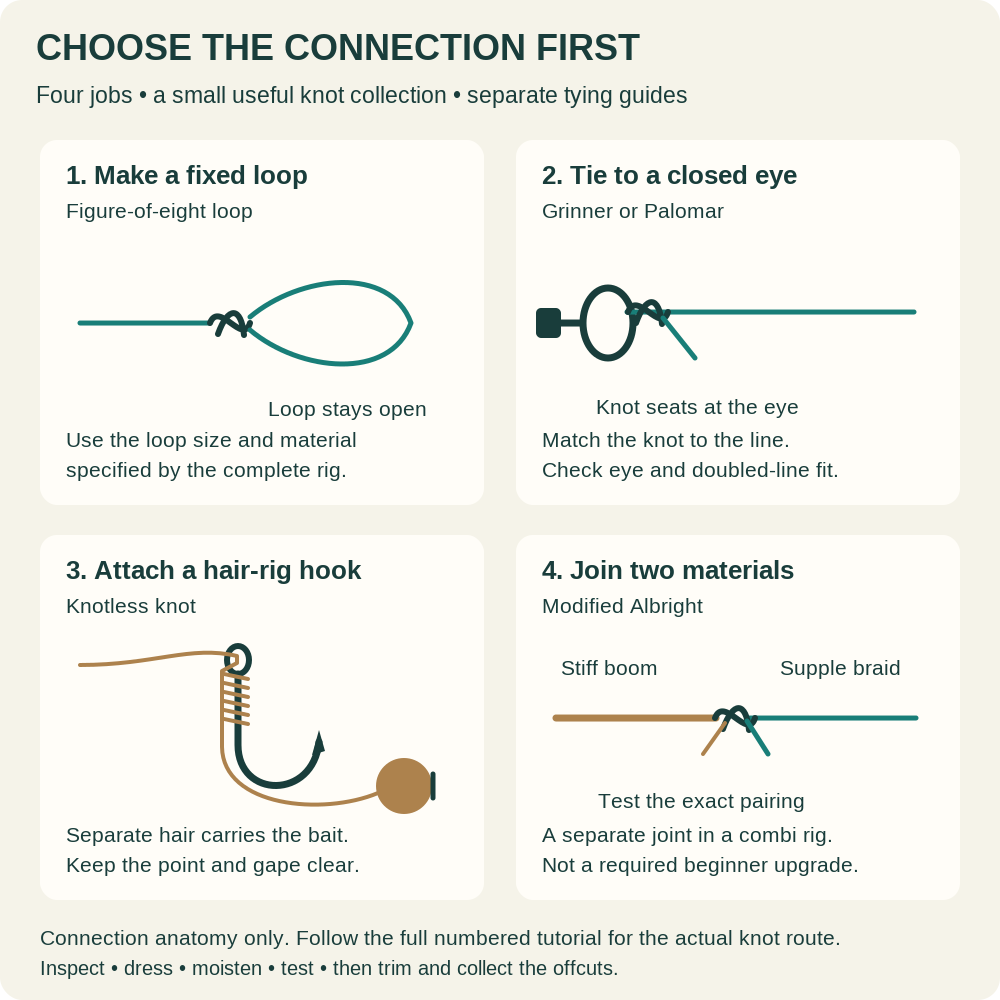
Learn where to use a figure-of-eight loop, Grinner, Palomar, knotless knot or Albright and how to check each tie before putting it under load.
Read guide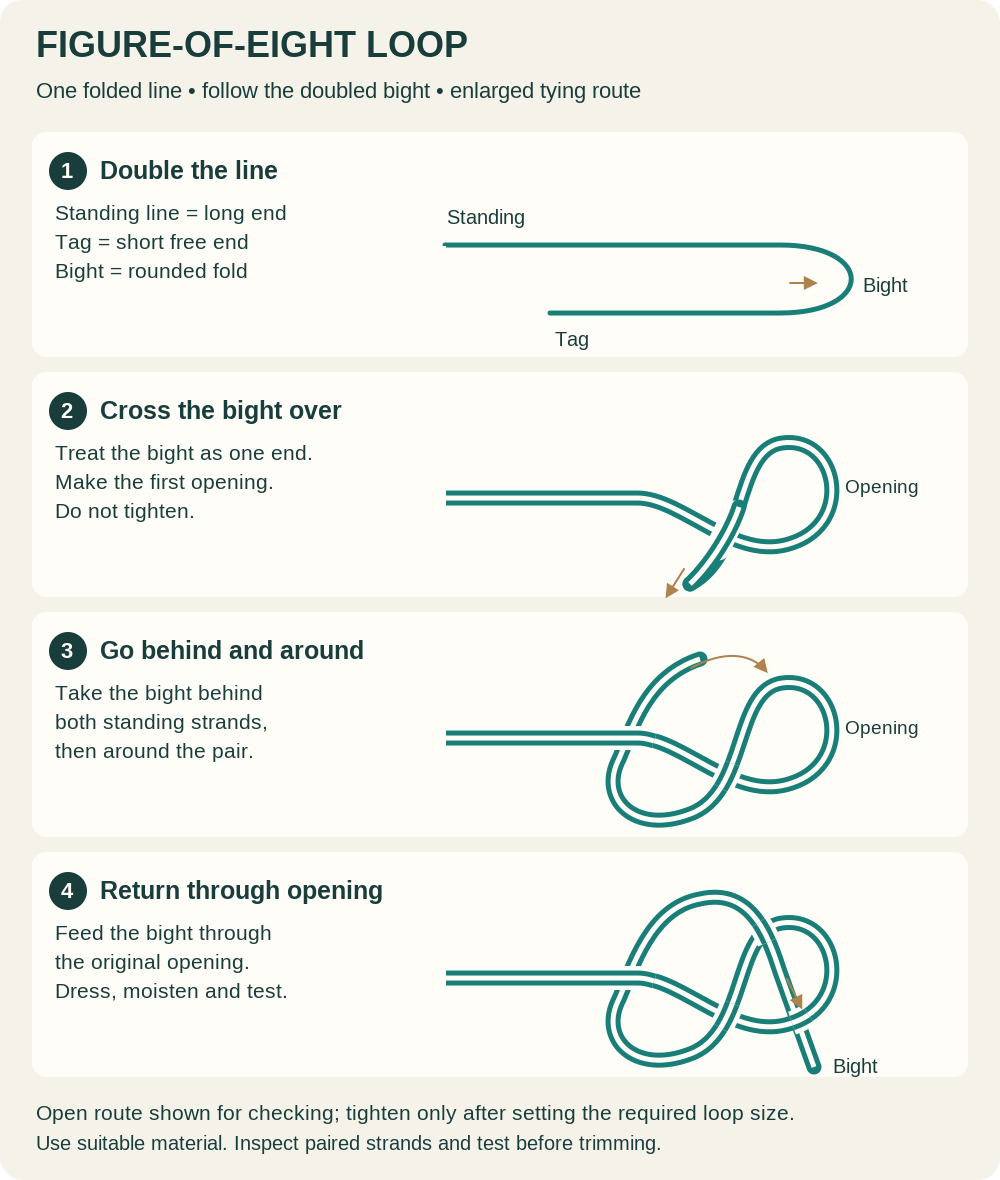
Tie a figure-of-eight loop in fishing line, set the loop size before tightening and spot crossed strands before you pull-test the knot.
Read guide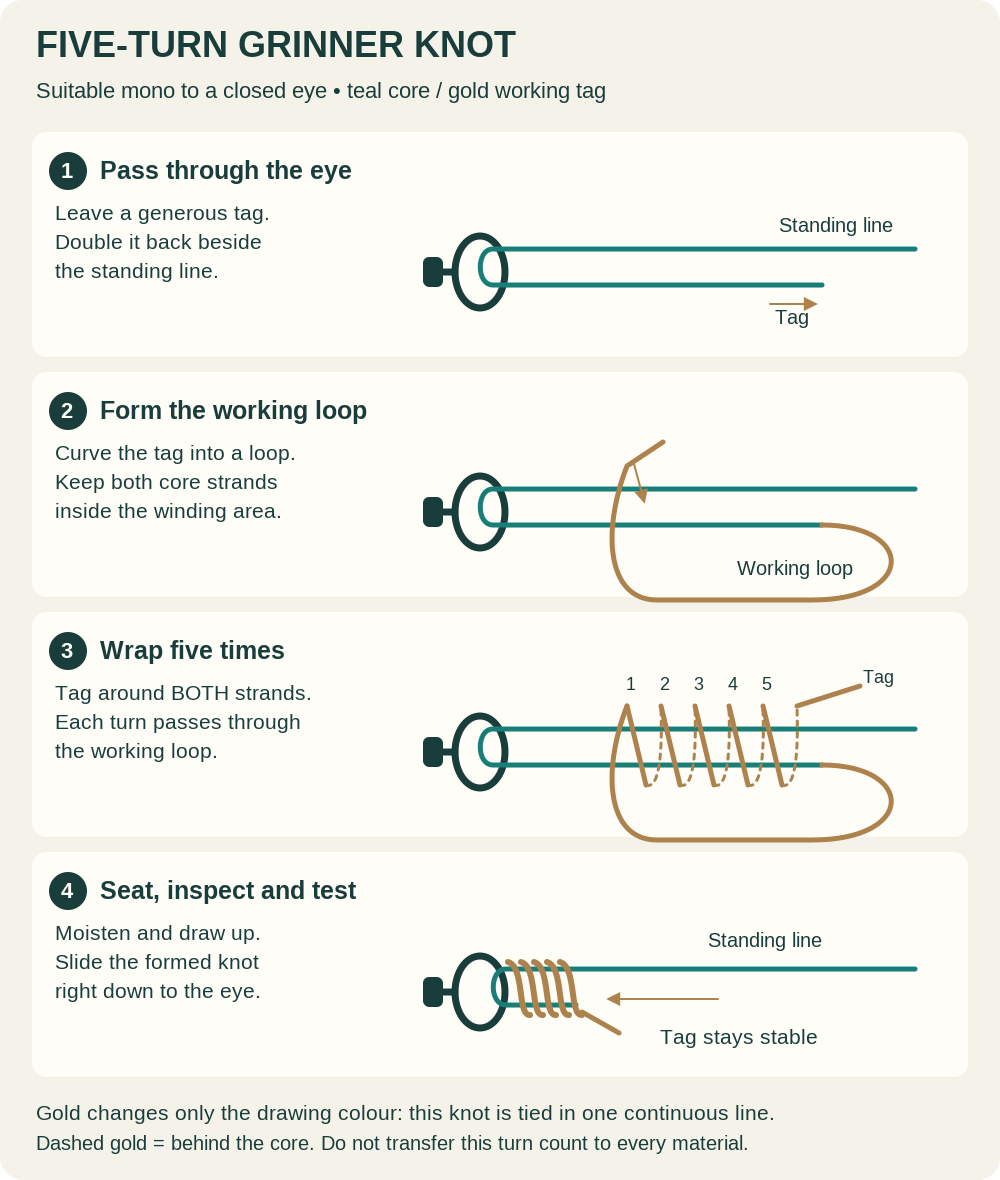
Tie a five-turn Grinner in mono, form the turns without crossing them and check the finished knot on a swivel before you trim the tag.
Read guide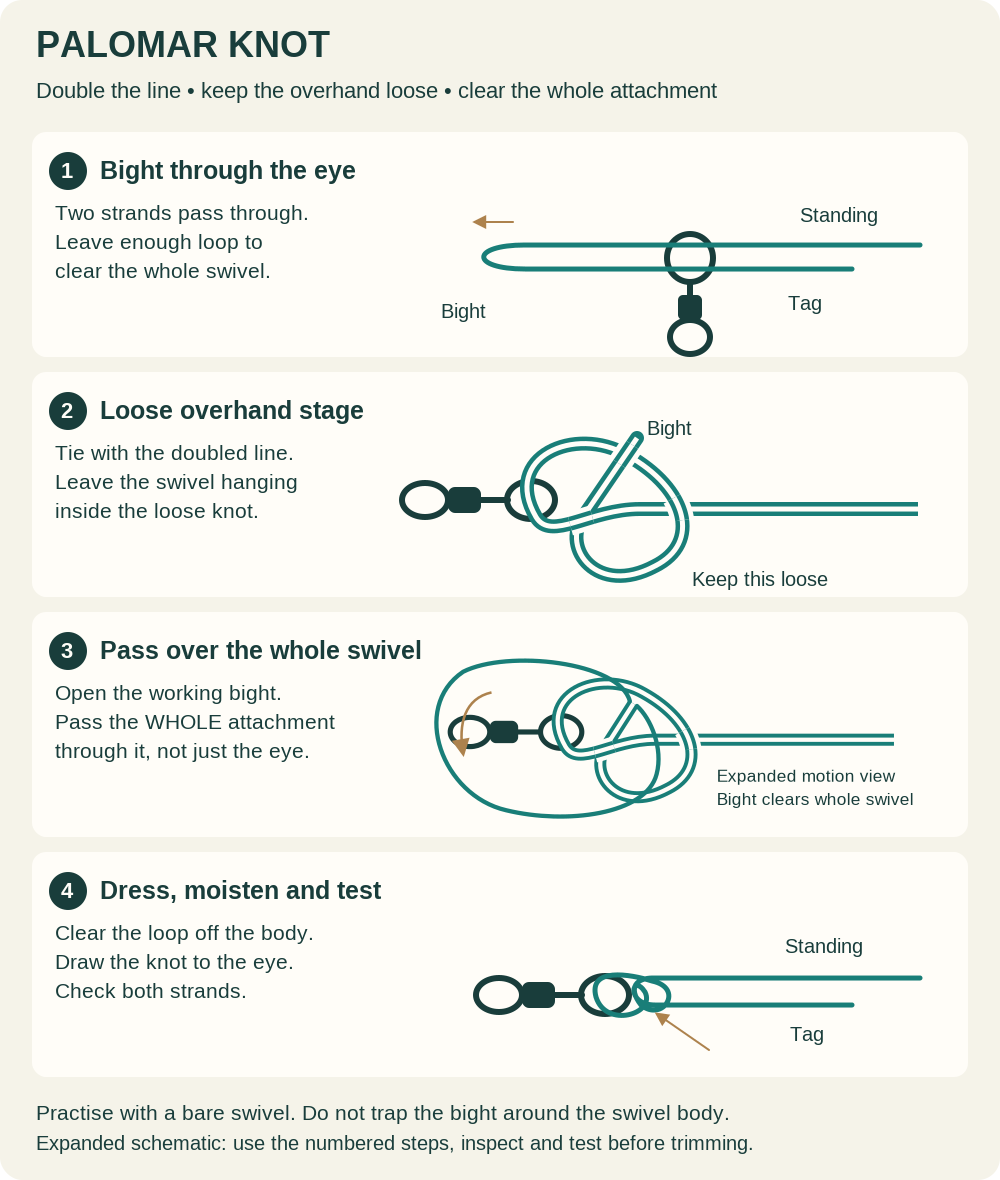
Learn the Palomar on a swivel before tying one at the lake. Check doubled line fit, the overhand loop and how to seat both strands cleanly.
Read guide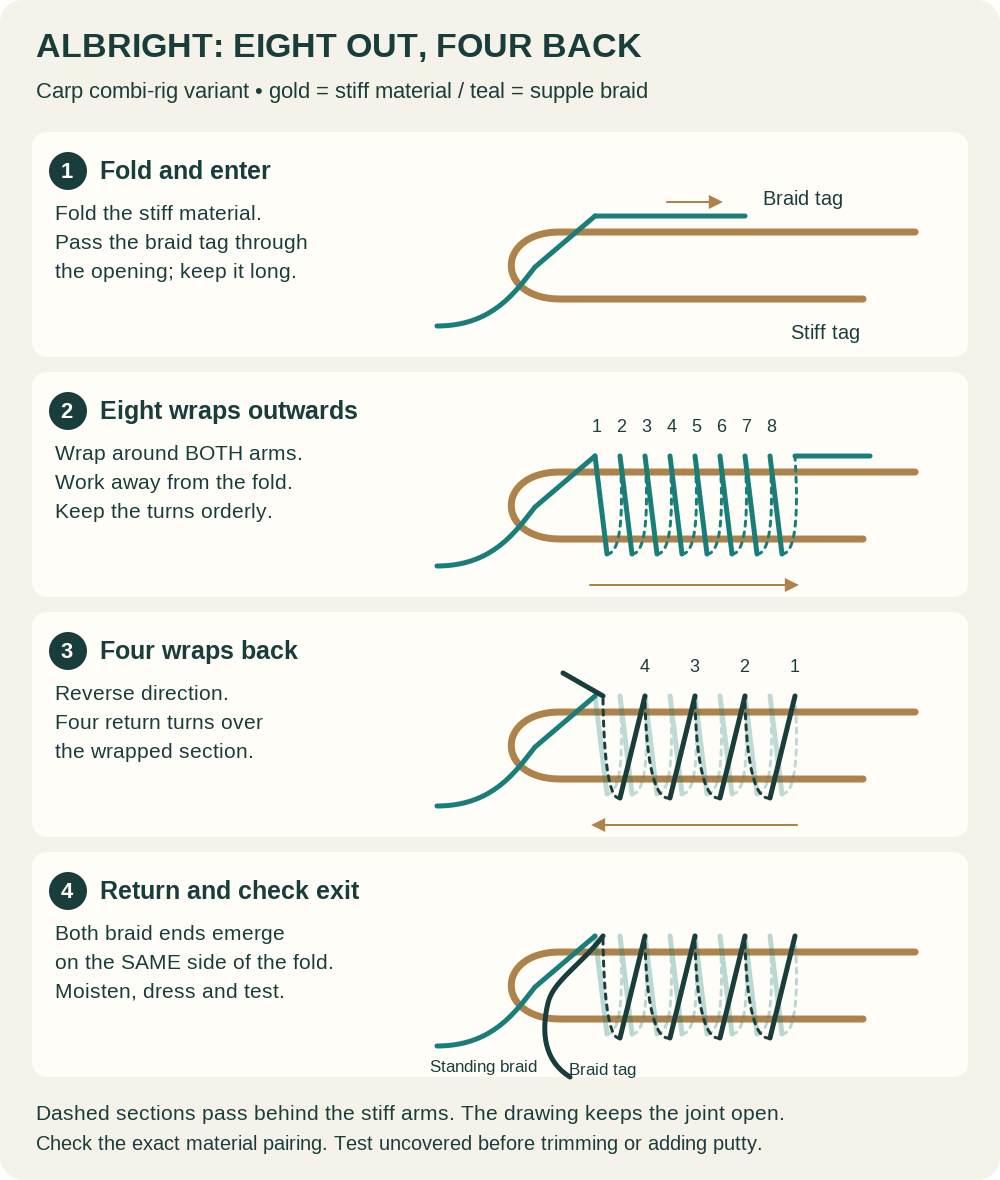
Join a stiff boom to supple braid with the illustrated Albright variation. Check the fold, wrap count and same-side exits before you bed the knot.
Read guide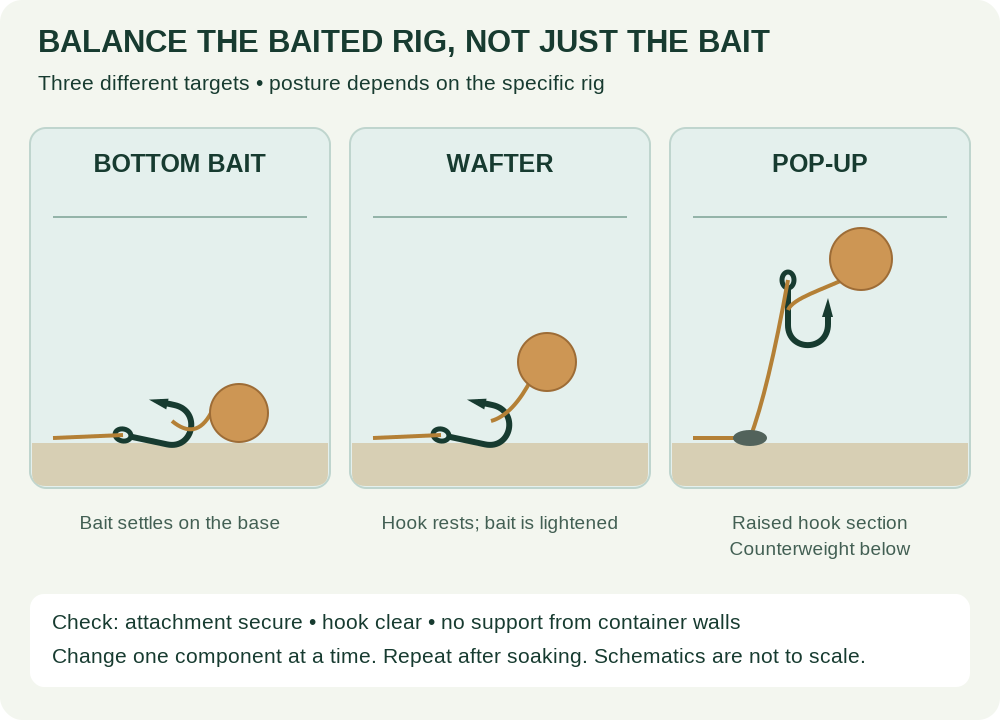
Mount a boilie on a hair, tie or secure a pop-up with bait floss, or use a bait screw. Check the hook point and balance with the actual bait fitted.
Read guide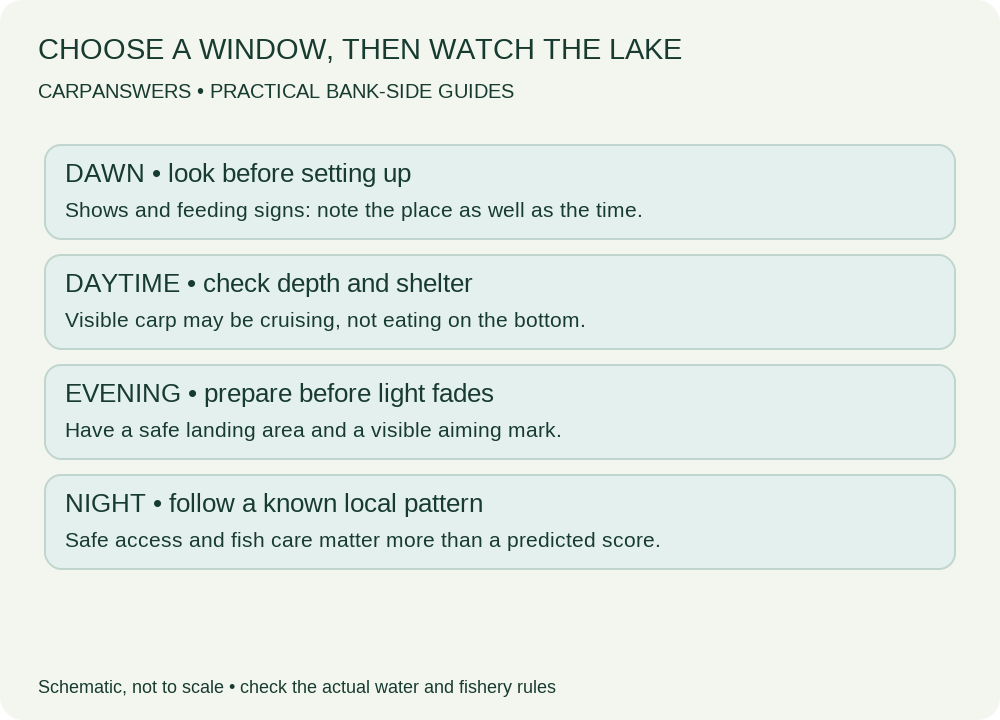
Should you fish at dawn, dusk or in the middle of the day? Use fish signs and a simple log to pick the hours that are worth trying on your lake.
Read guide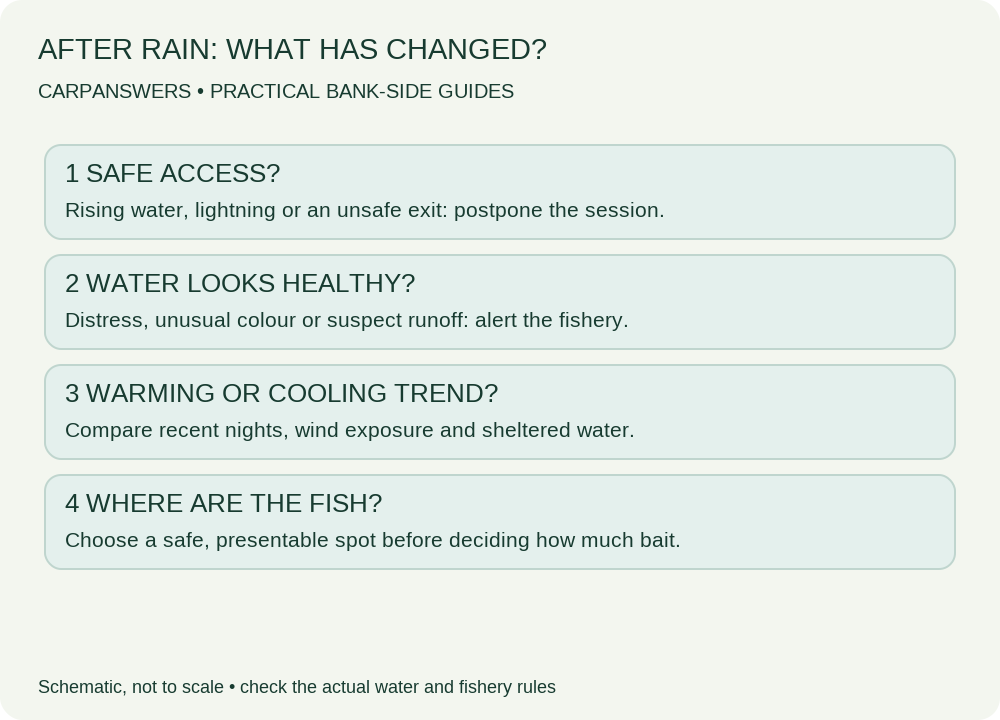
Fish through a shower or move after heavy rain? Read runoff, changing levels, wind and bank access before choosing your spot or adding more bait.
Read guide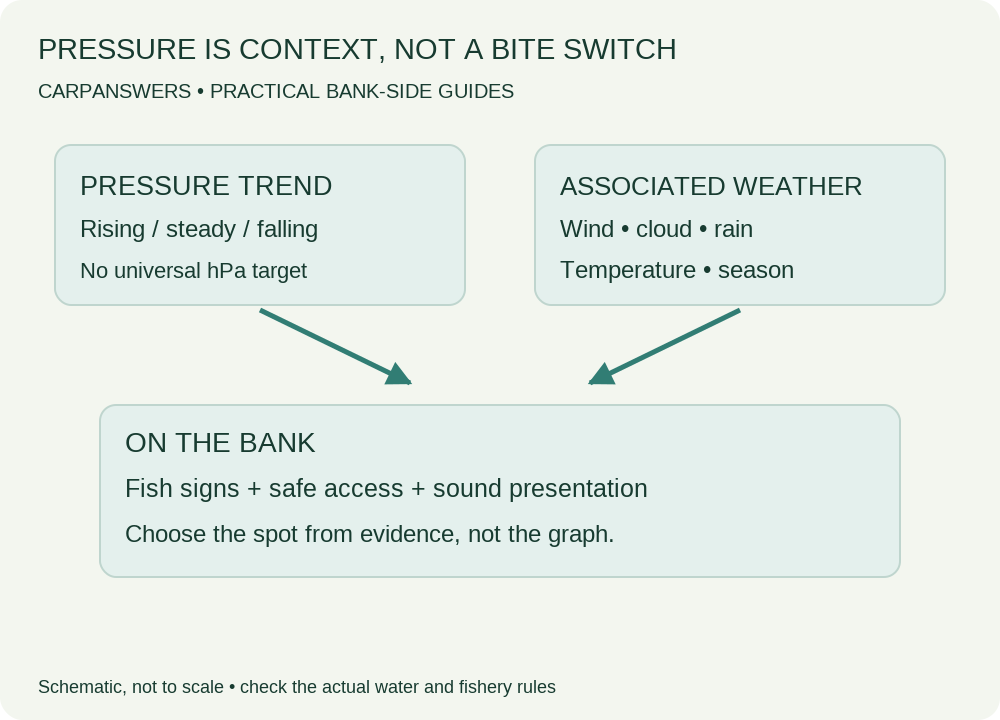
Use rising, falling or steady air pressure to spot a weather change. Compare wind, temperature and fish signs before choosing a swim or changing bait.
Read guide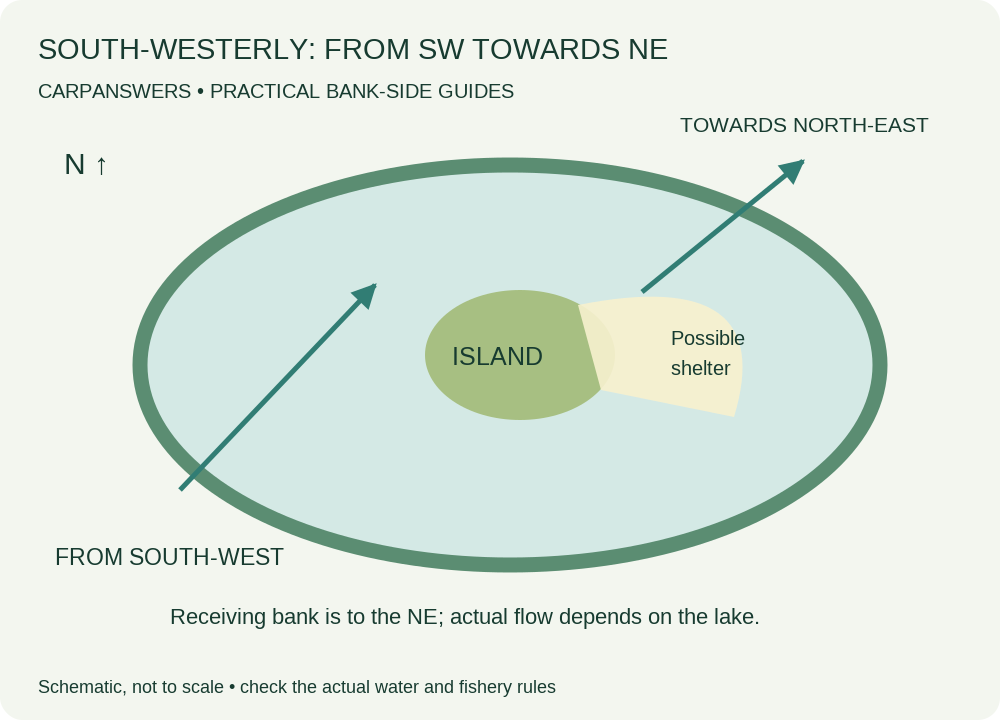
Read where the wind is coming from and where it reaches your lake. Compare a windward bank with shelter, then check casting, undertow and landing.
Read guide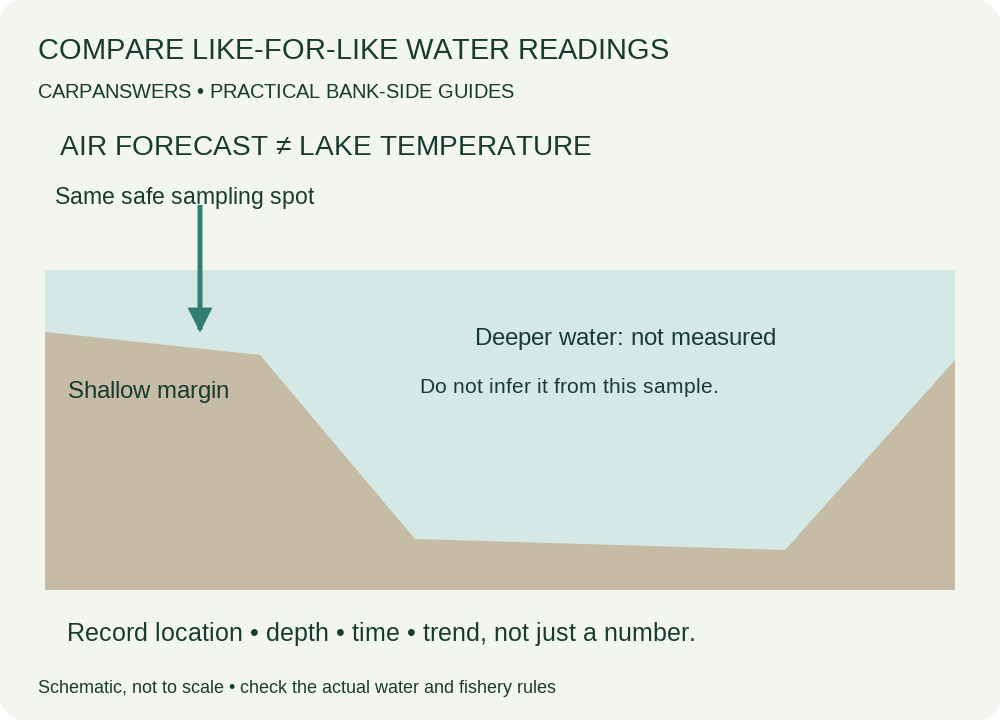
Measure lake water consistently, compare warming and cooling spells and adjust your search and feed. Know when hot water makes it wiser to stop.
Read guide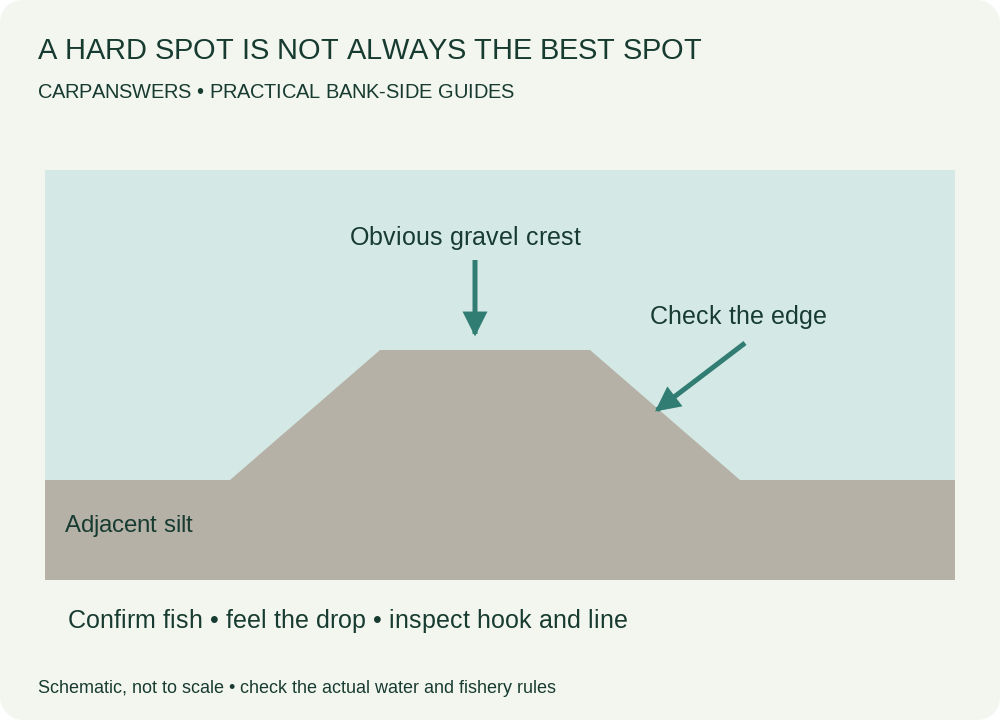
Feel for a firm drop, check the edge of a gravel patch and choose a spot you can hit repeatedly. Keep the hook sharp and the presentation simple.
Read guide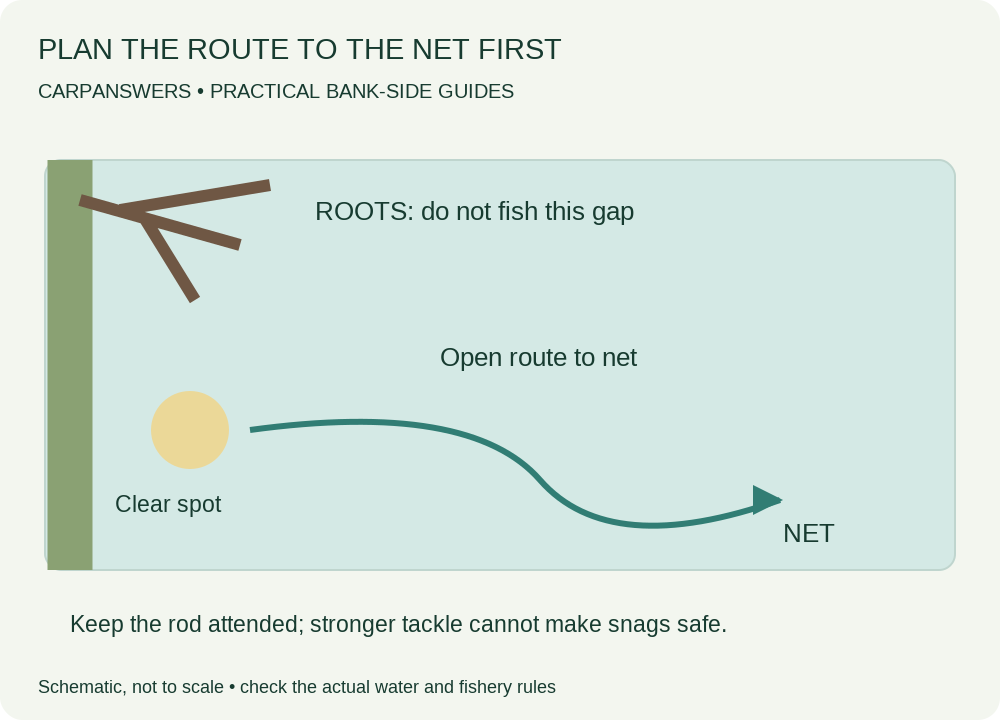
Find a safe close-range carp spot, approach it quietly and keep the line off the fish’s route. Decide where to net the fish before putting in bait.
Read guide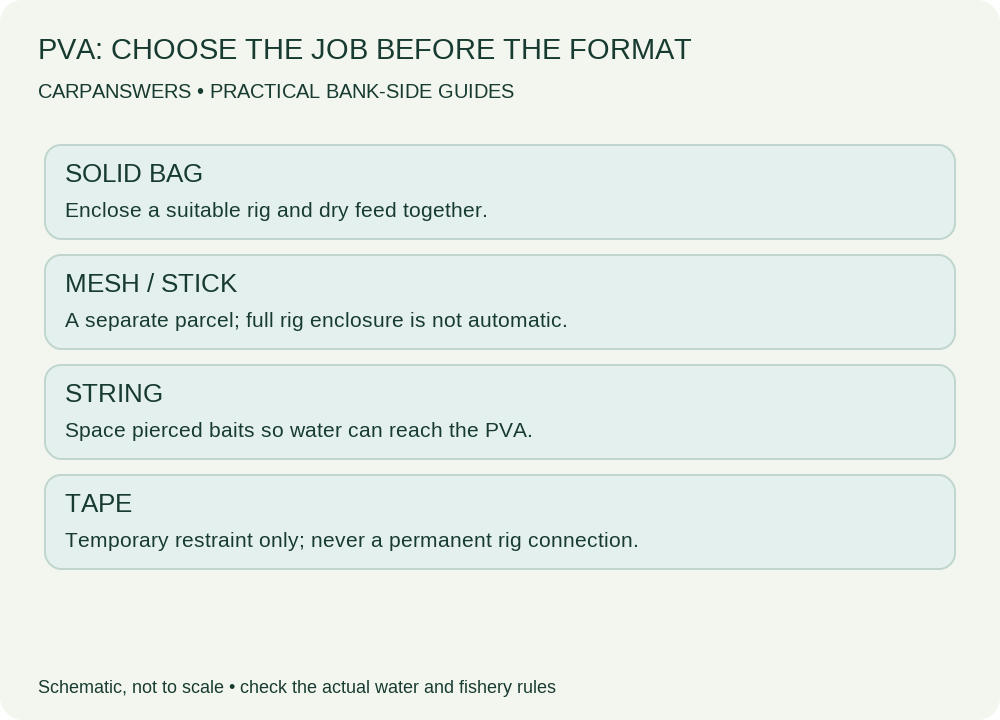
Choose solid bags, mesh, sticks, tape or string for the job at hand. Check damp bait, cold water and whether the PVA clears the point after melting.
Read guide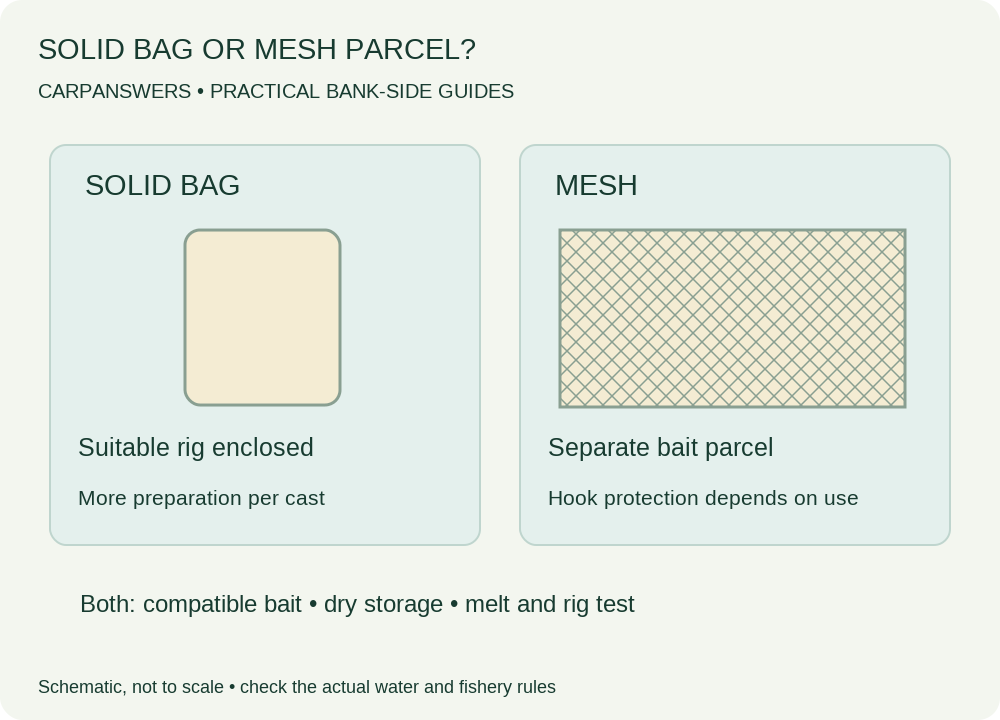
Use a solid PVA bag to enclose a suitable short rig, or mesh for a separate parcel of feed. Compare the cast, the lakebed and the melt before you choose.
Read guide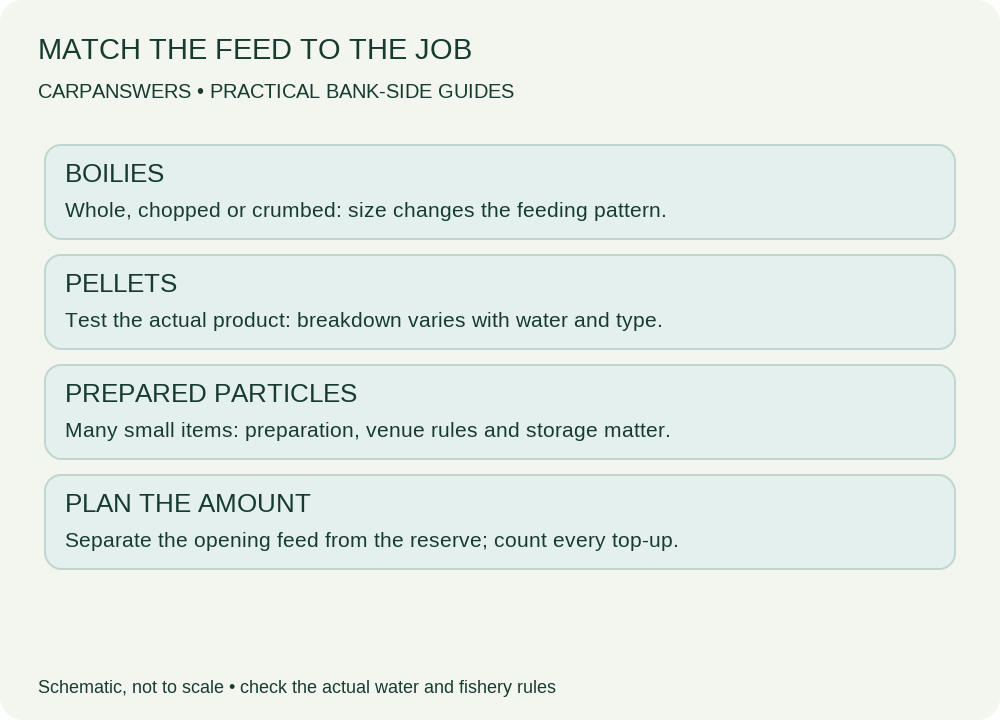
Compare boilies, pellets and prepared particles for carp. Choose how much to feed based on breakdown, nuisance fish and what you can see on your spot.
Read guide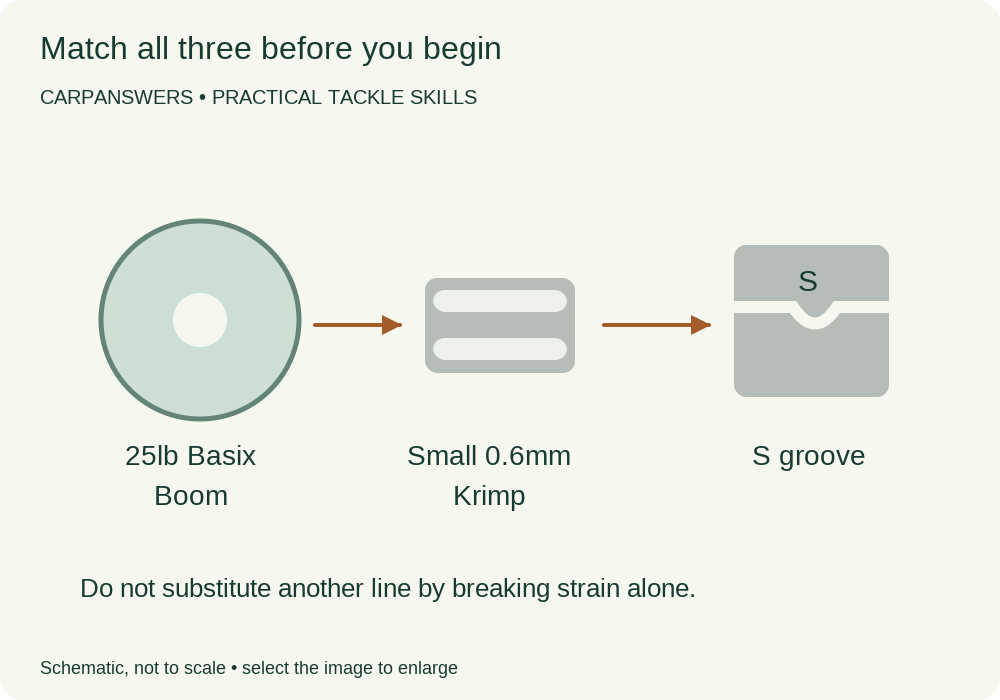
Make a neat carp-rig boom with the specified material, sleeve and tool jaw. Check both exits and pull-test a hookless practice crimp.
Read guide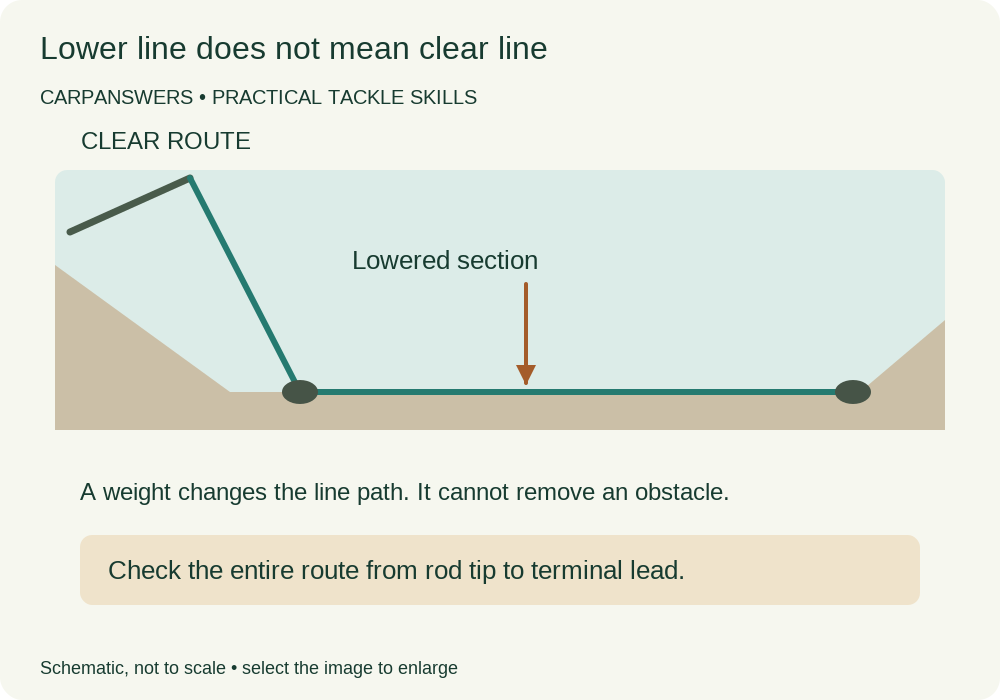
Compare clip-on and flying backleads, check the route over weed and bars, and see what adding a backlead changes for bite indication.
Read guide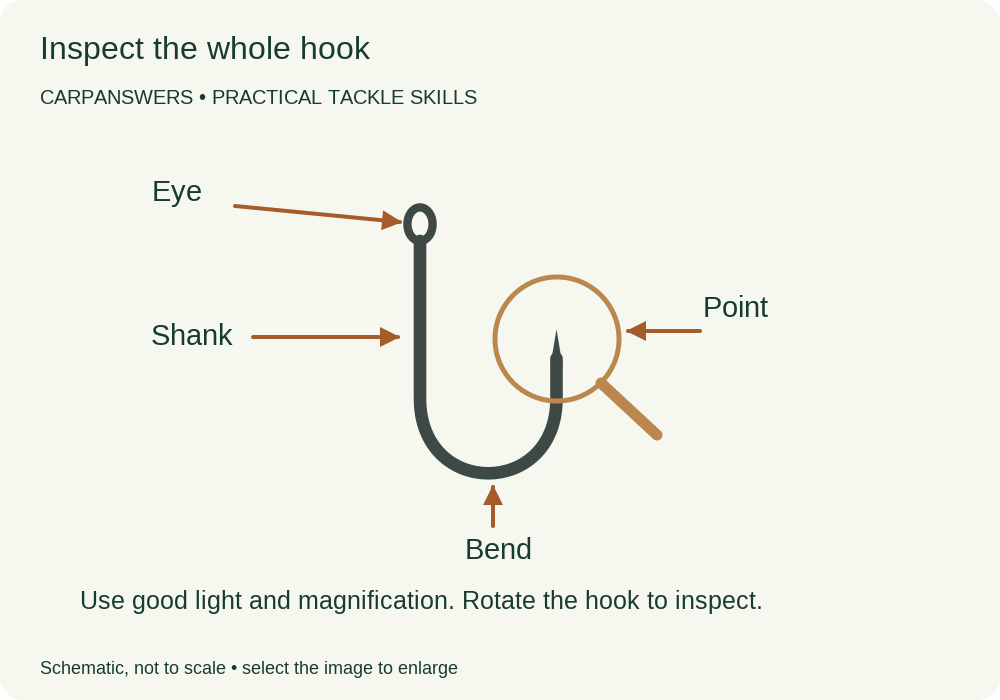
Inspect a carp hook point under good light, decide if it needs a touch-up and use a suitable tool without weakening the point or changing its shape.
Read guide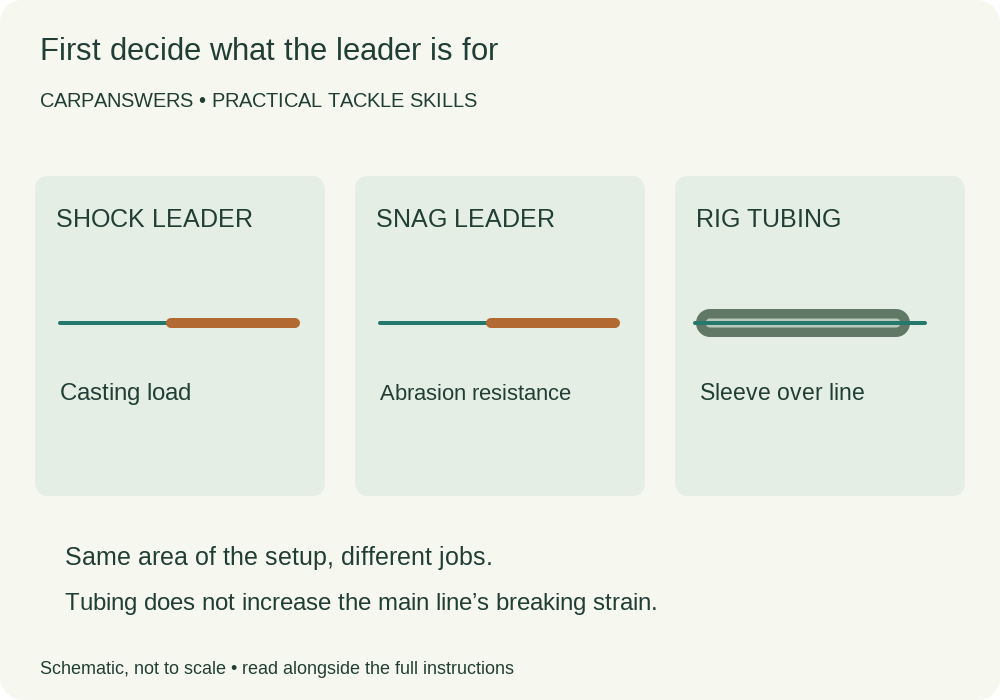
Work out whether you need a shock leader, measure it with your normal casting drop and check the knot, spool wraps and lead release before fishing.
Read guide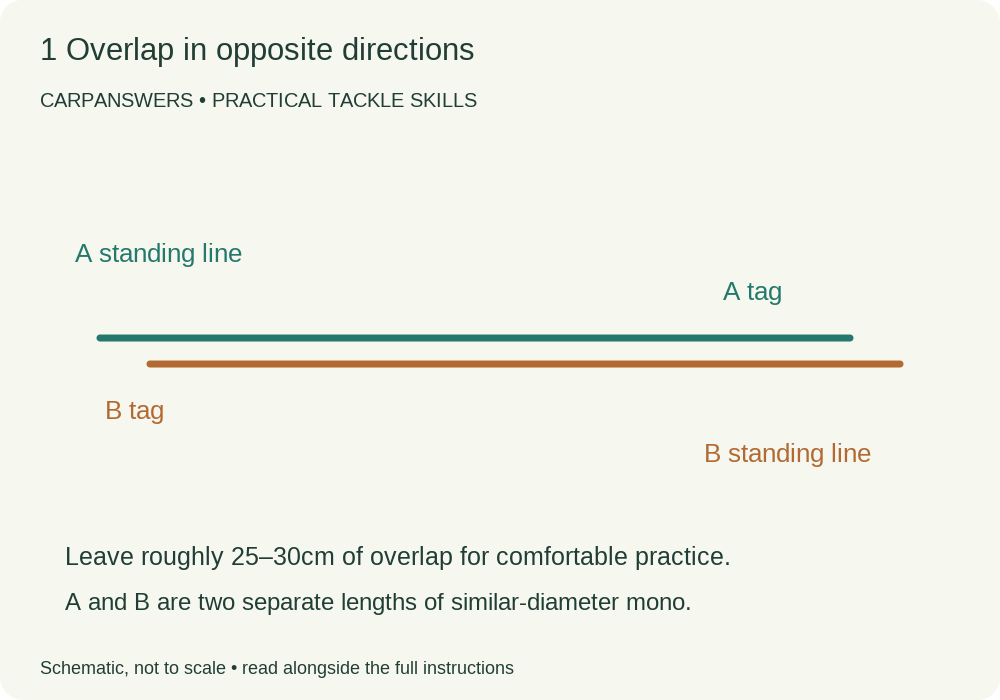
Tie a Double Grinner with two similar mono lines, seat both halves, then check for crossed turns and slipping tags before trimming.
Read guide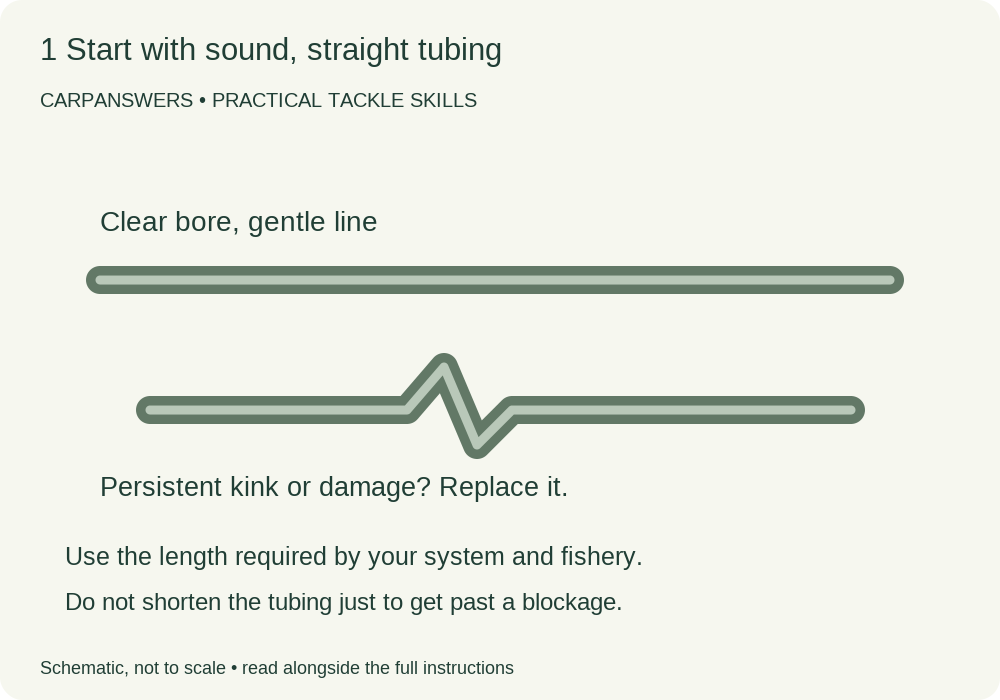
Thread mono through carp rig tubing in short sections. Find kinks or a blocked bore, then test how the tubing and lead system release together.
Read guide