
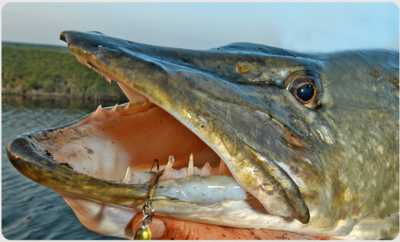
The best first pike trip is one with someone who can show you how to land and unhook a fish. Get that part sorted before you choose a bait or swim. A pike is a powerful fish with sharp teeth and delicate gills; preparing the right kit gives you time to handle it calmly.
Bring a short list of essential kit
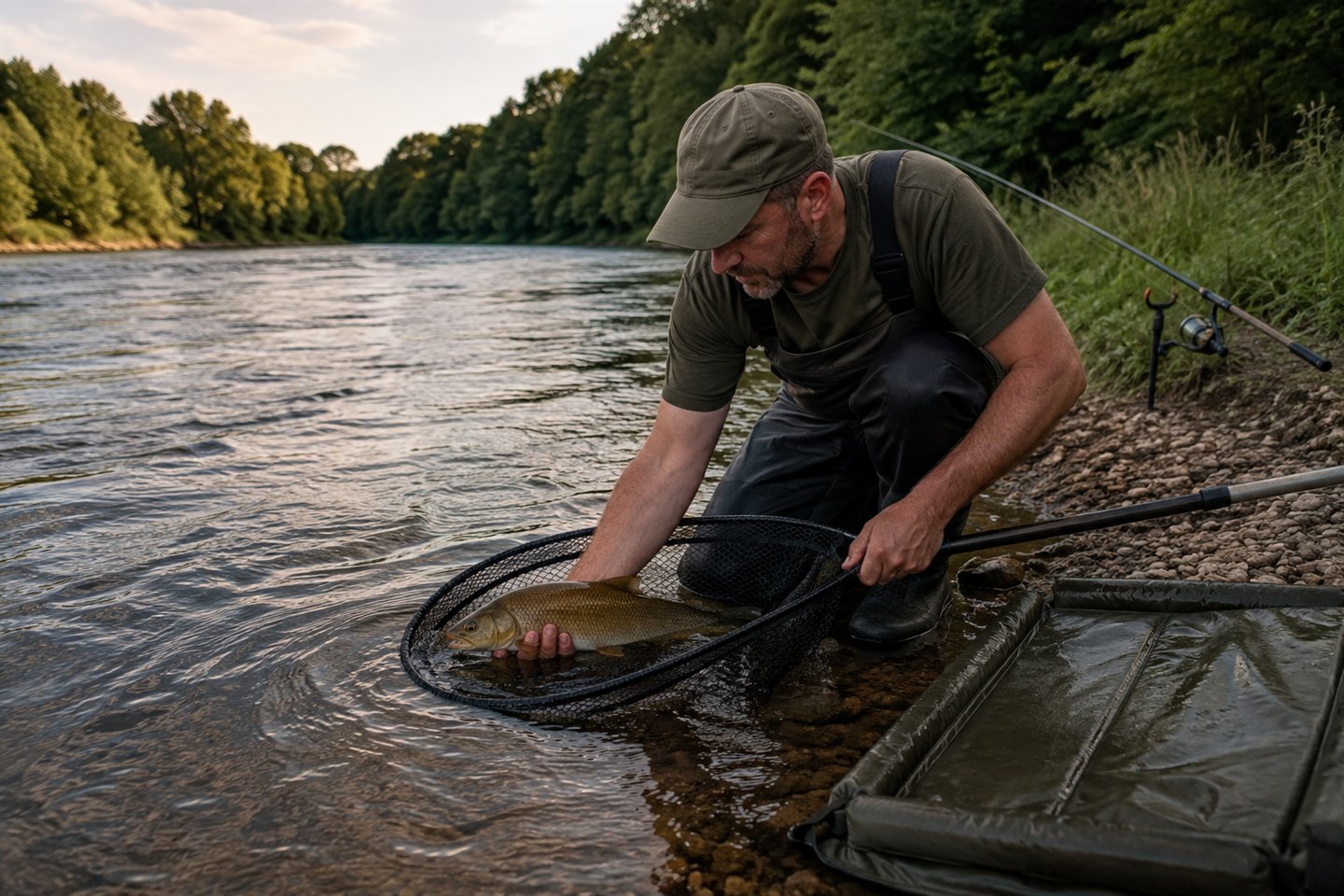
Take a large knotless landing net and a large wetted mat or cradle, plus long forceps or pliers and strong cutters capable of cutting the hooks you use. Have them out before fishing. Choose suitable main line, a purpose-made wire trace and hooks that meet the venue’s rules. The Pike Anglers’ Club code of conduct recommends a wire trace of at least 30lb and 18in for bait fishing. Ask the mentor to show you the exact trace and check how it joins to the main line.
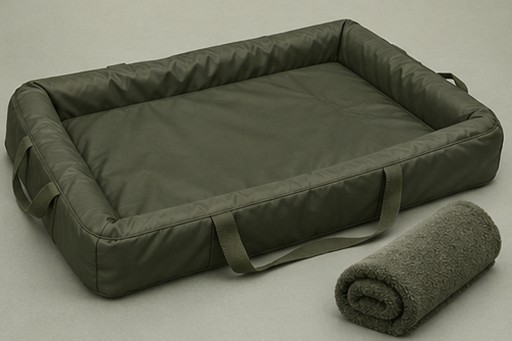
If you already fish for carp, your net, mat and reel are a useful place to start checking. For example, the Shimano Baitrunner ST RB 6000 (paid link) may already be in your carp kit. Check the reel, line and drag with an experienced pike angler before deciding it suits the job. Start by measuring your forceps. The Pike Anglers’ Club specifies at least 10 inches for forceps or long-nose pliers, plus cutters able to reach and cut the hooks. For its general main-line guide it gives 18lb mono or 65lb braid. Check the whole outfit with your mentor, including whether the rod will comfortably cast the combined bait and weight.
Start with one method
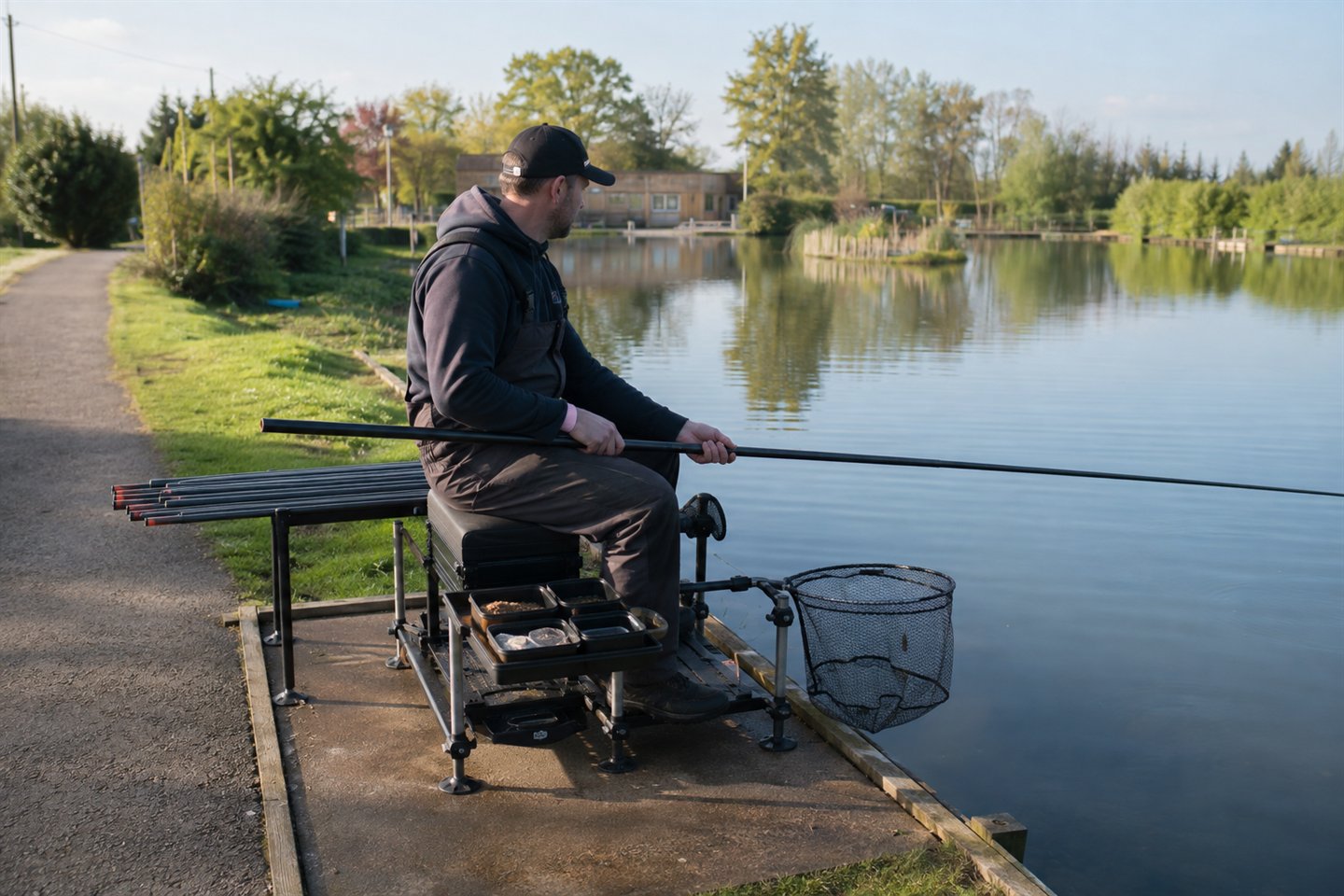
Where the rules allow, a suitable float-fished deadbait is easy to watch with your mentor. Watch the float and use dependable indication for your chosen setup. With a leger, a backbiter or drop-off indicator can show slack as a fish moves towards you. Check movement towards and away from the rod with the hooks safely removed before casting. Stay with the rod. A lure is another option if you have the correct wire trace, suitable tackle and know how to manage exposed hooks.
Mackerel and herring were the original author’s choices for a deadbait session. Where the fishery allows sea deadbaits, ask a tackle shop for a bait you can mount securely and cast with the outfit you have. Try one on a float with your mentor and learn what your float normally does before looking for a second method.
Read the take and respond promptly
A float moving with the current behaves differently from one that disappears or travels against it. If you suspect a take, pick up promptly and wind down to feel the fish. Use a firm, controlled strike once in contact. Waiting for a second run can let a pike swallow the bait. Let your mentor help you read what happens on the first few casts.
Know where you will land the fish
Pick a small lake or quiet available water with a clean edge, firm footing and space to work on the mat. Watch for prey fish and try an open edge near cover. Leave dense snags and difficult banks for another day. The Pike Anglers’ Club warm-water guidance says to leave pike alone at a water temperature of 18°C or above. If you can’t confirm the temperature in warm weather, or the fishery calls a pause, choose another trip.
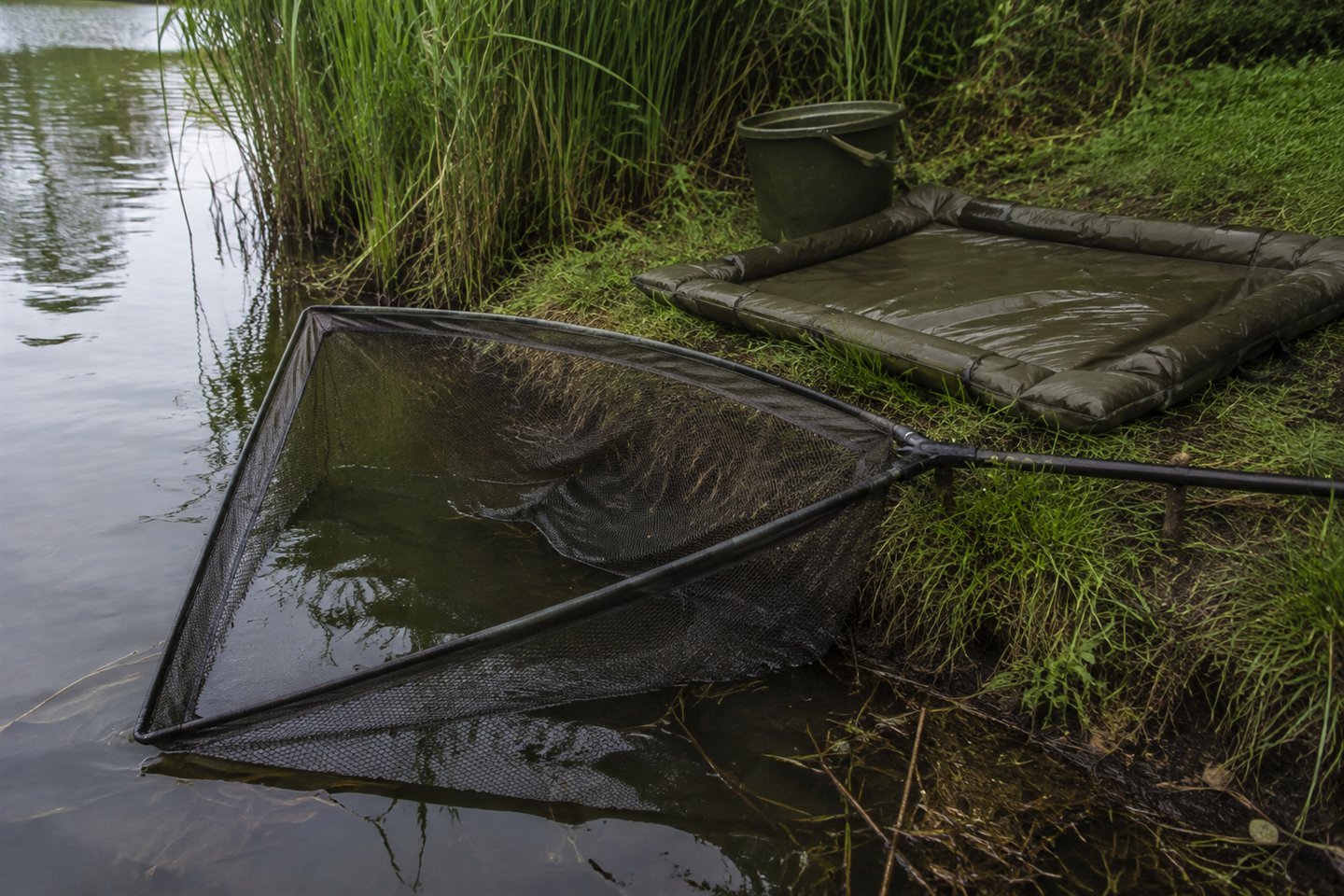
Look for the quiet side of an inlet or the open edge of weed. A roach flicking clear of the surface gives you a reason to watch that edge for another minute. Check the near margin first. Sometimes the useful feature is only a few rod lengths away. If fish-eating birds are working the area, observe from the bank and keep tackle away from them.
Practise the return before you fish
Ask your mentor to talk you through how they control the pike, find every hook point and support the fish. If you cannot see the hook or manage the fish, get help and keep it attended and supported in the water when safe to do so. Never use a pike gag or lift a large fish unsupported. The Pike Anglers’ Club fishing and handling guide is useful before the trip; practise with a competent pike angler before trying alone. Once you can handle an ordinary stillwater session, read the winter deadbait guide or the river pike guide for those conditions.