

On a winter pike trip, spend the first few minutes watching the sheltered water, the edge of a drop-off and wherever prey fish are active. Fish one likely area with a setup you know how to watch and respond to. Move when you have another good spot to try, rather than waiting for a particular hour.
Find a winter holding area you can fish safely
Compare the sheltered side of a stillwater or quieter water on a river with the line where faster water starts. Start with evidence of prey fish, measured depth where permitted, and cover you can keep clear of. Check footing and the route to the net. A deeper swim is useful only if you can present the bait and land the fish there.
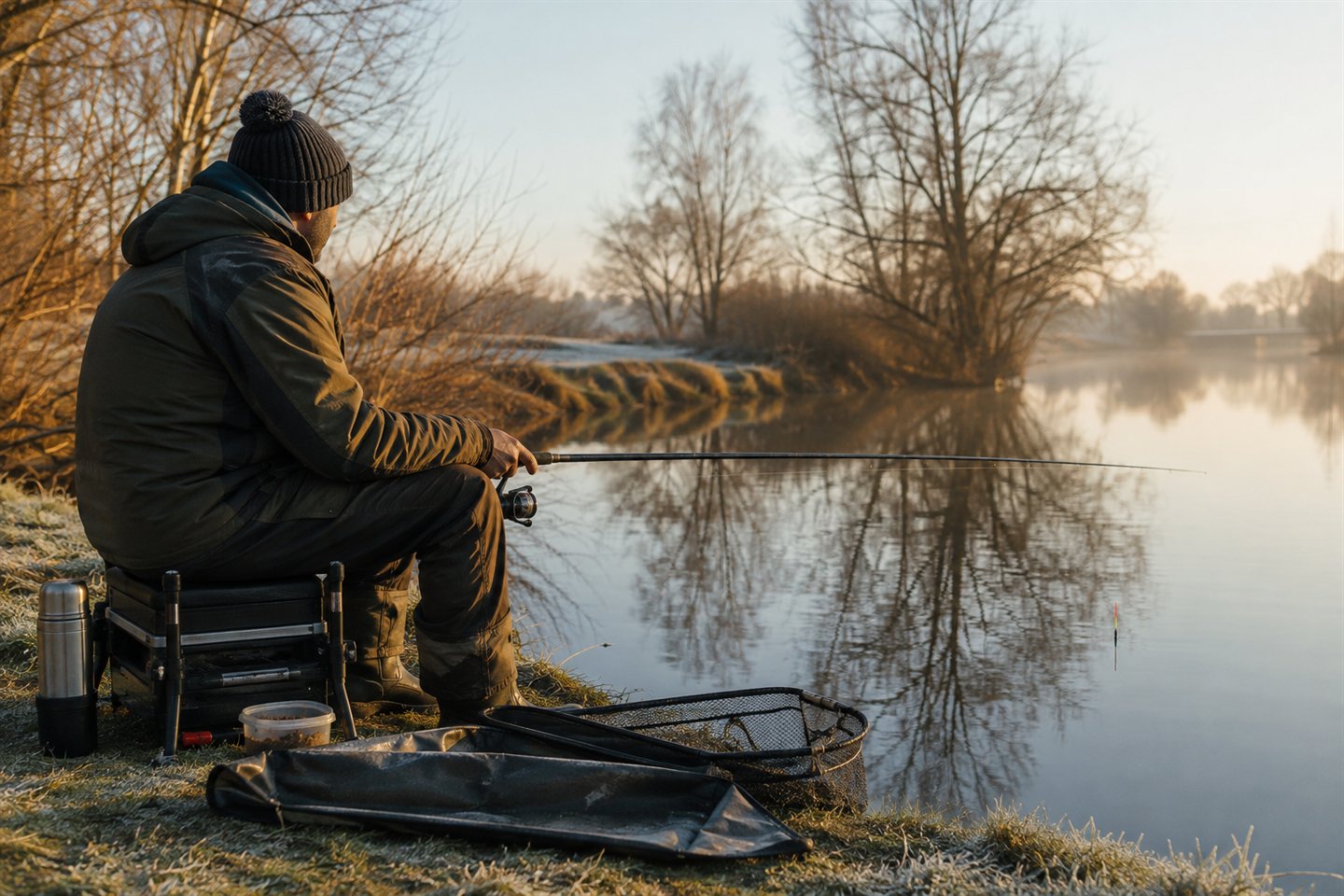
The author suggested 6–12ft as a first depth to explore. On a lake where a shelf falls through that range, compare its quiet edge with an open margin before making a long cast. Those numbers describe one angler’s starting point. If you can see roach scattering in four feet of water and can land a pike there, the nearer spot deserves your attention.
Start with a permitted deadbait
Read the venue’s bait and hook rules. Use bait you can identify and store as directed, keep it cool and only take out what you need. A sound bait you can mount securely is more useful than a leaky or badly thawed one. Stay within the venue’s rules on bait source; never transfer live fish or discharge bait water into another water.
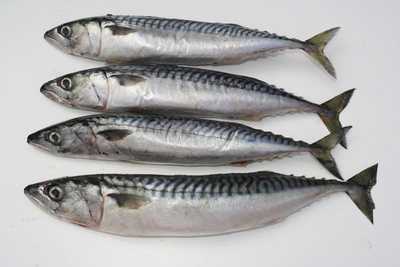
Mackerel was the author’s usual winter sea bait. A section is convenient if a whole fish would make an awkward casting load. Keep the rest stored according to the supplier’s instructions and check the bait is still firm where it meets the hooks after a retrieve. A washed-out bait that tears off on the cast has stopped doing its job, whatever it smells like.
Show movement both ways
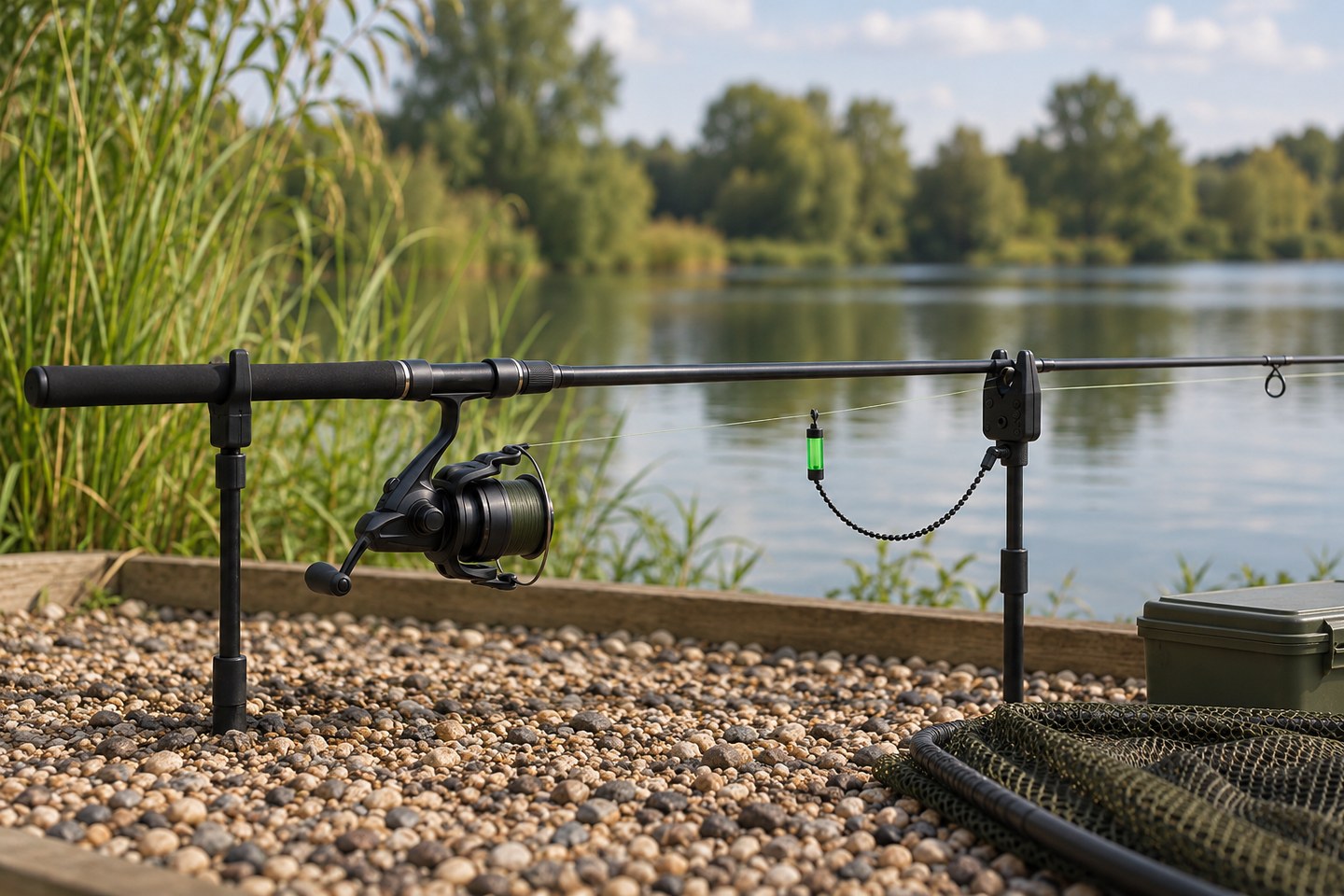
Set up a dependable float or a suitable indicator that shows a pike moving either way. Test it safely without exposed hooks or a lead. Wind, undertow and drifting debris can look lively, but a float that disappears or a sustained line movement deserves immediate attention. Wind down promptly and strike firmly once you make contact. Do not wait for a second run. Use a suitable wire trace and have long forceps, cutters, net and a wet mat ready. See the Pike Anglers’ Club code of conduct for the complete safety checks.
Give the swim a fair look, then move for a reason
If you see prey fish working along a different edge, or the bait keeps coming back fouled, try a reachable clear spot. A change of depth or angle is easier to judge if you change one thing at a time. Note where you get takes on different days rather than expecting dawn or dusk to be the only feeding period. Bring the rod in before leaving the swim.
Use dawn or the last daylight as a time to watch, if access allows, rather than counting on a half-hour feeding spell. On a short visit, check two features you can fish comfortably. If the first bait comes back smothered in weed, move to the clear side of the shelf and make a note of the new depth. That is a useful comparison even if neither spot produces a take.
Pack for a winter bank as well as the fish
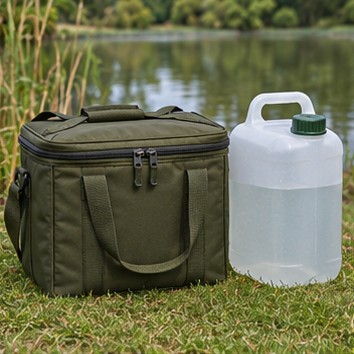
Ice, fast water and a difficult set of steps are enough reason to fish elsewhere or go home. Give yourself time to pack before you lose the light. If this is your first time, start with the beginner pike setup and care guide and go with someone who can show you the unhooking routine.