
Take this as a list to dip into while planning a trip. Pick the handful of checks that suit your water, your kit and the time you can fish. If you’re already fishing and want to work out why a swim has gone quiet, use the seven bankside checks first.
Before you leave
- Check who owns the fishing rights and what permission covers your visit. On a multi-lake complex, check the name on the booking against the gate sign; adjacent lakes can have different arrangements.
- Pack the appropriate rod licence where required, along with the venue ticket or booking.
- Read the hook, rod, bait and line rules for the particular lake. If you hope to try floaters or a zig, check both before packing the extra tackle. A bottom-bait alternative takes little space.
- Check weather warnings, gate times and access. Leave yourself time to pack safely. At a new water, save the entrance directions as well as the gate time. A closed gate matters just as much at the end of the session.
- Take a small repair kit with the exact line, hook and spare batteries you use. An alarm and its receiver can use different batteries. Open the covers at home and write down what fits each.
Read the lake first
- Walk permitted banks before unloading if you can. Look for more than one sign of fish. Give yourself a few minutes with the polarising glasses before carrying the rods down. Feeding clouds, a head showing or reeds moving can give you a starting point.
- Watch the near margin as well as the middle. Keep back from the water’s edge. Stand a step back and look along the bank. You can often see the edge of a shelf more clearly from the side than from directly above it.
- Look at which direction surface drift moves and compare different depths.
- Check whether signs repeat. A single splash is a reason to watch. If the same patch of water breaks twice, line it up with a tree or roof on the opposite bank so you can find it from the next swim.
- Choose a spot with a clear cast and a place to get a fish into the net.
Check the bottom
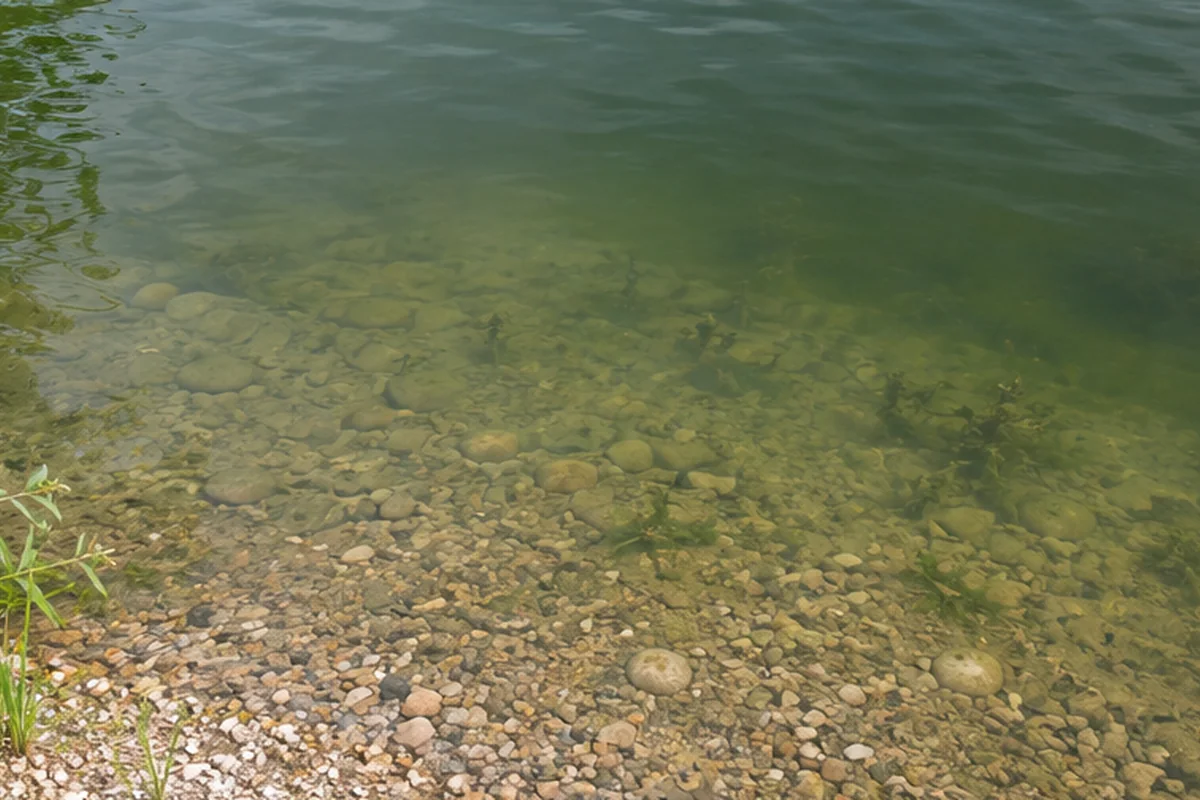
- Use observation or a bare lead, where permitted, to check a small area rather than repeatedly casting over fish. One careful leading cast across the suspected edge can tell you more than several casts all landing on the same side of it.
- Compare the feel of neighbouring casts before calling a hard drop gravel. A firm thump followed by a soft pull and a firm thump followed by tapping on the retrieve are two different bits of information. Note both.
- Inspect retrieved weed, silt or debris and work out where in the retrieve it may have caught. A single strand caught close in on the retrieve does not prove the rig landed in weed at the far end.
- Measure and record range with the same distance-stick spacing and counting convention.
- Move to a clear edge if the only obvious route crosses dense weed or snags. Decide where you would follow a fish with the net before putting any feed beside the weed.
Tie a rig you can check
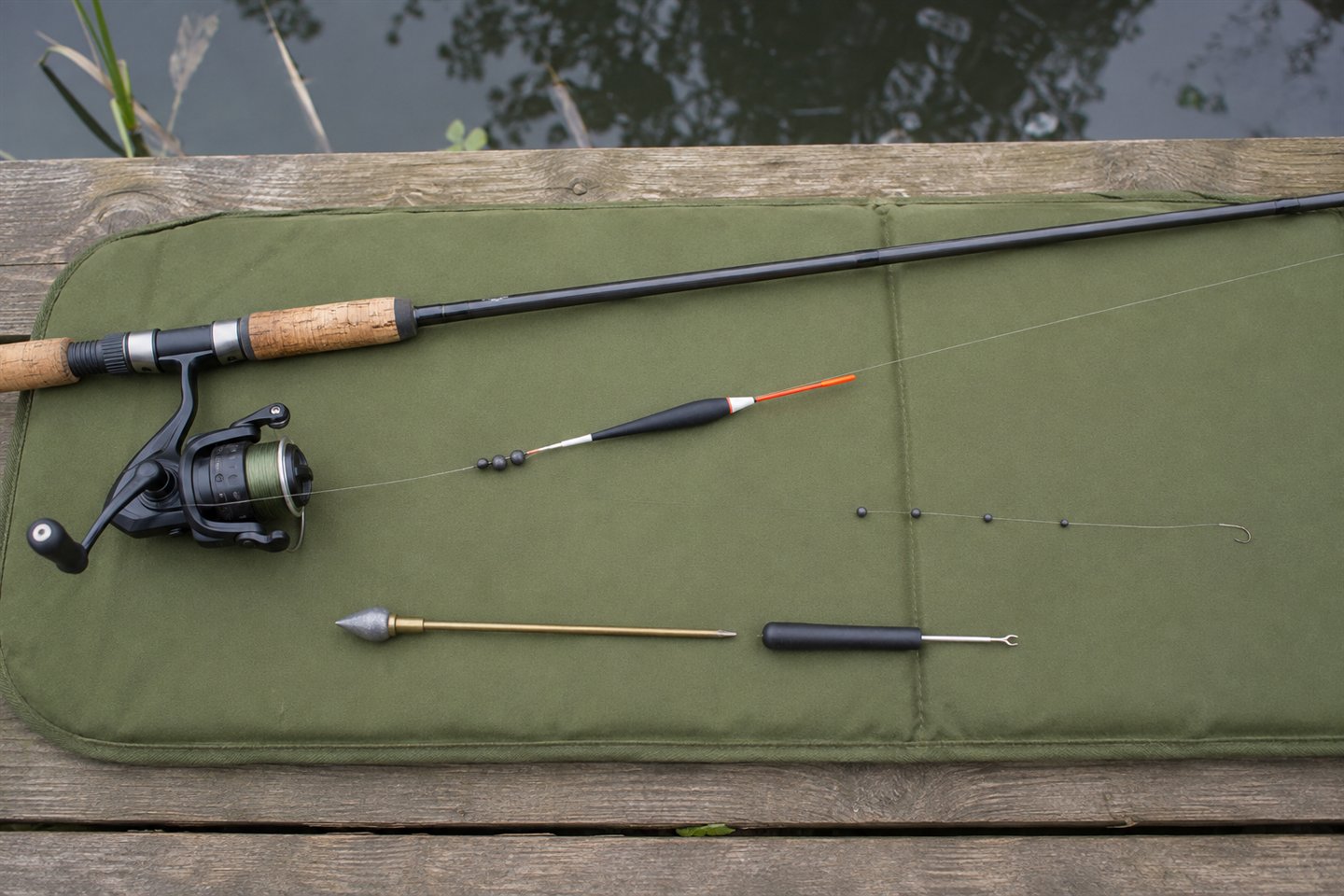
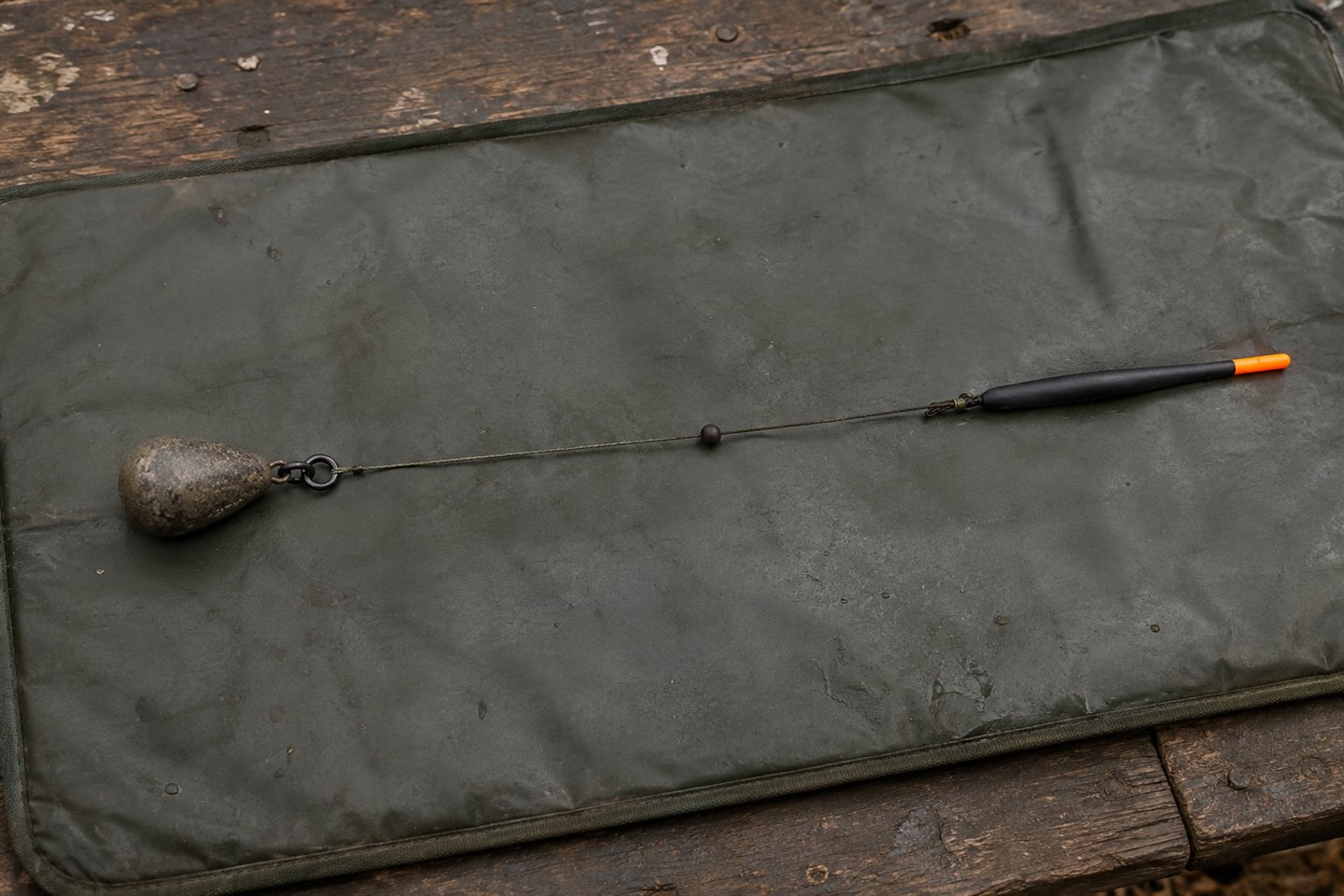
- Use a hook pattern that suits the rig and venue. Look at the point and eye in good light.
- Pull-test knots with a tool such as the Korda Knot Pulla (paid link) and know what a properly seated knot looks like. Look for a tag that has slipped or coils that have ridden over one another. Retie if you cannot see a clean finish.
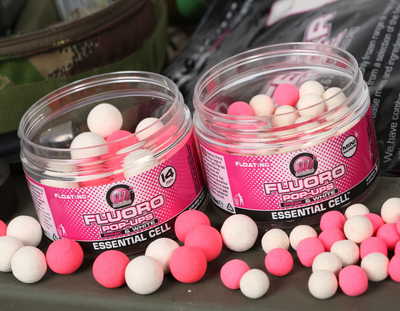
- Mount the actual hookbait to set hair length and leave the point clear. Tip a bottom bait with a grain of permitted imitation corn for a colour change. The extra grain can fill the gap you left beside the hook, so check that gap again.
- Test how the rig settles in water, especially after swapping to a differently weighted bait. Try the freshly mounted bait in a clear tub. A wafter that takes the hook right off the bottom needs a different balance.
- Check the entire lead arrangement for what can release or escape after a line break.
Feed with a purpose
- Start with a small opening feed and keep the rest aside. A handful kept in reserve can go in after the first fish. A bucket already on the bottom is much harder to account for on a quiet day.
- Change one thing about a familiar hookbait at a time. If you want to try a paler colour, use the same size and buoyancy and fish it at the same range. Save a change of size or buoyancy for a separate test.
- Use properly prepared particles according to the supplier’s directions and venue rules.
- Keep damp feed separate from PVA unless the whole parcel passes a water test. Make a test parcel from the batch you intend to cast, especially after adding liquid. Watch what happens to both the PVA and the feed inside.
- Count or measure top-ups. If you can’t account for earlier feed, think before adding more.
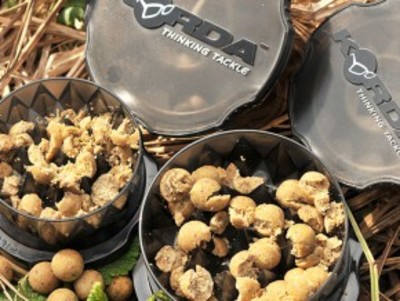
If the spot slopes away, halve a few boilies before feeding them. The flat faces help them settle where a round bait might roll. Crush a couple into crumb to mix through the spod feed, and keep a few whole ones aside for the hair. If bites come just outside the feed, note which side and put the next cast there before topping up the middle again.
Cast and set the rod
- Pick a far-bank feature you can recognise and repeat. Choose something that will still be visible at dusk. A gap in a row of treetops is often easier to pick out than an individual bush.
- Check your full casting load, including bait and the device, against the manufacturer’s guidance. Include the heaviest mix you are likely to use. A bait rocket filled with wet particles weighs more than one loosely filled with dry boilies.
- Keep the casting area clear of other people, branches and overhead lines.
- Feather carefully, account for swing-back and retrieve a cast that misses a safe confirmed patch. If a cast falls on the wrong side of your marker, wind in before settling the line and adding feed. Otherwise you may end up baiting two spots unintentionally.
- Test the drag and indication. Keep each rod close enough to reach and stay with it.
When conditions change
- Check whether the fish are still where you saw them before changing baits. If small fish have appeared on the feed, look just beyond it for signs of carp before assuming the whole area has emptied.
- Consider a permitted zig if carp are consistently above the bottom and you can watch it safely. Record the depth you tried. “Four feet off the bottom in eight feet of water” gives you something repeatable on a return visit.
- Recast a compromised rig or bait. A well-presented one can wait while you watch.
- Reassess the landing route if floating weed moves or the wind changes.
- Stop if you cannot keep the setup safe, if thunder threatens or if the venue calls a welfare pause.
If fish are showing in the quiet margin while the middle has gone still, leave the barrow packed for a few minutes and watch where they turn. A cast along your own bank or a move to an empty swim may achieve more than another bait change. Pick a repeatable landmark so you can return to the first spot if the fish move back.
Land, return and learn
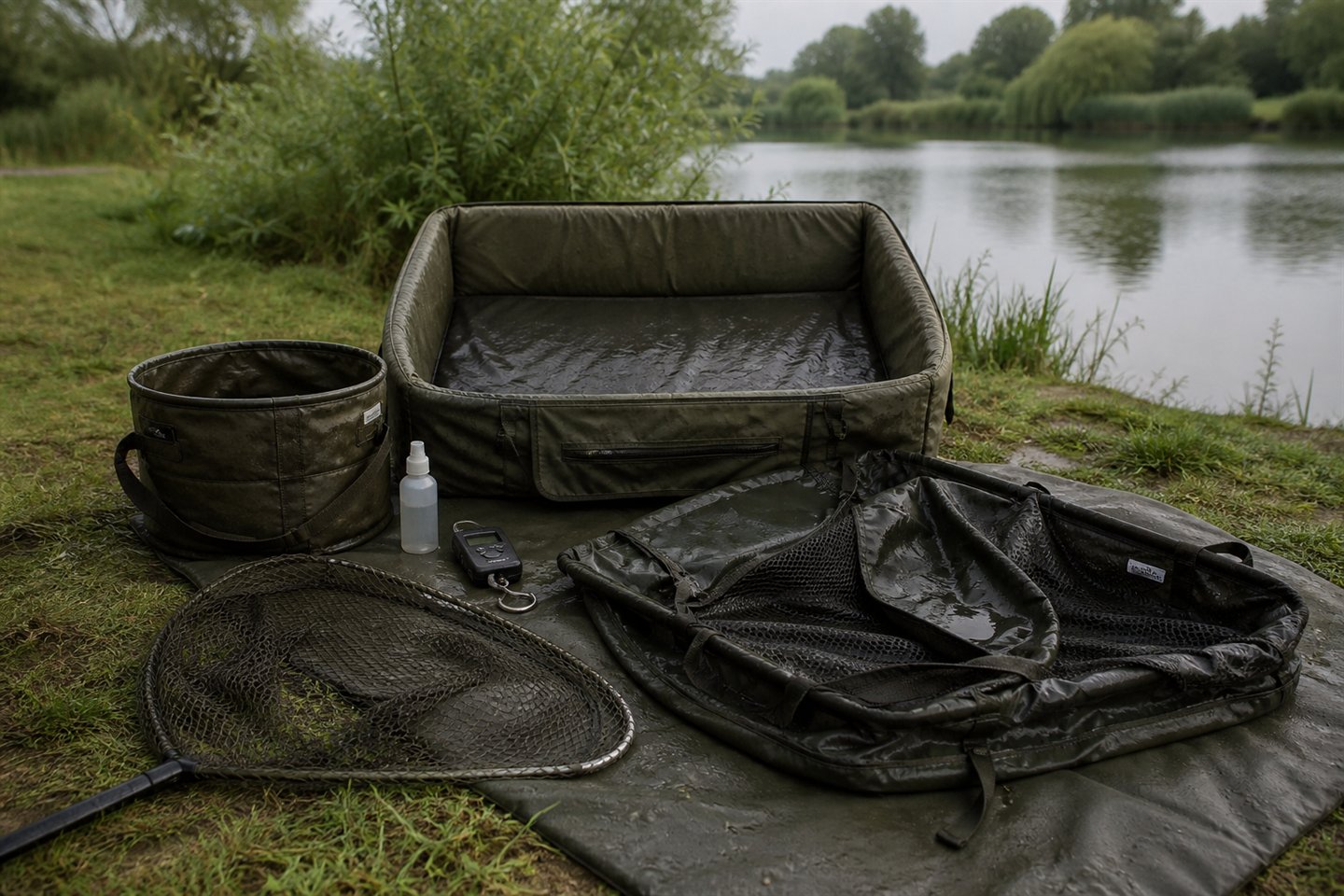
- Set the net, wetted mat and unhooking tools out before the first cast. Open the net fully and take the lid off the bucket. If either is buried under a chair when the first rod goes, it is already too late for a tidy setup.
- Guide the fish into the net in clear water and never lift it by the handle.
- Have scales and camera ready if you use them. Keep the fish low and return it promptly.
- Check the working length of line after a fish or contact with a rough feature. Run line through your fingers after a rough retrieve. If you find a flattened or damaged section, cut back to sound line before tying on again.
- Write down one thing you learnt and clean and dry your kit before moving between waters. Write down where the rig landed, where the fish showed and what you would change on a second visit. A blank trip can still leave you a useful note.