Keep your first spod mix small, simple and easy to measure. Prepare the ingredients properly, put the feed where you intend and keep some back. You can then top up when the fish give you a reason.
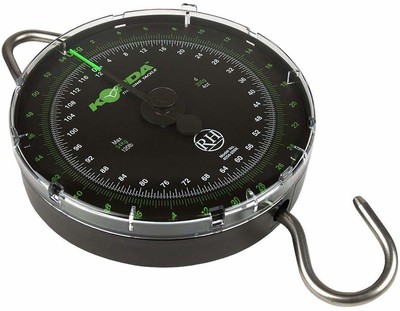
For a simple illustrative batch, measure two level scoops of ready-prepared hemp, one of chopped boilies and one of drained sweetcorn. Use the same scoop throughout and record the batch weight if you want to compare trips. These proportions are a practical mixing example, not a tested formula or a recommendation to feed the whole batch.
The ingredient ideas below come from the original author’s approach. Tuna, pellets and liquids are optional changes: you do not need every ingredient in one bucket, and no mix guarantees that large carp will arrive.
Hemp Seed Self Prepared
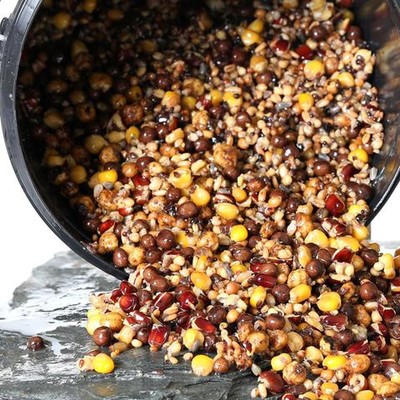
Ready-prepared angling hemp is a convenient start where the venue permits it. Read the label to confirm it is ready for use, and follow the opened-pack storage directions. A bag of dry seed needs preparation before it becomes fishing bait.
If buying dry hemp, choose a suitable clean product with reliable supplier instructions. Consider cooking time, storage and the amount you can use. An unknown or treated seed product is not a saving worth guessing about.
How to prepare hemp
Follow the exact supplier’s soaking and cooking method, including its water allowance and endpoint. Keep enough water in the pan and check the seed as instructed. Do not substitute a fixed extra fifteen minutes or assume the first split seed proves the whole batch is ready.
Cool and store the prepared hemp as directed. Do not apply its method to maize, nuts or mixed seeds: their instructions may differ. If the product cannot be identified or reliable directions are unavailable, use a suitable ready-prepared angling bait.
Whole and Chopped Boilies
The original author liked combining whole boilies, halves and crumb, and used a Korda Krusha to make smaller pieces. Chopping changes the size and number of food items; it does not establish that carp cannot recognise the hookbait.
For the example batch, measure the chopped bait rather than adding uncounted handfuls. Keep firm pieces large enough for your chosen delivery device and avoid sharp fragments in PVA. Choose the mounted hookbait and test its rig separately.

Further reading and product details: Korda Krusha boilie crusher (paid link); list of carp bait companies.
Tin of sweetcorn for colour
Drain a permitted tin of sweetcorn and measure the portion for the batch. Corn adds a soft, visible food item; it does not guarantee attention from every carp. Keep the unused portion according to its storage directions.
The original author also liked topping a boilie with imitation corn. That changes buoyancy, so test the actual bait, hook and mounting together. Do not add wet corn to PVA without an appropriate compatibility and full-release test.
Further reading and product details: Enterprise washed-out pop-up sweetcorn (paid link).
Tin of tuna
Tuna is optional where the fishery permits it. If you choose to try it, use a small measured portion and note which product you used, rather than assuming a whole tin belongs in every mix.
The original author preferred an oil-packed option in summer and brine in winter. Keep that as a personal preference, not a rule about what carp need. An oil slick is not proof of feeding, and either product changes the moisture and storage needs of the batch.
Salt to bring out the flavour
Leave extra salt out of the first batch. There is no required tablespoon dose here, and a comparison with seasoning human food does not explain a useful bait quantity. Follow any relevant product directions and the venue’s rules if testing an additive later.
Liquid Attractor
A liquid attractor is optional. The original author liked a Mainline stick-mix liquid; if using one, follow its label and measure the amount. Do not exceed the directions to compensate for cold water.
A liquid suitable for a Spomb mix is not automatically suitable for PVA. Check the exact product and test the actual mixture when PVA is involved.

Further reading and product details: Mainline Cell Stick Mix Liquid (paid link).
Mixed Pellets
Small pellets can replace part of the example mix if they serve a purpose and are allowed. The original author used Sonubaits Fin Perfect 2mm feed pellets. They are feed, not automatically a durable hookbait.
Pellet size and formulation affect breakdown. Test a sample in relevant water conditions and record the result. Pellets can attract other species too; do not assume every missing mouthful was eaten by a carp or that adding more will solve the problem.
Further reading and product details: Sonubaits Fin Perfect 2mm pellets (paid link).
Chilli Powder
Chilli was another original preference, not an essential ingredient. Leave it out while learning how the base mix behaves. This guide has no tested tablespoon dose or evidence that adding more makes the mix more effective.
If you want to try a prepared additive, check that the fishery allows it and follow the packet’s directions. Measure the change so you can compare it next time. Keep bait and food utensils separate and wash up when you finish.
Optional Ingredients
Only add other particles or nuts when the venue permits them and their preparation and storage are known. A hemp method is not a preparation guide for tiger nuts. Suitable ready-prepared fishing bait is the simpler option when uncertain.
Give each ingredient a job: perhaps a larger food item, a softer texture or a different breakdown. If the mix already does what you need, keep it simple. Check the actual hookbait on its rig, whether you choose one that matches the feed or stands out.
Summary
Record the scoop size, ingredients and finished batch weight. On the bank, measure a modest opening portion and count each loaded Spomb or PVA parcel, including miscasts. Keep the rest covered as a reserve and top up only when the response supports it.
If the swim stays quiet, check fish location, depth and presentation before adding another ingredient. A good mix cannot make an empty or unsafe spot productive. Take leftovers home for appropriate storage or disposal; do not empty the bucket into the lake.