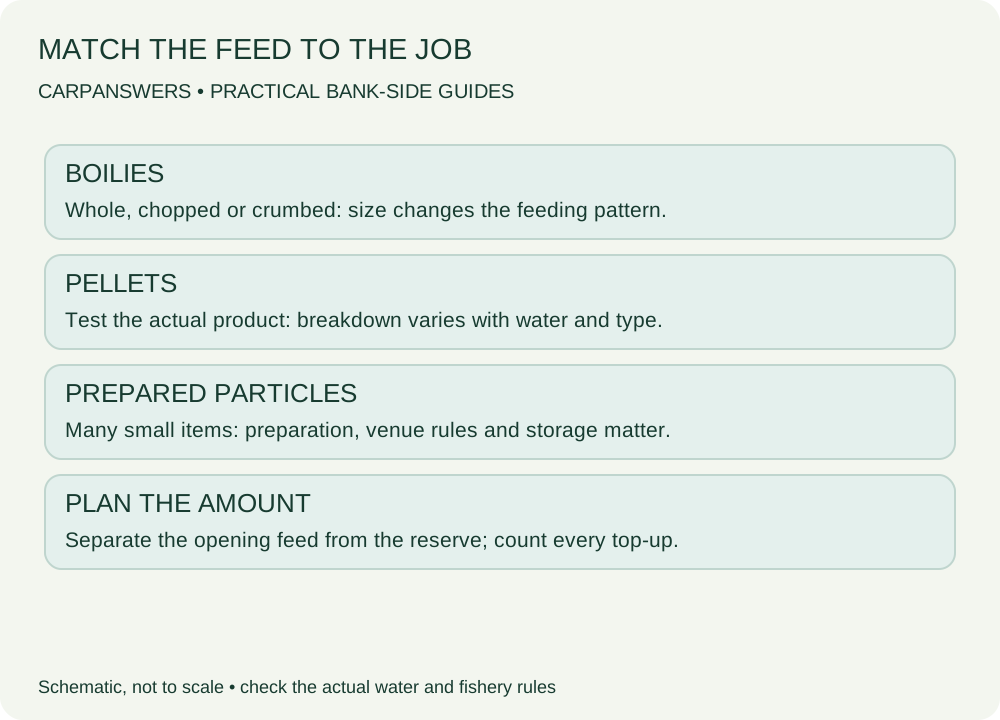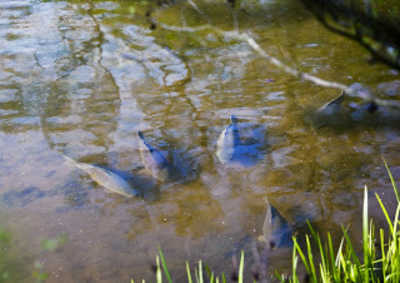
Particle baits give you plenty of choice without needing every ingredient in the shop. Pick a mix for the job and check the fishery rules. Use ready-prepared bait or follow the preparation instructions for the exact dry product—then think about how much the spot needs.
A good particle approach begins with a clear job. Hemp can keep fish grubbing over a compact patch, larger grains add visible food, and a few tiger nuts provide a harder item that can be matched with a hookbait. The mix should suit the carp, nuisance species, lakebed and length of the session rather than contain every ingredient available.
We'll cover choosing particles, preparing them and putting them in the right place. If you're unsure about preparation or don't have the facilities, choose a suitable ready-prepared product. Different particles need different treatment, so use instructions for the exact bait rather than one soaking time for the whole bucket.
Particle baits for carp: what needs preparing before use?
Check the fishery rules before buying or preparing anything. Some venues ban all nuts, restrict particular particles, set bait limits or allow only commercially prepared products. If a rule is unclear, ask the fishery directly. A bag described as suitable for animal feed is not automatically ready or permitted for carp fishing.
For the simplest reliable start, use a sealed ready-prepared hemp or mixed particle product from a recognised angling supplier. Introduce a small measured amount to an accurately located area, present a hookbait that remains easy to find, and add more only when carp are feeding or bites justify it.
If using dry particles, follow the exact written preparation and storage instructions supplied for that product. Different seeds, nuts and pulses need different treatment, and old internet timings cannot safely cover every size, batch or blend. Don't use a dry ingredient when its identity, condition or preparation requirements are uncertain.
What counts as a particle bait?
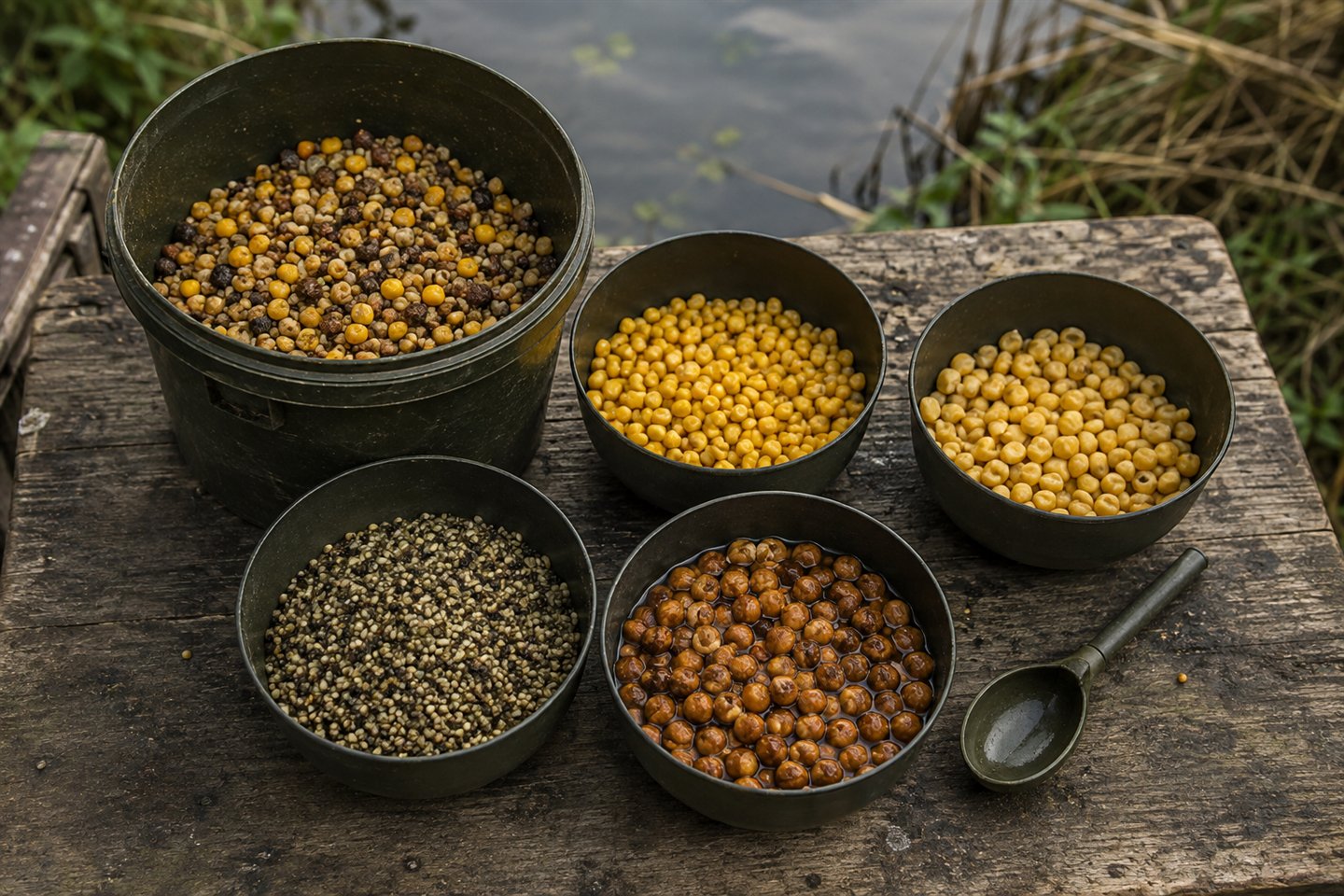
In carp fishing, particle bait usually means small seeds, grains, nuts and pulses used loose or in a mixture. Common examples include hempseed, maize, sweetcorn, tiger nuts, maples and chickpeas. Pellets and crushed boilies often join a particle mix, although they are manufactured baits rather than particles in the strict sense.
The category matters less than the behaviour of each ingredient. Tiny hemp spreads thousands of small food signals and encourages methodical searching. Maize adds colour and a larger mouthful. Tiger nuts are firm, energy-dense and resistant to many small fish. Pulses can add size and texture but require product-specific preparation.
Rules come before recipes
Read the current venue rules for every trip, even when the bait was allowed on a previous visit. Fishery policies change with stock, water quality, wildlife pressure and past misuse. The rule displayed at the lake or issued with the ticket takes priority over a recipe found in an article or video.
Nut restrictions deserve particular attention. A water may prohibit tiger nuts and peanuts, cap their inclusion, or require a branded ready-prepared product. Don't assume that a small amount is exempt. Where all particles are banned, use an allowed alternative such as boilies or pellets and keep the unopened particles away from the swim.
National and regional angling rules also apply alongside fishery policy. England's freshwater rod-fishing guidance tells anglers to check local byelaws and the owner's rules, while Natural Resources Wales publishes separate bait restrictions for relevant Welsh waters. Check the rules for the place being fished rather than transferring advice from another region.
Ready prepared or dry particles for carp fishing?
Ready-prepared particles are the sensible option for many anglers. The manufacturer has cooked and packaged the bait for angling use, the liquid can often be retained, and there's no need to manage large hot containers at home. They are especially convenient for short sessions and occasional particle users.
Dry ingredients can be economical for regular baiting and allow precise single-seed mixes, but they transfer responsibility to the angler. Correct identification, fresh stock, soaking, cooking, cooling, hygiene and storage all matter. Savings disappear if a batch is spoiled or more is prepared than the lake can responsibly receive.
The ready-prepared hemp and particle mix (paid link) is one current ready-prepared option. Check its pack size, seller, label and delivery condition before use; a product listing is not proof that the bait meets a fishery's rules.
How to prepare particle bait safely for carp
Dry seeds, nuts and pulses change as they absorb water and cook. Preparation makes an ingredient usable in the form intended by its supplier; it is not merely a way to create an attractive smell. Under-prepared bait can remain hard or continue swelling, while badly stored cooked bait can spoil.
There's no responsible universal instruction such as “soak everything overnight and boil for half an hour”. Hemp, maize, tiger nuts and pulses differ, and suppliers may specify different processes for their own grades. Mixed dry particles are particularly difficult because the largest and hardest ingredient may need treatment that doesn't suit the smallest seed.
Use the supplier's complete directions exactly, including minimum soak, cooking and standing stages where stated. Start with clean equipment and potable water, allow space for expansion, and supervise heating. If the instructions are missing, vague or intended for a different use, choose a ready-prepared angling product instead of guessing.
Cool cooked bait safely and store it in clean, covered food-grade containers. Label the container with the ingredient and preparation date. Never seal a large quantity while dangerously hot, and don't carry an unsecured container of hot liquid to the lake. Domestic hygiene and fire safety matter as much as the fishing result.
Hempseed: the fine-food foundation
Prepared hempseed is a classic carp particle because its small dark grains spread through silt, gravel and short weed. Carp must search and sort for individual seeds, which can keep them occupied in a compact area. Oil and preparation liquid add a food signal without each item providing a large meal.
Hemp is useful as a base rather than an entire strategy. A swim containing only tiny seeds can make it harder for a hookbait to stand out and may encourage fish to become preoccupied with the smallest items. Add a controlled proportion of maize, pellets or chopped boilie when a larger food cue is needed.
On soft silt, hemp settles naturally into the surface and can expose feeding through pinprick bubbles and coloured water. On deep weed, much of it can disappear beyond effective reach. Locate a presentable opening, edge or low-growth patch before applying a significant quantity.
Maize and sweetcorn
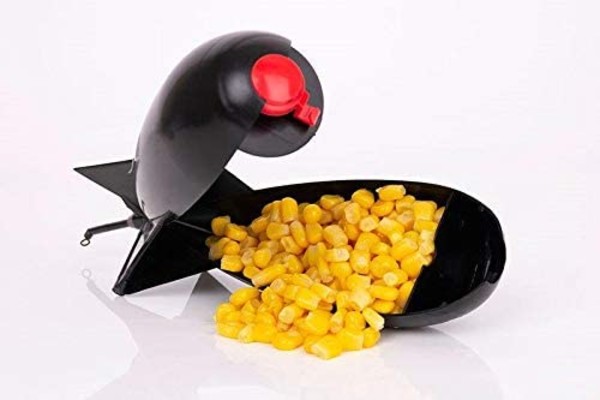
Maize gives a particle mix size, firmness and a strong yellow visual cue. Dry maize is not the same as ready-to-use tinned sweetcorn and must be prepared to its supplier's directions. Ready-prepared maize is an easier choice when there is any doubt about the dry product or the available cooking setup.
Sweetcorn is convenient and instantly recognisable, but its softness makes it attractive to bream, tench and small fish. It can be valuable in a mixed-species water when that activity draws carp, or unhelpful when the hookbait is constantly disturbed. Let the nuisance-fish response decide its proportion.
A few grains placed close to the rig create a compact visual target; a large bright carpet changes the whole swim. In clear shallow water, check how conspicuous the bait looks and whether birdlife can reach it. Avoid throwing corn into margins occupied by ducks, geese or swans.
Tiger nuts
Tiger nuts are tubers rather than true nuts, but most fisheries group them with nut baits. Their firm texture and distinctive sweetness can make them useful where small fish rapidly consume softer food. The same firmness means preparation and venue limits must be taken seriously.
Use only a correctly prepared product and obey any cap on quantity. A small tiger-nut component can provide hookbait-sized food among hemp and maize; there is rarely a reason to make an unrestricted bed of nuts. Cutting a few prepared tigers exposes the pale interior and varies the size without multiplying the total bait.
For anglers who don't routinely prepare nuts, ready-prepared tiger nuts for carp fishing (paid link) reduce uncertainty. Confirm that the selected listing is an angling product, inspect the label and check the fishery permits it before opening the pack.
Pulses and less common particles
Maple peas, chickpeas and other pulses can add larger, softer items to a blend, but novelty is not a quality in itself. Use an ingredient only when its identity, preparation method and purpose are clear. A simple mix of two or three known particles is easier to prepare, apply and evaluate.
Avoid anonymous sacks and decorative seed blends. Coatings, salt levels, additives or unfamiliar components may not be suitable for the intended use, and the different ingredients can require incompatible preparation. Buying from an established angling supplier provides clearer instructions and traceability.
How to build a useful particle mix
Begin with the feeding behaviour required. For a tight silty spot, prepared hemp with a smaller amount of maize and chopped boilie creates fine searching plus a few larger rewards. For accurate open-water baiting, a freer-flowing mix with less sticky meal can leave the spod or Spomb cleanly.
Keep the ingredient count low enough to understand what happened. If a five-part mix produces a bite, it is difficult to know whether one element helped or was unnecessary. A base particle, a larger visual item and a hookbait-related food are normally enough to run a meaningful test.
Match the loose feed to the presentation. A bottom bait or balanced maize imitation can sit naturally over a particle mix. A very buoyant, oversized pop-up may still catch, but it creates a different visual proposition. The guide to pop-ups, wafters and bottom baits explains how buoyancy changes the way a bait settles.
Liquid should serve a purpose rather than turn the bucket into soup. Retained particle liquor, a compatible liquid food or lake water can help combine the mix, but excess free water makes accurate delivery messy and prevents ordinary PVA from working. Test the finished consistency before the session.
Prepared commercial blends are convenient when the ingredients and directions are clearly labelled. The ready-prepared hemp and particle mix (paid link) is one current ready-prepared option. Check its actual contents and pack size rather than choosing by the largest ingredient list.
How much particle bait should you use?
There's no fixed number of kilos for particle fishing. Stock density, carp size, natural food, water temperature, nuisance fish, birdlife, angling pressure and session time all alter what the lake can use. Start from the smallest amount capable of testing the idea and build only on evidence.
On a short session, a few small Spombs or a compact margin introduction may be sufficient. The aim is to create an opportunity while the rods are fishing, not to establish a week-long campaign in an afternoon. The broader guide to carp bait quantity offers a framework for adjusting by response.
Top up because carp have eaten bait or activity indicates a developing feed, not because the spod rod is already assembled. A bite, repeated liners, persistent bubbling or several shows over the spot can support another small introduction. Silence after an uncertain start normally calls for observation before more bait.
Accurate application
Particles work best when delivered to the part of the lake the carp can safely feed over. Map the spot, clip or mark the correct distance and choose a fixed horizon point. Accuracy prevents the fine bait spreading across an area larger than the rig can cover.
A Spomb or spod is the normal choice for controlled quantities at range. Load it consistently, cast within safe tackle limits and count the deliveries. The carp spodding guide covers setup, rhythm and accuracy in more detail. Rest the swim when repeated casting is moving fish away.
Hookbaits over particles
The hookbait needs to remain intact and easy for the carp to take. Prepared maize or tiger nut can be hair-rigged where permitted, while a boilie, wafter or imitation grain avoids frequent replacement. Artificial baits must be allowed by the venue and are most convincing when balanced and positioned among real food.
A small contrasting hookbait can help the rig stand out, but contrast is not compulsory. On pressured clear water, a matching bottom bait may look less intrusive. Test buoyancy in lake water and ensure the hook settles in a position that can turn and take hold.
Fine particle feeding can make carp move slowly with their mouths close to the bottom. Use a sharp hook, a hooklink that follows the lakebed and a lead arrangement that is safe in weed or debris. The rig must be selected for the substrate; no particle mix can repair a hook buried in silt or masked by weed.
Particle bait and PVA
Ordinary PVA dissolves when it contacts water, so a wet particle mix cannot simply be loaded into a bag. Draining removes free liquid but may not make the bait completely PVA-friendly. Test a small bag in a bowl of lake-temperature water before casting, including the time it takes to break down.
An easier option is to use dry pellets, crumb and crushed boilie in the PVA bag while placing wet particles separately around it. This protects the presentation and preserves the attraction of the broader bed. The complete solid PVA bag guide explains loading, testing and casting the parcel.
Using particles through the seasons
In spring, small quantities can test shallow water and emerging natural-food areas as temperatures rise. Avoid treating one mild afternoon as proof that sustained heavy feeding has begun. Watch the fish and increase only when repeated activity supports it.
Summer allows active carp and longer feeding periods, but warm water also increases the need for fresh bait, careful storage and sensible fish care. Fine particles may attract bream and tench quickly. Where birdlife is active, favour submerged application and never encourage feeding close to people or platforms.
Autumn doesn't automatically demand a huge particle bed. Cooling rate, stock and natural food matter more than the month. A measured hemp-and-maize mix can support a known feeding window, but adding kilos in anticipation of a mythical feed-up can leave the swim overbaited after a cold change.
In winter, particles can still work, particularly on waters where carp recognise them, but small precise amounts are easier to justify. A compact spoonful in a margin or a few mouthfuls around a single hookbait can test the response. The best winter quantity is often discovered by restraint.
Nuisance fish, crayfish and birdlife
Bream, tench and small fish may clear soft corn and pulses before carp arrive. This is not always harmful, because feeding activity can attract attention, but repeated unwanted captures call for a change. Reduce the soft fraction, use fewer small items or select a more durable allowed hookbait.
Crayfish can move bait and damage hookbaits. England's rules prohibit using crayfish as bait, and local controls can differ, so consult the official guidance and fishery. Don't attempt to trap, move or release non-native crayfish as a casual solution. Protect the hookbait with an allowed durable presentation and check it regularly.
Ducks, geese and swans can see bright particles in shallow margins. Stop baiting when birds are working the area and never cast towards them. Keep bait sealed, remove spillages from the bank and reel in if a bird is at risk of contacting the line.
Storage, freezing and bait hygiene
Follow the manufacturer's storage directions before and after opening. Shelf-stable unopened particles and freshly prepared unpreserved bait have very different lives. Keep containers out of direct sun, use clean scoops and avoid returning bait handled on the bank to the main supply.
Freshly prepared particles are often portioned and frozen once fully cooled, where supplier directions allow. Label each portion with the contents and date, thaw only what is needed and don't rely on repeated thawing and refreezing. A freezer preserves a sound batch; it doesn't rescue bait that had already begun to spoil.
Fermentation is sometimes discussed as though any bubbling or sour smell improves particles. Controlled products and accidental spoilage are not the same. Unless following a reputable, specific process, discard bait that is mouldy, contaminated, unexpectedly swollen, discoloured or of uncertain age.
Take unused bait home when it can be stored safely. Don't empty it into the lake at pack-up, tip it behind the swim or feed wildlife. Preparing smaller labelled portions makes responsible disposal less likely and keeps the next session's quantity under control.
Common particle-bait mistakes
The most serious mistake is improvising the preparation of dry ingredients. Others include ignoring a nut ban, using a mix with unknown components, applying more because it was inexpensive, and leaving cooked bait warm in a vehicle. Each problem is avoided by planning before the session.
Fishing error often begins with bait before location. A perfectly prepared mix on an empty area is still misplaced food. Find carp, choose a lakebed the rig can present over, apply a measured amount and watch the response. The watercraft guide should come before any bucket recipe.
Make a preparation card for the exact product
Before opening a dry bag, write down its full name, ingredient list, supplier instructions, preparation date and storage requirements. Keep the packaging until the batch is used. “Mixed seed from last month” is not enough information to repeat the preparation safely.
For a concrete example, CC Moore's Particle Mix instructions specify covering that named mix in boiling water, soaking for at least six hours, then boiling for fifteen minutes or until all particles are soft and squeezable. Check the current packet and supplier directions before use. Those instructions belong to that product, not to whole maize, hemp, tiger nuts or a homemade mixture.
If a bag contains a different grade or larger ingredients, stop and obtain its own instructions. Do not assume extra soaking compensates for an omitted cooking stage. When time or reliable instructions are missing, a permitted ready-prepared product is the simpler choice.
| What you have | What to establish |
|---|---|
| Dry single ingredient | Its supplier's complete soaking, cooking and storage directions |
| Dry mixed particles | Instructions for that exact mixture, not one ingredient in it |
| Ready-prepared sealed bait | Ready-to-use status, ingredients, expiry and storage after opening |
| Unlabelled or uncertain batch | Do not feed it; replace it with a known suitable product |
Plan the portion with the Bait Quantity Calculator and label what goes into the Session Planner. Compare the role of particles with boilies and pellets before preparing a large mixed bucket simply out of habit.
Frequently asked questions
Do particles need to be soaked and boiled?
Many dry particles require product-specific soaking and cooking, but there's no single safe timetable for all ingredients. Follow the supplier's complete directions. If correct instructions are unavailable, use a sealed ready-prepared angling product instead.
What is the best particle bait for carp?
Prepared hemp is a versatile fine base, maize adds a larger visible grain, and correctly prepared tiger nuts can provide a firm hookbait-sized item where allowed. The best choice is the smallest simple combination that suits the venue and feeding situation.
Can you use too much particle bait?
Yes. Small particles are easy to introduce in very large numbers, and low cost doesn't prevent overfeeding. Measure the amount, begin conservatively and top up after evidence of feeding rather than emptying the prepared container.
Can I use wet particles in PVA bags?
Not directly in ordinary water-soluble PVA. Use a tested manufacturer-recommended treatment, choose a specifically compatible product, or keep the wet particles outside the bag and fill the PVA with dry pellets, crumb or boilie.
Final thoughts
Particle baits for carp are most effective when every ingredient has a purpose and every quantity is accountable. Confirm the rules, choose recognised products, prepare dry bait exactly as directed and keep the final mix simple enough to understand. Good location and presentation remain more important than volume.
Start with a small amount and watch what happens. Are the carp feeding, are smaller fish getting there first, or is the spot quiet? Adjust one thing at a time and keep unused bait in good condition. Particles are useful because of how you feed them, not because you can make a very large bucket cheaply.
Sources and further reading
- Korda: guide to carp bait categories, particles and preparation
- Parker Baits: prepared hemp and maize product information
- Dynamite Baits: manufacturer method for making particles PVA-friendly
- GOV.UK: freshwater rod-fishing rules for England
- Natural Resources Wales: regional rules for using lures and baits