Pop-ups, wafters or bottom baits? Each has a job, so start with your rig and the lakebed. We'll explain how they differ and test the finished baited rig in water. What it actually does matters more than the name on the tub.
Those are starting points rather than fixed rules. A wafter that sinks under a size 4 hook may float with a size 8. A pop-up can lose buoyancy after hours in water, and a dense bottom bait can bury in soft silt. Test the exact bait, hook and rig in lake water, then judge how it settles on the ground you're actually fishing.
Pop-ups vs wafters vs bottom baits: which suits the spot?
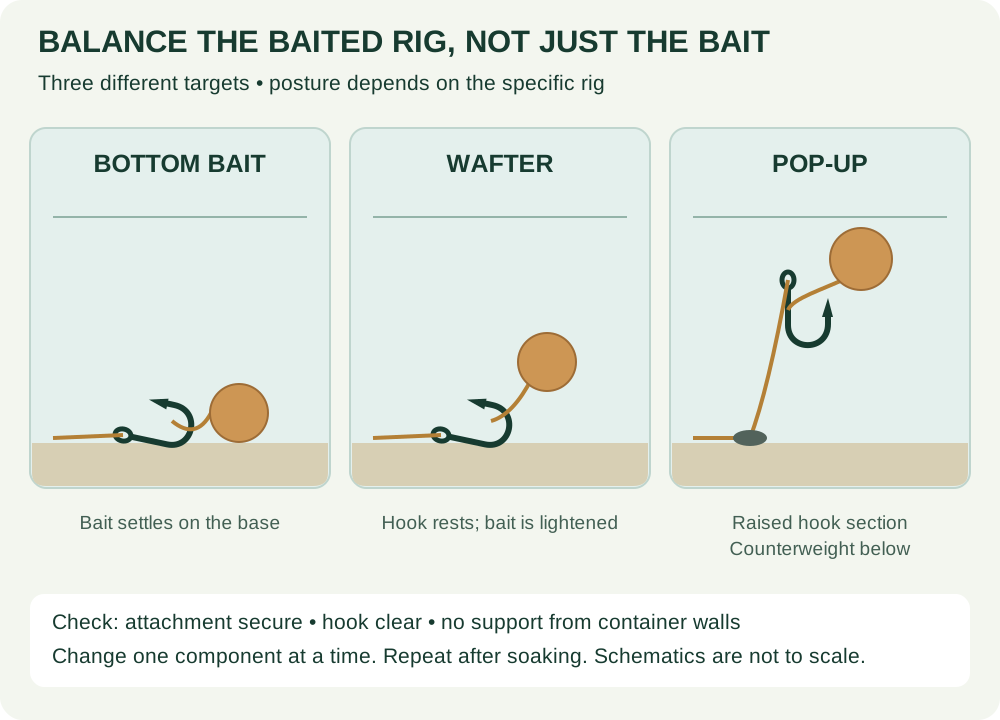
A bottom bait is intended to sink under its own weight and rest on the lakebed. A wafter contains enough buoyant material to reduce its effective weight but is normally sunk by the hook and other rig components. A pop-up remains buoyant enough to lift the hook section until a separate counterweight or the rig's design stops it at a controlled height.
The words describe behaviour, not quality. None is inherently more attractive or more advanced. A plain boilie straight from the bag can be the best hookbait when carp are confidently eating the same loose feed. A bright pop-up can help a single bait stand out. A wafter can create a subtle match-the-hatch presentation that moves easily when a carp feeds.
Start by asking three questions. Is the hook point likely to be clear on the bottom? How should the chosen rig sit and reset after being disturbed? Should the hookbait copy the loose feed or provide a distinct target? The answer normally narrows the choice before flavour, colour or brand enters the decision.
What is a bottom bait?
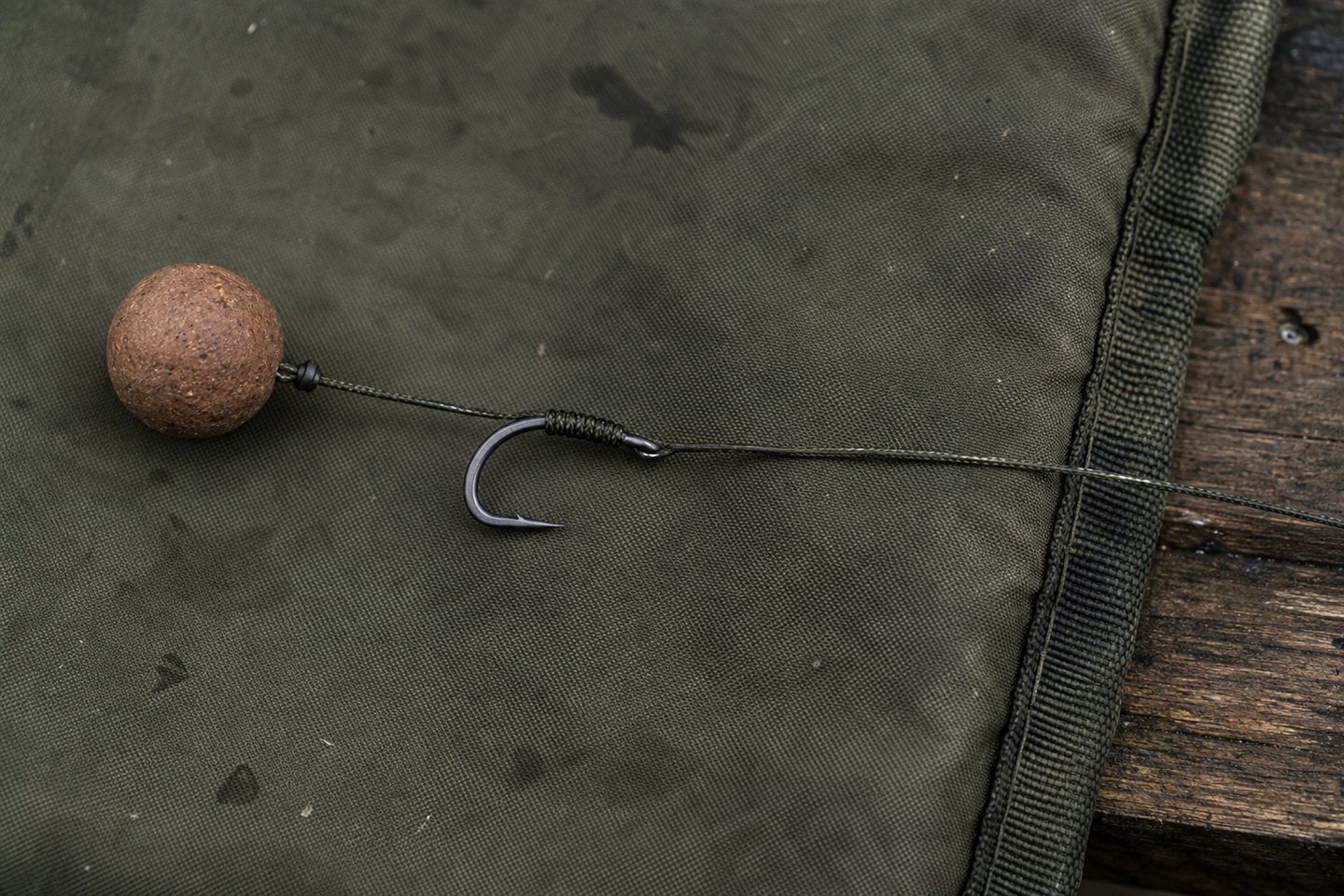
A bottom bait is a sinking boilie, pellet, particle or other suitable hookbait. With a conventional hair rig, the hook and bait lie on the lakebed while the bait sits a controlled distance from the bend. The bait's own weight helps it return to the deck after movement.
Its greatest advantage is familiarity. When you introduce whole boilies, a matching bottom bait has similar colour, smell and density. Carp feeding across a spread encounter the hookbait as another item rather than a conspicuous object raised above them. On pressured waters, that ordinary behaviour can be more useful than maximum visibility.
The drawback is that a dense bait follows the contours of the bottom. It can settle into deep silt, leaves or dying weed, and the hair may pull the hook point into debris. Bottom baits therefore suit clean gravel, clay, sand, firm silt and carefully prepared PVA presentations better than an unknown layer of soft material.
How should a wafter rig sit in water?
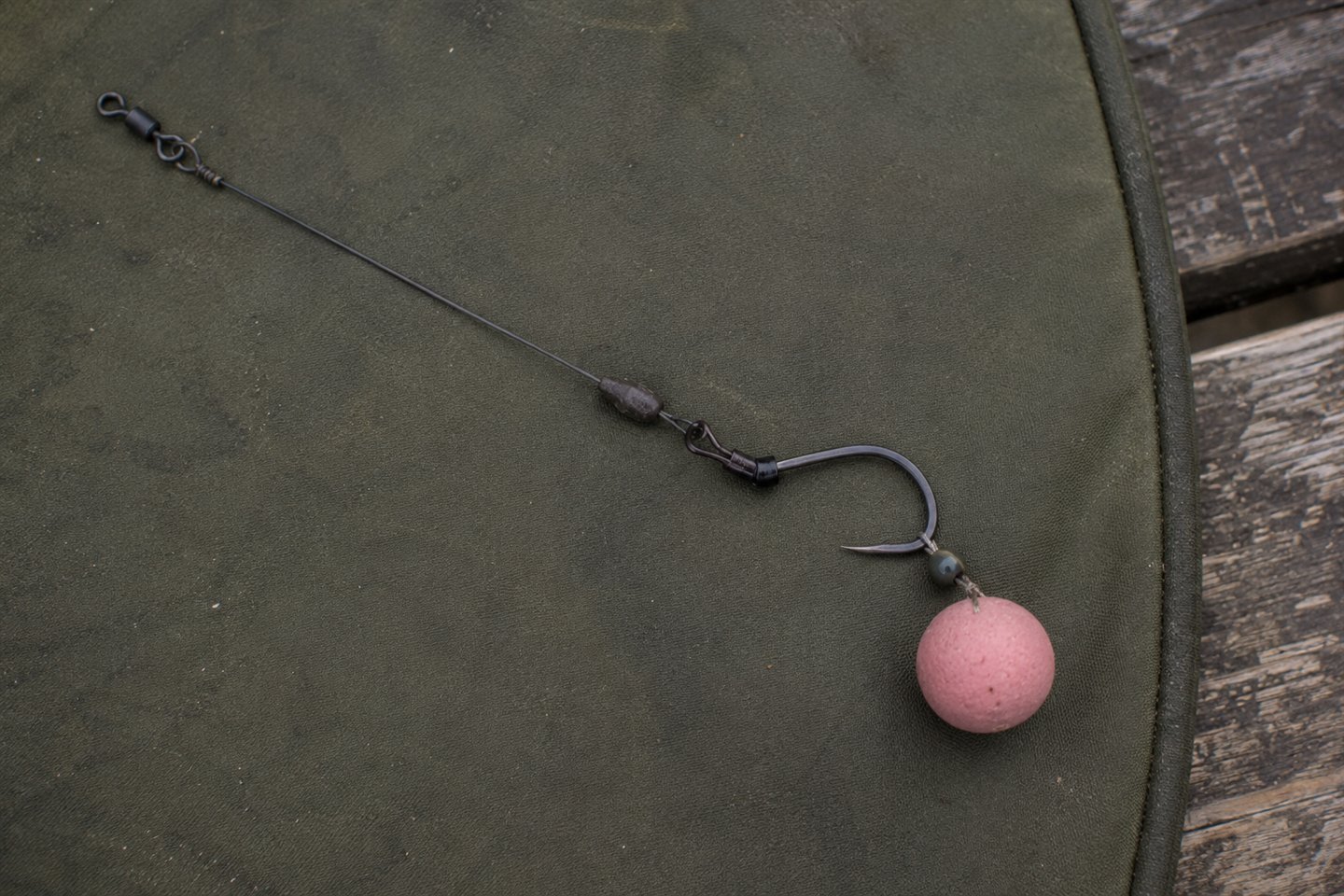
A wafter is a partly buoyant hookbait designed to sink under the combined weight of the hook and rig. Once balanced, it may sit just above the hook or lightly touch the lakebed while the hook remains down. The result is easier to move than a dense bottom bait but less elevated than a conventional pop-up.
“Critically balanced” is often used for this behaviour, although commercial wafters are not automatically balanced to every hook. Hook pattern, size, bait screw, swivel, floss and absorbed water all alter the result. Treat the label on the pot as an invitation to test, not a guarantee.
Wafters are versatile on clean and moderately soft bottoms. They can work with knotless-knot hair rigs, D-rigs, German-style rigs, combi rigs and some spinner arrangements, provided the mechanics suit a bait that sinks slowly. Their movement can help a bait enter a feeding carp's mouth, but excessive buoyancy can also make it behave unlike every free offering around it.
What is a pop-up?
A pop-up is made to float for a useful period and is restrained by a counterweight or a purpose-designed rig. It can hold the hook above light debris, create a visible single-hookbait presentation and give the hook section room to rotate. The height may be very low on a spinner rig or several centimetres on a hinged stiff or chod presentation.
Buoyancy is the defining property. A pop-up that cannot support the intended rig after soaking is no longer doing its job. Conversely, a highly buoyant bait can require so much putty or shot that the presentation becomes clumsy. Match bait diameter and buoyancy to the hook rather than always selecting the largest pop-up in the range.
A pop-up doesn't magically make an unsafe or tangled rig present. Its counterweight must remain attached, the boom must settle, and the lead system must behave safely after a break. Over dense weed or branches, raising the bait by two centimetres cannot clear the hazard; choose a safer spot.
A starting choice, then a water test
| What you have found | Option worth testing | Check before fishing |
|---|---|---|
| Clean, firm spot with bottom feed | Bottom bait or correctly balanced wafter | Hook point clear; bait does not lift the rig unexpectedly |
| Light debris on a safe spot | An appropriate pop-up presentation | Correct counterweight, height and unobstructed movement |
| Soft silt | A rig and hookbait tested for the actual presentation | Lead penetration and hooklink position, not buoyancy alone |
| Dense weed or unsafe snags | Another spot | No hookbait type makes the landing route safe |
Use the Carp Rig Selector to narrow the options, then the illustrated hookbait mounting and balancing guide for the practical test. Repeat that test after changing hook, mounting, bait size or soaking time.
Once the presentation works, use the Bait Quantity Calculator and baiting guide to plan loose feed. Choosing a buoyant hookbait does not decide how much food the swim needs.
Choose by lakebed first
Clean gravel, clay and sand
All three hookbait types can work on genuinely clean firm ground. A bottom bait is the simplest match for whole boilies. A wafter reduces the weight a carp feels and keeps the hook down. A pop-up creates separation and visibility, particularly as a single or over small food items.
Because presentation is relatively easy, let feeding style decide. If carp are confidently clearing a spread of matching boilies, there is little reason to avoid a bottom bait. If activity is cautious and short, a small bright pop-up may produce a quicker investigation. Neither is a certainty, so record results rather than turning one session into a rule.
Firm and shallow silt
A bottom bait can sit perfectly on fresh firm silt, especially with a slightly longer or more supple hooklink. A wafter settles more lightly and may be a useful middle option. A low pop-up can keep the point just above fine material without making the bait unusually high.
Use the carp fishing in silt guide to assess depth, smell and debris. The correct response to clean silt is not automatically a chod rig. Let the lead, retrieved material and margin tests show how much elevation is actually needed.
Soft silt, leaves and low weed
A tested pop-up rig has an advantage where a bottom bait would disappear or the point would collect light debris. A helicopter or another suitable lead arrangement can allow the hook section to settle above the lead's penetration. Set every bead and release component exactly as its manufacturer instructs.
Wafters can work over a soft upper layer when delivered in a small PVA parcel or on a longer supple link. They still sink, so they are not a substitute for a pop-up when the rig needs definite clearance. Dense weed, twigs and roots are a different matter: no hookbait choice makes an unlandable spot responsible.
Match the hookbait to the loose feed
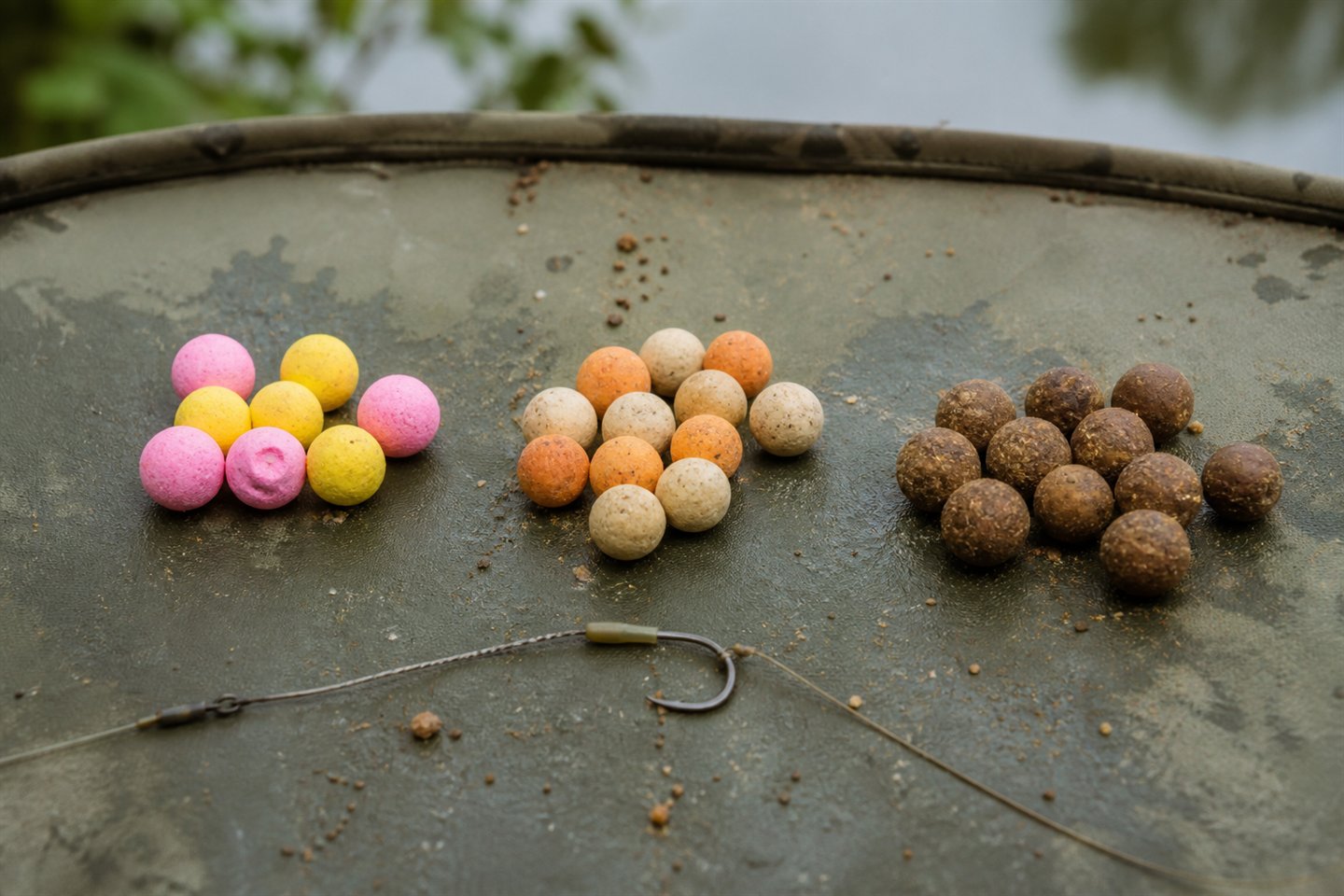
When baiting with whole boilies, a hookbait from the same bag offers the closest match. A matching wafter keeps the visual and flavour profile while changing density. A matching pop-up remains more distinct because it is elevated, even when its colour is identical.
Over particles, pellets or crumb, one boilie already differs from most food items. A bright pop-up can act as a clear focal point, while a small washed-out wafter may sit among the mix more subtly. In a solid PVA bag, a short balanced bait can help the hookbait settle above the compressed food without standing far away from it.
Loose feed should influence movement as well as appearance. A high pop-up above a spread of bottom baits asks a carp to feed differently for the hookbait. That can trigger curiosity or suspicion. A bottom bait or balanced bait asks it to repeat the action already being used. Choose deliberately rather than assuming “stand out” always means “get picked up first”.
Match the hookbait to the rig
A basic knotless-knot hair rig is naturally suited to bottom baits and wafters. The bait needs enough separation from the hook bend for the gape and point to remain clear. The hair-rig tutorial shows how to set that gap around the actual bait.
A Ronnie or spinner rig is most often used with a pop-up or suitably balanced wafter. Its hook rotates on a dedicated swivel, while a bead keeps the hook-ring swivel in the intended place. Hookbait buoyancy and counterweight determine whether the section sits low and resets. Follow the complete Ronnie-rig guide rather than attaching a floating bait to an untested boom.
Chod and hinged stiff rigs rely on a buoyant pop-up. If that bait stops floating, the curved hook section may collapse in a way it was not designed to fish. Test pop-ups for the intended soak time and inspect them after nuisance fish activity. A bottom bait is not a direct replacement on those presentations.
Blowback, D-rig and combi presentations can accommodate several bait types, but their mechanics change with buoyancy. A wafter may lift part of the hook, a bottom bait may pin the assembly flat, and a pop-up needs a counterweight. Recheck the hook's angle, the bait's movement and the rig's ability to reset after every change.
How to test hookbait buoyancy properly
Build the entire rig with the exact hook, screw or hair, stop, swivel, kicker and putty that will be cast. Fill a bucket or clear container with lake water where rules allow, or use clean water at home for an initial test. Lower the rig rather than arranging it neatly on the bottom.
A bottom bait should sink positively without masking the hook. A wafter should descend under the hook's weight and stop in the intended position; if the hook lifts, it is acting like a pop-up. A pop-up should raise the hook section and then be held by the counterweight at the planned height.
Watch the rig after disturbing the water. Carp feeding, undertow and small fish can move it. The hookbait should return to a useful position instead of wrapping around the hook or leaving the point trapped underneath. Test on a tray containing sand, silt or light debris if that helps reproduce the broad bottom type.
Soak a spare bait for the expected fishing period. Ingredients take on water and buoyancy can reduce, while cork-rich baits may remain high for longer. Recheck when changing batch, flavour, size or storage age. Two hookbaits from different pots with the same diameter can behave very differently.
Hook size, bait size and hair length
A large bait beside a small hook can mask the gape; a tiny bait on a large heavy hook may lose the balanced behaviour you wanted. There's no universal diameter-to-hook chart because patterns have different wire gauges and gape. Assemble the real combination and view it from both sides.
For a conventional hair, begin with a clear gap between the bait and hook bend, then test how it turns and settles. A snowman made from a bottom bait and small pop-up is longer than either component alone, so it usually needs a different hair length. The same applies to paired particles.
Bait screws and micro swivels change the weight carried by a wafter. Floss can allow a bait to sit closer to the swivel than a screw. Those details are small on the bank but important when the bait is close to neutral buoyancy. Don't trim or drill a hookbait while it remains attached to an exposed hook.
Colour, flavour and attraction
Visibility depends on water clarity, depth, light and the background. Pink, white and yellow hookbaits are commonly used as obvious singles, but a pale bait over pale clay may be less distinct than it appears in the hand. Dark or match-the-hatch baits can be deliberately inconspicuous on pressured waters.
Flavour labels don't tell you how quickly compounds disperse or whether carp will prefer them. Freshness, solubility and the fish's previous experience all contribute. Highly boosted hookbaits can draw attention in cold or coloured water, yet excessive liquid may soften the skin or make a bait unpalatable. Follow the bait maker's dosing advice.
A hookbait can stand out through height, colour, flavour, size or movement. Changing all five at once makes the result hard to interpret. Begin with the most relevant difference for the situation and keep a note. If a bright pop-up works, that doesn't prove buoyancy rather than colour produced the response.
Singles, small traps and larger beds of bait
A pop-up is a natural candidate for single-hookbait fishing because visibility and attraction can draw a passing carp without loose feed. A bright wafter can do the same while sitting lower. A bottom bait single is less obvious but can be effective where fish associate bright raised baits with pressure.
With a small PVA stick or bag, wafters and balanced bottom baits often sit naturally among the parcel. A pop-up must not lift or drag the short rig into an unintended shape. Test the dissolved result rather than only the tidy dry bag.
Across a broad spread of whole boilies, matching bottom baits encourage the same picking-up action as the free food. A pop-up can provide a clear target at the centre or edge, but it may also be the only raised object. The guide to carp bait quantity helps match the amount to season, stock and feeding signs.
How angling pressure affects the choice
Carp can learn from repeated capture and disturbance. On a water where most anglers use bright pop-ups, a dull bottom bait may offer a different visual and mechanical signal. On another water, natural debris may make a clear raised bait consistently easier for fish to find. Pressure doesn't create a universal “subtle is best” rule.
Look for evidence in captures, aborted takes and the way carp feed. A camera or clear margin can show whether baits are being inspected, but avoid assuming that every liner is a rejected hookbait. Location, line lay, rig presentation and disturbance can all explain a quiet alarm.
Change one meaningful variable. Moving from a 15mm pink pop-up to a 15mm matching wafter tests both elevation and buoyancy; moving simultaneously to a 20mm fishmeal bottom bait on a different rig tests almost everything. Controlled comparisons are slower but teach more.
Durability and nuisance species
Crayfish, tufted ducks, coots and small fish can damage or remove hookbaits. A dense air-dried bottom bait may resist attention longer than a soft wafter, while some cork-based pop-ups remain intact but become scarred. Venue rules and wildlife welfare come first; don't use prohibited wraps or artificial baits.
Check any protective mesh or shrink wrap in the margin. It must not mask the hook or create loose material that wildlife can ingest. Use the maker's instructions and retrieve at sensible intervals on a water known for nuisance activity.
A bait that remains on the hair is not necessarily still fishing correctly. A pop-up with tooth marks may have lost buoyancy, and a soaked wafter can become a bottom bait. Inspect and retest rather than relying only on the bait stop.
Seasonal starting points
In cold water, a high-attraction pop-up or wafter can provide a small, digestible target without a large bed of feed. Carp location remains more important than colour. Some waters also produce well on subtle bottom baits through winter, especially where fish continue eating established boilies.
During spring, natural food and weed begin to develop, making lakebed checks important. A low pop-up can clear new growth, while a wafter settles lightly on clean patches. Avoid fishing anywhere carp are actively spawning and follow fishery closures.
In warm conditions with sustained feeding, matching bottom baits and wafters make sense across larger beds of bait. Oxygen can fall during very hot weather, so prioritise fish welfare and venue guidance. Autumn often brings heavier feeding but also dying weed and falling leaves, which may favour a raised presentation on some spots.
Common hookbait-selection mistakes
The most common mistake is choosing the bait first and forcing the rig around it. Determine the lakebed and presentation, then select buoyancy. A favourite pop-up is no use if the counterweight cannot hold it reliably, and a fashionable wafter is wrong if it lifts the hook.
Another mistake is testing a bait without the full rig. Holding a wafter in the margin tells you only that the bait floats or sinks alone. Add the actual hook and attachment, allow the material to wet, and observe it on the intended surface.
Don't reuse a pop-up indefinitely because it passed a test at the start. Long soaks, glugs, drilling and nuisance fish alter it. Carry a small container for testing and replace any hookbait whose behaviour or integrity is uncertain.
Finally, avoid using buoyancy to disguise a poor spot. A pop-up can clear fine debris, but it cannot make a bed of branches safe or put carp into an empty area. Feature finding and location come before the final bait decision.
Frequently asked questions
Should I use a wafter or pop-up for carp?
Neither is generally better. A wafter is useful when the hook should remain on the bottom and the bait should sink lightly. A pop-up is appropriate when a designed rig needs to hold the hookbait above the lakebed. The bottom and feeding situation decide.
Can I use a wafter on a normal hair rig?
Yes, provided the actual hook and wafter sink into the intended position. A standard knotless-knot rig can work very well with a wafter. Test it because a small hook may not be heavy enough for a very buoyant bait.
How high should a pop-up sit?
The rig determines the height. A spinner presentation is normally low, while hinged stiff and chod rigs can hold the bait higher. Use only enough elevation to clear the bottom and preserve the rig's mechanics, then test it in water.
Can I turn a bottom bait into a wafter?
Carefully drilling a bottom bait and adding cork can reduce its effective weight. Add a small amount at a time and test with the complete rig. Drilling can split the bait, and too much cork creates a pop-up rather than a balanced bottom bait.
Should my hookbait match my free offerings?
Matching is a strong starting point when carp are eating whole boilies confidently. A contrasting bait may draw quicker attention over particles or as a single. Consider whether you want familiarity or a focal point instead of following one rule on every water.
Final thoughts
The useful distinction between pop-ups, wafters and bottom baits is how they behave with the complete rig. Bottom baits sink and copy feed, wafters are sunk lightly by the hook, and pop-ups hold a designed hook section above the bottom. Each can be the correct answer.
Choose the rig for the lakebed, decide how you want the hookbait to sit and test it after soaking. Then try changing one thing at a time. You'll learn far more that way than by swapping colour, size and buoyancy together and wondering which change made the difference. Keep the first choices simple.