Before changing your rig, check you're fishing near carp. A showing fish, moving bubbles or freshly coloured water can give you somewhere useful to start. Learning how to find carp in a lake begins with a quiet walk and a little patience.
Don't turn one sign into a rule. Wind, sunlight, water temperature, angling pressure, natural food, depth and cover can all change where carp feel comfortable. The useful habit is to form a simple idea from what you can see, place one or two rods where they can be fished safely, then keep watching and move or adjust when the evidence changes.
This practical watercraft guide starts with observation, then explains how to read common signs, use weather without following myths, investigate the lakebed with minimum disturbance and build a location record over several visits. It cannot identify a secret spot from a photograph or forecast, but it will help you make better decisions at the water in front of you.
How to find carp in a lake before setting up
Pause when you arrive. From a sensible viewpoint, scan the whole lake rather than staring at the nearest island. Watch each area long enough for a subtle roll or patch of bubbles to appear. Listen as well: a carp showing behind a reedbed at first light may be easier to hear than see. Polarising glasses can reduce surface glare, while binoculars help confirm distant activity without walking into every swim.
Complete a quiet circuit where access allows. Stop at gaps between trees, high banks and open swims, but never climb unsafe trees, cross fences or stand on an unstable edge for a better view. Keep back from the skyline and avoid shining a torch across other anglers at night. On a busy lake, speak to people and respect their water before looking from an occupied swim.
Notice where the lake changes character. Record the windward and sheltered banks, areas receiving morning or afternoon sun, weedbeds, reed lines, islands, inflows, deeper open water and quiet corners. These are possibilities, not automatic carp locations. Their value comes from combining them with a sighting, a recent capture or a repeated pattern.
How to tell if carp are feeding in your swim
Carp showing or rolling
A carp leaving the water is the clearest location clue, but the way it shows matters. Repeated rolls in a tight area may suggest fish lingering or feeding, while single powerful shows along a line can reveal movement. A fish seen once is evidence that a carp was there at that moment; two or three signs over time are a better reason to move.
Mark the position against a fixed far-bank feature and watch the surrounding water. The splash can make the range look shorter than it is, especially in a crosswind or poor light. If you decide to cast, aim for the broader zone rather than trying to land directly on the last ring. Several leads or bait rockets landing on a group can move it before the rig is fishing.
Feeding bubbles and fizzing
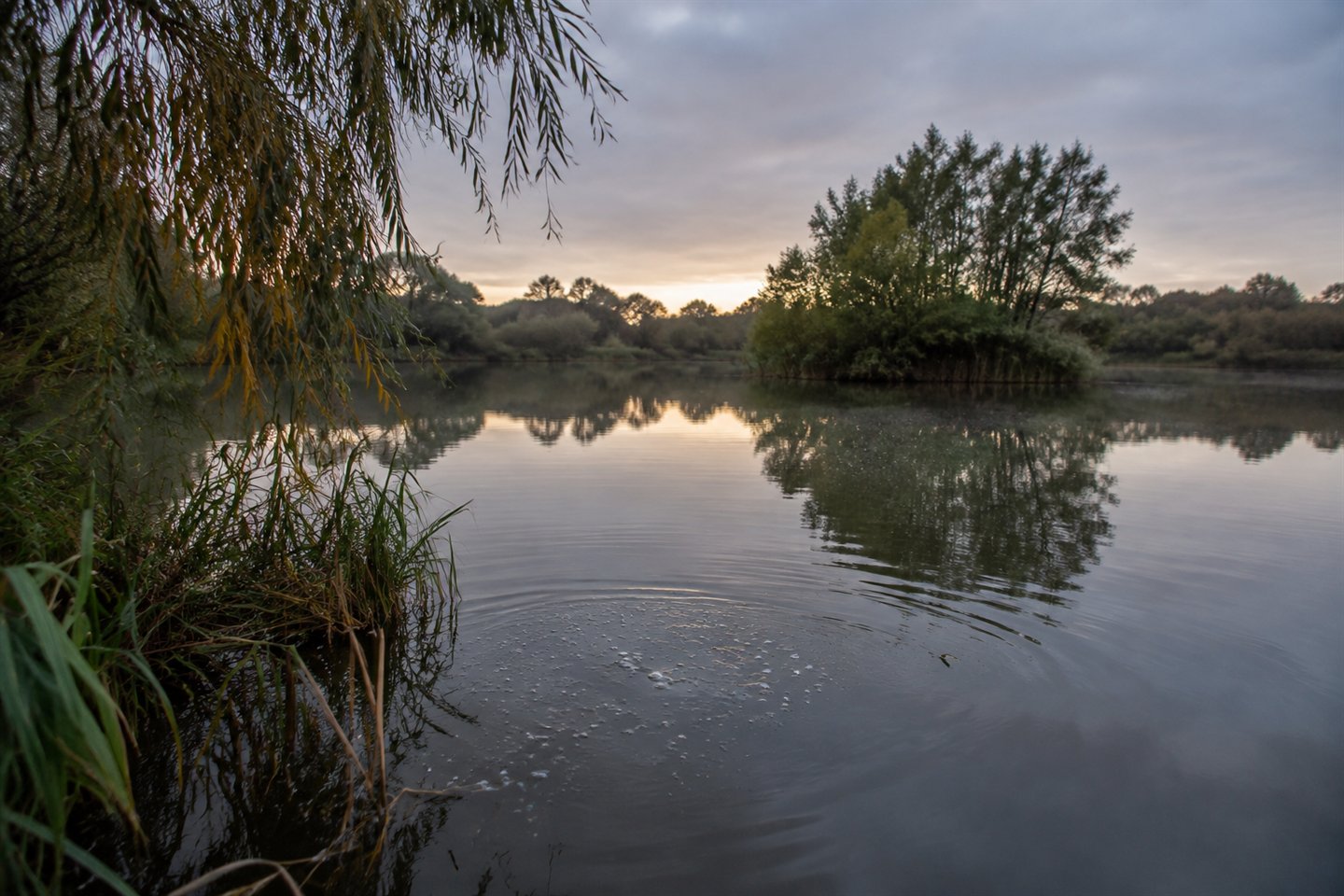
Carp feeding in silt or soft debris can release streams of small bubbles and stain the water. Productive fizz often develops, stops and reappears a little farther along as a fish moves. One large bubble in the same place can be gas leaving the bottom, and rain, insects or submerged plants can create convincing false signs.
Look for context: disturbed sediment, fragments rising, reeds trembling or a dark shape beneath the bubbles. A patch that travels slowly is more persuasive than an identical bubble breaking at fixed intervals. Keep watching after the fizz stops. A carp may have lifted away, or it may be feeding so close to the bottom that the surface sign disappears.
Coloured water, clouds and polished areas
Freshly clouded water beside reeds, lilies or a shallow margin can reveal fish grubbing in the bottom even when no bubbles reach the surface. Compare the patch with the rest of the lake and consider wind-driven mud, ducks and other fish. Carp activity often has an uneven, local character rather than colouring a complete bank in the same way.
In clear water, a frequently visited route may look subtly polished, with bent stems or an opening through low weed. Don't assume every clean patch is a feeding spot. It may be gravel, shade, bird activity or a route that carp cross without stopping. Observation above the spot decides whether it's worth investigating.
Flat spots, bow waves and moving weed
A large fish just below the surface can leave a broad wake, a dark back or a smooth patch among small ripples. Moving reed stems and lily pads can expose carp travelling through cover, but birds and wind can do the same. Follow the movement with your eyes and look for the next clue instead of casting at the first unexplained twitch.
In warm conditions carp may sit high in the water without breaking the surface. A high viewpoint and polarising lenses can reveal shadows that are invisible from the swim. If bottom baits remain untouched while fish are clearly suspended, a carefully tested zig rig or permitted surface approach may put a bait in the occupied layer.
Line movement and liners
Small indications can suggest fish crossing the line between rod tip and lead. A repeated tightening, lift or sequence of single bleeps is more useful than one unexplained sound, but liners don't prove that carp are feeding beside the hookbait. Wind, undertow, weed and waterfowl can all move a line.
When liners recur at a similar time or angle, consider whether the rig is beyond a patrol route. Shortening one rod into that line can test the idea without moving every bait. Keep the clutch and indicators set appropriately and never strike hard at every bleep; watch the line and rod tip, and respond to a genuine take.
Use the wind as evidence, not an instruction
A new wind can move surface water, mix oxygen, cloud margins and redistribute natural food. Carp sometimes travel towards the receiving bank, particularly when the change brings comfortable temperatures and fresh conditions. That possibility makes the windward side worth checking, but the phrase “follow the wind” is not a substitute for looking.
Cold water driven into a shallow corner may be unattractive, while a sunny sheltered margin can warm first in spring. Some fish remain on familiar routes or near secure cover regardless of the forecast. Angling pressure also matters: the obvious windward swims may be busy while a quiet area behind the wind holds undisturbed carp.
Compare the current wind with the previous day, not just the arrow on your phone. A fresh wind that has blown for an hour may have a different effect from one that has pushed into the same bank for three days. Use the carp-fishing weather guide to understand the variables, then let sightings at the lake decide the swim.
Let light, temperature and season refine the search
Light changes what carp can see and where they feel secure. In bright calm weather, fish may move into shade, cover or deeper water, yet spring sunshine can draw them into a shallow area that warms quickly. At dawn and dusk they may become more visible or visit margins that looked empty at midday.
Water changes temperature more slowly than air. One warm afternoon after a cold spell doesn't heat every depth evenly, and a frost doesn't instantly empty all shallow water. Look for the part of the lake that has received sustained sun, a mild wind or moving water, then check whether the carp agree.
In winter, signs can be scarce and brief. Spend time looking at the quietest periods, including first light and the approach of darkness, and treat a single show seriously enough to investigate without assuming a whole shoal will stay there all day. Small, accurate traps normally reveal more than a large bed of bait cast at an unconfirmed location.
During spring, carp often move between warming shallows, mid-water and deeper refuge as conditions change. In summer, shade, oxygenated water, surface layers and night-time routes become important. Autumn can produce confident feeding around natural larders and established spots, but no seasonal paragraph overrides what happens on the day.
Build a map of routes, holding areas and feeding areas
A holding area is where carp feel secure; a feeding area is where they stop to eat; a route connects the two. An island margin, snag or dense weedbed may hold fish, while a nearby silt seam or clean strip provides food. Casting into the sanctuary can be unsafe and counterproductive when a bait on the route offers a realistic chance of landing the fish.
Watch the sequence rather than only the final splash. If carp leave cover along one edge each evening, note the direction and time. If bubbles repeatedly appear on a band between weed and open water at dawn, that edge may be more useful than a bright gravel patch farther out. Patterns become powerful when they repeat under similar conditions.
Islands create edges, shade and changes in water movement, but the most obvious point is often the most heavily fished. Check the quieter side, open-water approach and gaps between visible features. Maintain a safe margin from branches and submerged snags, and only fish a line from which a hooked carp can be controlled.
Margins deserve patient observation. Carp can visit undercut banks, reed edges and areas where anglers regularly introduce small amounts of bait. Approach quietly, keep your shadow off the water and look before placing equipment at the edge. If the bank is steep, snaggy or too shallow for safe netting and release, choose a safer opportunity.
Investigate depth and lakebed after locating the fish
Feature finding is most useful after observation has reduced the search area. Repeatedly casting a marker across an empty lake may map the bottom while moving the carp elsewhere. When you have seen activity, make the fewest casts needed to understand whether the area contains weed, silt, gravel, a depth change or a presentable opening.
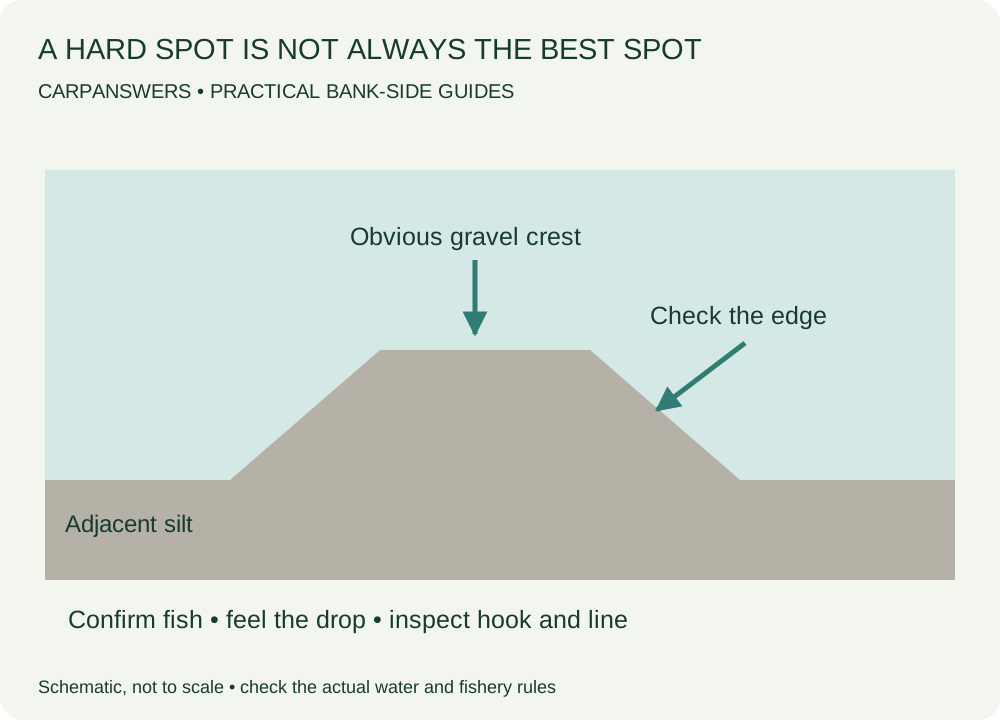
Feel the lead down on a tight line and compare the drop at several nearby points. A sharp landing can suggest firm ground, while a muted stop may indicate soft silt or weed, but tackle, distance and crosswind change the sensation. Dragging a lead may reveal tapping gravel, smooth silt or resistance from weed. Retrieve slowly enough to learn without raking a large area.
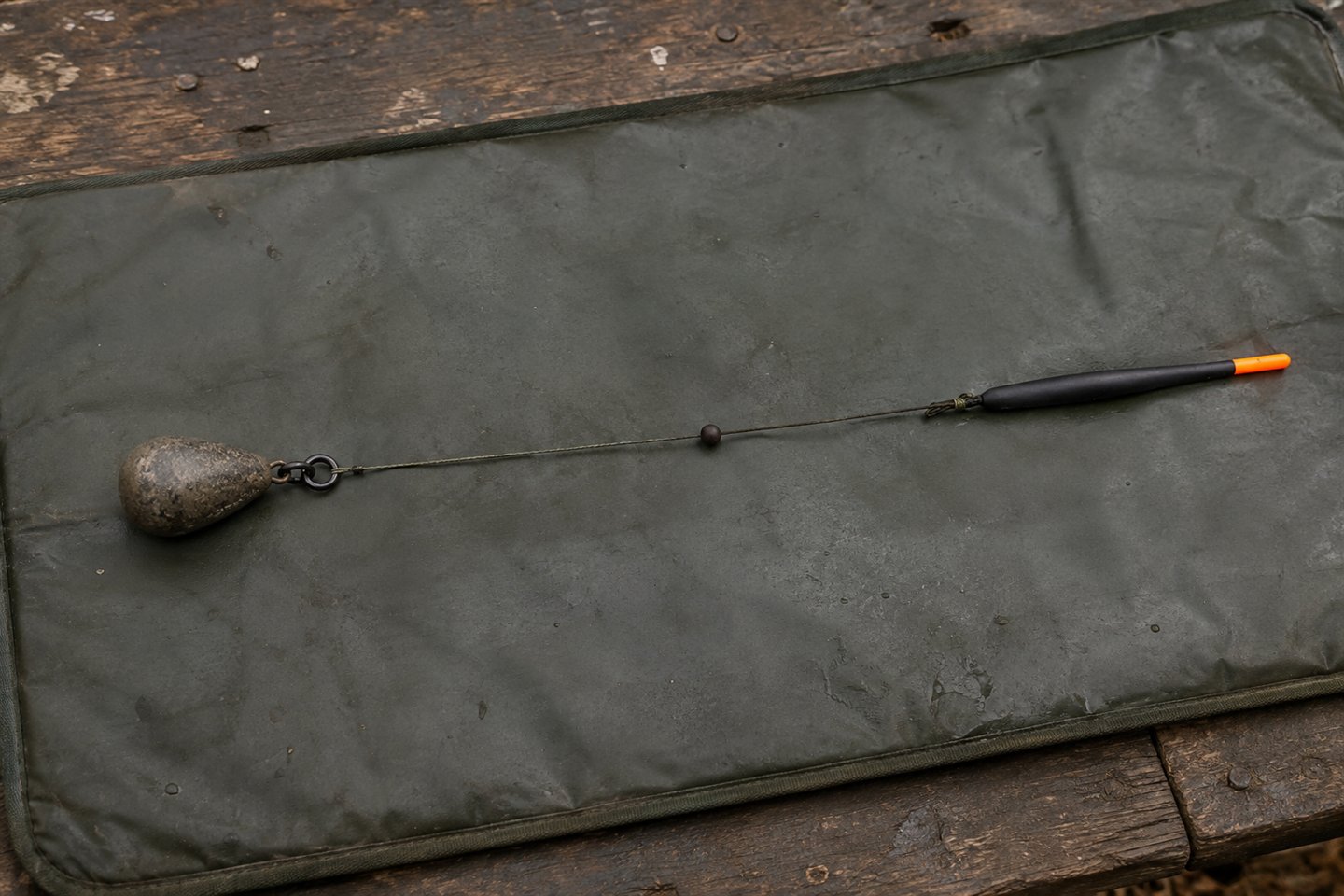
A marker float can establish depth and contours, especially on unfamiliar water. Our guide to using a marker float explains the complete setup and measurement process. Check fishery rules first: some venues restrict braided main line, leading around, marker floats or the times at which feature finding is permitted.
Don't search only for the hardest patch. Carp feed naturally in silt, around low weed and over mixed ground. The correct question is whether your chosen rig can present safely and effectively over what is there. A clean gravel “donk” is not valuable if every sighting occurs thirty yards away over softer bottom.
Choose the swim you can fish safely
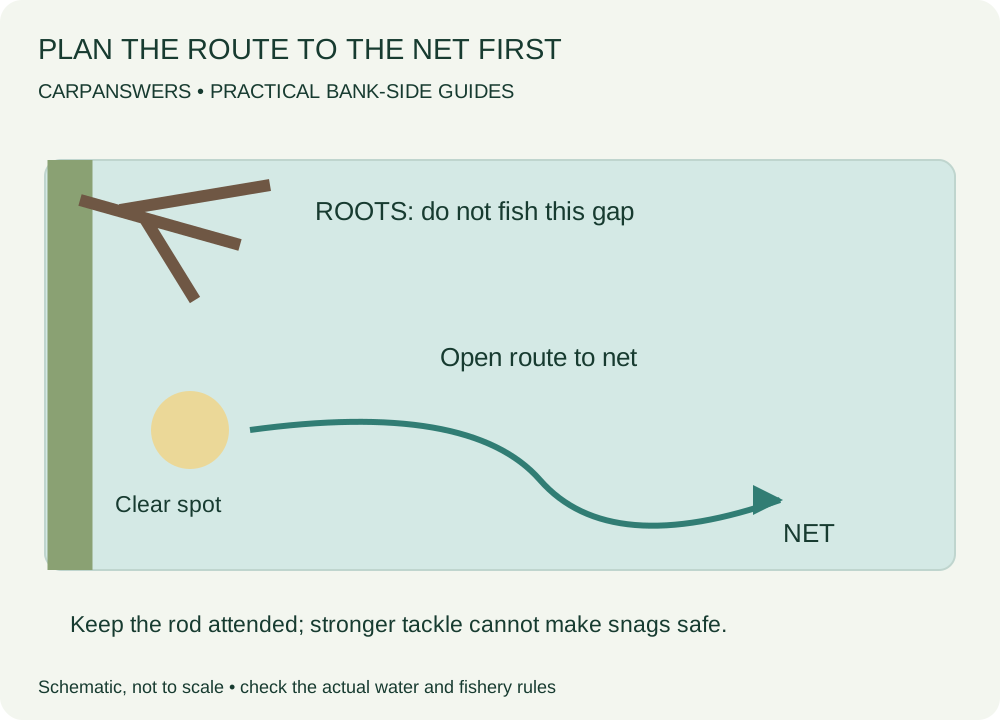
Finding carp doesn't automatically make a swim suitable. Look at overhead cables, branches, footpaths, steep banks, weed, underwater obstructions and neighbouring lines. Decide how a hooked fish is likely to move and where it can be netted. If you can't cast, play and land a carp with a reasonable safety margin, leave that group alone and find another opportunity.
Near snags, a bait needs to be placed at a distance that allows immediate control with tackle strong enough for the venue. Rods must remain attended. Fishing locked up beside an obstacle is not a cure for a poor angle or excessive range. Ask the fishery team about hidden hazards and use its line, leader and lead-system rules.
Prepare the landing net, wet unhooking mat or cradle, sling and forceps before casting. Location work can produce a quick bite, particularly when a single hookbait is lowered into a margin. The first carp-fishing session plan covers the complete safe sequence from arrival to release.
Turn a sighting into a quiet fishing plan
Once carp are found, avoid trying to improve the situation with unnecessary disturbance. One accurate rig you understand is better than three rushed casts. Where rules permit, a single hookbait, small PVA parcel or modest scattering can test whether the fish are feeding without committing the swim to a large quantity of bait.
Set each rod a job. One might cover the precise sign, another a route or different depth, while a third remains unused until the picture becomes clearer. The right amount of bait depends on stock, conditions and response; our guide to how much bait to use for carp fishing gives cautious starting points.
Watch what happens after the cast. Carp may continue showing, leave immediately or appear closer. Note line bites, bird activity, wind shifts and other anglers' captures. If the evidence moves, move with it where practical instead of defending the original swim because the bivvy is already erected.
How to locate carp when the lake looks lifeless
On a blank-looking lake, divide the water into broad zones and test one reasoned idea at a time. Begin with comfortable water influenced by season and recent weather, secure cover that can be fished safely, or an area with reliable recent evidence. Keep bait minimal and preserve the option to move.
Change height and viewing angle. Surface glare can hide fish from one bank and reveal them from another. Return to likely viewpoints at first light, late afternoon and dusk. A quiet half-hour with the rods reeled in can provide more useful information than another blind recast.
If bottom presentations produce nothing but carp are suspected in the upper layers, vary the depth methodically. If conditions suggest feeding on the bottom, investigate one or two lakebed transitions. Record negative information as well: knowing that an attractive sunny bay remained empty through several visits prevents an old assumption controlling every future decision.
Keep a watercraft record that improves with every trip
Write down the date, approximate water conditions, wind direction and duration, cloud, sunlight, sightings, capture times, swim and range. A simple sketch is often more useful than a page of tackle details. Mark where fish entered a zone and where they left, not only where the hookbait happened to be.
Separate observation from interpretation. “Three fish rolled between the island and reedbed at 06:20” is evidence; “they always live by the island” is a conclusion. This distinction makes patterns easier to revise when a different season or weather front changes the lake.
Respect other anglers' information. General conversation about depths, safety and recent activity can help everyone, but don't publish identifiable captures, private stock details or another person's precise spots without permission. Your own careful notes will become more valuable than borrowed certainty.
Common mistakes when trying to find carp
Setting up before looking is the most common error. A comfortable peg, short walk or favourite feature can feel convincing enough to stop the search. Keep the kit in the car or barrow until you have completed a sensible circuit, unless venue rules or access arrangements require otherwise.
Following wind direction mechanically is another. The receiving bank deserves inspection, not automatic occupation. Check temperature, sun, cover, pressure from anglers and direct signs. Carp may be on the wind, behind it or crossing between the two.
Leading immediately at every show can erase the clue. Watch first, establish whether the fish are settled and choose the minimum investigation needed. If the area is shallow or the fish are visible, you may be able to place a suitable rig without feature finding at all.
Confusing a feature with a location wastes time. Islands, gravel bars and weed edges look promising because anglers can see or describe them, but carp are not obliged to use them during your session. A plain area with fresh bubbles outranks a picturesque feature with no evidence.
Finally, don't force a cast into a dangerous opportunity. A carp under a fallen tree is located, but it is not necessarily fishable. Watercraft includes recognising when the safe decision is to watch the fish leave and intercept it somewhere else.
Frequently asked questions
What is the best sign that carp are present?
A clearly identified carp showing, rolling or swimming is the strongest immediate sign. Repeated moving fizz, freshly coloured water and consistent line movement can also be useful when interpreted with care. Several connected clues are more reliable than one isolated bubble.
Should I always fish into the wind?
No. A fresh, comfortable wind can move carp and food towards the receiving bank, but cold water, sunlight, cover, angling pressure and established routes can produce the opposite result. Check the windward bank, then choose from actual sightings and safe access.
When is the best time to look for carp?
First light and dusk often reveal movement and showing fish, while bright daylight can make cruising carp easier to see from a high viewpoint. The best time varies by venue. Revisit the same observation points at different times and record when signs repeat.
Can a marker float find the carp?
A marker float finds depth and features, not fish directly. Use it to understand an area after signs or a reasoned search have narrowed the lake. Excessive casting can disturb the very carp you're trying to locate.
Final thoughts
Learning how to find carp in a lake is less about memorising favourite features and more about ranking evidence. Look for the fish, interpret repeated signs, consider recent weather and season, then use limited feature finding to choose a presentation. Keep watching after the rods are out and be prepared to change your original idea.
Keep a few notes after each visit: where you saw fish, the depth, the time and anything that changed. Even a blank can help you rule out an idea. Over time, the lake starts to feel less mysterious, and you'll have better reasons for choosing a swim than simply finding the shortest walk from the car.
Once you have found carp, check the spot
Fish location and lakebed knowledge answer different questions. Use feature finding to understand depth and bottom changes, then compare the gravel, silt or weed guide for the area you can fish safely.
Near-bank fish need their own approach: margin fishing covers the spot and line position, while stalking covers moving quietly between opportunities. Choose a presentation only after those checks, with the Carp Rig Selector as a starting guide.