Carp fishing in weed starts with finding a safe, fishable spot. Weed can provide cover and food, but neither a special rig nor stronger tackle makes every weedbed suitable to fish.
There are many positives that can be taken from lakes that contain heavy, deep or blanket weed.
Fishing around weed needs a clear presentation and a realistic landing plan. Leave a spot alone if you cannot control and land a fish safely.
Carp may use weed beds for a number of reasons and it is these reasons why targeting weedy lakes are a great tactic to catch carp.
- The carp will feel safe and take cover in the dense weed. By fishing in or around the weed, look for signs that carp are actually using the area.
- Many anglers will be fishing on clear spots in clear open water, so a great tip is to target these weedy lake beds to give yourself an edge by doing something different. Lots of anglers will get the marker rod out, find a clear spot and put all of their rods out without even considering fishing on light weed.
- There is lots of natural food found in the weed which the carp feed on. This is especially true when carp fishing in silkweed due to its lightweight and low density
- Healthy weed can influence oxygen conditions, but it is not always an oxygen-rich refuge. Plants use oxygen as well as producing it, and dying vegetation can add problems. Follow the fishery’s hot-weather advice.
- When the carp take cover in the weed, making them feel safe, this, in turn, ensures they will start to feed which is exactly what you want as an angler.
Hopefully, these points will make you reconsider fishing in weedy lakes. If this is the case you need to make sure you are adopting the right tactics with the following tips.
How to fish a weedy bottom?
Match your line and rig to the weed, fishery rules and safe landing route. Abrasion resistance, diameter, condition and sound knots matter alongside breaking strain. Simply increasing strength does not make a hazardous spot safe.
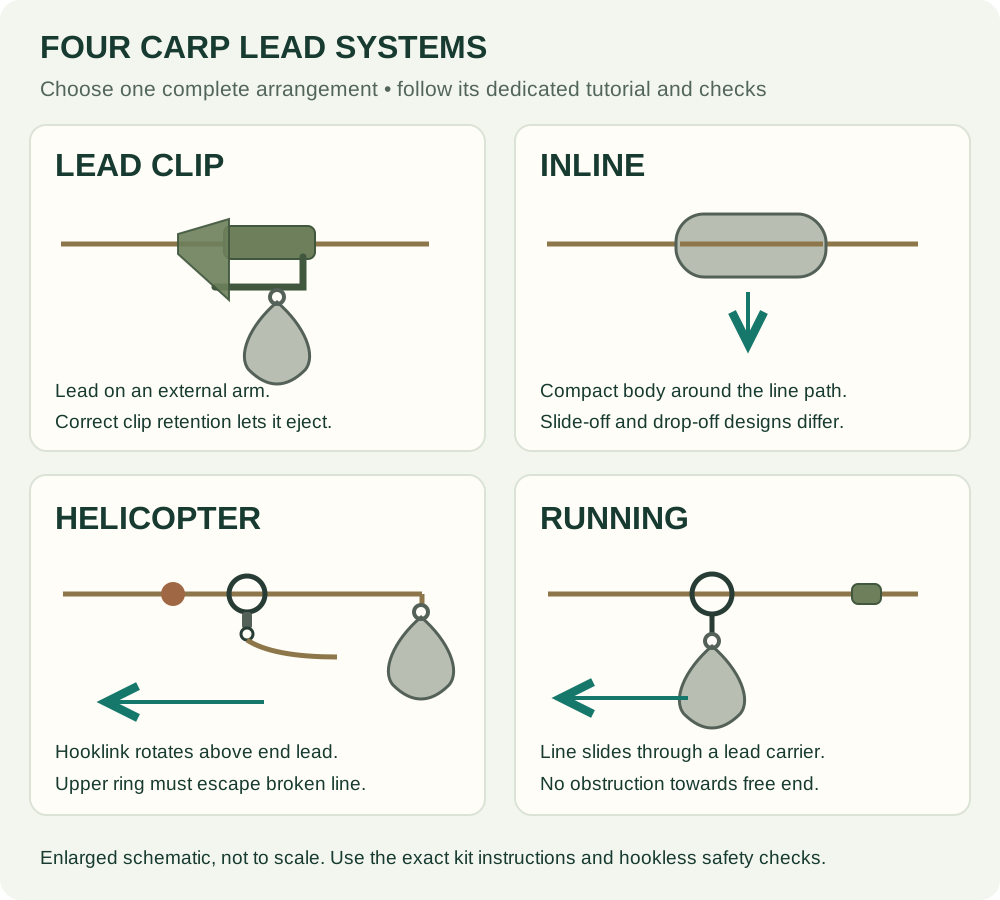
Use a safe lead arrangement appropriate to the actual spot. Where lead release is required, assemble and test matched components exactly as instructed; do not modify a system by guesswork.

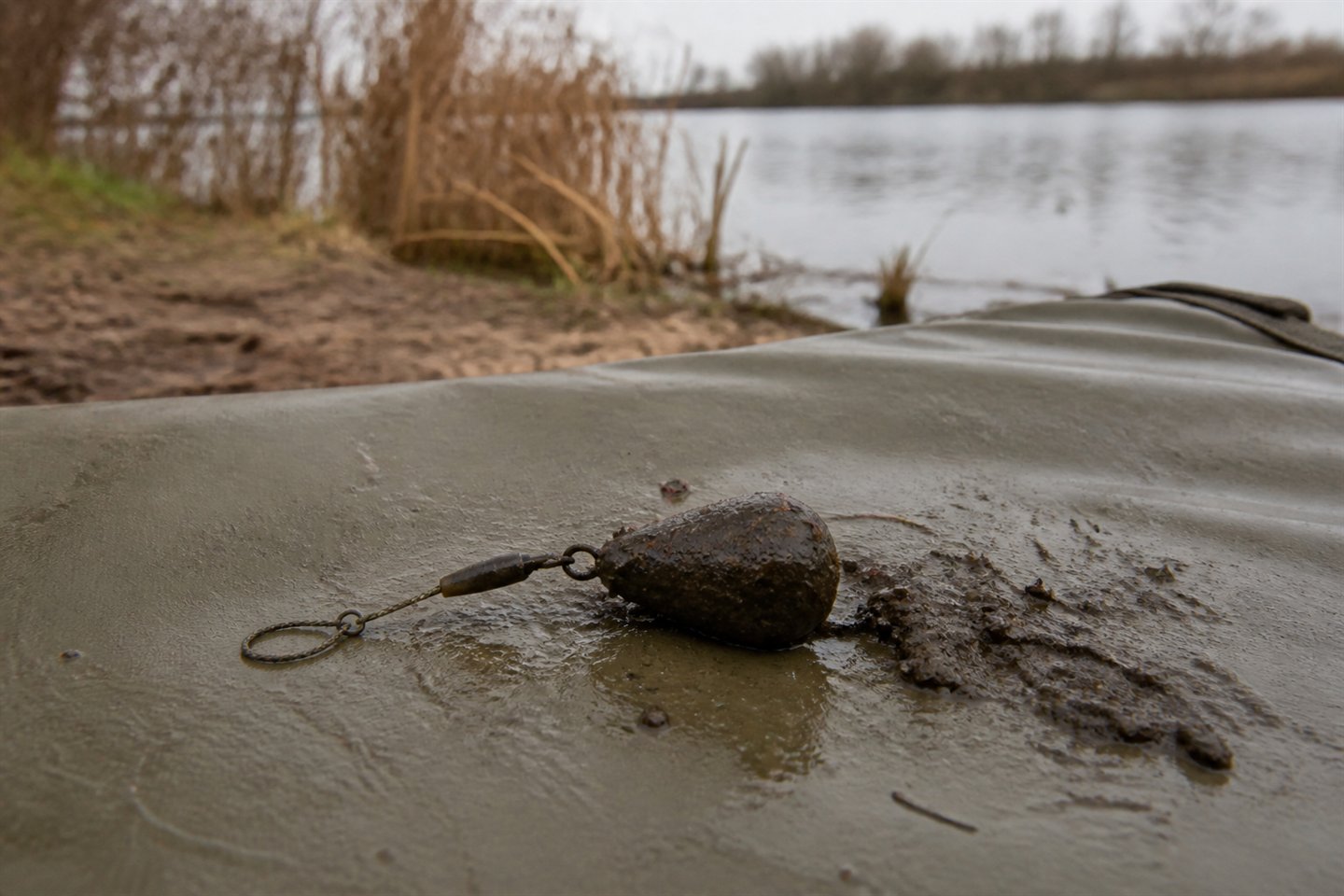
If you get caught up in thick weed something like a lead clip system (paid link) is a must and can easily dispose of the lead giving you a better chance of clearing heavy weed and also landing the carp. There are a number of different ways to dump the lead, I have always favoured lead clip systems so make sure you have a selection of leads just in case.
What type of weed
Find out which type of weed you are dealing with. There are a few ways to achieve this.
The first approach is to observe from safe, stable ground. Polarised glasses may help with glare, but do not climb trees or unstable banks to inspect weed.
Can you see clear spots?
Can you see thick dense weed?
The second and more common approach is to get out your marker rod and feel around the lake bed with a lead. Try to find the low lying silkweed which would be a great place to position a rod.
As I mentioned these spots will be crawling with natural food for the carp and more importantly carp will be close by. I would even try to bring some of the weed in and have a good look at the type of weed you are dealing with. Also keep an eye out for clear spots, which will indicate where the carp have been feeding previously.
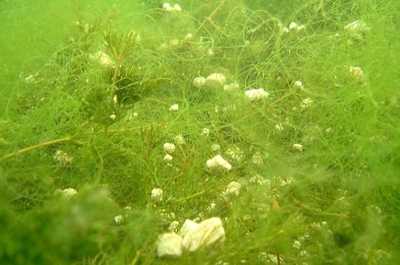
When you do find these interesting spots, whether they are light weed, clear or even denser weed, make sure you clip your rods up to ensure you hit the same point each time you cast.
There are a few types of weed to look out for.
Silkweed as shown in the image - this is a light blanket weed that contains lots of natural food that the carp love to feed on. Great to fish on or around if the weed is low lying.
Canadian pondweed - a very thick, strong and dense type of weed. You know when you get hooked up in this stuff and to be honest, something I would stay away from.
Milfoil - again very dense and heavy weed much like the Canadian pondweed.
Carp rigs for weedy bottoms
So you have decided to fish a weedy lake and found some clear spots and some light weed which you want to fish on. So which rig do you choose?
If you are carp fishing in silkweed that is fairly light I normally fish a critically balanced hook bait that will sink slowly through the water and just sit on top of this light weed bed, perfectly positioned for that big carp to bite.
Alternatively, you could use a very popular big carp rig known as the chod rig (paid link). This presentation can suit some light debris, but must be assembled and tested correctly; it cannot guarantee a clean presentation in weed. The carp rig uses a Mainline HiViz Milky Toffee pop-ups (paid link) on a specialised short hook section. Follow the matched helicopter-system instructions and venue rules; a leader is not automatically required or permitted.
On the clearer spots, I would opt for a simple bottom bait carp rig, keep things as simple as possible would be my best tip here.
A solid PVA bag may protect a suitable presentation over a manageable, lightly covered spot. It does not make heavy or dense weed safe, nor guarantee that the hookbait will be accessible after the bag melts. Choose a clearer area if you cannot establish a safe presentation and landing route.
Check out our article complete guide to solid PVA bags for more details.
Something to bear in mind, if you do get a take make sure you are very quick to respond and try your best to clear the thick weed as soon as possible. Hopefully, you have taken my previous advice and adopted a carp rig that can easily drop the lead (Korda lead clip system).

If a carp becomes weeded, avoid jerking or simply pulling harder. Maintain controlled contact and ask the fishery for help. Never enter unknown water or use an unauthorised boat to recover a fish.
Get fishing in the weed
If you are one of those anglers who avoid fishing in the weedy lakes then I suggest you give it a go.
The carp will not be far away from these weed beds, will feel safe undercover and with all of the natural food will inevitably be feeding at some point. Ensure you know what type of weed you are fishing on or around and adjust your carp rigs accordingly.
The worthwhile extra effort is finding a safe spot and presenting well. If the risk cannot be managed, choose another area.
Don't miss out - Best Budget Carp Reels
Choose a fishable spot, not just a clear hole
A clean patch surrounded by dense weed can be tempting. Before fishing it, check the route back to your bank. If the carp must pass through weed you cannot manage, finding a perfect place for the hookbait has not solved the bigger problem.
Start with the fishery's advice and your own experience. Ask which areas are safe from the bank, whether specific tackle is required and what help is available if a fish becomes weeded. Do not assume a boat can be used, or that someone will be available to rescue an unsuitable plan.
Our fish-location guide helps you find alternatives when the most obvious fish are in an unsafe place. Leaving those carp alone is a sound decision, not a lack of effort.
Fresh growth and dying weed need different checks
Revisit the drop and retrieved tackle as the season changes. Fresh growth may occupy a previously clear line, while dying weed can leave soft debris on a spot that looks open from above. Neither deserves an automatic cast simply because you caught there last month.
A positive lead landing tells you something about the point where it touched down. It does not prove the whole hooklink or line route is clear. Compare the useful area around it, with as little disturbance as practical.
Where the weed gives way to soft sediment, the silt guide can help you assess presentation. Keep the distinction between low debris you can present over and dense growth you should avoid.
Check the whole setup before choosing a rig
Use the Carp Rig Selector to compare options once you know the spot. Then read the detailed instructions for that rig and its lead arrangement. A chod or pop-up is not a general-purpose permission slip for casting into weed.
Match line diameter, abrasion resistance and knots to the water and fishery rules. A breaking-strain label alone does not describe the condition of the line or whether it will withstand contact with the feature. Inspect it after every retrieve and replace damage.
The safe lead-system guide explains the different arrangements. Use matched parts and test the intended release, including what happens if line breaks above a knot. Do not push a tail rubber on so tightly that a system intended to release cannot work.
Record the clear spot's range and aiming mark with the Distance Stick / Spot Card tool, and recheck it on later visits. Accuracy helps keep the rig in a known area; it cannot prevent a hooked fish from moving into nearby danger.
Be ready for the take
Have the net assembled, the landing area clear and the unhooking kit ready. Keep close enough to respond properly, but do not rely on an instant reaction to make a hazardous swim acceptable.
If a fish becomes weeded, avoid jerking or repeatedly pulling harder. Keep controlled contact and seek the fishery's help. Do not enter unknown water or use an unauthorised boat. The snag safety guide explains why some situations should be avoided before the cast.
Weed fishing questions
Can a solid bag make heavy weed fishable?
No. It can protect a suitable presentation while casting, but cannot guarantee that it settles accessibly or that a carp can be landed safely.
Should every take eject the lead?
Use a lead arrangement appropriate to the actual situation, fishery rules and manufacturer's instructions. Do not make blanket modifications or dump leads unnecessarily.
Is weed always rich in oxygen?
No. Conditions vary through the day and with plant health. In hot weather, follow the fishery's welfare guidance rather than assuming weed makes an affected lake safe.
For the welfare context, read the Angling Trust's hot-weather advice. Choose the spot you can fish responsibly, even if that means leaving the most dramatic-looking weedbed alone.