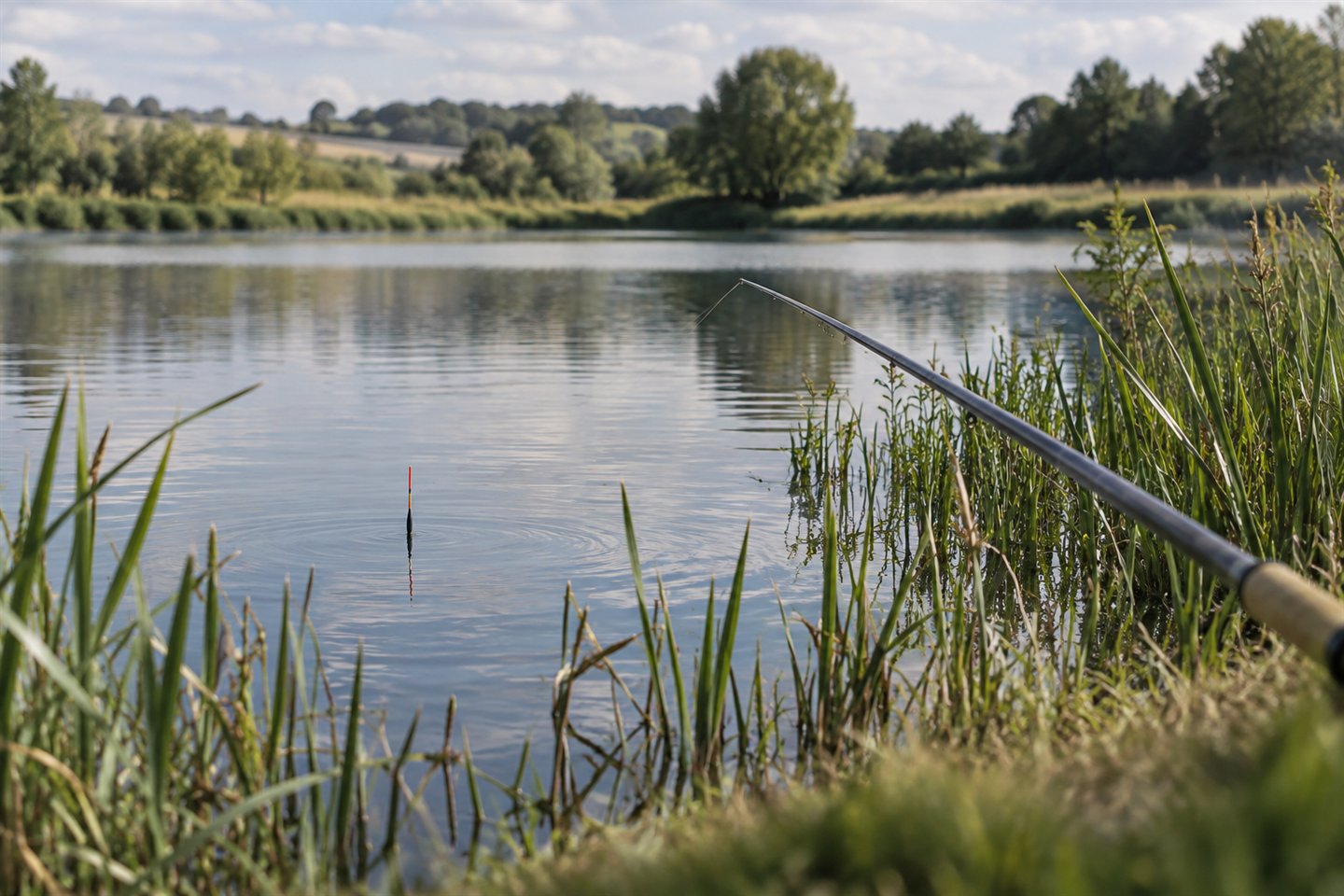
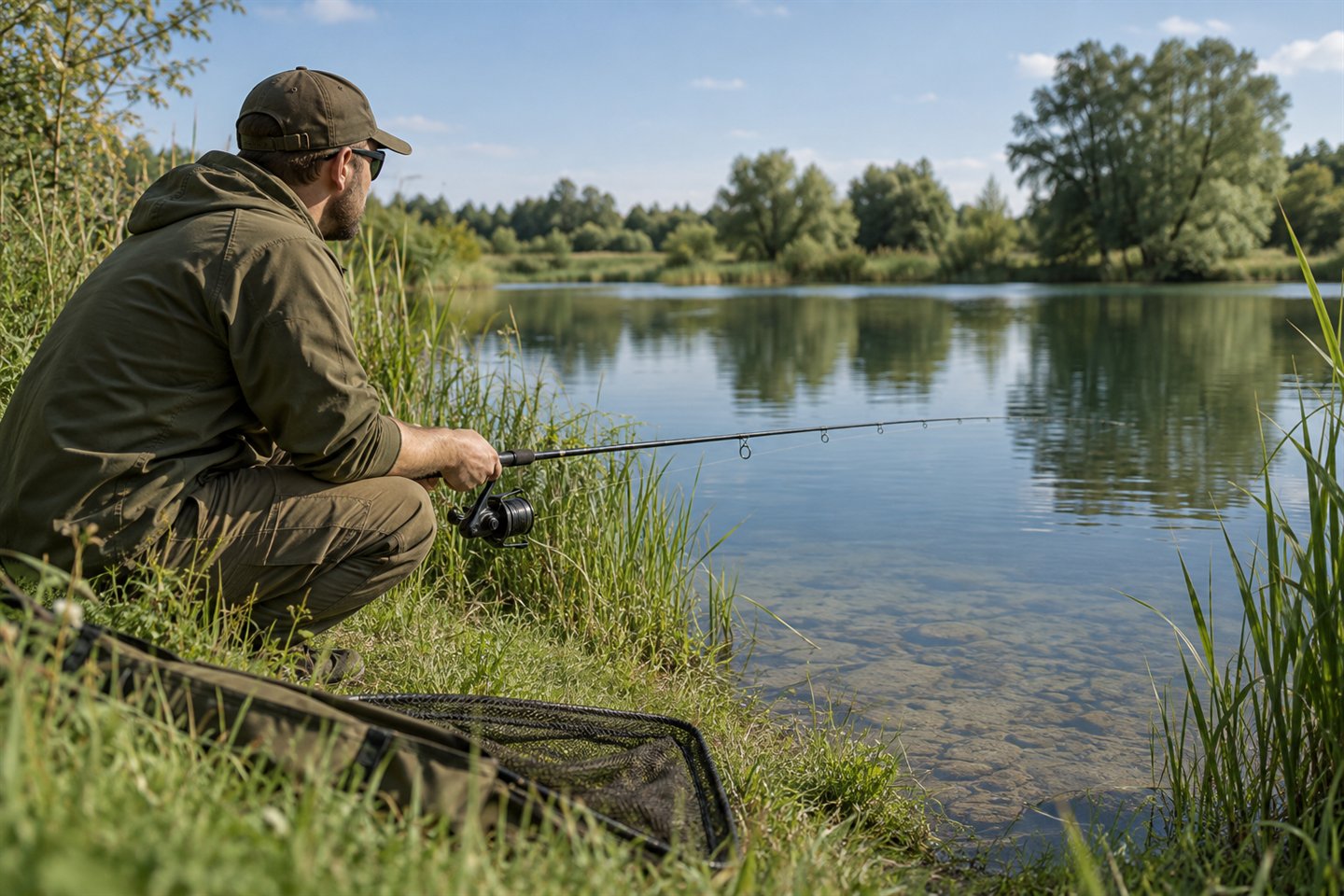
Stalking carp is about watching an opportunity develop, then putting a bait where you can fish it properly. This guide takes beginners through travelling light, staying quiet and checking how to land the fish before making a move. You may not need to cast very far at all.
Stalking differs from setting several rods and waiting for fish to arrive. You spend more time looking, may fish only one rod and can move when the opportunity changes. You might watch a carp inspect loosefeed or see a patrol route develop only a few metres from the bank. That direct feedback can teach a great deal about presentation and disturbance.
This guide focuses on active, close-range carp fishing with a bait on or just above the bottom. Surface fishing is a separate method with its own tackle and wildlife considerations. Here the aim is a manageable first stalking session: choose the area, introduce a little feed if appropriate, place a sound rig and land any fish without needing to enter the water.
Stalking carp for beginners: how do you approach the fish?
Start on a permitted, familiar lake with safe level margins and realistic carp stock. Take one suitable rod, a compact tackle bag and full fish-care equipment. Walk quietly, identify carp or a convincing feeding area and decide where you could play and net a fish before putting any bait into the water.
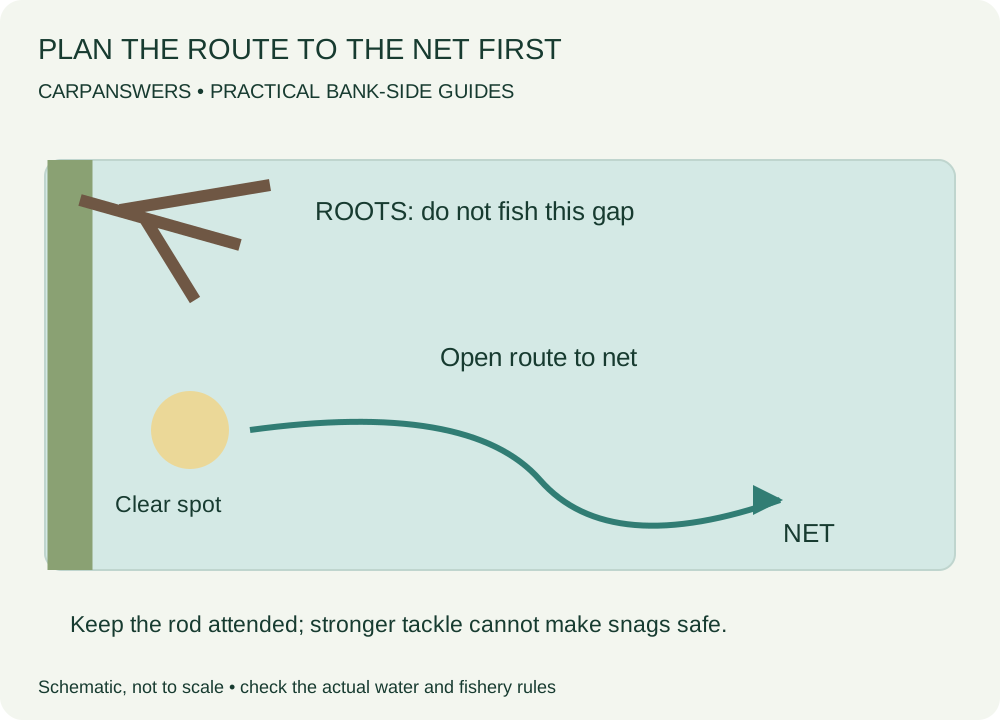
The most useful beginner opportunity is a clear patch near open water, with a stable position for both angler and net. A group of carp deep inside roots may be easy to see but impossible to fish responsibly. The ability to lower a rig into a gap doesn't establish that a hooked fish can be brought out of it.
Give the observation process enough time to become interesting. If you arrive determined to cast within five minutes, you may miss the distinction between carp resting near the surface and fish repeatedly feeding along the bottom. Stalking is active fishing, but activity includes standing still and learning what the fish are actually doing.
Choose a venue where a mobile approach is allowed
Read the water's rules on movement between swims, fishing outside marked pegs and baiting areas you're not currently occupying. A lake with bookable individual swims may not allow roaming around its margins. Ask before assuming that travelling with one rod grants access wherever a carp can be seen.
Check whether the required landing net and mat can be carried comfortably along the permitted paths. If the venue mandates a large cradle, plan the session around moving it properly rather than leaving it in a distant main swim. Fish-care equipment needs to be ready where the rod is fishing, not somewhere you hope to reach after a capture.
Respect occupied water. Don't creep into the margin beside another angler's rods, introduce bait into their swim or cast across the line of an open-water presentation. A quiet word can clarify the boundary, but the fishery's rules decide the available space. Choose opportunities that don't depend on other anglers overlooking an intrusion.
If you're completely new to landing carp, spend time on the basic routine first. The first-session guide provides a sensible foundation. Stalking is simple in equipment terms, but a close-range take can be immediate, so the netting and handling sequence should not be something you're inventing as the rod bends.
How to approach carp without spooking them
Walk a little back from the edge where the path allows, slowing down before a likely area. Avoid heavy footfalls, sudden silhouettes above shallow water and swinging rod sections through foliage. Keep your hands free enough to manage the load safely rather than creeping with so much equipment that a small slip becomes difficult to recover from.
Use existing cover without damaging it. Standing beside a bush can break up your outline; cutting branches or climbing into the tree is neither necessary nor appropriate. Don't crawl onto an undercut bank because it offers a lower viewpoint. Quiet positioning is useful only while footing and access remain dependable.
Polarised glasses help reduce reflected glare in suitable conditions, but they cannot make opaque water transparent. Try changing your safe viewing angle or waiting for a ripple to pass before deciding nothing is present. A brimmed hat can reduce light entering around the lenses and make prolonged observation more comfortable.
Move deliberately rather than trying to remain unnaturally motionless. A slow shift to improve the view is often more practical than holding an uncomfortable pose until balance or concentration suffers. The goal is to avoid unnecessary disturbance while retaining the ability to respond and handle equipment normally.
Separate resting, travelling and feeding fish
A carp suspended beneath cover may be resting or simply occupying comfortable water. Don't assume it will descend to a hookbait because you can see its outline. Watch whether it changes depth, follows a repeated route, tilts towards the bottom or disturbs sediment before deciding where to present.
Travelling fish may pass the same opening regularly without stopping. In that situation, a nearby clear patch along the route can be worth observing or lightly baiting where permitted. The best position may be a few metres away from the most visible holding area, especially if the holding area contains obstacles.
Feeding signs can include repeated downward movements, tail lifts, fresh clouds of sediment and food disappearing while a carp is visibly over it. Interpret them together. Small fish can remove bait, bubbles can rise naturally and a tail breaking the surface doesn't by itself identify the species. Patience helps separate a convincing opportunity from an attractive guess.
The carp watercraft guide develops this observation-led approach. Manufacturer coverage such as Korda's fishing-in-the-edge feature also emphasises location and marginal patrol routes. This beginner plan deliberately concentrates on open, bank-fishable spots rather than specialist placements beneath cover.
Inspect the complete route to the net
Before feeding or casting, look at the line's path from rod tip to hookbait. A clear patch beyond a branch is not a clear presentation if the main line must cross that branch. Check for roots, reed stems, sharp edges, bank supports and obstructions that become relevant as soon as a fish moves sideways.
Identify where you can stand and how the net will enter the water. The bank should provide secure footing without stepping onto a slippery shelf. Make sure the rod can be lifted and used through its normal fighting range without striking branches. A short rod helps only when the whole position remains manageable.
Ask what would happen if the carp moved in the least convenient direction. If the answer relies on stopping it instantly with a locked reel or wading after it, reject the spot. The snag-safety guide explains the stop rules. A beginner's first stalking fish should come from an opportunity with room for controlled movement.
Don't create a route by dragging submerged branches or tearing out weed without permission. Apart from the environmental and access implications, what you remove from sight may not be the whole obstruction. Safe selection is a more dependable skill than trying to convert an unsuitable margin into a swim.
Use a small amount of feed to learn something
If feeding is allowed and fish are not already taking an obvious natural opportunity, introduce a modest amount of suitable bait to a clear patch. The initial purpose is to see whether carp will use it, not to establish a large feeding area immediately. Food that remains visible can make behaviour easier to interpret, but only when the bottom and water clarity allow it.
Choose bait the venue permits and that fits the fish present. Larger items may last longer among small fish, while smaller pieces can create a different feeding pattern. Neither is inherently better. Start with a familiar, properly prepared bait and avoid changing several ingredients before you have seen how fish respond to the first simple offering.
Scatter quietly from a safe position without showering the fish directly. If you can't place feed without leaning over a dangerous edge, choose another area. Don't use an improvised long pole or reach around a tree just to make the placement look precise. The location should support normal, controlled fishing from the start.
Step back after feeding and watch rather than immediately putting a rig among the fish. Note which direction they approach from, where they stop and whether they lift away from any particular part of the patch. This can reveal where a line or hookbait would be most sensibly placed and whether the fish are genuinely comfortable feeding there.
Choose a straightforward bottom-bait presentation
A familiar hair rig with a suitable hookbait can cover many open-margin opportunities. The hook, hair length and bait size should work together, with the hook point clear and the arrangement checked in water. There's no benefit in using an unusually small hook purely because you can see the fish; tackle must still suit the likely carp and the swim.
For a clear hard patch, a bottom bait may be easy to understand and inspect. A carefully balanced wafter can be an option when you know how it behaves with the exact hook and components. Avoid assuming that a pop-up solves every uncertainty. If it sits higher than intended, it may create a presentation unrelated to the bait the carp are visibly eating.
Use the hookbait-choice guide to understand those differences. Test the actual bait after any change of hook, mounting or balancing weight. A presentation that behaves correctly in a shallow test still needs a suitable place on the lakebed; the test confirms balance, not the absence of weed or debris at the fishing spot.
Keep the lead system safe and venue-approved. Short range doesn't make the consequences of a breakage less important. Check that the whole arrangement, including any leader and connecting knots, can function as intended. If a ready-made rig is unfamiliar, ask for competent help rather than using the margin as a place to experiment with unexplained components.
How to place a carp rig quietly at close range
Whenever possible, wait until feeding fish move away naturally before making the cast. A short, controlled placement to a visible open patch may be all that is required. Check overhead and behind, keep the hook away from people and avoid flicking a lead through a gap too narrow to use safely.
Don't lower a bait onto a fish or try to place the hook beside its body. The aim is a normal feeding take, not hooking a carp simply because it is close enough to reach. If the fish occupies the only possible casting space, wait. Patience is part of presentation rather than time lost before fishing begins.
Feather the cast where appropriate and allow the lead to settle without immediately pulling it across the patch. Watch the line as it enters the water and take up only what is needed for the chosen arrangement. A close-range cast can still tangle, so investigate if the landing looked wrong instead of assuming short distance guarantees perfection.
If the placement is poor, decide whether one controlled correction will help or whether retrieving and resting the spot is wiser. Repeated casts onto a tiny feeding area can remove the benefit of careful approach. Accurate preparation should reduce disturbance; it should not become an excuse to make endless attempts while carp remain beneath the rod tip.
Line position matters at close range
Think about where fish will cross the line, not simply whether it looks neat beside the rod. A direct route along a clear bottom may be useful, while a line stretched diagonally through a patrol lane can be intrusive. Sometimes moving the rod slightly within the permitted position improves the angle more than changing the main-line material.
Don't add large amounts of slack automatically. Excess line can delay indication and create a route through plants or obstacles. Choose enough tension to retain useful contact for the actual swim, and test the indication before settling. The companion line-lay guide explains why concealment and bite detection need to be considered together.
Backleads, heavy leaders and extra weights are not compulsory stalking accessories. Each changes the line's route and can add complications around bottom debris. For a beginner, a simple, understood arrangement on a clear spot is preferable to several concealment devices used without knowing where they settle.
Remain immediately beside the rod and keep the handle unobstructed. A stalking setup should not leave you sitting behind bushes where reaching the reel involves standing, climbing over luggage and moving a branch. If the best viewing position is away from the rod, observe there before fishing, then return to a position that preserves control.
Watch the response without reacting to everything
Once the rig is in place, let the fish show you how they use the area. A carp turning away is information, but not proof that it recognised the hook. It may have changed depth, encountered the line, followed another fish or simply continued its route. Avoid rebuilding the whole rig after one ambiguous movement.
Look for patterns across several approaches. Are fish feeding confidently except where the line crosses? Is the hookbait sitting apart from the loosefeed? Are small fish moving food out of the intended area? Those observations support specific adjustments. The question is what you can actually see, not which fashionable explanation sounds most technical.
Don't strike merely because a carp's mouth appears near the bait. Allow the rig to function through a genuine take and respond to clear line or indicator movement with controlled contact. Reacting to the view alone can pull the bait away or risk a foul-hooking situation if the fish is only passing over the presentation.
If birds or other wildlife repeatedly approach the bait or line, retrieve and reassess. The desire to keep a visible carp interested doesn't justify leaving tackle where wildlife may become entangled. A quieter spell or different safe spot may provide the opportunity without that conflict.
Respond to the first burst calmly
Close-range takes can feel abrupt because little distance separates rod and fish. Pick up promptly, engage the normal drag if a free-spool system is in use and allow the rod to take a controlled bend. Avoid a violent strike or an immediate locked spool. The setup should already leave enough open water to manage the first movement progressively.
Use measured side pressure to guide the carp along the clear route you selected. Keep the rod away from overhead branches and don't wind against a slipping clutch simply to feel busy. If the fish is taking line, maintain control and let the tackle work rather than trying to shorten every movement with force.
Have the net ready in the water when the fish can be guided over it, and avoid chasing the carp with the rim. Keep its body supported during transfer to the wet mat. The carp-care guide covers unhooking and release. A small, mobile setup still needs the same careful handling as a fully equipped main swim.
When to stay and when to move
Stay when fish remain interested, the presentation is sound and your presence is not creating a safety or access problem. You don't need to change spots every few minutes for the session to count as stalking. Watching a promising area settle can be the most active decision you make.
Move when reliable fish activity develops elsewhere, the original opportunity disappears or the spot proves unsuitable. Retrieve the rig, secure the hook and move all essential equipment together. Don't leave a baited rod behind while checking the next margin, and don't maintain several unattended traps around the lake.
If repeated feeding checks show only small fish, change the location question before endlessly changing carp bait. The problem may be that carp are using a different route or depth. A quiet circuit with the rig safely secured can provide more useful information than another hour trying to make one small patch behave differently.
Turn a visible refusal into a useful lesson
Stalking makes it tempting to give every carp movement a confident explanation. Resist that urge. Record the sequence in plain terms: the fish approached from the left, paused above the line, took two loose baits and left without touching the hookbait. That description remains useful even if you can't know why it happened.
Change one visible variable where practical. A better line angle, a corrected hookbait position or a slightly wider scatter can create a meaningful comparison. Changing bait flavour, hook pattern, leader and feed together removes the chance to learn from the next visit. Good stalking notes describe observations first and theories second.
Remember that watching a carp feed safely in the margin is valuable even when you decide not to fish for it. You may learn a repeatable route or discover that the only available presentation would be irresponsible. Choosing to leave that fish alone is part of competent close-range angling, not an opportunity wasted.
Equipment worth considering
Polarised sunglasses and a comfortable brimmed hat can improve margin observation, while a compact tackle box makes spare rigs and hook tools easy to carry securely. Choose a manageable rod only after considering the bank, overhead space and likely carp. A short transport length is useful, but it should not come at the expense of suitable control or casting capability.
A small bait container with a dependable lid helps keep the feed organised while moving. The net, handle and padded mat must remain large enough for the fish even if everything else is compact. Check how the assembled net can be carried without catching vegetation, and how the mat opens on the available ground. A simple, practical carrying system is a better stalking upgrade than equipment designed to reach water from which a fish cannot safely be landed.
For watching a shallow margin, consider Fortis Bays polarised sunglasses (paid link) only if your existing eyewear doesn't do the job. A padded option such as the NGT Jumbo Folding Carp Cradle (paid link) illustrates fish-care provision, although its packed bulk should be checked before choosing it for a mobile approach. Use the venue's supplied mat where required, and never leave suitable landing and unhooking equipment behind to make stalking lighter.
Stalking is the approach, not the rig
You can stalk with more than a bottom-bait rig. If fish are taking food on top, follow the surface fishing guide. If a short, controlled presentation needs no added casting weight, freelining may suit. A permitted float setup can also show a bait's position and a take clearly; see the float-fishing guide before trying it.
Choose from what the fish and spot allow. Do not add a controller to a tiny margin simply because you packed one, or remove a lead from an unfamiliar rig and assume the result is a sound freelining setup.
For a longer stay beside one near-bank spot, use the margin guide to think through depth and line position. You need not keep moving just to call the session stalking.
Record visiting fish, refusals and quiet periods in the Session & Catch Log. When looking for another water through Fishing Near Me, confirm with the venue that mobile fishing and the intended bait are allowed. A small carrying kit should never mean leaving the net and mat behind.
Frequently asked questions
Do I need a special stalking rod?
No. A suitable existing carp rod can work if it can be used safely in the available space. A shorter rod may make some open margins more manageable, but it is not a solution to overhead branches, inaccessible banks or an obstructed landing route. Choose for the whole swim.
Is stalking only useful in clear water?
Clear water makes direct observation easier, but you can also work from repeated shows, disturbed sediment and reliable knowledge of patrol routes. Be more cautious about conclusions when visibility is poor. Don't assume a bait has been taken by carp simply because it disappears from view.
Should I feed several spots around the lake?
Only where the rules and other anglers' water allow it, and only when you can monitor the activity without leaving baited rods unattended. A beginner can learn plenty from one or two carefully chosen areas. More feeding spots create more information to manage and don't automatically produce more useful opportunities.
Keep stalking simple and observable
Travel light, but keep the net, mat and unhooking gear with you. Find carp in an open margin, place a familiar rig carefully and stay ready for a close-range take. Enjoy watching what the fish do. You can learn a great deal without trying to squeeze a bait into the most awkward gap on the lake.
Sources and further reading
Editorial reference checked on 15 September 2026: Korda: fishing in the edge. For welfare standards, consult Angling Trust freshwater best practice and the current rules of the fishery. This guide excludes wading, obstructed placements and other specialist approaches unsuitable for a beginner.