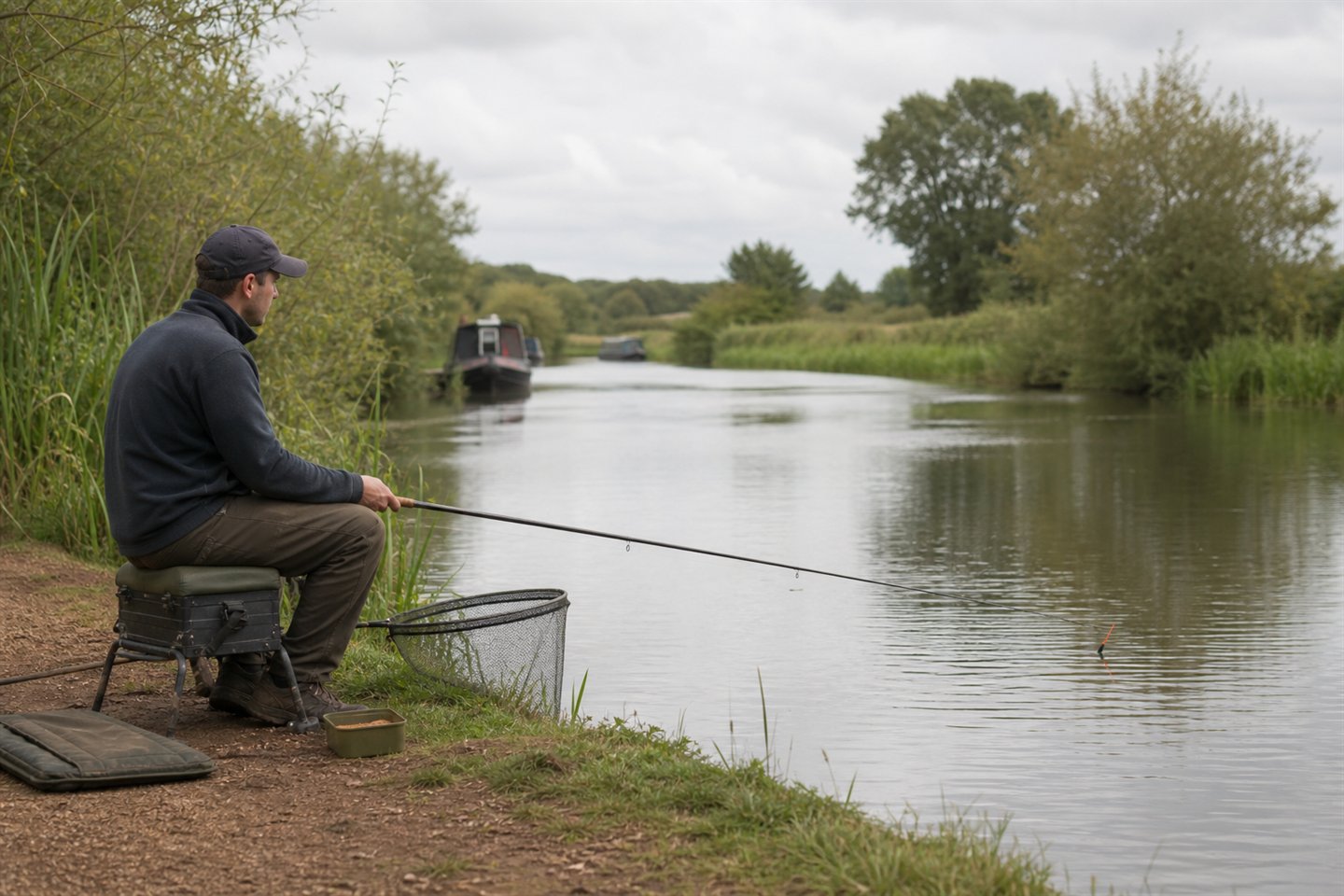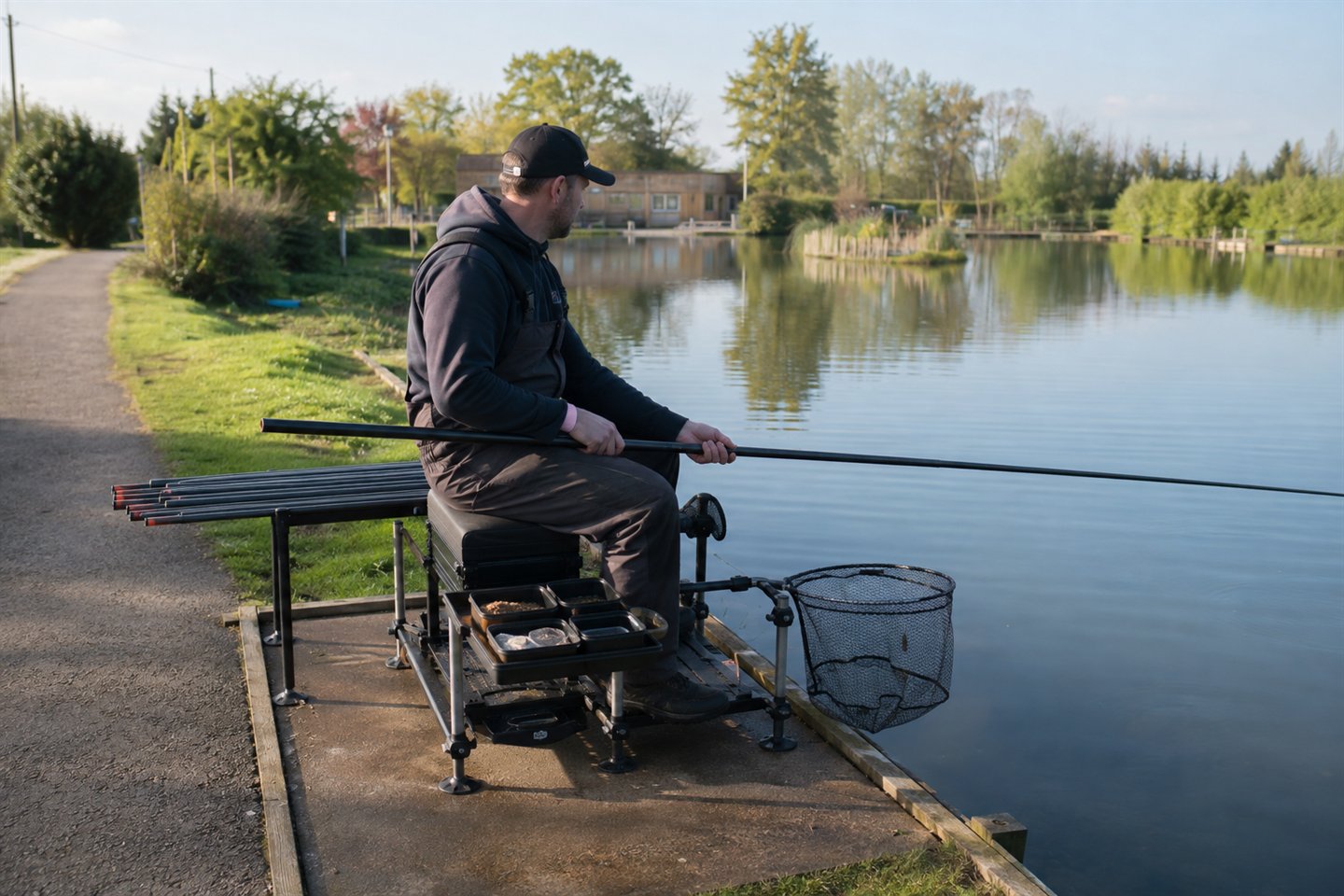
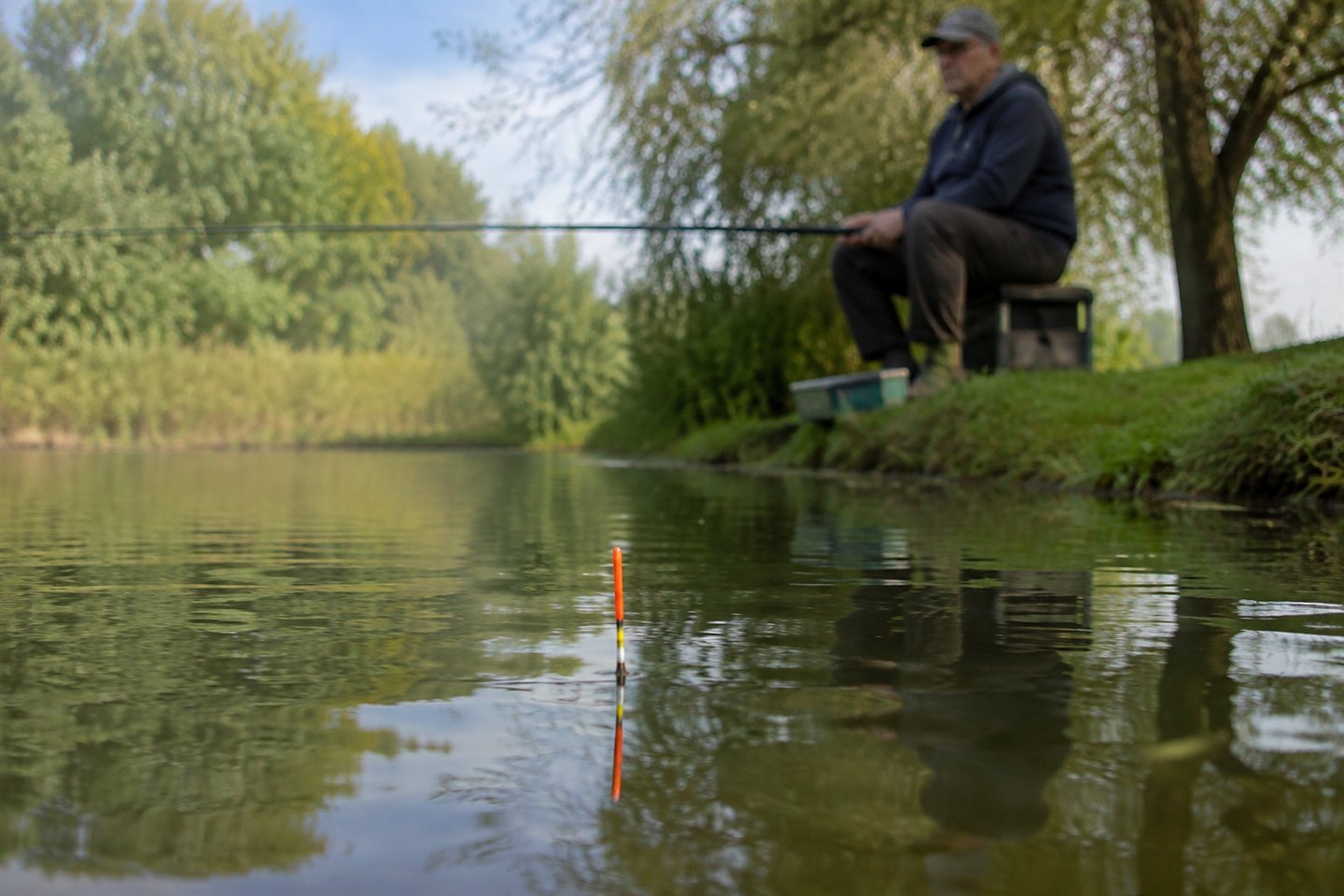
Waggler fishing is a lovely way to start coarse fishing: cast to a comfortable spot, feed a few baits and watch for the tip to dip or lift. We'll put together a simple setup and look at depth, feeding and reading bites.
A straightforward waggler can catch roach, rudd, perch, skimmers, bream and tench, with occasional carp on mixed fisheries. It teaches casting, depth, feeding and fish playing through one compact outfit. The key is to match the line and hook to realistic fish rather than making the rig as fine as possible.
We'll cover straight and insert wagglers, loaded and unloaded floats, a simple shotting pattern and how to feed around it. Get comfortable with this stillwater approach before moving on to sliders or pellet wagglers, which need a different setup.
Waggler fishing for beginners: a simple stillwater setup
Use a suitable float rod and compact fixed-spool reel with fresh monofilament. Attach a clearly marked waggler through its bottom eye, lock it with legal shot or a manufacturer-approved adapter, place a few smaller dropper shot below, add a matched barbless hooklength and plumb the exact depth.
Begin near the bottom with a small allowed hookbait and feed a few matching particles accurately. Cast slightly beyond the feed, feather the rig straight, close the bail by hand and draw the line under the surface if the swim allows. Strike positive submerging, lifting or sideways movements with a controlled lift.
The complete float fishing rod setup guide shows every connection. This article focuses on using that rig through a real stillwater session.
What is a waggler?
A waggler is a float attached to the fishing line at its bottom end. The upper body and tip stand above the attachment while the lower eye pivots during the cast. That bottom-only fixing distinguishes it from stick floats and many pole floats, which attach at more than one point.
The design suits still and slow-moving water. With the rod tip dipped, line between rod and float can often be drawn beneath the surface, reducing wind drag. The float still moves if tow affects deeper line, so submerged doesn't mean immune to conditions.
Wagglers vary in length, buoyancy, tip thickness, base loading and material. Their shared name doesn't make them interchangeable. Choose the smallest one that casts to the intended line, remains stable and can be seen clearly without exceeding the rod’s rating.
When a waggler is a good choice
Use a waggler when fish are beyond easy pole range, when a fixed-spool reel provides useful control or when you want to explore depth with a visible indicator. Sheltered lakes, commercial pools and broad canals are familiar venues.
A pole can present more precisely at fixed range and a feeder can be easier in strong wind or at distance. A waggler sits between them: mobile enough to search, sensitive enough for small fish and engaging because every bite appears at the surface.
Don't force the method into unsafe wind, heavy tow, dense weed or a peg without casting space. Select another swim or method when line control is impossible. Beginners progress faster when conditions let the float behave predictably.
Straight versus insert wagglers
A straight waggler carries a body of broadly similar width towards the tip. Its buoyant top resists waves and can support shot or bait movement, making it easy to see and stable. It is a dependable first float for general stillwater work.
An insert waggler has a thinner upper section fitted into a broader body. The fine insert offers less buoyancy at the surface and can show delicate bites or lift movements. It is best in relatively calm water where the slim tip remains visible.
Choose visibility before theoretical sensitivity. A fine insert lost against glare produces late strikes and eye strain. A slightly thicker straight tip that can be watched confidently often catches more fish because the angler reacts to real indications.
A 20-piece straight and insert waggler set (paid link) can help compare lengths and shotting marks. Favour labelled floats from a known maker over an anonymous assortment with no loading information.
Loaded or unloaded waggler for a beginner?
A loaded waggler contains weight in its base, reducing the shot required on the line. It may cast cleanly and lets the hookbait fall through the water under only a few small droppers. The remaining loading should be stated on the float or packet.
An unloaded waggler relies on weights attached to the line. This gives more freedom to build a bulk and dropper pattern, but adds components that can tangle or damage line if applied badly. For either type, use only legal and venue-approved weights.
Don't assume a self-cocking float needs no check. Hook, bait, adapter and line all affect balance. Test the completed rig in the swim and leave enough tip to read conditions.
Choose the right float size
Distance, wind and depth determine loading. A float that is too light falls short or blows away; one far heavier than necessary lands noisily and may hide subtle indications. Start with controlled range and increase only enough to cast comfortably.
Tip colour should contrast with the background. Orange or red can stand out against dark trees, while yellow, black or changeable tips can be clearer in glare. Keep alternative colours in the same familiar float rather than changing the entire design.
Longer wagglers can provide stability and visibility but need clear casting space. Short floats suit close water and shallow swims. A float cannot fish deeper than the rod can cast conveniently with a fixed rig; genuinely deep water may call for a slider under experienced guidance.
Rod, reel and line
A match-style float rod around the common 12- or 13-foot area suits many waters, provided its action and casting guidance fit the float and fish. The coarse rod guide explains why length alone is not a recommendation.
Pair it with a compact reel that balances in the hand, has a smooth drag and holds the chosen line without excessive empty capacity. The coarse reel guide covers shallow spools, size labels and fill level.
Monofilament is a forgiving beginner main line. Choose diameter and strength for the rod, expected fish, casting and snags. A specialist sinking match line can help line control, but no label removes the need to dip the rod and manage wind.
Hooks and hooklengths
Use a pre-tied barbless hook to nylon when learning, selecting hook pattern, wire, diameter and size for the bait and likely catch. Fishery rules may state minimum strengths or require a manufactured barbless pattern.
The hooklength provides an easy change and can be slightly finer than the main line in suitable open-water fishing. It must remain strong enough for bonus tench, bream or carp that commonly take the bait. The line and hooklength guide explains balance.
A small bait needs enough hook gape left clear. Don't bury the point inside corn, bread or several maggots. A larger number is not automatically stronger because wire gauge varies.
How to shot a waggler float for stillwater fishing
Lock most of the required loading around the bottom of an unloaded waggler, commonly with a greater portion below the eye than above so the rig casts in order. Add a few small dropper shot down the line to control the fall and provide bite indication.
For a bottom-starting rig, place droppers with increasing space towards the hook. This produces a controlled, fairly natural descent. Exact sizes depend on the float and legal weights; copy a current local pattern rather than a diagram for another float.
Keep shot off the fine hooklength when possible, inspect every pinched area and never bite weights. England and Wales restrict most lead weights between 0.06 grams and 28.35 grams, with stated exceptions. Reputable current UK shot and non-toxic alternatives simplify compliance, but check local rules.
A waggler shot-dispenser and plummet search (paid link) can show terminal options. Confirm weight material and markings before purchase and keep containers closed around wildlife.
Plumb the swim properly
Attach a suitable plummet to the hook and cast or lower to the intended line. Move the float up if it disappears and down if it lies flat or shows excessive slack. Repeat until the plummet just rests on the bottom and the tip settles normally.
Explore several spots. A shelf, hollow, silt pocket or weed bed can change depth within a short distance. Choose an area where the rig presents cleanly and mark it against a far-bank feature.
Remove the plummet before fishing. Begin with the bait just touching or very close to bottom on a typical stillwater, then alter in measured steps. Rudd or roach may feed above; bream and tench often encourage a bottom presentation, but actual bites decide.
Set the float for visibility
Add or remove the smallest appropriate shot until only a readable section shows. Calm water permits a fine dotted tip; wind and ripple require more. The hookbait must be attached for the final test because its weight or buoyancy changes the result.
Antenna thickness affects what a fish must displace. Fine inserts show gentle changes but are less stable, while a straight tip resists movement. Don't overshot a thick tip until it barely survives; use a more suitable float.
If the tip slowly sinks after casting, inspect for weed, a waterlogged float, an oversized bait or too much shot. Don't strike repeatedly at an unexplained sinking rig.
Choose one feed line
Pick a reachable feature or open-water line and use a permanent far-bank marker, not a boat or moving object. Plumbing should confirm that the bottom and depth are suitable. Accurate feeding matters more than maximum distance.
Start with a modest amount of allowed bait. For maggot or caster fishing, a few particles delivered regularly can establish a rhythm. For groundbait, small consistent balls or cups may create a base. The correct quantity depends on stock, season and fish response.
The coarse bait guide helps choose simple hook and feed baits. Check the fishery’s bait bans and limits before mixing anything.
Use a catapult consistently
A soft-feed catapult can place loose bait around the float. Select elastic strength for the distance and bait; a powerful catapult makes close feeding inaccurate and creates a safety risk. Check pouch and elastic for splits before use.
Use the same draw length, angle and bait count. Feed to the marker and watch where particles land rather than staring only at the float. Wind shifts light maggots and casters, so correct direction gradually.
A soft-feed waggler catapult search (paid link) can help compare pouch and elastic formats. Keep it unloaded until the swim is clear, never aim near people or animals and replace damaged elastic.
Cast the rig straight
Let the float and hook hang a manageable distance below the tip. Accelerate with a smooth overhead action and release towards the chosen marker. A punchy cast makes the hook overtake the float and encourages tangles.
Near the end of flight, feather line gently against the spool lip so the float leads and the hooklength straightens before landing. Don't hit the clip hard. Cast a little beyond the feed when sinking line will draw the rig back into position.
Close the bail by hand, check line is in the roller and wind any loose coil under gentle tension. If the rig lands in a heap, retrieve immediately rather than waiting for a false bite.
Sink the line
Dip the rod tip below the surface and make a controlled short turn or draw so the main line cuts under. Avoid pulling the float far from the feeding area. A sinking line may need cleaning according to its manufacturer; household detergents can damage equipment or water.
In shallow weed or heavy subsurface debris, sinking line can snag. On canals, flow and boat movement may create a bow. Use enough submersion for control, not a rigid rule that every centimetre must be on the bottom.
Retrieve when birds, boats or other users approach the line. A submerged waggler line can still entangle wildlife close to the surface.
How to feed when waggler fishing on a lake
Regular small feed lets the angler observe cause and effect. Cast, settle the float, introduce a measured pouch and watch. If bites arrive during the bait’s fall, spread shot or reduce depth; if larger fish settle on bottom, group shot and keep feed compact.
Don't accelerate feeding simply because bites slow. The fish may have moved, become full or been disturbed. Pause, check depth and try a fresh hookbait before adding more.
Feed and cast to the same place. A float ten metres away from scattered bait is not testing the rig. Accuracy can be improved at comfortable range before seeking extra distance.
Read waggler bites
A classic bite pulls the tip beneath the surface. Lift bites occur when a fish raises a lower shot, causing more tip to show or the float to lie over. Sideways movement can indicate a fish travelling with the bait. Strike positive changes, not every ripple.
Wind pushes the float steadily, tow creates repeatable movement and line tension may drag the tip at an angle. Learn the normal pattern after each cast. A true bite often differs in speed, direction or decisiveness.
Strike with a controlled lift or sweep that tightens the submerged line. Excessive force can break fine hooklength or pull small hooks. Keep the rod curved and let the reel drag protect the system.
Adjust when bites are missed
First check the hook point and bait. A maggot can fold over the point, corn can block the gape and a hook can be dulled by gravel. Next check depth and whether the rig is tangled.
If positive dips continue without hookups, alter one element: hookbait size, hook size within a suitable pattern, depth or lower-shot spacing. Record the result. Changing all of them hides the cause.
If the float only trembles, fish may be small, bait may be too large or tow may create false signals. Don't automatically strike harder. Use a visible insert and balanced shot rather than an underpowered hooklength.
Catch fish on the drop
Roach and rudd may intercept bait as it falls. Spread smaller shot through the lower rig, fish shallower and feed little and often. Watch the float immediately; a bite can occur before it reaches its normal position.
This presentation creates more tangles if the cast is not straight and may attract very small fish. If the target is bream near the bottom, group shot to pass through the upper layers more quickly.
Fish on the bottom
For bream, skimmers and tench, set the hookbait to touch bottom or lay a controlled short section down. Keep enough tension for bite indication and avoid excessive depth that leaves a long slack bow.
Use a slightly more stable float when tow moves the bait. A small anchor shot close to the hook can help where legal and balanced, but it changes lift-bite behaviour. Re-plumb after moving even a short distance.
The silver fishing guide gives wider species context. Waggler fishing remains coarse-led here: incidental carp need safe balanced tackle but don't dictate every presentation.
Wind, tow and poor visibility
A crosswind bows line and drags the float. Cast lower, sink line promptly and keep the rod tip near the surface. A heavier or longer waggler may improve stability, provided the rod can cast it.
Change tip colour when glare hides the float and use polarised glasses where appropriate. Don't strain at a float beyond reliable vision; reduce range. If waves repeatedly cover an insert, switch to a buoyant straight tip.
Tow can run below a calm surface. Adjust shot and depth so bait moves naturally or anchors lightly. Strong, inconsistent tow may favour feeder fishing rather than a complicated float compromise.
Land and return fish safely
Have the knotless landing net assembled before casting. Guide the fish over it head first, draw the frame close and support it rather than lifting a heavy catch on the extended handle.
Wet hands and surfaces, use the correct disgorger and keep the fish low over the net or mat. Return it promptly after it holds balance. The coarse fish-care guide covers species differences and recovery.
Common beginner mistakes
The first is choosing a float too light to reach the feed, then casting harder until the rig tangles. Use a correctly rated float and comfortable range. The second is leaving too much tip showing, which masks gentle bites.
Another mistake is feeding a broad area. Select one marker, control the catapult and cast to the same line. Finally, don't rebuild after every quiet spell; verify bait, depth and location first.
Frequently asked questions
What is the best waggler for a beginner?
A labelled straight waggler that reaches the chosen line, remains stable and is easy to see. An insert is useful in calm water for delicate bites. Choose by conditions rather than one fixed model.
Should most shot be around the float?
For a simple fixed waggler, most loading commonly locks or loads the float, with smaller droppers below. This helps casting. Follow the exact float marking and use legal, line-friendly weights.
How deep should I fish?
Plumb precisely and begin with the bait close to the bottom on many stillwaters. Move shallower for fish feeding on the drop or adjust overdepth to steady bait. Let bite response guide measured changes.
Why does my waggler move after casting?
Wind, tow or a bowed line is pulling it. Sink and control the main line, choose a stable float and adjust shot or depth. If control remains poor, shorten range or change method.
Final thoughts
Waggler fishing for beginners is built on four repeatable skills: accurate depth, a straight cast, controlled line and measured feed. A simple float makes each one visible, so problems can be solved without adding complicated tackle.
Pick a distance you can reach comfortably, use a straight or clear insert waggler and keep the feed together. Start with balanced line and a small bait, adjusting one detail at a time. Look after every fish, and enjoy learning what the float is telling you. Those basics will be useful on plenty of other waters too.
Sources and further reading
Angling Trust: introduction to coarse-fishing methods; Canal & River Trust: definition and history of the waggler; Drennan: example unloaded bottom-end waggler attachment; Drennan: example loaded waggler specification; and Environment Agency: current tackle and lead-weight rules. Manufacturer pages illustrate float construction and are not product endorsements.