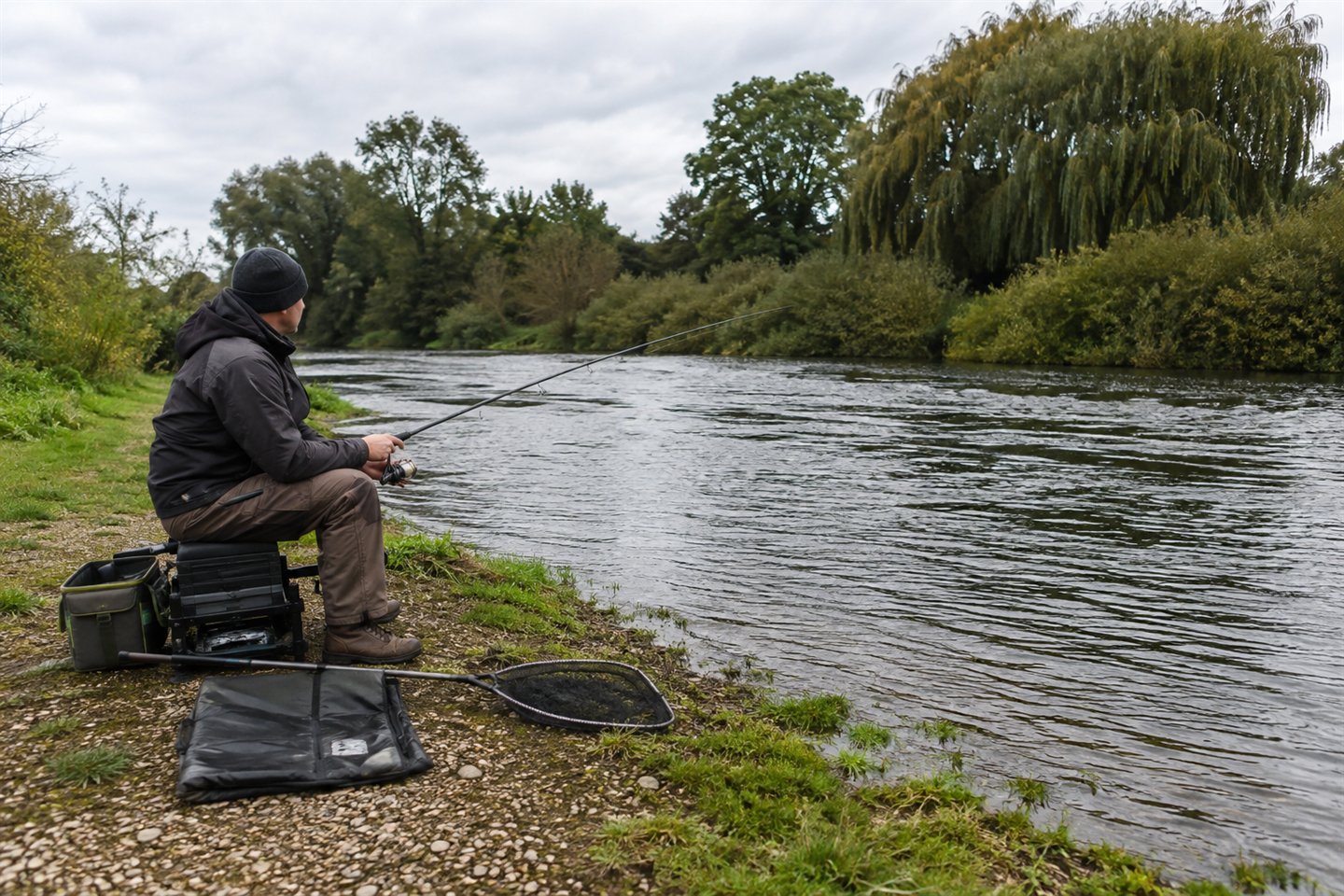
Choose a coarse fishing rod for the fishing you'll do most: a float on the local lake, a river swim or a small feeder. We'll compare the main types so you can buy one useful setup, rather than trying to cover every method at once.
A beginner doesn't need a collection of rods. One well-matched outfit for a local canal, lake or commercial fishery will teach more than several specialist models bought without a plan. Length, action and casting rating matter, but each specification only makes sense alongside the float, feeder, line and fish the rod must handle.
Let's start with the type of fishing, then look at length, action and casting weight. There are three starting options below to help you narrow it down. Check the venue's rules and ask for local advice if you're likely to encounter large carp, barbel or difficult snags.
How to choose a coarse fishing rod for your first method
Choose a float rod when you expect to fish wagglers or stick floats and want good line control with fine tackle. Choose a feeder rod when the bait will usually sit on the bottom and bites will register on a quivertip. Consider a clearly specified general-purpose or specialist rod only when it genuinely covers the limited mix of methods you intend to use.
For a first purchase, write down the venue, typical casting distance, likely species and sizes, largest float or fully loaded feeder, preferred transport length and budget for the whole outfit. Take that note and the current fishery rules to a reputable tackle shop. A rod’s stated limits and intended use are more valuable than a generic “all-round” description.
The coarse fishing tackle checklist puts the rod within the wider setup. Allow money for a compatible reel, fresh line, knotless landing net and unhooking tools rather than spending the full budget on the blank.
Float rod or feeder rod for a beginner?
Rod design is a response to a task. A float angler repeatedly casts relatively light tackle, holds or mends line and often strikes at a moving indicator. A feeder angler casts a combined feeder-and-bait payload, places the rod on a rest and watches a fine tip. These demands call for different lengths, guide layouts, tips and power.
If you have not chosen a method, attend a coached session or borrow an outfit before buying. The Angling Trust identifies float fishing and legering or feeder fishing among the main coarse methods, while the Canal & River Trust also presents short poles and whips as accessible options. A pole doesn't require a conventional reel rod, so decide that route first.
Ask the venue which method gives a beginner regular bites. A small canal may favour light float tackle; a windswept reservoir may make a feeder easier; a commercial pool may require a stronger float or feeder rod because sizeable fish are common. Local reality is more useful than a nationwide “best rod” ranking.
What a float rod does
A float rod is normally light enough to hold for long periods and long enough to control line between rod tip and float. Its tip should recover cleanly after a cast, while the middle and lower sections absorb lunges and protect appropriate hooklengths. It is not simply a feeder rod without a quivertip.
Stillwater waggler fishing is a common beginner use. The rod needs to cast the intended float without feeling overloaded, pick up line on the strike and guide roach, skimmers, perch or tench safely. On open water with modest fish, a conventional match-style rod may suit; a commercial-fishery model may have more reserve power for frequent larger fish.
River float fishing adds line control. Extra length can help hold line off conflicting currents and manage a stick float, but a very long rod is heavier, harder to transport and more awkward under trees. Beginners should not buy maximum length by default. A manageable rod used accurately is preferable to an exhausting one.
Descriptions such as match, power float, commercial float and river float suggest intended use but are not regulated grades. Compare actual length, product guidance, recommended line range and any stated casting limit. Two rods with “float” in the name can be designed for very different hooklengths and fish.
A 12ft and 13ft coarse float-rod search (paid link) can help compare common formats. Check the manufacturer’s specification for each exact model and buy for the venue; the search results are not a tested shortlist or a claim that every item is suitable.
What a feeder rod does
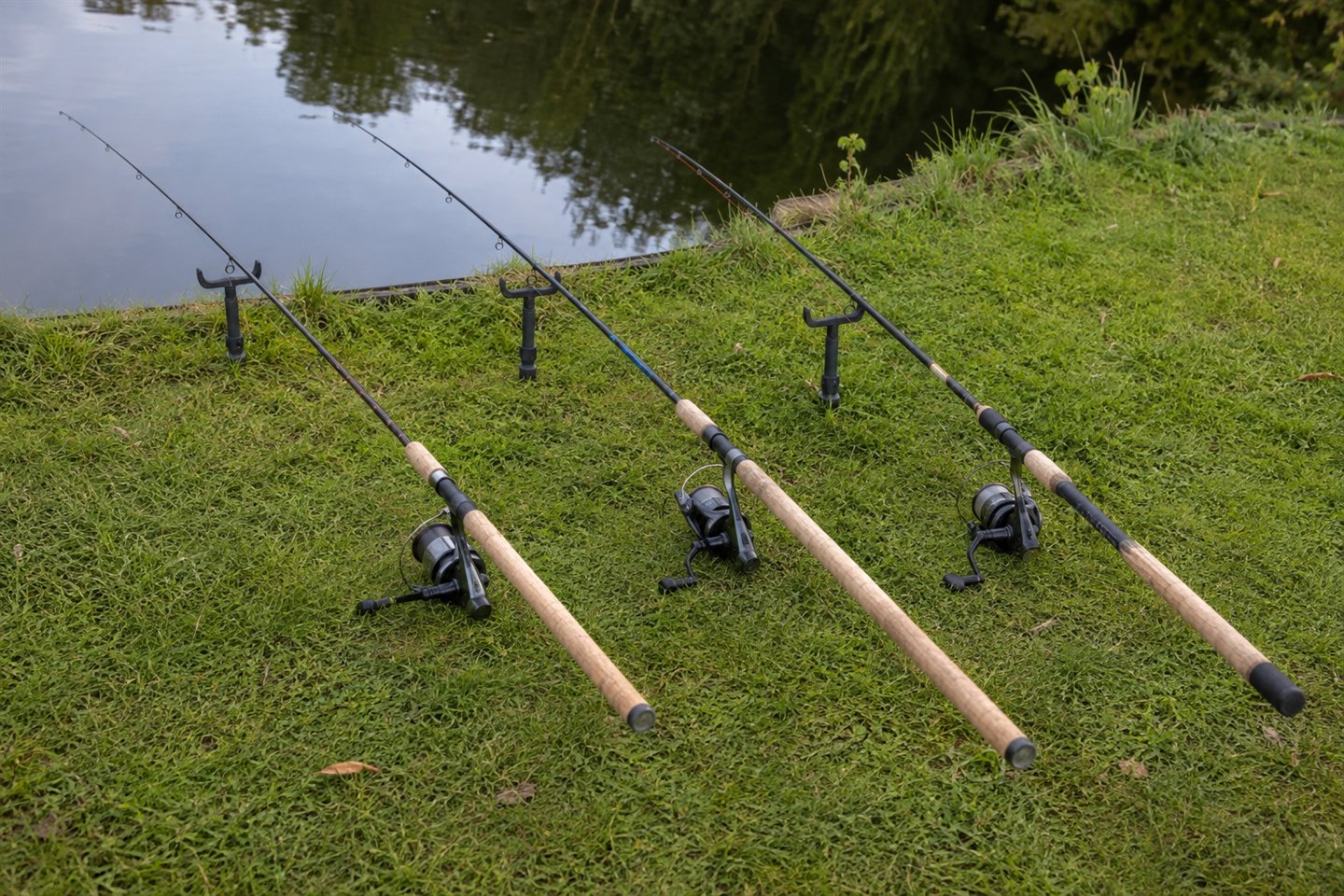
A feeder rod must cast a feeder, its contents and the terminal rig within the blank’s safe rating. It also carries one or more fine quivertips that show pulls, drop-backs and changes in tension. The main blank supplies casting and fish-playing power; the removable tip is primarily an indicator, not a licence to exceed the rod’s limit.
Short feeder rods are convenient on small pools, narrow canals and intimate rivers where casts are modest. They can be accurate and easy to handle beneath cover. Longer rods can cast farther, lift line over marginal weed or flow and provide leverage, but they need more clear space and a sound casting technique.
Feeder ranges often use words such as light, medium, distance, power or method. Treat these as positions within that maker’s range, not universal measurements. Look for a maximum casting weight or recommended range and confirm whether it refers to the total loaded feeder. If the literature is unclear, ask the manufacturer or retailer rather than guessing.
Weigh a feeder after filling it when establishing a safe setup. Groundbait and soaked pellets add mass, and a feeder marked 30 grams doesn't weigh 30 grams once loaded. Keep a margin below the maximum rating, use a smooth progressive cast and never add force to compensate for a rod that is too light for the job.
A ZWIM 8ft feeder rod with two quivertips (paid link) shows the range of lengths and ratings available. Confirm the number, material and strength of tips supplied, because replacements may be model-specific and an apparently cheap rod can become costly if compatible tips are difficult to obtain.
What “general-purpose” really means
A general-purpose coarse rod can be useful for an angler who fishes occasionally with floats, small feeders or simple leger rigs on modest waters. It may use interchangeable top sections or a compromise action. The benefit is fewer purchases; the cost is that it will rarely control a light float as neatly as a float rod or indicate bites as precisely as a dedicated feeder rod.
Some specialist rods are intended for tench, bream, chub or light barbel work and may handle float and bottom-fishing tasks. They are often stronger and shorter than a traditional match rod. That can suit larger fish, but it may be needlessly heavy for small roach and canal work.
Read exactly what is included. A rod sold with an Avon-style top and a separate quivertip top offers genuine alternatives; a single blank called “multi-purpose” may only indicate broad marketing. Check that every top section fits cleanly and that replacement quivertips remain available.
General-purpose doesn't mean safe for every coarse species. Pike tactics require specialist predator tackle and knowledge, while powerful river barbel or frequent commercial carp can demand stronger equipment than a light compromise rod provides. Define the upper edge of likely use before buying.
Rod length explained
Length affects line control, casting geometry, reach around vegetation, leverage and physical comfort. It doesn't work alone: balance, blank diameter, handle position and action can make two rods of equal length feel very different. Whenever possible, assemble the rod and hold it with the intended reel.
A rod around 12 or 13 feet is a familiar float-fishing starting range, but it is not a rule. Shorter options can suit compact commercial fisheries or restricted swims, while longer models assist certain river and deep-water presentations. Choose the shortest rod that comfortably completes the necessary job rather than adding length for status.
Feeder rods span short-water models through to long distance and river designs. A short rod can make close-range casting and netting easier; a longer rod can keep more line clear of current or obstacles. Casting distance comes from the complete design and technique, not length alone.
Consider overhead space and other anglers. A 13-foot rod needs room behind and above the peg for safe assembly and casting. Carbon conducts electricity, so manufacturer warnings about power lines and thunderstorms are critical. Never carry an assembled rod upright near overhead cables.
Action in plain language
Rod action describes broadly where and how the blank bends under load, but terminology varies. A fast or tip action bends most readily near the tip and recovers quickly, which can aid line pickup and accuracy. A through or progressive action involves more of the blank, spreading load and often cushioning lighter tackle.
No action is automatically best. A crisp float rod can strike efficiently, yet it still needs enough forgiveness to protect the chosen hooklength. A feeder rod needs casting stability but must play fish without creating sudden overloads. Manufacturer descriptions and recommended lines provide context.
Don't test action by sharply bending a dry rod against the ceiling or pulling the tip by hand. If a retailer allows a demonstration, one person should hold the rod correctly while another applies smooth pressure through line running through the guides. Never exceed a shallow controlled curve.
Words such as powerful, responsive and forgiving are relative. Look for measurements and intended applications, then consider how the rod feels. A slightly heavier but better-balanced blank may cause less fatigue than a lighter model whose tip constantly pulls forward.
Casting ratings and total payload
A stated casting weight is a safety and performance boundary, not a target that must be reached. Float ratings usually concern the tackle being cast; feeder ratings must account for the feeder, bait and rig. If a rod gives only a descriptive class, seek written guidance for the exact model.
Stay below the maximum, particularly while learning. Shock loading from a sudden punch, trapped line around a tip or feeder striking the blank can break a rod even when the nominal weight seems acceptable. Check the tip is clear and the line runs freely before every cast.
Distance claims depend on line diameter, reel spool, casting style, wind and payload as well as the rod. A distance rod may be counterproductive on a 20-metre pool because it sacrifices finesse and comfort. Buy enough casting capability for the regular swim, plus a reasonable margin, rather than the most powerful label.
Quivertips are indicators
Feeder rods may include glass, carbon or mixed quivertips labelled by ounces, colours or a maker’s own system. The marking describes tip resistance or compatibility within a range; it is not the casting rating of the whole rod. Follow the manual for which tips suit which loads and conditions.
A softer tip can show delicate bites and may suit calm water, while stronger tips resist flow, tow or wind and can maintain a readable bend. The lightest tip is not always most sensitive in practice: one pulled fully round by current leaves little useful movement.
Check the tip diameter and model code before buying spares. Similar-looking push-in tips are not necessarily interchangeable, and forcing an oversized tip can split the carrier. Carry tips in a rigid tube and inspect the tiny guides for cracks or dried groundbait.
Recommended lines are part of the design
Where a manufacturer publishes a reel-line or hooklength range, treat it as useful design information. The rod’s action is expected to work with tackle in that area. Venue conditions can require different choices, but moving far outside the recommendation calls for another rod, not wishful thinking.
A balanced system has no single indestructible component. Main line, hooklength, knots, hook and rod must suit the fish and snags. Very light line on a powerful rod can break under a hurried strike; very heavy line can transfer overload into the tip or blank and encourage unsafe pressure.
Ask the venue about common fish sizes and obstacles, then select line with a shop or coach. The silver fishing guide provides context for fine presentations, while the tench guide illustrates why stronger balanced tackle may be needed around weed.
Balance the rod with the reel
Rod balance is felt, not established by the lowest advertised gram weight. Fit the reel, hold the outfit at the normal grip and mimic the fishing position. A float rod that will be held continuously should not drag the wrist forward; a feeder rod still needs controlled casting and comfortable retrieval.
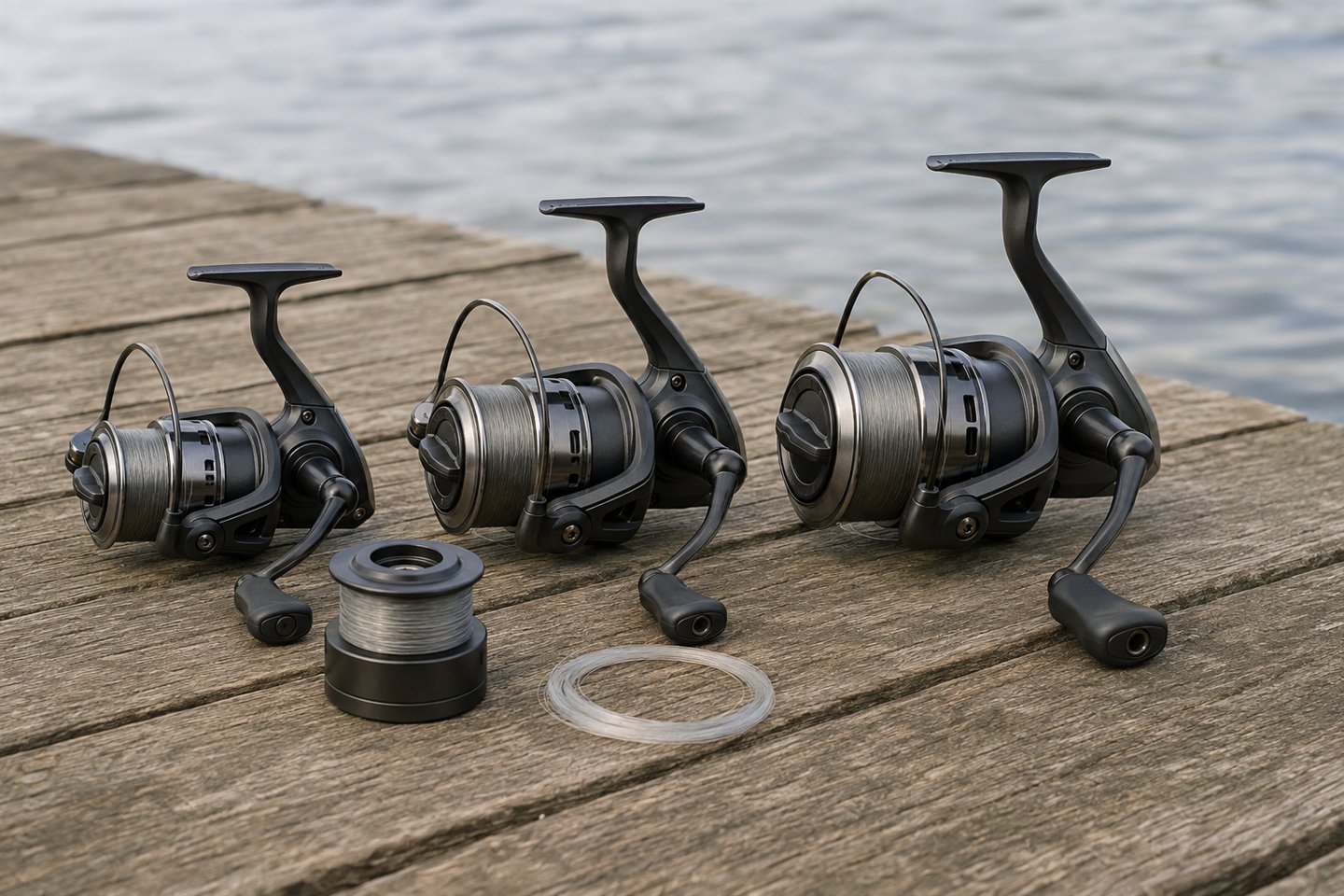
The reel should provide suitable line capacity and spool form without overwhelming the blank. Size numbers vary among manufacturers, so compare weight, spool diameter and capacity. The forthcoming coarse fishing reel guide explains those choices in detail.
Don't add a heavy reel solely to move the balance point backwards. The complete outfit then weighs more and can remain tiring. If rod and reel feel wrong together, try another pairing rather than solving one mismatch with another.
Match the rod to venue and species
A sheltered canal with small roach and skimmers asks for different tackle from a fast river containing chub and barbel. Commercial fisheries vary too: some are stocked mainly with small mixed fish, while others produce carp on nearly every cast. Ask for typical, not record, catches.
Study the peg. Overhanging trees favour manageable lengths and controlled casts. Weed, platforms, reeds and steep banks influence the reserve power and landing-net handle required. Distance across the water is less important than the distance to the features you can fish safely.
For a beginner targeting roach, bream and perch on open stillwater, a suitable float rod creates versatile sport. A dedicated feeder rod may be better for bottom-fishing at range. If carp are an occasional possibility, choose balanced tackle that can handle them, but don't let a carp-only specification overwhelm the coarse methods used most often.
Check the fishery’s rules for minimum line strengths, hook types, feeder arrangements and unhooking equipment. The current fishing licence guide covers legal access, but a licence never replaces owner permission or local rules.
Budget for the whole outfit
Set a total rather than a rod-only budget. Reel, line, terminal tackle, landing net, handle, disgorger and any required mat must all be ready before the first cast. A mid-priced rod with sound fish-care equipment is a better start than an expensive blank beside an unsuitable net.
Entry-level carbon rods can fish effectively when their specification fits. Higher prices may reduce weight, improve recovery, refine fittings or provide better finish, but none removes the need for technique. A beginner should pay for a clear purpose and reliable support before marginal weight savings.
A general-purpose Avon and quivertip rod search (paid link) can illustrate combination designs. Verify included sections, casting guidance, pack length and warranty on the exact listing. Don't infer suitability from “specimen” or “all-round” alone.
Replacement availability has value. Quivertips, butt caps and sections can be damaged, and a known model with accessible spares may outlast an obscure bargain. Read the retailer’s returns terms before assembling a mail-order rod outdoors or removing protective labels.
Buying new or second-hand
New tackle offers clearer provenance, warranty and current specifications. Buy from a retailer able to explain the rod and resolve transit damage. On delivery, inspect the tube and every section before fitting a reel, and report crushing, guide damage or joint problems promptly.
A used rod can be excellent value if inspected in person. Look along the blank for impact marks, check joints, liners, reel seat and handle, and confirm every original section and tip is present. Cosmetic wear is different from crushed carbon, split spigots or repaired fractures.
Ask why the rod is being sold and identify the exact model, not merely its family name. Manufacturers sometimes revise ranges while retaining similar branding. An old review can describe a different blank, tip set or casting rating.
Three sensible beginner routes
For small stillwaters and many canals, a manageable match-style float rod matched to the venue is the clearest route. It supports wagglers, teaches depth and creates visible bites. Pair it with a compact reel and follow the float-rod setup guide once the outfit is chosen.
For open lakes, tow or regular bottom fishing, choose a light or medium feeder rod whose loaded-feeder rating comfortably covers the intended work. Make sure suitable quivertips are supplied and learn a fish-safe running rig with local guidance.
For occasional mixed fishing where transport or budget permits only one rod, consider a clearly documented combination rod with separate float or Avon and quivertip functions. Accept the compromise and keep the task modest. It is not a substitute for specialist predator, heavy river or long-range equipment.
Common mistakes
Buying too powerful a rod “just in case” can make small-fish presentation clumsy and reduce enjoyment. Buying too light a rod because it feels elegant can be unsafe around snags or large fish. Choose around normal conditions, then decline swims or methods beyond the outfit.
Another mistake is treating rod length as casting distance. Payload, recovery, reel, line and technique all matter. A correctly rated shorter feeder rod can be more accurate than a long blank the angler cannot compress smoothly.
Finally, never ignore damage. A knock against a car door can weaken carbon without an obvious dramatic crack. Stop using a rod that develops splintering, unusual clicking, a loose guide or a joint that no longer seats normally, and obtain competent inspection.
Frequently asked questions
Can one rod cover float and feeder fishing?
A purpose-designed combination rod can cover modest versions of both, usually through interchangeable top sections. A standard float rod should not cast a feeder beyond its guidance, and a feeder rod is normally less pleasant for regular float control. One method-specific rod is often the better beginner choice.
What length coarse fishing rod should a beginner buy?
There's no universal length. Many float anglers consider rods around 12 or 13 feet, while feeder choices depend heavily on distance and water size. Select for the peg, method, transport and physical comfort after handling an assembled outfit.
Is a more expensive rod easier to use?
It may be lighter or recover more crisply, but specification and balance matter more than price. A reasonably priced rod designed for the task will be easier and safer than a premium model built for a different method.
Can I use a carp rod for general coarse fishing?
A conventional carp rod is usually too powerful and cumbersome for light wagglers, small feeders and silverfish hooklengths. It has valid specialist uses, but a float, feeder or appropriate general-purpose coarse rod provides better bite indication and control for beginner mixed fishing.
Final thoughts
To choose a coarse fishing rod, define the real job first. Identify water, method, distance, expected fish, payload and transport limits, then compare specifications and feel. Float rods prioritise line control, feeder rods combine safe casting with tip indication, and general-purpose rods accept a measured compromise.
Choose one outfit that feels comfortable and suits the water, then leave enough money for the net, mat and other essentials. Learning that rod properly is time well spent. You can add a specialist model later if your fishing calls for it; there's no rush to build a collection before your first session.
Sources and further reading
Angling Trust: how to start coarse fishing; Canal & River Trust: canal starter kit; Drennan: example float-rod specification; Shimano: example feeder-rod specification range; and Environment Agency: freshwater rod-fishing rules. Product examples illustrate how specifications are presented and are not endorsements.