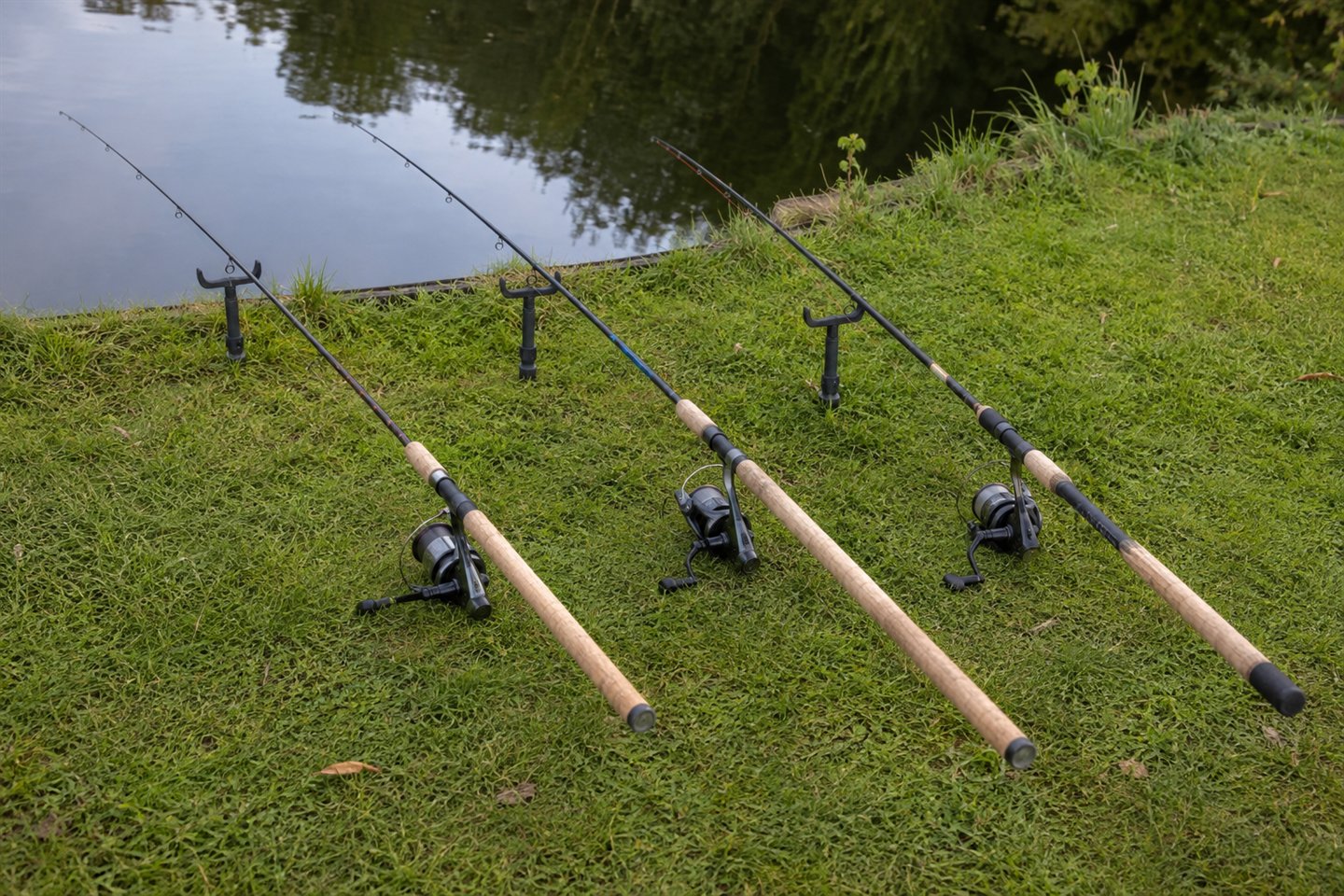

Silverfish fishing is a good way to practise reading a float. Start with a manageable line close to the bank and feed a few small baits accurately. If you are fishing a match, ask which species count and how fish must be kept before you set up.
Which fish count as silverfish?
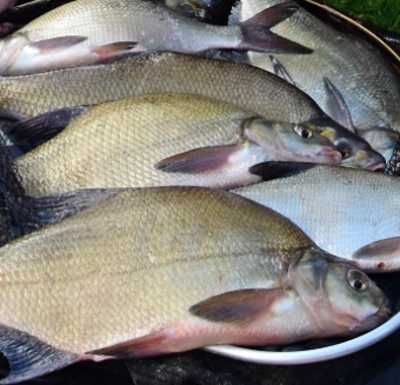
Anglers often mean species such as roach, rudd, skimmers and bream. A match organiser may count other species or exclude some of them; ask rather than judging by colour. A water can hold silvers alongside carp and F1s. Bring equipment you can use safely if you hook something larger than planned.
For a pleasure trip that distinction rarely matters. In a match, ask specifically about chub, dace, bleak and ide if they’re present. The list that counts towards the weigh-in comes from the organiser. A carp that takes your caster still deserves the same care even if it adds nothing to your match weight.
Start with a float or a manageable pole line
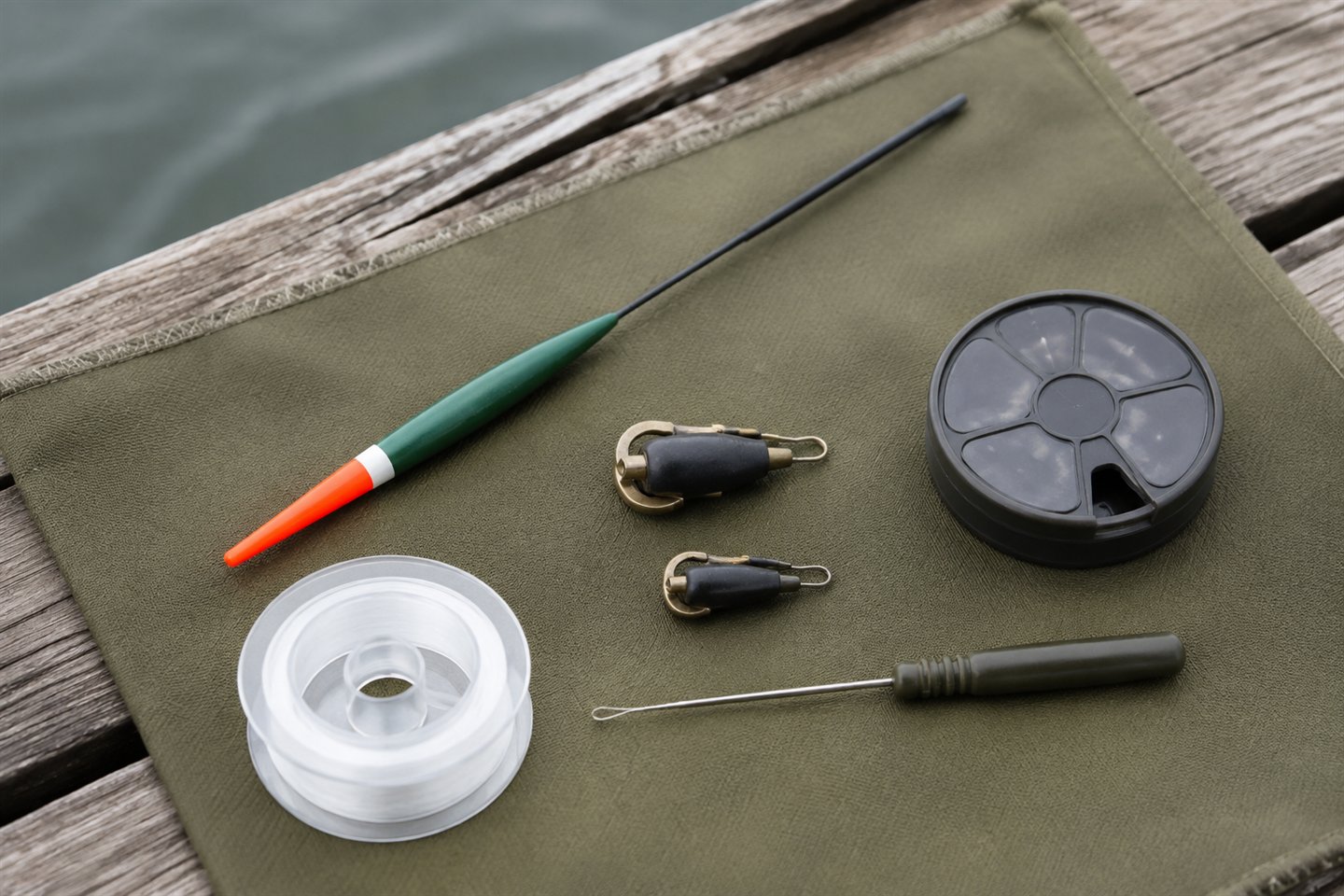
Choose a spot where you can lay a float down repeatedly and still see the tip. Plumb the depth and start just above or on the bottom. Try a couple of maggots or casters where permitted. Feed a few accurately rather than spreading the feed across several swims. The depth guide shows how to check the setting before you fish. A Preston 20g plummet (paid link) is one example. Check the weight suits your outfit and lower it gently into the swim.
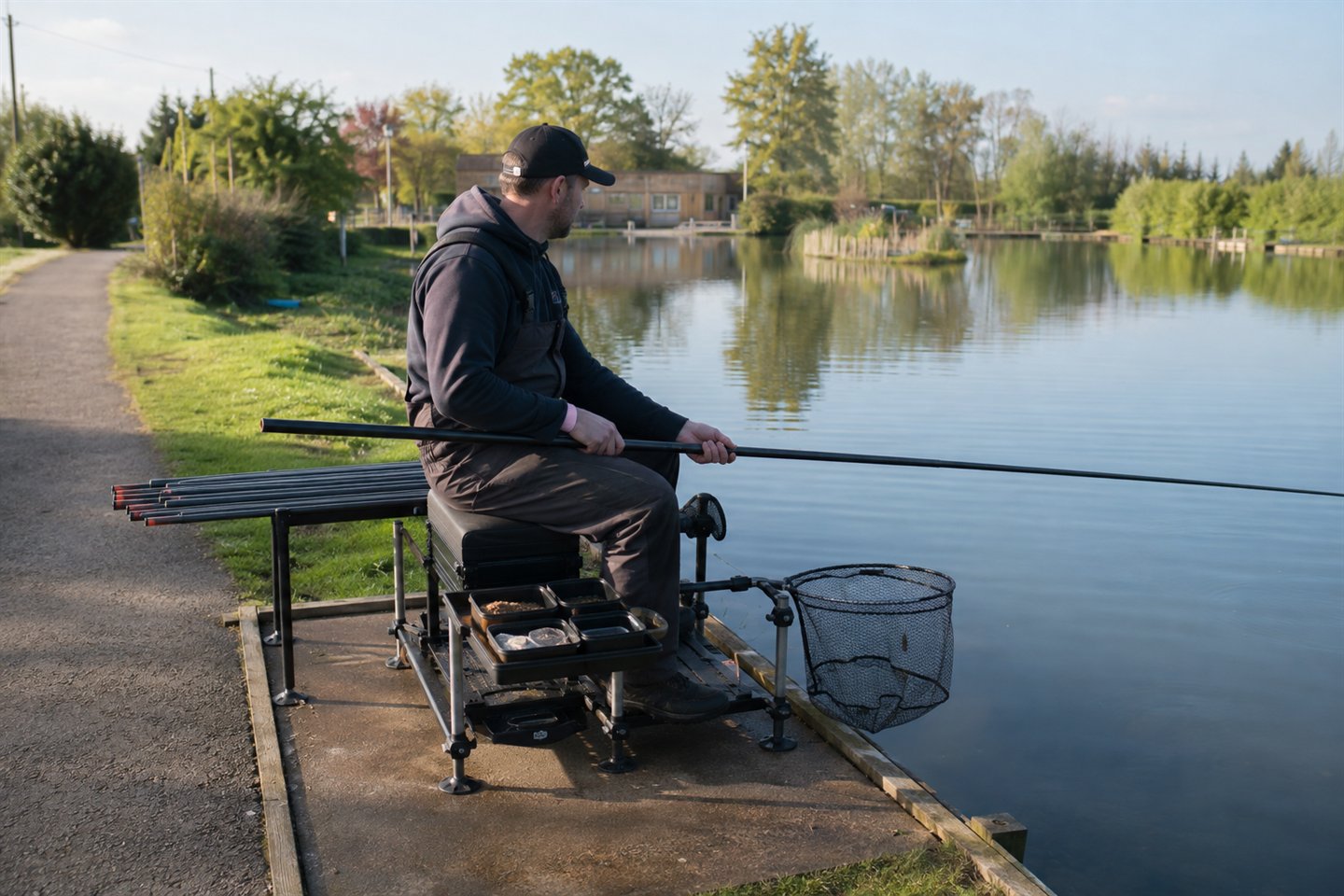
A roach line or a bream line?
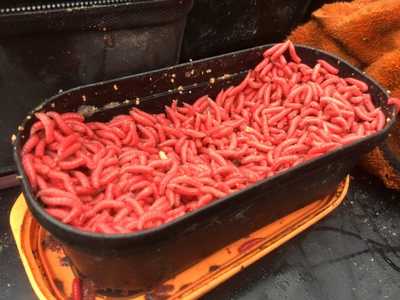
If small roach are taking a caster regularly, you already have a line that is putting weight together. A caster is the pupa that develops from a maggot. Feed a few into the same small area and see whether the float keeps dipping as the bait falls. You can fish this way with a waggler or a pole you can hold steadily at that distance.
A skimmer or bream gives you more weight per fish but may leave you waiting longer. If you want to try for one, plumb a second spot where the bait can rest on the bottom and try a piece of worm or a grain of corn. Keep the productive roach line in reserve while you find out whether the bigger fish are there. Where groundbait is allowed, start with a small ball mixed damp enough to reach the bottom. If you catch a bream, get the hookbait back out first. Other fish in the shoal may still be feeding there.
Float fishing for chub on a river
If the stretch holds chub, choose a glide where you can run the float past the edge of cover and still have room to play a fish. Feed a few maggots or casters upstream of where you expect the bite, then let the hookbait travel through with them. A handful thrown below the float will drift away from the bait you want the chub to find.
Make one adjustment after a few casts
If the float keeps stopping on the drop, try slightly shallower and see whether it brings a better bite. If the bait comes back untouched, check whether your loose feed and hookbait are in the same place. Roach may be following small bait through the water while bream stay lower down. If you want to try a different fish, make a deliberate change to depth or feed and see what follows.
What to do when carp move in
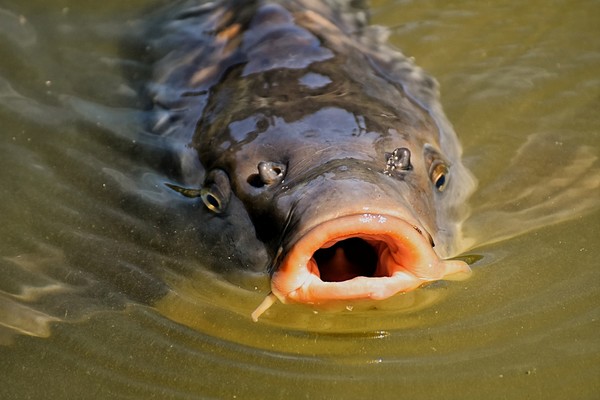
Repeated carp are a reason to review the line and feeding plan. Ease back the feed or try another spot, rather than using tackle you can’t safely play a carp on just to get more silverfish bites. Use a suitable net and unhooking tools for all fish. Return them promptly on a pleasure trip; follow organiser and venue rules when a match permits a keepnet.