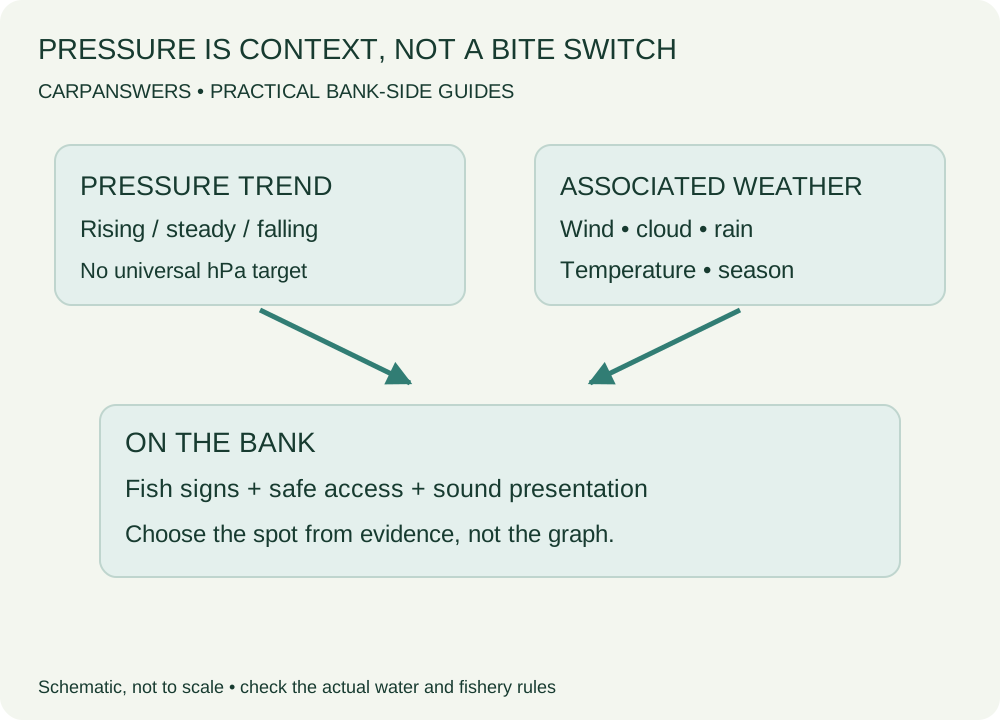
There's no magic air-pressure reading that makes a carp pick up your bait. Read the trend alongside wind, cloud and temperature, then look at the fish. Here's how to use pressure as one clue without letting the barometer run your session.
A falling pressure graph can encourage you to look more closely at an approaching weather change. It cannot tell you whether fish are feeding on your spot, sitting above your rig or gathering somewhere you cannot safely fish.
This is a guide to understanding the reading, rather than a collection of guaranteed feeding thresholds. For an overall session plan, start with Best Weather for Carp Fishing; for practical bright-day tactics, use our separate high-pressure carp fishing guide.
What does air pressure actually mean?
Air pressure describes the pressure exerted by the atmosphere. Weather forecasts commonly display it in hectopascals, written as hPa. You do not need a separate barometer or a weather station to use that information sensibly.
High and low describe pressure systems relative to their surroundings, not two fixed fishing modes. The Met Office explanation of pressure systems shows why the associated weather matters: high pressure can accompany warm, settled summer weather but cold, frosty winter conditions. Low pressure often brings more unsettled weather.
That seasonal difference alone should make you wary of a universal rule. A clear January night and a sunny July afternoon may both occur under high pressure, yet they demand very different clothing, location checks and fish-care decisions.
Does the pressure itself make carp feed?
Be careful about turning a plausible explanation into a proven fishing rule. Carp have swim bladders, but that fact does not establish a particular hPa value at which they feed, stop feeding or move to a set depth.
On a real lake, several things change together. A front can bring cloud, wind, rain and a temperature change while the pressure falls. If you catch during that spell, the pressure graph alone cannot explain the result.
There is also your own behaviour to consider. Perhaps you fished longer, moved onto showing fish or tried a new bank because the forecast looked promising. All of those changes complicate the claim that pressure caused the catch.
The practical answer is to treat pressure as context. Use it to ask better questions about the forecast, then choose a location and presentation from evidence on the bank. There is no need to settle a scientific debate before you can go fishing.
How should you approach high pressure?
First check what high pressure is bringing this time. In summer, inspect shade and the upper layers as well as your usual bottom spots. In winter, consider the effect of cold nights and whether fish use a sheltered area later in the day. Neither situation means carp cannot be caught.
Do not respond to a high reading by automatically changing every rig to a zig. You still need fish at the relevant depth, a suitable water, safe tackle and permission to use the method. A bottom bait remains a sensible choice when carp are visibly feeding on the bottom.
If the water is clear and bright, approach quietly and spend longer watching before casting. Try to distinguish carp resting in view from carp that will take loose feed. Seeing fish is a useful first step; understanding what they are doing is the next one.
For tackle, depth choices and short-session examples in these conditions, follow the high-pressure tactics guide linked above. This page deliberately keeps the focus on reading the weather information rather than repeating that whole tutorial.
Is low pressure always better?
No. A mild, overcast spell may be comfortable to fish and worth investigating, but low pressure can also accompany cold rain, strong winds and dangerous conditions. A promising-looking graph is not permission to ignore a weather warning.
Check wind strength and gusts, not just the direction arrow. Decide whether you can cast accurately, land a fish safely and leave the venue without crossing flooded ground. If you cannot, choose another day or a genuinely safe alternative water.
On the bank, watch whether carp are using the wind-facing area, a sheltered pocket or another depth. Low pressure does not remove the need to find them. Nor does it justify a heavy baiting campaign before you have seen any feeding evidence.
Is falling pressure good for carp fishing?
It tells you the reading is decreasing over the period shown. That is useful because it directs attention towards a possible change in the weather, but the size and speed of the change need context. Compare the same location and forecast source rather than two unrelated readings.
Look at the hours when wind, rain or cloud are expected to change. Will you already be fishing then? Can you watch another bank safely? Does the fishery have a history of fish moving during similar conditions?
Suppose the pressure falls overnight, with a milder breeze forecast for the next afternoon. Arrive with time to look at exposed and sheltered water. If fish are showing on a safe area away from your usual swim, that observation is a stronger reason to move than the falling line itself.
If the same fall accompanies cold, driving rain, do not assume it offers the same opportunity. The guide to fishing after rain helps you assess what the water has actually received.
What about rising or steady pressure?
Rising pressure can occur as a weather system moves away, but do not reduce it to “feeding over”. Look at the remaining cloud, wind and temperature, then give the fish time to show you what they are doing.
Steady conditions can be useful for learning a venue because there may be fewer obvious changes to interpret. You can compare locations, times or presentations without explaining every blank through a new front. That still does not mean the whole lake behaves uniformly.
If you have a known bite period and fish are still present, stay with a sound approach rather than abandoning it when the pressure begins to rise. Change for a reason you can describe: a masked hook, fish elsewhere, an unsafe wind or a presentation at the wrong depth.
Air pressure and carp fishing: which changes are worth watching?
- Check official warnings and safe access first.
- Compare the pressure trend with temperature, cloud, rain and wind during your actual fishing hours.
- Look at the preceding nights, not only the warmest afternoon number.
- Choose two safe areas to inspect, accounting for shelter and lake shape.
- On arrival, let fish signs and presentation checks decide where the rods go.
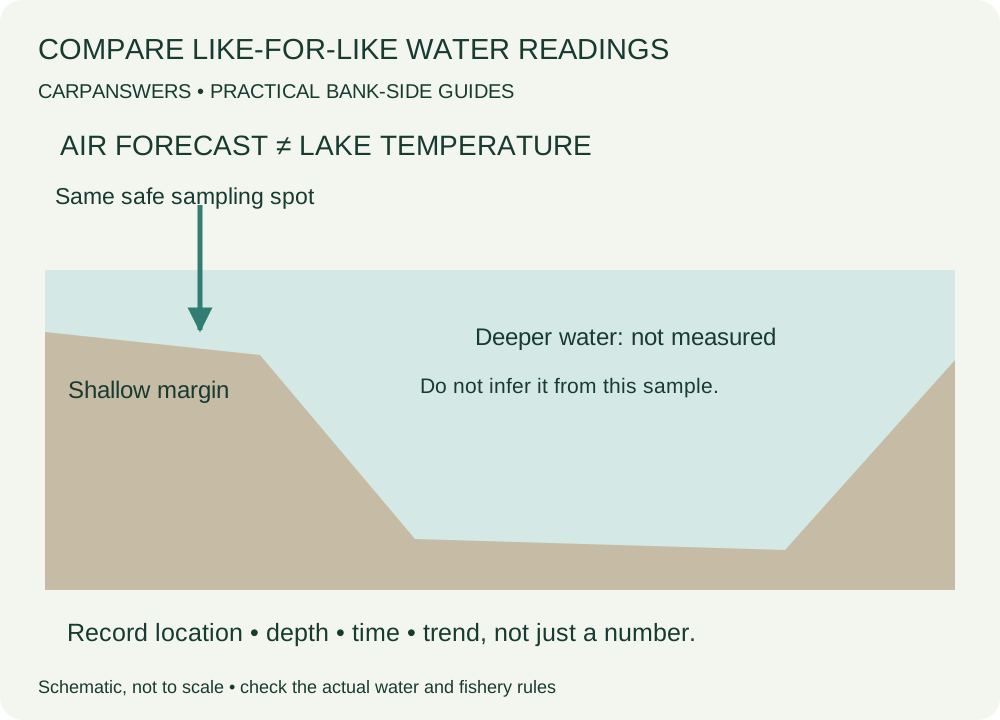
The CarpAnswers fishing forecast puts the weather information in one place. Pair it with the wind-direction guide when you need to understand which bank a wind reaches, or the water-temperature guide when the air forecast tempts you to assume the lake has warmed instantly.
Keep useful records, not pressure superstitions
In your Session & Catch Log, record the fishing hours, location, sightings, bait, bites and blanks alongside the weather. Write “two fish rolled beside the island at dusk” rather than “low pressure worked”. The first note helps you plan the next visit.
Compare similar sessions before drawing a conclusion. A long weekend in June is not a fair test against a two-hour January visit. Include sessions when you did not catch; leaving them out makes almost any favourite weather theory look convincing.
The Bite Time Predictor can help compare available windows, but its indicators are not observations of feeding carp. Use it to organise your time, then adjust to the water in front of you.
Pressure questions, answered simply
What air pressure is best for carp fishing?
There is no dependable universal hPa target. A useful forecast assessment combines the trend with temperature, wind, season, fishery conditions and observed fish.
Should I cancel because pressure is high?
No, not for that reason alone. Check safety and fish welfare, then adapt your location, timing and presentation to what you find.
Do I need to buy a barometer?
No. A forecast is enough for planning. More equipment will not solve the harder question of where the carp are and whether your rig is presenting properly.
Use pressure to prepare a flexible plan, not to give the lake a verdict before you arrive. If you find feeding fish in safe conditions, fish for them.