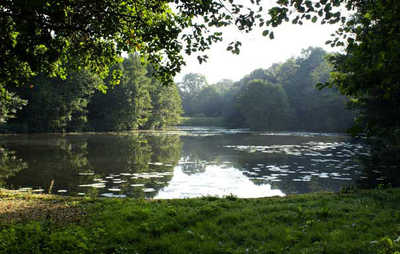
Carp fishing after rain can go either way. A mild shower after a dry spell is different from two days of cold runoff. Look at what's changed in the water, then decide whether your location, depth or baiting needs to change too.
Look at the temperature trend, wind, water level and any incoming water. Then look for the fish. There is no need to buy a special bait or a different rig because it has rained; the useful change may simply be fishing another part of the lake.
This guide helps you make that decision. For the wider forecast picture, read Best Weather for Carp Fishing alongside it.
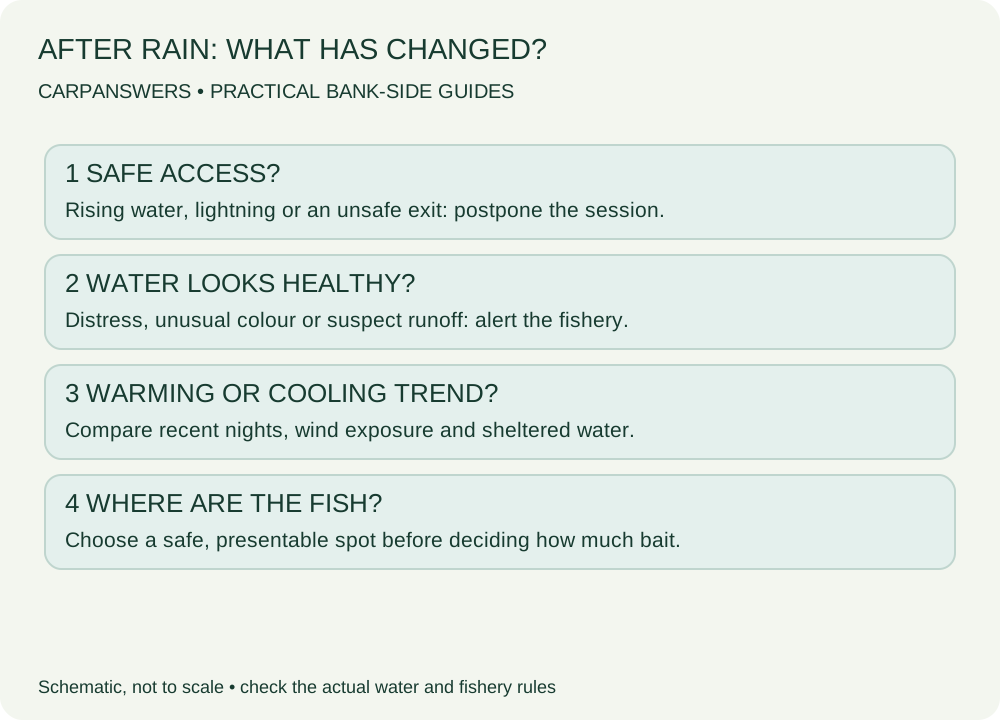
Carp fishing after rain: what has actually changed?
A brief shower may make little difference to a large water. Cloud cover, wind and quieter banks can be more noticeable than the amount of rain itself. If carp were feeding in a sheltered corner before the shower, there is no reason to abandon it just because the surface is now dimpled.
Keep watching the same area as the rain passes. Are fish still showing? Is the wind pushing loose feed away from your hookbait? Has the visibility changed enough that you can no longer follow a surface bait safely? Those are useful questions because each leads to an action.
For a short session, keep the approach simple. Protect your PVA and dry bait, have a waterproof layer ready and avoid repeated casts merely to feel busy. When fish are already on the spot, a little patience may be more valuable than reacting to every shower.
How does cold rain affect a carp fishing session?
Longer rainfall can change levels and inflows, especially where a lake receives water from surrounding land. Walk the accessible bank before unloading. A swim that was dry on your last visit may now have a submerged edge, slippery platform or unsafe route back to the car.
Look at where the extra water enters and where it leaves, but do not assume either is a feeding hotspot. Incoming water can carry sediment and contaminants as well as anything carp might eat. An attractive-looking colour change is not a water-quality test.
Ask the fishery whether levels are still rising, whether any swims are closed and whether there has been a runoff problem. Follow closures even if another angler is catching. Do not cross flowing floodwater or wade to reach a previously accessible peg.
If the fishery is open and conditions are safe, consider a known spot away from the strongest inflow as well as the obvious inlet. Finding fish through careful observation is more useful than camping beside incoming water on the assumption that rain has improved it.
Is carp fishing better after warm rain?
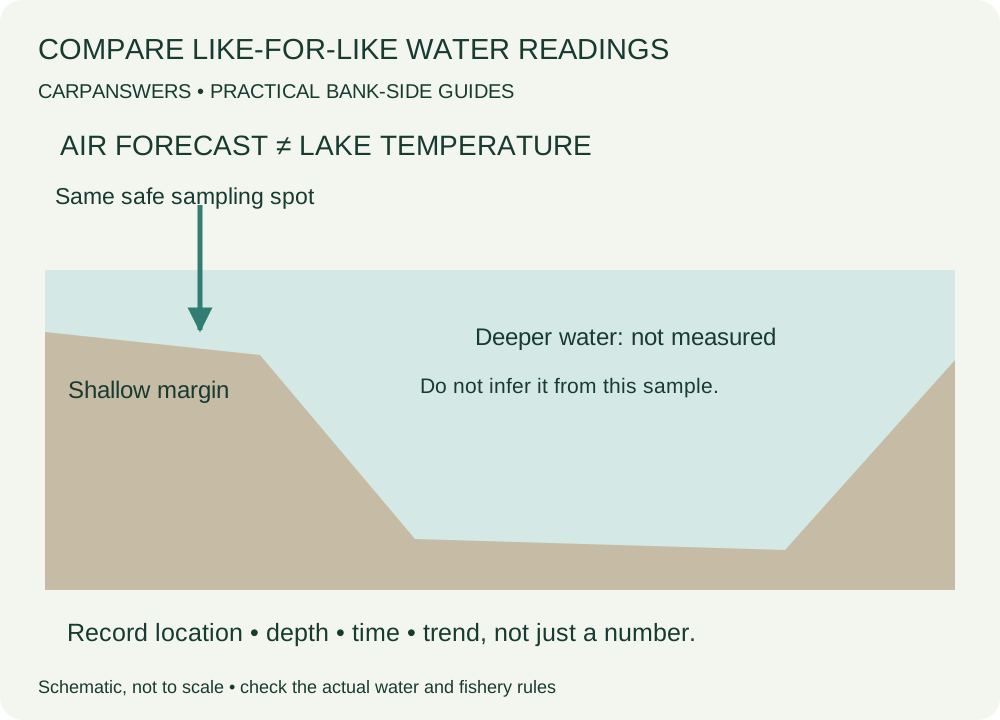
Check the nights as well as the afternoon high. A mild, cloudy spell after cold weather gives a different planning picture from sharp cooling after a warm afternoon. Water does not instantly adopt the temperature shown on your phone, and different depths may respond differently.
Use a consistent water-temperature measurement if you already take one, or ask the fishery for its observations. Do not invent a lake temperature from the air forecast. The water-temperature guide explains how to make useful comparisons without pretending one shallow reading describes the whole lake.
Imagine you planned to fish a sunny, shallow bay. Overnight rain arrives with a cold wind straight into it. Check the bay, but also look at sheltered water and its deeper edge. If the fish have gone, move with the evidence rather than defending yesterday's plan.
Now imagine a small shower arrives during an otherwise settled, mild day. Fish continue patrolling the same margin and taking loose bait. There is no need for a grand tactical change. Keep the rig where it presents properly and concentrate on being quiet.
What should I check before fishing an inflow after rain?
Stay on safe ground and watch from a distance first. Note the strength of the flow, floating debris and whether fish are present. Never climb onto a sluice or approach an unstable bank to obtain a better view.
Freshly coloured water may help you spot the boundary between incoming and lake water. It does not prove food is collecting there, nor that carp prefer the most coloured section. Fish may use the edge, stay away or pass through without feeding.
A strong smell, unusual discolouration, dead fish or fish in distress needs reporting to the fishery, not a cast. For pollution or distressed fish in England, the Environment Agency's reporting route is given in the environmental incident guidance; use the appropriate regulator elsewhere in the UK.
If everything looks normal and the fishery permits fishing nearby, choose an area you can present to and land from safely. Keep lines away from moving debris and structures. A difficult outlet is not made safe by stronger line or a quicker reaction.
Read the wind change as well as the rainfall
Rain often gets all the credit for a catch when several things changed together. The breeze may have swung, cloud may have reduced the glare, and anglers may have left a previously busy bank.
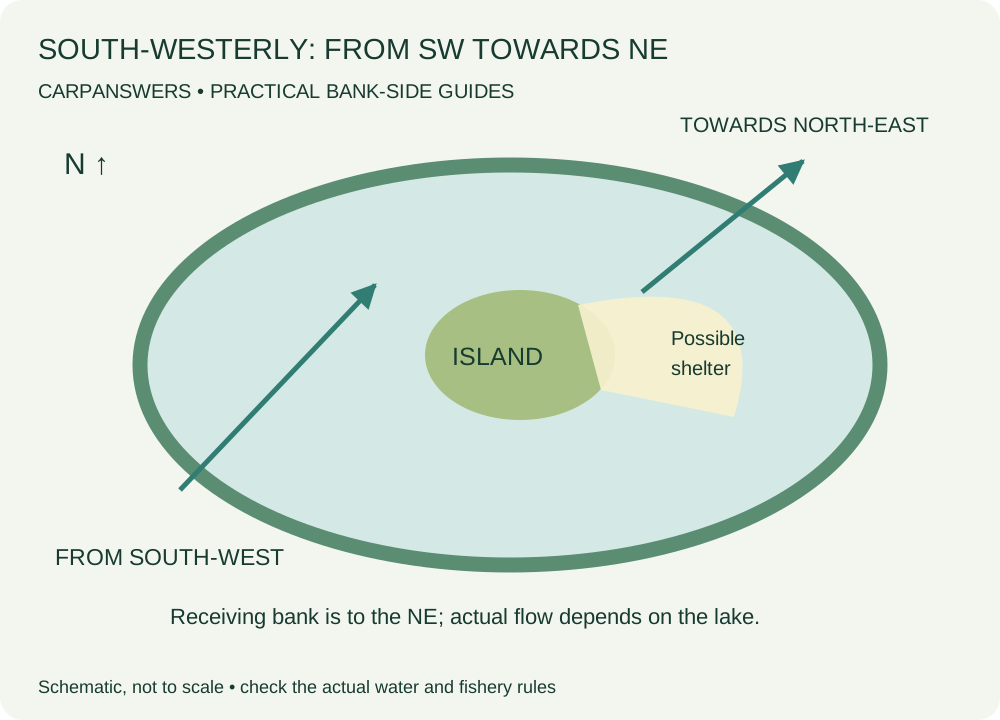
Use the Wind & Swim Planner to check where the forecast wind comes from and where it travels across your chosen lake. Then account for islands and trees. A sheltered corner can behave quite differently from the open bank the forecast appears to favour.
Our wind-direction guide explains the bank choices. Keep pressure in perspective too: a falling reading can accompany unsettled weather, but it is not a promise of feeding. Read the air-pressure explainer if the pressure graph is driving your entire session plan.
Should you put in more bait after rain?
Not automatically. Start with what you know about the water, the fish and the length of your session. A wet forecast is not evidence that the lake needs another bucket of feed.
If you find fish feeding confidently on a safe spot, a modest top-up after a bite may make sense. If the area has cooled, become heavily coloured or produced no signs, adding bait is a poor substitute for checking your location and presentation.
Keep dry feed separate from wet hands and waterproof clothing. Tie PVA parcels under cover and close the container between casts. A bag weakened before casting can scatter its contents in flight, leaving you with a different presentation from the one you intended.
After a missed cast, account for the bait already delivered. Repeatedly replacing parcels can quietly build a large feed area. Accuracy and restraint matter just as much in drizzle as they do in sunshine.
When should you postpone the session?
Do not fish through a thunderstorm. Stop before it reaches you and get to suitable shelter; a bivvy or lone tree is not a safe lightning refuge. Follow the Met Office lightning advice rather than waiting for a nearby strike to make the decision.
Check official warnings and the fishery's access information before travelling. Leave if rising levels, unstable banks, dangerous gusts or a threatened exit route make the session unsafe. No weather-related feeding opportunity justifies getting trapped on the bank.
For ordinary wet weather, make a simple plan: dry spare layer, phone protected, reliable light, secure footwear and a clear way home. Keep the landing area tidy so that a take does not turn into a scramble across slippery tackle.
Questions anglers ask after a downpour
How long after rain should I wait?
There is no reliable waiting period. Check safe access and how the particular lake has responded. A short shower may need no change; rising water or reported runoff may mean abandoning the trip.
Does rain oxygenate a lake enough to make fishing safe?
Do not use rainfall as an oxygen test. Follow the fishery's assessment, especially after hot weather. A shower does not cancel signs of distress or a closure.
Is the inlet always the best swim?
No. Inspect it from safe ground, ask about water quality and look for fish. A quieter area away from the incoming water may be the better choice.
Before leaving, compare the fishing weather forecast with the fishery's actual conditions. Put a safe alternative swim or a different day into your Session Planner so you are not committed to fishing simply because the car is packed.