Water temperature can help explain what the carp are doing, but one reading won't choose a swim for you. Follow the change over time, watch for fish and adjust your approach to what you find.
Start with those observations before changing bait or rigs. A warm afternoon forecast does not mean a deep lake has suddenly warmed through, and a cold night does not mean every carp stops eating.
This guide explains how to use temperature without letting a thermometer make every decision. Read it alongside Best Weather for Carp Fishing for the wind, light and rainfall picture.
Water temperature and carp fishing: what does the trend tell you?
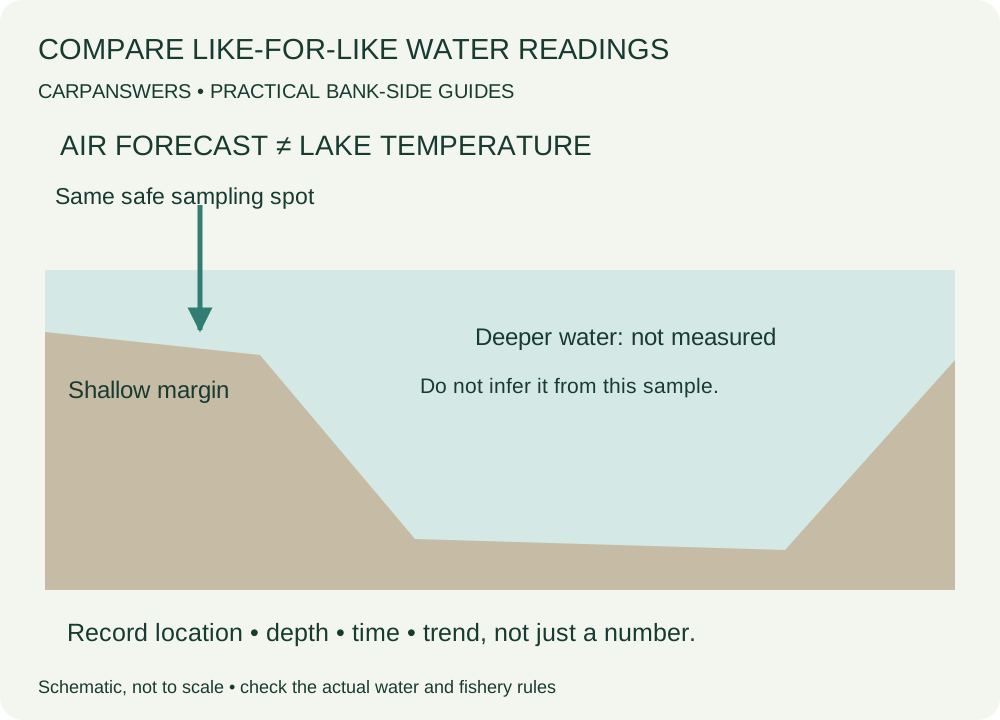
The number on your weather app usually describes the air, not the lake. Water responds over time, and its depth, exposure and mixing all affect that response. A shallow, sheltered edge can behave differently from deep open water during the same afternoon.
That is why looking only at today's maximum can mislead you. Check the preceding days and nights. A brief sunny spell between cold nights is different from several mild days with little overnight cooling.
Do not assume the shallowest water is always warmest or the bottom is always coldest. Those shortcuts break down as seasons and conditions change. Nor should you assume deeper water is automatically better in winter. Start with the venue's winter history and current fish signs.
If you do not have water readings, be honest about that. You can still make a sensible plan from the weather trend and observation. Calling a forecast temperature “the lake temperature” adds false precision without helping you catch.
How to measure water temperature for carp fishing
An ordinary suitable water thermometer can help, but consistency matters more than collecting lots of numbers. Follow its instructions, give it time to stabilise and record the place, depth and time of the measurement.
Take readings from a safe bank position. Do not lean over a steep edge or wade into unknown water to get a more impressive sample. If you only measure a shallow margin, label it as a shallow-margin reading.
Try to compare the same spot at similar times across visits. A reading taken in sunlit shallows at four in the afternoon is not directly comparable with a deeper shaded sample before sunrise. The difference could reflect the sampling place and time rather than a whole-lake trend.
Clean and dry equipment between waters in line with fishery biosecurity rules. You do not need a new gadget for every trip: asking the bailiff whether the fishery keeps temperature and oxygen records may give you more useful context.
What should you do when the water is gradually warming?
Widen your search. Watch shallow shelves, sheltered margins and routes between holding areas and feeding spots. Do not immediately cover them in bait; first establish whether carp are visiting and what they do when they arrive.
For example, a bay may contain several visible fish on a sunny afternoon. If they are simply cruising, a bottom bait with a large bed of feed is not automatically the answer. Look for fish dropping down, disturbing the bottom or responding to a small permitted feed introduction.
As evidence of feeding builds, you can adjust the amount of bait. The order matters: observe, feed modestly, then respond. Rising temperature alone is not a reason to empty the bucket.
The spring carp fishing guide develops this approach around cold nights, emerging weed and changing depths. Keep an eye on fishery spawning restrictions too; warming weather is not a reason to target spawning fish.
What changes after a sharp cooling spell?
Recheck places you previously took for granted. An exposed shallow spot may no longer hold the fish you saw there a few days earlier. Inspect sheltered water and nearby depth changes, but do not leap straight to the deepest hole.
Start cautiously with feed until you know how the fish are responding. A small, accurately placed parcel or single hookbait can be easier to assess than a large baited area. If fish are visibly feeding hard, respond to that rather than refusing to feed because the forecast looks cold.
Keep your location and presentation checks separate. No bites could mean fish are elsewhere, but it could also mean a tangled hooklink or masked hook. Retrieve and inspect tackle when there is a reason to doubt it, not every ten minutes out of frustration.
For longer-term cooling and changing weed, use the autumn carp guide. It explains why a productive late-summer spot may need reassessing before winter.
Do carp feed when the water is cold?
Yes, carp can still be caught in winter. The challenge is often finding fish and being ready for a short opportunity, rather than discovering a bait that reverses the season.
Ask which areas have produced in previous winters, then confirm current signs where possible. A sheltered holding area is worth observing, but do not cast into roots or dense snags because fish feel comfortable there.
Keep tackle familiar and the session manageable. If you have only a few hours, a water with a known winter track record is a sensible starting point. A flask, dry clothing and a clear plan may improve your concentration more than another pot of flavouring.
Our winter carp fishing guide brings together location, baiting and short-session tactics. Treat any claimed temperature below which carp “never feed” with caution; an absolute cutoff is not a useful rule for every water.
Does temperature tell you which depth to fish?
Not by itself. A margin reading cannot locate fish in open water or prove they are feeding halfway down. Watch their behaviour and use depth information from the spot you can actually fish.
If carp are repeatedly cruising above bottom rigs, consider an appropriate alternative such as a zig or surface approach where allowed. Test the finished setup and understand its depth adjustment. Do not turn a guess about water layers into a precisely stated fishing depth.
On another day, the same visible carp may move down to a shelf and feed there. Be ready to change with them. The point is to place a sound presentation where the fish can encounter it, not to defend a favourite temperature theory.
Warm water: know when fishing should stop
Warm water can hold less dissolved oxygen, and a stressed stillwater may be particularly vulnerable around dawn. Follow the fishery's assessment rather than using a universal carp temperature limit. The Angling Trust's hot-weather advice, issued with the Environment Agency Fisheries Team, explains the welfare concerns.
If fish are gasping, distressed or recovering poorly, stop fishing and alert the fishery. A breeze, rain shower or slightly lower air temperature does not prove the problem has passed.
Where fishing remains appropriate, prepare the landing and unhooking area first, keep equipment wet and avoid unnecessary handling or prolonged photographs. Our summer carp fishing guide puts welfare alongside location and tactics.
How should a cooling trend change my carp baiting?
Temperature is one useful part of bait planning, alongside stock, nuisance fish, session length and recent feeding. There is no dependable conversion from a thermometer reading to kilograms of boilies.
Use the Bait Quantity Calculator to make a starting estimate, then divide the bait into an initial portion and a reserve. The guide to how much bait to use explains when to top up and when adding more is unlikely to solve the problem.
Record the actual amount used in the Session & Catch Log, not just what you brought. Over several comparable visits, that gives you a better basis for packing than the label “warm-water session”.
Common temperature questions
What temperature is best for carp fishing?
No single number guarantees good fishing. Stable or improving conditions, fish location, feeding evidence and safe fishery conditions are more useful together than a target temperature alone.
Should I buy a thermometer?
It is optional. Consistent readings can improve your notes, but you can start by observing the fish and asking the fishery about its records. Do not buy one expecting it to identify a swim for you.
Does a sunny afternoon make the whole lake warmer?
No. Local shallow water may respond differently from deeper areas. Use the weather forecast as context, not as a substitute for measured water conditions.
For the next trip, note the trend, pick two areas to watch and keep some bait in reserve. Let what you find on the bank refine the plan.