One autumn carp session feels like summer; a few cold nights later, the same lake can fish quite differently. Keep looking for shows, bubbles and coloured water. We'll use those clues to plan location and baiting as the water cools, without assuming a huge feed-up is guaranteed.
September can still fish like summer, while a shallow lake may feel wintry before a deep gravel pit has lost much heat. Shorter daylight, longer nights, dying vegetation, stronger Atlantic weather and declining natural food all influence where carp spend time. Their response differs between venues, so record conditions and captures rather than repeating a calendar rule.
Let's work from the warmer days of early autumn through to the colder end of the season, covering location, wind, bait, rigs and night fishing. For the wider picture, have a look at the carp fishing weather guide as well.
Autumn carp fishing: what changes as the water cools?
Find the carp before committing bait. Walk at first and last light, listen after dark and check areas that retain stable water: deeper open zones, sheltered water after a cold wind, the edge of the last healthy weed, clean channels and soft silt rich in natural food. A recent mild wind can still move fish, while a cold northerly and clear night may make calmer or deeper water more attractive.
Begin with less bait than the old “autumn harvest” story suggests. A small tight patch, a few accurately placed boilies or a PVA bag can establish whether carp are present. Increase only after bites or convincing feeding signs. The general rule from the bait quantity guide remains useful: bait can be added, but it cannot be taken back.
Use a dependable rig suited to the lakebed, inspect the hook and line after every retrieve, and prepare warm clothing, lighting and fish-care equipment before dusk. Autumn nights arrive quickly. Efficiency matters because the best feeding window may be brief and moving swims in darkness is harder.
Autumn is a transition, not one set of conditions
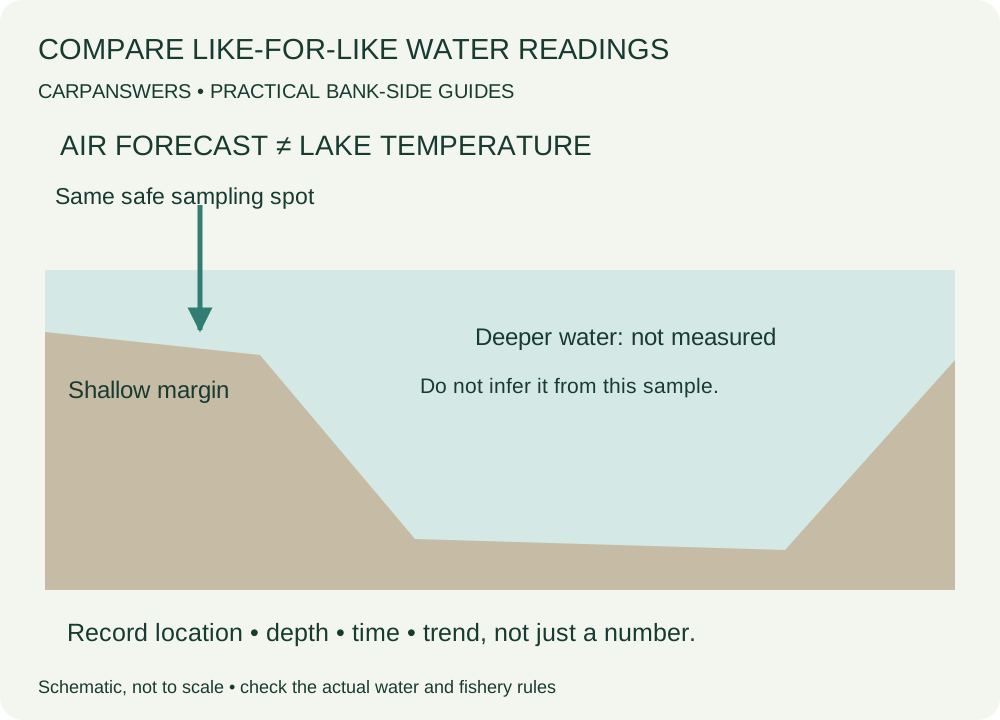
Meteorological autumn in the UK runs from September to November, but a carp lake doesn't change mode on 1 September. Water has thermal inertia: a large deep venue may cool slowly, while a shallow exposed pool responds faster to cold nights and rain. Air temperature is easy to read; water trend is the more relevant local clue.
Think in three flexible phases. Early autumn can retain warm water, active weed and summer feeding patterns. Mid-autumn often brings sharper night cooling, shorter days and more concentrated activity. Late autumn can resemble winter, with fish using fewer areas and feeding windows becoming less frequent. The boundaries move with region, depth and weather.
A simple fishing thermometer can show whether the margin is cooling gradually or has changed sharply. A carp fishing water thermometer (paid link) is most useful when readings are taken consistently at the same depth and time. One reading is not a bite predictor; a series reveals direction.
Read the recent trend before the day's forecast
Today's mild air can sit above water chilled by several cold nights. Conversely, a cold morning may follow a week that left deeper water comparatively warm. Review the previous few days of minimum temperatures, wind and rain before choosing a venue. Then use the live forecast to judge comfort, safety and likely changes during the session.
Gradual cooling doesn't automatically stop carp. A rapid fall is more disruptive because the fish have had little time to adjust. Manufacturer and angler guides commonly caution against cold clear nights, cold rain and northerly winds that sharply lower water temperature. Treat that as a reason to relocate and reduce bait, not a claim that a bite is impossible.
Stable periods can make patterns easier to repeat. If carp show at the same time over the same depth on two mild evenings, return quietly and prepare before the window. A weather change may then move or shorten that activity. Records are more useful when they include time, water temperature, wind, cloud, spot depth, bait and outcome.
Start every session with location
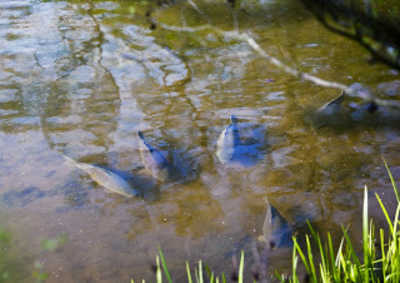
Arrive early enough to walk without rushing. Look from high or quiet viewpoints, pause in each section and use polarised glasses in daylight. A definite show outweighs a favourite swim. Pinprick bubbles, rolling fish, disturbed silt, moving reeds and freshly coloured water can all support a decision, but one isolated sign should not be stretched into certainty.
At dusk and after dark, sound becomes important. Carp may show in open water once bankside disturbance falls. Stay awake for a planned observation period, note direction and distance, and avoid shining a powerful torch across the lake. The watercraft guide to finding carp explains how to rank signs rather than collect them.
Mobility remains valuable. Set up only the essentials until there is evidence to stay. A compact kit makes a move possible when fish reveal themselves elsewhere. If moving at night would be unsafe, reel in, organise the swim in daylight and return for the next feeding window.
Open water and increasing depth
As autumn develops, carp on many lakes spend more time in open water and around greater depth, although this is a venue pattern rather than a universal law. Deeper water changes temperature more slowly and can offer a stable environment after cold nights. Shows and captures must confirm whether that applies to the lake in front of you.
Map depth changes with a marker setup where fishery rules and weed allow. Look for a gentle shelf, old river channel, plateau edge or bowl rather than automatically fishing the absolute deepest point. Carp may travel along the transition and feed on nearby silt. Record distance in wraps and a fixed far-bank direction.
Long range is not inherently better. Fish the nearest repeatable point on the observed route so indication, accuracy and landing remain controlled. If the middle is beyond safe casting distance, wait for movement, choose another bank or find a venue that fits the tackle rather than downsizing line or forcing a cast.
What changes when weed dies back in a carp lake?
Healthy remaining weed offers cover and can hold natural food. Dying weed can release trapped debris, collapse across rigs and create low-quality pockets, so distinguish firm green growth from dark decaying material. Cast around the edges and retrieve slowly, noting whether strands are fresh, brittle or foul-smelling.
Carp may visit clear channels, holes and the downwind edge of weed. A spot doesn't need to be polished gravel; a small clean area beside natural food can be more valuable. Keep enough distance from dense growth to land fish safely and follow the principles in the safe snag-fishing guide.
Leaves create a separate problem. A hook can be masked by a single leaf even when the lead lands firmly. Watch which banks collect wind-blown debris, protect the hook point with a small PVA product where appropriate and recast if the line gathers leaves. Don't drag a lead repeatedly through fish simply to search for a perfect spot.
Autumn silt can be productive
Soft silt can hold bloodworm and other natural food, and autumn carp are often found feeding in or beside it. The aim is not necessarily to find gravel but to identify silt that receives use and presents safely. Moving bubbles, recently disturbed colour and repeated shows are stronger signs than a general assumption.
Use the fall and retrieve of a lead to compare areas. Deep soft sediment gives a slower muted landing and more resistance on the pull; clean firm silt may release without foul debris. The carp fishing in silt guide covers lead choice, hooklink length and how to test the full presentation.
A light lead, longer or more supple hooklink and balanced hookbait can settle more naturally than a compact heavy arrangement, depending on the system. Use a fish-safe lead configuration, test it in shallow water and inspect the point. A pop-up is not automatically the answer because excessively high presentation may sit above feeding fish.
How much bait should I use for autumn carp fishing?
There's no automatic autumn quantity. Stock, lake size, natural food, water temperature, angling pressure, nuisance species and session length all matter. Begin with an amount that can generate a bite without committing the swim. On a low-stock water that may be a single hookbait with scattered boilies; on a busy runs water showing sustained feeding it may be a measured bed of mixed bait.
Korda's current seasonal discussion questions the idea that carp universally gorge in preparation for winter. It argues that declining natural food can make anglers' bait harder to avoid even while metabolism is slowing. The practical consequence is “little and often”: observe, feed accurately and top up in response rather than putting in a large opening hit because the month is October.
Count or weigh what is introduced. “Ten Spombs” is not a transferable measure because devices and mixtures differ. Note the load, number of fish present and time to the first bite. After a quick capture, a small top-up may keep a group feeding; after a blank with no signs, more bait can deepen the mistake.
Boilies, pellets and particles as water cools
Boilies remain simple to spread, count and match with a durable hookbait. Smaller sizes, chops and crumb create more items without a large food load. Choose a digestible current bait and avoid making unsupported claims about one flavour. A low-oil carp boilie search (paid link) can help compare current options as water cools.
Pellets break down at different rates and oil content matters. High-oil feed used heavily in cooling water may not disperse as it did in summer. Read the product description, keep quantities modest and test breakdown in lake-temperature water. Combine sizes only when each has a job rather than building a complicated mix by habit.
Prepared hemp, corn and other particles can hold carp over a tight area. Natural baits such as maggots or casters become practical on some venues as nuisance fish activity slows, but fishery restrictions vary. Never introduce dry nuts or seeds without correct preparation, and never assume a bait allowed last year remains permitted.
Match the hookbait to the feeding situation
A bottom bait blends with whole boilies or particles on a clean spot. A wafter can settle lightly with the hook, while a low pop-up can stay visible over fine debris. Test buoyancy using the actual hook and rig in water close to the lake temperature, because cork, foam and boilie buoyancy can change during immersion.
Bright singles are useful for casting to an isolated show when no loose feed is justified. Match-the-hatch hookbaits suit established feeding on a baited area. Carry both approaches and let evidence choose. The full comparison of pop-ups, wafters and bottom baits explains the mechanical differences.
Crayfish and small fish can damage softer baits even late in the year. Use mesh or a tougher hookbait where rules permit, but inspect it on a sensible schedule. Don't leave a questionable presentation for longer merely because nights are cold.
Rig choice for changing lakebeds
Autumn doesn't demand a special named rig. Use one that resets, matches the bottom and has already proved mechanically sound. A coated-braid hair or blowback-style rig can suit clean silt and mixed beds; a low pop-up arrangement can work over light debris; a solid PVA bag protects the hook and delivers a small parcel accurately.
Inspect the entire system more often as leaves and dying weed increase. Feel the main line for abrasion, check knots, examine the hook under good light and replace any point that has turned. Make sure the lead can separate or the hooklink can escape the broken main line as the chosen system intends.
Change only one variable where possible. If location is right but the hook returns masked, solve presentation. If no carp have shown in the area, a different rig is unlikely to rescue the swim. Autumn rewards good diagnosis, not constant rebuilding.
Wind, pressure and rain
A new mild wind can still move surface water and encourage carp towards a bank, particularly in early autumn. After prolonged cooling, a cold headwind may make the sheltered side or deeper water more attractive. Follow the temperature carried by the weather rather than a rule that the end of the wind is always best.
Air pressure describes a broader weather pattern; it doesn't dictate whether a carp must feed on the bottom or in mid-water. Low pressure often arrives with cloud, wind and rain, while high pressure can bring calm clear nights. Observe the combined change and the lake's response. Don't wait for a particular pressure reading before looking for fish.
Rain can add oxygen and encourage activity when mild, but a large volume of cold runoff can rapidly chill shallow water or affect water quality. Avoid inflows carrying discoloured road or field runoff. If fish show distress, stop fishing and alert the fishery. Thunder and lightning require an immediate safe response: put down rods and seek suitable enclosed shelter.
Early-autumn approach
Early autumn often retains summer water temperatures and mobile carp. Continue checking upper layers, shallow bars and margins as well as the bottom. Surface tactics may remain viable on suitable warm days. Weed is likely to be at its greatest extent, so plan line paths and landing areas carefully.
Carp may still process and respond to substantial food, especially on well-stocked lakes, but heat and low oxygen remain possible. Watch recovery closely, keep fish wet and stop when the fishery imposes a warm-water suspension. Strong winds after a warm calm spell can create a short active window.
Prepare for a large temperature range between afternoon and night. Pack layers before setting up, not after becoming cold. A waterproof outer and spare dry base layer keep concentration on the water when showers pass through.
Mid-autumn approach
Through mid-autumn, observe whether shows are concentrating into fewer open-water or deeper areas. Spend longer listening after dark and before dawn. Once a reliable zone is found, accurate repeated presentation can beat roaming among empty attractive-looking margins.
Reduce the size of top-ups when bites slow and introduce them to the exact productive area. A tight group of boilie chops, hemp and corn may suit a defined silt patch; scattered whole boilies can suit travelling fish. Choose a pattern, record it and judge the result before mixing both.
Night sessions become longer, so organise alarms, headtorch, net, wet mat and clothing before the light goes. A NGT rechargeable fishing headtorch (paid link) should have a dependable low mode and enough reserve for landing and fish care. Carry a simple backup rather than relying on a phone.
Late-autumn approach
Late autumn often means shorter feeding spells and a smaller set of holding areas. Deep water can remain comparatively stable, but the deepest point is not automatically occupied. Shows, liners and local capture history should lead. Arrive ready to fish quickly when a known window begins.
Small PVA bags, single hookbaits and a few scattered boilies avoid overcommitting an uncertain swim. If several carp feed and bites come quickly, top up carefully. If a cold snap follows heavy baiting, accept that the area may need time rather than covering it with more food.
Frost, fog and slippery banks change the safety calculation. Keep walkways clear, use stable footwear and avoid wading. Condensation can soak spare clothes and electronics, so use dry bags and ventilate the shelter. If travel or bank conditions are unsafe, shorten or postpone the session.
Short sessions and feeding windows
A short autumn trip works best when timed around observed activity. Pre-tie rigs, load PVA and measure distances at home. On arrival, spend ten deliberate minutes watching before unloading. A rod placed quietly on a known route can fish while a larger camp is still being assembled.
Don't respond to limited time by adding excessive bait. One accurate trap in the right area offers more value than three rods spread across guesses. Keep enough kit packed that a move remains quick. Note blank sessions too, because repeated absence from a zone is useful information.
Pre-baiting can establish confidence when rules, stock and access allow, but it needs discipline. Use small repeatable amounts, avoid disturbing anglers, and stop if carp are no longer visiting. Never dump unused bait at the end of a session.
Autumn fish care
Cool air can make an angler feel less hurried, but a carp still needs efficient handling. Assemble the wet mat or cradle, sling, scales, forceps and water before casting. Keep the fish low and wet, support its whole body and return it once it is upright and strong.
Leaves and mud make platforms slippery. Clear a safe route without damaging the bank and keep kneeling areas stable. Photography after dark should be prepared in advance; if camera, lighting or support is not ready, skip the photograph.
Biosecurity matters as anglers move between autumn venues. Clean, drain and dry nets, slings, mats, boots and boats according to local instructions. Don't transfer lake water, bait or weed. Check every fishery's current rules before arrival.
Common autumn carp fishing mistakes
The biggest mistake is assuming carp will eat a large bed of bait simply because winter is coming. The next is fishing yesterday's area after a major temperature change without looking. Another is targeting the deepest water by default while ignoring active weed edges, silt and visible movement.
Anglers also confuse comfortable mild air with warmed water, or treat falling pressure as a guaranteed signal. Record trends and fish response. Finally, don't let longer darkness reduce rod control or fish-care preparation. Reel in when sleep, weather or swim layout prevents a prompt response.
Recheck a summer spot before committing autumn bait
Take a familiar summer spot and ask three questions on your next visit: are fish still using it, has the bottom changed, and can you still land a carp safely? Falling leaves and dying weed can change the presentation even when your wraps and aiming point are identical.
One careful check can be enough if it agrees with what you see. Do not turn a quick inspection into an hour of noisy marker work over feeding fish. If the lead comes back with decaying debris, look at the edge or a nearby cleaner area before changing to a more complicated rig.
Separate the opening feed from your reserve. Use the Bait Quantity Calculator to plan what to take, then follow the response rather than a calendar-based instruction to feed heavily. Our bait quantity guide explains how to adjust after catches and quiet spells.
For the weather, compare several nights using the forecast. The water-temperature guide explains why one mild afternoon does not erase a cooling trend, while the weather hub brings wind and rainfall back into the decision.
As the days shorten, put an earlier setup and a safe packing time into the Session Planner. If the water is moving into a genuinely winter pattern, use the winter guide to simplify the next trip rather than carrying on with September's baiting out of habit.
Frequently asked questions
What is the best month for autumn carp fishing?
There's no universal month. September may retain summer activity, October can offer stable cooling periods, and November can concentrate fish into reliable winter areas. Choose by current water trend and venue evidence rather than the calendar.
Should I use lots of bait in autumn?
Not automatically. Start with a measured amount and increase after bites or clear feeding. Lake stock, temperature, natural food and session length matter more than the season name.
Where do carp go when the water cools in autumn?
On many lakes they increasingly use open water, greater depth, productive silt and remaining healthy weed, but local patterns vary. Shows, bubbles, colour and recent captures should confirm the area.
Are bright hookbaits good in autumn?
They can be effective as visible singles or small traps, especially when casting to a show. Match-the-hatch baits may suit feeding fish over loose feed. Carry both and test them without assuming one colour always wins.
Final thoughts
Good autumn carp fishing is an exercise in tracking change. Measure the water trend, watch at low light, listen after dark and build a picture of where carp are concentrating. Fish a simple presentation in that zone and let bites, not folklore, decide whether more bait is required.
Let the lake tell you when to leave the summer approach behind. Prepare for longer nights and unsettled weather, keep the fish-care gear ready and jot down where and when bites come. Those notes will give you something useful to work from when winter arrives, and when autumn comes round again.
Sources and further reading
- Korda: weather through the fishing seasons and autumn temperature changes
- Korda: Tom Stokes on autumn location, silt, weed and measured baiting
- Met Office: UK autumn dates, daylight and typical weather
- Mainline: venue-specific observations on colder-water open-water location
- Sticky Baits: autumn and winter carp fishing guide