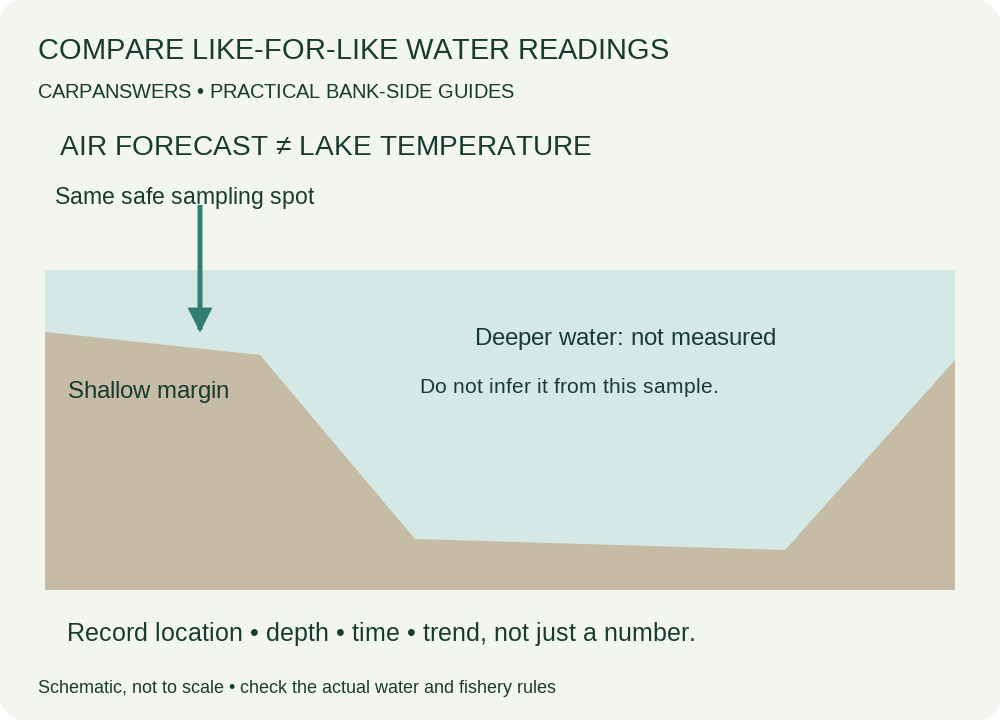

In spring, give the lake a walk before you choose a swim. A sheltered shallow bay might come alive in the afternoon and look empty after a cold night. Compare it with the open water and nearby depth. Look for repeated activity before making it the centre of your plan.
Look for signs you can fish
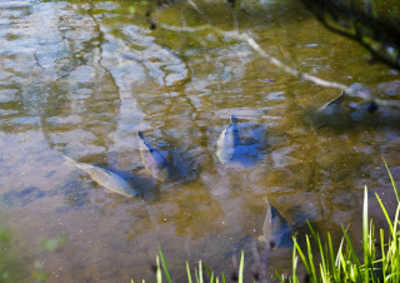
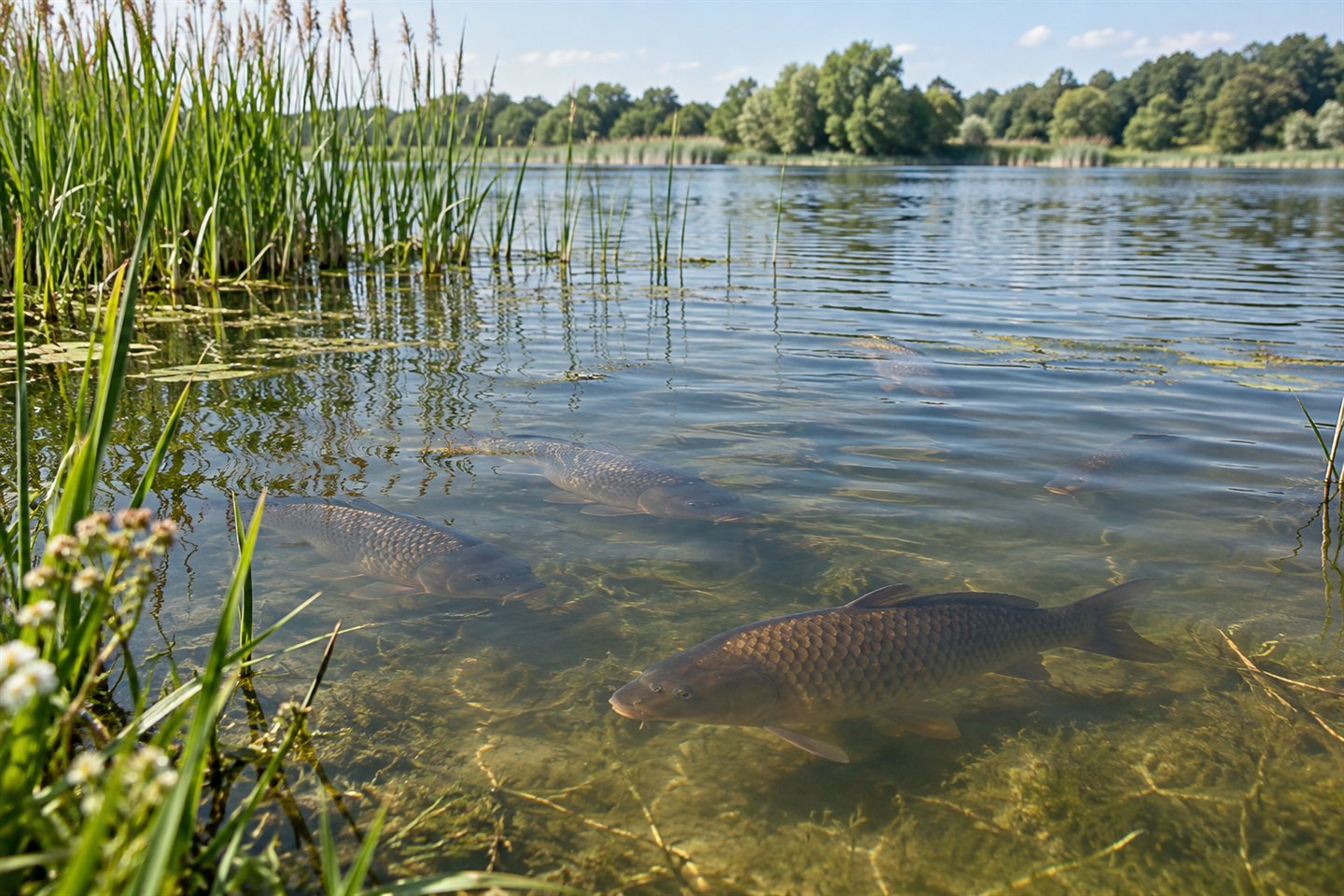
Warm, sheltered shallows are worth watching, alongside the first deeper shelf and places carp can pass through quietly. Take repeated shows, silt clouds or visiting fish more seriously than a single splash. Watch for a few minutes before assuming a group of carp lying high in the water is feeding. If you can’t get a bait to the spot or safely net a fish, look for a fishable route close by.
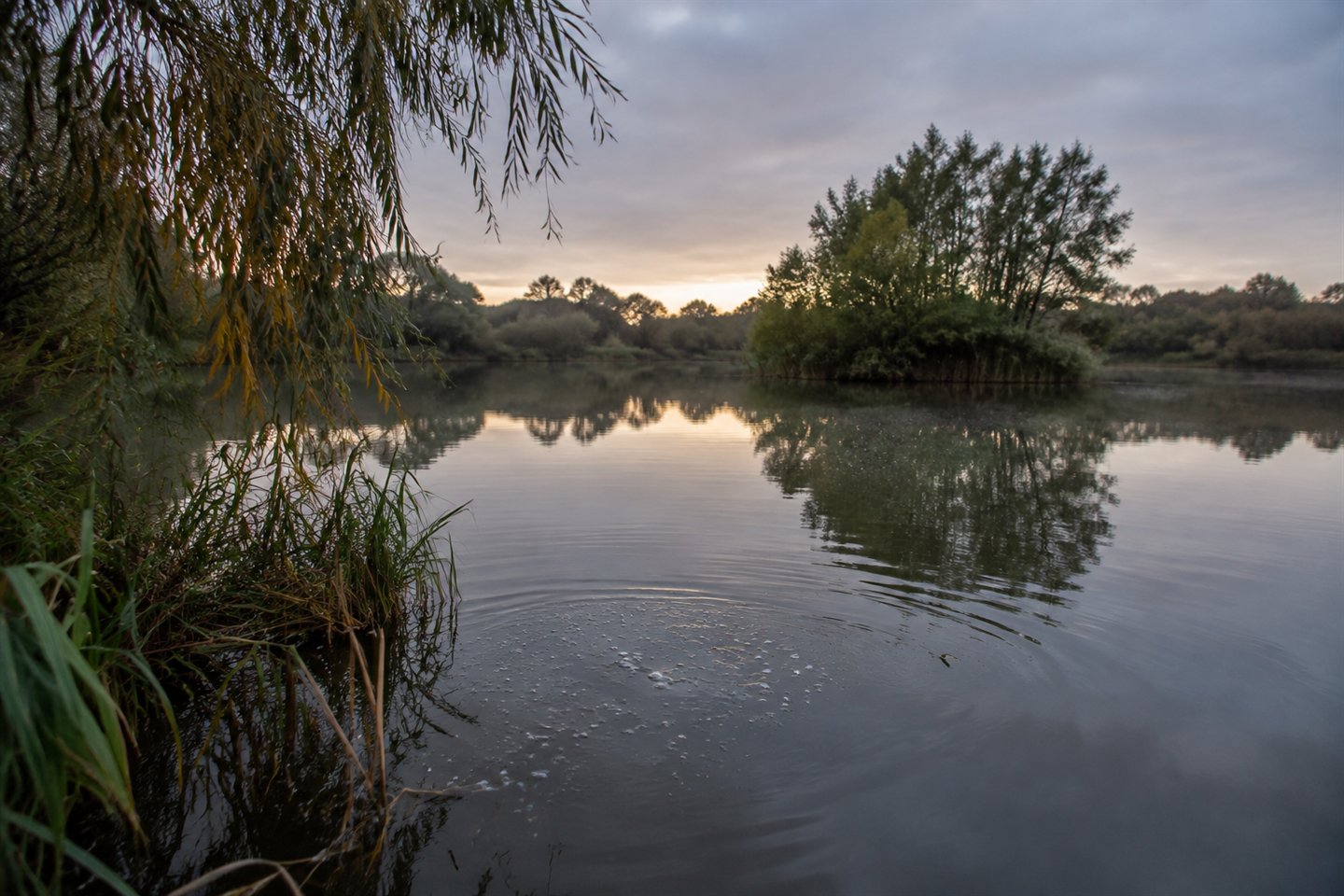
On a bright day after a cold night, stop at the shallow bay on your way round, then look again later. A fish that rolls out past the first shelf at breakfast and a trail of silt close in by lunch give you two different clues. Stand back from the margin so you can watch it before putting a rig where the carp may already be feeding.
Compare two levels without starting over
If fish are passing above your bottom bait and the fishery allows zigs, choose a measured depth and compare it with the bottom for a short spell. You don’t need multiple rods to do this; you can use one, changing the presentation when the evidence warrants it. If weed shoots are catching the hook on the retrieve, check the exact patch and pick a clean one or a presentation that suits the low debris.
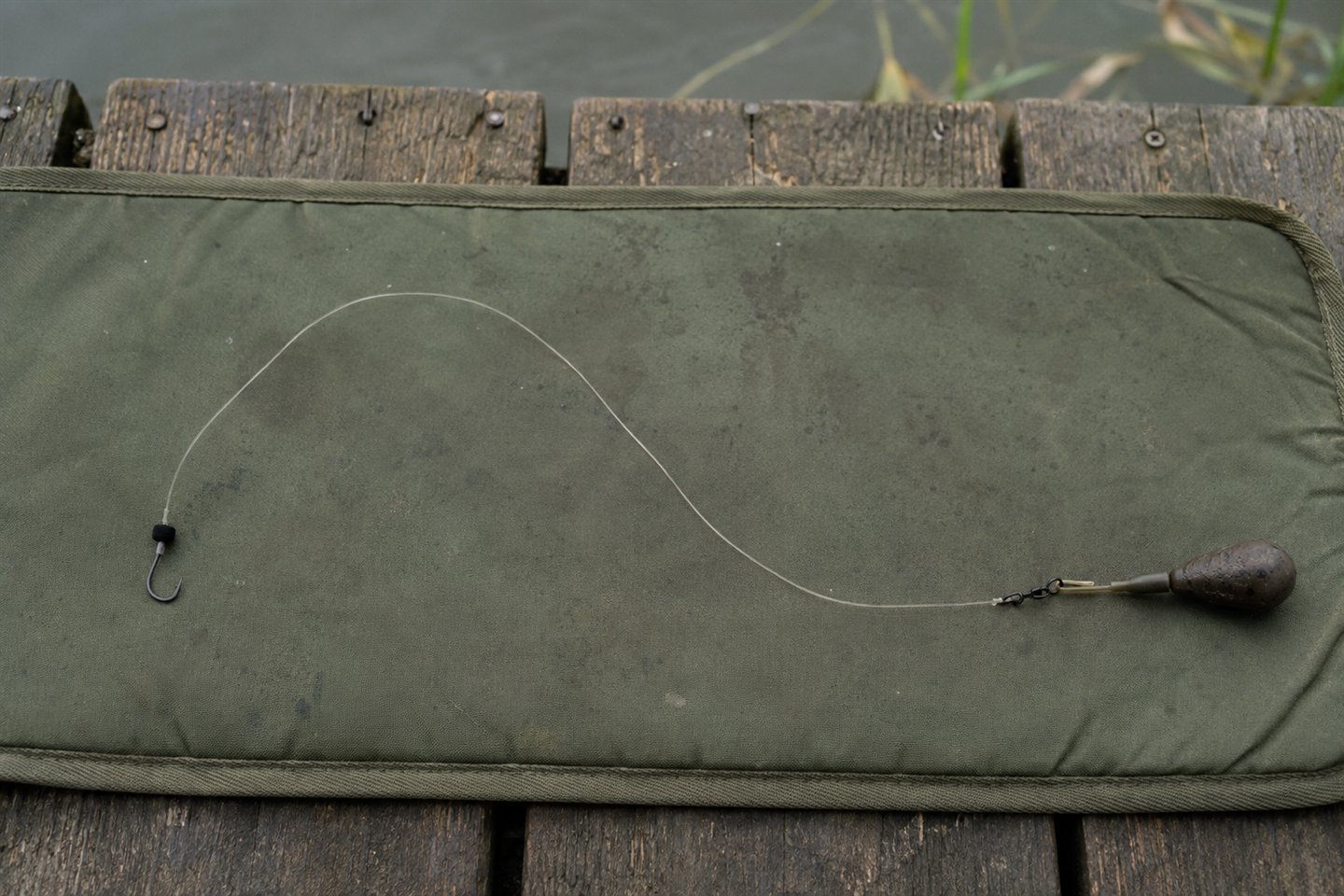
The original spring kit included small bottom baits and white or pink pop-ups. The author liked 10mm or 12mm boilies as an alternative to the larger baits often carried for summer. On firm ground, start with a sinking bait that leaves the hook clear. For a low balanced bait, the KD rig guide shows how to test whether the hook stays down. A bright bait still needs the right balance and a spot where the rig can settle.
Start a small spring feed
Try one permitted bait and a small amount of feed on a verified spot. Corn, chopped boilies and properly prepared particles can all be used when the venue permits them. Fish may be slow to start after several cold nights. Leave yourself a reserve, watch the response and top up for a reason. If you change hookbait size or buoyancy, give it a quick water test first. A prepared hemp and particle mix (paid link) is one option where the venue allows it. Follow the pack’s storage instructions once opened.
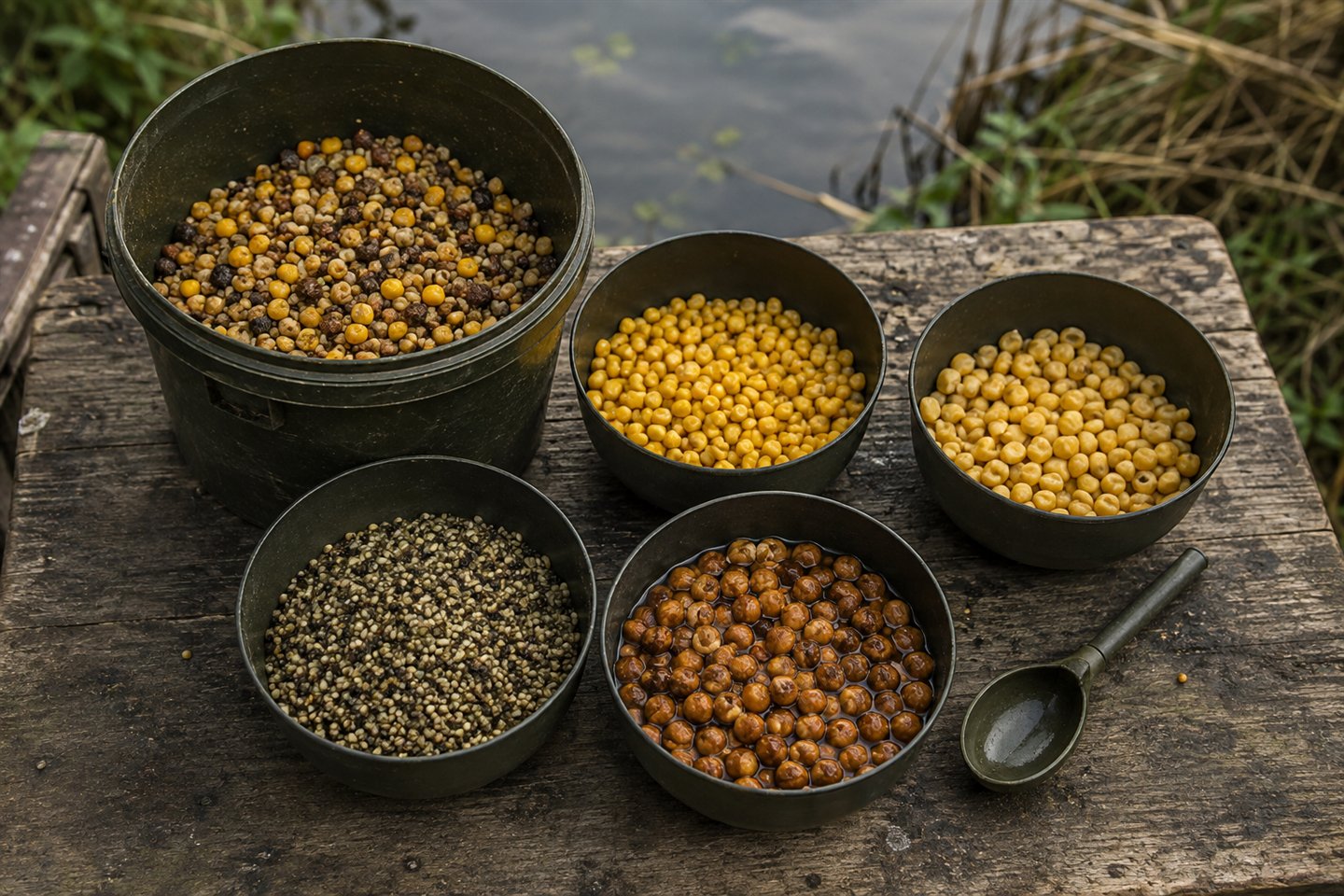
Try a small handful of prepared hemp or maize, a few grains of sweetcorn and broken boilies. Take a small portion to the bank first. If fish are visiting the spot and you can repeat the cast, top up lightly after a bite. If your only sightings are above the spot, try the measured zig before sending more feed to the bottom. Choose the layer first, then decide how much to feed.
Know what spawning looks like
Fish chasing repeatedly, pushing through shallow vegetation and thrashing in groups may be spawning. Reel in and leave that area alone. Check with the fishery, and follow closures and welfare instructions. Fish that are recovering can need more time than you can judge from one look. The carp spawning guide explains the signs and what to do next.
Choose a spring session window you can use
Check when you can safely get to the bank and how much time you can give the water. Watch the changes over a few hours. If the shallows become quiet and you see fish appear at the shelf, move if you can fish and land there. Keep one note for next time: where you saw them, how they were behaving and what the weather had done overnight.