
A dropshot keeps a small lure above a weight that touches the bottom. That gives you time to work the lure slowly on a short stretch, such as the edge of a shelf. You need a rod that lets you feel the weight and a setup that leaves the hook point clear.
Put the hook above the weight
Match the rod’s casting-weight range to the entire setup and use a small reel that balances with the rod. Fit the hook on the leader so it sits roughly at right angles to the line with the point towards the rod. Leave enough line below it for the weight. Use the smallest legal, permitted weight that lets you feel the bottom, and a soft lure the hook can carry without the point being hidden.
Start with the lure a short distance above the bottom. The distance from hook to weight is measured along the leader; far out, a flatter line angle can put the lure much closer to the bottom than that measurement suggests. Check it beside the bank and raise the hook a little if you keep bringing back debris.
Where pike are likely to take the lure, use a suitable bite-resistant wire setup and have pike unhooking kit and the skills to use it. If that means you cannot fish the presentation safely, use a different method or water. Check the official tackle rules and local restrictions on weights and methods.
Set the hook height where you can see it
The original canal setup left 12–18in (about 30–45cm) from hook to weight. Try that beside the bank with the line fairly upright. Let the weight settle, then lower the tip. You can see how a flatter angle brings the lure nearer the bed, even though the distance between hook and weight hasn’t changed. A soft rod tip helps you move the tail of the lure without bouncing the weight along the bottom.
A small reel around the 2000 size was the author’s preference for carrying between swims. Start with a soft lure around 2in long and check the hook stands clear once the lure is mounted. A slim dropshot weight can be easier to draw through a little debris. Choose only a permitted weight that suits the rod and keeps you in touch with the bottom.
Make the first few casts close to you
Try along a clear bank edge or just off a depth change. Let the weight touch down. Take up loose line until you can feel it, then twitch just enough to move the lure without repeatedly dragging the weight away. Pause. After a few movements, lift or draw the weight a little and repeat. If you are continually snagging, look for an open edge rather than fishing further into the cover.
Watch for takes on the pause
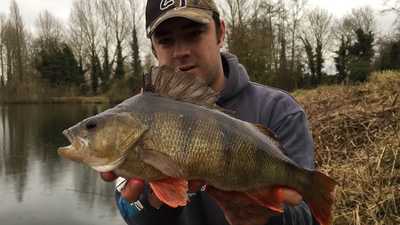
A perch may give a tap, extra weight or a change in the angle of the line. Take up slack promptly and lift into the fish with control. If the lure comes back dragged off the hook every few casts, check its fit and the size of the bait. Land the fish with a suitable net and keep the mat and unhooking tools ready. Watch the dorsal spines and use wet hands.
A short canal session gives you a simple search pattern. Try the near shelf, then the open side of a bridge shadow where access allows. Make a few casts at each from angles you can control, and include a pause with the weight still. A quiet twenty minutes was the original author’s cue to try another swim. A tap, a following fish or prey scattering is a better reason to stay than the clock.
Change one thing when the bites stop
Try a new angle along the same shelf, move the lure a little higher, or pause for longer. If you have no clear signs, look at a different feature rather than endlessly changing lure colours. The perch location guide covers where to look and when a float bait is a simpler option.