
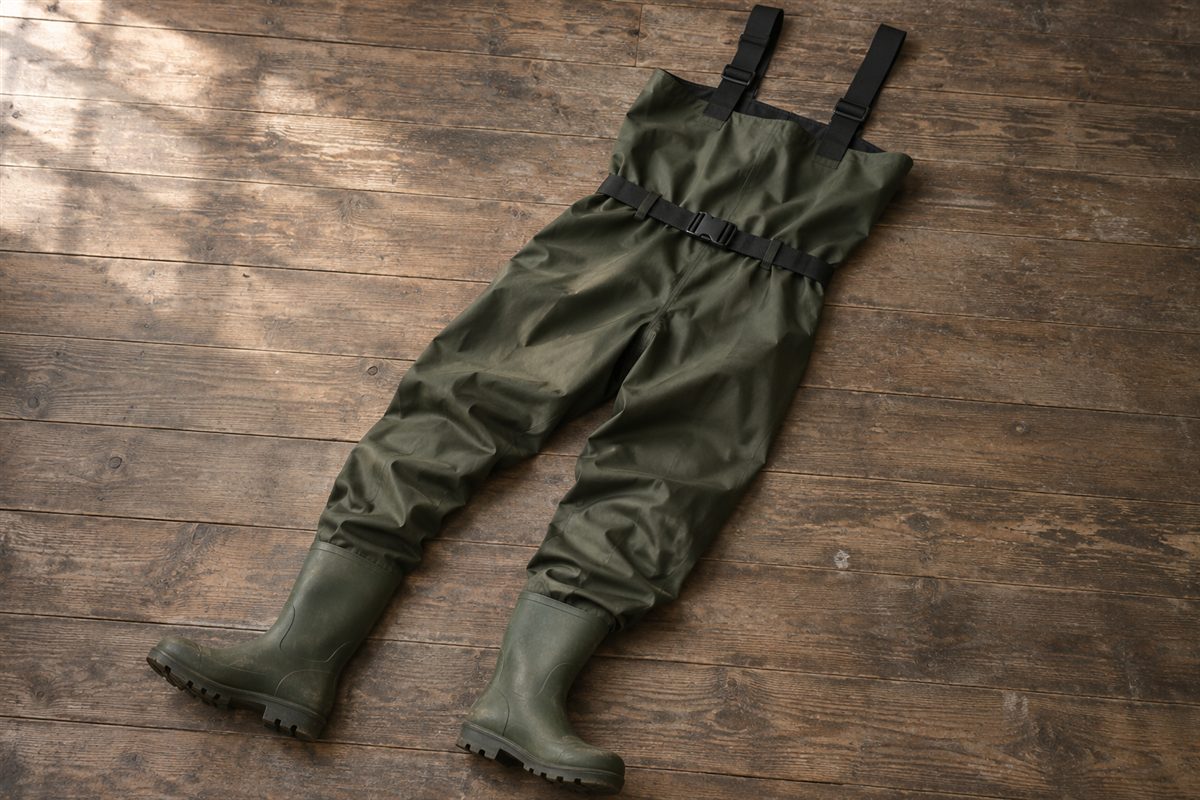
Think first about whether you can fish and net from the bank. If waders have a job, choose a pair you can move in with your normal fishing layers and footwear. Use the maker’s measurements and check the boot and body separately. Going a size up by default can leave you with boots you can’t control well.
Here are two options to compare and the fit checks to make before buying. We haven’t worn them side by side or tested their grip, waterproofing and wear over time.
How should carp chest waders fit?
Check the boot size and the chest, waist and leg measurements. A boot that fits does not guarantee that the body will. Adjustable braces and waist straps help with fit, but cannot make one size suit everyone.
Try them on dry, with the socks and layers you expect to wear. Bend your knees, sit down and check that you can move without the crotch or shoulders pulling tight. Your heels should not lift excessively and the boots should not squeeze your toes. Follow the retailer's returns conditions while trying them.
Do not buy oversized boots just to make room for thick socks. Compare the actual measurements with the maker's guidance. If you fall between sizes, ask the manufacturer or try them in a shop rather than guessing.
Two chest-wader options to compare
| Option | Why consider it? | Check before buying |
|---|---|---|
| Trakker N2 | A fishing-specific nylon/PVC design with adjustable braces and waist straps, listed by Trakker. | The exact size pairing, boot fit, layers and included accessories. |
| Michigan chest waders | An alternative to compare against your budget and required fit. | The selected variant, material, measurements, returns and product instructions. We have not independently measured its performance. |
Trakker N2 chest waders
Trakker lists nylon/PVC material, elasticated braces, adjustable waist straps and an internal pocket. Try the fit with your fishing layers and check the soles for the ground you expect to use them on. official N2 specification.
The N2 has boot feet and adjustable waist straps as well as braces. On dry ground, settle your heel right back in the boot, then adjust the braces until you can kneel without the bib pulling tight. Try reaching the internal pocket with your usual jacket on, and check where you can hang the supplied air-dry bag after a wet trip.
The linked Amazon listing previously selected UK11. Confirm the option shown before paying; a different size is a separate stock and fit check.
View Trakker N2 chest waders on Amazon (paid link)
Michigan chest waders
Compare the price, fit and returns in your size. We haven’t tested this pair’s seams, grip or long-term wear against the N2, so use the current product information to decide whether it suits your trips.
Look at the point where the boot joins the leg when you try a boot-foot pair. Flex each ankle with your usual socks on, then squat as you would beside an empty mat. If your heel lifts and the boot stays planted, extra room in the boot is costing you control. If the heel stays put but the bib digs in, compare the body cut before changing boot size.
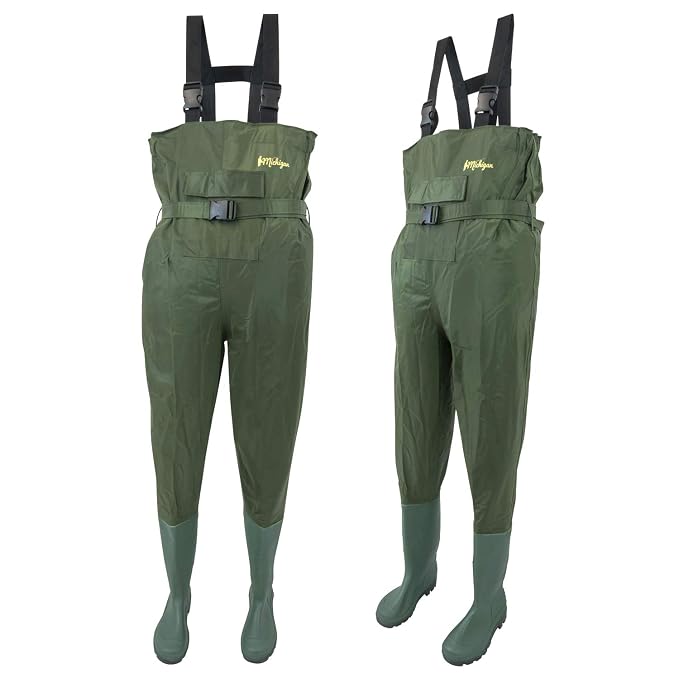
The linked option previously selected Olive, UK10. Read the current listing and instructions for the actual version you choose.
View Michigan chest waders on Amazon (paid link)
Do you need to wade?
Stay on a safe bank where you can. Waders keep water out during their intended use; they are not lifejackets and do not make an unfamiliar margin safe. A net handle used as a probe cannot tell you everything about soft mud, sudden drop-offs, roots or an undercut bank.
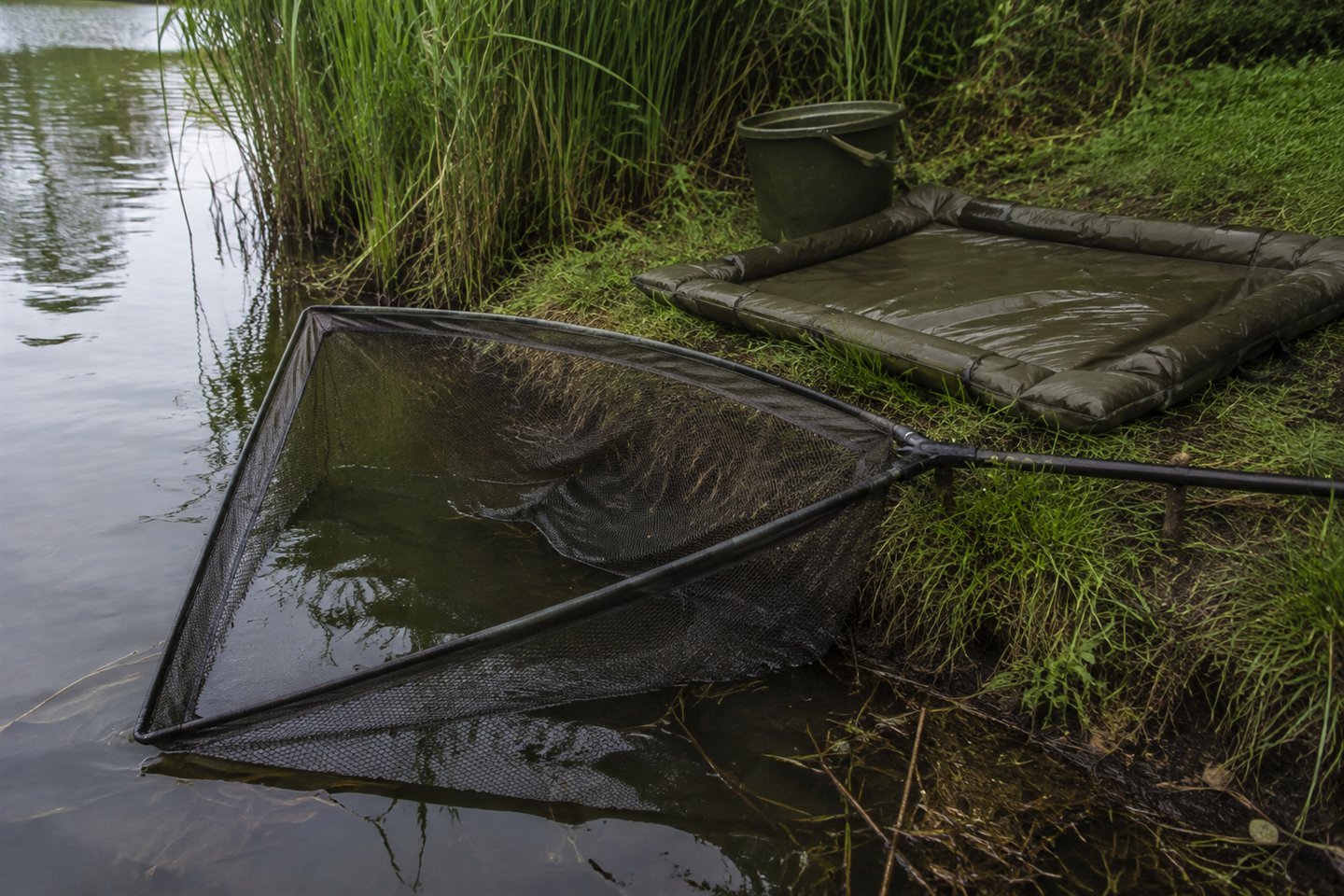
Ask the fishery about access and its rules before entering the water. Do not wade into unknown depths, strong flow, unstable ground or a situation where you cannot get back out easily. Choose a different landing position or ask the fishery for help instead.
Wear a suitable, correctly fitted lifejacket where the risk requires it, keep a means of calling for help and avoid fishing alone in hazardous places. The RNLI's angling safety advice explains flotation and emergency preparation. Follow the wader maker's fitting instructions, including any supplied belt; neither a belt nor waders replace a lifejacket.
Checks when they arrive and after use
Check seams, boots, straps and the inside for damage before use. Follow the maker's leak-checking and cleaning instructions. Dry and store them as directed rather than leaving them folded wet in a bag.
If you find a leak or damaged fastening, sort it out before relying on them. Take spare dry clothing on a trip where wet conditions are likely. A repair kit is useful only for repairs the manufacturer permits.
Chest-wader questions
Should I buy one size up?
Use the maker's measurements and try them with your layers. Boot fit and body fit both matter; sizing up automatically can leave you with loose boots and poor control.
Which pair is best for a beginner?
Look for a pair that fits, suits the fishing the venue allows and comes with clear instructions and a workable returns policy. If you can fish and land carp safely from the bank, you may be able to leave waders off the shopping list.
Are more expensive waders safer?
Price does not make unsafe water safe. Fit, condition, suitable flotation and the decision about whether to enter the water matter more than the brand.
Sources and comparison limits
The Trakker specification and RNLI guidance above were checked on 7 November 2026. Product links are shopping options, not proof of current stock, independent testing or a guarantee of fit. Compare the selected variant and the full price before ordering.
Try the movement you will actually need
With the waders dry and clean, take a few steps, kneel and stand, then check the braces and straps again. If the heel moves about, your toes are squeezed or you need to pull the fabric to stand, ask for a different fit. Look at the tread and seams, then read the fitting and cleaning instructions. A boot with better-looking tread does not give you a reason to enter unfamiliar water.