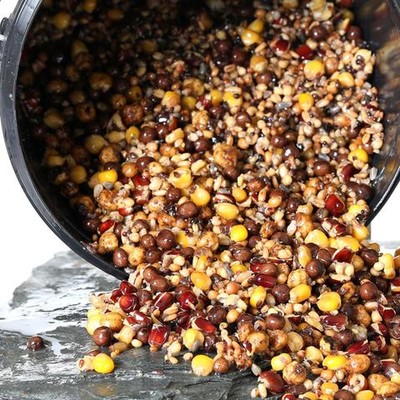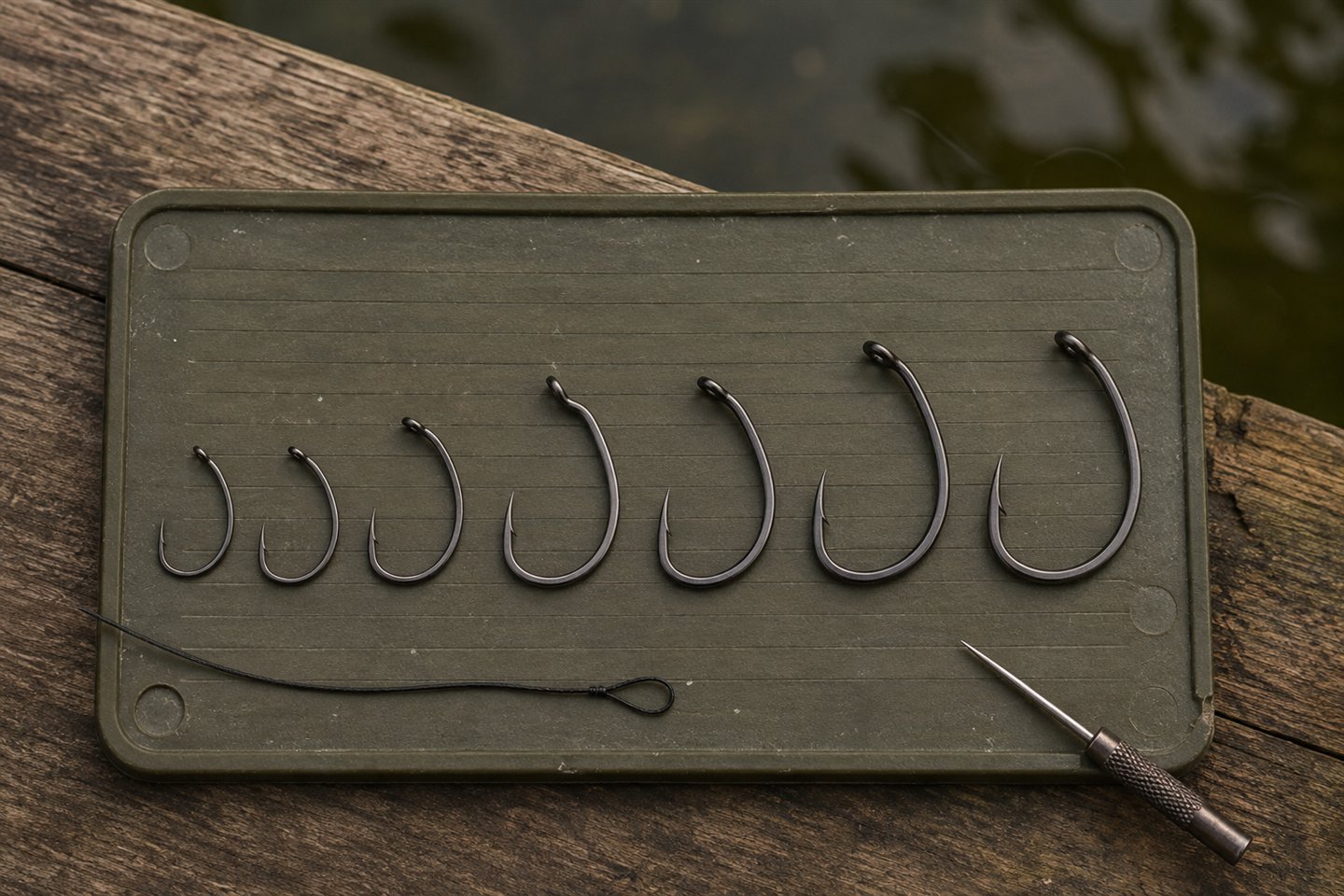

This is a simple pineapple bait coating made from syrup and sugar. The photographs show the original batch and the order of the steps. The amount of syrup and cornflour wasn’t recorded, so you can follow the method, but the exact texture will take a small trial.
The original batch used 400ml of water and 250g of sugar, but the syrup and thickener amounts were not written down. If you try the method, start small and measure every ingredient so you can repeat or adjust it next time.
For a quarter-size trial, start with 100ml of water and 62.5g of sugar. Measure the syrup you drain from the tin separately. Two batches made with different amounts of that syrup won’t have the same sweetness or thickness, even if you weigh the sugar exactly. Check that the fishery permits the ingredients, use clean equipment and let hot syrup cool fully before handling or bottling it.
What you will need
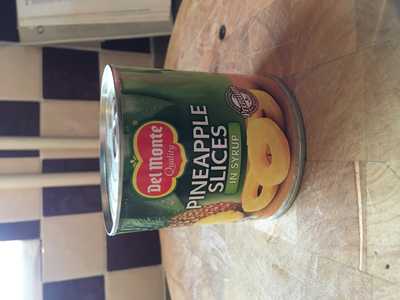
- Pineapple syrup (the original batch used syrup from a tin; the volume was not included)
- 400ml of water
- 250g of sugar
- Yellow food colouring
- Cornflour (the original amount was not included)
- Measuring jug for mixing
- Saucepan
- Reusable bottle to store the goo glug
Step 1
Measure out the 400ml of water in the measuring jug
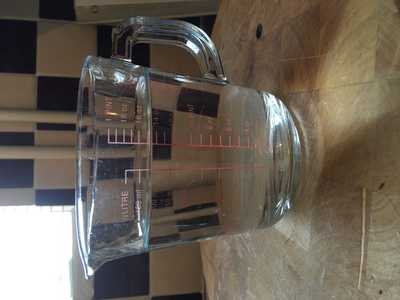
Step 2
Weigh 250g of sugar for the original batch size. Use scales: a household cup is not a consistent measure of weight.
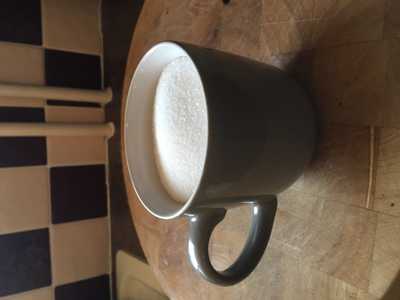
Step 3
Drain the pineapple syrup into a measuring jug and note its volume before adding it. The original batch used syrup from a tin but did not record how much. A stronger smell is not evidence of better fishing results.
Step 4
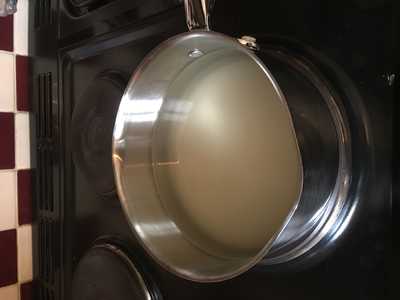
Add the water, sugar and pineapple syrup to the saucepan
Step 5
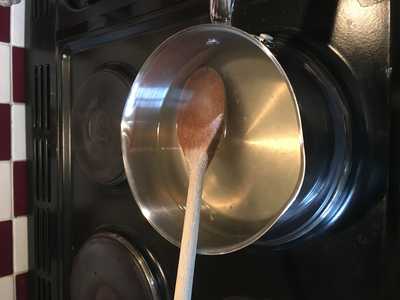
Melt the sugar over medium heat until the liquid is clear
Step 6
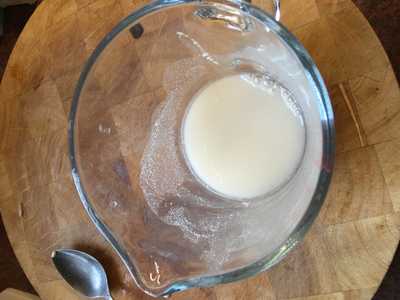
Mix the cornflour with a little cold water in the jug until there are no dry pockets. Stir this smooth slurry back together just before adding it to the pan. Dry cornflour tipped straight into the hot syrup can form lumps.
Step 7
Add a few drops of yellow food colouring along with the cornflour mix to the saucepan and simmer for 5 minutes
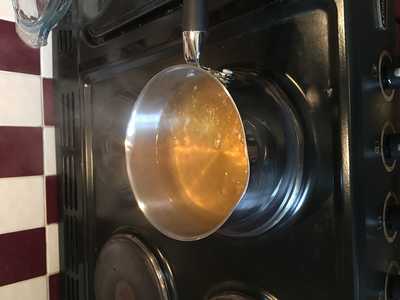
Step 8
Pour the mix into the measuring jug and allow to cool. When the liquid cools it will become thick and goo like
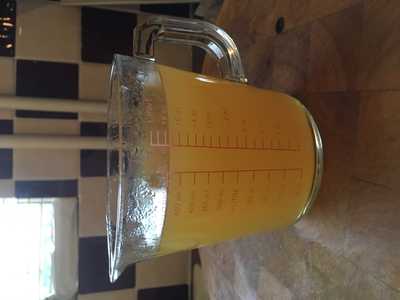
Step 9
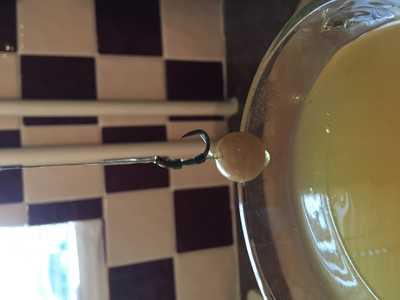
Once the mixture is completely cold, dip a single boilie and let the excess drip back into the jug. If it leaves a thin film, bottle the batch. If it sits on the bait in a thick lump, record that result and use less cornflour on the next trial. Label the bottle as fishing bait.
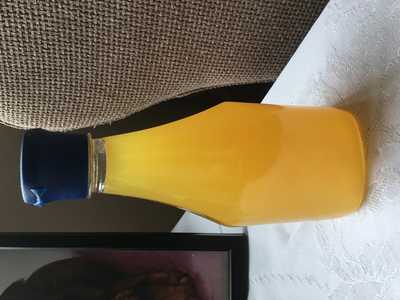
The cooled mixture should show you whether this batch has the coating consistency you wanted. If you change the syrup or thickener, record the change so you can compare it next time. Smell and colour alone cannot tell you how carp will respond.
Try a little on a hookbait the venue allows, keeping it away from PVA. Check the bait in lake water to see whether it stays firm and floats as you expect, and keep sticky liquid clear of the hook point and moving parts.
Keep this water-based mix away from PVA bags and mesh. Adding an unspecified amount of salt does not make this recipe reliably PVA-friendly. If you need a liquid for PVA, choose one explicitly labelled for that use and follow its instructions. Korda's guidance on its own Goo range does not validate a homemade substitute.
Make only what you need
This mixture has no established shelf life in this guide. Make only a small amount for the planned session, keep it cool in a clean labelled container and discard unused mixture if you cannot store it safely. Do not assume that sugar or salt preserves it, and do not tip leftovers into the lake.
For another batch, note the water, sugar, syrup, thickener, cooking time and how thick it becomes after cooling. Those notes will help you make useful changes without relying on memory.
Check a coated bait before casting
Write down how much syrup and cornflour you used, and let the mixture cool completely. Put a thin coating on one boilie, mount it and check it in lake water. A heavy coating may make a balanced bait behave differently or mask the hook. Keep this water-based glug away from PVA; adding a little salt is not a reliable compatibility test. Use a purpose-made PVA-compatible liquid and test the finished parcel if you need one. Never put this mixture in a drinks bottle or use it as food.