
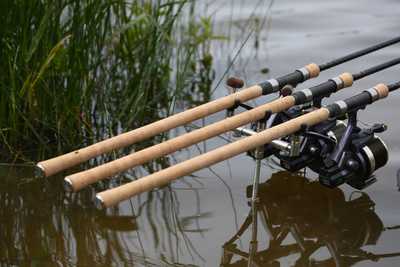
Before buying line or ordering a week’s bait, ask what the lake actually fishes like. Can you reach the spots from the bank? Can you land a fish without using a boat or stepping into the water? Written answers from the venue are worth making room for in your trip notes.
Ask about the swim before choosing the kit
Ask what the usual range is, how deep the water is, what kind of bottom to expect and where carp can safely be netted. Check the main line and hook rules, lead-release arrangements, bait restrictions, night rules and whether boats or waders are allowed. A venue may supply a wet mat, net or sling; confirm exactly what is supplied and how clean gear needs to be on arrival.
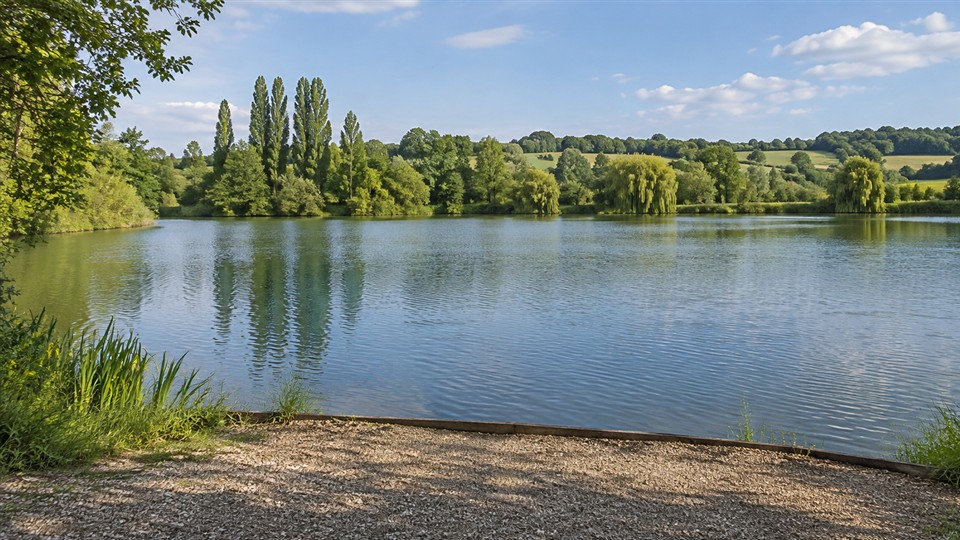
If your comfortable range is shorter than the advertised island swim, ask for a swim with fishable water closer in. Your casting range with a dry practice lead will not always match what you can repeat with a rig or a packed bag. Read the first guide to choosing a French carp lake before paying a deposit.
Will you draw for swims or have a bank to yourself?
Find out whether the place you have paid for is a named swim, a draw on arrival or permission to roam. If the island swim goes first in a draw, you need a second plan you can fish from the open bank. Ask for a photograph of the nearside edge as well as the distant features. A comfortable pitch for the bivvy tells you very little about how far down you would have to reach with the net.
Pack two presentations you can set up properly
A familiar hair rig for a verified clean area and a second presentation for a different bottom can cover much of the first day. Keep a spare of the rig you expect to use. Check every hook and knot under good light before leaving. If you are tempted to add a zig or specialist rig, confirm rules and practise it at home first.
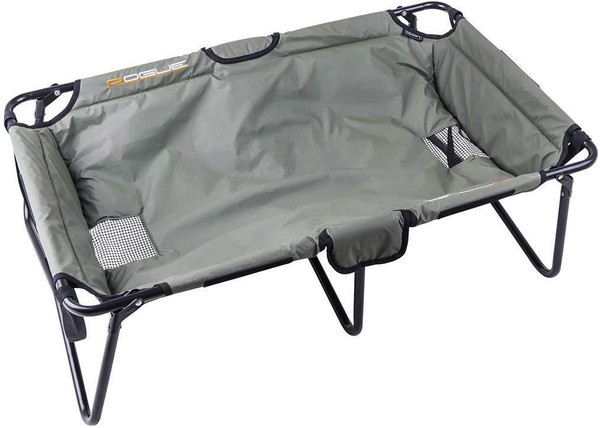
Take scales and a wet sling sized to the actual fishery if you are required to supply them. Practise zeroing the sling and preparing a short lift from the net. Ask how to reach the bailiff when you need help at night. Have net, wet mat and tools ready before the first cast. If you need to supply your own scales, check that the Fox 60kg digital scales (paid link) cover the fishery’s expected weights.
If the bailiff suggests a “snowman”, ask to see the finished bait. It combines a sinking boilie with a smaller buoyant topper on the same hair. Test with the actual hook, both baits and the stop fitted. You want to see how the combination settles before trying it at range. An ordinary bottom bait on your familiar rig is a perfectly good choice if the lakebed is clear.
Order an opening supply and a way to top up
A week-long booking is not a reason to put out a week’s feed on day one. Ask how much bait and which types the fishery allows, whether you can reserve more locally, and how to store it without spoiling. Keep an opening portion separate. Before changing the amount, ask what you have seen: dropping fish, new shows, bites, uneaten bait, or fish now in a different part of the lake.
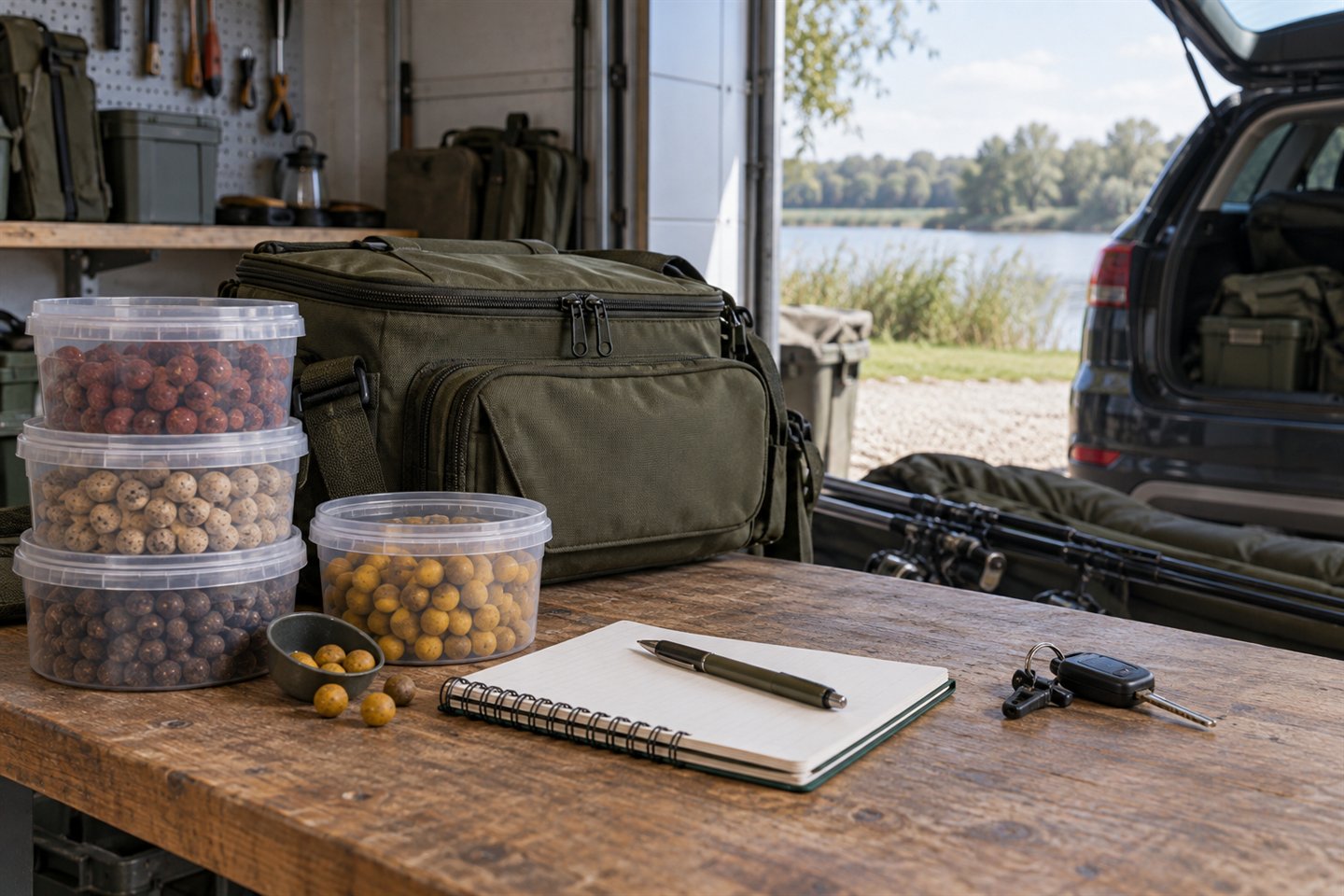
Do not assume food allowances apply to angling bait. Check with the authorities for the actual ingredients, route and use. Start with French Customs guidance for travel from the UK and our cross-border bait guide. Buying venue-approved bait in France is a straightforward option if you cannot confirm the rules in advance.
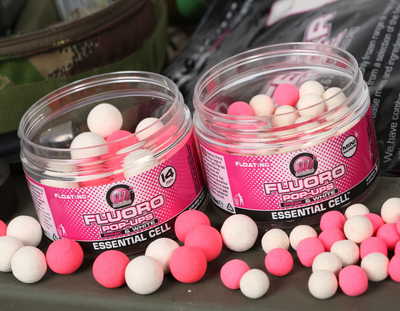
For two friends sharing a swim, decide whose order contains the first evening’s bait and who will collect the top-up. If the lake has a freezer, ask when you can get into it and how much room is yours. If it hasn’t, approved shelf-life bait bought locally saves you looking for freezer space on arrival. If the fishery stocks 20mm boilies and you already fish them confidently, a 1kg bag of Mainline Essential Cell shelf-life boilies (paid link) is an example of an opening supply you could reserve. Check the shop has that size and that you can top up before you commit to buying bags for the whole week. The amount you can buy and the amount to put in tonight are separate decisions.
Make the first evening simple
Walk the permitted area in daylight and agree where you will land fish. Set up a rod at a time, write down your far-bank marker and check your range. Put the rods out only as far as you can fish well. Leave yourself a place to walk, a way to reach the first rod and time to sort out any setup that did not land right.
Leave yourself room to change the plan
After the first morning, compare the bank you can fish with where the carp are actually showing. Move if the booking permits it and another swim offers a better chance. On a fixed pitch, a different reachable depth or a clear margin can be worth more than another long cast. Reel in for meals, a shower or a walk when nobody can attend the rods. Pack a charged torch, a way to recharge it and the fishery contact details where you can find them in the dark.