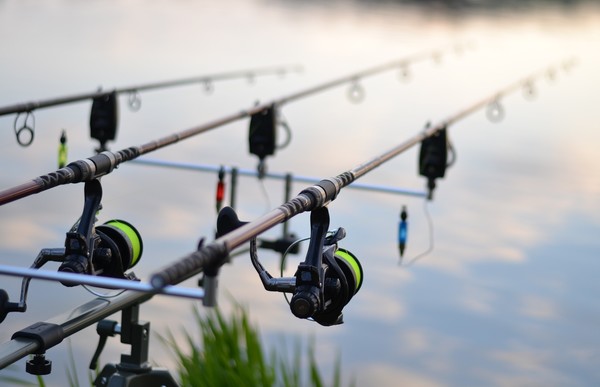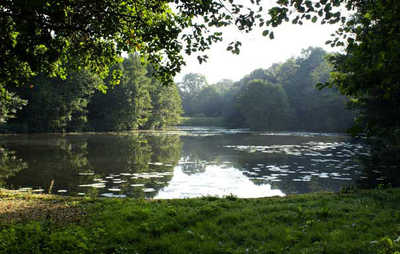
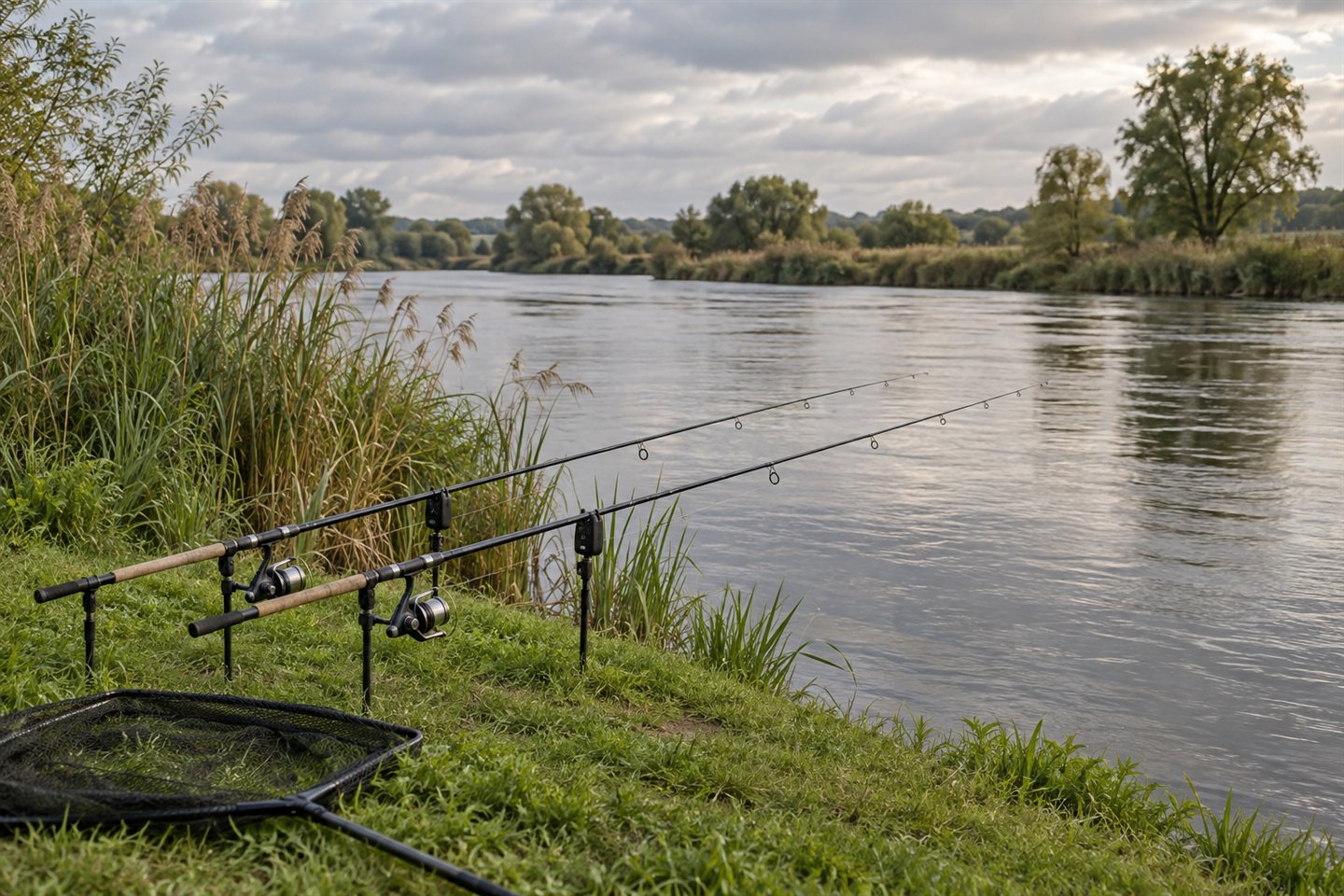
UK river carp fishing adds current and changing levels to the usual search for fish. Start with a safe stretch you can manage, then work out the likely routes and holding spots. We'll look at tackle and baiting that fit the river, rather than simply copying a lake setup.
Carp can inhabit slower rivers, navigations, connected backwaters and stretches with a surprising amount of movement. Their presence is uneven, however, and a pleasant-looking swim can remain unproductive if the fish rarely visit it. For a first attempt, reliable local knowledge and repeated observation usually contribute more than buying heavier versions of all your lake tackle.
This guide focuses on targeting carp from the bank in straightforward conditions. It doesn't teach flood fishing, tidal-river tactics, boat work or wading. Those situations bring additional risks and specialist knowledge. If reading flow and choosing a river swim are new, begin with the river coarse-fishing guide before applying the carp-specific decisions below.
River carp fishing in the UK: how do you locate a useful swim?
Choose an accessible stretch with confirmed carp, current permission and a clear landing area. Visit in daylight when the level and flow are manageable, fish one simple rig in an area where it can remain stable, and stay beside the rod. Keep baiting modest until you understand the spot and can place feed consistently.
Don't aim for the strongest current or most obstructed feature simply because river carp are associated with powerful fights. A slower margin or reachable crease can be a more suitable learning area if it holds fish and offers a safe route to the net. The difficulty of the swim should fit your experience, not the size of the challenge you hope to describe afterwards.
Your first sessions should answer a few practical questions: where are carp actually seen, which spots can hold a presentation, how often does debris collect and where can a fish be released safely? Catching matters, but those observations are the foundation for a repeatable method rather than an isolated attempt beside unfamiliar water.
Check the season and the fishing rights
For coarse fish, including carp, the river close season in England and Wales runs from 15 March to 15 June inclusive. The official seasons guidance also directs anglers to local byelaws. Check how the exact stretch is classified; a connected navigation or backwater should not be assumed exempt because part of it looks still.
Obtain the required rod licence and the separate permission of the fishing-rights holder. Club boundaries can change at bridges, tributaries or field edges, and public footpath access doesn't itself grant angling rights. Keep a reliable map or description of the permitted stretch, including any closed banks or excluded structures.
Ask about rod limits, night fishing, bait rules, parking, gates and restrictions around boats, locks or weirs. A club ticket can have different conditions on its river and stillwater venues. If advice from another angler conflicts with the written rule, ask the controller before fishing rather than choosing the interpretation that makes today's plan easier.
Scotland and Northern Ireland have their own arrangements, so don't transfer the England-and-Wales licence and season summary to them. Identify the country's authority and the named water's controller as part of planning. This guide's UK scope describes the fishing approach, not a single nationwide permission system.
Inspect the river before committing to fish
Check the forecast, recent rainfall upstream, current river information and any relevant warnings before travelling. In England, the official flood-information service provides warnings, forecasts and monitoring information. Use the equivalent official service elsewhere. A gauge helps you assess change; it is not a guarantee that a particular bank or access path is safe.
On arrival, inspect the return route as carefully as the peg. Low paths, drainage ditches and access through a hollow can become difficult before the immediate fishing position looks threatening. Avoid undercut banks, steep muddy slopes and places where reaching the netting area would require a risky step down towards the flow.
Set a conservative limit before fishing. Rising water, increasing debris, deteriorating footing or a route becoming cut off are reasons to leave early. Don't wait until a lead will no longer hold before deciding that conditions have changed. Tackle performance and personal safety are different tests.
Keep a means of communication accessible and tell somebody the precise stretch and expected return time. Follow local safety requirements, including suitable flotation equipment where appropriate. A lifejacket is additional protection, not permission to stand on an unstable edge or enter the river to recover tackle. Choose another swim whenever safe bank fishing is doubtful.
How to locate carp in a UK river
Begin with the club or fishery controller's information about carp distribution. Ask which stretches are realistic for a first attempt and which contain known obstructions. Recent local reports can narrow the search, but distinguish a repeatable population from a single unusual capture. A river can hold large carp without every accessible mile offering a sensible short-session target.
Walk authorised paths and look from safe positions before carrying a full setup. Watch for identifiable carp rolling, cruising in quiet margins or repeatedly entering an area. Disturbed sediment can help build the picture, but flow, other fish and debris also create movement. Avoid turning one ambiguous swirl into a firm conclusion.
Note how fish use the area over time. A carp crossing a shallow section may be travelling between deeper holding areas; one repeatedly dropping onto the same patch may be doing something different. A second observation at a similar time is more useful than a precise theory built around a single glimpse.
The watercraft guide explains the distinction between direct evidence and attractive-looking water. Apply that discipline to the river while allowing for flow and changing level. A feature that appears promising on a map is a place to investigate, not a substitute for finding fish.
Read flow from the bank
Watch floating material and surface seams to see where water moves fastest, slows or changes direction. These clues can help identify a boundary between the main flow and calmer water, but they don't reveal the whole underwater picture. Surface speed can differ from movement near the bottom, especially around bends and obstructions.
For a first session, look for a presentation that can be controlled without fishing directly into the heaviest flow. A near-bank shelf, an accessible slower lane or a clear area beside a seam may be manageable. Don't assume that slack-looking water is empty or that faster water is automatically rich in feeding carp.
Bends, tributary junctions, moorings and structures can create interesting changes, but many also bring navigation, permission and safety complications. Avoid the temptation to treat a weir pool as a beginner shortcut. Specialist access arrangements and hazardous water movement can make it entirely inappropriate for a first carp session.
Think about the path from cast to settled rig. A lead cast directly opposite may move downstream before holding, taking the hookbait with it. That can be acceptable only if the eventual position is understood and safe. If every cast ends somewhere different, you don't yet have the repeatable presentation needed for meaningful baiting.
What tackle should I use for river carp fishing?
Many ordinary carp outfits can work on a manageable river stretch, provided they suit the necessary casting load and the fishery's requirements. You don't automatically need the stiffest rod available. Consider the complete weight being cast, including any feeder or PVA contents, and remain within the rod maker's stated limits.
A reel needs sound line lay, sufficient capacity for the chosen line and a smooth, dependable drag. Check that the clutch can be adjusted confidently without taking attention from the fish. A free-spool system is optional, but whichever arrangement you use must keep the rod secure and allow prompt control when a carp takes the bait.
Set the rests on firm ground and test them before casting. Riverbank soil can be soft even when the surface looks dry. The rod should not rotate freely or slide forward under tension. Avoid layouts in which a strong take directs the rod towards a steep edge while you're seated several steps away.
Carry fewer rods than the maximum if that makes the session easier to manage. One well-controlled line teaches more about flow, debris and indication than several rods that need constant untangling. Add complexity only when you can explain what a second presentation contributes and still respond immediately to either.
Main line, abrasion and safe lead systems
Choose main line for the likely fish, rules and the bottom between rod and rig. Diameter, material, condition and knot quality all matter; a breaking-strain label alone doesn't describe abrasion resistance. The carp main-line guide helps assess the whole system rather than transferring a lake recommendation unchanged.
Check the working length frequently, especially after retrieving over stones, mussels, piling or other hard objects. Roughness, flattening and visible damage are reasons to cut back or replace the affected line and investigate the cause. Repeated damage at the same distance suggests a route problem, not a consumable expense to accept indefinitely.
Use a lead arrangement that holds appropriately and remains fish-safe after a failure. The lead-systems guide explains why the complete setup matters. Heavy leads, tight-fitting components and added leaders can change how a system behaves, so don't assume that assembling individually familiar parts produces a safe result.
If the required weight exceeds what the rod or safe rig can manage, change the swim or conditions instead of improvising a heavier arrangement. More lead can increase the load on the tackle without solving debris accumulation or an unsafe line route. A beginner's river session should not depend on pushing every component to its limit.
Get a stable presentation before adding feed
Begin with a controlled cast to a reachable area and allow the lead to settle. Set the rod so you can monitor the line and distinguish steady flow pressure from a changing load. Watch what happens over the next few minutes: does the lead hold, does the line bow progressively or does debris cause the tip to pull farther round?
Rod-tip position is a practical adjustment, not a fixed river rule. Raising the tip can reduce the amount of line in moving water in some swims, while a different bank angle may provide a clearer route elsewhere. Keep the position within safe reach and below any overhead hazard. Never set up near power lines.
Use a hooklink and hookbait that work on the chosen bottom. A simple bottom bait can be perfectly adequate where the rig settles cleanly. A buoyant bait needs testing with the actual hook and components; otherwise current may expose faults that were not obvious in a dry rig wallet.
Retrieve if the presentation has clearly shifted or collected material. Examine the hook and bait rather than only removing weed from the main line. If the same problem recurs, alter the line angle or choose a cleaner, calmer area. A rig repeatedly dragged into debris is not fishing effectively just because an alarm occasionally makes a sound.
How to bait a river swim for carp in flow
Food introduced upstream may move before reaching the bottom, and different sizes or densities can separate. A handful aimed at the hookbait's surface position will not necessarily settle beside it. Keep this uncertainty in mind and start with small, controlled quantities rather than creating a wide, poorly understood trail.
Where appropriate and permitted, a compact PVA presentation can place some compatible feed close to the rig as it settles. It is still affected by casting, flow and the bottom, and must be tested as a complete setup. A feeder is another method-specific option, but adding one changes the casting load and doesn't remove the need to understand where the rig comes to rest.
Observe what local experienced anglers do, but ask why rather than copying a large feed quantity. Their spot may have a different flow, depth or history of baiting. Your first task is repeatable placement. Once that is established and carp are responding, small adjustments become meaningful instead of merely adding more uncertainty.
Check permission before prebaiting and use only approved, properly prepared bait. A river current is not a disposal service for leftovers. Take unused bait and every scrap of packaging home, and keep bait containers secure so they cannot roll into the water or be reached by livestock or dogs on the access route.
Read indications in moving water
Learn how the rod and indicator behave under the normal load of the swim before deciding that every movement is a bite. A steady downstream pull can be flow or debris, while a sudden change, repeated movement or developing slack may deserve immediate attention. The important comparison is with the baseline you have actually observed.
Keep close enough to take control promptly. A fish can use the flow and change direction quickly, and extra slack between the rig and rod can delay information. Avoid copying a very slack lake setup without considering what the current will do to the line. Indication must remain useful for the chosen route and conditions.
When a take develops, lift the rod calmly, engage the normal drag and establish controlled contact. Don't strike violently against a line already under load. Guide the fish towards the clear route identified before casting, using the rod and clutch progressively rather than trying to halt every movement by locking the spool.
Landing and release need their own plan
Prepare a suitably sized knotless net with a handle that reaches from safe footing, plus a wet padded mat or cradle on level ground. Think through where the fish will be supported before any rig enters the river. If the only possible netting position requires a slide down mud or a step into unknown depth, choose another swim.
Use calmer accessible water for the final stages where that can be done safely. Don't drag a tired carp across exposed stones or lift it with the rod to avoid moving the net. Support the fish properly during transfer, keep unhooking efficient and follow the carp-care routine with photographs optional.
Return the fish supported upright in clean, suitable water, allowing it to regain balance and strength before release. Avoid forcing it into the strongest current or repeatedly moving it backwards and forwards. If recovery is poor, seek competent help. Never retain a fish merely to wait for better light or a quieter period of angling.
Hygiene and the walk back
Keep food and drinking water separate from river water and dirty tackle. Cover cuts appropriately and clean hands before eating. The Angling Trust's river-health guidance addresses risks associated with polluted water; follow its advice and seek medical help if you become unwell after exposure, explaining the contact.
Inspect the access route again before packing, particularly after rain or a change in level. Reel in before dismantling fish-care equipment and secure hooks before carrying rods along a path. Keep the load manageable enough that you can see your footing, open gates safely and avoid leaning on unstable vegetation for support.
Check, clean and thoroughly dry tackle and footwear before moving to another water, following any additional club biosecurity instructions. Record the river level source, observed trend, usable flow, line condition and fish sightings. These details make a return visit more informative than a note saying only that the river looked coloured.
After a blank, compare the original location evidence with the actual fishing conditions before blaming the rig. Did carp show on the stretch, did the lead remain stable and was the hookbait still in good condition on retrieval? If all three answers are uncertain, the next visit needs a clearer observation or presentation plan rather than a different flavour. If fish were clearly present and the setup worked predictably, a return at another suitable time may offer a more useful comparison.
Keep the first river campaign geographically modest. Learning the safe access, flow changes and fish movements of one permitted stretch gives each session context. Visiting a different river after every blank resets much of that knowledge and can make unrelated results look like evidence about tackle.
Equipment worth considering
Fresh, appropriate main line and a dependable landing-net handle deserve attention before specialist accessories. Compare line diameter and the venue's minimum requirements, and inspect the net's reach from the bank you'll use. A compact tackle box keeps replacement hooks, rig components and tools secure when the ground is uneven.
A waterproof phone pouch is useful if it allows the phone to remain accessible, and polarised glasses can help inspect shallow margins from safe ground. A small PVA mesh system may suit a controlled presentation where permitted, but check the whole casting weight and compatibility of the contents. Avoid buying heavy leads simply because the destination is a river. The right purchase supports a manageable swim; it should not encourage fishing water that exceeds the outfit or your experience.
Korda SUBline monofilament (paid link) is one monofilament option to compare by diameter and breaking strain rather than brand alone. The NGT 42-inch landing net with 2m handle (paid link) provides a reference for handle length and net size, but a high river bank may require different equipment or a different swim altogether. Fresh line and a longer handle cannot solve an unsafe landing position, strong floodwater or an obstructed playing route.
Frequently asked questions
Do river carp need completely different rigs?
Not always. A straightforward carp rig can work when it suits the bottom, rules and flow. The main differences are controlling the line, keeping the presentation stable and accounting for abrasion and debris. Change components for a clear practical reason, not merely because the fish live in running water.
Is floodwater good for a first river-carp session?
No. Rising levels, hidden edges, debris and changing access add risks that a beginner should not build into the first attempt. Choose stable, manageable conditions and leave early if they deteriorate. A claim that carp feed in coloured water doesn't make a flooded bank safe.
How long should I wait in one swim?
There's no universal interval. Give a stable presentation time when fish are confirmed nearby, but investigate recurrent debris or movement promptly. If the stretch offers little evidence of carp, observation elsewhere may be more valuable than waiting indefinitely. Record what led to the decision so future visits become less speculative.
Start with a river you can understand
Start with one permitted stretch in safe conditions, a rig that holds where you want it and a clear landing route. Get comfortable there before increasing the range or difficulty. You'll learn plenty about how river fishing differs from lake fishing without turning the first visit into a test of everything at once.
Sources and further reading
Reviewed on 15 September 2026: GOV.UK close seasons, England's official flood service and Angling Trust river-health advice. Always confirm current local byelaws and the controlling club's conditions.