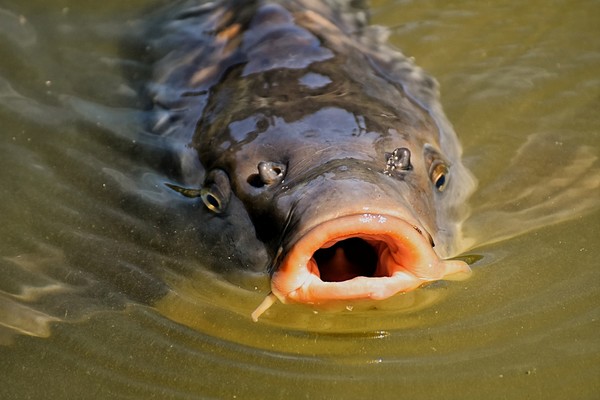

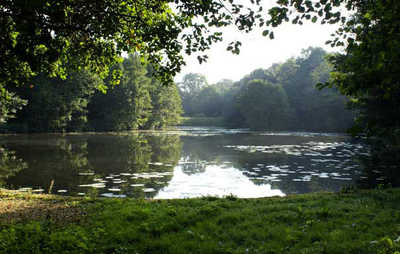
When you arrive in summer, leave the kit packed for a minute and look at three places: the open water, the shaded edges and a quiet margin you can land a fish from. Carp on the surface are worth watching. Once you know if they are moving, feeding or simply resting, you have a better idea of which rod to set up.
When the fish are near the surface
Where surface baits are allowed, try a few loose floaters. If fish take them repeatedly and you can keep hooked baits away from birds, a surface setup may be worth a cast. If birds come in, reel in and stop feeding. If carp are just drifting below the surface and ignoring the floaters, watch where they spend time before choosing a depth. Where surface fishing is allowed, Dynamite Baits floating pellets (paid link) are one option for testing how confidently carp take loose feed.
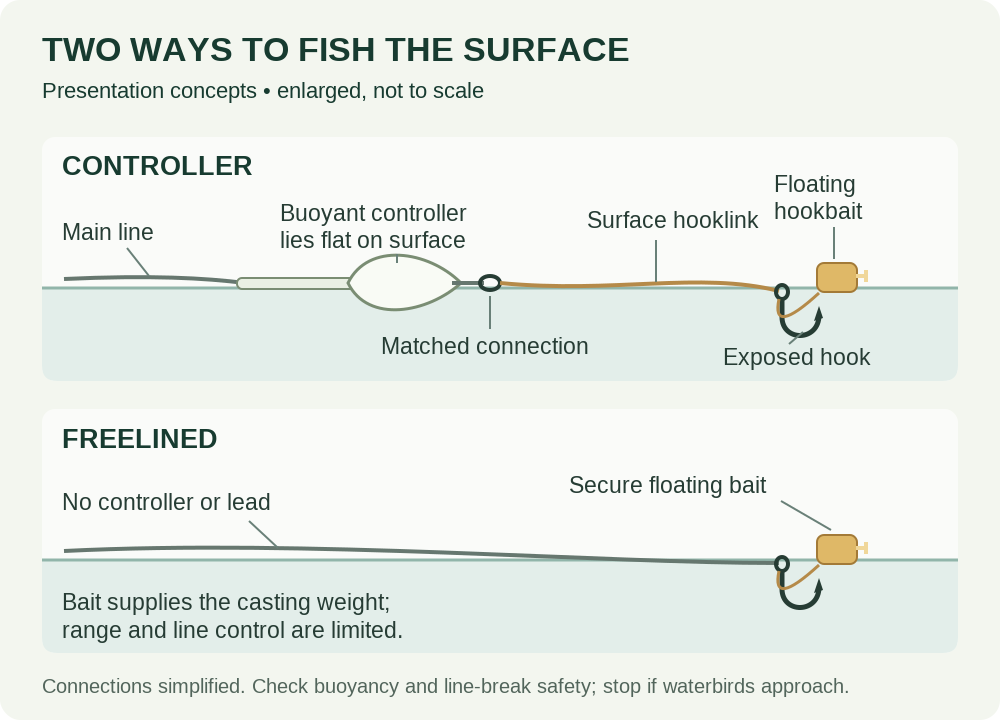
A permitted zig rig lets you fish a buoyant hookbait below the surface. Measure the depth before setting it. Put the other rod on a suitable bottom spot only if you can fish two rods safely and within the rules. Search one depth at a time, so you have something useful to learn from each change.
Watching a cruiser before you make the cast
Imagine a carp gliding past three loose floaters. If it keeps going, leave the hookbait in your hand. If it turns, takes one, then circles back for another, watch where it approaches from. Place the hookbait ahead of the next pass while the fish is away, and leave a route that keeps the line clear of the fish and any birds. A few minutes spent watching can save several casts directly over its back.
If the fish travel below the floaters, mark the depth you are testing. In 3m of water a 2m fixed zig fishes roughly 1m below the surface when the hookbait lifts the hooklink straight. Shortening that hooklink lowers the bait. An adjustable zig changes height differently, so learn its float and line controls before taking it fishing. There is no need to change depth, colour and feed with every cast.
Try the margin when the bank quietens
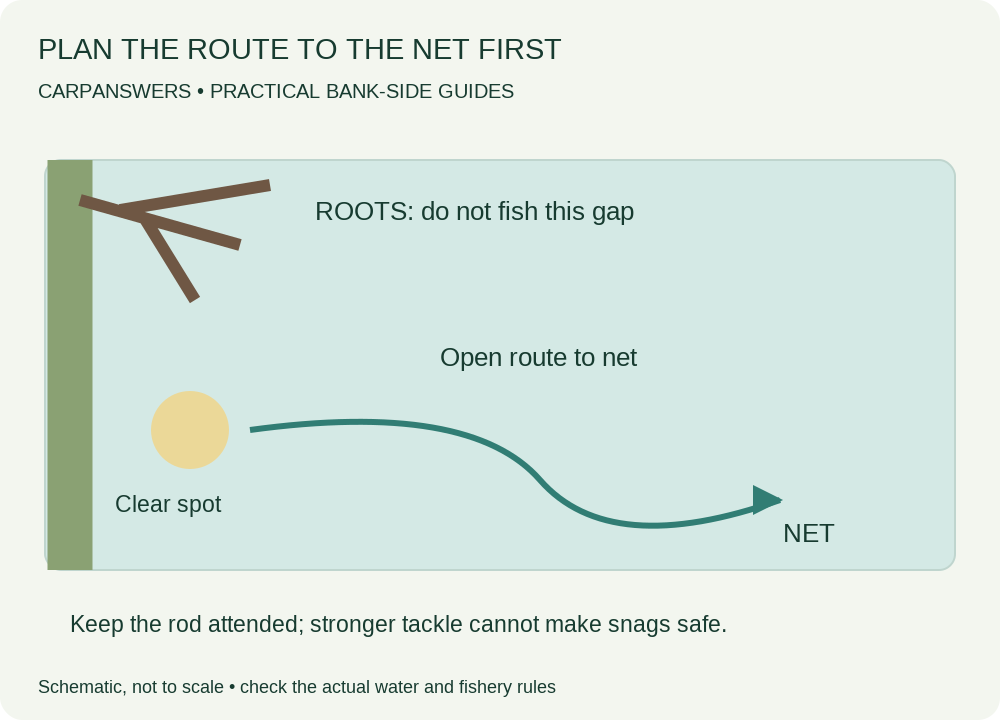
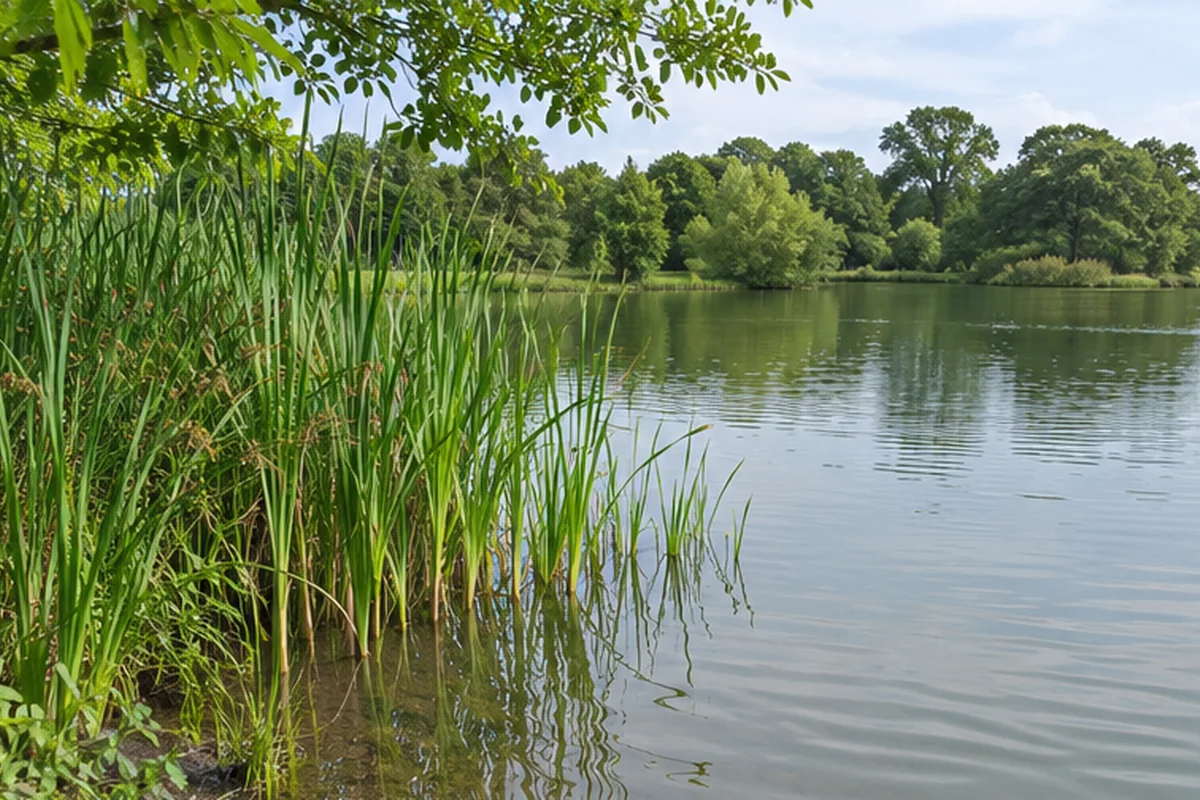
Look for moving silt, stems knocking or a fish returning to the same edge. Start with a tiny feed on a clean spot where you can draw a fish into open water. Lower the rig in quietly if you can reach. Stay back from the skyline, set the rod where you can get to it at once and keep the landing area clear. If carp are moving under branches where you cannot turn one, leave the cover and fish a safe route nearby.
Feed for the response you get
A summer day can give you a busy spell or several hours with very little feeding. Start with enough to see how fish respond. If you can see them clearing a small margin spot, a small top-up makes sense. If you only see them passing, keep the hookbait in their route and leave the rest of the bait in the bucket. After dark, fish a spot you have already checked in daylight.
Have the evening spot ready before the light goes
Late in the day a quiet near-bank patch can be easier to fish than the distant water you watched at noon. Look for feeding as well as fish passing through. If you plan to stay the night, mark a clear bottom spot and its landing route in daylight. Move to it if the evidence fits. Carp do not all drop to the bottom because the sun has gone down. If you can no longer see what is taking a surface bait, reel in.
Warm water and storms can end a session
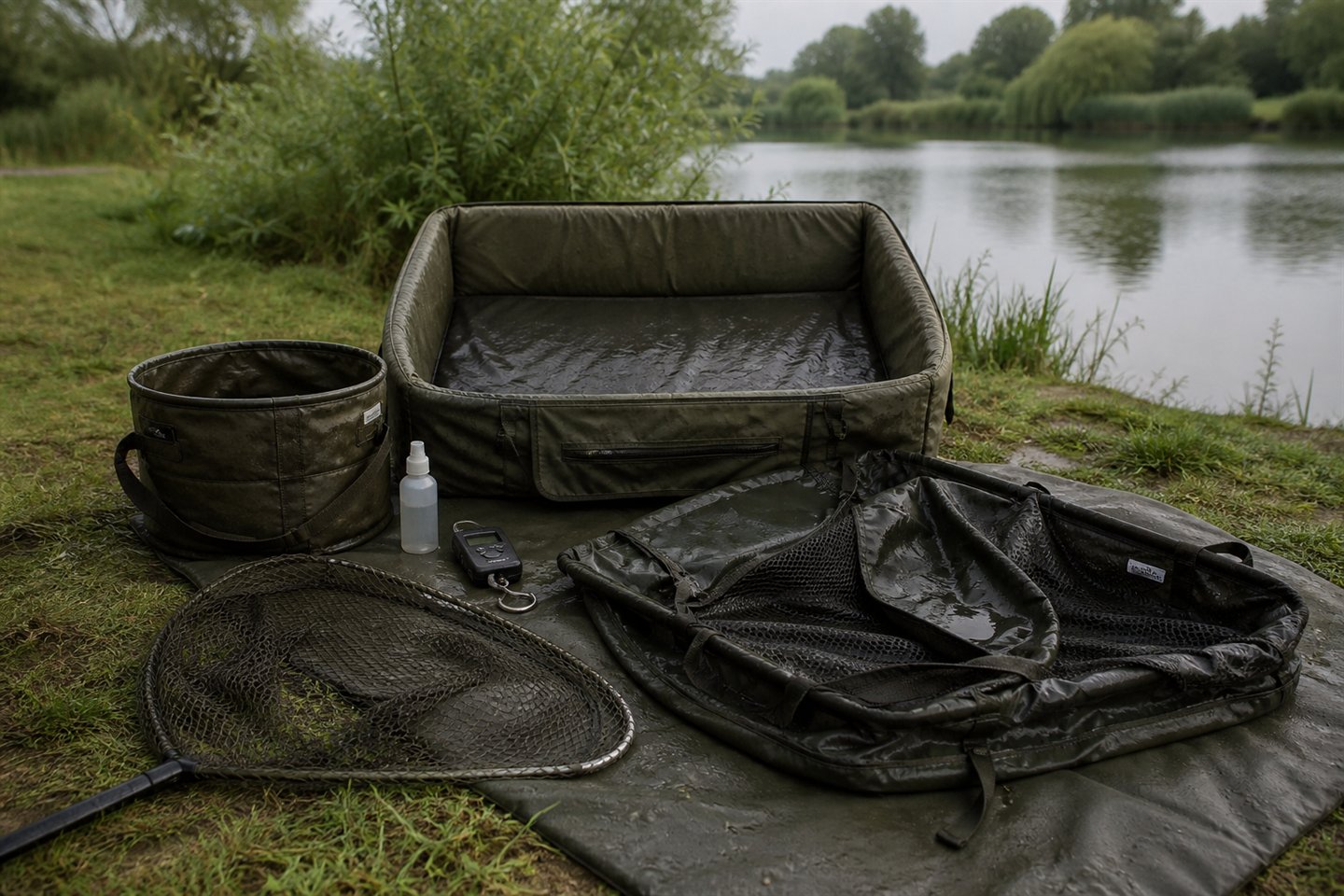
Ask about heat restrictions before setting off. If fish are struggling at the surface, a fishery announces a welfare closure, or a landed carp is slow to recover, stop fishing and speak to the fishery. Keep fish low over a wetted mat and return them promptly. A quick release is more useful than waiting for a picture. The Angling Trust’s freshwater guide covers care in warmer water.
If thunder is approaching, stop and move to a substantial building or enclosed vehicle if safe to do so. A bivvy, fishing umbrella or isolated tree does not provide lightning protection. Give yourself time to leave before it reaches you. See the Met Office lightning advice.