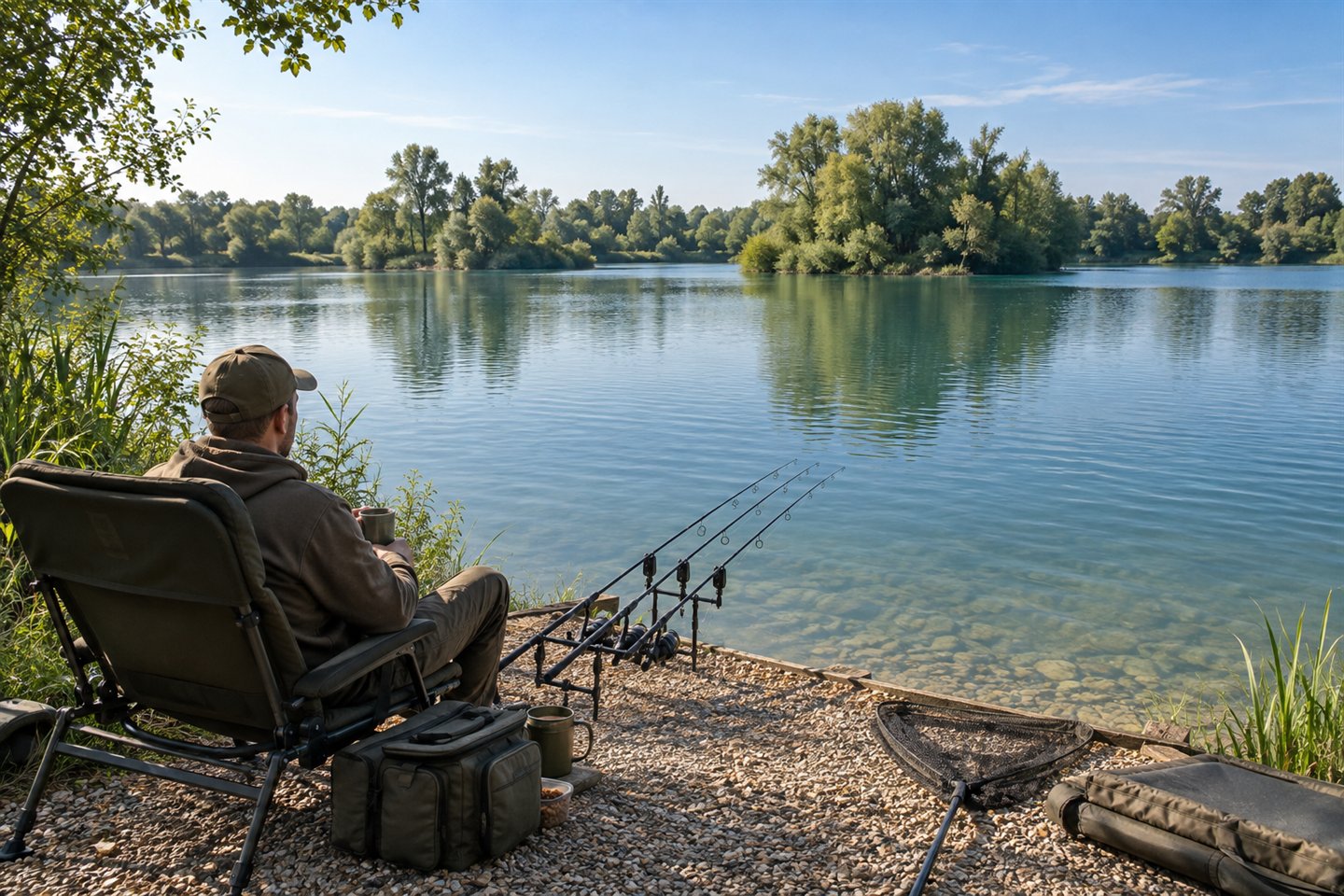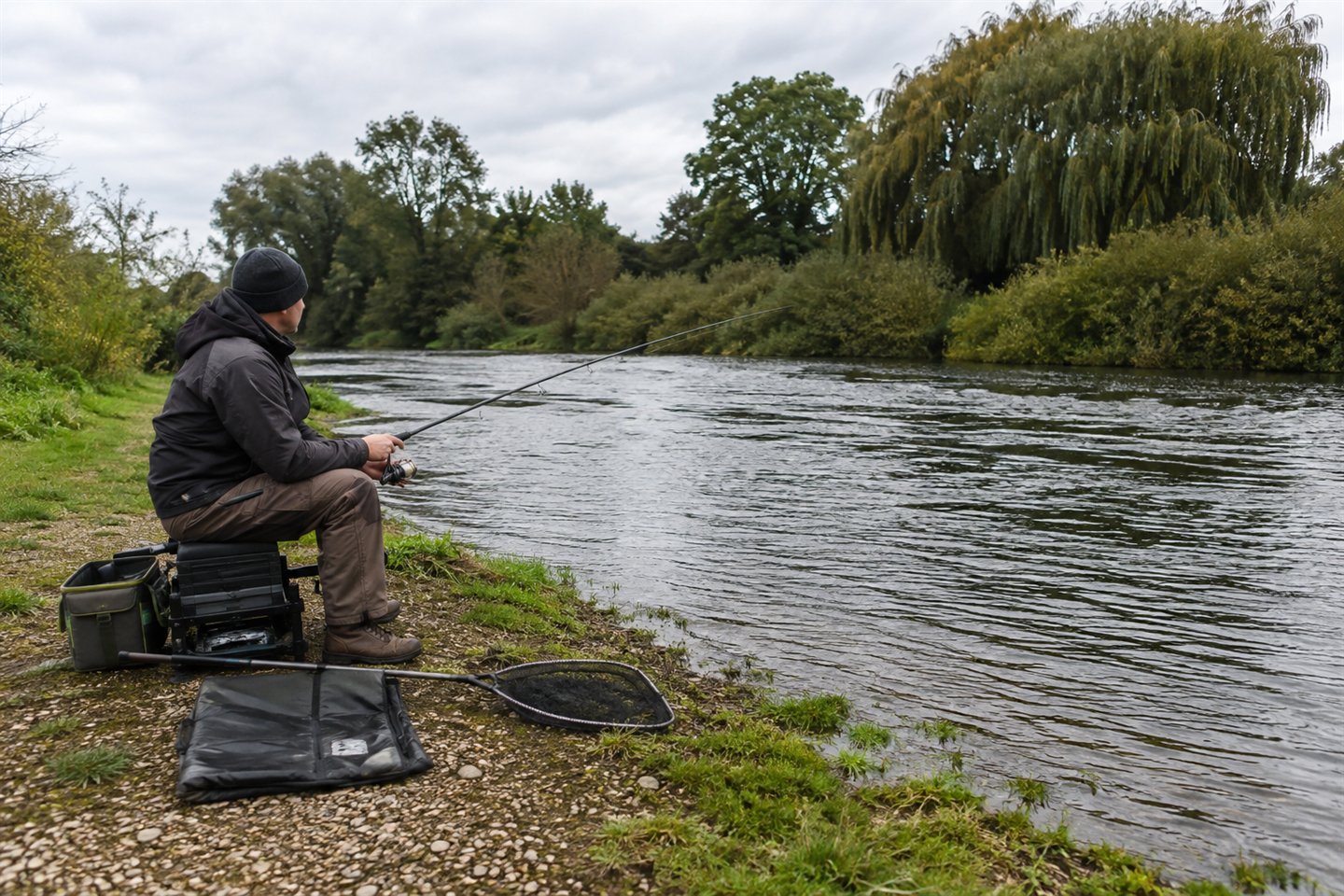
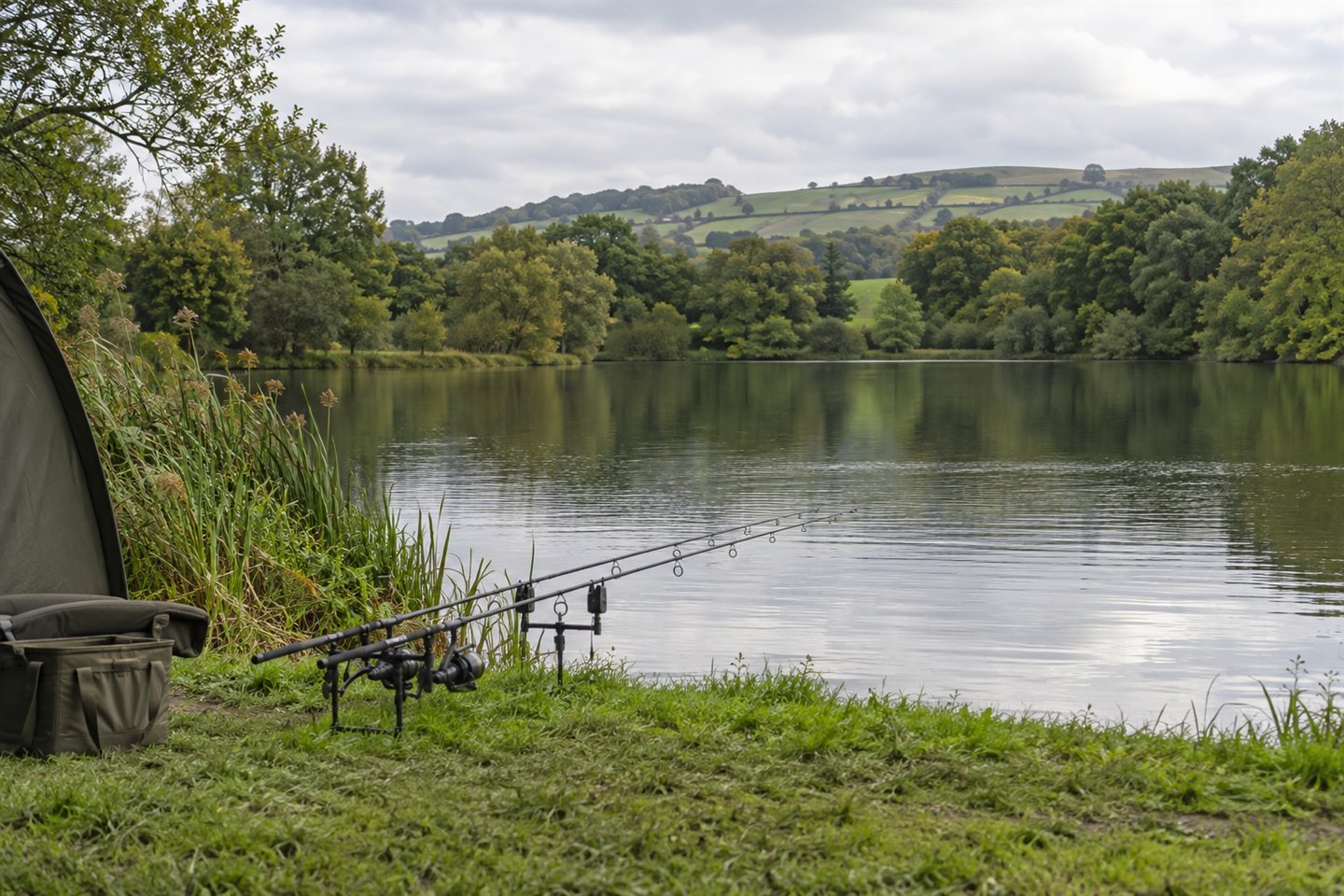
Looking for a carp venue in Yorkshire? Decide whether you want regular bites or a more demanding specimen session. We'll look at Raker Lakes, The Oaks Lakes and Aston Park Fisheries, including how to choose the right lake within each complex.
Raker Lakes near York, The Oaks Lakes at Sessay and Aston Park Fisheries near Sheffield offer useful contrasts. They include mixed pleasure waters, match-only lakes, bookable specimen fishing and coaching opportunities. The important choice is the individual lake and the experience it offers, not simply the name of the complex.
The comparison is based on official pages checked on 15 September 2026, rather than personal visits. Yorkshire covers a large area, so narrow down the travel distance first, then confirm current details with the venues on your shortlist.
| Venue | Access to check | Beginner fit |
|---|---|---|
| Raker Lakes | Ordinary coarse-lake payment differs from Kingfisher booking. | Discuss Acorn for mixed fishing; Kingfisher is a separate carp decision. |
| The Oaks, Sessay | Check pleasure availability; some lakes are match-only. | Alders is worth enquiring about, not Ash, Beech or Sycamore. |
| Aston Park | Check the weekly lake availability and session rules. | Eliysia's offers a pleasure/coaching starting enquiry. |
Carp fishing in Yorkshire: which lake suits your first visit?
For an absolute beginner, a good day might mean making repeatable casts, recognising bites and returning several fish confidently. That doesn't require a specimen water. A mixed-stock lake can provide useful practice even when some captures are roach, bream or F1s rather than the common or mirror carp you hoped for.
If you already manage that routine and want to concentrate on larger carp, choose a water where the expected wait and equipment demands fit your experience. A slower session is not necessarily worse fishing, but it is a different way to learn. Be honest about whether you'll enjoy that process.
For a visitor combining fishing with a holiday, comfort and journey time may matter most. A practical local session from your accommodation can be more enjoyable than driving across Yorkshire to imitate somebody else's weekend. Start with the time you have, then choose the water that makes good use of it.
Raker Lakes: mixed fishing near York with a separate specimen lake
Raker Lakes is at Wheldrake, south of York. Its official overview distinguishes four coarse lakes from Kingfisher, the specimen-carp water. It also identifies a touring caravan site as adult-only, a relevant detail if the fishing is part of a family holiday.
For ordinary coarse lakes, the site describes turn-up fishing with a ticket-and-cash-envelope process; Kingfisher uses an online booking route. Check the latest tariff and availability before arriving. Don't assume that an accommodation booking or a ticket for another lake automatically secures a Kingfisher peg.
Acorn Lake is a mixed pleasure and match water with carp alongside other coarse species. That makes it a sensible starting enquiry for someone who wants an active day learning the basics. Ask whether a match affects your intended visit and which available lake best suits your method.
The useful choice at Raker is between developing a general carp-catching routine and committing to a more deliberate specimen session. There's no need to make that second step immediately. Repeated visits to an appropriate pleasure water can build skills that transfer well when you later choose Kingfisher.
What access should I check for Yorkshire specimen carp fishing?
The official Kingfisher page describes a six-and-a-half-acre specimen lake with sixteen pegs, islands and changes in the lake bed. It states that rigs are checked for barbless hooks and safety, that gates are locked at night and that pegs are booked through the linked booking service.
For a developing carp angler, that is a more structured proposition than simply turning up on a mixed pleasure pond. Confirm the session length and the particular peg before travelling. Ask about the current fishing demands, especially if islands and features would tempt you to cast beyond comfortable range.
Don't read an island as an instruction to put the hookbait against its vegetation. Choose an area with a clear route for playing and landing. If you can't judge that from the bank, seek advice and fish a safer spot. A booking gives access to a swim, not immunity from poor decisions.
Plan the night arrangements separately from the fishing method. Locked gates affect late arrivals, food collection and departure, so establish the procedure in advance. If an overnight session is new to you, read the first-night guide and keep the rest of the plan familiar.
The Oaks at Sessay: choose a pleasure lake, not a match-only water
The Oaks Lakes Sessay, in North Yorkshire, is a multi-lake match and pleasure fishery with a café, tackle shop and caravan-and-camping offering. Its scale makes it important to identify the right lake rather than arriving with the assumption that every vacant peg is available for casual fishing.
Alders is officially described as a match and pleasure lake with a central island and mixed species including carp. It is a useful enquiry for a beginner interested in accurate close-to-medium-range fishing, subject to the day's bookings and the fishery's advice.
By contrast, the official Ash page says Ash, Beech and Sycamore are match-only, with no pleasure fishing. That is not a small qualification. Don't choose one of those lakes from a catch report and expect to buy an ordinary pleasure ticket on arrival.
Check the current allocation of lakes before travelling, then ask about a suitable peg and method. A fishery with a strong match scene can be excellent for learning, but you need to work within the timetable and the distinction between an event and an independent day out.
What Alders can teach a beginner
An island-style commercial lake encourages accuracy rather than distance for its own sake. Choose a safe area you can reach consistently and find the depth before deciding how to present the bait. If the water is narrow, a cast that travels a little too far can become somebody else's bank or a snag.
A simple float or feeder method can provide clear feedback while you learn. Watch how bites relate to feeding and presentation rather than introducing a larger quantity every time the swim becomes quiet. The float-fishing guide explains a useful close-range approach where the venue permits it.
Don't assume the tackle used in a match video is required for your day. An experienced competitor may be exploiting a particular depth, feeding rhythm or time limit. Learn the basic presentation first and ask staff about the permitted bait and practical starting point for a pleasure session.
Keep expectations realistic about species and fish size. Mixed waters offer variety, and a carefully handled smaller carp is valuable practice. If the whole aim is a particular specimen, choose an appropriate carp lake rather than becoming dissatisfied with a pleasure water for doing exactly what it advertises.
Aston Park: a beginner route through pleasure fishing and coaching
Aston Park Fisheries is at Aston near Sheffield in South Yorkshire. Its current site separates pleasure, match, carp-and-night fishing, and coaching, and publishes a weekly pleasure-water availability list. It also identifies a café and angling centre.
The dedicated Eliysia's Lake page describes a water developed for pleasure angling and coaching, with carp and other coarse species. It highlights flat access and parking behind pegs. That makes it a useful first enquiry for a beginner, particularly where practical access matters.
Aston's coaching information is worth exploring if you have tackle but are unsure about setup, feeding or fish care. Confirm availability, what is provided and the right session for your experience before booking. A lesson can resolve problems that a larger collection of rigs will not.
Don't treat an advertised beginner lake as a guarantee of catching. Conditions, presentation and attention still matter. Its value is that the fishing and support can be chosen to help you learn, not that the fish are obliged to cooperate during your visit.
Aston's night fishing is a different arrangement
The carp-and-night-fishing page describes overnight access with gates closing at dusk and reopening at dawn. Confirm the exact lake, current permission and arrangements with the fishery. Don't assume every pleasure peg becomes an overnight carp swim automatically.
If you need to leave during the night or expect a companion to arrive later, resolve that before choosing the session. Gate arrangements are not merely a convenience issue; they affect the whole itinerary. Tell somebody your plan and keep a charged phone available without depending on it to solve access problems.
A daytime visit is a sensible first step when the layout is unfamiliar. Learn where facilities are, which areas you can fish and how the landing position works. Once those jobs become routine, darkness adds less uncertainty and the overnight trip is easier to manage calmly.
Compare York, Sessay and Sheffield as different bases
Raker is an obvious enquiry for somebody staying around York, The Oaks for a visit based near Sessay or Thirsk, and Aston Park for an angler in the Sheffield area. Those are geographical starting points, not catch predictions. Check actual route and travel time from your own accommodation or home.
A holiday itinerary should not assume that two fisheries described as Yorkshire neighbours are close enough for a casual detour. Build the day's plan around one destination. If you need a backup, choose one with confirmed access and a realistic journey rather than driving until you find an open gate.
For a wider comparison, the UK carp venue guides organise regional options. Use them to narrow a future trip, but don't let researching distant alternatives prevent you from learning a suitable water close to where you already are.
Prepare for the actual weather, not a northern stereotype
Yorkshire carp don't follow one county-wide feeding timetable. Depth, stocking, exposure and recent conditions matter at the individual lake. Don't automatically use tiny winter rations because the venue is farther north, or assume a warm afternoon makes every fish willing to feed heavily.
Check wind and rain for comfort and safe casting. A sheltered peg can be useful if it lets you present accurately and observe properly, but it is not necessarily where the carp are. Balance the practical conditions with evidence of fish and the safe options available.
Take clothing that works when sitting still, plus a dry layer for the return journey if necessary. A cold or wet angler can lose concentration long before the planned end of the session. Choose a manageable duration and stop if conditions become unsafe rather than treating discomfort as proof of dedication.
Read a stocked-water bite pattern carefully
On a mixed commercial lake, taps and line movement may come from several species or fish moving around the feed. Don't strike at every tiny indication without understanding the method. A well-shotted float, clear tip movement or properly set carp indicator makes interpretation easier.
If you're getting activity but not hooking fish, check bait presentation, hook condition and whether the tackle suits the size of fish present. Don't immediately blame the lake or replace the whole rig. Make one sensible adjustment and observe what changes.
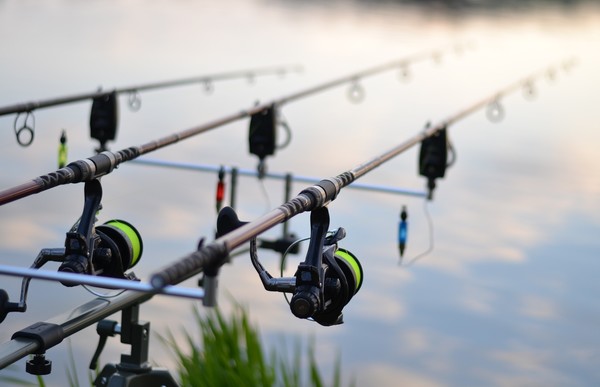
For a static carp setup, the bite-indication guide explains line bites, drop-backs and runs. Keep rods attended and retain control. The purpose of indication is to help you respond appropriately, not to let you leave the swim while the alarm monitors it.
Move from smaller carp to specimen fishing deliberately
Before booking a more demanding water, check whether you can land and unhook fish calmly without depending on the angler next door. You should also be able to inspect the line, tie or check the rig and understand its safe operation. These skills matter more than owning a particular rod brand.
Choose the first specimen session to limit unnecessary changes. A known method on a manageable open swim is a better introduction than a new rig, new bait, long-range casting and an overnight stay combined. Each added uncertainty makes it harder to understand what the session is teaching you.
Accept that fewer bites may be normal on the chosen water. Review location and presentation, but don't turn impatience into constant disturbance. The goal is to build a thoughtful carp routine, not force a specimen lake to behave like the pleasure water you have just left.
A visiting angler's two-day approach
If you have two fishing days during a Yorkshire break, use the first to learn a suitable local water rather than immediately changing venues after a quiet session. Note access, available swims, fish activity and the method that worked or failed. A second visit with that information can be much more purposeful.
For example, a beginner based near York might enquire about a pleasure lake at Raker, fish a manageable daytime session and return with a clearer plan. Someone based near Sheffield might combine a coached introduction at Aston with a later independent visit. These are example approaches, not prearranged packages or guarantees of availability.
If the aim is a booked specimen session, confirm its duration and retain time for rest and travel. Don't sacrifice sleep before a long drive because a fish showed near packing-up time. A holiday should remain enjoyable for everyone travelling, including those who are not fishing.
Check payment, food and access before the morning rush
Different fisheries use different payment methods, and the procedure can vary between their ordinary and booked lakes. Raker's published coarse-lake process includes cash envelopes, while other venues may direct you to a shop or online service. Bring what the actual arrangement requires rather than assuming every bailiff accepts a card.
Where a café is advertised, check its hours and take enough food and water to be independent. A facility on site doesn't necessarily operate throughout a dawn-to-dusk fishing ticket. Plan breaks around proper rod control, not around leaving the swim while a receiver remains in your pocket.
If you need a shorter carry or particular toilet access, ask for detailed information. A close parking space helps only if the route to the peg and landing area also works. Explain the practical requirement without relying on the same broad accessibility description to mean identical conditions everywhere.
Licence, rules and welfare remain part of every visit
Check the correct rod licence and obtain the venue's ticket separately. Read the lake rules for hooks, bait, rod numbers and fish-care equipment. A method allowed at The Oaks should not be assumed acceptable at Raker or Aston without checking.
Follow temporary closures for spawning or fish condition. If you see unusual gasping, lethargy or spawning activity in the area you intend to fish, stop and tell the bailiff. The spawning and welfare guide explains why fish being visible is not always a reason to cast.
Keep your equipment clean and dry between waters, remove line offcuts and take unused bait home. If you visit more than one fishery during a holiday, don't treat a short drive as an excuse to move wet nets immediately between lakes. Follow any additional local disinfection instructions.
Use coaching to answer a specific problem
A lesson is most useful when you arrive with a clear question rather than expecting somebody to transform every part of your fishing at once. You may need help plumbing the depth, making a controlled cast, setting the clutch or organising the landing routine. Tell the coach what you've already tried and bring the tackle you normally use if the session permits it.
Aston Park's coaching option gives a concrete route to investigate, but confirm the current instructor, session format and what is included. Ask whether the lesson is appropriate for a child, a complete novice or somebody moving from pleasure fishing to larger carp. Those are different learning needs, even when all three anglers describe themselves as beginners.
Write down the main correction in your own words and practise it on the next suitable visit. If the lesson was about depth and presentation, don't immediately change to an unfamiliar rig that hides whether you understood it. The value of instruction grows when it becomes a repeatable habit after the instructor has gone home.
For a family holiday, agree the lesson duration and the role of accompanying adults beforehand. Watching can be helpful, but a crowd offering contradictory advice is not. Let the learner complete manageable tasks and keep the emphasis on safe confidence rather than the size of the first fish.
A successful lesson need not end with a record catch. Knowing why the float sits correctly, how the feeder lands or when to stop applying pressure during a fight gives you something useful on every later Yorkshire visit. That can be better value than another piece of tackle bought to solve a problem that was really about technique.
Equipment worth considering
For a pleasure-water introduction, choose a balanced rod and reel, a suitable net and padded unhooking equipment that can manage the fish present. Secure small tackle in a box and keep the swim uncluttered. A manageable load makes the walk easier without removing essential fish-care items.
For Kingfisher or another confirmed specimen session, check the required equipment before buying extras. Reliable indication, protected spare rigs and a dependable headtorch may be useful, but only when the session needs them. Familiar equipment in good condition is a stronger starting point than an unfamiliar complete upgrade.
For a Yorkshire visit with a longer journey, an Anker 20,000mAh USB-C power bank (paid link) can support a compatible phone used for directions and contact details. A SPEERO stink sleeve (paid link) is a transport option to measure against your landing net. Neither replaces saving the entrance instructions and arranging access before departure. Check the charging cable, packed weight and weather protection, and unpack damp equipment to clean and dry it after use. Buy for a confirmed need, since many straightforward daytime trips can be managed with the reliable equipment you already have.
Frequently asked questions
Which Yorkshire carp lake suits beginner pleasure fishing?
Consider a suitable pleasure lake at Raker, Alders at The Oaks subject to bookings, or Eliysia's and coaching at Aston Park. Choose the option nearest your practical base and explain your experience. These are starting enquiries, not guarantees that a particular peg is available or that every session will produce carp.
Are all The Oaks lakes available for pleasure fishing?
No. Its official Ash page identifies Ash, Beech and Sycamore as match-only, while Alders is listed for match and pleasure fishing. Check the current lake allocation and bookings before travelling. A vacant-looking water is not automatically available for an ordinary day ticket.
Should I start on a specimen lake?
Only if its demands fit your existing skills and equipment. Learning on a mixed water can build casting, feeding and fish-care confidence more quickly. Move to a specimen session deliberately when you understand the different expectations, rather than treating it as the only authentic form of carp fishing.
Find a water you can learn, not just admire
The most useful Yorkshire carp venue is one you can reach comfortably and fish well at your current level. Choose the named lake, confirm its arrangements and give yourself time to learn it. Official venue and licence sources linked above were checked on 15 September 2026; recheck them before your visit.