Whip fishing keeps things simple: a short pole, fixed line, float and hook, with no reel to worry about. It's a useful way to learn feeding and bite spotting while catching small silverfish. Here's how to choose a suitable water and get set up.
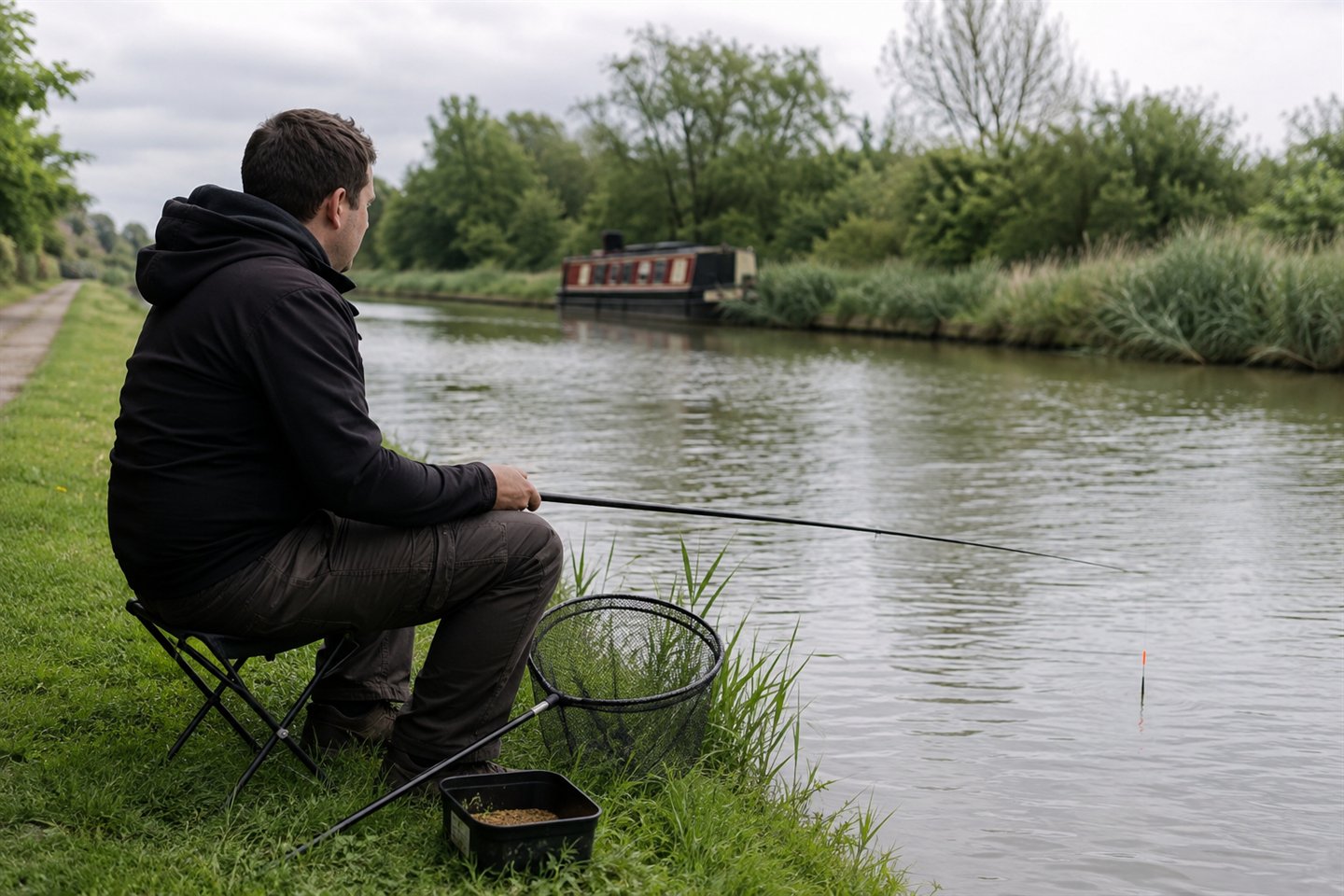
A four- or five-metre whip can reach the near shelf of a canal or a comfortable line on a small stillwater. The target is normally roach, rudd, bleak, perch and small skimmers rather than carp. A balanced rig and modest feeding can produce regular bites without turning the lesson into heavy tackle work.
Let's choose an outfit, attach a rig and find the depth before feeding. We'll also cover landing small fish safely. Pick the venue carefully: powerful fish, dense snags, passing boats and overhead electricity cables can make a whip unsuitable, however simple the tackle looks.
Whip fishing for beginners: how to set up and feed
Use a manageable four-metre whip with a sound tip connector or manufacturer-approved light elastic, plus a rig slightly shorter than the working pole. Choose a visible float that carries enough legal shot to settle the bait in the depth and tow, and use line and a barbless or permitted hook balanced for small coarse fish.
Plumb a close line, begin with the hookbait just touching bottom and feed a few maggots or another permitted bait regularly. Lower or swing the rig into the same area, keep the pole tip over the float and lift smoothly at a positive bite. Small fish can be guided carefully to hand; use a landing net whenever lifting is doubtful.
Prepare a disgorger, soft knotless landing net and wetted unhooking surface before fishing. Look up for power lines before extending carbon, keep a public towpath clear and stop for boats. Comfort, accuracy and safe fish handling are more important than stretching the pole or catching quickly.
What is a fishing whip?
A whip is a short pole used with a fixed length of line. Many beginner models are telescopic, so each section slides from the one below; some are take-apart or combine both arrangements. The rig attaches at the tip, and the pole itself places the bait rather than casting it from a reel.
Some whips use a simple connector glued to the tip. Others have a short length of light elastic inside one or more top sections. Elastic can cushion a better fish, but it must be fitted within the maker's rating and doesn't turn a light whip into a margin pole.
The fixed line creates repeatability. Once depth and distance are set, the bait returns to a small area and loose feed can be concentrated around it. This makes the method useful for learning float behaviour and for building confidence through bites from mixed silverfish.
Whip, pole or float rod?
A take-apart pole is extended with butt sections, often uses longer elastic and can fish several accurately measured lines. It offers more control over stronger fish but needs a roller, more bank space and a practised shipping movement. The pole fishing beginner's guide explains that next step.
A float rod and reel casts beyond fixed-line range and can give line to a running fish. It is more versatile on larger waters, but casting and line control add skills. The beginner float-rod setup is better when the fish are beyond a comfortable whip line.
Choose the whip when small fish are likely close to the bank and the peg has safe, open space. Choose another method if stronger fish dominate, the bank is hemmed by vegetation, the water is too deep for a manageable rig or boats repeatedly make a fixed long line unsafe.
Choosing a useful beginner whip
Four metres is a practical learning length because most adults can control it without a roller, and many coached beginner sessions use whips around this size. Five or six metres can extend reach, but extra length also increases leverage, wind resistance and the amount of line that must be handled.
Check whether the stated length includes a tip connector, whether the whip is rated for elastic and what type of sections it uses. A telescopic model is fast to assemble but a damaged internal section can be awkward to replace. Take-apart models pack and repair differently. Spare-tip availability is valuable.
Don't judge a whip only by weight in a product table. Balance when extended affects comfort, and an apparently light blank may feel tip-heavy. Inspect every joint, the tip and the closed butt cap. A crack, crushed rim or loose connector is a reason not to fish.
The Drennan Vertex 4m whip kit (paid link) is one current 4m kit. Verify its rig specification, connector fitting, packed length and replacement parts. “Complete” doesn't guarantee a landing net, disgorger or suitable fish-care equipment.
Tip connectors and short elastic
A plastic tip connector usually has a sliding sleeve. A loop at the top of the rig sits over the hook, then the sleeve closes to retain it. Check the connector is aligned, fully shut and free from burrs. Pull-test the loop before extending the whip over water.
If the whip has an approved elastic system, use only the stated diameter or rating and fit the correct bush, anchor and connector. Brand numbers and colours are not universal. Light elastic should retract smoothly without hanging or snapping back violently. Ask a reputable tackle shop to fit a first system if instructions are incomplete.
Never tie a rig directly around a bare carbon tip unless that is the manufacturer's documented arrangement. A knot can slip or damage the tip. Likewise, don't cut back a tip to accept larger elastic without confirming the permissible modification; removed carbon cannot be restored.
How to set up a whip fishing rig for beginners
A ready-made whip rig normally includes line, float, split shot and hook. Some include a separate hooklength joined by loops. The rig winder should state float capacity, line diameter, hook size and length. These details need to suit the water even if the packet calls the rig “all round”.
A slim float can show delicate bites in calm water, whereas tow, wind or greater depth requires more capacity and stability. The tip must remain visible against reflected light. Choosing a slightly more positive float is better than squinting at a tiny bristle that never settles.
Most shot can sit as a small bulk with one or two droppers below. This reduces tangles and carries the bait down, while the lower shot helps register bites on the fall. Legal restrictions apply to lead in England and Wales, so use recognised angling shot in permitted sizes or suitable non-toxic products.
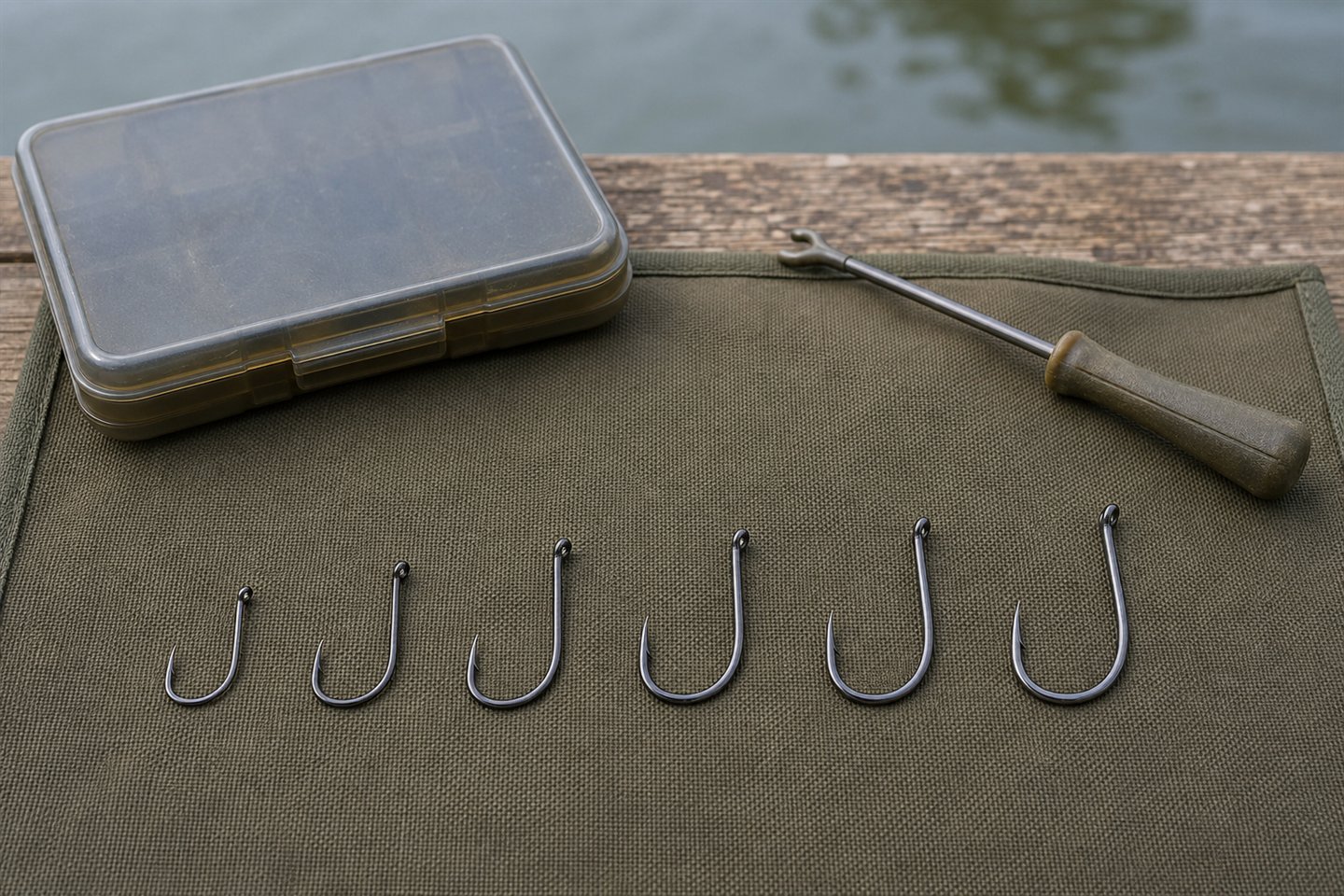
Hook size must match bait and fish. A maggot, pinkie, caster or small piece of worm each needs clear hook point and gape. Follow the fishery's barbless or maximum-hook rule. The coarse hook guide explains why the same printed size can vary by pattern.
Ready rigs can save time. The Drennan pre-tied whip rig (paid link) is one current ready-made option; check its actual length and components. Test knots, inspect line for kinks and move shot gently; a factory-tied rig still needs an angler's check.
Rig length and the lash
The “lash” is the line between the whip tip and float. Enough lash lets the rig settle and move naturally; too much makes placement and striking vague. Too little can hold the float out of position or cause the bait to lift whenever the hand moves.
For a simple start, make the complete rig slightly shorter than the assembled whip so a small fish can be brought within safe reach. Rig length must still exceed swim depth. If a deep venue leaves almost no usable lash, a longer whip, pole or rod-and-reel method is more appropriate.
Shorten a ready rig from the top, preserving the balanced shot and hooklength below. Tie a sound loop and trim the tag closely. Don't wind spare line around the whip blank, where it can tighten into carbon or catch a passer-by.
Pick a safe, fishable peg
Choose firm, level ground with a low clear route to the water. Avoid steep banks, rotten platforms and places where a hooked fish cannot be netted. On canals, keep away from locks, water points, moving bridges and signed restrictions, and never occupy private or offside land without permission.
Look up before opening the whip. Carbon-fibre fishing equipment conducts electricity, and current can arc across air. Don't fish close to overhead power lines, carry long equipment horizontally and leave the area during an electrical storm. Rubber footwear doesn't make the risk safe.
On a towpath, place luggage close and keep the route visible. Lower the whip and bring the rig in before a boat, cyclist or pedestrian creates a conflict. Shipping, casting or holding line across the path is unacceptable even when the bite rate is good.
Set up the fishing station first
Put the landing net within reach and open the handle. Wet an unhooking mat where the surface is hard. Keep the disgorger, bait and a secure line-bin accessible. Assemble these before attaching a hook so an unexpected fish never has to wait while equipment is found.
Open telescopic sections from the tip outward without twisting beyond their natural stop. With a take-apart whip, seat clean joints firmly but don't ram them. Keep sand and grit away, and never drag sections over concrete or stone.
Attach the rig while the whip is low and controlled. Check behind and above before lifting it. The hook should remain secured in the winder or bait tub until the rig is over the water; a loose hook on a fixed line can swing a wide arc.
How to plumb the depth
Fit a plummet suitable for the small hook and lower it into the intended fishing area. If the float sinks, the rig is too shallow; move the float towards the whip tip. If the float lies flat or the line remains slack, reduce the depth. Repeat around the feeding spot to find slopes and weed.
Begin with the hookbait just touching bottom for roach, perch and skimmers. In tow, a few centimetres of line on the bottom can steady the bait, but too much causes false bites and snags. Rudd or bleak feeding high may require a deliberately shallower setting later.
Mark the measured depth against the whip or note it on the rig label. The detailed guide to plumbing and shotting a float shows how small changes affect presentation. Re-plumb after moving pegs; similar-looking margins can differ sharply.
How to feed for silverfish when whip fishing
Maggots, pinkies, casters, bread punch, worms and small pellets can all have a place, subject to rules and species. Start with one hookbait and one loose feed. The beginner coarse-fishing baits guide covers buying, storage and simple uses.
Feed a small amount to the float line and repeat at a steady rhythm. On a close four-metre line, hand feeding is often accurate enough. Several baits every few minutes can build interest without immediately filling a small shoal; adjust from bites rather than obeying a fixed count.
If bites come as the rig settles, fish may be following loose feed upward. Spread the droppers or shallow the rig slightly. If only bottom fish respond, concentrate shot and allow the bait to settle fully. Change one element while keeping the feed area consistent.
Groundbait can introduce a visible, scented area but is not compulsory. A small accurately placed ball or loose cloud may help on some venues. Mix and riddle it to the packet's directions and account for depth, tow and stock. Excess bait at the start is difficult to remove.
Placing the rig without tangles
For a rig comfortably shorter than the whip, hold the hook or lower line, lift the whip and swing the float gently underarm into place. Release smoothly so the rig extends without snapping straight. Check behind first; fixed line can bring a hook back rapidly after a snag.
In cramped conditions, lower the rig vertically by holding the top of the line and extending the whip low over water. Don't drag the hook across the bank. Let the shot settle in sequence, then position the tip above or slightly to one side of the float.
If the line tangles around the tip, lower the whip and deal with it at hand. Rotating or flicking an extended whip usually tightens the knot and risks breakage. Replace a kinked rig section rather than weakening it through repeated straightening.
Recognising bites and striking
A bite can pull the bristle under, lift it, hold it against tow or carry it sideways. First learn how the float behaves with no fish: it should cock in stages and remain stable. Any repeatable difference then becomes easier to interpret.
Strike with a short, smooth lift, not a full overhead sweep. The fixed line gives direct contact, so little movement is needed. If tiny fish fly from the surface, soften the lift and check whether the elastic, line and hook are balanced.
Missed bites may result from an obscured hook point, excessive bait, wrong depth or a dropper too far from the hook. Inspect before changing to fragile line. Fast bites from bleak or tiny roach can be accepted as part of learning rather than chased with ever finer tackle.
Bringing fish to hand or net
A small silverfish can be lifted only when its weight, the rig and clear surroundings allow a completely controlled movement. Raise it steadily and place a wet hand beneath it. Never bounce a fish against the pole or leave it swinging while searching for a disgorger.
For a skimmer, perch, tench or any fish that makes lifting uncertain, use the landing net. Draw the fish over the submerged frame and raise the mesh, not the long handle as a crane. The NGT 60cm scoop landing net (paid link) is one current net head; confirm that its mesh is soft, knotless and non-metallic, then pair it with a handle that gives sufficient reach for the peg.
If a fish is clearly too powerful for the whip, keep calm, avoid pointing the tip directly at it and seek controlled assistance where safe. Don't run along a crowded bank with extended carbon. After a break, retrieve reachable line without entering water and reassess the peg and tackle.
Unhooking and returning the catch
Wet hands before touching fish. Support the body, keep it low and use a correctly sized disgorger for a hook inside the mouth. Forceps can help with a lip-hooked fish, but pulling blindly can damage tissue. If uncertain, ask an experienced angler or coach immediately.
Perch have sharp spines and gill-cover edges, so fold the dorsal fin carefully and keep fingers away from the gills. Bream and skimmers lose protective mucus readily on dry material. All species benefit from calm, minimal handling and a prompt return.
Lower the fish into quiet water and release only when it holds itself upright. Don't throw it from standing height. Keepnet use must follow law and venue rules; for pleasure whip fishing, immediate release usually removes needless retention and keeps the session simple.
Dealing with boats, tow and wind
On a canal, retrieve the rig and lower the whip well before a boat reaches the peg. Let the boat pass, protect bait and equipment from towpath movement and wait for the water to settle. Never try to hold the rig below a moving craft or across a tow rope.
Boat-induced tow can temporarily change direction and lift debris. A slightly heavier float and grouped shot may restore control, but sometimes waiting is better. Re-plumb if the bottom has been disturbed or the float begins snagging at a consistent point.
Strong crosswinds make a long fixed line difficult. Shorten the lash, fish closer or reduce the whip length. If the blank cannot be held securely, stop. A heavy grip and wandering rig don't create effective coarse fishing, and a different method can be safer.
Common beginner errors
The first is extending all available sections because they exist. Extra length can make feeding inaccurate and fish awkward to reach. Begin at four metres or less, then add length only when the complete routine remains controlled.
The second is using a rig far longer than the whip. The float may fish, but landing and rebaiting become clumsy. Shorten from the top while retaining enough length for the measured depth, or choose a longer whip or shallower line.
The third is assuming elastic guarantees a powerful fish can be landed. Light whip elastic protects delicate rigs; it doesn't supply the reserve of a purpose-built pole. Match method to stock and move away from obvious snags.
Finally, feeding too much masks what is happening. Start conservatively, count or measure each introduction and respond to bites. If the swim goes quiet, check depth, bait and presentation before adding a large ball of groundbait.
A simple first-session routine
Choose a coached event or an easy mixed fishery where rules and stock are clear. Assemble at a short length, plumb one close line and begin with a single maggot where allowed. Feed a few pieces consistently and watch how the float cocks before expecting a bite.
After half an hour, make only one considered change. Move the lowest shot, adjust depth or alter feeding frequency. Keep successful settings on a labelled winder. If a larger fish repeatedly breaks the setup, change method rather than merely fitting thicker line to a light whip.
At pack-up, remove the rig before collapsing sections, wind it under light tension and secure the hook. Dry the whip and net, check the connector and collect every line offcut. Never leave unwanted bait, hooks or elastic beside the water.
Frequently asked questions
What length whip is best for a beginner?
Around four metres is comfortable for many adults and widely used in introductory sessions. The right length depends on reach, strength, depth and bank space. Shorter, accurate control is preferable to an unwieldy six-metre setup.
Does a fishing whip need elastic?
No. Many whips use a direct tip connector. A short, correctly rated elastic can cushion fish, but must be supported by the manufacturer and fitted properly. It doesn't make light tackle suitable for big fish.
Can a whip catch carp?
A small carp may take a silverfish bait unexpectedly, but a light whip should not be chosen to target carp. Use a take-apart pole or rod-and-reel setup balanced to the stock, snags and fishery rules.
How long should a whip fishing rig be?
It must be longer than the swim depth but usually a little shorter than the working whip for easy placement and landing. Preserve a manageable lash between tip and float; if that is impossible, change length or method.
Final thoughts
Whip fishing for beginners strips coarse fishing back to a few connected decisions: safe peg, balanced rig, known depth, accurate feed and gentle handling. A short fixed line makes each result visible and repeatable.
Keep to small fish on suitable water and use the net whenever you're unsure about lifting one. Never extend a carbon whip near power lines. Once you're comfortable at four metres, you can decide what to try next. There's plenty to learn about feeding and bites without adding a reel or a longer pole just yet.