Solid PVA bag or mesh? Start with what you're trying to deliver. A solid bag can contain the rig and feed; mesh is useful for a separate bait parcel or a properly made stick. We'll compare the options for your presentation and spot.
The right choice depends on the presentation, casting load, bait and spot. If you only need a few mouthfuls beside a familiar rig, mesh may keep things simple. If enclosing the rig solves a real casting or presentation problem, a carefully packed solid bag may earn the extra preparation.
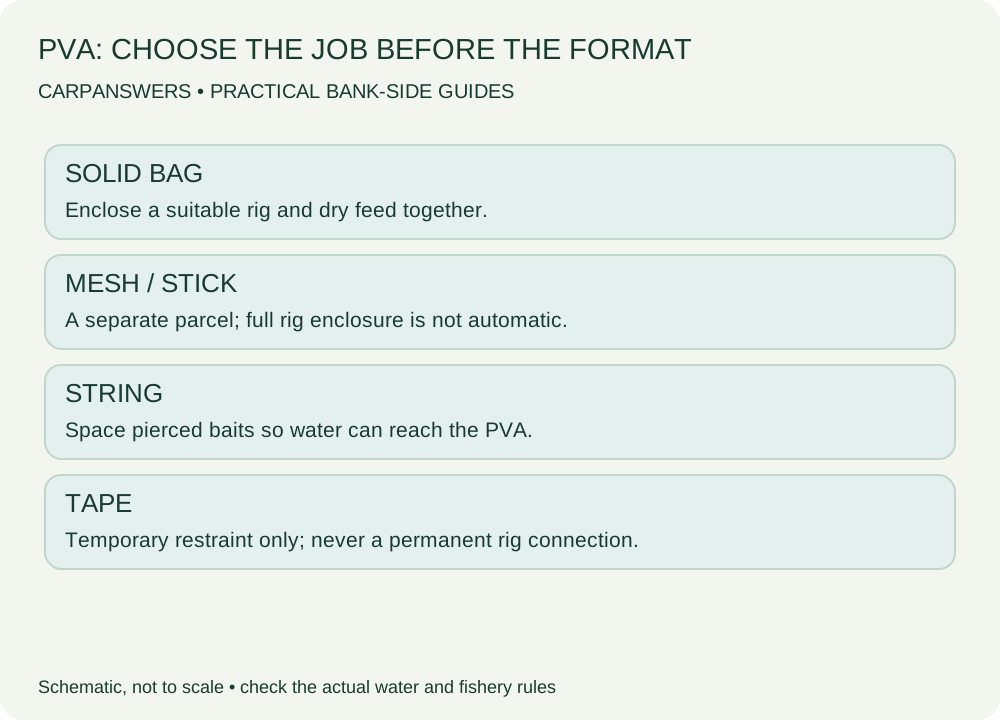
Our PVA formats guide includes tape and string as well. This comparison stays with the two options most anglers are weighing up.
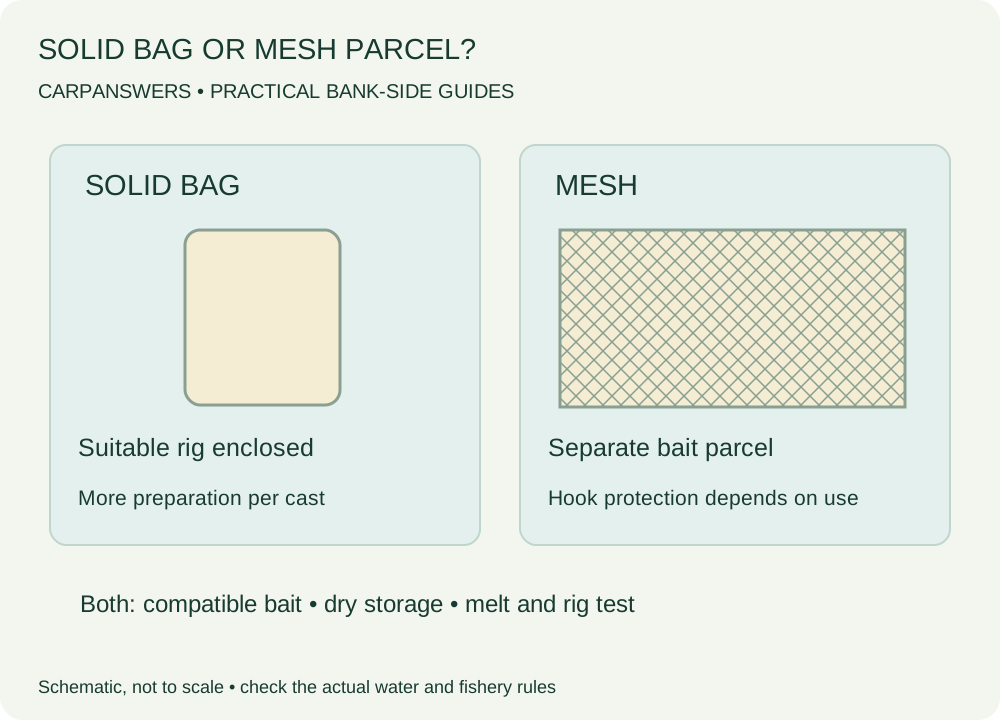
Solid PVA bags vs mesh: what are you trying to protect or deliver?
| Question | Solid bag | Mesh parcel or stick |
|---|---|---|
| What is enclosed? | A suitable lead, rig and feed can be enclosed together. | Usually the bait parcel; rig protection depends on the method. |
| What feed suits? | Compatible dry small feed and crumb packed around the rig. | Compatible feed retained by the chosen mesh size. |
| How much preparation? | Careful filling, compaction and sealing. | Often quicker for a simple parcel; sticks need their own checks. |
| Does it solve weed? | No. Enclosure does not make unsafe weed fishable. | No. A mesh parcel cannot certify a clear hook or landing route. |
| What must be tested? | Melt, release, rig posture and complete casting load. | Melt, knots, attachment and hook clearance. |
When a solid bag makes sense
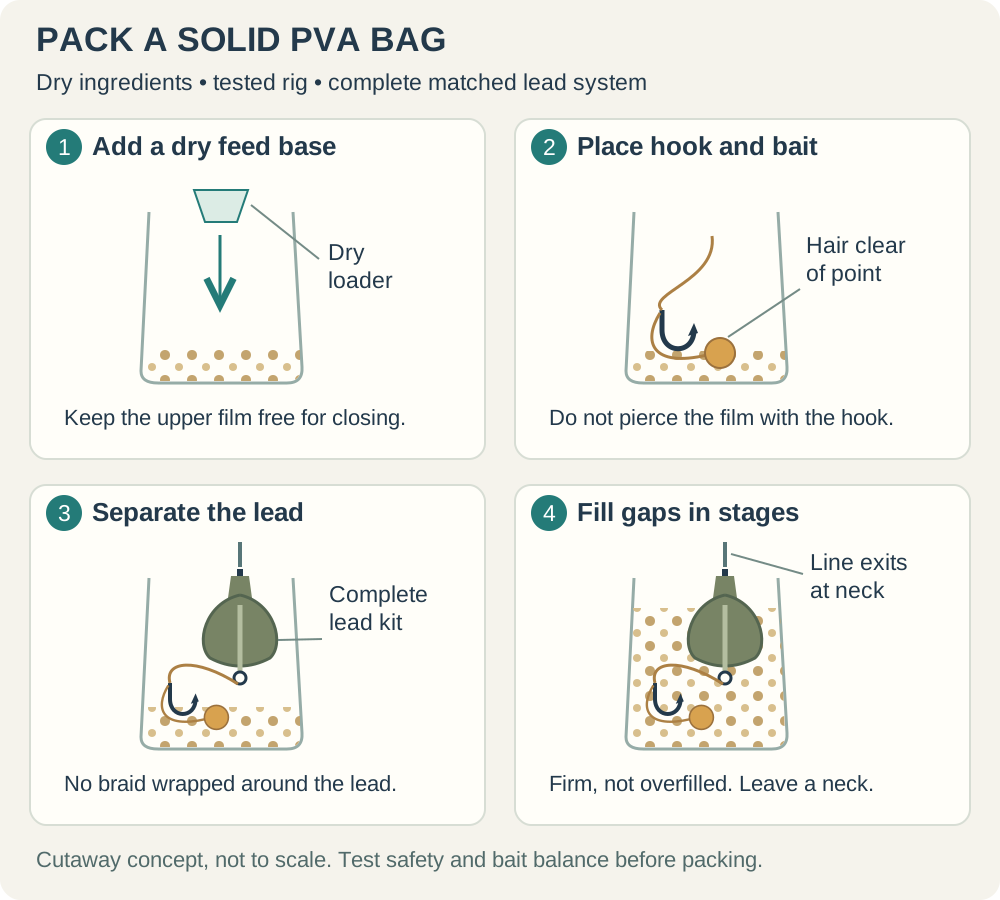
A solid bag is worth considering when you want a compact feed parcel with the chosen rig inside it. The parts need to fit without an awkward fold, exposed sharp edge or excessive empty space.
For example, you have found a manageable, lightly covered spot and want a small mouthful of feed rather than a spread of bait. A suitable solid-bag rig can arrive with that feed together. You still need to know that the presentation can settle and that a fish can be landed safely.
Follow the illustrated solid PVA bag tutorial for packing and the rig checks. Do not put a long stiff presentation in a small bag simply because that is the rig already attached to the rod.
Korda Solidz medium bags (paid link) are an option when that size matches your setup. Compare the actual version and its melt characteristics before buying. Manufacturer information distinguishes original bags from the thicker Slow Melt version; neither name replaces a water test.
When mesh is the simpler answer
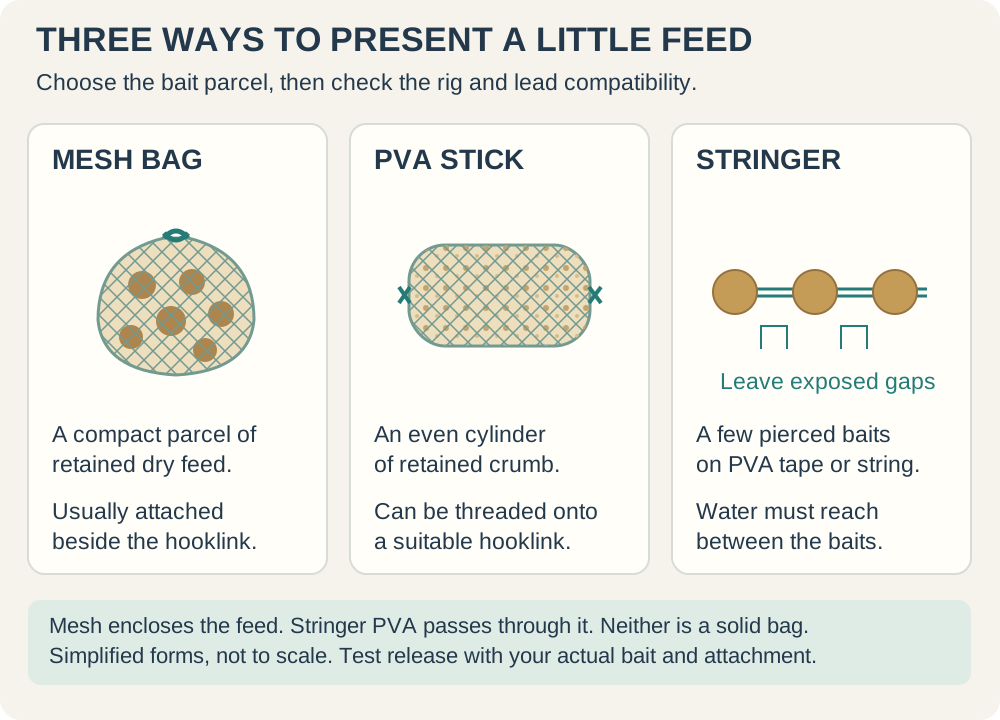
Mesh suits a small parcel of feed beside a rig that already presents properly. You can vary parcel size without packing the entire lead and hooklink into a film bag, which is useful when only the bait delivery needs changing.
A short visit to a known clear spot is a good example. You have a familiar hair rig, want a little compatible pellet or crumb nearby and do not need full enclosure. A carefully attached mesh parcel may be enough.
Follow the mesh and stick tutorial for attachment and needle work. Hook protection depends on how the method is assembled; a bag hanging beside the hook is not the same as shielding the point correctly.
If you already own the matching tube and plunger, the Korda Original Funnel Web Micromesh refill (paid link) is one refill option. It is not a complete kit and will not automatically fit another diameter or system.
Which casts better?
A neat compact parcel is easier to handle consistently than an oversized, uneven one, but the word “solid” or “mesh” does not decide the distance. Shape, total mass, tackle, wind and your casting technique all matter.
Weigh the complete load if you are unsure, including lead, wet or dry feed and rig. A rod that handles a bare lead comfortably may not be suited to the same lead plus a large food parcel. Follow the rod manufacturer's guidance rather than converting test curve into a guessed safe maximum.
Practise at a manageable range and inspect the result after a poor cast. A split parcel can leave loose bait nowhere near the hookbait. Recasting repeatedly without accounting for that feed changes the swim more than you might think.
Do not choose the largest possible bag because you want more distance. If accuracy falls apart, reduce the range or simplify the presentation before adding force to the cast.
What changes over silt or light debris?
A solid bag can keep things together on the way down, but it does not guarantee where the contents end up after the film dissolves. Soft sediment may take the lead differently from the hookbait, and debris can still interfere with the presentation.
Mesh adds a parcel without necessarily enclosing the whole rig. That can be perfectly useful on a suitable area, but do not describe it as identical protection. Choose the hooklink and lead arrangement for the bottom, then decide whether the parcel helps.
Use the silt guide if the drop is soft or retrieved tackle carries sediment. If dense weed or snags make the route unsafe, neither format is the answer. Move to a fishable area.
Can both take the same contents?
Sometimes, but check the mesh size and moisture. Fine crumb that stays inside film may leak from coarse mesh. Damp particles or an unsuitable liquid can weaken either format before the cast.
Start with dry compatible feed and add liquids only when the label confirms PVA suitability. Draining wet particles does not establish that they are safe to put in PVA. If in doubt, deliver them separately using a permitted method.
Avoid solving leakage by making a parcel unnecessarily dense or adding lots of liquid. You need the bait to release usefully, not simply survive being held in your hand.
Make the same comparison in lake water
Build one representative parcel of each format using the feed you intend to fish. Put them into separate clear containers of lake water at the same temperature, with the relevant rig arrangement where practical.
Watch the film or mesh opening, the knots, bait release and hook clearance. Do not judge success by the first hole appearing. Check that the material has stopped restraining the presentation and that the rig behaves as intended.
This is a preparation check, not a laboratory proof that one catches more fish. It will not reproduce every cast, depth or lakebed. Repeat it when changing material, contents or conditions.
Which uses less bait and costs less?
Either can use a small or substantial amount. Compare the size you actually make and the number of casts, including failed attempts. A tiny parcel repeated all afternoon can deliver more feed than a few larger bags.
Use the bait quantity guide and Bait Quantity Calculator to plan a sensible starting allowance. Keep feed in reserve rather than filling every bag you have brought simply because it is available.
For cost, compare usable parcels from the pack or refill, not just the shelf price. Include any matching tube or plunger you do not own. If the method you already use works, switching formats is optional rather than an automatic upgrade.
Quick comparison questions
Which is easier for a beginner?
A simple mesh parcel can be quick to learn, while a solid bag rewards practice with packing and rig placement. Choose the job first and follow its complete tutorial.
Can I use my usual rig inside a solid bag?
Only if its dimensions, materials and lead arrangement suit the method. Do not fold an unsuitable rig into the bag and assume it will straighten perfectly.
Should I change from mesh if I blank?
Not without a reason. Check fish location and presentation first. A different wrapper will not make an empty swim productive.
If the uncertainty is really about the rig, use the Carp Rig Selector before choosing the PVA. Sort the presentation, then choose how to deliver its feed.