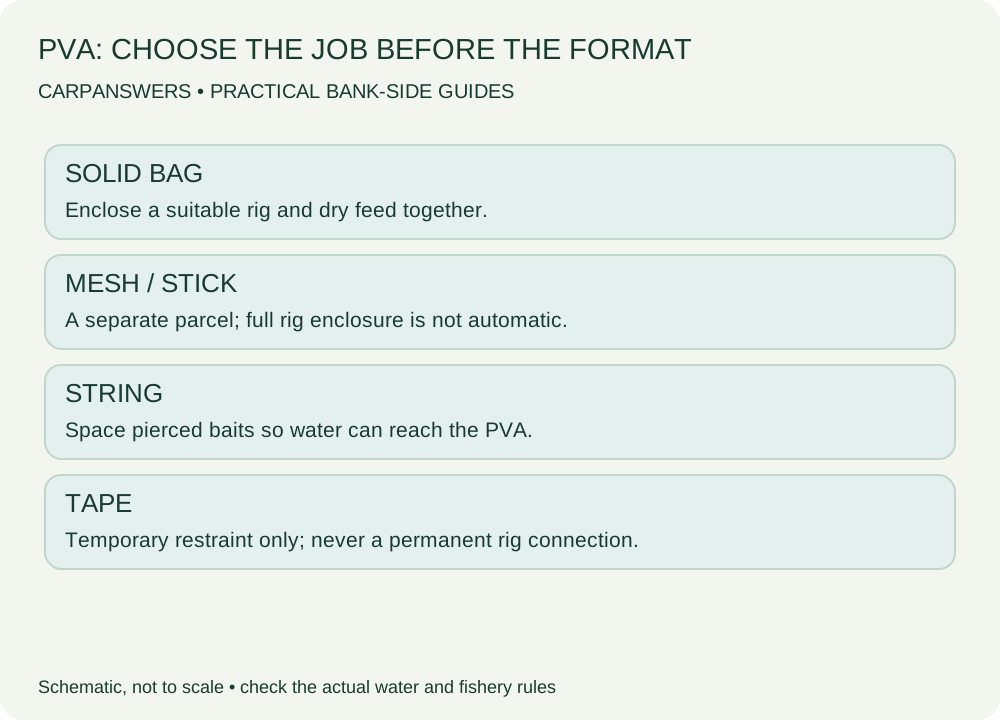
PVA for carp fishing comes in bags, mesh, tape and string because each does a different job. Do you want to carry feed, enclose the rig or hold something temporarily? Start there, then choose the format.
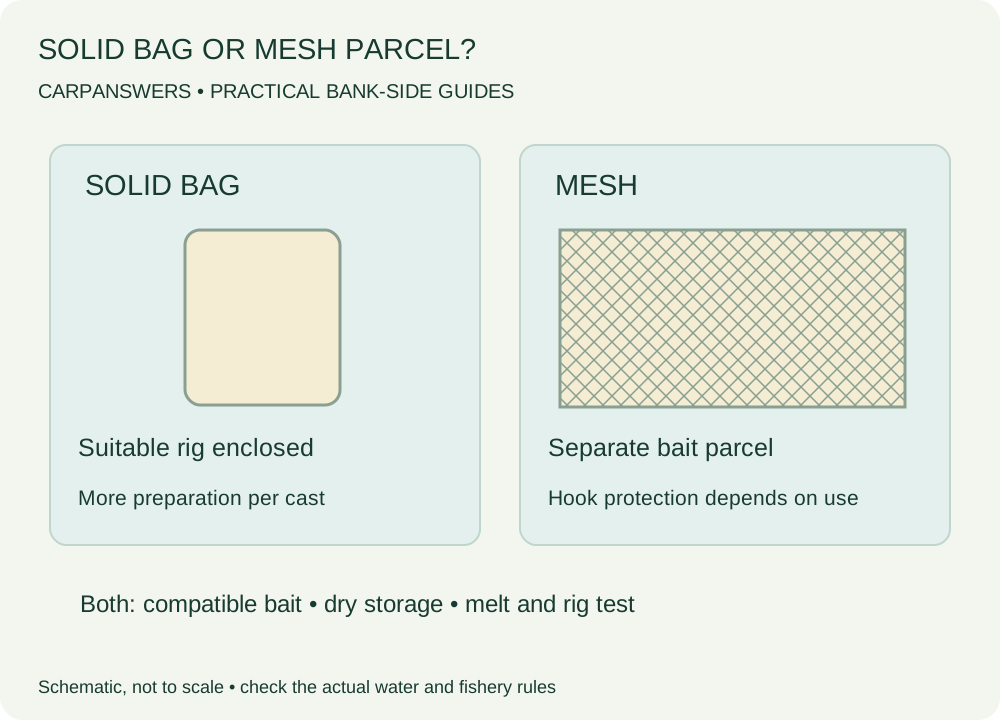
Start small. If you want the whole suitable rig enclosed with feed, look at solid bags. If you want a separate parcel beside the hookbait, mesh may be simpler. Tape and string are useful for particular tying or bait-delivery jobs, not permanent rig connections.
This guide helps you choose. The detailed solid bag tutorial and mesh and stick tutorial cover making the presentations step by step, so there is no need to learn every method at once.
PVA for carp fishing: which type does the job?
Angling PVA is a water-soluble material used in films, mesh, tape and string. You keep it dry while preparing the cast, then expect it to dissolve and leave the intended bait and tackle free.
The important word is “intended”. A bag that breaks in flight, stays partly wrapped around the hook or releases before reaching the chosen depth has not done the same job as a properly tested presentation.
Different products and versions behave differently. Follow the packet instructions and test the exact material, knots, bait and liquids in water from the venue. Do not assume every product called PVA has the same dissolve time.
Solid bags: enclose a suitable presentation
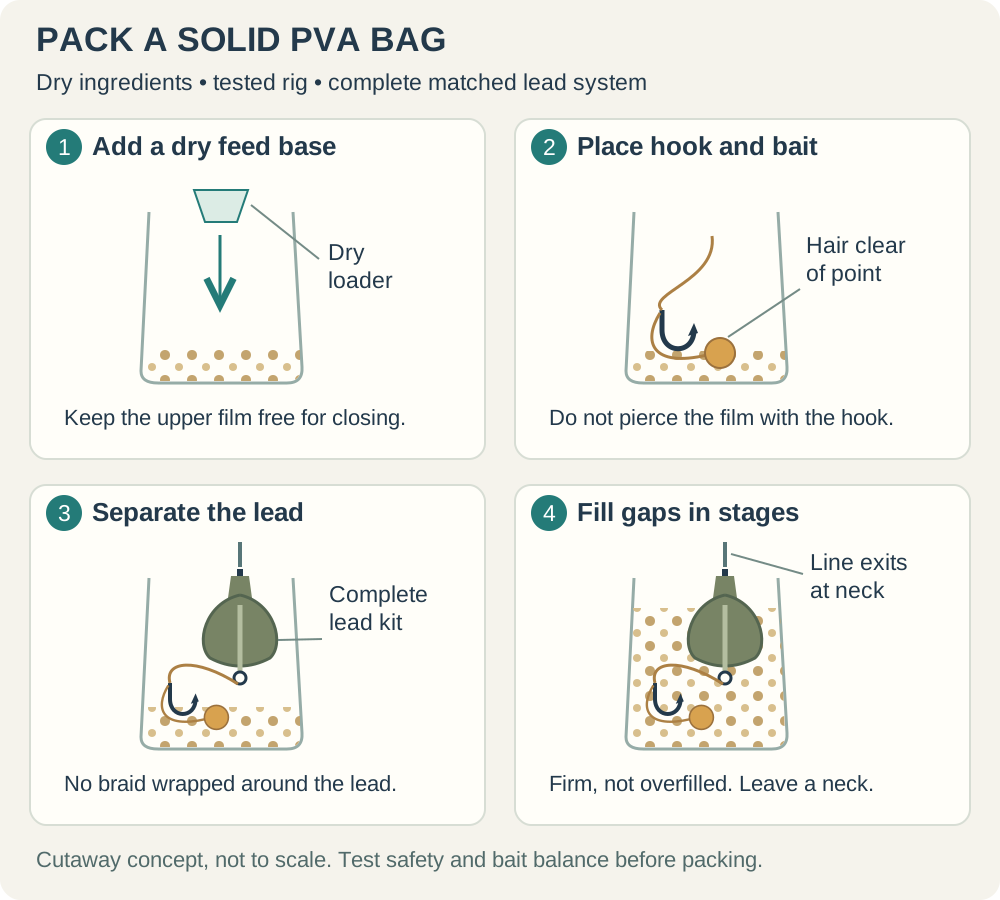
A solid bag can contain the lead, a short suitable hooklink and a compact amount of dry feed. That keeps the presentation together in flight and gives you a small food parcel when the film dissolves.
It takes care to pack well. Large gaps, sharp edges, an awkwardly folded hooklink or too much loose film can undermine the result. Follow the detailed tutorial rather than stuffing any rig into a bag and assuming enclosure makes it suitable.
Korda Solidz medium bags (paid link) are one starting option if that size suits your rig and casting load. Check whether you are buying the original or a different melt version. Manufacturer guidance for original Solidz and Slow Melt Solidz describes distinct products, not interchangeable names.
A solid bag is not a licence to fish unknown weed. You still need a suitable bottom, safe lead system and landing route. Once the film has gone, the rig must work safely without it.
Mesh bags: a separate parcel of feed
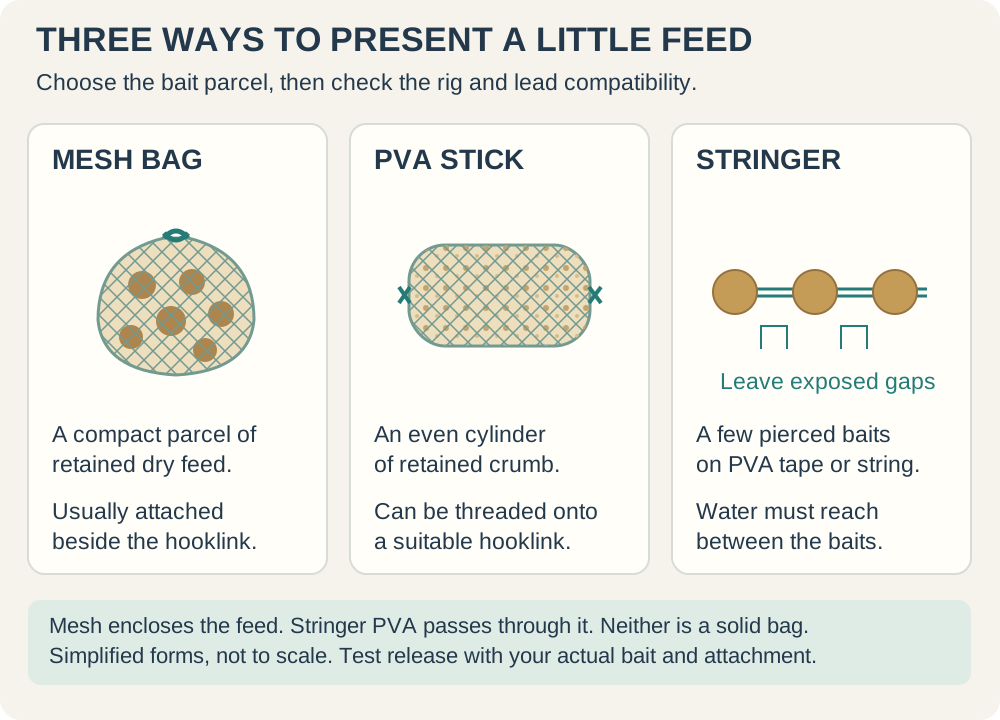
Mesh is handy for small parcels of suitable pellets, crumb or crushed boilies. The tube and plunger help you fill and shape the parcel, and the tied ends keep it together until it reaches the water.
Choose the mesh size for the contents. Fine material can escape through a coarser mesh, and a refill must fit the system you own. Buying the wrong refill because the brand is familiar is an easy way to waste money.
The Korda Original Funnel Web Micromesh 20m refill (paid link) is a refill, not a complete tube-and-plunger kit. It suits the matching Original system. Korda's Original Funnel Web product information explains the system; check compatibility before ordering.
How you attach the parcel matters. A mesh bag beside the rig does not automatically protect every inch of hooklink or keep the hook point clear. Use an established method, inspect the point and test how the parcel leaves the rig.
What is a PVA stick?
A stick is a compact mesh presentation made from an appropriate fine mix, usually compressed into a short cylinder. It can be used with a suitable rig arrangement to deliver food and help control part of the presentation.
It is not just any crumb squeezed as hard as possible. The contents need to leave the hook clear and break down as intended. Too much compaction or unsuitable damp ingredients can produce a very different result from the neat stick you made on the bank.
Use the mesh tutorial for the long-needle method and component checks. Do not pull a hook point through coarse bait and assume it remains sharp, or force a large knot through a narrow parcel and ignore the damage.
Stringers: a few baits rather than a bag of feed
PVA string can carry a small row of pierced boilies close to the hookbait. Leave gaps so water can reach the string between baits. A tightly compressed row can shelter material that needs to dissolve.
Follow the method for your exact product. Korda's PVA string instructions describe a doubled-string approach with a loop and spaced baits. This is a bait-delivery attachment, not a replacement for a permanent hair or hooklink connection.
Keep the stringer modest enough for the tackle and cast. A long swinging chain can tangle or change the way the rig flies. If it makes accurate placement harder, shorten it or choose a different way to add the feed.
Tape: temporary restraint and tying
PVA tape can be used for jobs such as tying a bag neck or temporarily holding a hair in position during casting, where the rig method calls for it. It must release completely in water.
Korda narrow Kwik-Melt PVA tape (paid link) is one option for those jobs. Check the width and length on the listing; narrow and wide versions are not the same spool. Use as little as the method requires and avoid building a bulky knot around the hook.
Never use dissolving material for a connection that must retain its strength while playing a fish. The finished rig has to remain mechanically complete after every bit of PVA has disappeared.
Can I use wet bait in PVA for carp?
Dry pellets and suitable boilie crumb are straightforward starting points. Check for moisture from storage, wet hands or a damp scoop. A bait can look dry on top while condensation has affected the bottom of the tub.
Do not assume drained particles are PVA-safe. Their moisture can weaken the material before casting. Use a product specifically intended and labelled for the application, or deliver the particles separately.
Only add a liquid when its manufacturer confirms compatibility with PVA. “Oil”, “glug” or “liquid food” on a bottle is not enough information about the actual formulation. Test the amount you plan to use; do not turn a small successful dab into a soaked parcel and assume the result is unchanged.
How to test PVA dissolving in cold lake water
- Make a small representative parcel with the same PVA, knots, contents and liquid.
- Put it in a clear container of lake water, kept close to the water's actual temperature.
- Watch when the material opens and whether bait and rig become free.
- Inspect the hook point and any tightly tied sections for residue.
- Repeat after changing product, contents or conditions.
A bucket test cannot reproduce a long cast or deep-water descent, but it can reveal obvious problems before fishing. Do not quote a melt time from a warm kitchen test as though it applies to a cold lake.
Count the bait delivered with every cast
Ten small parcels still add up. Include recasts and missed attempts when planning the feed, especially on a short or cold-water session. The bait quantity guide explains why a little-and-often approach still needs a running total.
Use the Bait Quantity Calculator for a starting estimate and keep some feed in reserve. If you are unsure which rig belongs inside or beside the parcel, use the Carp Rig Selector before assembling it.
PVA questions
Which type of PVA should I use for carp fishing?
Choose the one that solves your immediate problem. A small mesh parcel is a manageable start for adding feed; a solid bag is worth learning when you want a suitable enclosed presentation.
Can PVA dissolve before it reaches the bottom?
It can, depending on conditions and product. Choose and test the appropriate version rather than assuming a label guarantees performance at every depth.
Are solid bags better than mesh?
Neither is universally better. Use the solid bags versus mesh comparison to choose by rig protection, bait, range and preparation time.
Learn one method well, keep it dry and test what happens in water. That is a better starting point than carrying every PVA format without knowing what each one is doing.