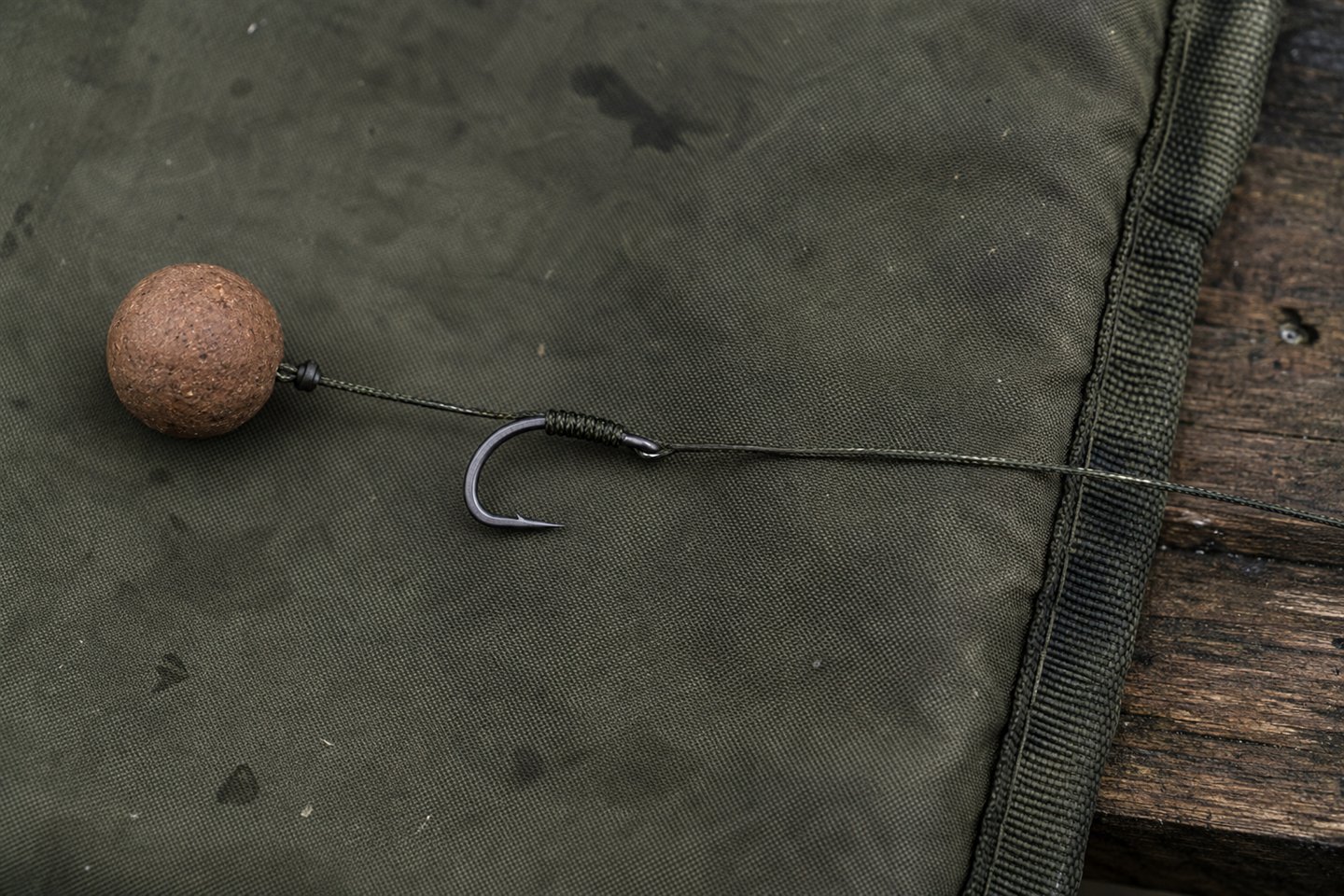
Hair rig
A dependable starting point for bottom baits and wafters, with the bait mounted clear of the hook on a simple hair.
Best considered over clean, siltRead the full guide
Presentations that work
Start with a simple hair rig, or get to grips with the next rig you'd like to try. Follow the pictures, choose the right components and check the finished setup before fishing.
Visual rig library
Filter the library to find a sensible starting point, then read the full guide and test the complete setup in the margin.
Download four free carp rig diagram cards (PDF) for the hair rig, blowback rig, Ronnie/spinner and solid PVA bag. Learn each full workshop first, then use the card as a reminder of the components and checks.
Showing 6 of 6 rigs
A dependable starting point for bottom baits and wafters, with the bait mounted clear of the hook on a simple hair.
Best considered over clean, siltRead the full guide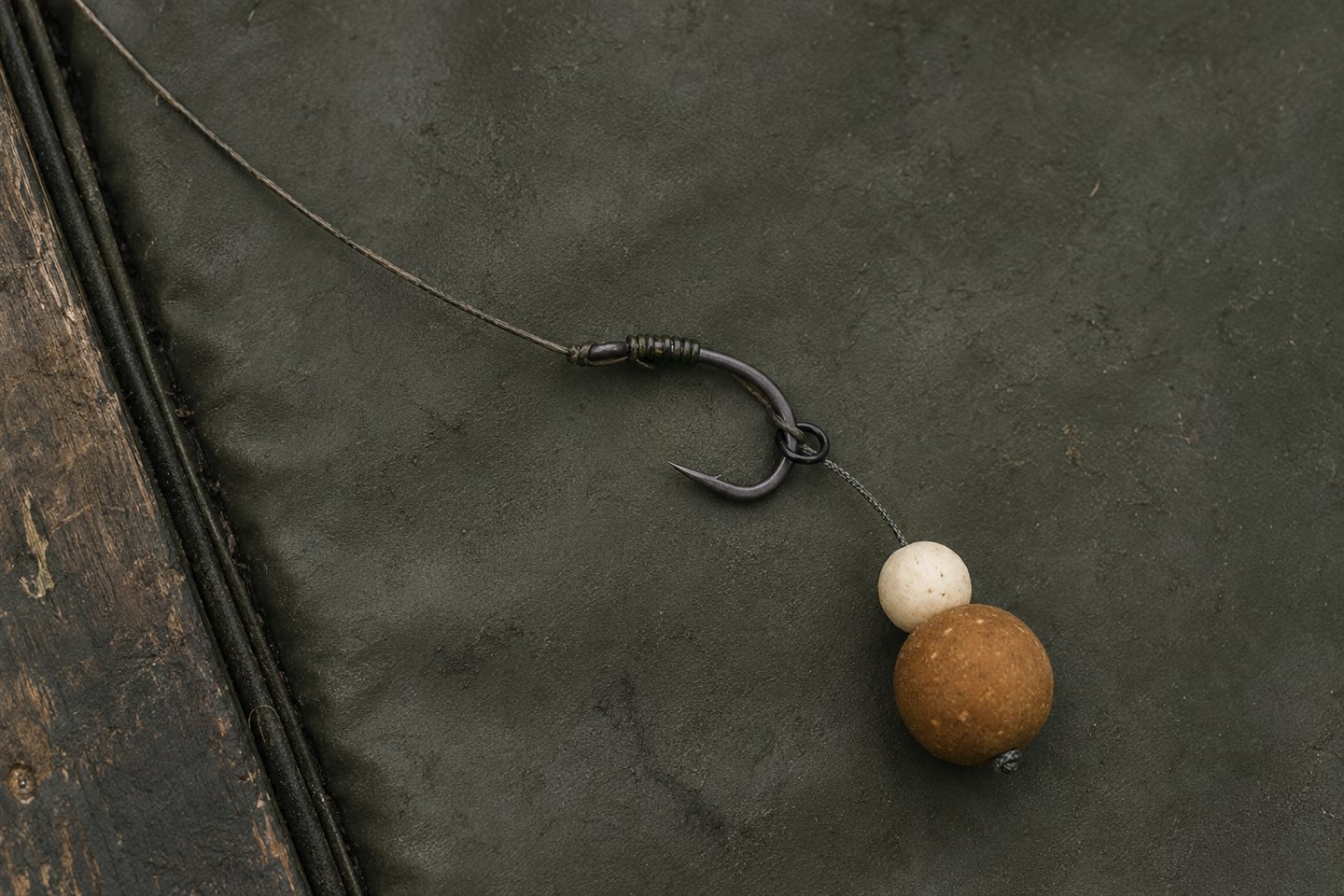
A refined hair-rig presentation that lets the bait move along the hook shank and reset after attention from small fish.
Best considered over clean, silt, debrisRead the full guide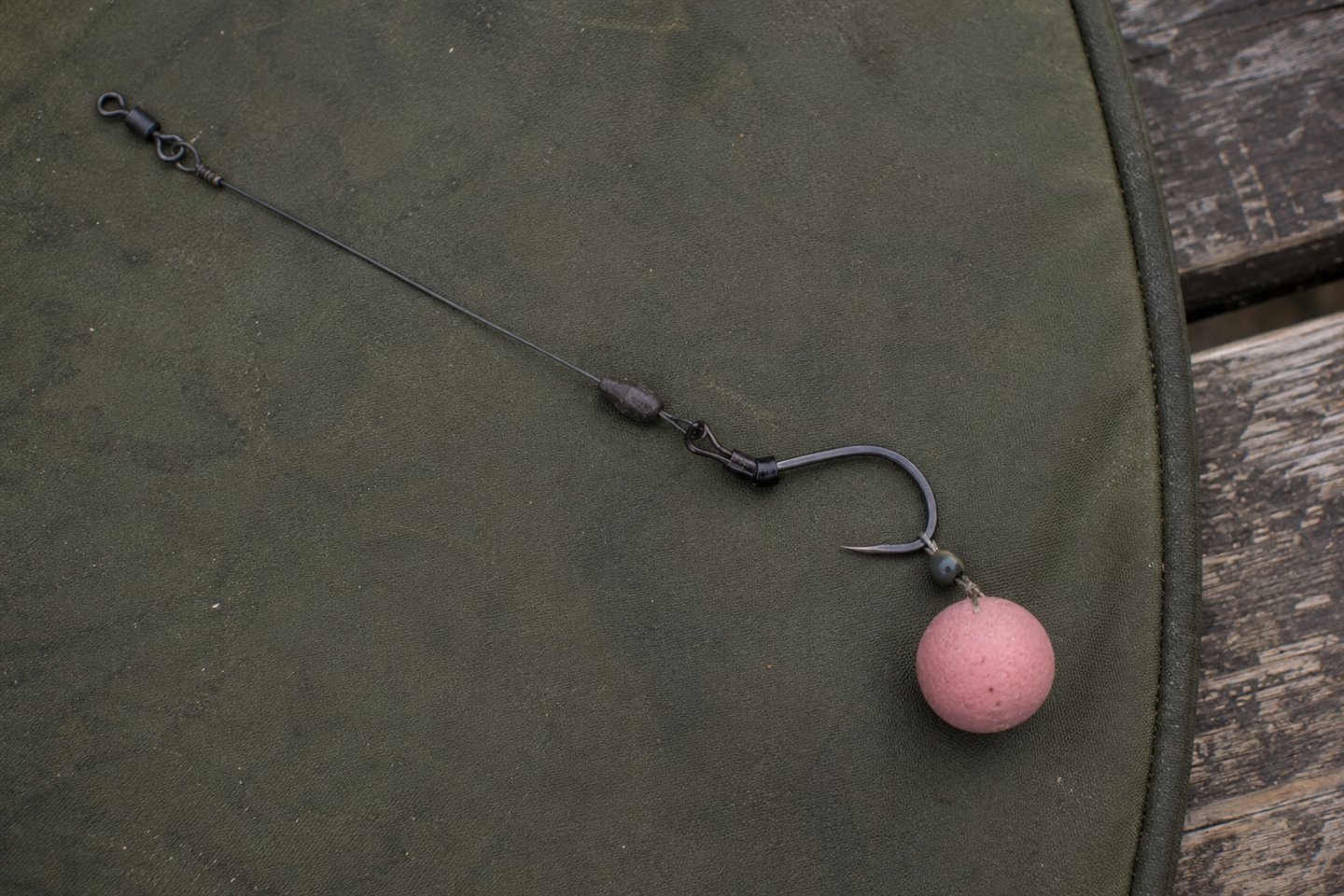
A low pop-up presentation with excellent hook rotation, normally paired with a stiff boom over a clean or lightly silty spot.
Best considered over clean, silt, debrisRead the full guide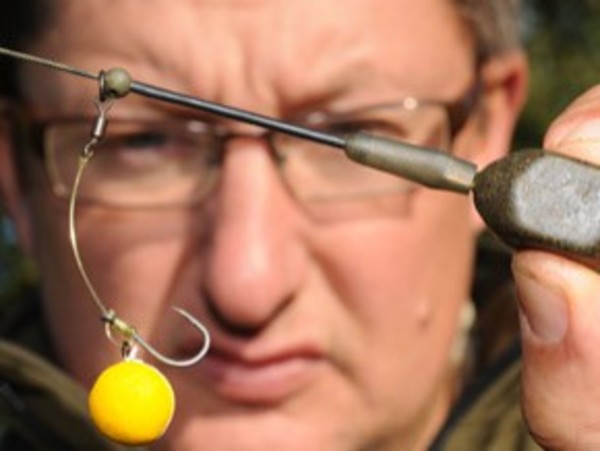
A specialised pop-up rig designed to settle above light weed or debris when a conventional hooklink may be masked.
Best considered over silt, light weed, debrisRead the full guide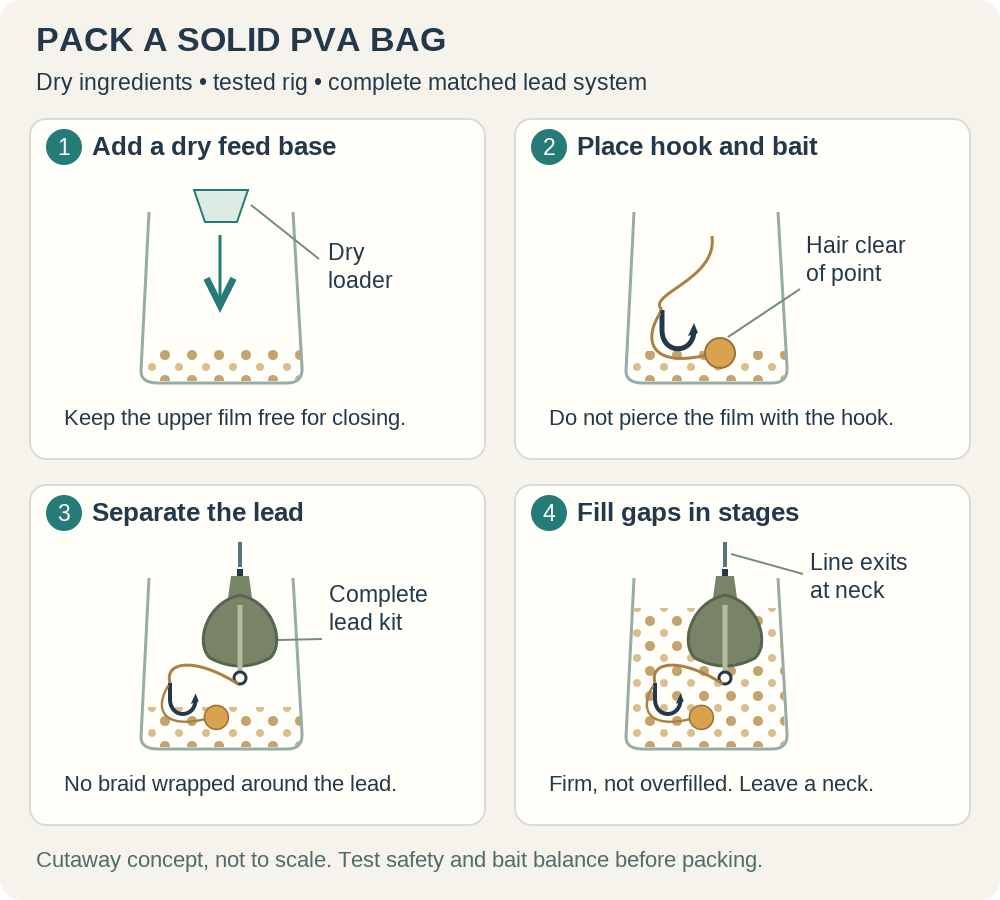
A compact presentation delivered inside a small parcel of feed, useful when accuracy and a protected hook point matter.
Best considered over clean, silt, light weedRead the full guide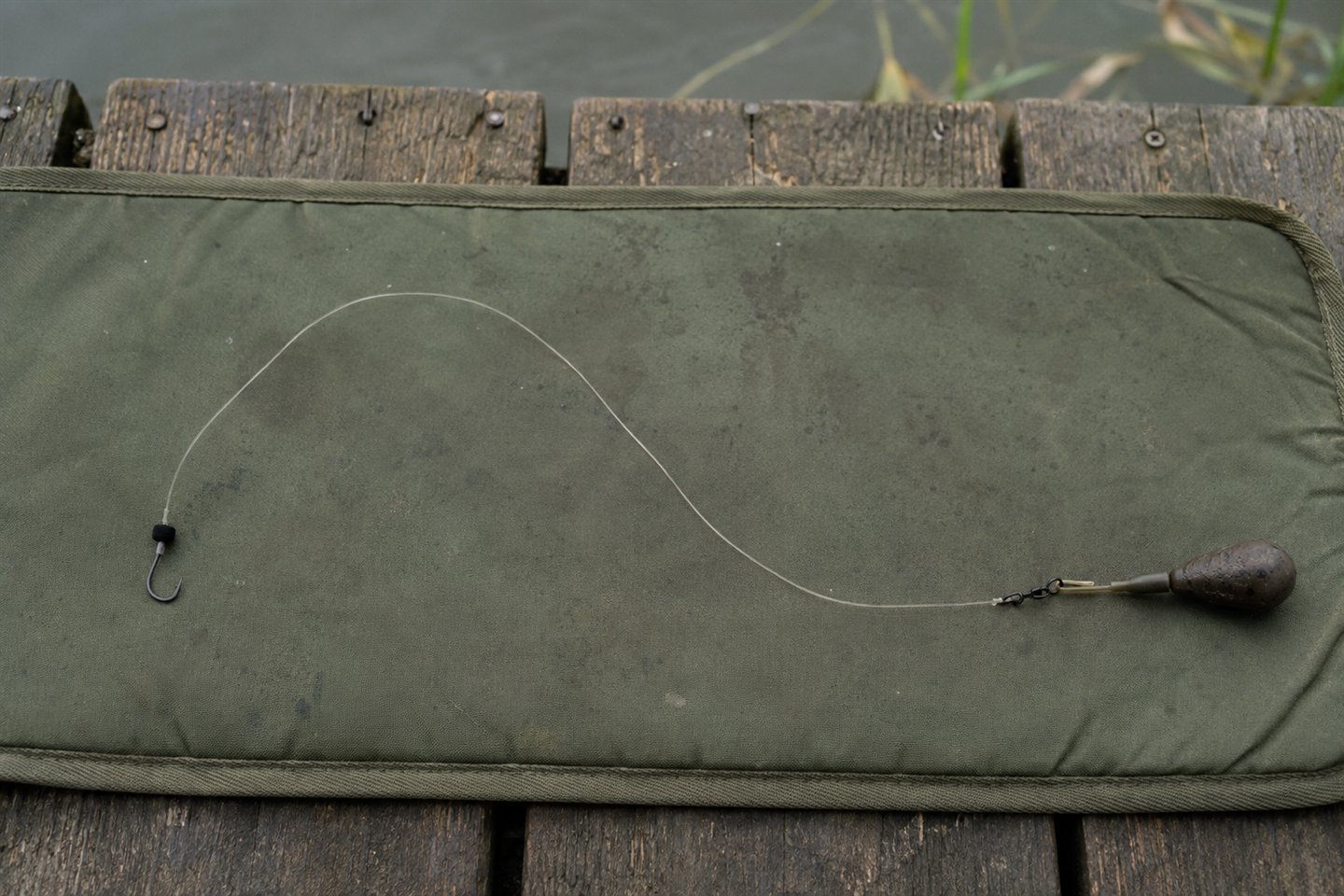
A buoyant hookbait fished up in the water column for carp cruising or feeding well above the lakebed.
Best considered over clean, silt, light weed, debrisRead the full guideFish safety comes first. Follow venue rules, use components that can separate safely and check knots, hook points and the complete lead arrangement before every cast.
Read next
38 practical guides, arranged as a useful route through the subject.

Tie a simple hair rig with an illustrated walkthrough, match a hookbait to the lakebed, and compare 15 carp rigs as you build your skills.
Read guide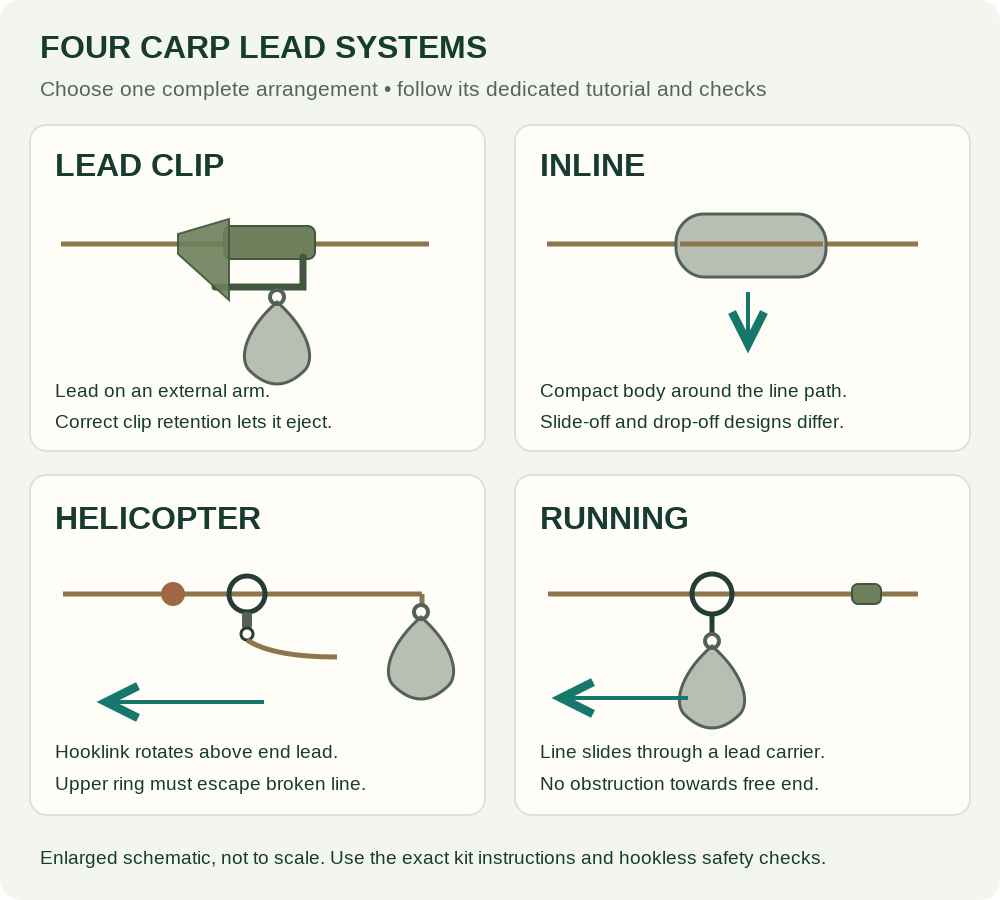
Compare lead clips, inline leads, helicopters and running rigs. See what must release or slide if the line breaks, and test the complete setup.
Read guide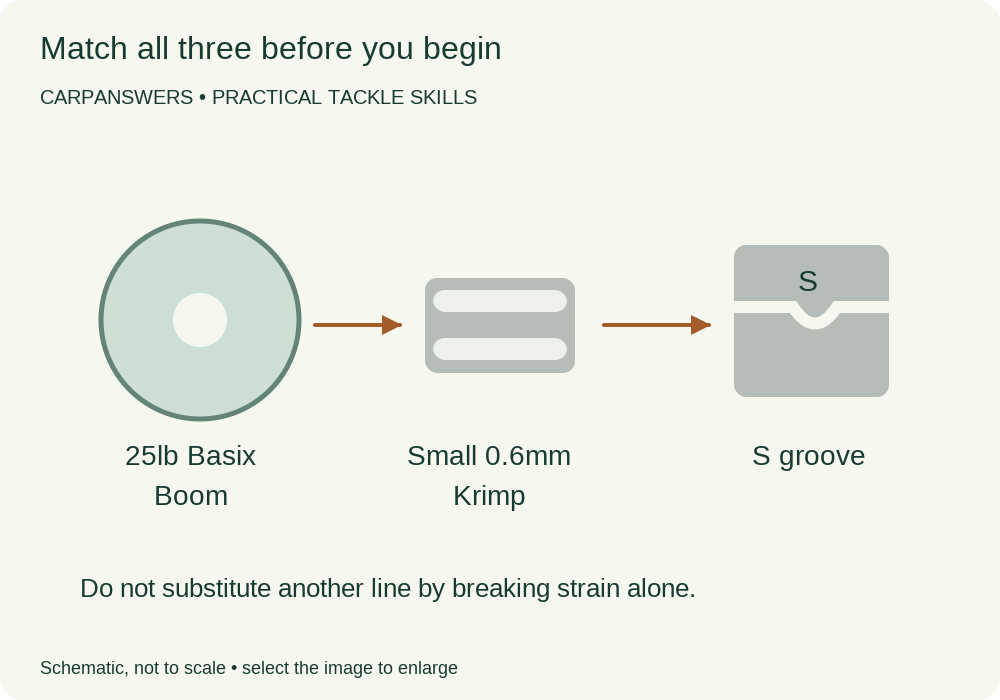
Make a neat carp-rig boom with the specified material, sleeve and tool jaw. Check both exits and pull-test a hookless practice crimp.
Read guide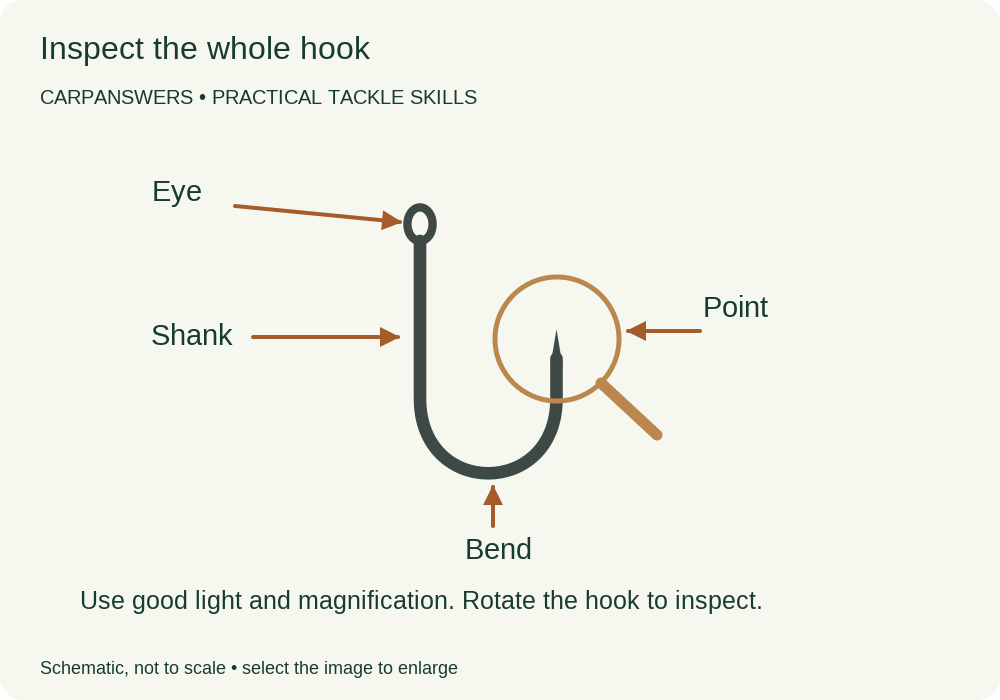
Inspect a carp hook point under good light, decide if it needs a touch-up and use a suitable tool without weakening the point or changing its shape.
Read guide
Assemble a matched lead clip, fit the tail rubber as directed and test that the lead can leave the clip in the intended order before you cast.
Read guide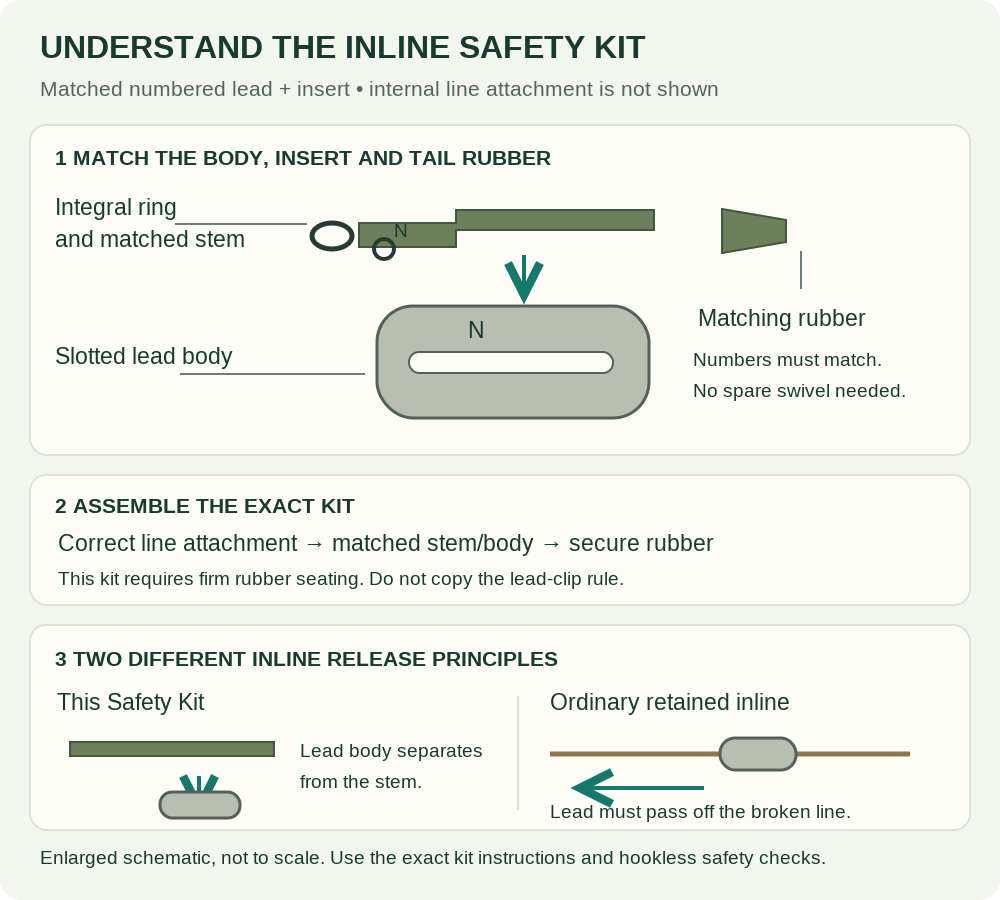
Fit a matched inline lead and insert for a solid bag. Follow the kit’s tail-rubber instructions and check exactly what separates under load.
Read guide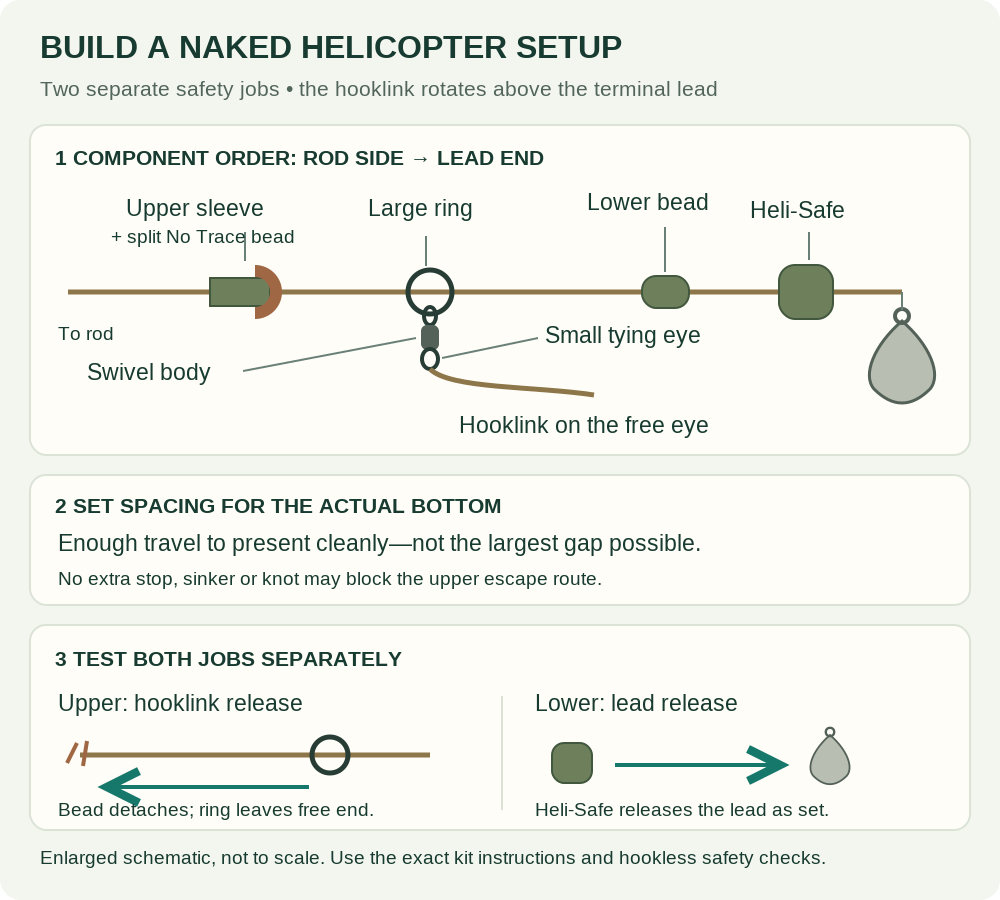
Build a naked helicopter rig, place the upper bead and test that the hooklink can get past it and off broken line. Check lead release separately.
Read guide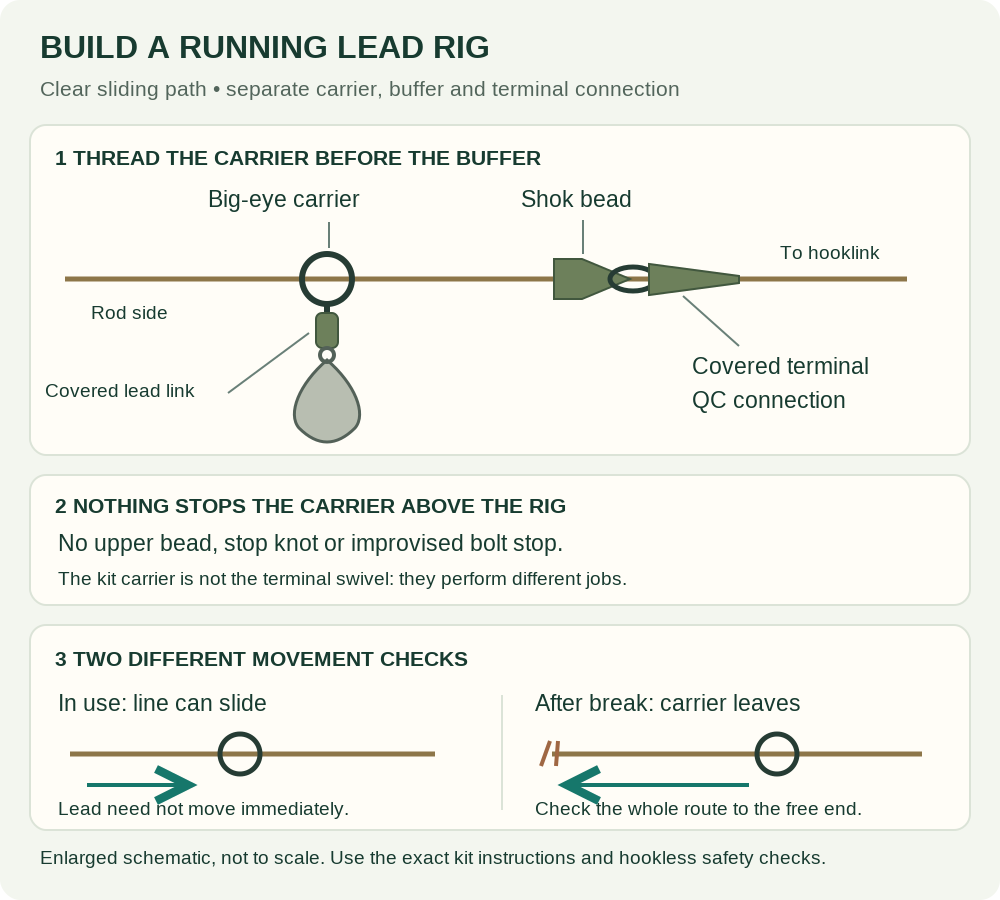
Set up a running lead for carp. Check normal movement and what can escape a broken line, then tune bite indication without dragging the lead.
Read guide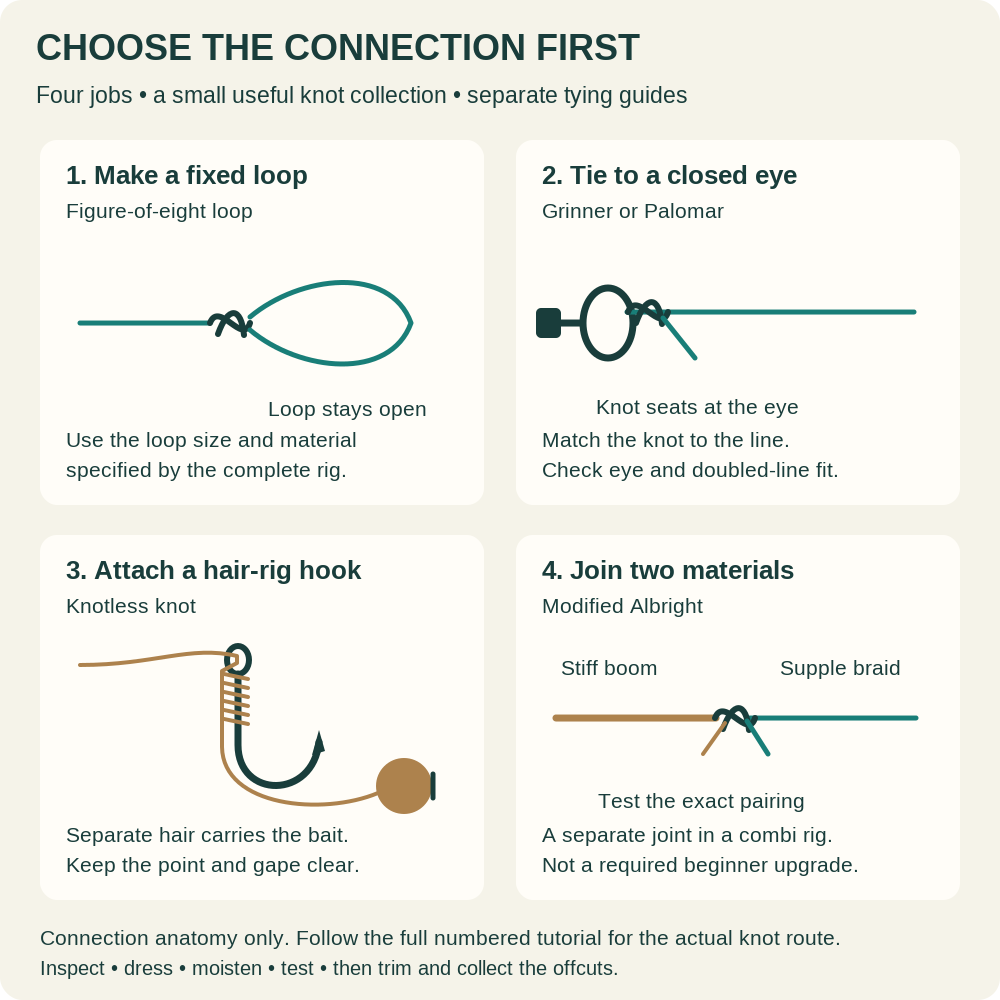
Learn where to use a figure-of-eight loop, Grinner, Palomar, knotless knot or Albright and how to check each tie before putting it under load.
Read guide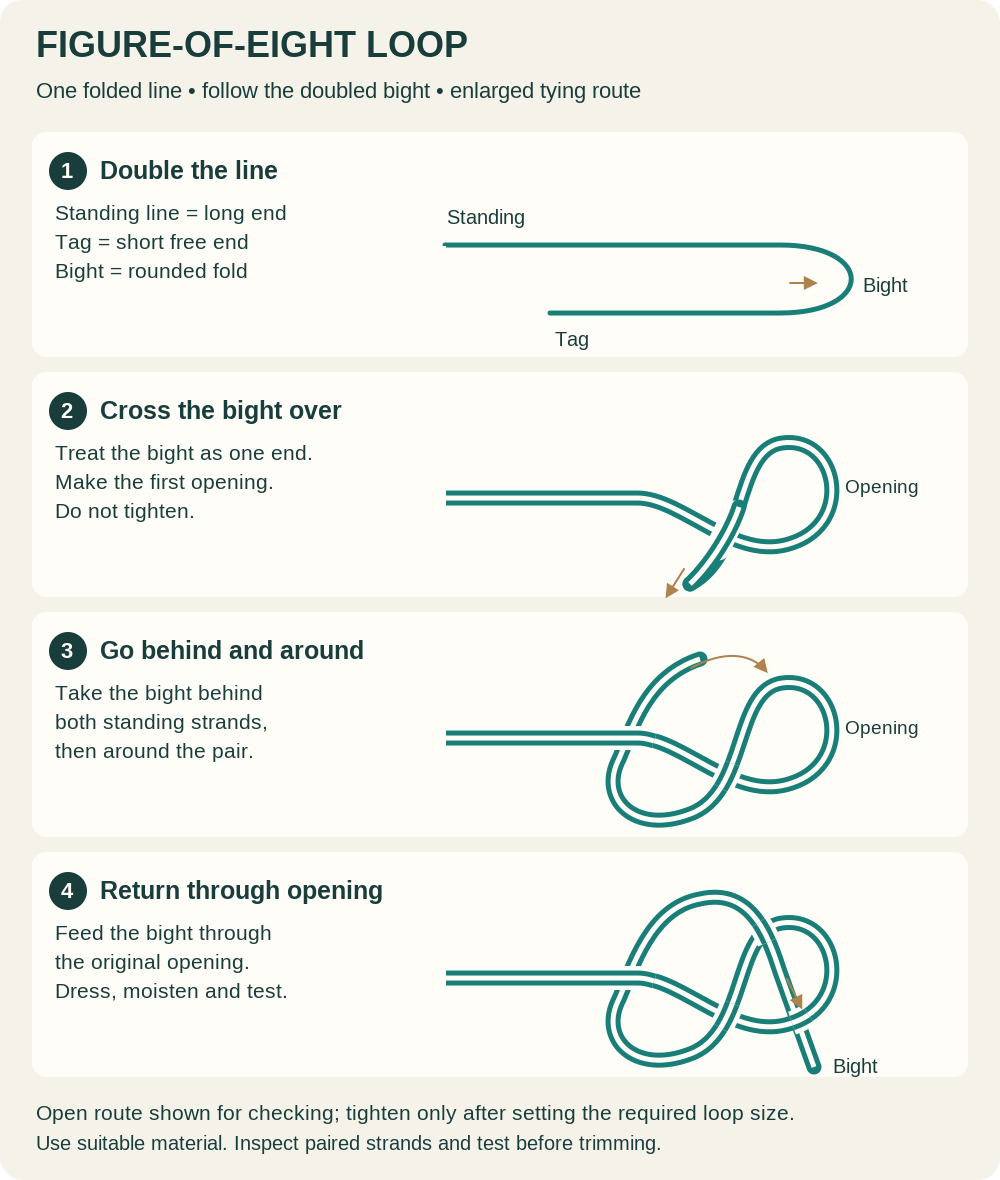
Tie a figure-of-eight loop in fishing line, set the loop size before tightening and spot crossed strands before you pull-test the knot.
Read guide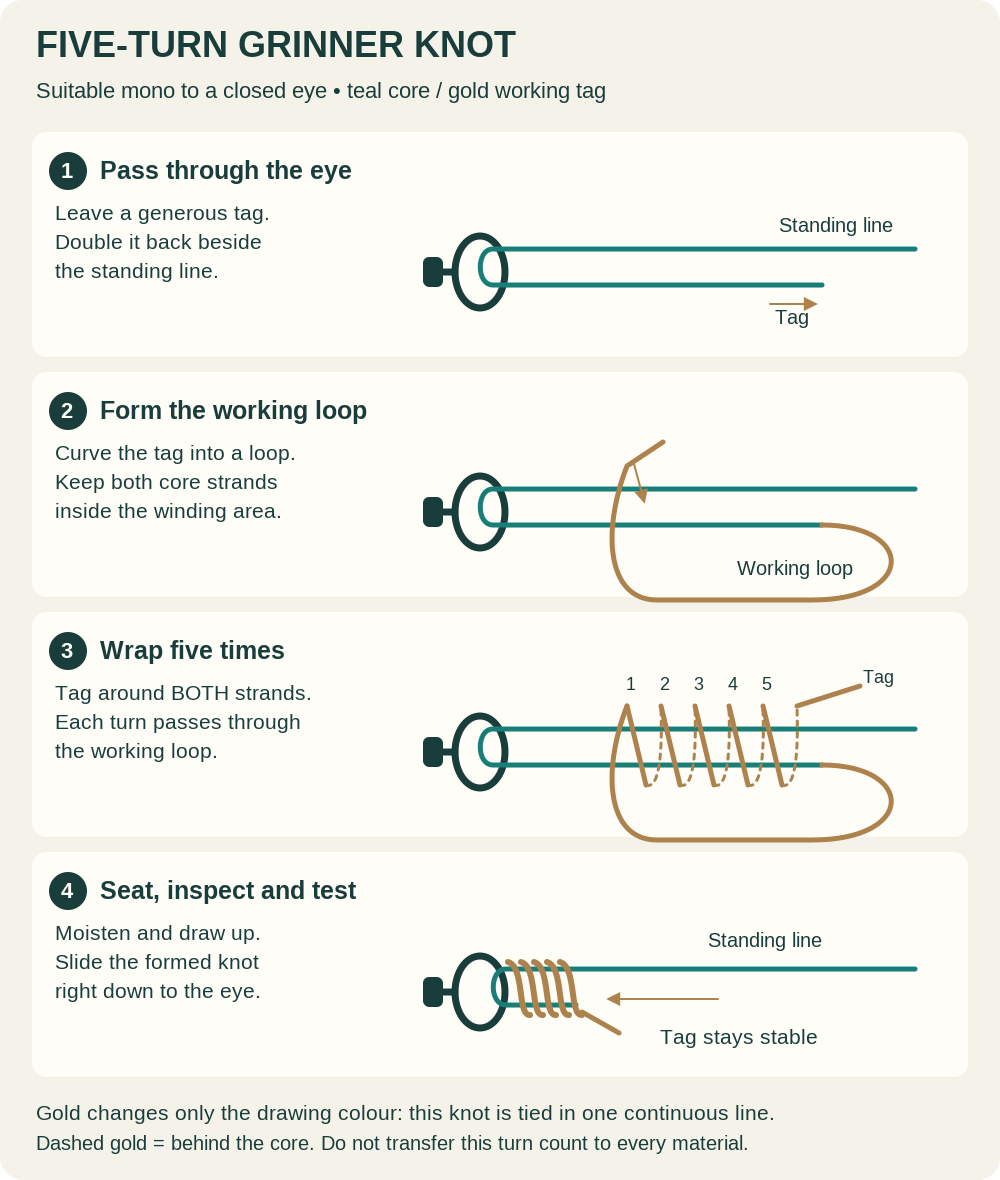
Tie a five-turn Grinner in mono, form the turns without crossing them and check the finished knot on a swivel before you trim the tag.
Read guide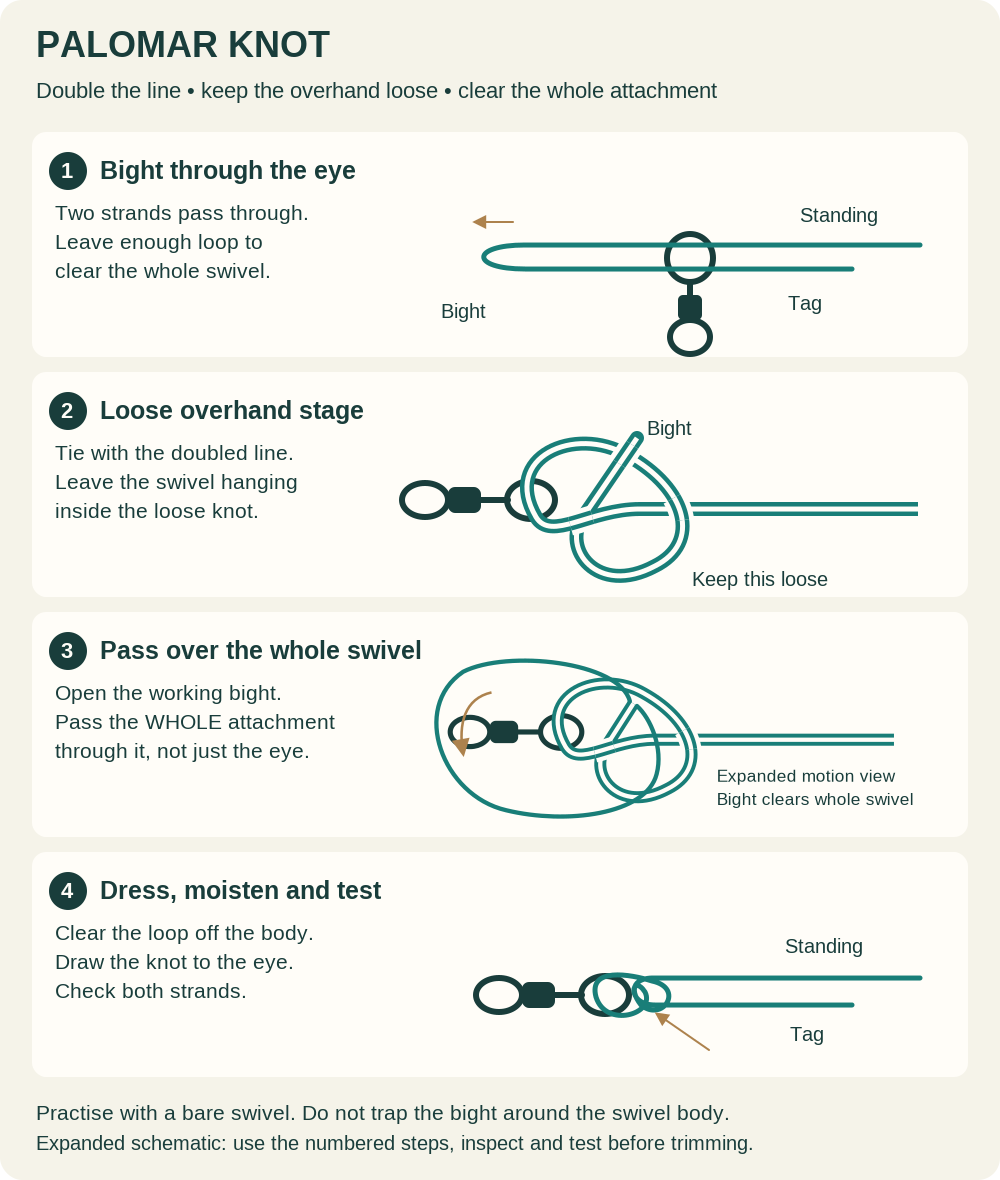
Learn the Palomar on a swivel before tying one at the lake. Check doubled line fit, the overhand loop and how to seat both strands cleanly.
Read guide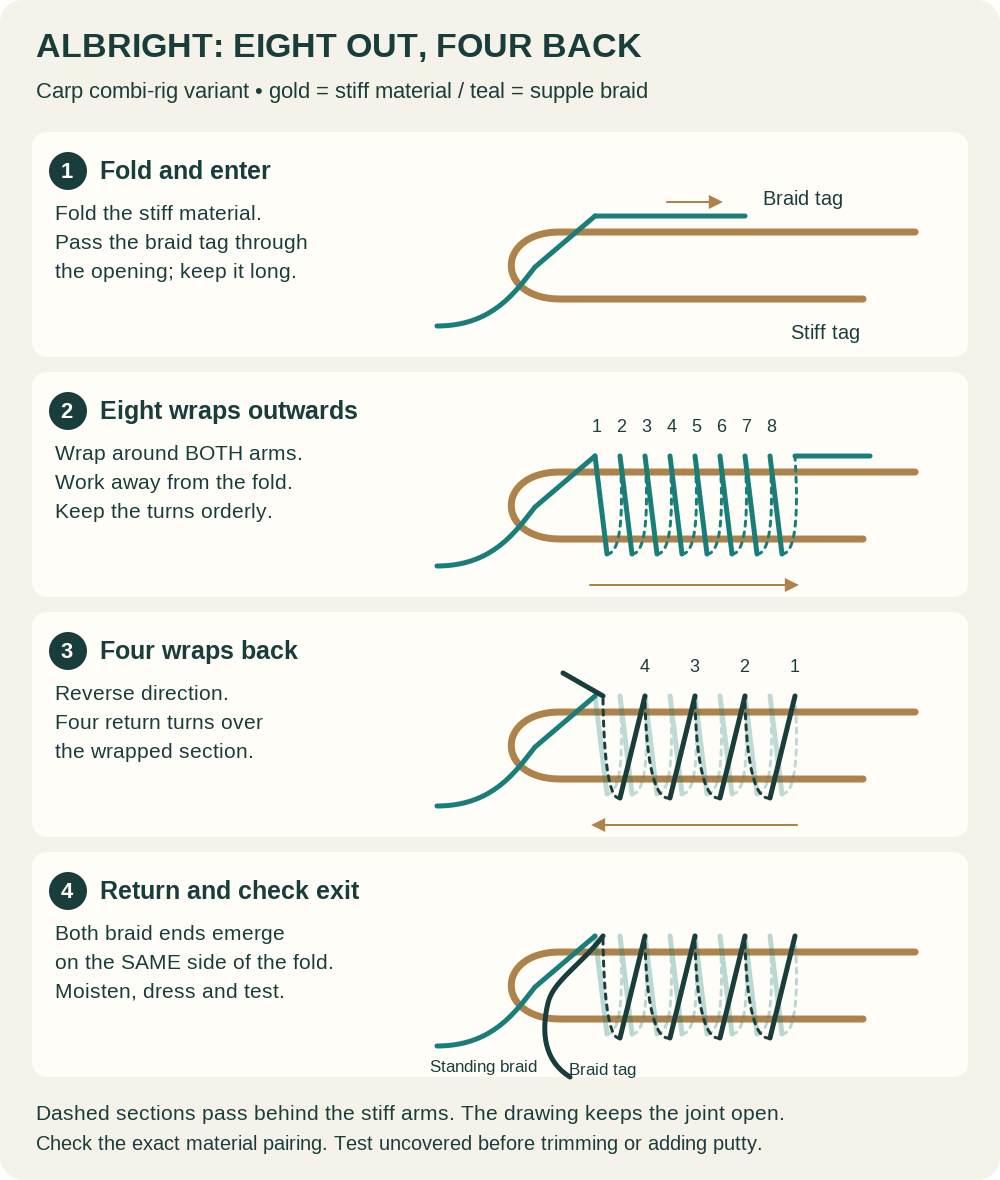
Join a stiff boom to supple braid with the illustrated Albright variation. Check the fold, wrap count and same-side exits before you bed the knot.
Read guide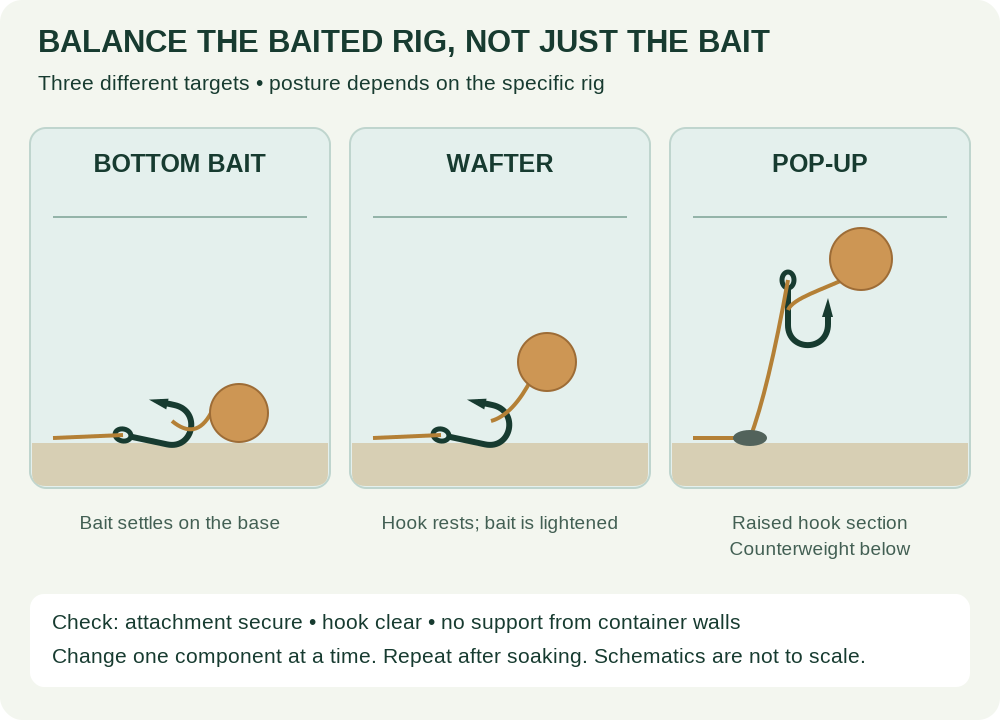
Mount a boilie on a hair, tie or secure a pop-up with bait floss, or use a bait screw. Check the hook point and balance with the actual bait fitted.
Read guideTie a coated-braid hair rig with a knotless knot, set the gap using your actual bait and check that the rig settles safely before you cast.
Read guideTie a coated-braid blowback rig step by step. Fit the ring to the hook, set hair length with the actual bait and check it can slide and settle.
Read guide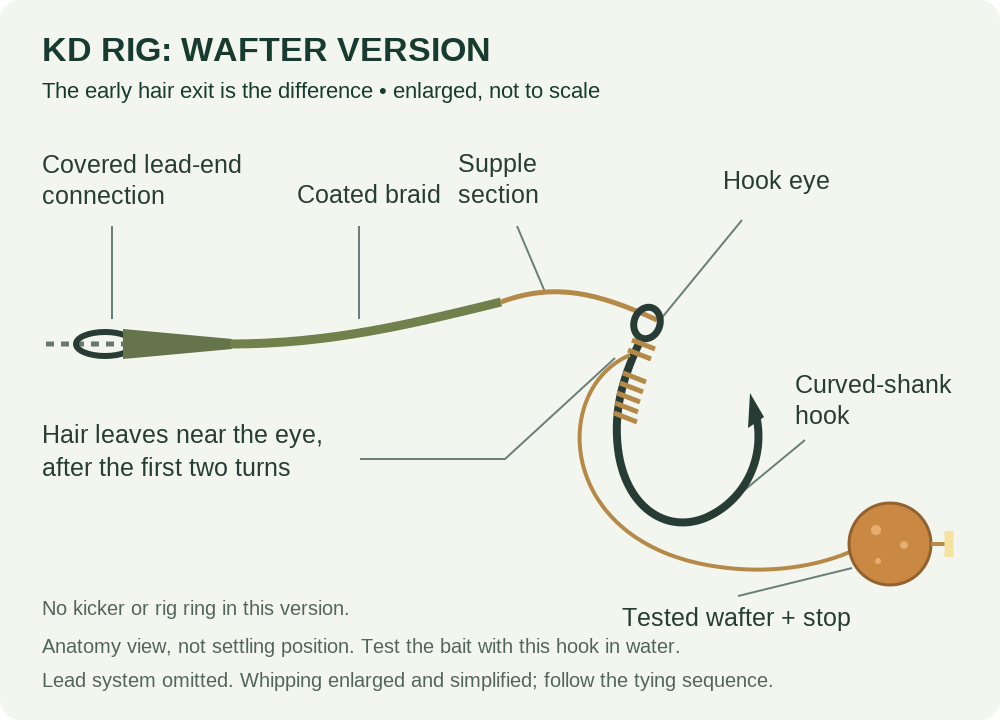
Tie a KD rig from the illustrated steps. Learn where the hair exits, how to balance a wafter, and what changes if you fit a pop-up.
Read guide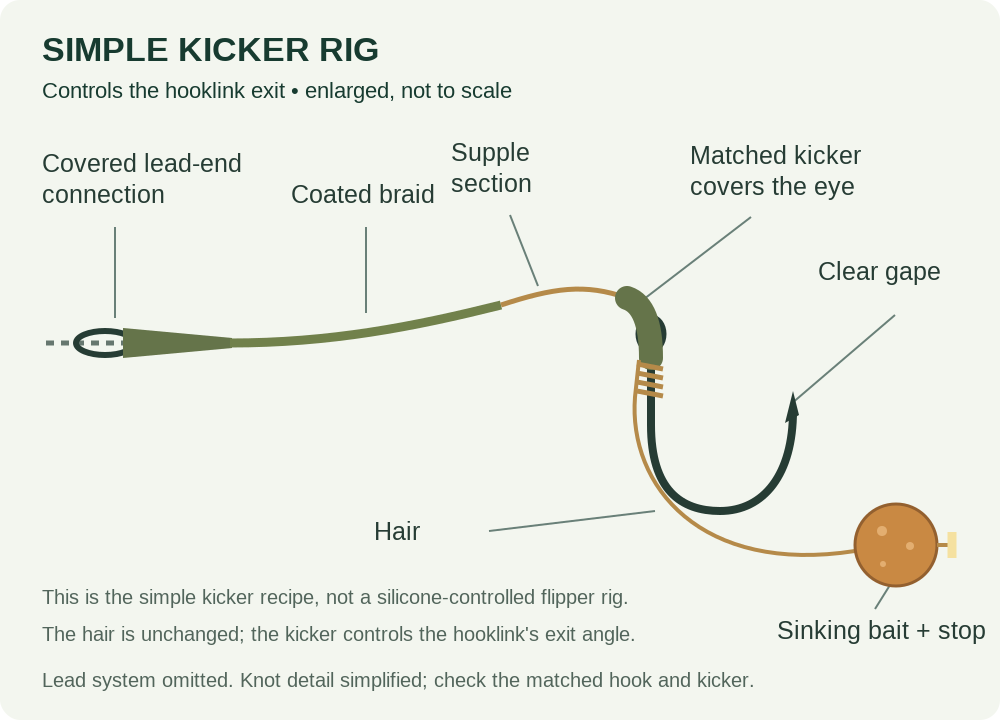
Tie a line-aligner rig for a bottom bait. Check the kicker fit, hair clearance and the flipper variation before you try it on a clear spot.
Read guide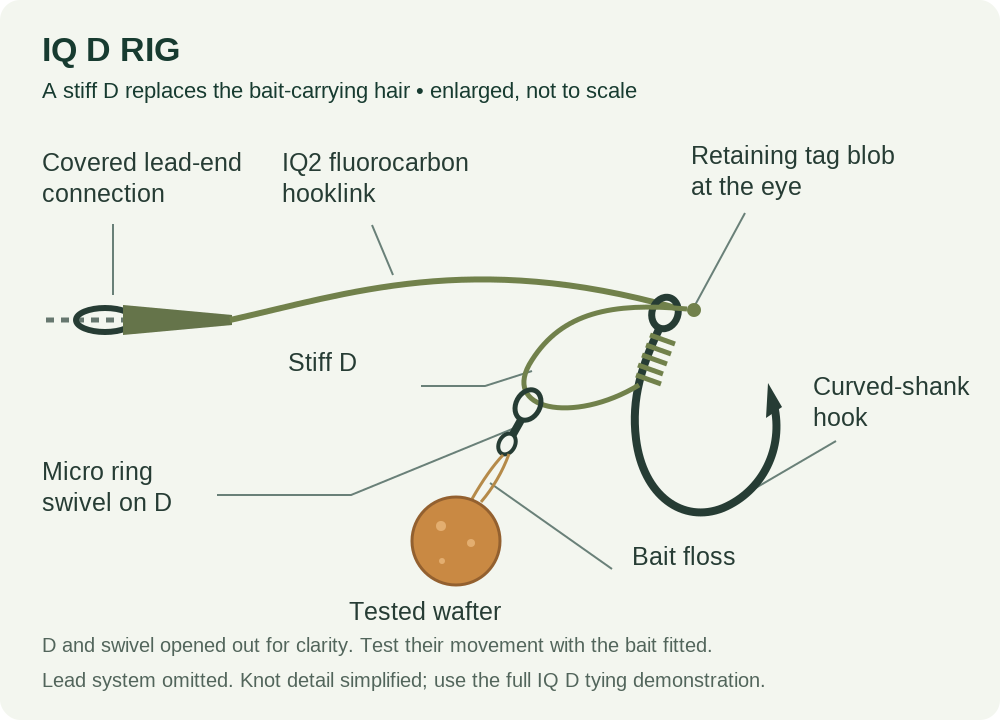
Tie a compact IQ D rig in fluorocarbon. See how to keep the bait swivel moving, get the hook to settle and spot an eye or D that doesn’t fit.
Read guide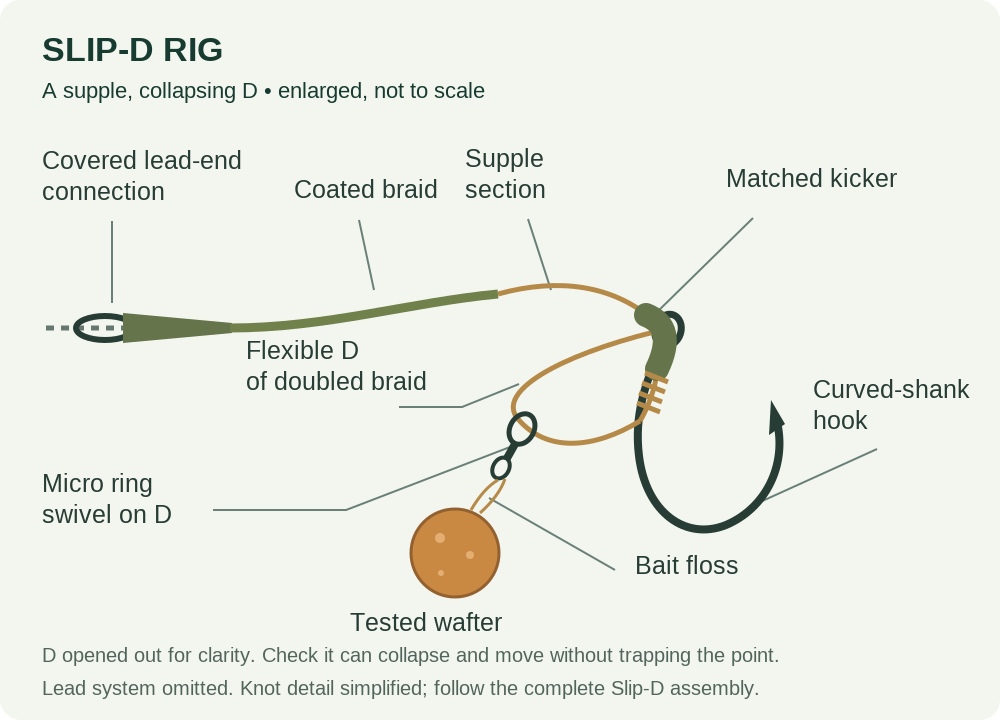
Build a Slip-D with supple braid, choose a loop your bait swivel can move on and test the finished wafter rig before the first cast.
Read guide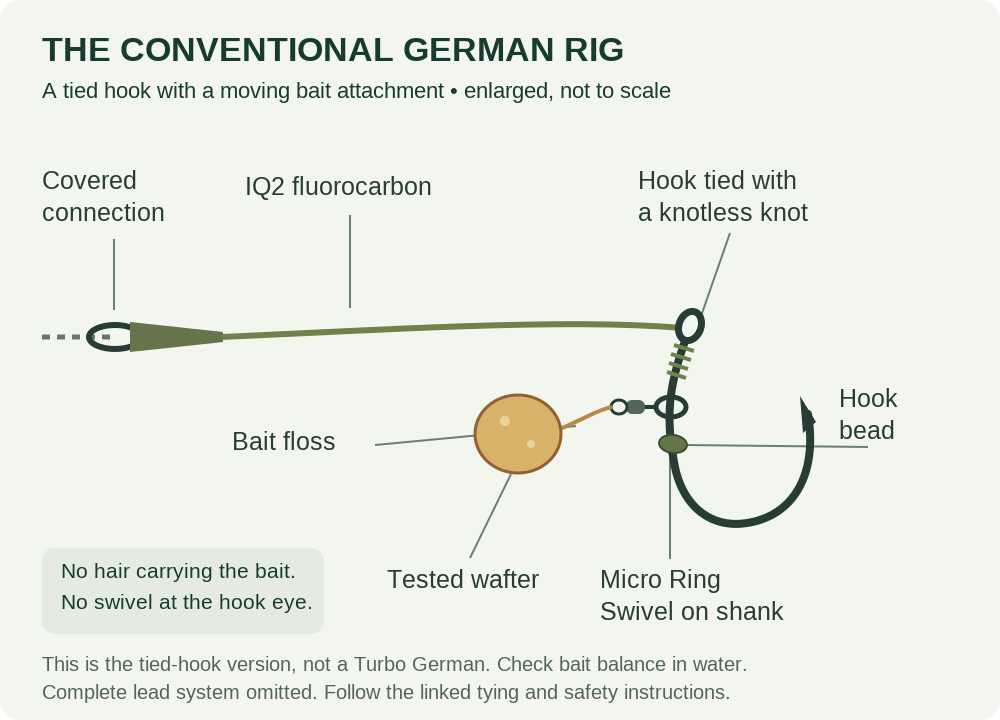
Set up a conventional German rig with a hook bead and bait swivel. Balance your wafter and see how it differs from a Turbo German.
Read guide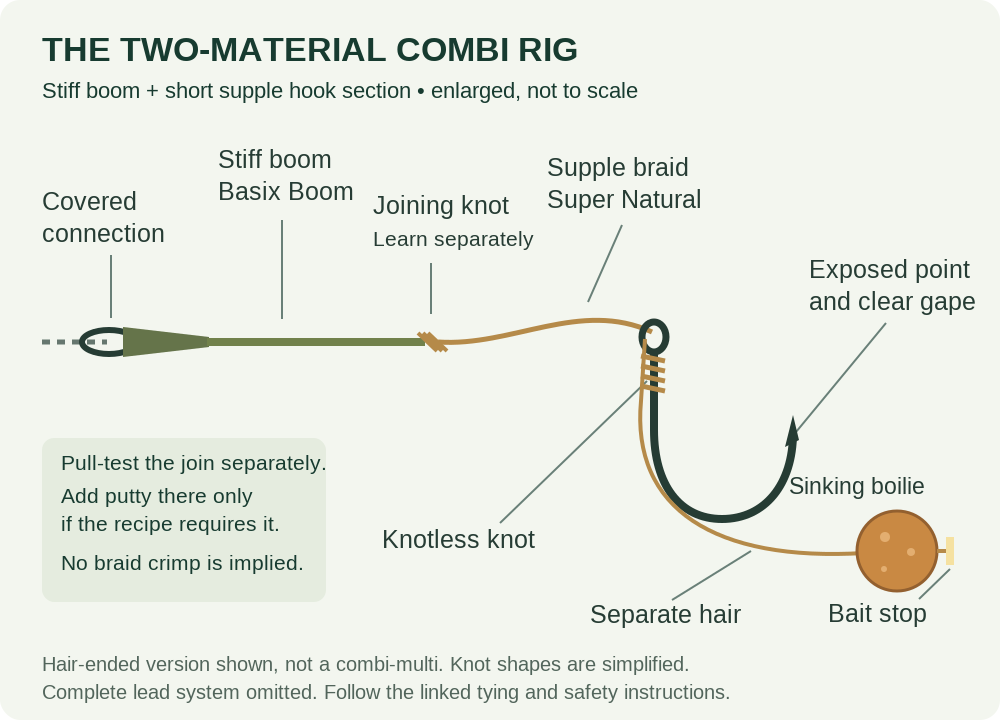
Build a hair-ended combi rig with a stiff boom and supple section. Learn what to inspect at the join, what to test and when to start again.
Read guideFollow the Ronnie rig in order, from the spinner swivel and boom to the hook bead. See how to balance a low pop-up and check the hook can rotate.
Read guide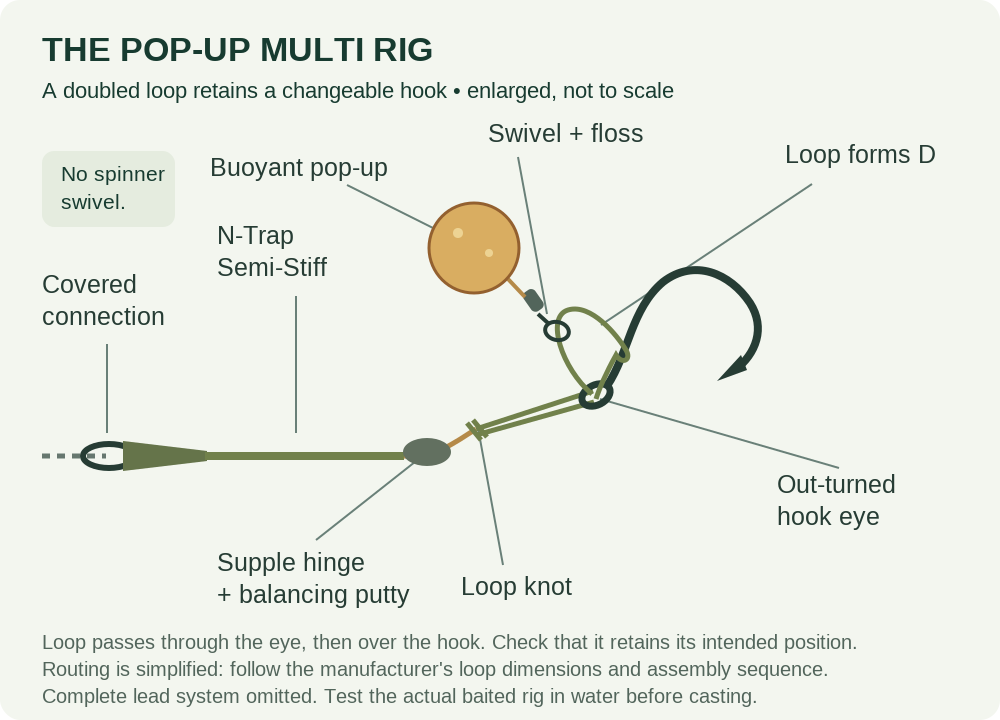
Tie a pop-up multi rig, check how the loop holds the hook and learn when you can swap a blunted hook without replacing the whole hooklink.
Read guide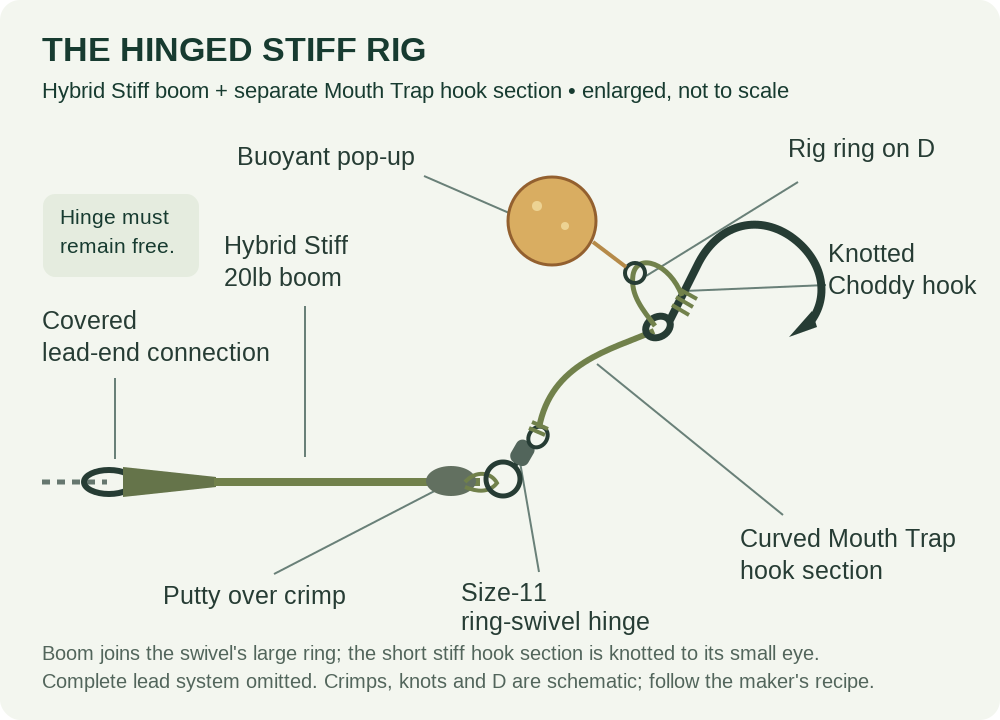
Tie a hinged stiff rig with a separate boom and pop-up section. Check hinge movement, crimp fit and how much bait buoyancy you need.
Read guideLearn where a chod rig fits, how to balance the short pop-up section and how to check the upper bead and hooklink release after a line break.
Read guidePack and finish a solid PVA bag with illustrated steps. Match the inline setup, keep the mix dry and test the finished bag in lake water.
Read guide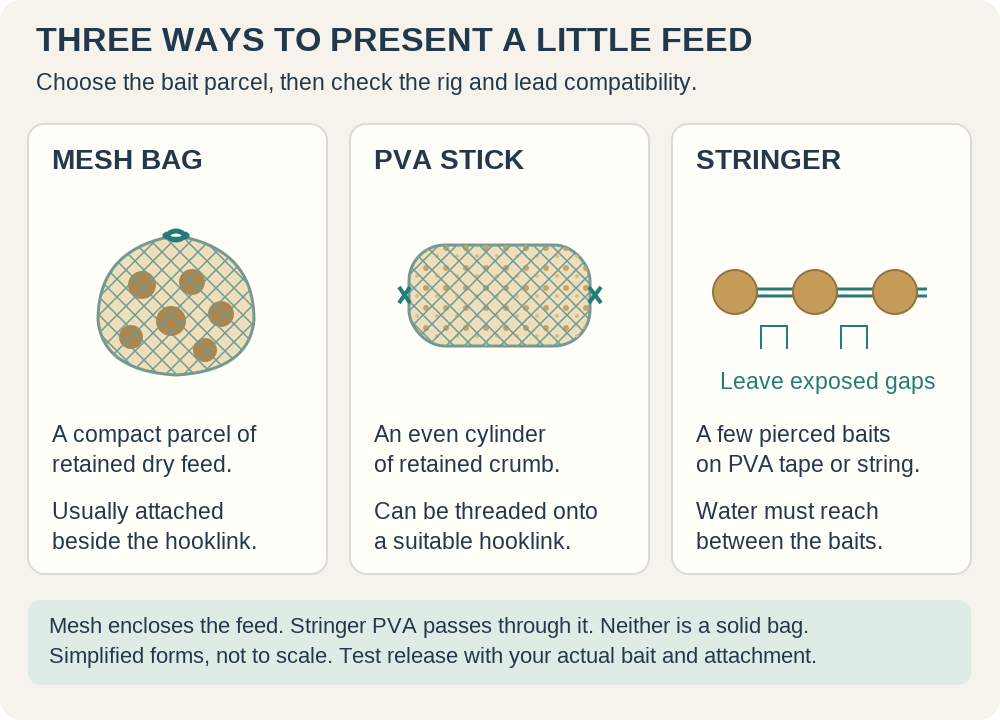
Make a compact PVA mesh bag, a threaded stick or a short stringer. Learn to attach each one, test it in lake water and keep the hook point free.
Read guideCompare fixed and adjustable zig rigs, calculate where the bait will sit and adjust it safely when carp are showing up in the water.
Read guide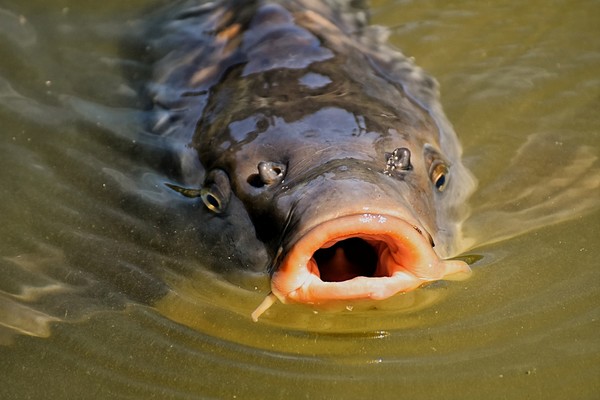
Learn when to freeline and when to use a controller, how to get carp taking loose floaters, and how to watch the bait, line and birds.
Read guide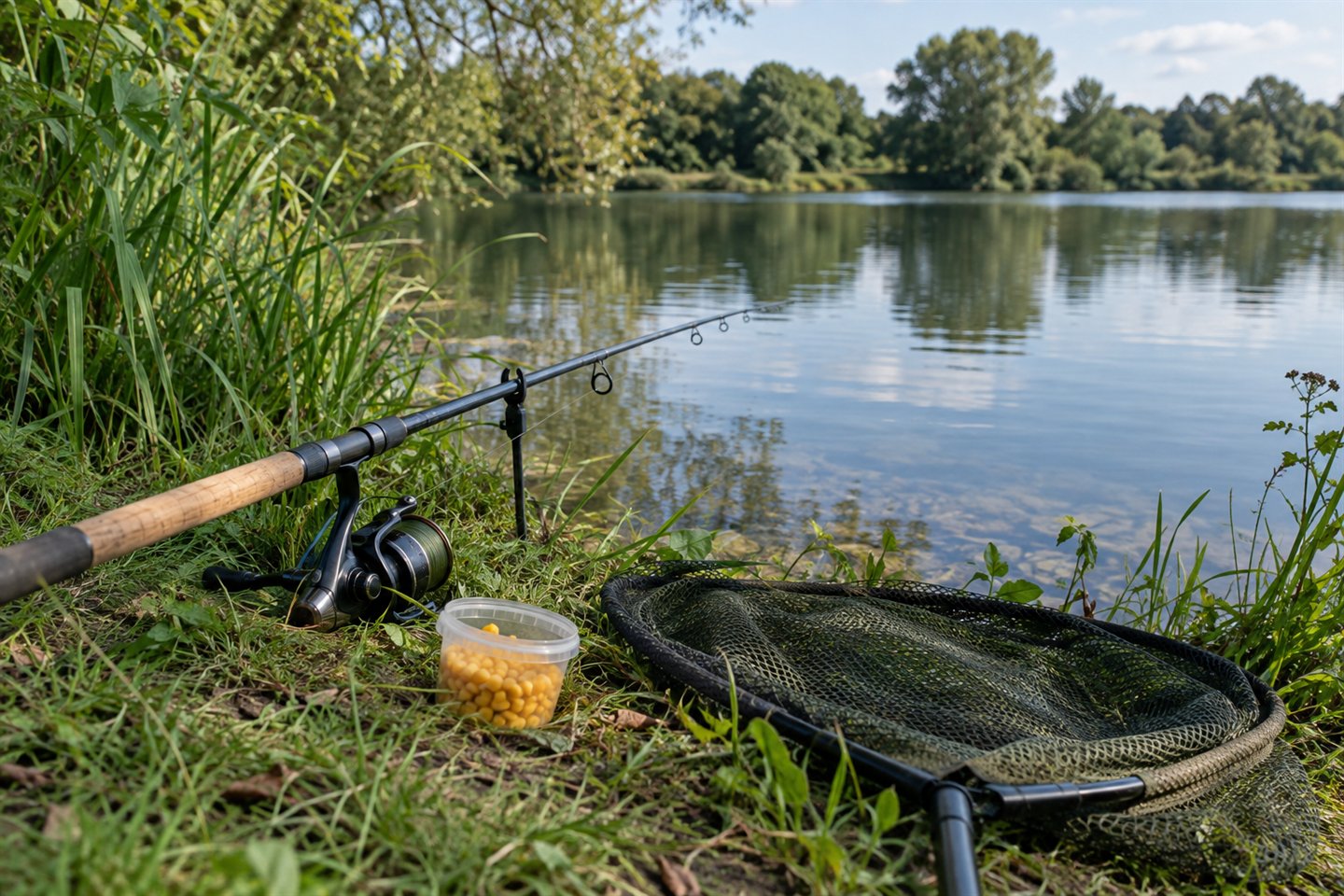
Freelining means fishing a hookbait without a weight or float.
Read guide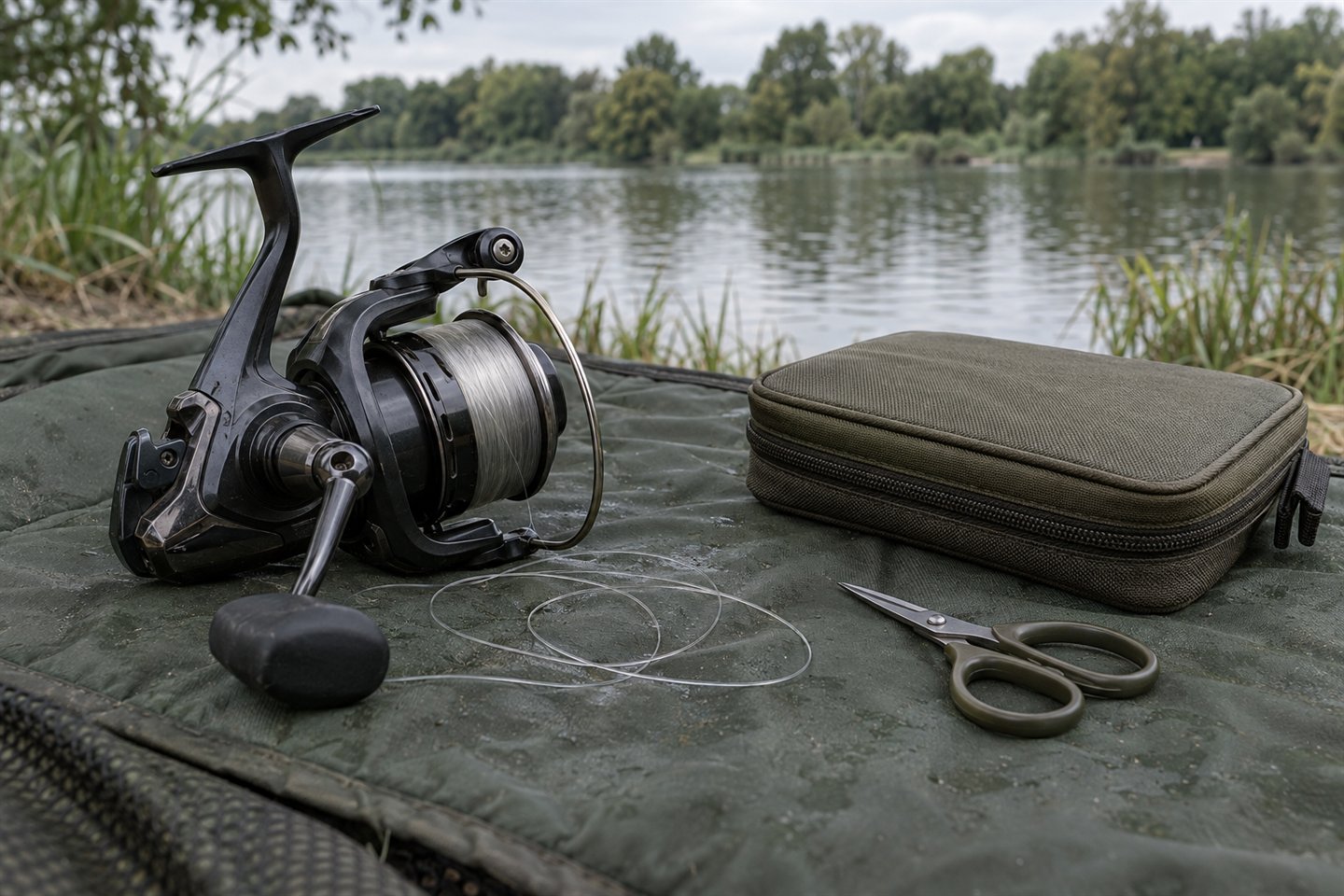
A tangle tells you which parts came together, once you find it.
Read guide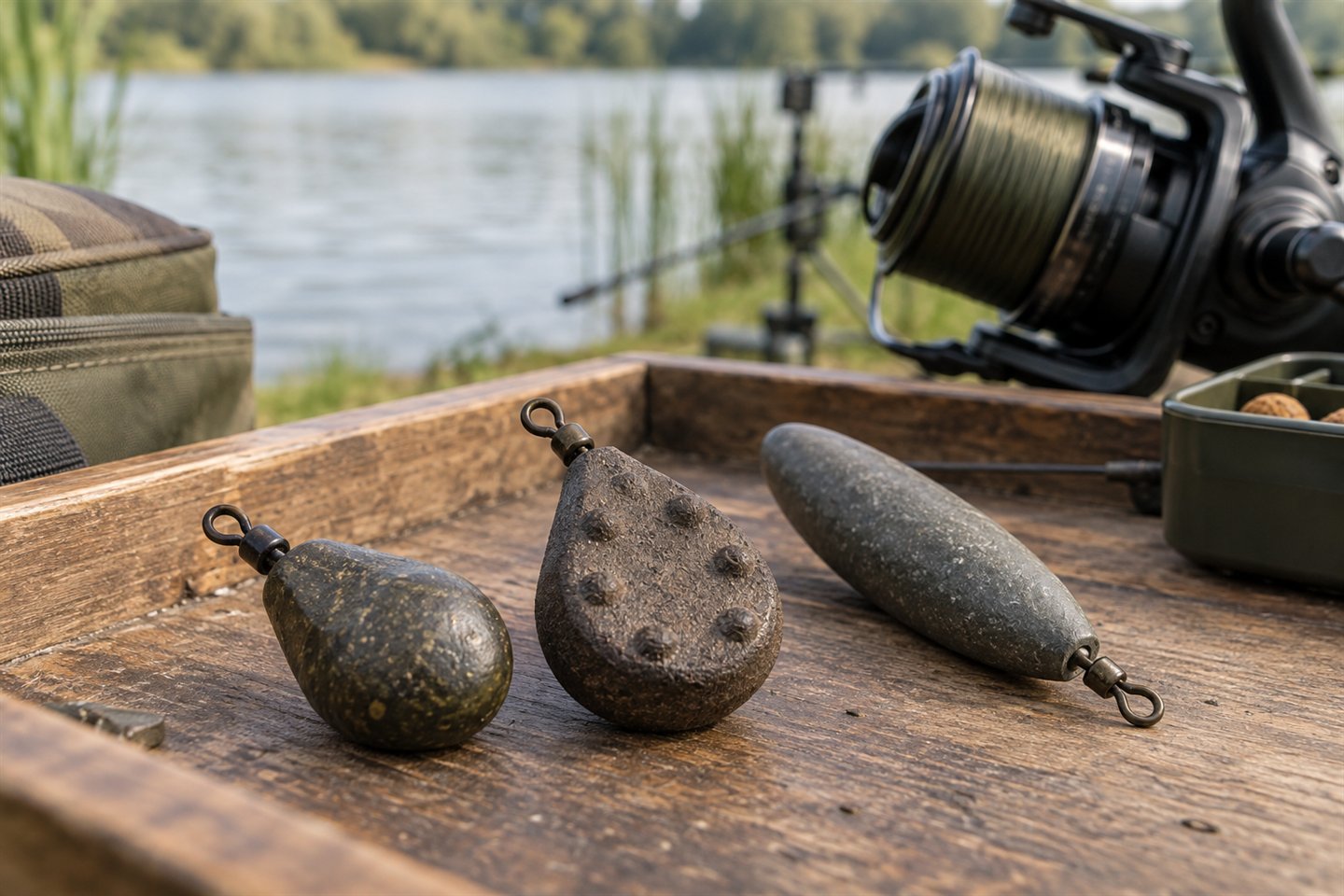
The weight printed on a carp lead is only one part of the cast.
Read guide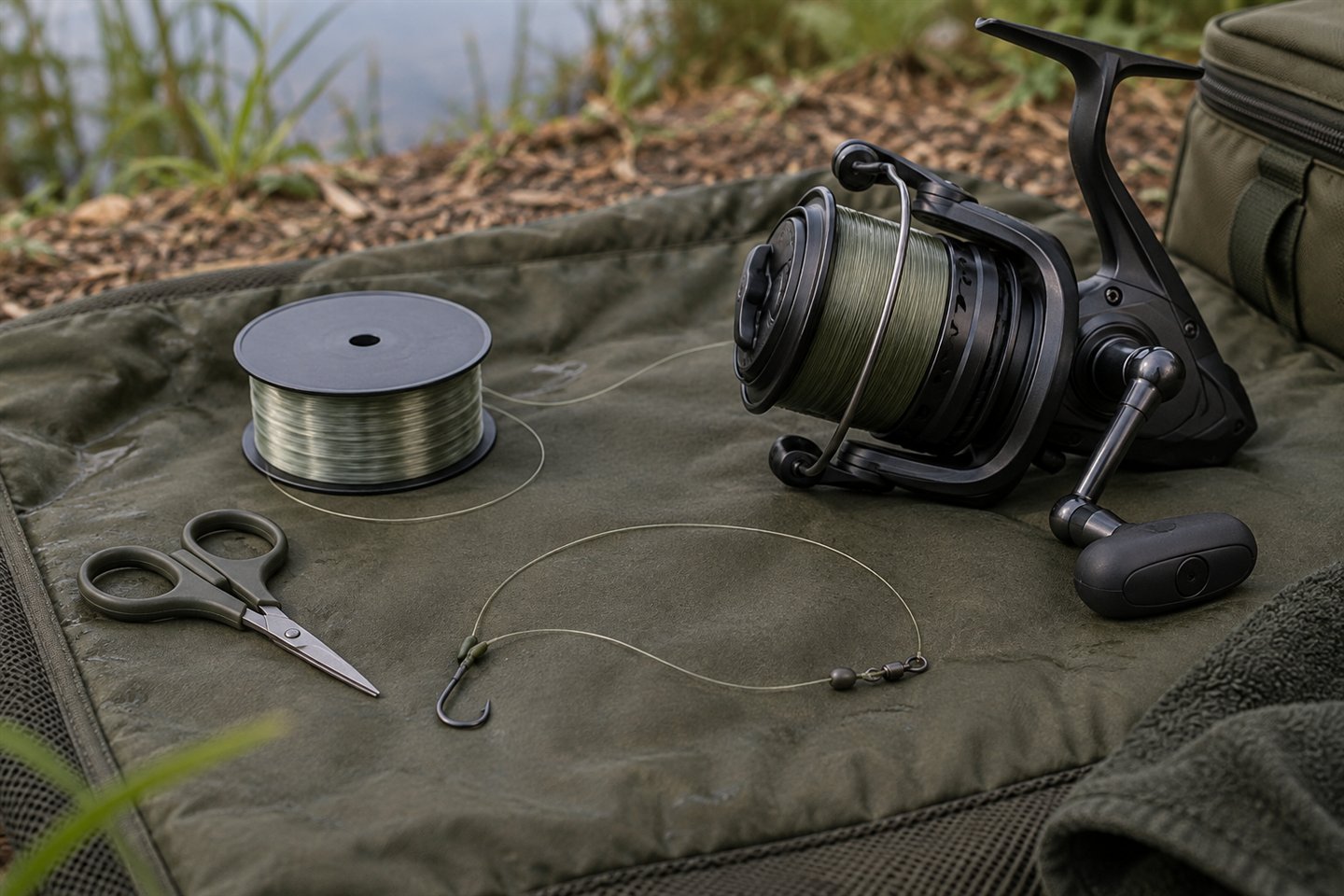
What came back after losing the fish? Inspect the hook, knot and line, then check drag and rod angle before changing the whole rig.
Read guide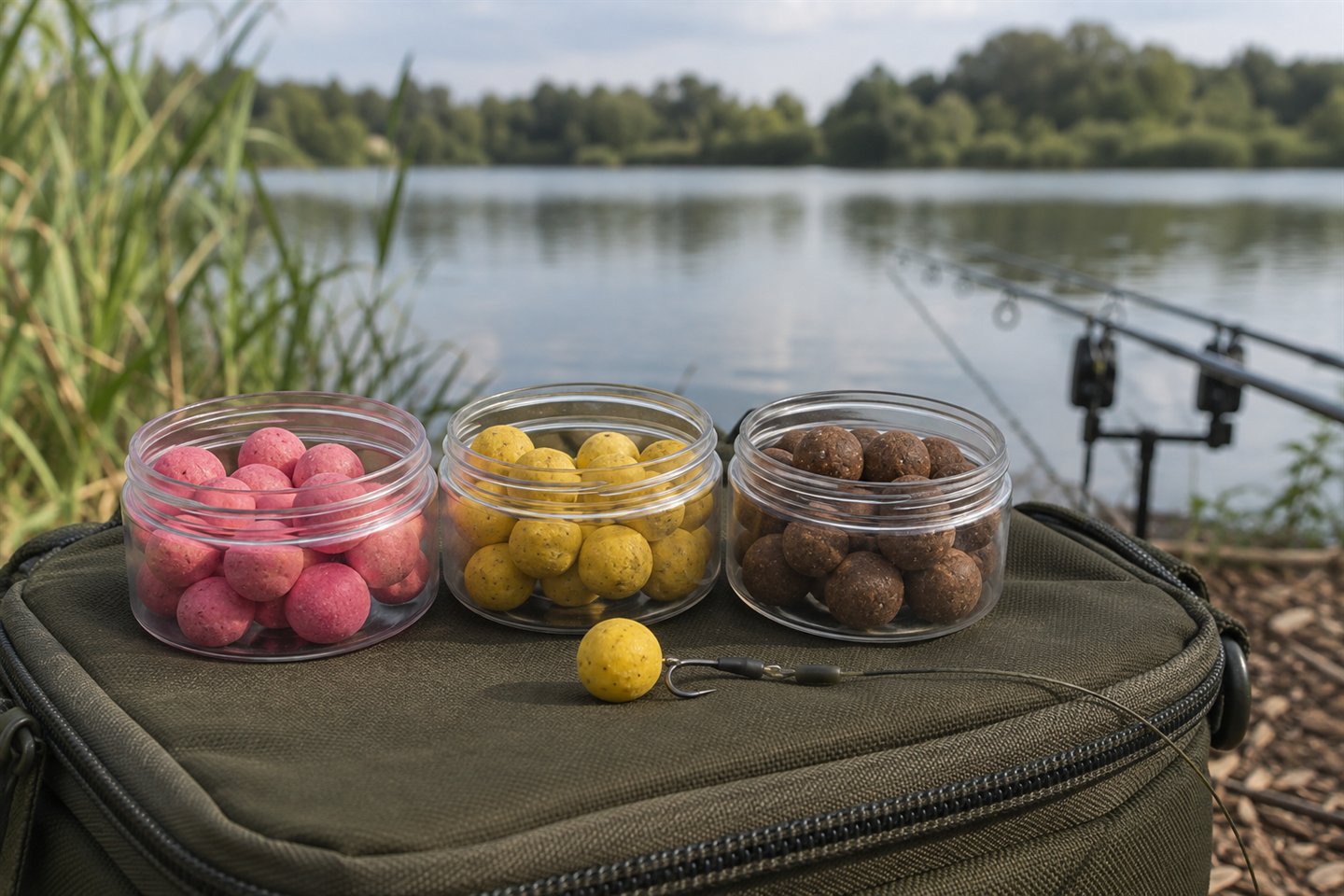
Fish a single boilie, wafter or pop-up without loose feed. Pick a safe place carp already visit and learn when to stay put or add a few freebies.
Read guide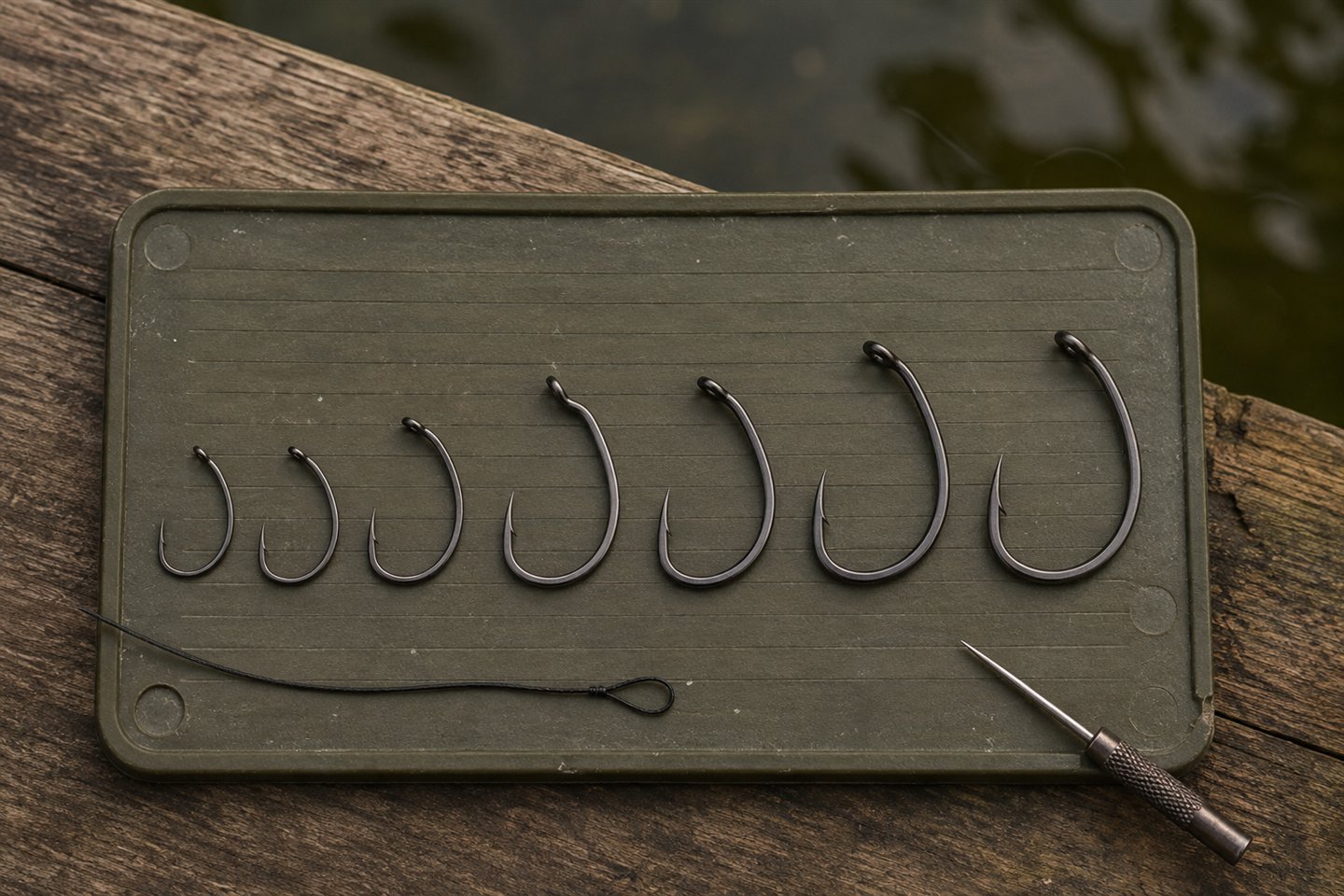
Learn what hook size, gape, wire and pattern change. Compare hooks against your actual bait and check the finished rig before fishing.
Read guide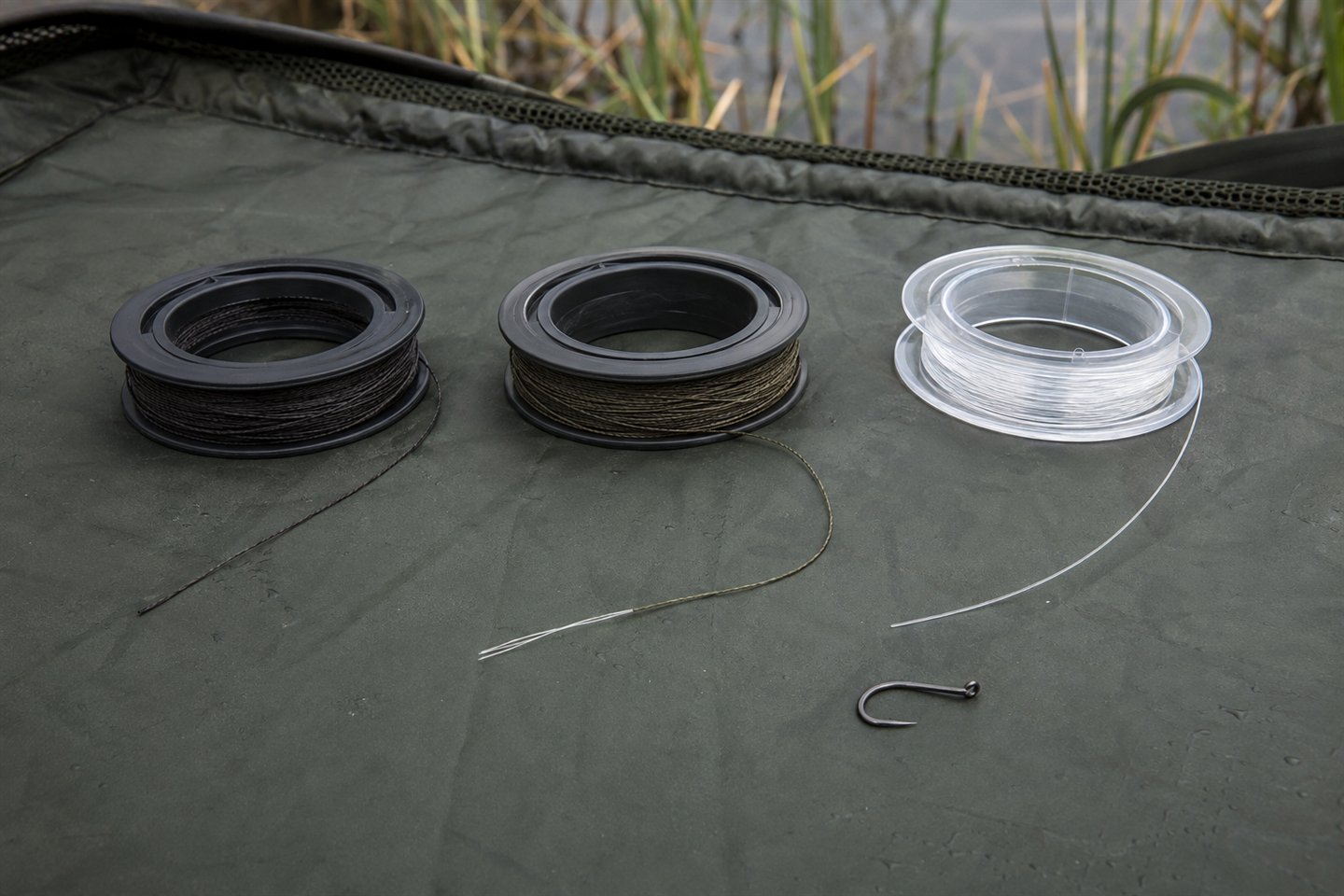
Compare supple braid, coated braid, fluorocarbon and stiff mono. See how the material affects settling, tangles and the knots or crimps you can use.
Read guide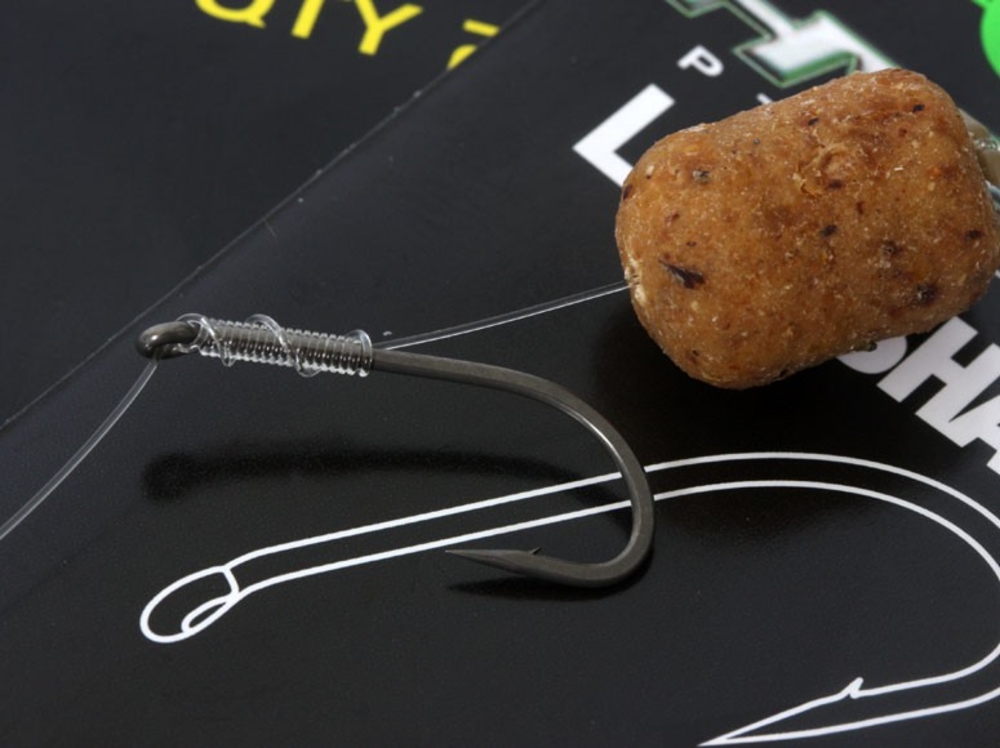
Choose a carp rig for gravel, silt, light weed or open water. Compare 12 presentations by hookbait, clearance and when to try a simpler rig.
Read guide