Losing carp to hook pulls or broken line? Before changing everything, look at what failed and when it happened. We'll work through the hook, knots, line route and playing technique to help you find something useful to fix.
The most useful first step is to stop, retrieve what remains and inspect it before recasting. Look at the hook point, the line end, every connection and the place where the loss occurred. Record what you actually saw or felt. “Fish lost beside the net; rig returned intact” is more useful than deciding immediately that a particular hook brand cannot hold fish.
Some losses remain unexplained, even after careful inspection. The aim is not a guarantee that every hooked fish will be landed. It is to remove preventable faults and stop repeating a fishing situation that cannot be managed safely. Fish welfare takes priority over keeping a productive but hazardous spot in play.
Carp hook pulls or a line break: what should you inspect?
If the whole rig returns with an intact hook and no obvious damage, the hook may have come free. If the hooklink is missing at a connection, a knot or component may have failed. If only damaged main line returns, abrasion, a line fault or excessive loading could be involved. These clues narrow the investigation without proving a single cause.
Inspect rather than guessing from the feeling through the rod. A sudden loss of weight can accompany several failures. A slack moment during a fight doesn't establish that the hook pulled at that exact instant; the fish may have changed direction or an obstruction may have released. Use the retrieved evidence wherever possible.
When a breakage may have left tackle with a fish, inform the fishery if the location or circumstances are concerning. Review the lead system before fishing again. Our guide to safe carp lead systems explains why release behaviour after a break matters as much as whether the arrangement casts neatly.
What should I check after losing a carp?
A missed opportunity can make a hurried recast feel urgent, especially if fish are still showing. Give yourself time to check the tackle under good light. Set the rod safely down, place the rig where the hook cannot injure anyone and examine the relevant line length. A few minutes of inspection are a sensible investment after something has failed.
Don't simply replace the hooklink and send the same damaged main line back into the swim. Equally, don't change three rig components before checking whether the original hook point was bent over. Start with condition, then compatibility, then fishing situation and technique. This order addresses straightforward faults before introducing new variables.
If frustration is affecting decisions, take a short break with the rods made safe. An angry tightening of the clutch or a decision to fish even closer to a snag usually makes control worse. The next cast should follow an identified correction or a clearly recorded uncertainty, not an attempt to force the result.
Check the hook point and shape
Look closely at the point, bend, shank and eye. A turned point, obvious corrosion, distortion or damage is a reason to replace the hook. Check after every capture, suspected snag contact and difficult retrieve, not only after losing a fish. The point can be compromised before the next bite even when the rig otherwise looks tidy.
Use a safe inspection method recommended by the hook maker and handle the point cautiously. Don't drive it into skin to prove sharpness. Sharpening is a separate skill that can remove coatings or alter the point if done badly. Beginners often gain more consistency by replacing a questionable hook than by trying to rescue it on the bank.
A sharp point alone doesn't make the whole presentation effective. The hook must also suit the hookbait, hooklink and expected loading. The carp hook sizes and patterns guide explains why packet numbers are not standard measurements and why a larger number on a shopping list is not a diagnosis.
Look at the complete bait and hook combination
Examine the bait as it is actually fished, including any plastic topper, mesh, wrap, stop and balancing material. A hookbait that swells, softens or changes buoyancy can behave differently after several hours. The hook needs an unobstructed point and gape, and the hair or mounting arrangement must allow the intended movement.
Test the assembled rig in water before casting. Make sure the bait doesn't trap the hook against debris or cause an unintended floating presentation. A wafter that lifts the hook completely is not behaving like the balanced bottom presentation you may have intended. Adding a larger hook can correct buoyancy in some combinations, but it changes more than one characteristic.
The comparison of pop-ups, wafters and bottom baits helps identify the intended result. Match the chosen rig to that result, then keep the combination consistent long enough to evaluate it. Continually switching buoyancy, hook pattern and hooklink length makes evidence difficult to interpret.
Avoid treating hooklink length as a magic answer
A hooklink needs to present effectively on the actual bottom and suit the way the bait is mounted. Too little freedom, excessive tangling or an arrangement buried in debris can undermine presentation. However, there's no universal rule that a short hooklink causes hook pulls or a long one solves them. The surrounding components and fishing situation matter.
Inspect the retrieved rig for wraps around the hook, swivel or lead. Consider whether the cast was controlled and whether the presentation settled where intended. A rig that is tangled before a bite has a different problem from one that repeatedly returns clean after fish are lost at the net.
Change length only for a clear reason and keep other variables stable. Note the old and new measurements and the lakebed involved. If the evidence is too limited to support a conclusion, say so in your notes. One landed carp after a change doesn't prove the previous length was responsible for every earlier loss.
Understand what a hook hold can tell you
After a landed fish, inspect the position and condition of the hook hold while carrying out prompt, supported unhooking. Don't prolong time out of water for an investigation or repeatedly reposition the fish for photographs. Any significant damage is a reason to review the tackle and seek experienced fishery advice.
A series of shallow holds may justify checking the bait-and-hook relationship, the hook's condition and the way contact is established. One unusual hold is not sufficient to prescribe an aggressive rig modification. Mouth condition, feeding behaviour and the individual fight can vary, and many underwater details remain unknown.
Gardner's feature on poor hook holds discusses the need to think about presentation rather than relying on one simple answer. Treat it as experienced angling commentary, not a controlled trial proving that a particular modification prevents losses.
Investigate knots carefully
Examine the returned line end and the connection it came from. A curled or coiled end can be consistent with slippage, but appearances alone are not conclusive. Friction, stretching and abrasion can alter a broken end. Recreate the knot with fresh material at home and test it safely rather than declaring a cause from one photograph.
Use a knot appropriate to the material and component, follow the manufacturer's tying instructions and lubricate where recommended. Dress the turns neatly and tighten steadily. Cut tag ends only after the knot has seated, leaving the length appropriate to that knot. A rushed, crossed or incompletely tightened connection can compromise otherwise sound tackle.
Pull-test completed rigs with proper tools and eye protection, keeping hooks controlled and the load away from people. Never wrap line around bare hands or use a rod to conduct destructive tests. If a combination is inconsistent, simplify it or obtain experienced help before putting it back into a fishing situation.
How to find the cause of a carp line break
Abrasion may extend well above the hooklink. Inspect the section likely to have crossed gravel, mussels, roots or other hard edges, looking and feeling carefully for roughness, flattening and obvious damage. Cut back beyond the affected section where sufficient sound line remains; replace the line when its condition or remaining capacity is unsuitable.
Line age is only part of the picture. Storage, sunlight, repeated loading, previous snag contact and how the spool was filled all matter. Unknown second-hand line is not a dependable baseline. Start with fresh, appropriate material if you can't establish its history, then inspect it during normal sessions rather than waiting for a break.
The carp line-strength guide covers the relationship between diameter, conditions and safe control. Moving to a higher labelled breaking strain will not remove an abrasive edge from a swim. Sometimes the necessary correction is a different line route or abandoning the spot.
Inspect the rod and reel as well
Run a careful visual check along every rod guide for cracked inserts, sharp edges or missing liners. A damaged guide can harm line repeatedly and make several apparently unrelated breakages seem like a batch problem. If a guide is suspect, stop using the rod until it has been assessed or repaired.
Check the reel's line roller, spool lip and drag operation. Line should leave smoothly under appropriate tension, without abrupt sticking or loose coils catching around the spool. Make sure the reel seat is secure and the handle works freely. A balanced setup depends on these ordinary mechanical details, not only the terminal rig.
Consider whether the spool was overfilled or the line loaded unevenly. A loop caught during a cast can damage line or create a crack-off, while line trapped under the spool can interfere with a fight. Correct poor line lay and practise the reel's controls before fishing demanding water.
Establish contact smoothly
At a developing take, lift the rod securely and engage the reel in the way its design requires. Recover slack until the rod begins to load, then maintain controlled pressure. With common semi-fixed carp rigs, an exaggerated strike is generally unnecessary and can impose a sudden load on a system that has already taken hold.
A drop-back requires particular care because there may be considerable slack to recover. Winding efficiently is different from spinning the handle frantically against an engaged clutch. Keep the rod ready to cushion the fish and be prepared for a change of direction as contact returns.
Don't let confusion over free-spool controls dictate the fight. Practise the transition without a hook attached so that engaging the normal drag is automatic. If you use different reel types across rods, recognise the extra mental load that creates during an urgent or night-time response.
Use the rod's cushioning throughout the fight
Keep the rod working within its intended range and use steady pressure appropriate to the fish and surroundings. Avoid pumping violently or holding the rod at an extreme angle that loads the tip poorly. The aim is to guide the fish while retaining enough cushioning for sudden movement, not to make the blank bend as far as possible.
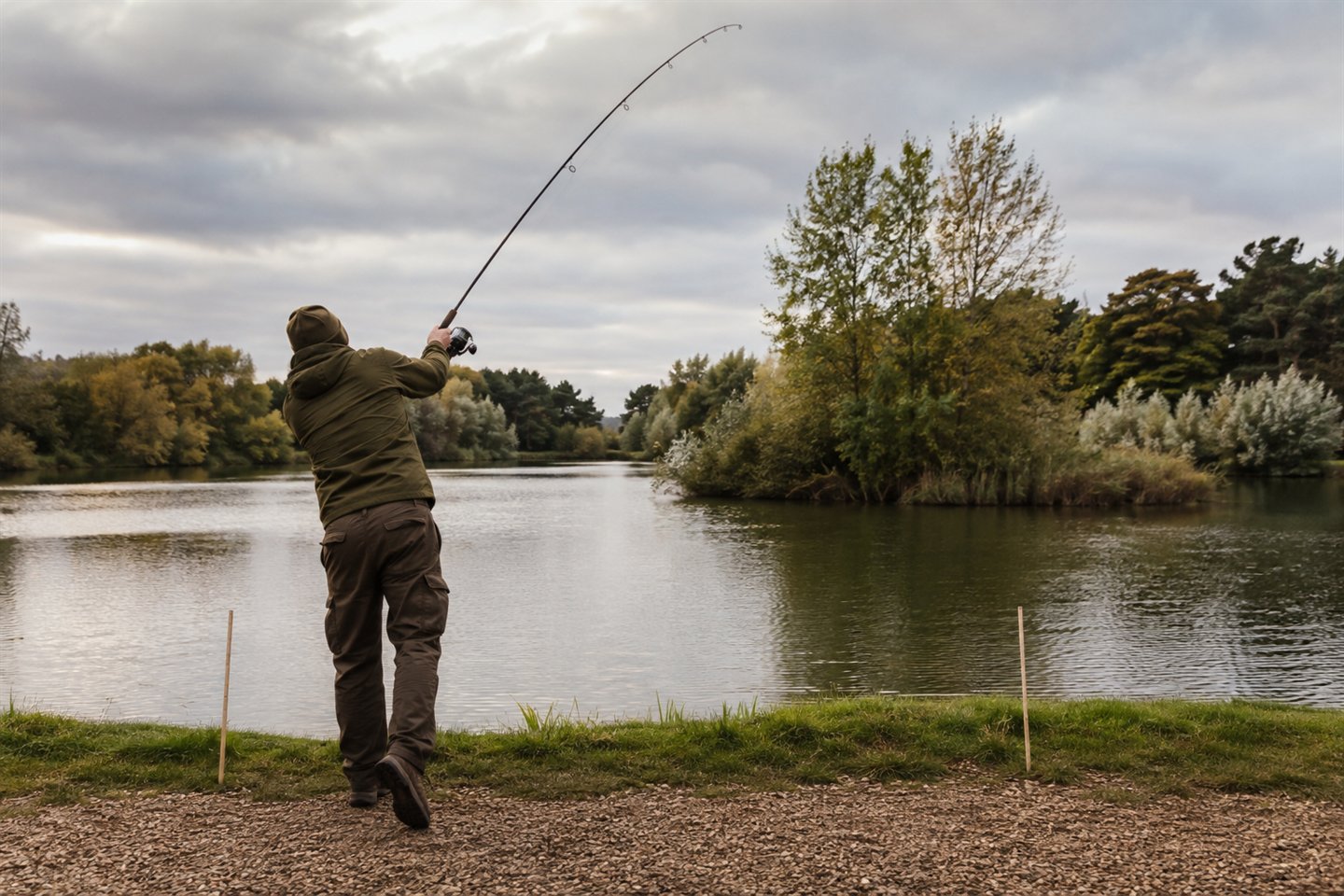
When the fish changes direction, move your stance or rod angle smoothly if the bank is safe. Don't chase it onto slippery edges or around obstacles with no planned route. A fighting position selected before casting gives more options than improvising once a fish is pulling strongly.
Short periods of changing tension can be unavoidable, especially with a fish coming towards the bank. Recover loose line promptly without jerking. A deliberate, consistent approach makes it easier to notice whether the reel is sticking, the line has contacted an obstacle or the rod angle needs adjustment.
Don't overtighten the clutch beside the net
The final few metres can produce sudden lunges when there is less line available to stretch. Resist the urge to lock the spool simply because the fish is visible. Maintain appropriate drag and let the rod cushion movement while bringing the fish over a prepared net at a controlled pace.
Position the net before the fish is ready, with its mesh clear and the frame stable. Guide the fish over the opening rather than stabbing the net towards it. If the fish turns away, lower the net and continue the fight calmly. An unsuccessful scoop need not become a forced lift against the line.
A helper should understand the plan and avoid grabbing the line, pulling the rod tip or lifting the fish with the extended net handle. Review the sequence in our carp care guide. Good preparation reduces the rushed movements that often occur just when the tackle is under its most awkward close-range load.
Snags and weed need a separate safety decision
If losses repeatedly happen at the same underwater obstacle, the problem may not be solvable with a sharper hook. Consider whether you can prevent a fish reaching it with tackle and response suitable for the venue. If not, stop fishing that position. A reliable bite from an unsafe line is not a successful approach.
Don't pull harder and harder against a stationary fish or obstruction without understanding the situation. Seek fishery help where needed. Never enter deep or moving water to recover tackle, and don't improvise boat use when permission, equipment or competence is missing.
Check that the lead arrangement and any leader behave appropriately after a break. Compatibility matters: parts that look similar can jam when combined. Test the safe release path away from fish, following the system's instructions, and use only components allowed by the water.
A simple investigation after three different losses
Imagine a fish comes free a few seconds after pickup and the rig returns tangled around the lead. The first question is how the rig cast and settled, not whether the net is too small. A controlled recast with a verified presentation addresses a visible fault, although it cannot reconstruct every detail of the lost fish.
On another rod, the main line returns rough and broken after the fish reaches a known gravel edge. That points the next investigation towards line route, abrasion and the suitability of the spot. Changing hook size while retaining the same route would leave the strongest evidence unaddressed.
A third fish is lost beside the net with an intact rig after an abrupt lunge against a tightly set clutch. That sequence suggests reviewing close-range control and netting preparation. These examples are illustrative: they show how different observations lead to different checks, not a formula for diagnosing every loss.
When an outside check is useful
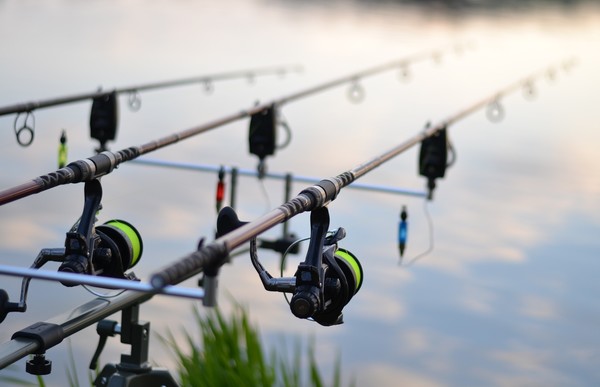
If losses continue despite replacing damaged components, ask an experienced angler or the fishery manager to inspect the setup with you. Show the whole system, including the rod, reel, main line, lead arrangement and baited rig. A packet of hooks on its own cannot reveal a poor line route or an awkward clutch transition.
Explain the sequence of events without presenting your preferred explanation as established fact. Say when the fish was lost, what came back and which changes you've already made. Demonstrate the intended playing and netting position while no fish is attached. This gives the other person enough context to identify a practical fault rather than offering another generic rig recommendation.
Equipment worth considering
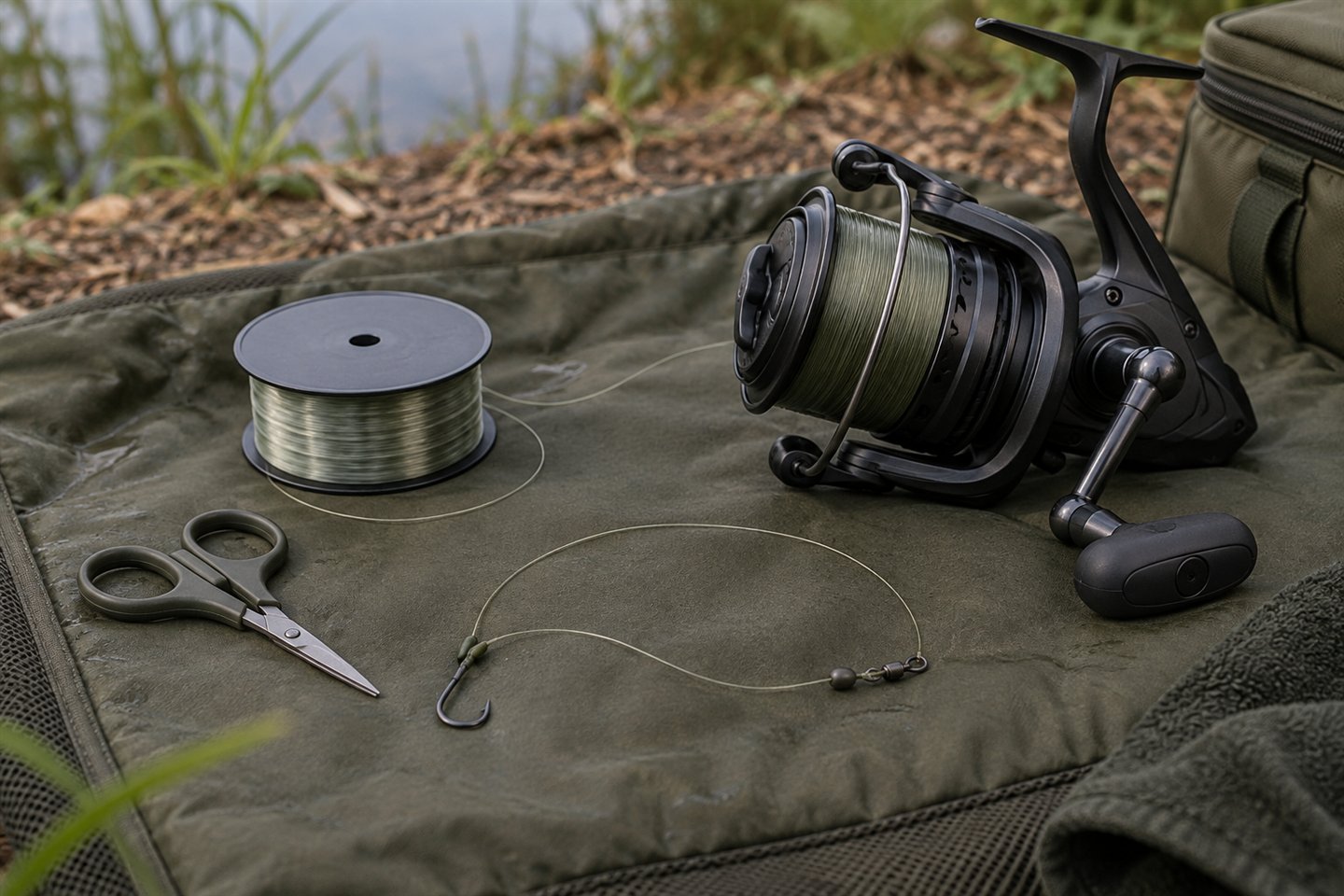
Useful purchases support inspection and consistency. A compact tackle box keeps replacement hooks and compatible components protected, while sharp line scissors produce clean tag ends. Proper knot-pulling tools help seat connections without wrapping line around fingers. Buy the sizes and patterns that suit an established presentation rather than an assortment with no clear use.
A dependable headtorch helps examine points and line after dark, and a suitably sized landing net reduces awkward final-stage manoeuvres. Neither substitutes for safe technique. Check the mesh, spreader block and handle connection before the trip, especially if the equipment has been stored wet or subjected to a difficult lift.
Replace demonstrably worn items before chasing upgrades. New alarms will not cure damaged line, and premium hooks cannot compensate for a cracked guide. The most effective spending often restores a simple, balanced system to dependable condition.
Korda RazorBlades scissors (paid link) provide a practical way to cut damaged sections cleanly when rebuilding a rig, while Korda SUBline monofilament (paid link) is one replacement-main-line option if inspection shows your current spool is unsuitable. Choose the correct diameter and strength for the venue and retest the knots. Replacing sound equipment without identifying the failure can spend money while leaving the original problem unresolved.
Record a change you can evaluate
Write down the stage of the fight, the returned components, visible damage and the correction made. Keep observations separate from explanations. Include successful captures as well as losses; otherwise the record exaggerates failures and tells you little about how frequently the same setup works without difficulty.
After correcting a clear fault, assess the next sessions cautiously. Fish size, bottom, weather and angling position may differ. Your notes won't prove which rig is best everywhere, but they can reveal recurring line damage, netting problems or parts that don't work well together.
Frequently asked questions
Will a bigger hook stop hook pulls?
Not automatically. Size affects gape, weight and the relationship with the bait, while pattern and wire thickness matter too. Check condition and the full presentation first, then make a justified adjustment within the fishery's rules rather than increasing size after every lost fish.
Does a barbless hook always lose more carp?
There's no useful guarantee either way for an individual session. Follow the venue's hook rule and concentrate on presentation, suitable tackle and controlled playing. Don't add or retain a barb contrary to the rules in response to a loss.
Should I change everything after several losses?
No. Stop fishing long enough to investigate, correct obvious faults and remove unsafe situations. Then change one relevant variable at a time. If the cause remains unclear, ask an experienced angler or fishery manager to inspect the complete setup before continuing.
Final thoughts
After a lost fish, pause and inspect the tackle before casting again. Look for the cause: a damaged point, failed knot, abraded line or a problem during the fight. Keep fish welfare first, even if that means leaving a productive spot alone. Fixing the problem you can identify is more useful than changing rigs out of frustration.
Sources and further reading
See Gardner's hook-hold discussion alongside the manufacturer's instructions for your hooks, line, reel and lead system. The diagnostic examples here are original illustrations, not product tests or claims of a measured reduction in lost fish.