Barbel fishing starts with choosing a safe river swim and tackle that suits the flow. We'll cover simple rigs, bait and bite indication, then give landing and recovery the attention these powerful fish deserve.
A suitable beginner barbel setup uses a suitable feeder or specialist river rod, strong sound line, a tested free-running rig, a large soft knotless net and a padded wet mat. The hookbait is placed in a steady feeding lane with a clear route away from snags. The rod remains attended and securely supported.
Don't simply take light silverfish gear and hope it will cope. Match the rod, line, feeder and landing equipment to the river's flow, abrasion and likely fish, with local advice where needed. Choose somewhere you can control and net a barbel safely from the bank.
Barbel fishing for beginners: choose manageable river flow
Choose a club or day-ticket stretch known to contain barbel and suitable for less experienced anglers. Confirm licence, permission, close season, level, forecast and water temperature. Find a smooth, controllable flow near gravel, a crease or the open edge of cover, with firm access and enough downstream space to net a fish.
Use a simple free-running feeder or lead arrangement that complies with the fishery, a hooklength and hook matched to permitted bait, and strong balanced tackle. Feed modestly, stay next to the rod and land without exhausting the fish. Rest the barbel in flowing water before and after unhooking, releasing only when it holds itself upright and swims strongly.
Why barbel need a distinct approach
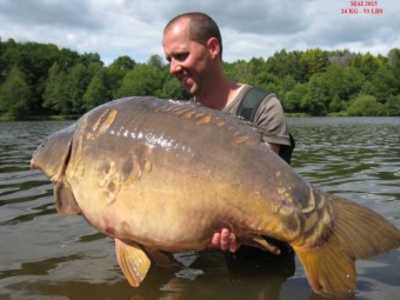
Barbel have a streamlined bronze body, four barbules around the mouth and a powerful tail. They feed mainly near the riverbed, using their barbules to locate food. Their shape suits current and lets even a modest fish use the full force of the flow during a fight.
The Canal & River Trust describes barbel as primarily a river species associated with faster flow and gravel, although they occur in a limited number of connected canals and well-oxygenated stillwaters. This article doesn't recommend choosing a stocked stillwater as the default beginner route; river behaviour and recovery are central to the method.
A barbel can appear in a chub or bream swim, so all river tackle should account for likely accidental captures. Deliberately targeting barbel, however, requires a net, mat, line and recovery routine prepared for them before the cast.
Licence, permission and statutory close season
In England and Wales, an angler aged 13 or over needs the appropriate rod fishing licence. The licence doesn't provide access: club membership, a day ticket or landowner permission is separate. Fishing from a public footpath or bridge without fishing rights is not made lawful by holding a licence.
The coarse fishing close season on rivers, streams and drains runs from 15 March through 15 June inclusive. Regional byelaws add local restrictions, and clubs may close a stretch for longer or temporarily protect spawning fish. Confirm the exact water rather than relying on a national summary.
The rod licence guide explains the basics. Rules in Scotland and Northern Ireland differ, and cross-border rivers may have special arrangements. Check the official authority and controlling fishery before every new venue.
What river conditions should a beginner avoid for barbel?
Review rainfall across the catchment, current river level, flood warnings and forecast. Barbel can feed in coloured water, but rapid rise, floating debris and unstable banks create risk. The fact that experienced anglers sometimes fish floods doesn't make them suitable for a first attempt.
Measure water temperature with a suitable thermometer and ask the club whether it has a current policy. Environment Agency-backed Angling Trust guidance says that when river water is above 21°C, anglers should consider not fishing for large chub, barbel and pike. A fishery closure or lower local threshold is decisive.
Below 21°C is not an automatic green light. Low flow, sudden warming, algal activity and local pollution can reduce oxygen. If fish are gasping, grouped abnormally near inflows or slow to recover, stop and report the concern.
Choose a safe first river
A broad, accessible club stretch with maintained pegs and current advice is preferable to a steep, secluded bank selected from a photograph. Ask about typical barbel size, snags, recommended tackle, parking, mobile signal, night rules and whether an experienced member can accompany a first session.
Walk within the permitted length before unloading. Reject crumbling edges, deep mud, high vertical banks, overhead cables, livestock conflicts and any swim requiring entry into unfamiliar water. Identify how a fish can be followed downstream from the bank, if that is both safe and permitted.
The river coarse fishing beginner guide covers general flow, access and flood decisions. Barbel tactics should be added only after that safety framework is satisfied.
Find a controllable feeding lane
Look for smooth flow over or beside gravel, a crease between faster and steadier water, the tail of a pool, deeper glides and the open side of weed or cover. Broken surface alone doesn't prove barbel are feeding beneath it. Probe with controlled casts and local knowledge.
Barbel can hold near roots, rafts and weed because these features provide shelter and food. Fish far enough away to turn a hooked fish before it enters them. Feeding can encourage fish onto a safer line; casting directly into the holding feature is not necessary.
In clear water, observation from well back may reveal fish, clean gravel or trails through weed. Polarised glasses can help, but avoid casting at resting fish repeatedly. A visible holding area can be left undisturbed while a nearby feeding spot is developed.
Rod choice
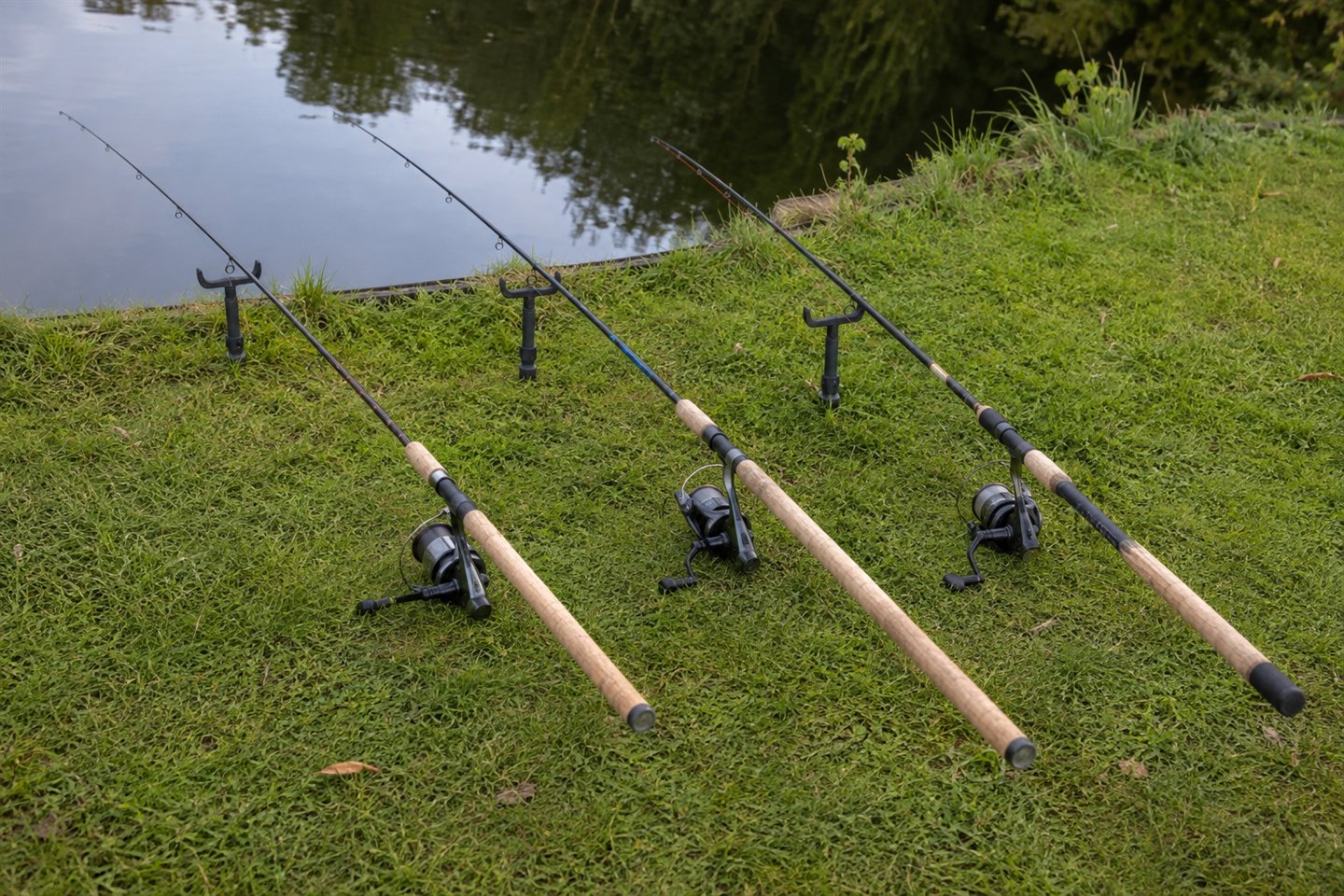
A barbel or powerful feeder rod should cast the full feeder safely, control a fish in current and cushion the hooklength. The suitable test curve or casting rating depends on river size, feeder load and snag risk. A rod designed for a small clear river may not suit a heavy flooded main river.
A quivertip can show bites on lighter river work; an Avon-style top or specialist rod may be chosen for other conditions. Follow the manufacturer's rating and use only matching tips. Never exceed the casting load because a heavier feeder seems necessary.
A search for a barbel river fishing rod and reel (paid link) can help compare ratings, lengths, tip options and reel capacity. Species labels are not a safety assessment. Confirm the filled casting load and river conditions with the fishery or a competent tackle shop.
Reel, main line and clutch
Use a reliable fixed-spool reel with smooth line lay, a positive clutch and enough capacity for the river. Baitrunner-style secondary drags can be convenient on attended rods, but must be set, tested and disengaged correctly. They don't permit the angler to leave the swim.
Main line must handle casting, current, abrasion and the pressure needed to turn a fish. Don't select a fixed breaking strain from the species alone. A small open river and a snaggy powerful reach create different requirements; fishery minimums must also be obeyed.
Check the first several metres before every cast and after contact with gravel, weed or roots. Cut back damaged line, retie and pull-test. A strong label cannot compensate for abrasion or a poorly seated knot.
How to set up a running rig for barbel fishing
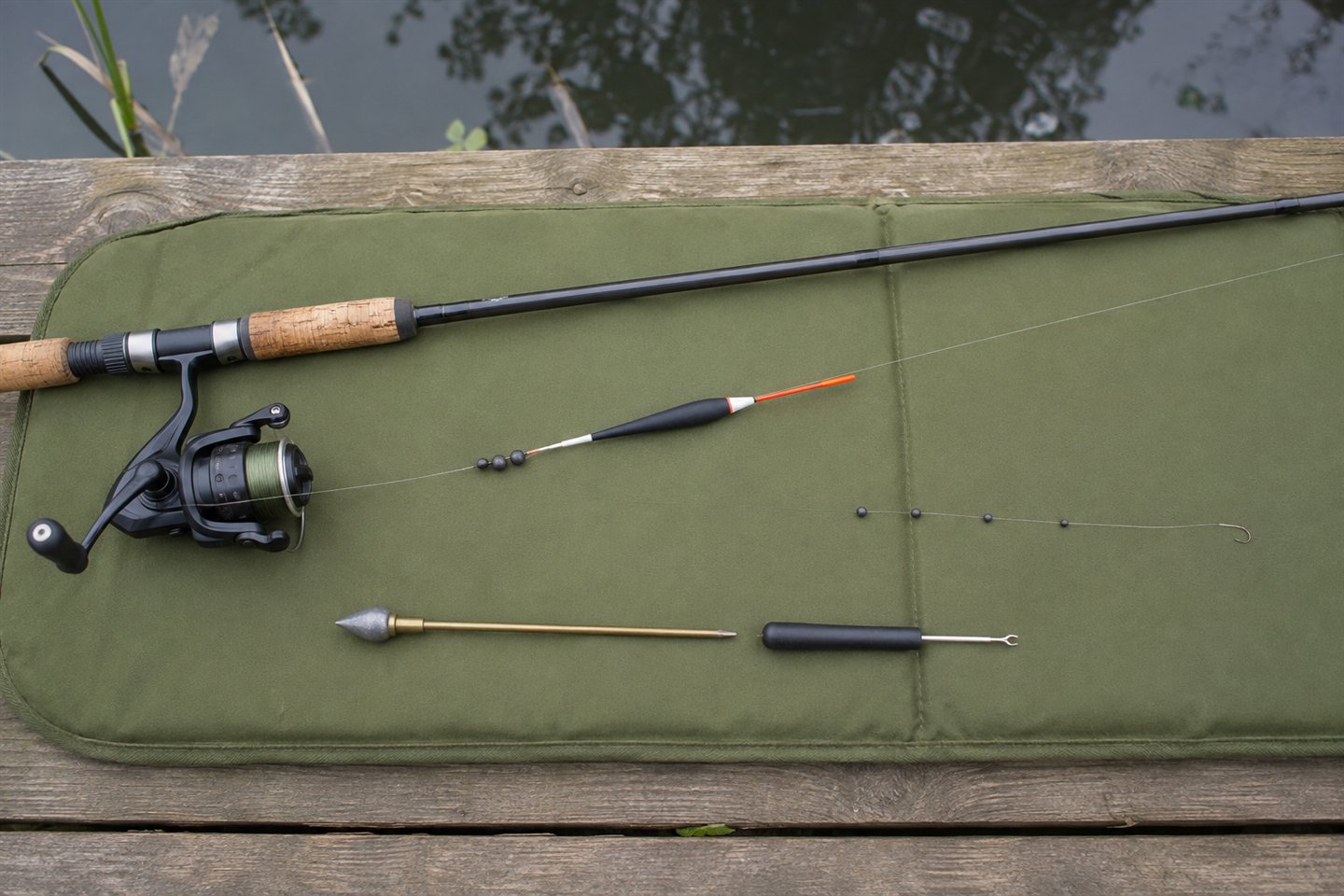
A simple running feeder or lead allows line to move through the attachment and avoids deliberately fixing the weight. Add an appropriate protective bead and connect a hooklength through a suitable swivel. Follow the fishery's definition of a free-running rig and any restrictions on leaders or tubing.
Test the whole setup in the hand. The running component must not jam over a knot or sleeve, and each connection must withstand steady pressure. Consider what happens if the main line parts at different points; a barbel should not tow a heavy feeder because two fashionable components locked together.
The feeder fishing beginner guide explains the basic running arrangement. Barbel fishing adds power and current, not a reason to make the rig more complicated.
Feeder weight and shape
Use the lightest filled feeder that settles predictably in the selected line. A design with suitable grip can hold with less total weight than a smooth feeder, but it must release bait and remain within the rod rating. In severe flow, a closer or steadier swim can be the safer solution.
A feeder that moves a short controlled distance and stops may be usable; one that rolls continuously towards a snag is not. Keep line bow modest and the rod angle consistent. Reassess when leaves or weed begin loading the line.
Count bait and water in the casting weight. Weigh a filled feeder at home when uncertain. Leave a margin below the rod's maximum rather than treating the figure as a target for repeated full casts.
Hooklength and hook
Choose hooklength material for abrasion, presentation and the permitted rig. Its strength should form a coherent system with main line and hook. Very fine material may be cut on gravel or prolong the fight; excessively stiff or heavy material may behave poorly in a delicate swim.
Hook pattern follows bait size and fishery rules. Pellet or a cube of meat needs enough gape to leave the point clear, while maggots or caster can use a smaller presentation. Barbless or micro-barbed requirements vary. Inspect the point after every contact with gravel.
Hair-rigging is common for pellets and other firm baits, but it is not compulsory. Use it only when the hook, bait stop and separation have been tied and tested. A direct-hooked worm or meat presentation can remain simple where permitted.
Secure rod support and bite response
Place the feeder rod on a stable front rest with the butt secured against forward movement. Angle the rod to manage line bow and keep the tip visible. On hard platforms, use a purpose-built support rather than forcing a bankstick into boards.
Stay within immediate reach. Barbel bites can pull decisively, but debris and feeder movement also register. A free-spool function or loose clutch is not a substitute for attendance, particularly near snags.
Lift smoothly into sustained movement, disengage any secondary drag and apply controlled pressure. Don't strike so hard that a heavy feeder becomes a projectile if the hook fails to connect.
Landing and unhooking equipment
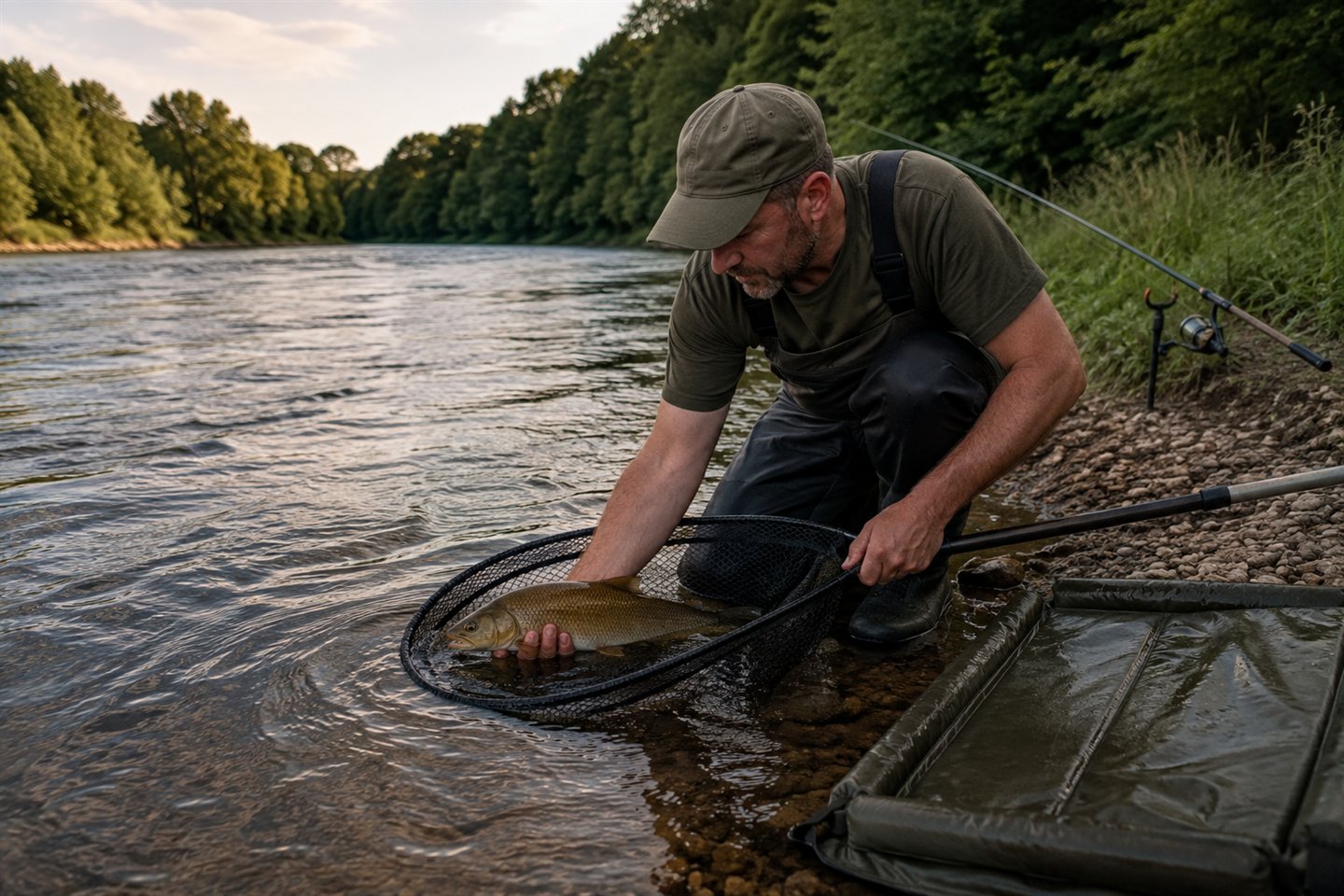
Use a large, deep, soft knotless net, a strong handle and a padded mat big enough to support the fish. Set them up before fishing. A barbel should never be beached on gravel or carried up a bank in unsupported mesh.
A search for a barbel landing net and unhooking mat (paid link) shows different frame and padding options. Check mesh, head depth, spreader block, handle reach, drainage and packed transport. Venue rules can require particular dimensions.
Keep forceps, a disgorger, water container where safe, and an optional wet sling ready. Scales and a camera come after the fish-care station. If the bank doesn't offer a low, stable mat position beside the water, it is not a suitable barbel swim.
Simple barbel baits
Pellets, meat, worms, casters, maggots and boilie-style baits can catch barbel where permitted. Choose one main bait and a compatible alternative. The best first bait is durable enough for the cast, fits the hook and matches the feed being introduced.
Meat can be cut into a secure size and presented directly or on a hair, but some fisheries restrict it. Pellets vary in size, oil and breakdown. Follow maker directions, don't assume livestock feed is suitable, and respect fishery-only pellet rules.
Worms and maggots create a natural small-food presentation but can attract chub, bream and smaller species. That is not failure on a mixed river. Use tackle that handles all likely coarse fish safely.
Hemp and loose feed
Prepared hemp creates many small food items and is often combined with a larger hookbait. Use only correctly prepared bait and check local quantity rules. For a beginner, sealed ready-prepared hemp removes the need to guess soaking and cooking.
Loose feed travels in current. A bait dropper, feeder or controlled upstream introduction can place it near the intended line, but the best position depends on depth and pace. Test with a small quantity rather than depositing a large bed based on an unseen calculation.
Don't tip leftover hemp or pellets into the river. Keep bait covered, remove bank spillages and take unused material home where storage directions allow.
How much to feed
Start with a modest feeder or a few samples and wait for evidence. Stock density, water temperature, flow, natural food and session length change what barbel will use. A famous heavy-bait approach from another river doesn't establish the quantity for this one.
When barbel are present and feeding confidently, a small top-up after a capture may keep the line active. When there are only occasional chub or liners, heavy extra feed can satisfy fish or spread them. Keep most bait in reserve.
In cold water, reduce both feed size and frequency. A concentrated hookbait with a few samples may be sufficient. The article on winter coarse fishing for beginners explains how location and feeding windows change as water cools.
Cast and settle the rig
Choose a far-bank marker and cast within comfortable range. Feather the feeder, follow it down on controlled line and let it settle before tightening gently. Pulling hard immediately can drag it from the feed and weaken the casting clip contact.
If clipping up, use a smooth cushioned technique and record the distance. Near snags or with a fish likely to run hard, fixed clipping can create problems; use a safe repeatable method suited to the swim and experienced local guidance.
Place the rod securely and establish the normal tip curve. Recast according to bait release and indications, not a rigid timer. Every heavy splash can move cautious fish from a small river.
Playing a barbel
On contact, apply firm controlled pressure to move the fish from snags while keeping the rod bent. Use side strain from stable ground and adjust the clutch so it protects the line without allowing an unchecked run. Don't lock every component and pull against a static fish.
Once the fish reaches open water, maintain steady pressure and avoid extending the fight. Barbel may hold low in current and make late lunges near the net. Bring the fish upstream where possible and guide it over submerged mesh head first.
Never follow a fish into an unchecked river or climb a bank while under load. The route should have been inspected before casting. If it is blocked, use the safe angle available and ask for help without entering water.
Rest before lifting
A barbel may arrive at the net exhausted. Keep it submerged in sufficient flow while maintaining control and allow it to regain balance before any bank work. Make sure the fish is not pressed against mesh or held in shallow warm margin water.
Use the recovery time to confirm the mat, forceps and optional camera are ready. Don't lift immediately because excitement or a photograph is waiting. If the fish remains weak, skip weighing and photography and prioritise recovery.
Unhook and handle
Wet the mat, sling and hands. Support the fish along its body and keep it low. Remove the hook with forceps, checking that no line or old tackle remains. Avoid fingers in the gills and don't squeeze the abdomen.
The coarse fish care guide explains the broader routine. With barbel, minimise time out of water and have everything prepared before lifting. A large fish should not wait while scales are assembled.
Don't place barbel in an ordinary keepnet during pleasure fishing. Match rules and fishery policies may address retention separately, but warm-water guidance is especially cautious. Prompt individual release is the beginner's safest default.
How to recover a barbel safely after landing it
Return the fish in the landing net to sufficient flowing water and face it upstream. Support it upright so water passes naturally through the front of the gills. Don't pull it backwards and forwards, which reverses the intended flow.
Wait until the barbel holds balance and pushes strongly against support. Release it into clear water rather than towards a snag. Watch until it swims away under control. Recovery can take time, particularly after a hard fight.
If the fish cannot recover, continue safe support and seek help. Report repeated distress or environmental problems to the fishery and relevant agency. Don't recast while a fish remains under care.
Hot-weather stop decisions
A search for a water thermometer for river fishing (paid link) can help compare waterproof digital and simple analogue designs. Check range, immersion instructions and accuracy claims; shade air temperature is not a substitute for water measurement.
At more than 21°C river water, follow current guidance and consider not targeting barbel. Stop earlier when the fishery says so, flow is low, temperature has risen abruptly or fish show stress. Moving to a weir pool is not automatically responsible, because concentrated fish may be using it as an oxygen refuge.
Avoid prebaiting or encouraging feeding when conditions are unsuitable. Feeding increases oxygen demand, and capture adds exertion. Postpone until cooler, stable water returns and the fishery confirms fishing can resume.
High water and winter
Stable coloured water can bring barbel towards slacker margins and may create feeding opportunities, but fast rise, debris and eroding banks increase danger. Beginners should choose moderate stable conditions and known pegs. Never stand on a flooded edge or block an escape route with tackle.
In winter, barbel may feed during short milder windows. Use small amounts of bait, locate steadier water and avoid repeatedly casting a heavy feeder. Cold hands and early darkness make prepared unhooking equipment essential.
Don't assume winter automatically makes oxygen and recovery irrelevant. A hard fight still needs support, and floodwater can carry pollution. Observe every fish before release.
Frequently asked questions
What tackle strength is needed for barbel?
There's no responsible universal number. Match rod rating, reel, main line, hooklength and hook to river flow, abrasion, fish size and snags, while obeying fishery minimums. Ask the controlling club for current local guidance.
What is a simple barbel rig?
A fishery-compliant free-running feeder or lead above a protective connection and suitable hooklength is a clear starting point. Test that it runs and doesn't jam. Avoid adding components without understanding their failure behaviour.
What bait should a beginner use?
Pellets, meat, worms, maggots and prepared hemp combinations can work where allowed. Choose one durable hookbait and a small compatible feed. Location and safe presentation matter before flavour.
When should barbel fishing stop in hot weather?
Current Environment Agency-backed guidance says to consider not fishing for barbel when river water exceeds 21°C. Local closures, low flow, rapid warming or fish distress can require stopping sooner.
Final thoughts
Only fish where you can manage the fight, landing and recovery safely. Check permission and conditions, measure the water temperature and keep the bait clear of snags. Set up a large net and wet mat before casting. If you're unsure about any part of that routine, get experienced help before your first barbel session.
Sources and further reading
Canal & River Trust: barbel species guide covers identification, river habitat, diet and the need for strong tackle.
GOV.UK: when and where freshwater fishing is permitted sets out the river coarse close season.
Angling Trust: fishing during hot weather publishes Environment Agency Fisheries advice, including the 21°C barbel caution.
Angling Trust: Best Practice Guide to Freshwater Angling covers recovery direction, warm-water welfare, safe handling and biosecurity.