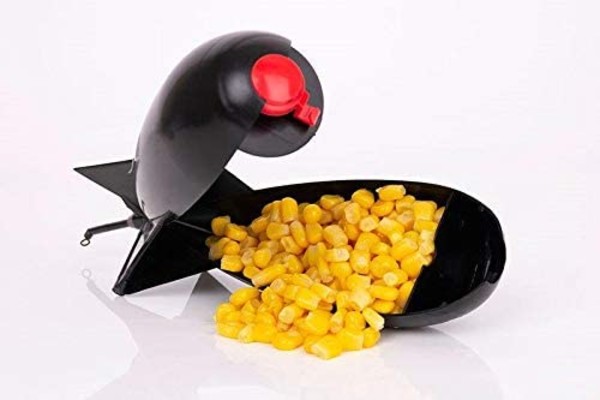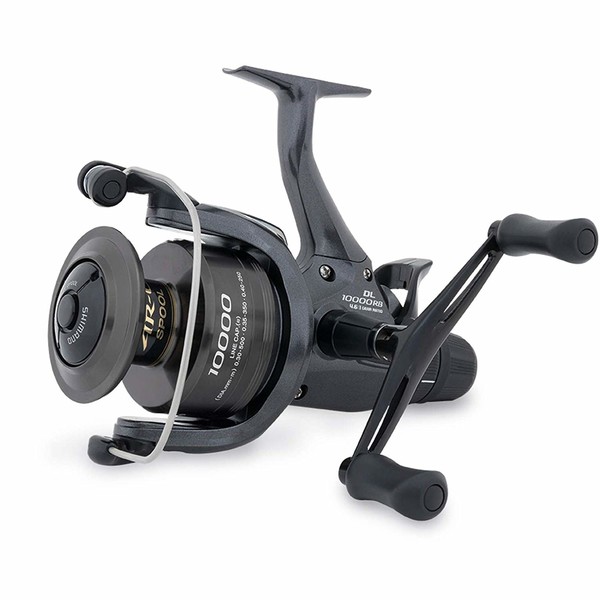
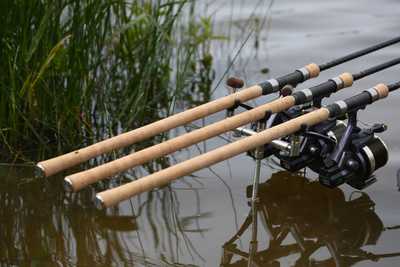
Ten baiting casts on a small lake are a different job from retrieving a Spomb at long range all weekend. The best spod and marker reels suit the fishing you actually do. Here's which features are worth paying for, and where you can save your money.
A dedicated spod reel should recover line quickly, lay braid neatly and stand up to the repeated strain of retrieving a baiting device. A reel used mainly with a marker float needs good line control and a smooth, dependable clip, but outright retrieve speed matters less because feature finding is deliberately slow. Many anglers use one reel for both jobs, which is perfectly practical if the setup is chosen carefully and the measured distance is recorded before switching from marker work to baiting.
The comparison below uses manufacturer specifications checked in September 2026, rather than hands-on testing. Check the exact model code before ordering, as reels and specifications can change.
What is a spod and marker reel?
A spod reel is a large fixed-spool reel designed around repeated casting and fast retrieval. It is normally paired with a powerful spod rod and loaded with a low-diameter braided main line, subject to the rules of the fishery. Because braid has very little stretch, it transmits the cast efficiently and helps a marker lead send information back through the rod. That lack of stretch also means every knot, leader and line clip must be suitable for the full casting load.
The word marker describes the second job. A marker lead is pulled slowly across the lakebed to identify changes in depth, weed and bottom texture, while a buoyant marker float can be used to measure the depth. The reel doesn't need to be wound under heavy pressure during that process. In fact, most of the useful feedback comes from moving the lead with the rod and then winding in only the slack.
You don't have to buy two separate reels when starting. One dedicated reel can handle feature finding first and baiting afterwards. A second setup becomes useful when you regularly revisit a depth while the baiting rod remains clipped at a different range, but it is a convenience rather than an essential purchase.
Which spod and marker reel suits your range?
The models covered here are the Sonik HeroX Spod, Spomb E, Spomb Rapide, Shimano Aerlex XTC Spod, Daiwa Crosscast 45 SCW QD Spod, Shimano Ultegra XTE Spod, Spomb X and Daiwa Super Spod 45 SCW. They range from straightforward value options to more refined reels for anglers who bait frequently. Rather than forcing them into one league table, it is more useful to explain where each specification makes sense.
Sonik HeroX Spod: a straightforward complete setup
The Sonik HeroX Spod is a sensible place to start when you want a dedicated reel without immediately purchasing separate braid. Sonik lists the reel at 599g, with 110cm of line recovered per handle turn, twin line clips and 200 metres of 30lb braid supplied on the spool. That is not the quickest retrieve in this guide, but 110cm is still useful for the shorter and middle distances fished on many UK day-ticket waters.
Pre-loaded braid makes the initial setup easier, although it should never be taken as proof that the line, leader or knots meet the rules of a particular lake. Check the line for damage, confirm the fishery policy and make sure the complete casting load is within the rating of the rod. The HeroX is best viewed as a practical value reel for occasional or moderate baiting, rather than a shortcut around those checks.
Sonik HeroX Spod reel (paid link)
Spomb E: good value with quick line recovery
The Spomb E combines a manufacturer-listed 124cm retrieve with a weight of 597g, two sprung line clips and a rotor brake. That gives it a useful specification for an angler who makes repeated baiting casts and wants a noticeable step up in recovery speed without automatically moving to the premium end of the market. The two clips can retain different measured ranges, provided each one is recorded clearly.
A rotor brake helps hold the rotor in position and reduces the chance of unwanted bail movement during a powerful cast. It is a useful feature, but it cannot compensate for poor preparation. The bail should be placed correctly, the braid must sit behind the clip without wrapping around the spool and a finger stall or appropriate casting glove should be worn whenever a forceful cast could put braid under pressure.
Check Spomb E reel availability (paid link)
Spomb Rapide: the fastest retrieve in this comparison
Spomb lists the Rapide as retrieving 145cm of line per handle turn. That is the highest figure among the reels compared here and can make a real difference when an empty baiting device is being recovered many times from long range. Fewer handle turns means less repetitive winding and quicker reloading, which is exactly what a dedicated spod reel is intended to provide.
The other side of the specification is its listed weight of 653g, making it the heaviest reel in this selection. That is not automatically a problem on a substantial spod rod, but it's worth assembling the whole outfit before deciding. A fast reel that leaves the setup awkwardly balanced can become tiring, while a slightly slower reel that sits naturally in your hands may be easier to cast accurately for longer.
Check Spomb Rapide reel availability (paid link)
Shimano Aerlex XTC Spod: a capable all-round choice
The Shimano Aerlex XTC Spod is specified with 124cm of line recovery, a shallow spool and three line clips. A shallow spool avoids filling a deep big-pit spool with a large amount of unnecessary backing, while three clips are useful if you bait several measured areas during a session. Each range should be written down with its far-bank marker because remembering that the line is in the second clip is not enough when the light fades.
Shimano lists the reel at 640g, so it is not a lightweight option, but that weight needs to be considered in relation to the rod rather than in isolation. The Aerlex is a good match for an angler who wants a recognisable spod-specific design, fast recovery and several clips without paying purely for the most refined reel in the range.
Shimano Aerlex XTC Spod reel (paid link)
Daiwa Crosscast 45 SCW QD Spod: controlled line lay
Daiwa specifies the Crosscast 45 SCW QD Spod at 610g with 118cm of recovery per turn, a metal line clip and a 45mm long-cast spool. The SCW name refers to slow cross wrap, a system intended to lay line evenly across the spool. Tidy line lay can help braid leave a large spool without loose coils, particularly when the spool is filled to a sensible level.
Don't read the long-cast label as a guarantee of extra distance. The rod, leader, braid diameter, loaded device, wind and casting technique all contribute to the result. The Crosscast makes most sense for anglers who value Daiwa's spool design, controlled line lay and a substantial clip more than having the biggest retrieve figure on the box.
Daiwa Crosscast 45 SCW QD Spod reel (paid link)
Shimano Ultegra XTE Spod: a refined long-range option
The Shimano Ultegra XTE Spod is the step-up Shimano choice in this group. Its published specification includes 124cm of line recovery, three clips and a weight of 635g. It is aimed at anglers who make regular use of a dedicated long-range baiting setup and want the line-management features associated with the Ultegra platform.
Whether it's worth the extra cost depends on the fishing you actually do. At ordinary ranges, an accurate wrap count and repeatable casting action will normally contribute more than changing from a sound mid-range reel. The Ultegra becomes easier to justify when the setup receives frequent use, several spots need to be retained and small improvements in line control matter over a large number of casts.
Spomb X: the premium Spomb-branded reel
The Spomb X is listed at 603g with 124cm recovery, two clips and a rotor brake. Fox also describes protective sealing within the reel. That makes it the more premium Spomb-branded option for anglers who expect a dedicated baiting reel to see regular use in changeable bank-side conditions. That's Fox's description of the sealing; we haven't endurance-tested it.
Occasional short-range baiting doesn't demand this level of reel. It becomes a more relevant choice when the handle will be turned hundreds of times across regular sessions and the angler values a more refined dedicated design. Even then, basic care still matters; no reel benefits from being put away wet and covered in grit.
Check Spomb X reel availability (paid link)
Daiwa Super Spod 45 SCW: the premium Daiwa choice
Daiwa lists the Super Spod 45 SCW at 620g with two clips, a 45mm long-cast spool and 118cm recovery. It is a logical premium option for an angler who prefers Daiwa's spool and slow-cross-wrap approach and wants two ranges stored on a purpose-built baiting reel. The specification is balanced rather than dominated by one headline number.
The 118cm retrieve is lower than the 124cm and 145cm alternatives in this comparison, but the practical difference depends on how often and how far you bait. During a handful of casts on a small water it may barely register. During a large baiting campaign at long range, the extra handle turns become more obvious, which is why matching the reel to the workload is so important.
Daiwa Super Spod 45 SCW reel (paid link)
How we compared these spod and marker reels
This comparison is based on measurable manufacturer information, supported by an Angling Times roundup. The useful points are line recovered per handle turn, reel weight, the number and type of clips, spool depth, line-lay design and spod-specific features such as a rotor brake. It's a specification comparison, rather than a hands-on reel test.
You'll find Amazon links beside the relevant reels. CarpAnswers may receive a small commission from a qualifying purchase without changing the price you pay. Check the model name against the manufacturer's specification, because retailers sometimes group several reel variants on the same page.
Best spod and marker reel for the money?
What retrieve speed do I need for spodding?
Retrieve per handle turn tells you how much line comes back onto the spool during one complete turn. Gear ratio only describes how many times the rotor turns in relation to the handle, so it doesn't account for spool diameter. For comparing spod reels, the figure in centimetres is therefore much more useful than a ratio shown on its own.
Fast retrieval doesn't help the baiting device fly farther or land more accurately. Its benefit appears after the cast, when the empty device is being brought home. An angler making twenty casts at moderate range may be perfectly happy with 110cm, while somebody baiting at long range throughout a session will appreciate 124cm or 145cm. Buy for the amount of retrieval you expect, not for the largest number available.
Line clips must be smooth and dependable
The clip is central to accurate spodding because it stops the cast at a measured distance. It should hold the braid securely without a sharp edge that could damage it. Sprung clips can cushion the line, while multiple clips let you retain more than one distance. Neither feature helps unless you have recorded which clip belongs to which spot.
Always slow the device before it reaches the clip by raising the rod and allowing it to straighten. Hitting a rigid clip with the rod pointed directly at the water creates a harsh stop through the braid, knot and rod. Accuracy is achieved by combining the clip with a fixed far-bank marker and a controlled cast, not by launching harder and hoping the clip sorts out the landing.
Shallow spools and sensible line level
A dedicated shallow spool is convenient because most baiting work doesn't require the huge line capacity of a deep sea-style spool. It reduces the amount of backing needed and makes replacing worn braid easier. The spool should be filled evenly but not so high that loose coils can fall over the lip and form a tangle during the cast.
Some anglers use a bright floating braid because it is easier to see and transmits marker-lead feedback clearly. Others use mono where braid is not permitted. Whichever line is chosen, follow the fishery's rules on main lines and leaders and use a combination that is rated for the loaded device. A Spomb full of bait can weigh much more than it does empty.
Weight and balance affect repeated casting
Reel weight is easy to compare, but balance is more useful. A powerful spod rod may feel better with a substantial big-pit reel, while a lighter marker rod can feel cumbersome with the heaviest reel. The position of the reel seat, handle length and the way you cast all influence the result.
If you can only buy online, compare the weight with a reel you already own and check the dimensions carefully. Remember that the published reel weight doesn't include a full spool of line. Comfort matters because a baiting session involves the same movement many times, and tired casting usually becomes less accurate rather than more impressive.
What a rotor brake does
A rotor brake holds the rotor in position when the bail is opened, helping keep the bail arm where you place it for the cast. That reduces one avoidable source of trouble when the setup is accelerated hard. It doesn't prevent every crack-off, line wrap or accidental bail closure, so the line still needs to be checked before each cast.
Solid gearing is also desirable because the reel repeatedly retrieves a baiting device through the water. However, maintenance and sensible use matter as much as a feature list. Wind against excessive resistance, grind grit through the roller or overload the rod and even a premium reel will have a difficult life.
Choosing a reel for marker-float work
Marker work puts different priorities in order. Low-stretch line, neat line lay and a reliable clip are more important than maximum recovery because the lead should be moved slowly with the rod. A lighter setup can also make it easier to concentrate on subtle changes during a long feature-finding session.
A dedicated spod reel can still make a very good marker reel. Use the marker float to measure depth, wrap the distance on sticks and record the far-bank marker before changing the terminal arrangement. Our full guide to using a marker float explains how to build a simple map without assuming every firm knock is gravel.
How to load and look after a spod reel
Before fishing, inspect the clip with a fingertip and check the first several metres of braid for flattening, fluffing or abrasion. Examine the leader and knots as well. A finger stall or appropriate casting glove is essential when a powerful cast places thin braid under tension, and the casting area must be clear of people, wildlife, branches and overhead cables.
How to use the line clip accurately
Find the spot first, then measure the line around distance sticks placed at a known spacing. Put the line in the clip and write down both the number of wraps and the exact far-bank marker. When casting, aim high enough for the device to straighten and raise the rod as the line reaches the clip so the stop is cushioned.
Spod reel safety
Always check the venue's braid and shock-leader rules before setting up. Use a rod, line, leader and knot rated for the total weight of the loaded spod or Spomb, not the empty shell. Inspect the casting area on every cast and stop if people, birds, boats or overhead obstacles enter it.
Never pull snagged braid with bare hands or wrap it around your fingers or body. Use a safe retrieval method and seek fishery assistance if necessary. If the clip has a burr, the braid shows damage or the bail doesn't stay in the correct position, replace or repair the problem before making another power cast.
Frequently asked questions
Can I use a normal carp reel for spodding?
Yes. A sound carp reel can manage occasional light baiting at modest range if its line, clip and gearing are suitable and the rod is rated for the load. A dedicated spod reel becomes worthwhile when faster recovery, a shallow spool, several clips or repeated heavy use would make the job easier.
Does a spod reel need a baitrunner or free-spool system?
No. The reel is not used to wait for or play a fish, so a free-spool function adds little to spod work. Quick recovery, good line lay, a reliable clip and solid construction are more relevant features.
Is the fastest spod reel automatically the best?
No. A high retrieve rate saves handle turns, but it doesn't guarantee better line lay, balance, clip quality or casting accuracy. The best spod reel is the one that matches the rod, the range and the amount of baiting you actually do.
Final verdict
For a value-led complete setup, the Sonik HeroX deserves consideration because braid is supplied and its specification covers ordinary baiting work. The Spomb E offers a particularly useful balance of 124cm recovery, moderate weight and two sprung clips, while the Spomb Rapide is the obvious choice when maximum retrieval speed matters most.
The Shimano Aerlex XTC Spod and Daiwa Crosscast 45 SCW QD Spod are capable all-round options with different approaches to clips and line lay. The Shimano Ultegra XTE Spod, Spomb X and Daiwa Super Spod 45 SCW make more sense for anglers who fish often enough to benefit from their more refined dedicated features.
Whichever reel you choose, accurate baiting still comes down to finding the spot, recording the range, using a fixed aim point and cushioning the clip. Buy a safe, balanced setup and learn to use it consistently. That will put more bait where you intend than choosing a reel solely because one number on the specification sheet is larger.
Sources and further reading
Sonik product catalogue provides the published HeroX specification, while Angling Times offers a broader spod-reel comparison.
Current model details were also checked against the official Spomb E, Spomb Rapide and Spomb X pages.
For the other reels, see Shimano's specifications for the Aerlex XTC Spod and Ultegra XTE Spod, plus Daiwa's pages for the Crosscast 45 SCW QD Spod and Super Spod 45 SCW.
Once your setup is ready, follow our marker-float tutorial to measure depth and find a spot to fish.