
The rod and bait are easy to remember. The small things that let you keep fishing safely after rain, a flat alarm battery or a missing tool can be easier to leave at home. Pack for the trip in front of you and check the less obvious bits before leaving.
Before you lock the door
Check your permission, the venue rules and the licence you need. Save a confirmation where you can find it without mobile data. Check the weather and access, tell someone where you’ll be and when you expect to leave, and charge your phone. Put it somewhere you can get to and keep it dry.
A charged power bank is only half the job. If your phone uses USB-C, the Anker 20,000mAh power bank with a built-in USB-C cable (paid link) is one way to keep the lead and battery together. Plug the actual cable into your phone before it goes in the bag. If you use a separate camera, check the memory card and battery too. Keep these together in a dry pouch, with a spare pair of socks and the change of clothes you would want for the drive home after a soaking.
Put fish-care kit where you can reach it
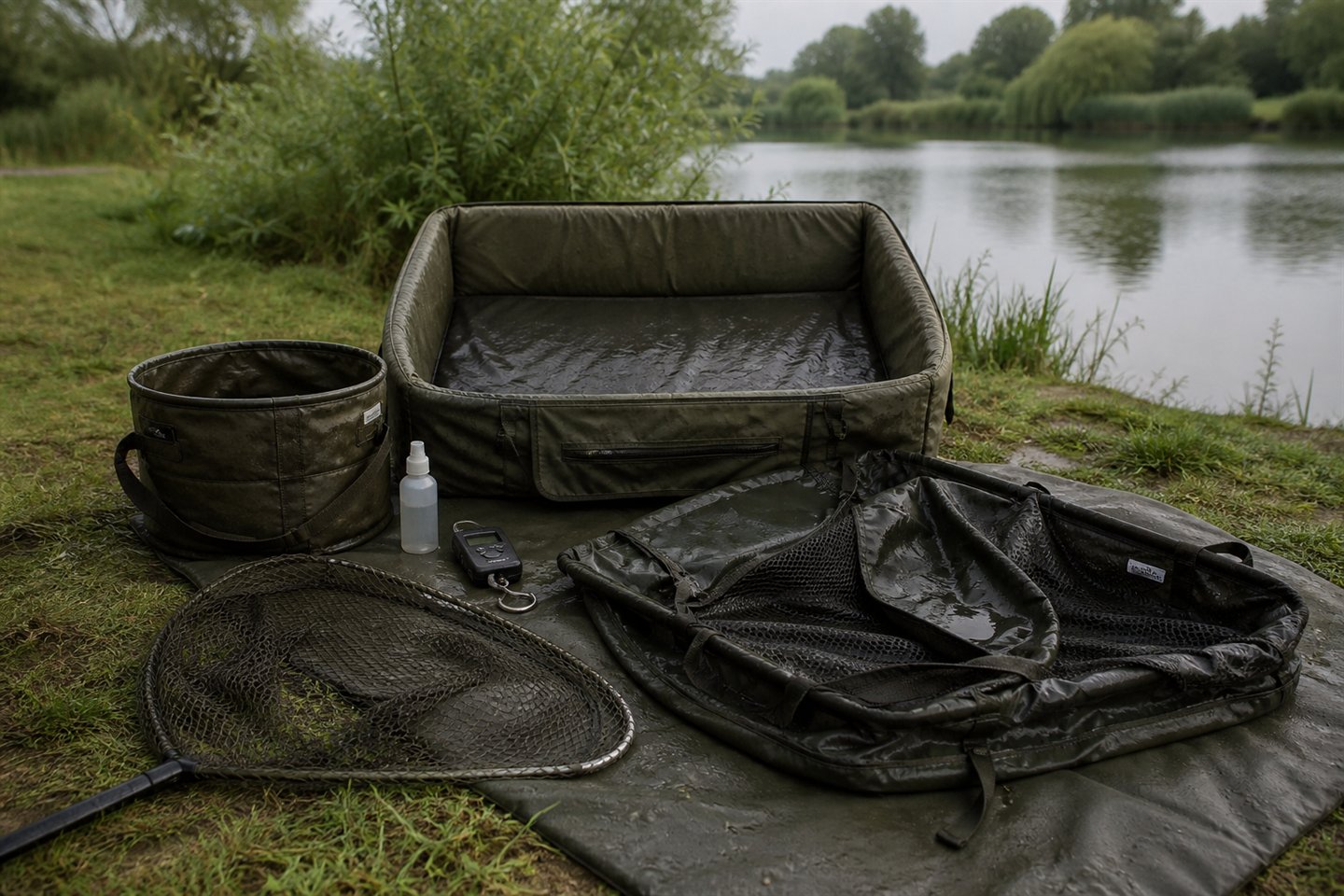
Take a suitable net, padded mat or cradle, forceps, bucket and any care product the fishery requires. If you will weigh a fish, pack the right sling and scales, including batteries where needed. Lay them out and wet the mat before the first cast. A first aid kit is for you; it belongs somewhere you can reach without unpacking everything.
Pack for weather you can sit in
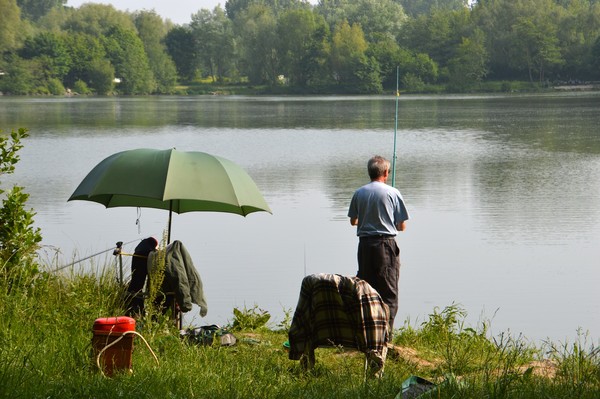
Choose grippy footwear, spare layers and a waterproof you can move in. Add a hat and sun protection for daylight; polarised glasses such as Fortis Bays (paid link) can cut surface glare when you’re looking into the margin. A headtorch and fresh batteries help if you’ll pack up after dark. Bring safe-to-use shelter for the conditions or choose a shorter trip. Neither a bivvy nor a brolly is shelter from lightning. A hands-free light such as the NGT rechargeable fishing headtorch (paid link) leaves both hands free for packing or checking the rods.
Carry a small pouch of spares
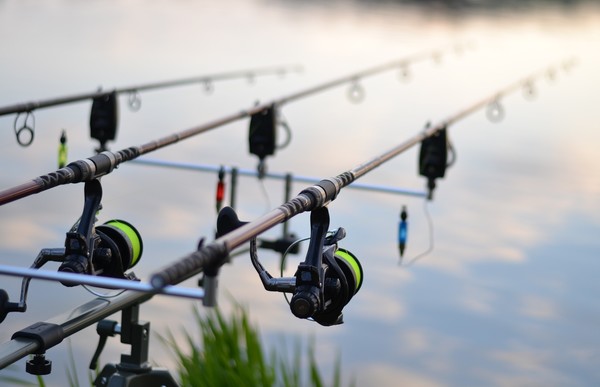
Keep scissors, an appropriate unhooking tool, rig material, hooks and clips you know fit, and an alarm battery or two. A knife is optional; most bankside rig tasks can be handled with the right scissors or dedicated tools. A small bag for broken line and used tackle keeps it away from wildlife. Keep wet items and rubbish separate from food.
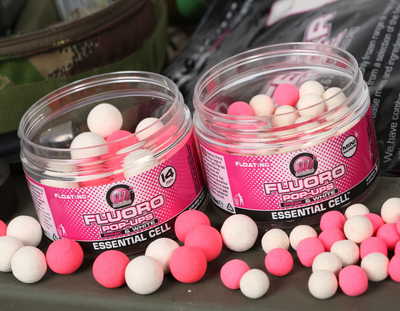
Take a couple of bait tubs with lids that fit. The Roddarch four-tub set (paid link) has ventilated lids for live bait; use a sealed container for liquids. One can hold plain hookbaits while the other holds a small batch with a different dip. Mark the lids if the baits look alike, and keep liquids upright away from dry PVA. A spare empty tub gives you somewhere to put a wet spool or loose rig bits for the journey home.
Food and drink you can manage
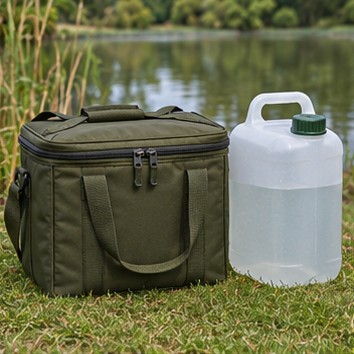
Bring water and something to eat. If the venue permits a stove, follow the manufacturer’s instructions, use it outdoors on stable ground away from the shelter and never cook in a bivvy. A flask makes a first short trip simpler. Take your rubbish home and clean and dry wet tackle between waters.
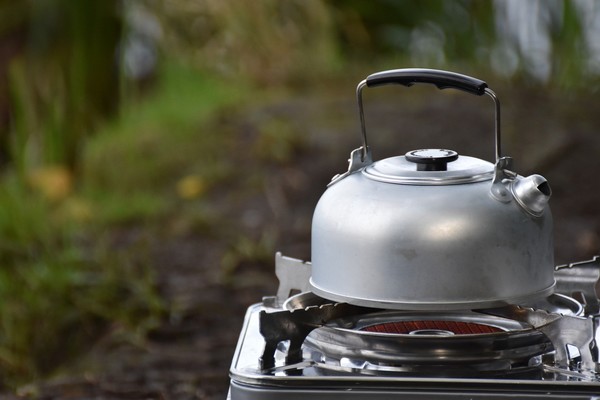
For a brew, pack the mug, tea or coffee and drinking water together. If you take a stove and kettle, check the fuel before you leave. A squat model such as the RidgeMonkey small square kettle (paid link) packs alongside the brew kit; a full box of teabags is no consolation when the stove runs dry. For a short visit you can fill a flask at home and leave the kettle, stove and fuel off the barrow altogether.
Use the checklist for your actual session
Tick off the day fishing checklist if you are only out until dusk. The night fishing list adds overnight shelter, lighting and spares. For the first rod and rig, start with the beginner carp setup guide.