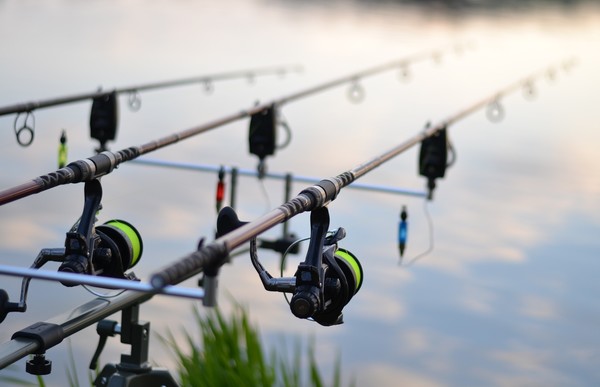
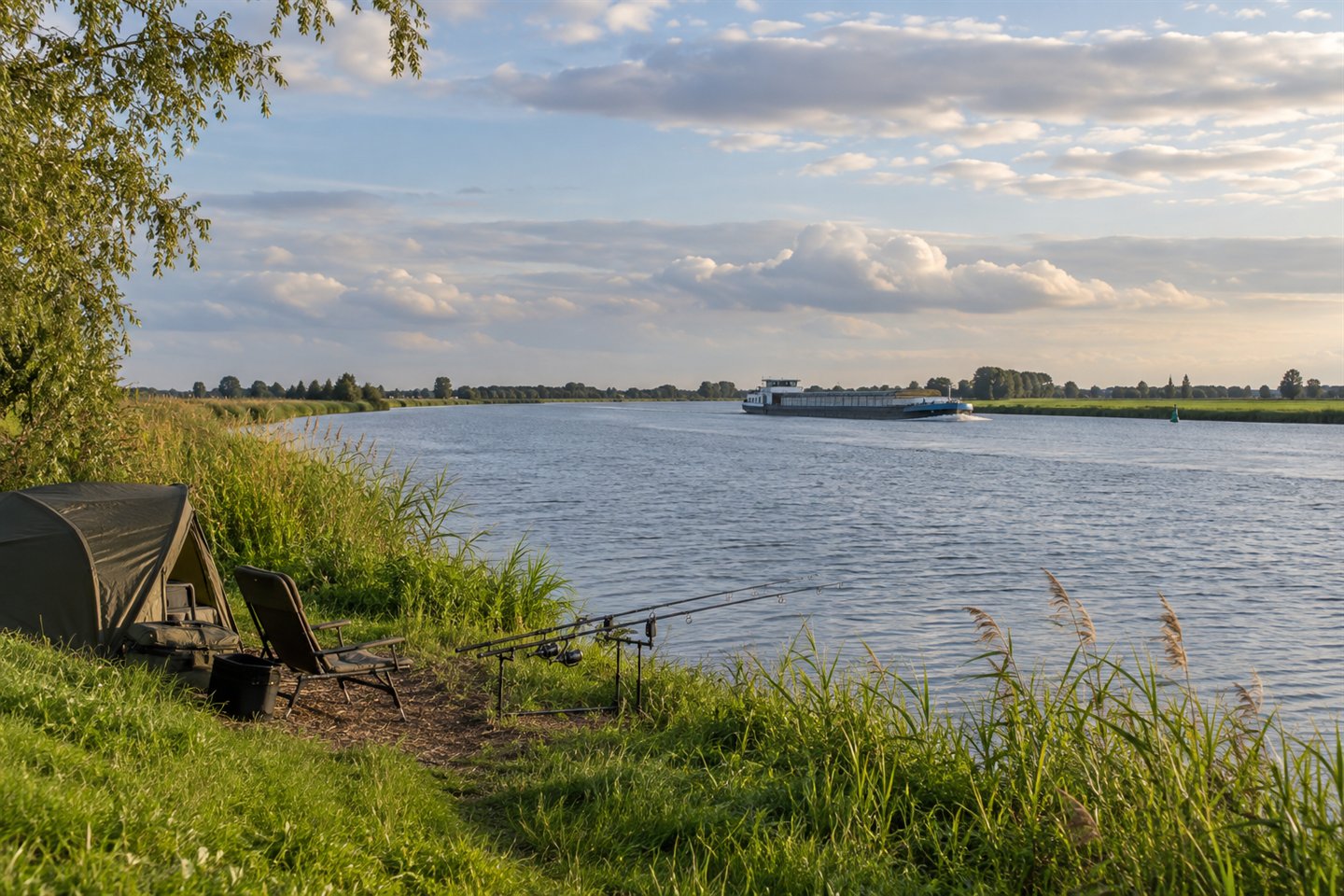
Fishing Dutch canals offers plenty to explore, but a promising-looking bank isn't enough on its own. Check permission and access, find the carp and plan how you'll handle boat traffic and land a fish. Here's how to start with a stretch you can manage.
The attraction is the opportunity to locate fish for yourself. A bend, side connection or clean margin can give a small area of structure within a long system. The challenge is that fish may move beyond your session, public-bank access can be limited and boat traffic can change what is practical during the day.
We'll work through permissions, finding fish and putting a simple presentation in place. Check each water on its own terms: a connection to a permitted canal doesn't mean your documents cover the next stretch too.
Carp fishing on Dutch canals: how do you narrow the search?
For a first visit, favour a stretch you can inspect on foot and fish without extreme casting or specialist boat work. A smaller area gives you a realistic chance to compare several features, observe traffic and understand the landing options before committing to a swim. Accessibility is part of fishing quality, not merely a convenience.
Wide working canals can introduce stronger vessel wash, high engineered banks and substantial distances between safe access points. Those are reasons to research carefully, not proof that bigger tackle will solve everything. A powerful rod cannot create a netting point where there is only a high vertical wall.
Ask a local club or tackle shop which type of water suits a visiting bank angler using familiar carp equipment. Describe your experience honestly. The best suggestion may be a less spectacular canal where the logistics allow you to concentrate on finding fish.
Understand the canal's purpose before reading its features
Look beyond the angling map. Identify commercial navigation, recreational boating, moorings, locks, bridges and any water-control infrastructure near the intended stretch. These features influence access and the practical area available for casting. Don't assume a straight channel is quiet simply because no boat appears in a photograph.
Rijkswaterstaat's waterway information describes the shared use of major Dutch waters by commercial and recreational vessels. For an angler, the planning implication is straightforward: choose positions and line routes that don't depend on traffic seeing or avoiding your tackle.
Observe how the water behaves through several vessel movements before deciding on a presentation. A canal may look still between boats, then draw strongly as one passes. If that movement prevents a rig remaining safely positioned or makes the bank uncomfortable, use a different area rather than continually increasing lead weight.
How to check fishing rights on Dutch canals
Use the official VISplanner with your own documents and select the precise section. Read the detail text and conditions. The same canal name can cover different stretches, while an adjoining basin or side channel may belong to a different rights holder.
The VISpas carp-fishing guide explains why daytime access, night fishing, rod number and shelters are separate checks. Apply that process to each proposed move. Seeing fish around a junction doesn't authorise casting into a water outside the permission you have confirmed.
Establish where you may walk and where you may set up, not just where the water lies. Industrial areas, private moorings, gardens and restricted infrastructure can interrupt an apparently continuous bank. Build the route around lawful access rather than carrying equipment across doubtful ground to reach a promising feature.
Use a small search area and a clear walking route
Select a manageable length with a few contrasting features and safe observation points. Walk it without fishing first if time permits. Note where the bank is low enough to net a fish, where paths are busy and where shade or vegetation lets you observe without standing directly against the skyline.
Record fixed landmarks that can be recognised from the actual bank: a bridge beyond the permitted area, a change in bank construction or a distinctive tree. Don't rely solely on a phone pin whose position may be slightly inaccurate. The map and the visible landscape should agree before you use either to define a fishing spot.
The watercraft guide explains general observation principles that transfer to canals. The difference here is the connected, linear water: your task is to find a plausible route or holding area within reach, not assume the fish are contained around your chosen swim.
How to find carp on a Dutch canal on a first visit
Watch for carp rolling, cruising, pushing through a margin or creating a moving patch of coloured water. Repetition makes a location more useful. Two or three signs around the same clean edge can justify a careful cast more strongly than one distant crash beyond an inaccessible bank.
Distinguish fish activity from boat effects. Propeller wash, disturbed sediment and drifting debris can create bubbling or colour that looks promising at first glance. Wait long enough to see whether the sign moves independently of traffic and whether it returns after the water settles.
If you can see a patrol, observe its direction and timing without immediately introducing bait. A route that carries fish past a safe open margin may offer a practical interception point. A route disappearing beneath moored boats or deep into inaccessible cover may be better left alone.
Read margins, shelves and changes in bank construction
Don't overlook the near side. A margin shelf, reed edge or transition from hard bank protection to softer ground can create a defined place to investigate without casting through a navigation channel. Check that the bank is stable and the line will not rub against sharp material as a fish moves.
Engineered banks can conceal hazards below the surface. Rough stone, metalwork, discarded line or abrupt ledges may affect both presentation and playing a fish. Inspect what you can safely see and seek local information. A feature is not automatically fishable merely because the hookbait can reach it.
Use exploratory casts sparingly and only where they can be made safely. A familiar marker method may help establish depth, but repeated casting directly over observed carp can remove the opportunity. Start with the least disturbance needed to establish a safe, credible presentation.
Junctions and basins need more than a promising shape
Connections between waters can look like obvious carp routes, but they also concentrate boats, moorings and different access rules. Check the permission boundaries and navigation demands before considering the fishing. Never set up where your line, net or body would obstruct working infrastructure or a vessel's manoeuvring space.
If an open, permitted area lies safely away from the busy junction, observe whether fish use its edges. You may be able to intercept movement without fishing the most complicated part of the feature. The best position is the one that combines evidence of carp with a manageable cast and landing route.
Don't approach lock chambers, pumping equipment, bridges or restricted structures as casual fishing platforms. Follow all local signs and restrictions. A structure's ability to influence fish location doesn't cancel the safety and access reasons that may keep anglers away from it.
How to plan for boat traffic when carp fishing in Holland
Watch the normal route and frequency of vessels, then choose a line path that remains clear. Avoid casting across a navigation channel or placing a bait where a passing vessel can collect the main line. A backlead is not a blanket solution to an inherently unsafe line route.
Stay ready to retrieve in good time if circumstances change. Don't wait for a vessel to be on top of the line, then attempt a rushed correction. Keep loose line and spare rigs secured on the bank so a hurried retrieve doesn't create a second hazard around pedestrians or your feet.
Rijkswaterstaat warns about vessel suction, wash and canal swimming hazards. Never enter a canal to free tackle or recover a bait boat. If the fishing requires that kind of rescue plan, it is not an appropriate first-visit setup.
Select line and tackle for the real hazards
Choose main line for abrasion risks, fish size, casting demands and local rules, not simply because you're abroad. Inspect the final metres often, especially after retrieving over hard edges or feeling unusual resistance. Cut back damaged sections and retie rather than trusting a line that merely looks intact.
Use a rod and reel you can control comfortably from the chosen bank. More power doesn't make a cramped casting position safe, and a very large reel adds little if the useful water is close in. A balanced familiar outfit is easier to manage when a boat, passer-by or unexpected fish changes the situation.
The carp-line strength guide explains why diameter, condition and surroundings matter alongside the printed breaking strain. Ask the controlling club about any minimums or prohibited materials and choose a less demanding swim if your equipment doesn't fit.
Use a simple presentation you can inspect
Begin with a familiar, permitted rig on a clean enough area. Check the hook point and bait balance before casting, then examine the returned rig for weed, debris or abrasion. The goal is to learn whether the bait is fishing effectively, not to cycle through complicated rigs whenever a canal remains quiet.
Use only enough lead to maintain a suitable presentation under the actual conditions and within the rod's casting capacity. If boat movements repeatedly displace the rig into hazards, consider changing the position or session timing. More weight can conceal the symptom without resolving the unsafe location.
The safe lead-systems guide covers breakage behaviour. Check the whole arrangement after changing leaders, stops or tubing. A carp in a connected water should not be left tethered to a lead because incompatible components were assembled to cope with perceived canal demands.
Start with a measured baiting plan
A large water doesn't need a large starting pile of bait. Your first task is to establish that carp use the selected area. A small, permitted offering or a single hookbait keeps the decision flexible while you observe. Heavy feeding without location evidence can consume bait and time without clarifying anything.
Consider likely non-target species and how long the hookbait remains intact. Inspect it after a sensible interval or any reason for doubt, then adjust size or presentation if necessary. Don't assume every bait that disappears was taken by a carp, or every quiet alarm means the bait remains presentable.
If prebaiting is permitted and fits the visit, the prebaiting guide provides a cautious framework. Avoid claiming a public-bank spot through repeated feeding, and don't introduce bait where you can't later fish safely or lawfully. Other anglers retain their own access rights.
Keep mobility practical rather than frantic
Pack so that one move is realistic. Separate the immediate fishing and fish-care kit from spares that can remain lawfully secured elsewhere. A mobile approach is not an excuse to leave the mat or net behind; the largest fish of the trip may take during the shortest stop.
Move for a specific reason: repeated carp activity elsewhere, an unsuitable presentation, unsafe traffic or a bank that cannot accommodate the session. Don't move automatically after every quiet period. Constant unloading can replace fishing with travel while preventing you learning the rhythms of any stretch.
Reel in before scouting beyond immediate control of the rods. If fishing with a companion, agree clearly who is actively responsible for which rods and follow the applicable rules. Never assume an unattended setup becomes acceptable because somebody is somewhere nearby on the same canal.
Make the public-bank setup compact and considerate
Keep paths and cycle routes clear, including the space occupied when you stand up or swing a net handle. Position rods so their tips don't project into a route used by others. A compact setup is easier to watch and less likely to create conflict than a sprawling arrangement copied from a private lake swim.
Look behind before every cast. Cyclists can approach quickly and quietly, while a dog or child may stop near your tackle. Pause until the area is clear rather than expecting other people to understand the arc of a lead or the position of a loose hook.
Use lights and alarms considerately and manage rubbish throughout the session. Secure food and bait containers so packaging doesn't blow into the water. If the available space cannot support both safe fishing and normal public use, choose a different position.
Plan landing before choosing the final spot
Assemble the net and test whether you can reach the water while remaining on stable ground. Consider the likely water level during passing traffic and the angle at which a fish must be guided. Don't select a high wall on the assumption that you can improvise with a longer handle once a carp is hooked.
Prepare a level unhooking area away from hard edges and public movement. Keep the mat wet, the tools ready and the route between rod, net and mat clear. A companion can help, but only if the roles are understood before the bite rather than negotiated with a fish at the edge.
If a fish reaches a position that would require dangerous climbing or entering the canal, don't put yourself at risk. Prevent that situation through swim selection and an appropriate tackle plan. The correct decision may be to leave an attractive stretch unfished because the landing arrangements are inadequate.
Choose session timing from local patterns
Ask about typical boat movements, busy path periods and permitted fishing hours. A quiet daylight window can be more useful to a visitor than an overnight session with unresolved shelter rules. The timing should give you a realistic chance to observe the stretch and keep the presentation under control.
Compare fish signs at different times if the trip allows. A route that appears empty at midday may show activity later, but don't convert one sighting into a permanent timetable. Record when traffic, light and fish activity changed, then use the next session to test that pattern.
If night fishing is confirmed and planned, inspect everything in daylight first. Know the bank edge, exit route and landing position, keep the working area uncluttered and have reliable lighting. A night permit doesn't make an unfamiliar engineered bank a sensible place to learn basic overnight routines.
A first-visit canal session in practice
Imagine a short Dutch break with one canal section confirmed for daytime fishing. On arrival, you walk the accessible bank and reject a visually attractive high-sided area because the net cannot reach safely. Farther along, a lower open margin offers a clear path, safe landing and a small change in bank construction.
You watch several boats pass before fishing. Their route stays clear of a near-side presentation, and the margin settles predictably afterwards. A carp rolls twice near the same edge, giving a reason to place one tested bait there with a small permitted amount of feed rather than casting across the channel.
During the session, you inspect the rig after a justified retrieve and note that the line has rubbed on a rough edge. You cut back and adjust the position before recasting. Whether the session produces a carp or not, you leave with useful evidence about access, traffic, fish signs and a safer line route.
What to record for the next visit
Keep notes tied to exact locations, not just canal names. Record the bank access, parking arrangement, water conditions, safe landing point and the times when the stretch became busy. These practical details are difficult to reconstruct from a photograph of a fish after the holiday.
Separate facts from guesses. A carp rolled near the shelf at a particular time is a fact you observed. The fish always feed there after boats pass is a hypothesis that needs more sessions. That distinction keeps a small amount of experience from becoming a misleading rule.
Also record what failed. An unsuitable bank, a closed path or an ineffective rig inspection can save time next visit if written down clearly. Build a few useful notes for your own fishing, and respect other anglers' quiet spots.
Equipment worth considering
A compact landing-net arrangement with adequate reach, sound abrasion-resistant line and a protective rig box are useful priorities for canal fishing. Match the net handle to the actual bank and the strength of the connection rather than choosing only by maximum length. Test the assembled kit before travelling.
Polarised glasses can help identify margins and fish movement where visibility allows. A light, comfortable bag can support a mobile approach, but keep the fish-care kit complete. Waterproof document storage and dependable phone charging help when moving between separately checked sections.
Don't buy a boat or specialist long-range setup simply because the canal is wide. Choose a safer, manageable part of the water first, then purchase only what the confirmed approach genuinely requires.
Fortis Bays polarised sunglasses (paid link) can help inspect accessible canal margins and the NGT 42-inch landing net with 2m handle (paid link) is an equipment example to compare with the bank height. A two-metre handle is not automatically adequate beside steep piling. If fish cannot be landed safely without entering the water or blocking the towpath, choose another permitted position instead of trying to make unsuitable equipment reach.
Frequently asked questions
Are Dutch canals harder than UK canals?
There's no useful country-wide answer. Some Dutch waters are modest and accessible, while others are large working navigations with very different demands. Compare the actual width, traffic, bank access and fish population. Choose a first stretch that matches your equipment and experience rather than treating every canal as the same type of venue.
Should I fish the far bank?
Only if the permission, navigation and line route make it safe and practical. A promising near-side margin can be a better choice, particularly where boats use the channel. Don't cast through traffic or rely on a backlead to make an unsuitable crossing line acceptable.
Is heavy prebaiting essential?
No. Location and a presentable hookbait come first. Where feeding is allowed, start with a measured plan and adjust to evidence. A short visit may suit observation and single or lightly baited presentations better than introducing large quantities into a stretch you have not yet understood.
Final thoughts and sources
Confirm permission, choose a safe bank and get to know the boat traffic before settling in. Watch for carp and fish a simple rig accurately when you find an opportunity. Make a few notes after each visit. Learning a short stretch well is more useful than trying to cover the whole canal system in one trip.
Permission checks should use current Sportvisunie and VISplanner information, while waterway hazards and shared-use context are described by Rijkswaterstaat. These sources were reviewed on 15 September 2026. Local signs, temporary restrictions and the controlling club's conditions must still be checked for the dates and stretch you intend to fish.