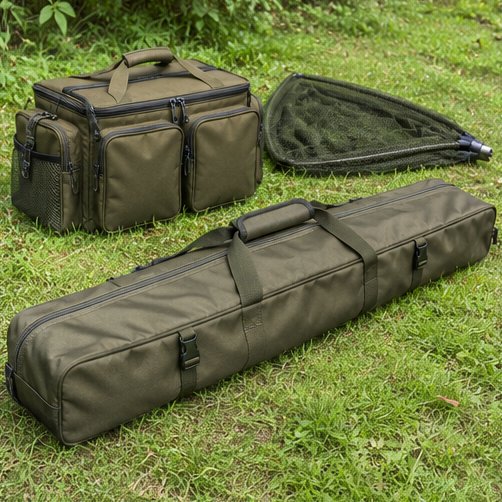
Two- or three-rod carp fishing setup for a day session
Build a two- or three-rod outfit for a full day on a medium-sized lake, with practical advice on choosing spots, setting up the swim and deciding what to upgrade.
Once you can cast, play and net fish comfortably on one rod, a bigger swim gives you room to learn something new. Start with two rods and give them different jobs. One might fish a clean patch beside the marginal shelf while the other explores a slightly deeper spot in front of the peg. If you get a bite, you’ll have a better idea which part of the swim is worth another cast.
The list is for a day on a medium-sized lake with a spot you can reach consistently and enough room to keep your lines apart. Choose two rods, or three if your licence and fishery allow it and you have a clear spot for each. Mark the gear you already trust. Most of the money for a second outfit goes on the rod, reel and bite indication. Your net, mat and tools can do the same job for all your rods.
Before you order anything, take a look at the lake’s rules and think about your last few trips. Perhaps the reel is fine but you run short of line after cutting off a damaged section, or your banksticks won’t stand on the platforms. Start with the problem you actually need to solve.
Your tackle shopping list
Count suitable gear you own, can borrow or know the venue provides.
14 of 14 tackle categories still to source
Your choices are saved on this device.
Ad · Amazon UK links. As an Amazon Associate I earn from qualifying purchases. Tackle images are generic illustrations. Check the selected variant, customer ratings, price and availability on Amazon.
Rods, reels and line for a medium lake
Pick a spot you can hit several times in a row with the same lead and bait. That’s a more useful distance to plan around than the best cast you’ve ever made. If both spots are close, the 10 ft outfit you already own may be fine. A general-purpose 12 ft rod gives you another option in an open swim with room behind you.
When you compare reel options, start with the line you intend to use. Two spools that look similar can hold quite different lengths of thicker mono. Work out how much working line each reel needs and how much of the spool will be backing before buying a bulk spool. Keep enough spare to replace a damaged section during the session.
Carp rod
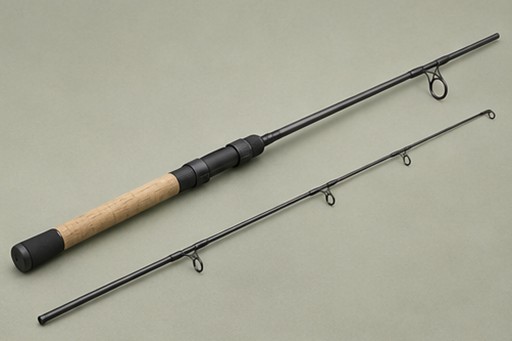
Choose rods you can cast accurately from the peg and are comfortable playing fish on. Keep the rods you know if they handle the complete casting load comfortably. A matching set is convenient when you rotate rods between spots.
Before you buy Read the actual rod’s casting guidance and include the lead, rig, bait and any extras in the total load. Check transport length as well as fishing length. A three-piece 12 ft rod can pack shorter than some two-piece 10 ft rods.
2 rods needed· 2 rods to source
Daiwa Black Widow XT Carp 12 ft
12 ft, 3 lb test curve, three sections
Why choose it
Progressive action and a 128 cm quoted transport length make it a useful general day-ticket option when storage space is tight.
Trade-off
Needs more clearance to swing than a 10 ft rod. Check all joints are fully seated before casting.
The shorter, lighter outfit is easier to manoeuvre in a clear margin or tight swim.
Trade-off
Use a casting load suited to this lighter rod. Check the manufacturer’s guidance before using the 2 oz lead on this list. The quoted transport length is 157 cm.
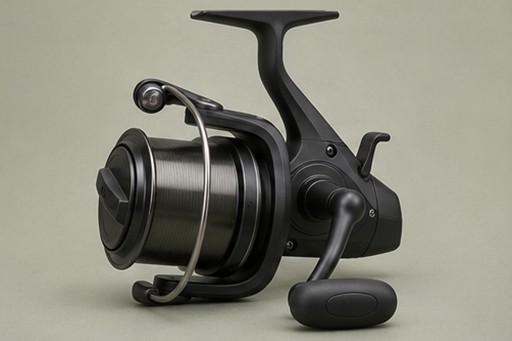
If you already know a freespool reel, that's a good reason to keep it. A big-pit spool is another option if you regularly cast into open water. Check the drag and line capacity with the mono you intend to use.
Before you buy Hold the reel on the rod if you can. Reel size numbers vary by brand, so use the capacity marked on the spool for your chosen line diameter. Check whether backing, line or a spare spool is supplied.
2 reels needed· 2 reels to source
Shimano Baitrunner ST 6000 RB
6000 size, rear drag with freespool lever
Why choose it
The 6000 is the smaller ST RB option and a sensible place to start for a general short-to-medium-range outfit.
Trade-off
Less line capacity than the 10000. Check the exact listing selection and balance before pairing it with a light 10 ft rod.
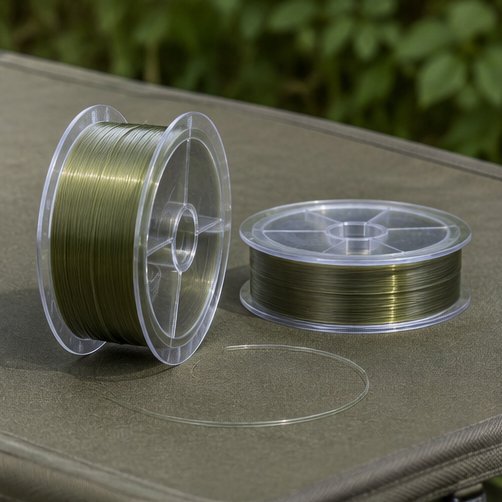
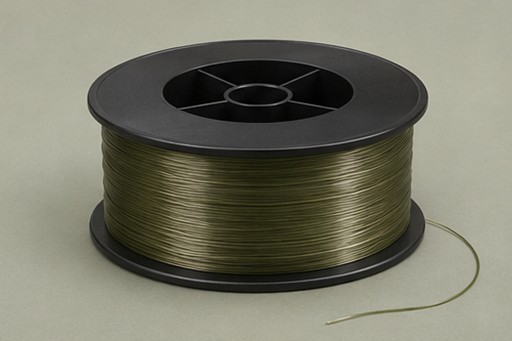
Read the minimum diameter and material rules before filling up. One bulk spool is a starting quantity. Work out how much you will need across all the reels and keep some spare for replacing damaged line.
Before you buy Check how many metres your spool holds at your chosen diameter. Use suitable backing if needed, spool under light tension and leave the gap recommended by the reel maker. Cut back damaged line after a snag or rough contact.
1 bulk spool needed· 1 bulk spool to source
Gardner GT-HD mono
Choose 15 lb / 0.35 mm where permitted
Why choose it
The relatively low stretch helps you feel the lead touch down at short or moderate range.
Trade-off
A 0.35 mm line falls short on lakes that require a larger diameter. Confirm both the strength and spool length on the listing.
Put the rod butts where you can reach them from one position and look along each rod towards its spot. When you lift one, you should be able to step towards the net without walking into the next line. Separate banksticks give you some freedom to angle each rod. On hard pegs, a pod may be the practical choice.
Test each alarm and bobbin in turn. You want to be able to tell which rod moved before you pick it up. If there’s a strong crosswind, watch whether the bow in the line carries it towards the next rod. Fish fewer rods if that’s what the conditions and your swim can comfortably take.
Rod pod or bankstick setup
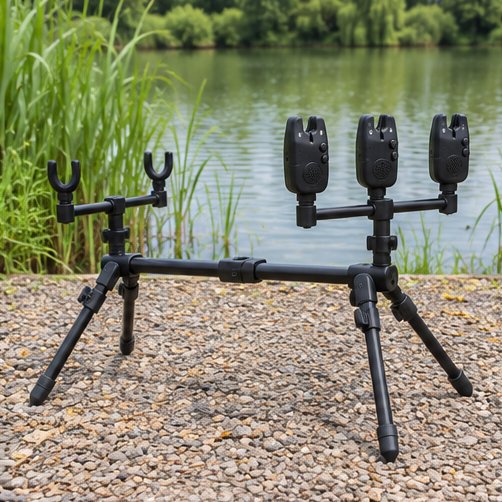
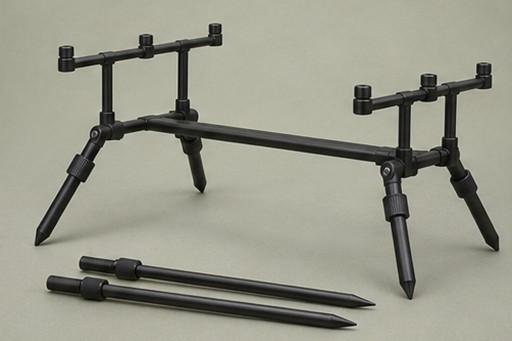
Two banksticks per rod keep things simple on firm, penetrable ground. Use a pod on a stable platform or hard surface where sticks can’t go in. Position the tips so your lines don’t cross and keep a clear route to each rod.
Before you buy A complete support setup means one pod with enough positions or two banksticks per rod. Secure both ends, including rear grips that fit your rod handles. Check what the listing includes before paying.
1 support setup needed· 1 support setup to source
Leeda Rogue 3-in-1 rod pod
Folding pod with buzz bars and carry case, up to three rods
Why choose it
One pod works for the one- or two-rod setup and gives you a solution for harder swims.
Trade-off
Bulkier than a pair of sticks on soft ground. Check rear grips separately and tighten the joints before trusting it with a rod.
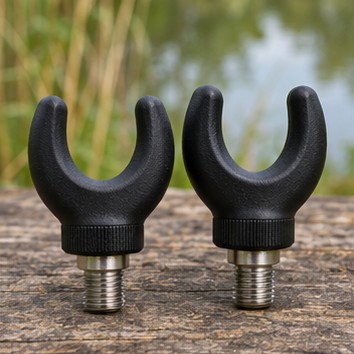
A rear grip holds the rod butt in place and helps stop it shifting on a take. Choose a fit that holds the rod securely while still letting you lift it smoothly.
Before you buy If your existing bankware already includes suitable rear grips, count them here. Check the thread and handle fit with the reel installed.
2 rear grips needed· 2 rear grips to source
NGT Grippz rear rests
Three standard-thread rear grips
Why choose it
One pack covers either rod count and leaves a spare.
Trade-off
Check that the grip actually holds your chosen handle. The pack contains grips and you still need the pod or sticks.
The alarm sounds as line moves through it. For daylight sessions a single adjustable alarm per rod is enough. Use the lowest volume you can hear clearly from beside the rods.
Before you buy Fit batteries, pass line through each alarm and test it before the first cast. A separate receiver is optional for this day setup.
2 alarms needed· 2 alarms to source
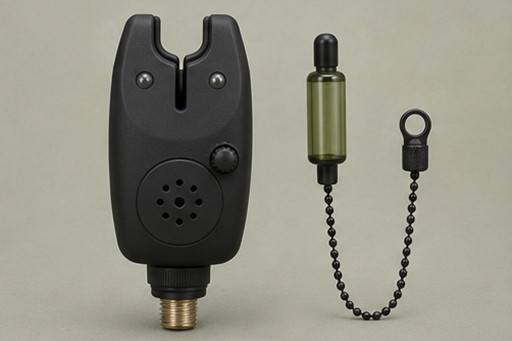
NGT VX2 bite alarm
One black alarm with volume and tone controls
Why choose it
A simple way to buy exactly one alarm per rod without a multi-alarm set.
Trade-off
Check the supplied battery and keep a compatible spare. Add a visual indicator separately.
A bobbin clips onto the line below the alarm. It can rise when line tightens or fall when a fish moves towards you. A light bobbin is enough on many sheltered day-ticket swims.
Before you buy Make sure the clip moves or releases as intended without trapping the line. Test by drawing line away from the reel and then giving it slack.
2 visual indicators needed· 2 visual indicators to source
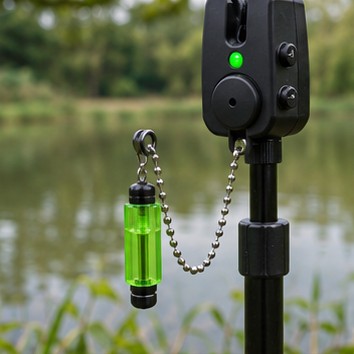
Fox Black Label Slik bobbin
One Slik bobbin, confirm selected colour
Why choose it
Shows changes in line tension and lets you adjust the clip for your line.
Trade-off
A hanging bobbin can move in strong crosswinds. Check the mounting fitting and tension before fishing.
Carry a few of the same rig so that you can replace one promptly if the hook point gets damaged. A familiar hair rig and sinking bait make sense on a clear patch. If you find soft debris elsewhere, look for another firm spot or use a presentation you’ve already tested for those conditions.
Try a small amount of feed around each hookbait and keep track of what you put in. If you move later in the day, you’ll have bait in reserve for the new swim. Give any fresh rig a quick check in the margin, especially if you’ve changed the size or buoyancy of the bait.
Ready-tied hair rigs
Keep enough complete hooklinks to replace damaged or blunted ones. Start with the presentation you already understand and check how it sits over the actual lakebed. These ready-tied examples suit a sinking 15 mm bait on a clear patch.
Before you buy Choose the hook size and barb type the lake allows. The default size 6 example is barbless. If the listing title covers both versions, confirm the selected option and packet marking before ordering.
4 rigs needed· 4 rigs to source
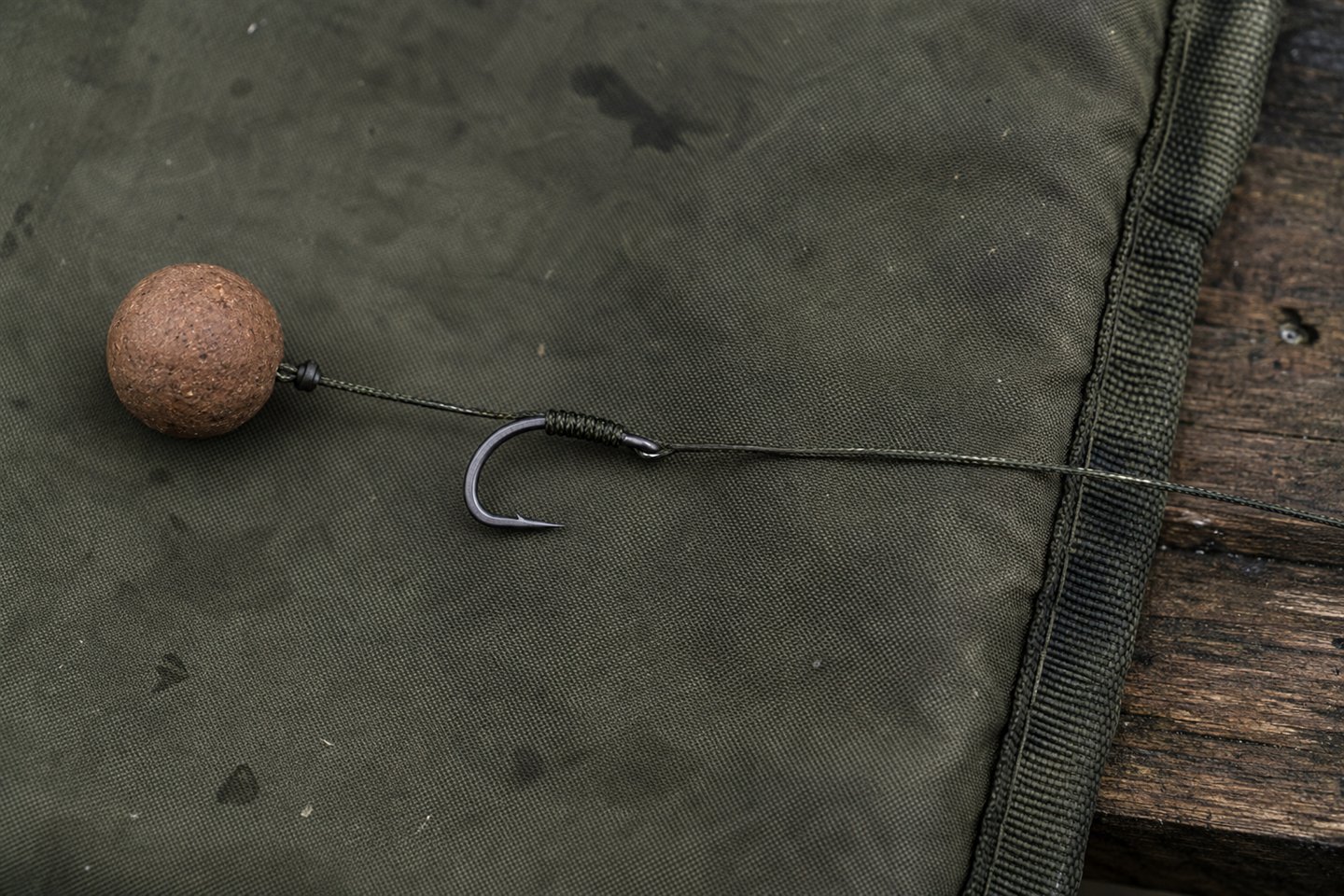
Korda BASIX Wide Gape hair rig, size 6 barbless
Size 6 barbless, 18 lb hooklink, two rigs with stops
Why choose it
Pre-tied loop and sleeve match the BASIX quick-change system. The supplied hair is designed for a 15 mm bottom bait or suitable wafter.
Trade-off
The fixed hair and hook size limit bait changes. A short rig can sit poorly in deep silt or thick weed, so choose a clean spot.
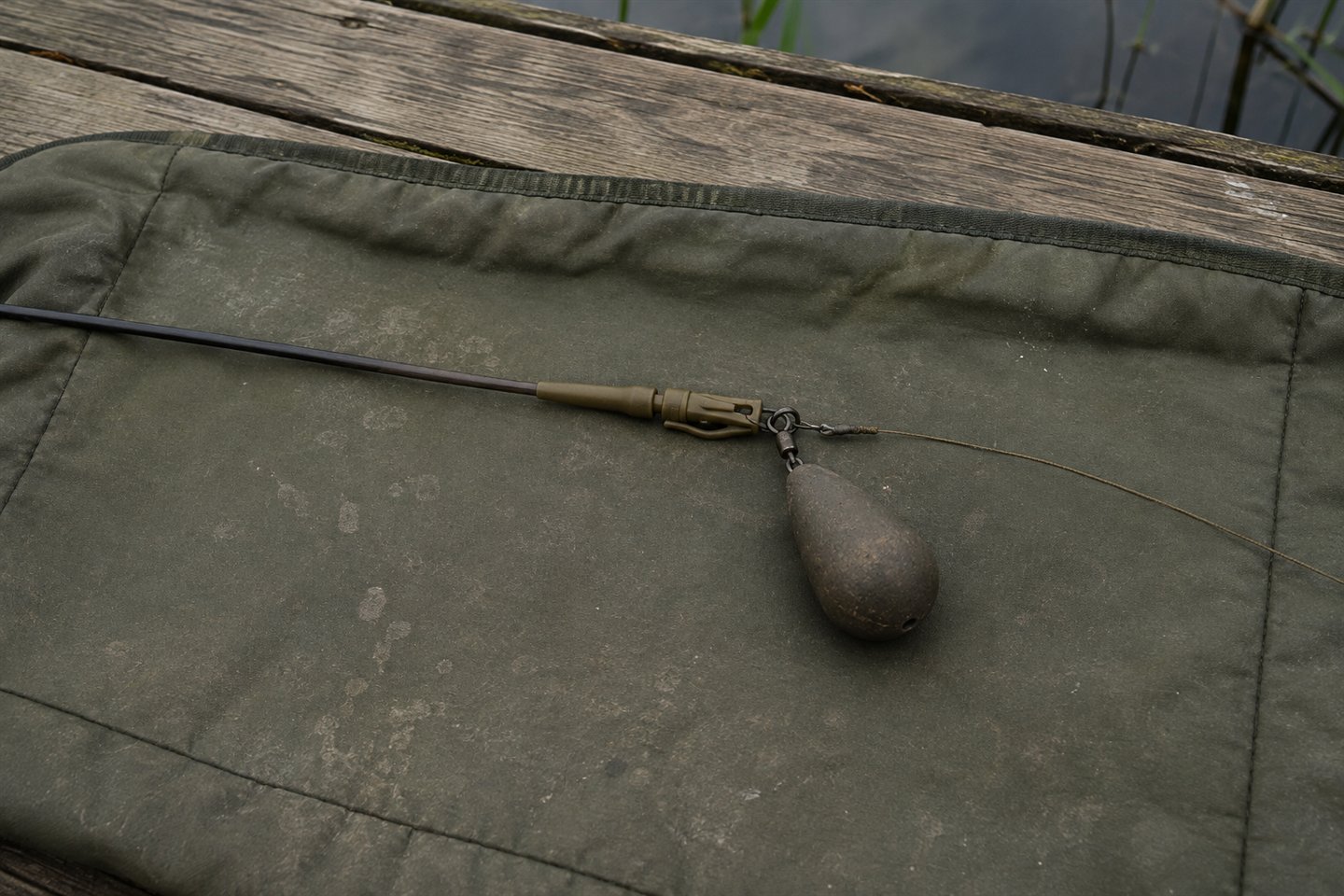
The clip holds a swivel lead, the tail rubber controls how it stays on, and the quick-change swivel connects the rig. Use the matched components and assemble them in the order shown by Korda. One complete assembly per rod plus spares is plenty to start.
Before you buy Follow the maker’s fitting and release instructions. Keep the rig loop fully seated with its sleeve over the swivel hook. Test lead release without a hook exposed. If the venue bans tubing or requires another system, ask what it accepts and use an approved arrangement.
4 lead-clip assemblies needed· 4 lead-clip assemblies to source
Korda BASIX Lead Clip Action Pack
KBX021 camo green, components for five assemblies
Why choose it
Tubing, clips, tail rubbers and quick-change swivels come together, and Korda confirms compatibility with the BASIX hair rig.
Trade-off
Leads are separate. This is a tubing-based system, so check the venue’s rig rules before ordering.
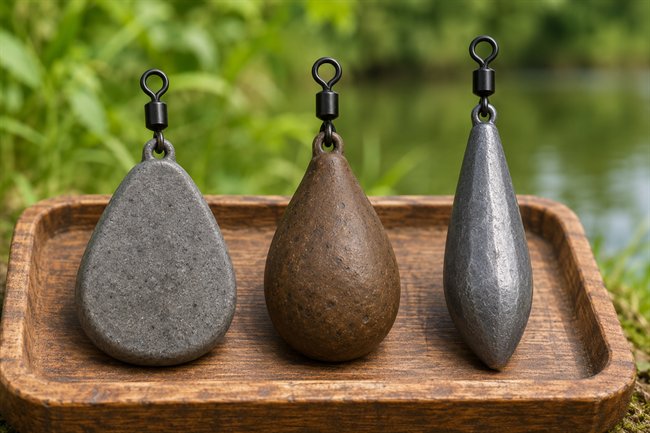
For the matched clip, use a swivel lead with an eye that fits the clip. A flat pear around 2 oz can suit a short cast on the 12 ft outfit if the rod and lake allow it. Choose a lighter load where needed, especially with the 2 lb rod.
Before you buy Check the full casting load against rod guidance and test the chosen swivel in the clip. If the lake requires non-lead weights, use a permitted swivel-weight equivalent with the same fit check.
4 swivel leads needed· 4 swivel leads to source
Flat pear swivel leads
2 oz flat pear, pack of ten
Why choose it
Flat profile and a swivel eye suit the basic short-range clip setup when the eye fits. One pack covers both setups with plenty of spares.
Trade-off
More than a first session needs, and 2 oz won’t suit every outfit or venue. Buy or borrow a lighter suitable weight if that’s what the rod needs.
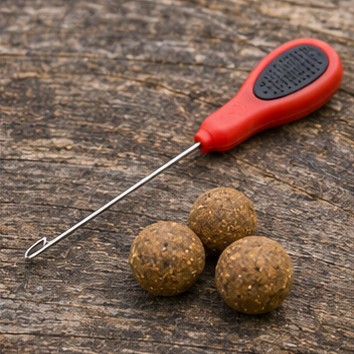
Use a fine needle with a small latch or hook to pull the hair loop through a boilie. Put a bait stop through the loop and ease the bait back against it.
Before you buy Use the needle away from your hand and carry it in a case. The Korda rigs include stops. Keep the hook point exposed and check the bait doesn’t jam against it.
1 baiting needle needed· 1 baiting needle to source
Fox Edges five-piece needle set
Set includes fine and gated needles
Why choose it
Useful if you want a spare and different tips for firmer or softer baits.
Trade-off
One suitable needle is enough for the first trip. You may rarely use the other tools in the set.
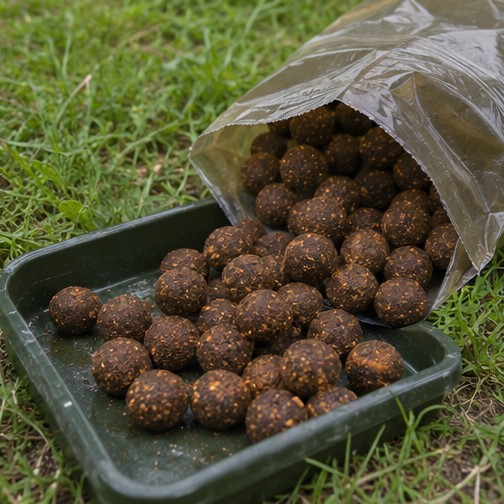
A 15 mm sinking boilie matches the size 6 rig’s intended hair length. Take a small amount to the bank. Start with a few free offerings close to the hookbait and add more only if the situation calls for it.
Before you buy Check that the lake permits the bait. Lower the actual rig and bait into shallow, clear water to see that the boilie settles and the hook sits clear. A pop-up changes the presentation and needs a different balance check.
1 bag of boilies needed· 1 bag of boilies to source
Mainline High Impact Banoffee boilies
15 mm sinking boilies, 1 kg resealable bag
Why choose it
The same bag supplies hookbaits and matching freebies. The 15 mm size fits the intended size 6 BASIX hair.
Trade-off
A kilo is far more than you need to feed on a first short trip. Check the selector because the range also comes in 20 mm.
A second or third line gives a hooked fish more opportunities to cross another rod. Work out where you’ll stand with the net as you set up. Put the net and wet mat within reach and avoid aiming all your lines across that same route.
If the best-looking peg is cramped or has a steep drop at the edge, have a look at the next one. Pick a swim where you can handle a fish calmly and have enough level ground for your kit.
Landing net and handle
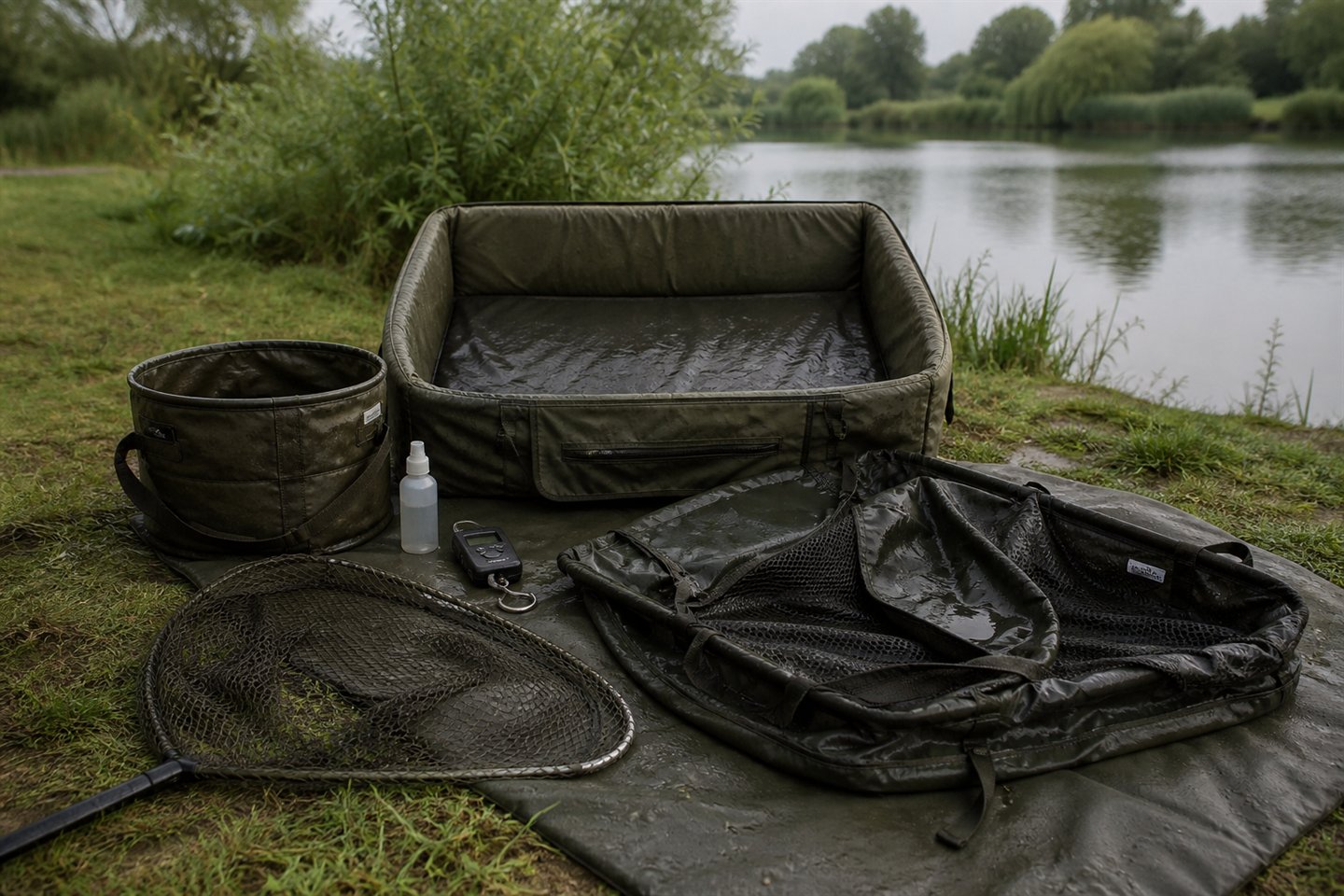
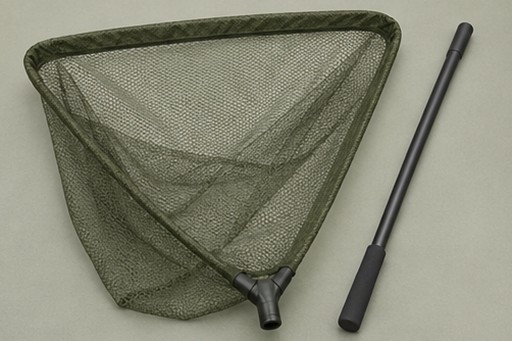
A large triangular net gives a carp room to sit upright in the mesh. A 42-inch net with a roughly 2 m handle is a useful starting point on many UK day-ticket lakes. Check the height and reach from the actual swim before fishing.
Before you buy Assemble it at home. Check the spreader block, arm sockets and handle thread. Guide the carp over the submerged mesh head-first and support the frame and mesh when lifting. Avoid levering the fish up on the handle.
1 complete net needed· 1 complete net to source
NGT 42-inch carp landing net and handle
42-inch net with a 2 m telescopic handle
Why choose it
The listing includes a handle, so you can avoid ordering a net head and a potentially mismatched handle separately.
Trade-off
The net and reach may feel cumbersome in a tiny swim, and a high platform can still be too far from the water. Check the fishery’s net rules first.
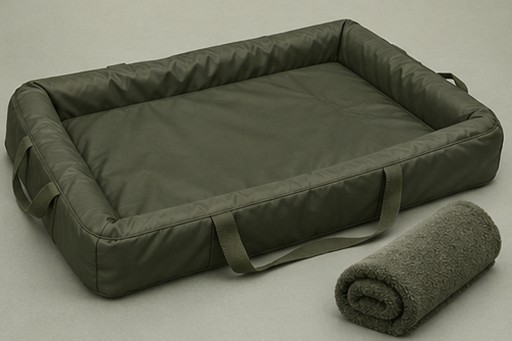
Choose a mat with enough padding and surface area for the carp at the lake. Use it on level ground near the water. Set it out and wet the fish-contact surface before transferring a fish from the net.
Before you buy Some lakes specify a cradle or supply their own fish-care kit. If you choose a raised cradle, check that the feet are stable on the actual bank. Keep the fish low and return it promptly.
1 mat or cradle needed· 1 mat or cradle to source
Pack a suitable disgorger or long forceps, a dedicated water container and any fish-care supplies the venue requires.
NGT padded beanie mat
110 × 60 cm padded mat with pegging points
Why choose it
Sits low on the ground and is easier to carry than a framed cradle. Pegging points help keep it from blowing away while empty.
Trade-off
Needs a clean, flat patch and may fall short of a venue’s cradle or minimum-size requirement.
Choose a close spot you can revisit easily and a second spot that tests something different, such as depth or the edge of a feature. Note the distance and a visible far-bank marker for each. If you use a line clip for accuracy, remove the line from it before fishing so a hooked carp can take line against the drag.
If nothing happens, look for signs of fish and check what each rig brings back. Try moving one rod while leaving the other in place. Changing one spot at a time makes it easier to learn what happened, even on a day when you don’t catch.
When a third rod earns its place
Start with two and add a third only when you can describe where it will go and how you’ll land a fish without crossing the other lines. Check your licence and the fishery’s rod limit. In England and Wales, the standard coarse licence covers up to two rods for carp, and a 12-month three-rod option is available. The lake can set a lower limit.
Keep the third rod packed in a narrow peg, on a busy bank or when wind pushes two lines together. A full day fishing two clean spots is plenty to work with.
Setup questions
Do I need to replace my beginner rods?
Keep them if they suit the lake, the casting load and the distance you fish accurately. Buy the missing reel, alarm or supports before replacing an outfit you already use comfortably.
Do I need three rods on a medium lake?
Two give you a close spot and a second option. Add a third when you have permission, a clear line and a distinct spot to fish.
Do I need a spod rod for a full day?
If the spots are within hand-feeding or catapult range and the venue allows your method, you can start with a small amount of bait and keep your kit simple.
Two- or three-rod carp fishing setup for a day session
2 rods · Tackle still to source
Carp rod · 2 rods
Carp reels · 2 reels
Monofilament mainline · 1 bulk spool
Rod pod or bankstick setup · 1 support setup
Rear rod grips · 2 rear grips
Electronic bite alarms · 2 alarms
Bobbins or hangers · 2 visual indicators
Ready-tied hair rigs · 4 rigs
Matched lead-clip system · 4 lead-clip assemblies
Swivel leads · 4 swivel leads
Baiting needle · 1 baiting needle
Sinking boilies · 1 bag of boilies
Landing net and handle · 1 complete net
Padded unhooking mat or cradle · 1 mat or cradle
Confirm venue rules, fishing permission and rod licence where required. Pack unhooking tools and any fish-care equipment the fishery requires.